

It happened on the way to the mountains. A steep road, loose gravel, a sudden slide. The wheels gave out first. Then the road. Then the silence.
We had just left the teacher training center built by First Steps Himalaya—one of their flagship projects in rural Nepal—and were winding around a tight bend when the vehicle slipped sideways off the edge. The tires hung over the drop. Our bodies froze. For a breathless second, everything held—suspended between gravity and grace.
And then the people came.

From out of nowhere: men with ropes, children with hands like anchors, grandmothers shouting instructions from hilltops. The whole hillside became a rescue team. They lifted us. Rocked the vehicle back onto the road. Smiled like it was nothing. Like saving strangers was just what you do.

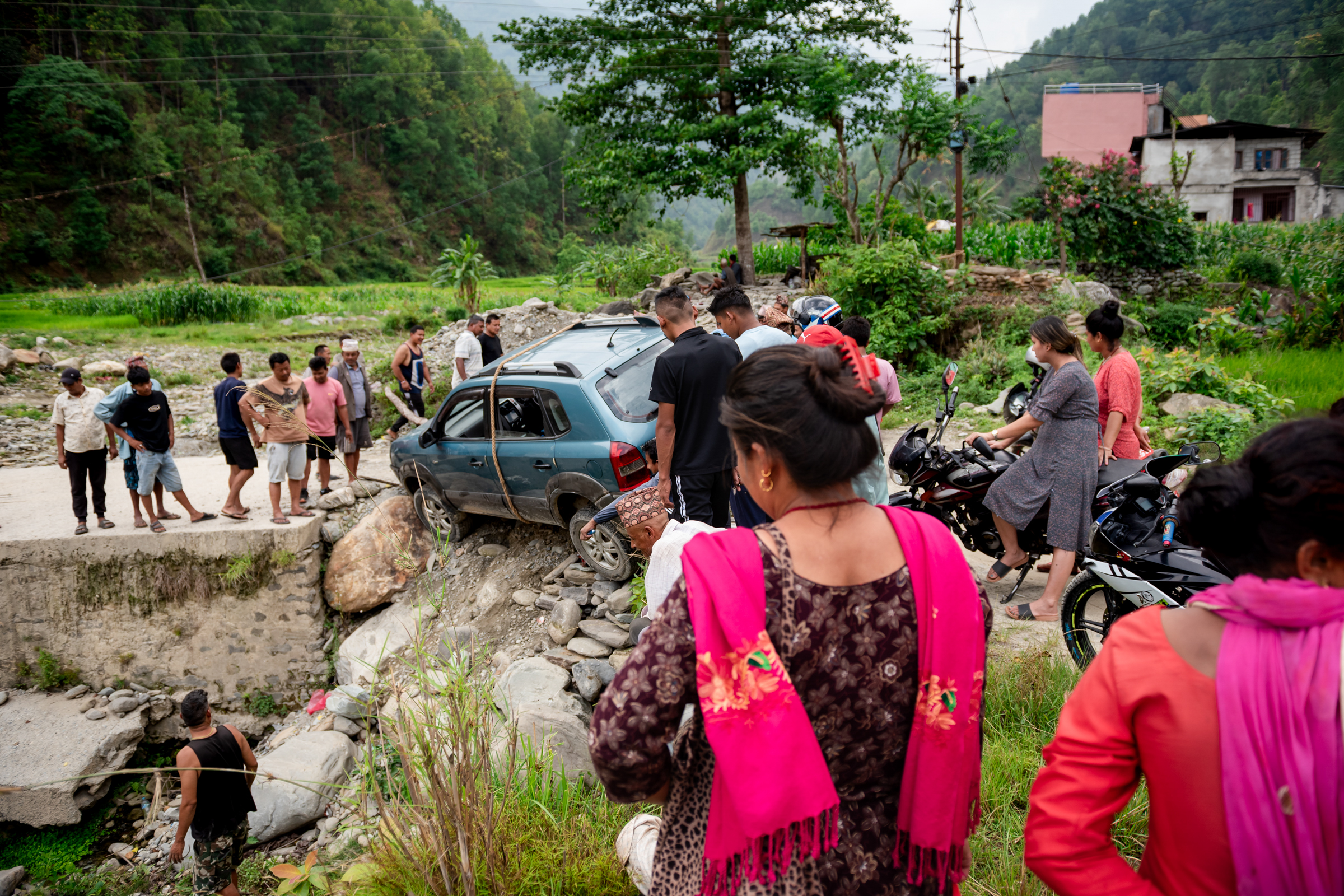
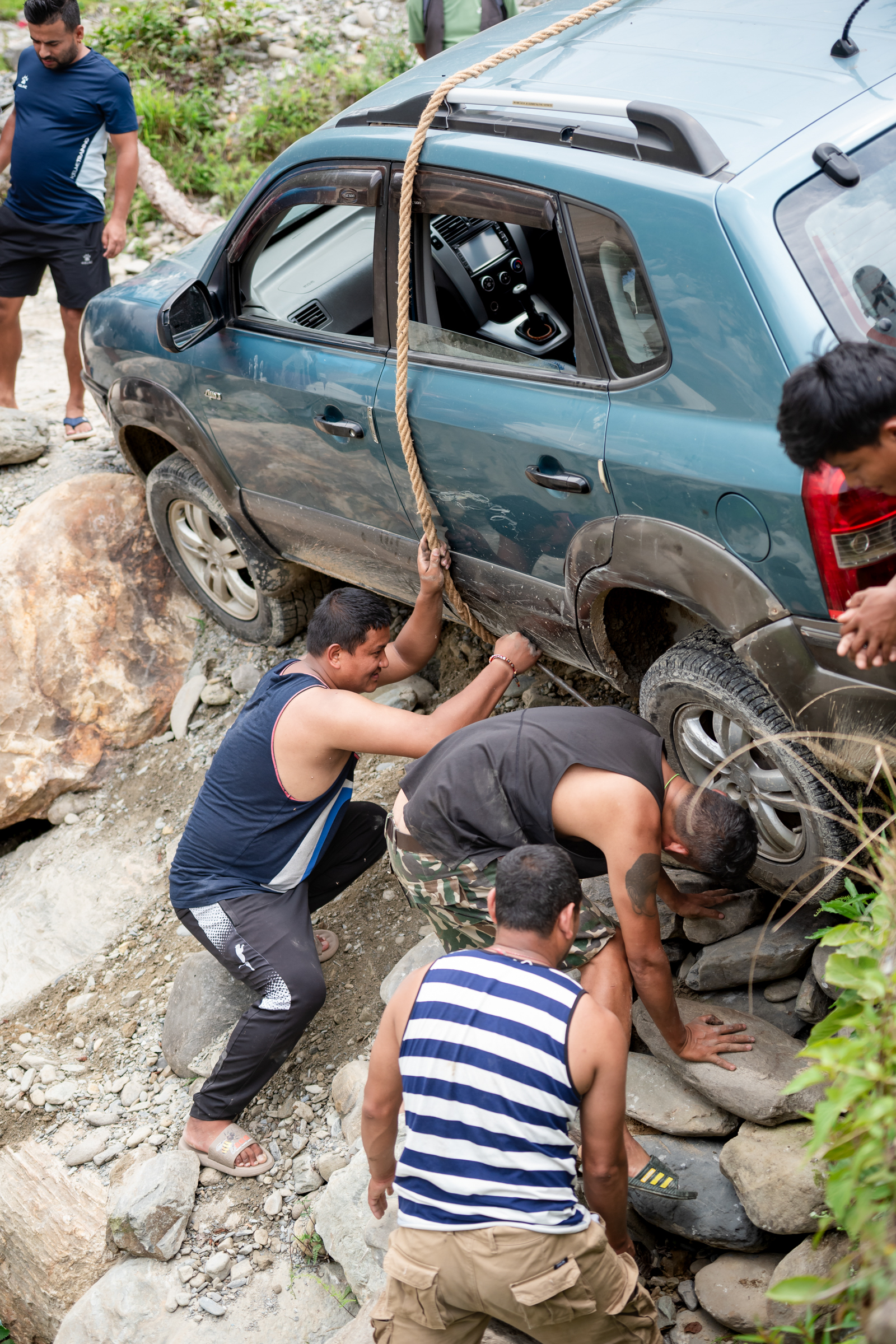
That moment stayed with me. The way strangers move like family in Nepal. The way the edge becomes a beginning. That quiet rescue would come to define the way I experienced Nepal—where help arrives without hesitation, and connection is instinct, not obligation. It wasn’t just the road that held us up. It was the people.
There’s a place between running and arriving. A middle-of-nowhere that’s really the center of everything. That’s where I landed. Not lost—just cracked open.
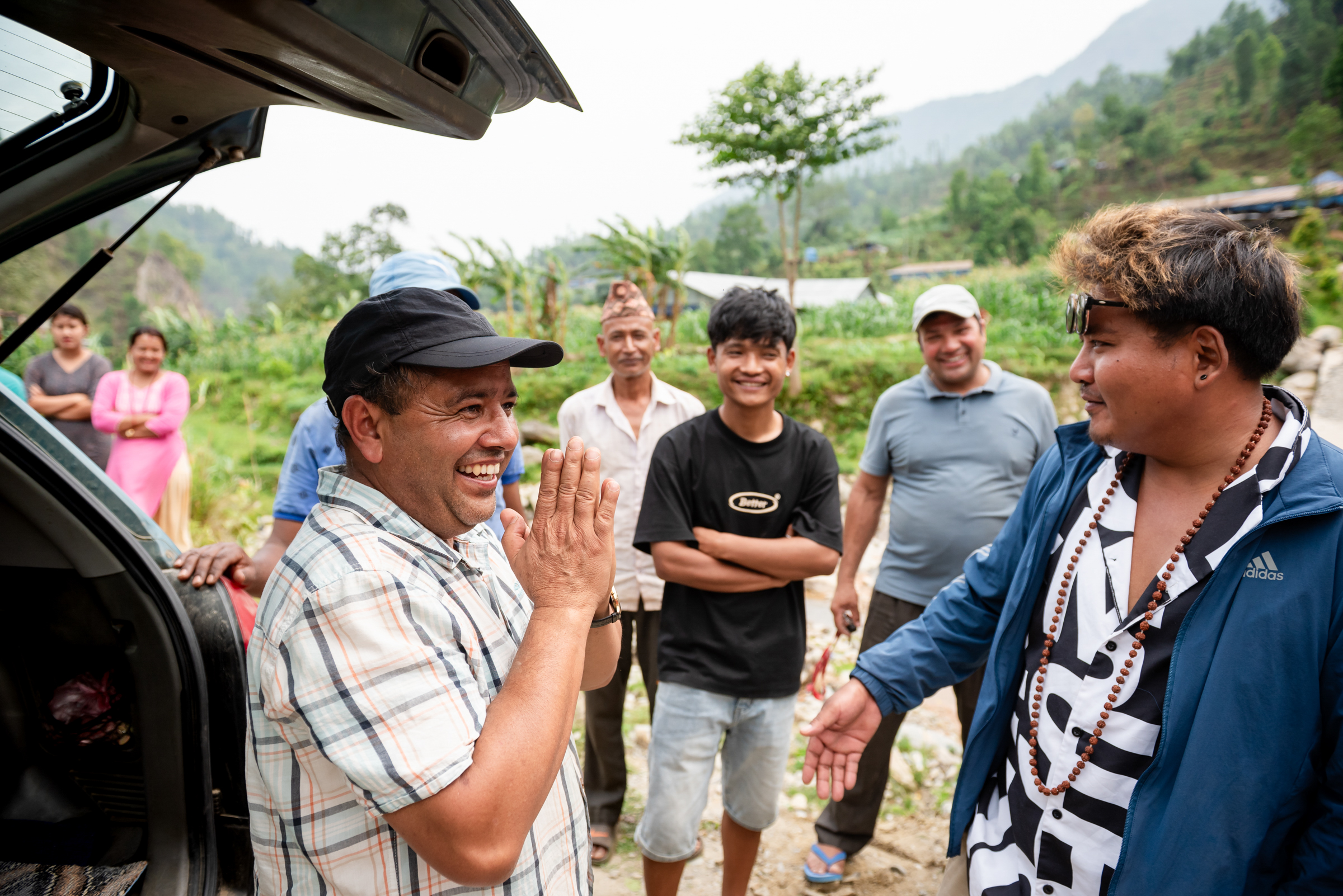
I had come as a visual storyteller. I joined a tour through Beyond the Clouds, led by Fionna Heiton and Durga Aran—the visionary couple behind the grassroots education NGO First Steps Himalaya. The plan was to photograph their work. But what unfolded was more than a photo assignment. It was a calling. A return. A soul-led surrender to something larger than myself. What I joined wasn’t just a tour. Every step of this journey supported First Steps Himalaya’s grassroots work in education. That’s the beauty of traveling with Beyond the Clouds—your presence becomes part of the progress.
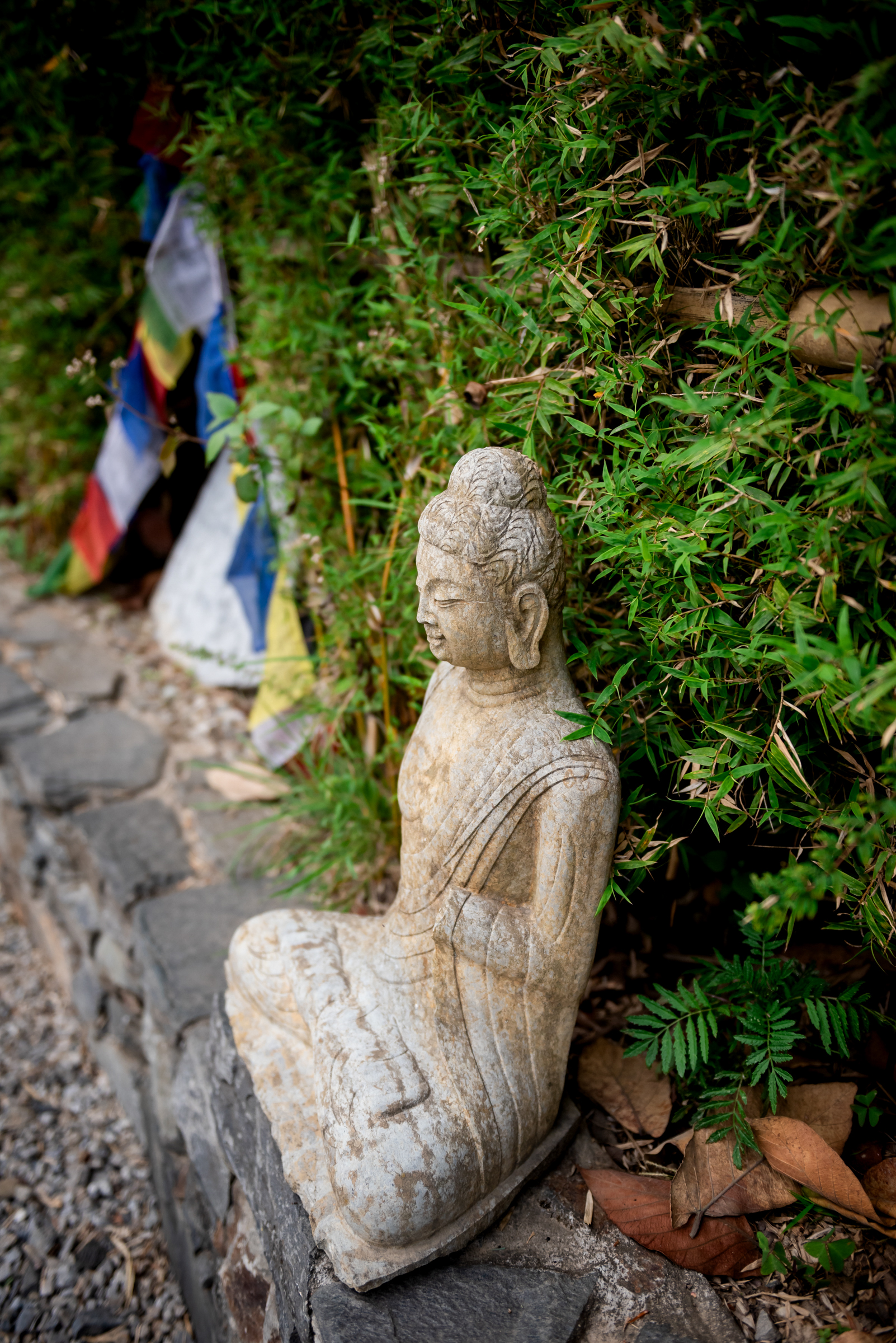
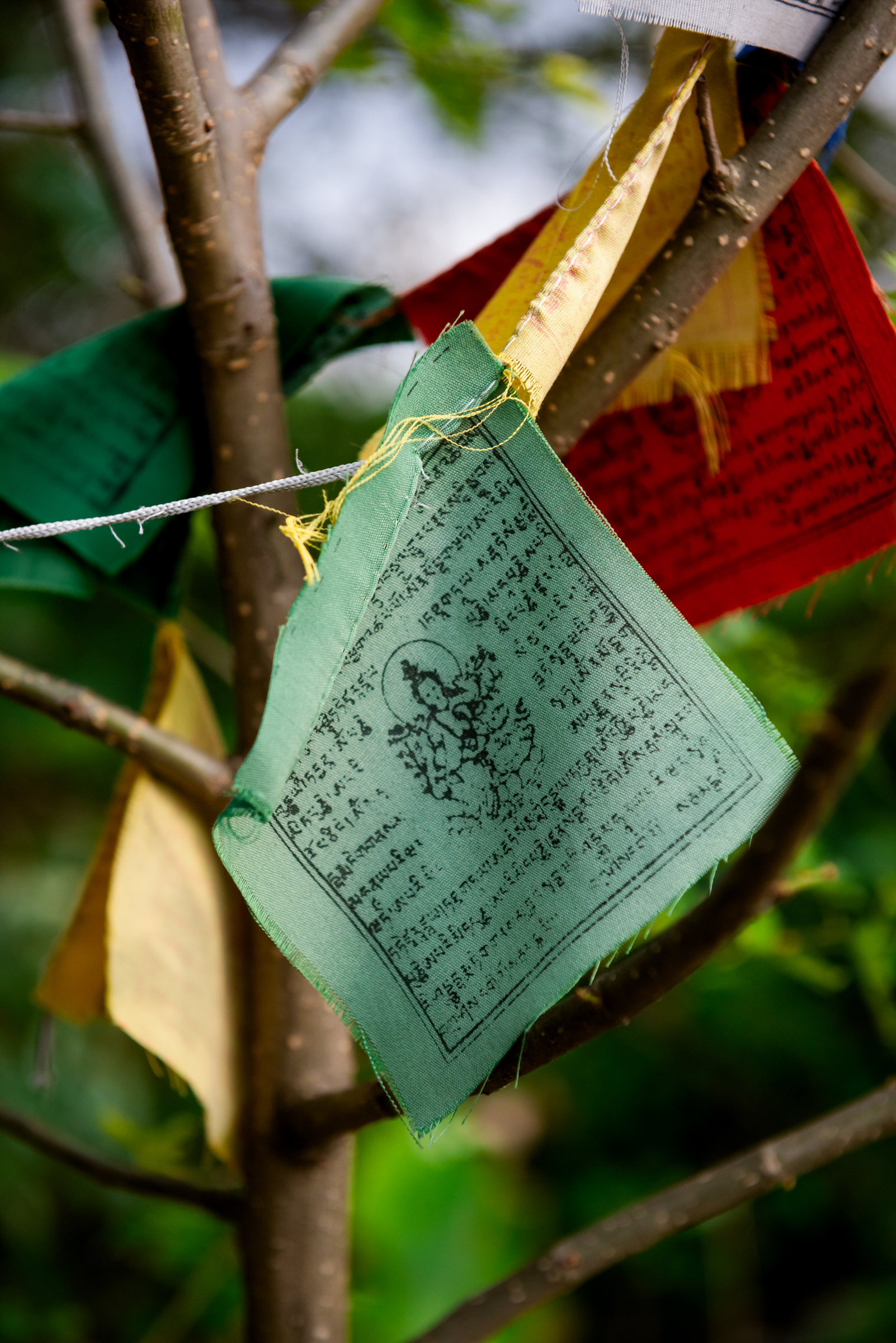
Nepal is a slender thread of a country, landlocked between the geopolitical giants of China and India. But what it lacks in size, it makes up for in spirit. Home to the world’s tallest peaks and some of its humblest hearts, Nepal is predominantly Hindu—around 80%—with a significant Buddhist presence that threads through daily life like smoke through a temple. Here, religion isn’t compartmentalized. It’s lived. Woven into prayer flags, etched into stone, whispered through mantras. It’s a place where gods ride on rickshaws and offerings bloom beside muddy trails. To stand in Nepal is to feel the pulse of something ancient and immediate, sacred and fiercely alive.
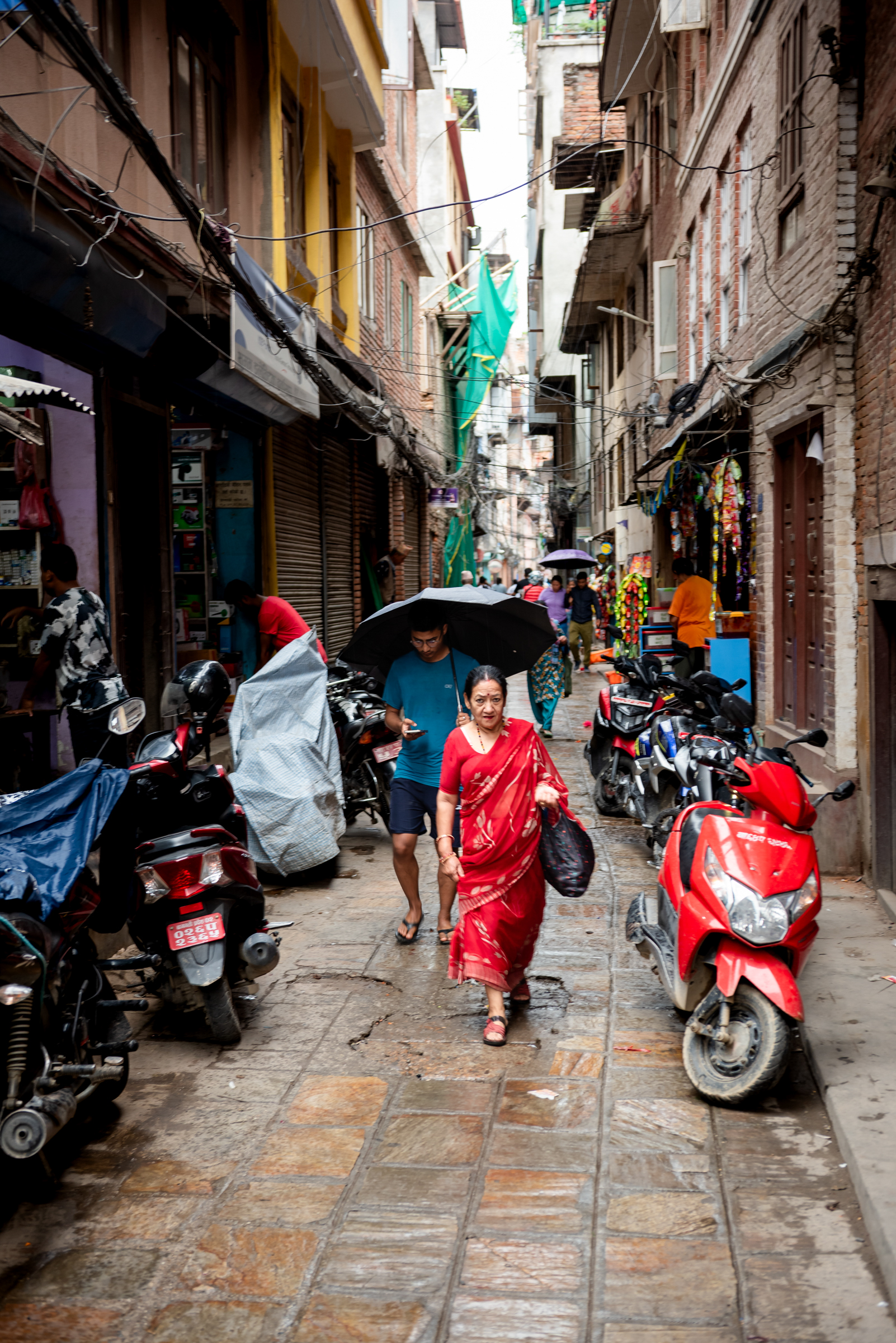
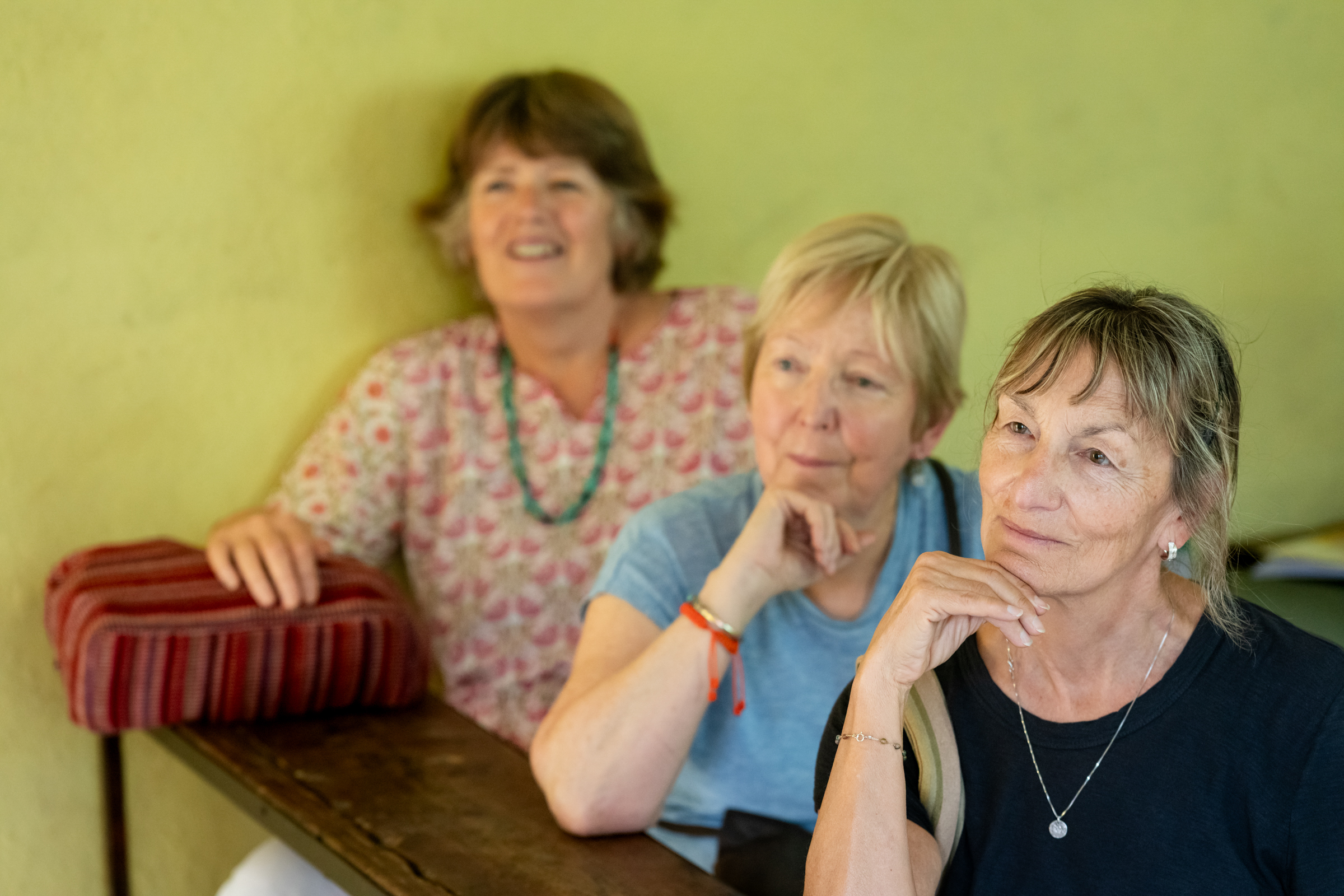
Our small group included Bonnie from Canada, Caroline from New Zealand, and me. We began in Kathmandu, where the smell of incense and motorbike exhaust drifted over temple steps. The city pulses with contrast—chaotic and reverent. Prayer flags above, street vendors below.


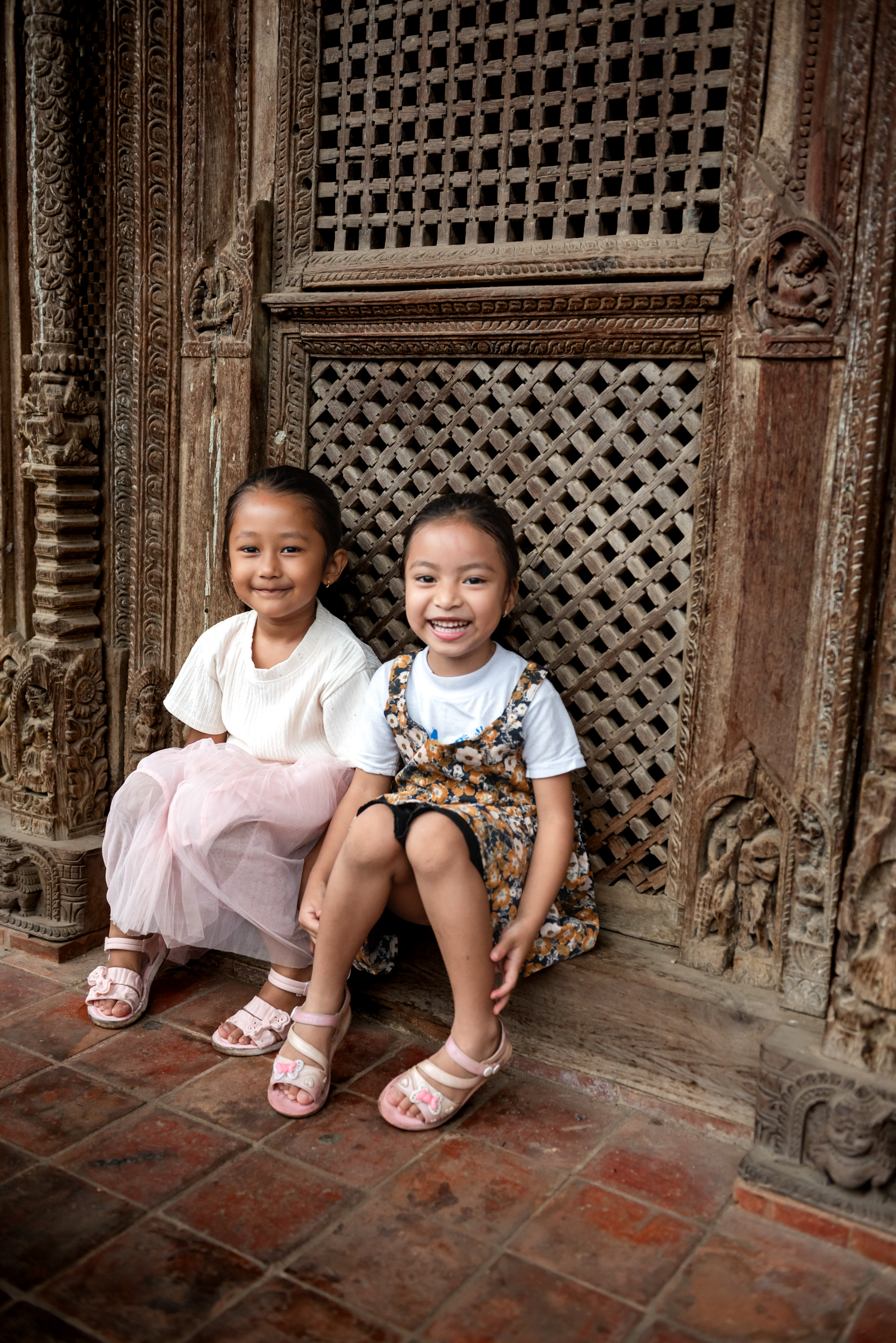

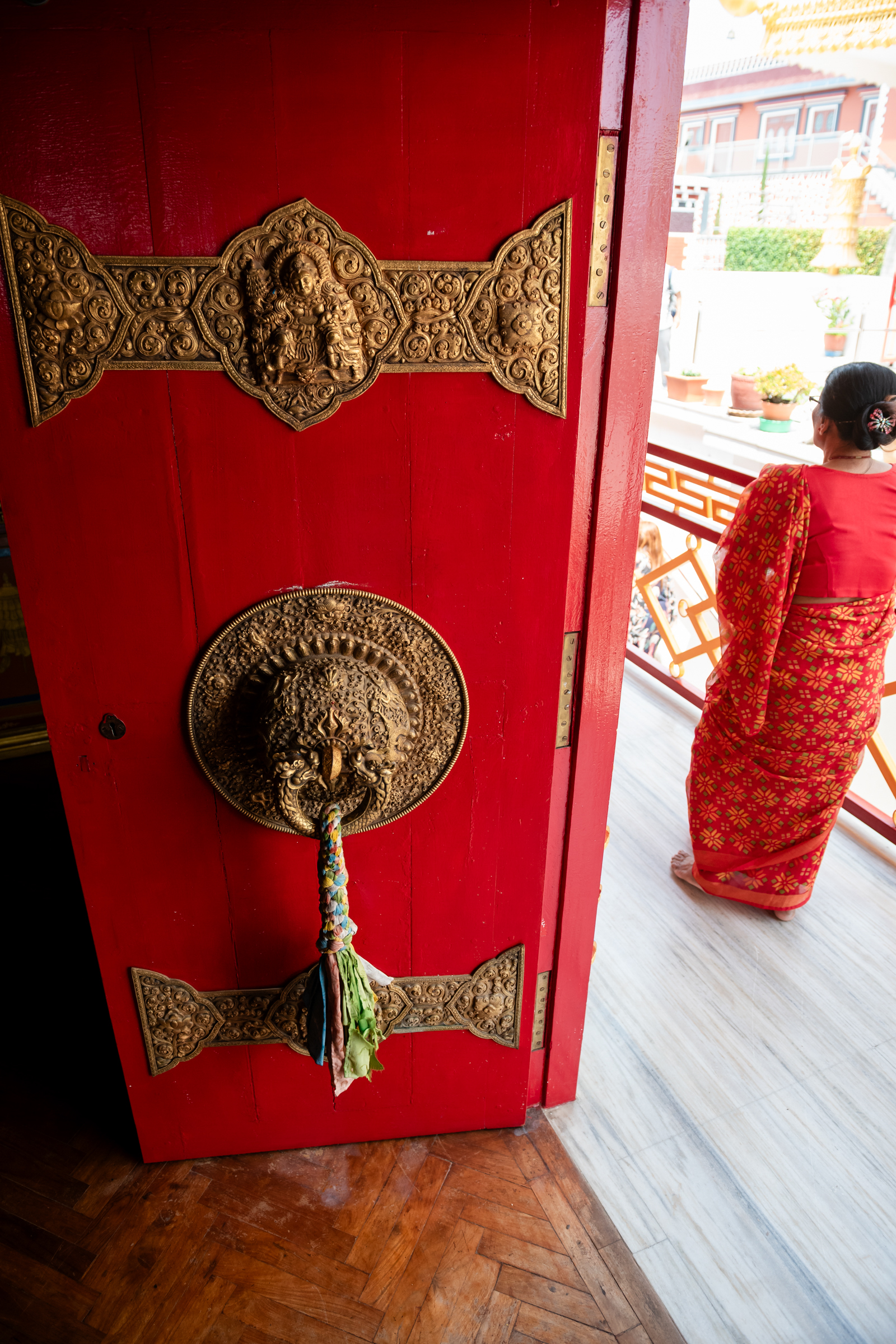
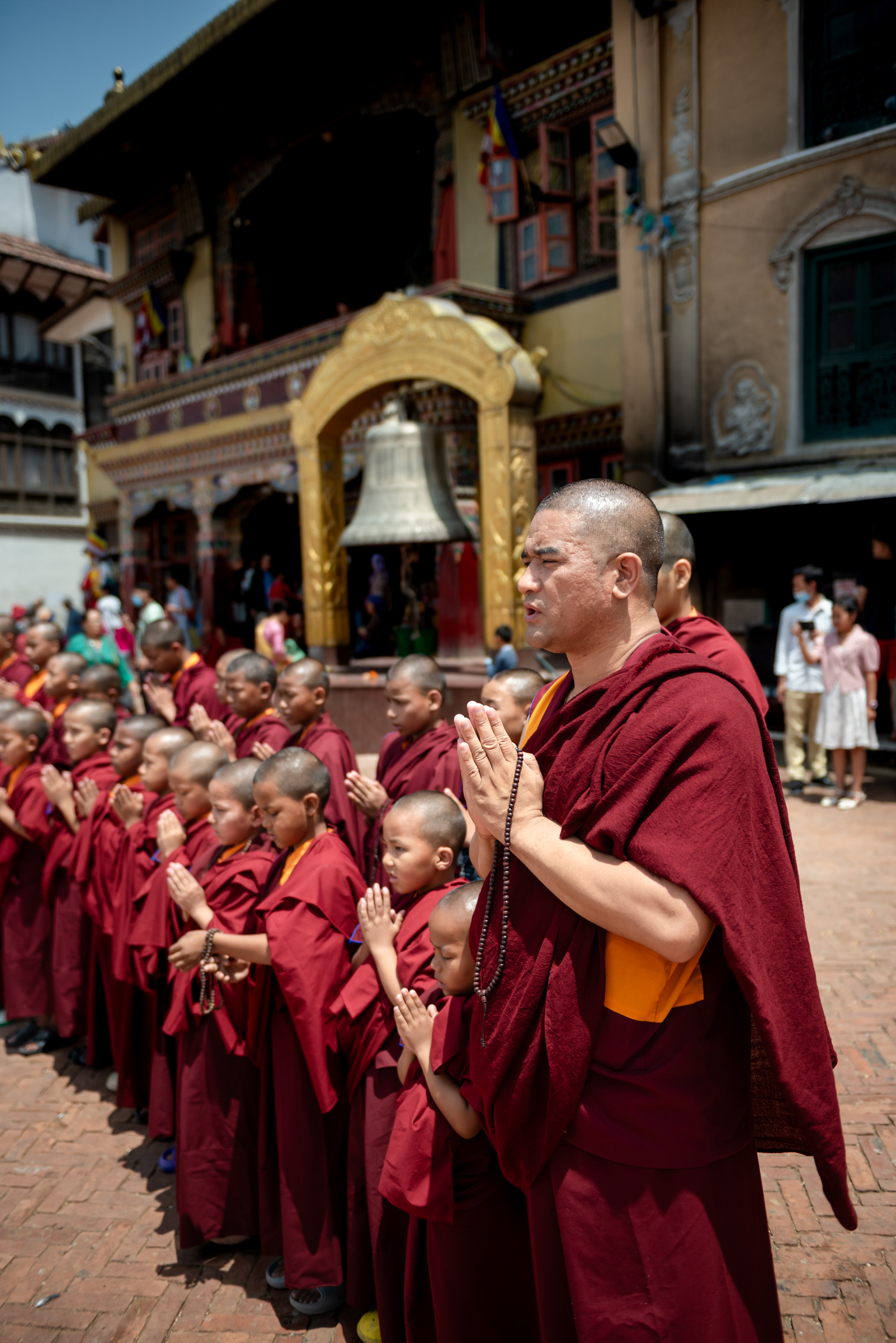
We drove to Namo Buddha, one of the most sacred Buddhist sites in Nepal. It’s said a young prince sacrificed his life there to feed a starving tigress and her cubs. Inside the monastery, monks chanted beneath a ceiling of golden icons. The air vibrated with devotion. I wasn’t allowed to photograph inside—but I recorded the sound, hoping to carry home just a thread of that sacred atmosphere.



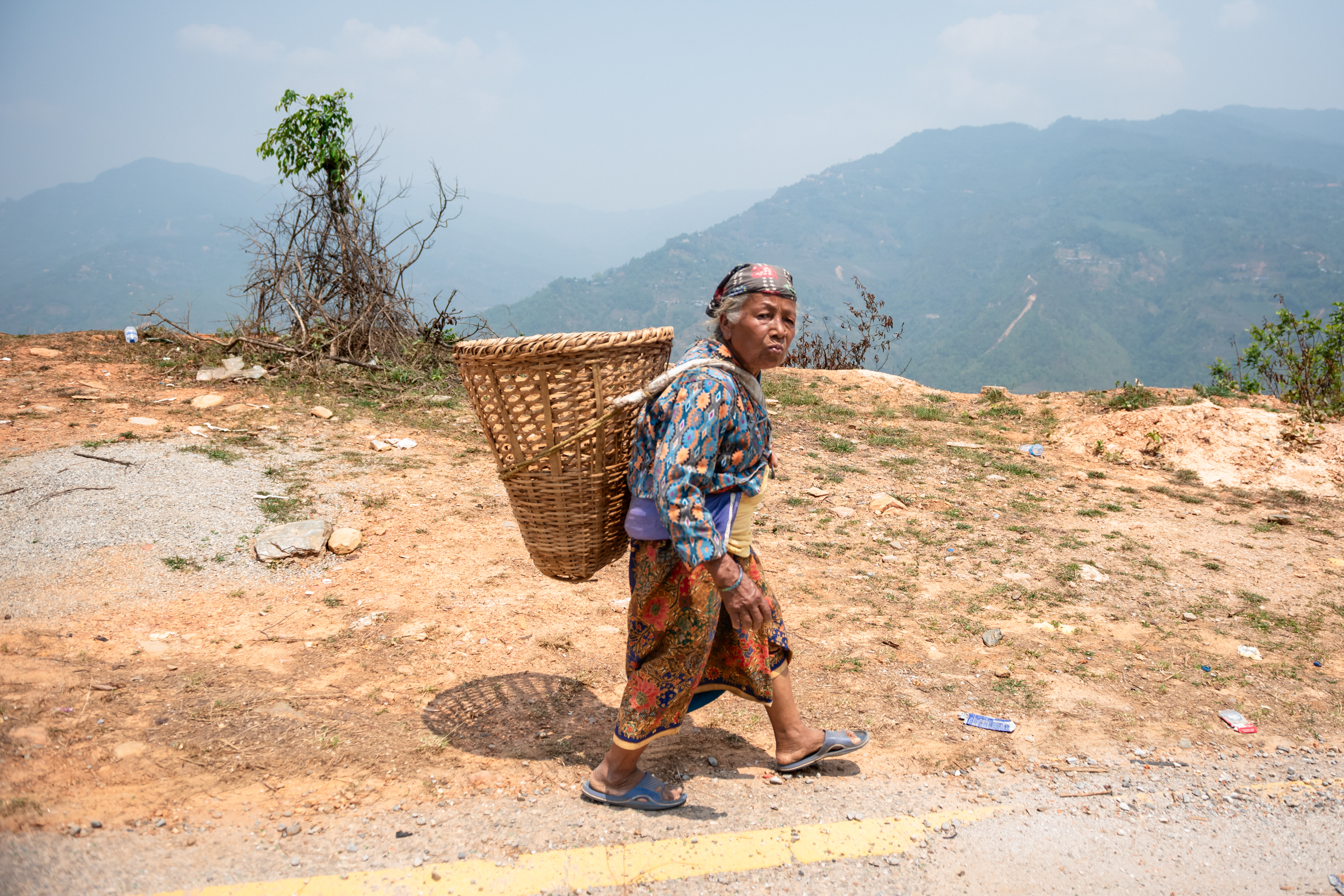
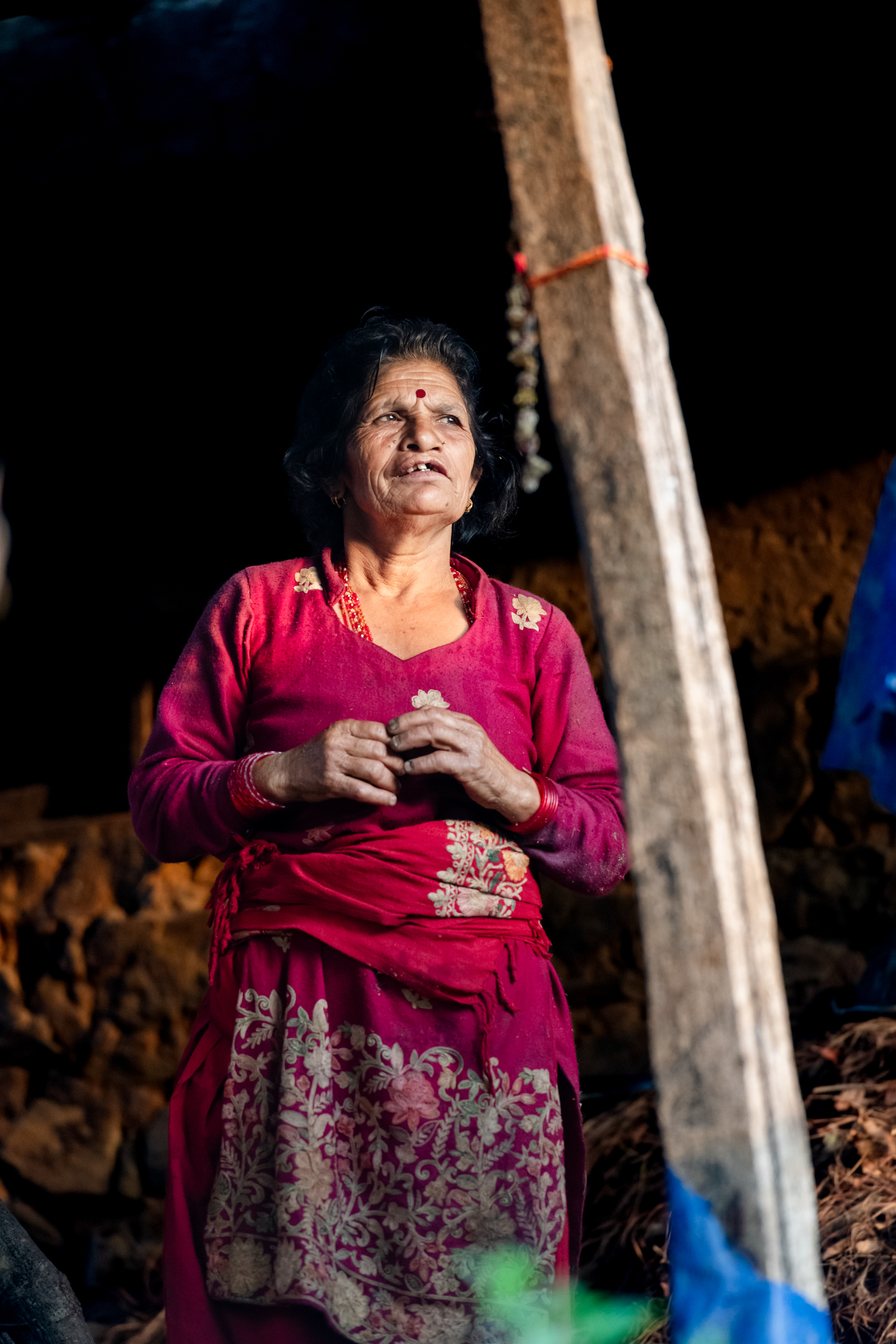
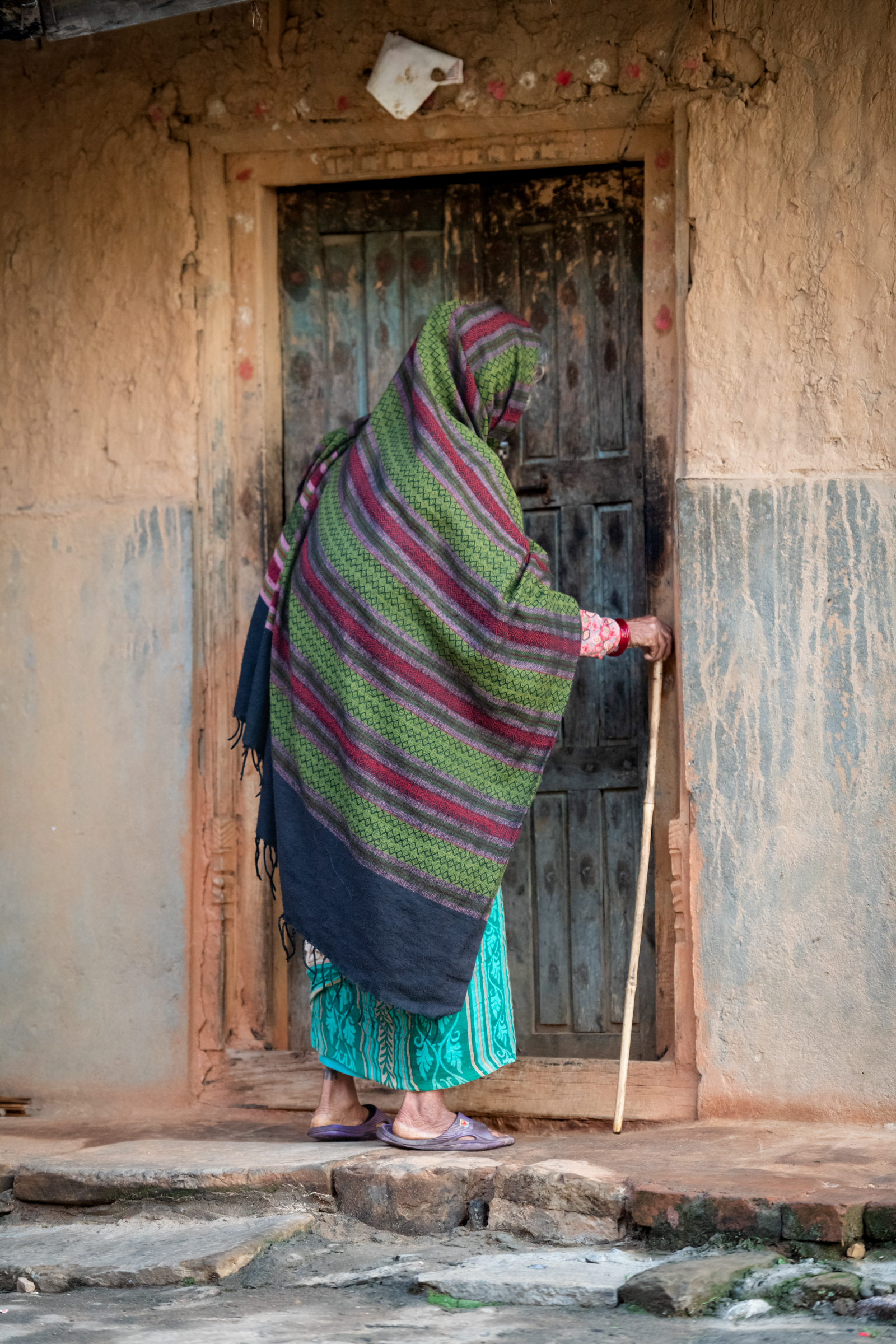
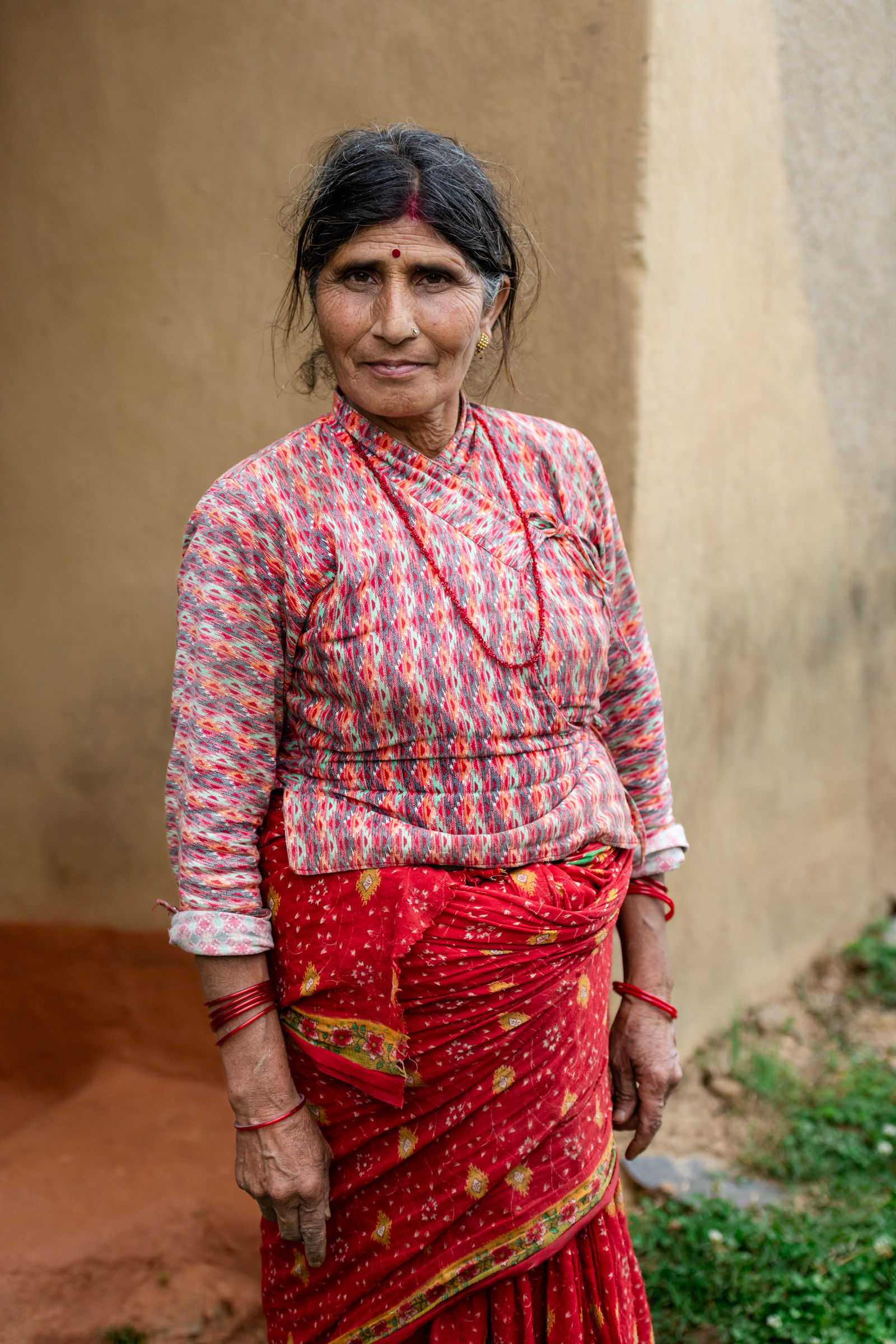
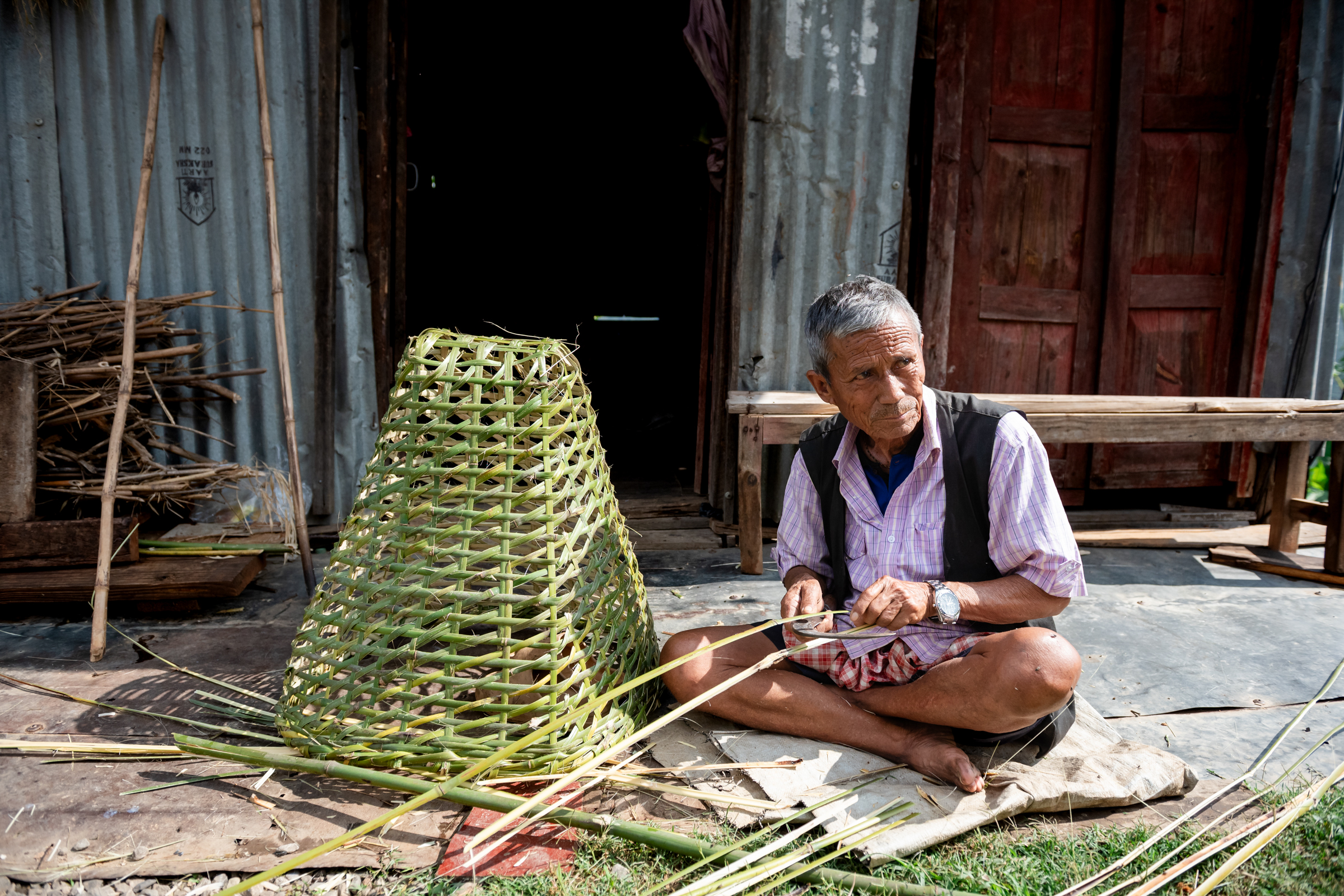
The drive there took longer than expected. The roads, a mix of modern pavement and bumpy backroads, wound through hills and rice terraces. The views were staggering—layer after layer of green and gold, mountains stretching into the haze. It was hard to look away. I rolled down the window and often found myself leaning out. I couldn’t help it. It was impossible not to hang out the window with my camera. Villagers walked beside ox carts. Children waved from rooftops. The roads were dusty, the views priceless—and somehow, Nepal remains one of the most affordable places in the world to witness this kind of wonder. People passed us on foot, bent slightly under the weight of woven baskets strapped to their backs—faces steady, steps sure, framed by the endless rise of the Himalayas behind them. These were the kinds of moments that asked nothing but to be seen.






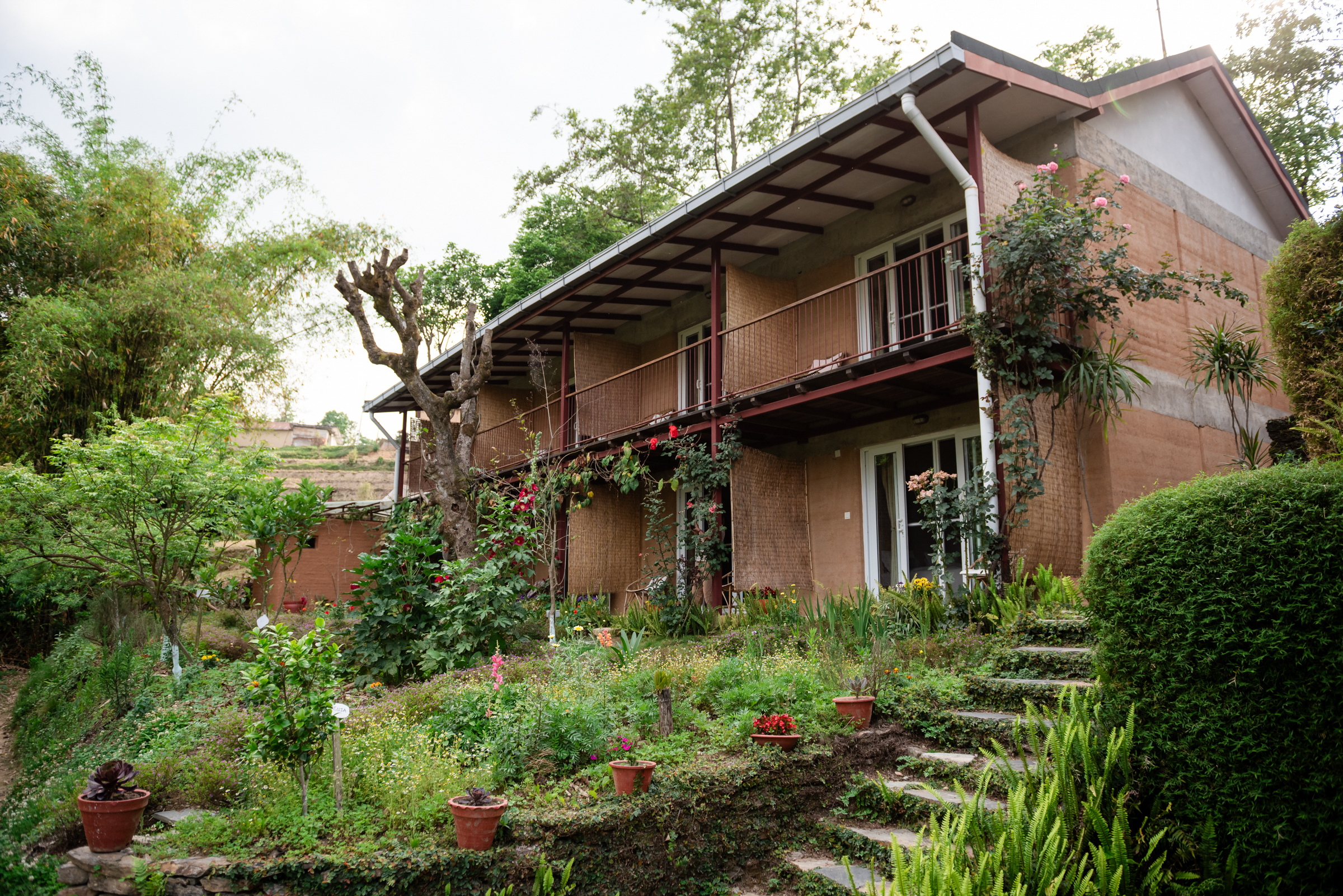
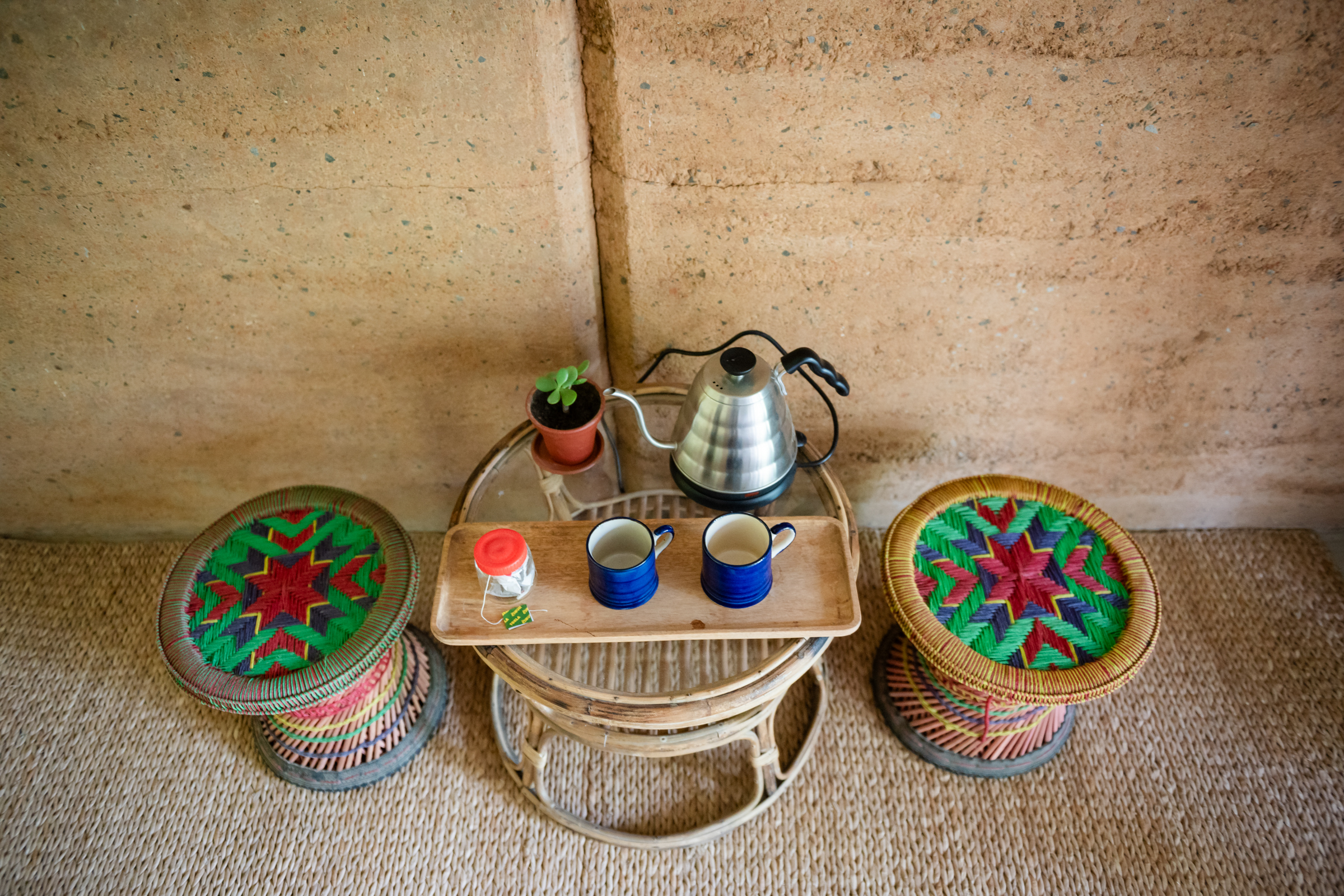
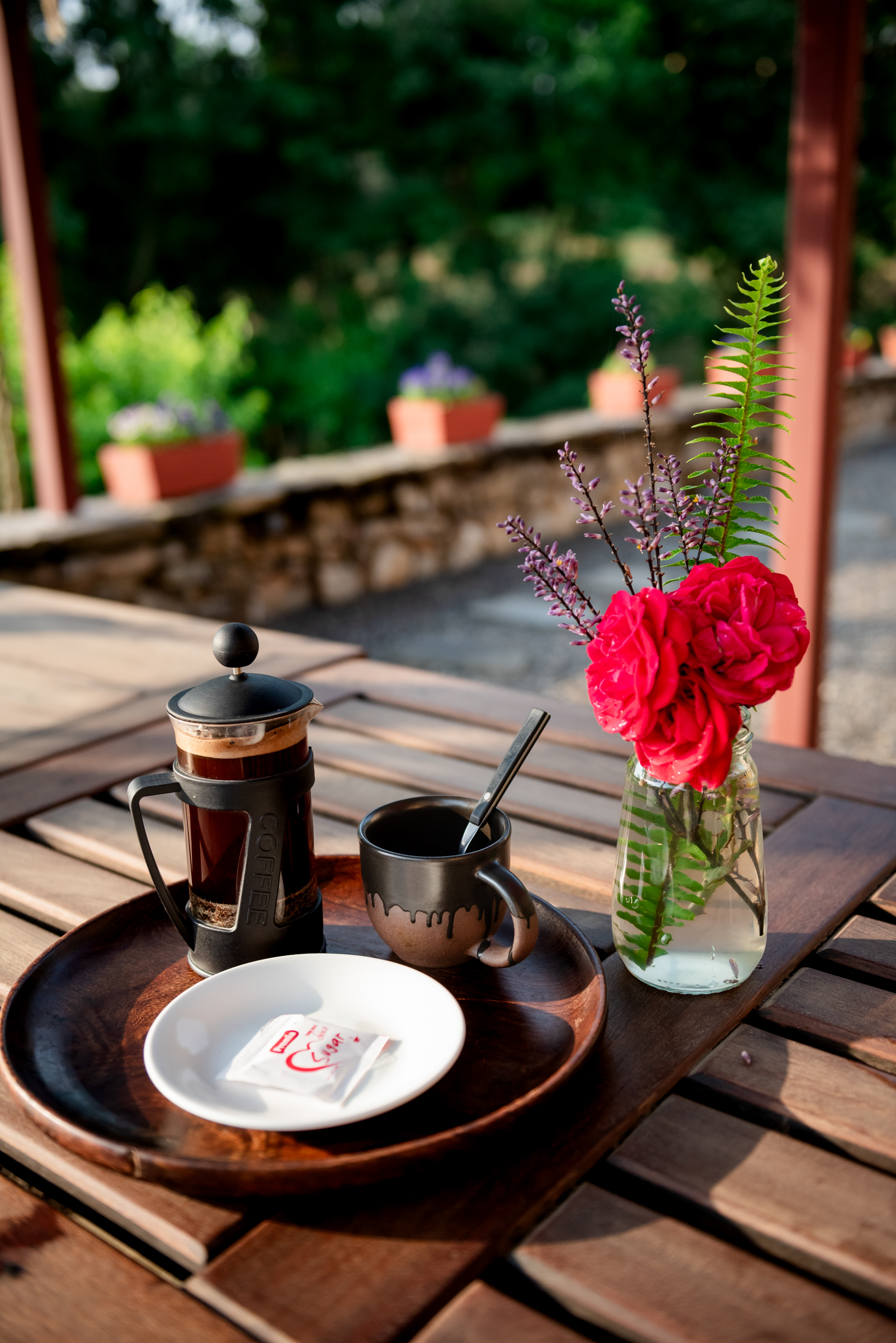
We stayed nearby at Vishuddhi Alaya, a retreat-like lodge nestled in the hills. No television. No rush. Just garden-to-table meals, birdsong, and the sound of silence. Almost everything we ate was grown right there in the expansive gardens—vegetables, herbs, fruits, and spices tended with care. The meals were entirely vegetarian, impossibly fresh, and deeply satisfying. There were always bowls of soft peaches in the dining room, and a pot of lemongrass tea steeping on the sideboard. I found myself refilling my cup throughout the day without even thinking. One afternoon, Deepak—the lodge’s calm and kind-hearted chef—gave us a tour through the gardens. He showed us where the ginger and turmeric grew, where the bees worked, where dinner quietly began. That evening, gathered around a long wooden table, Fionna and Durga shared how First Steps began—out of heartbreak, earthquakes, and hope. They spoke of teachers trained, villages reached, children seen.



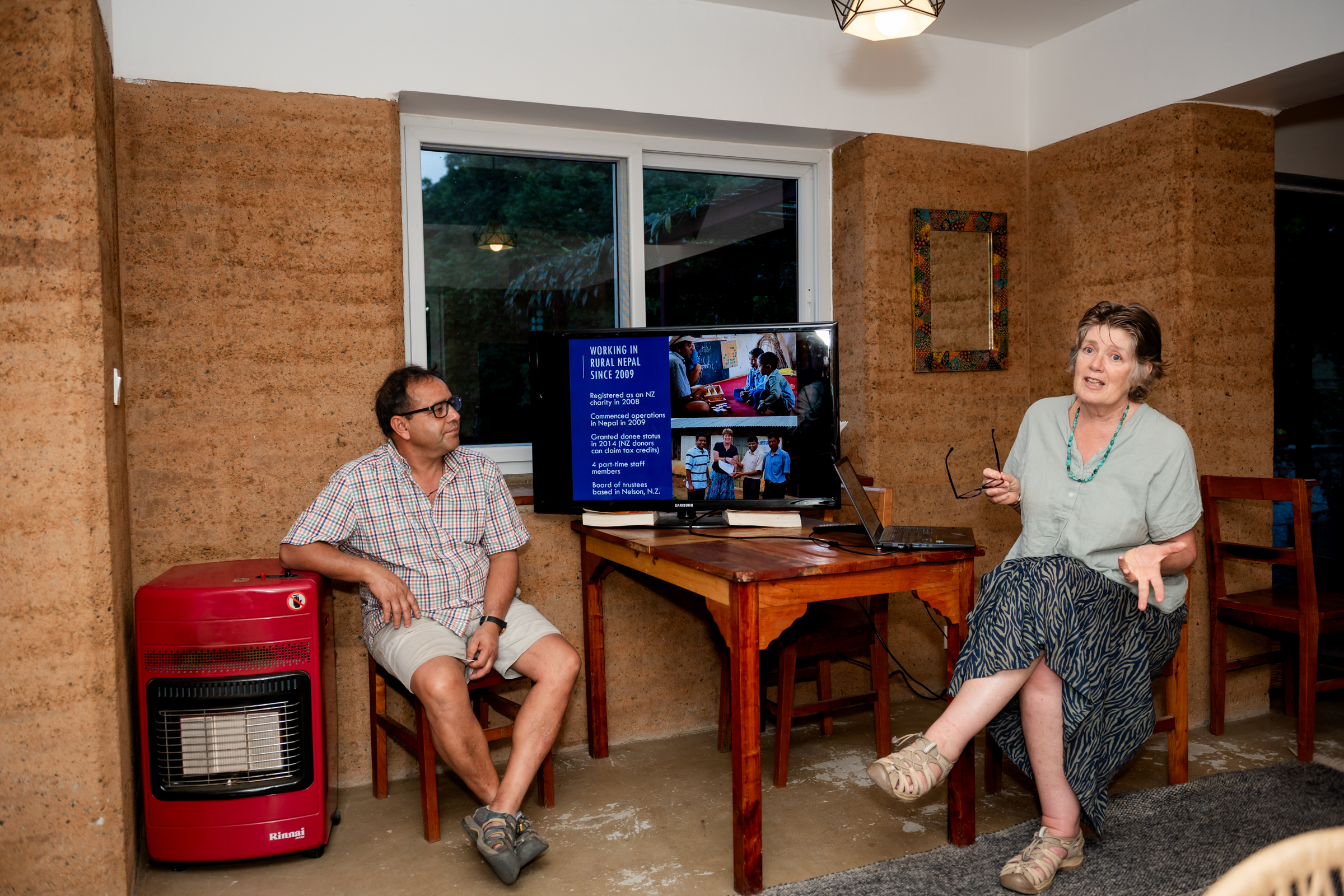
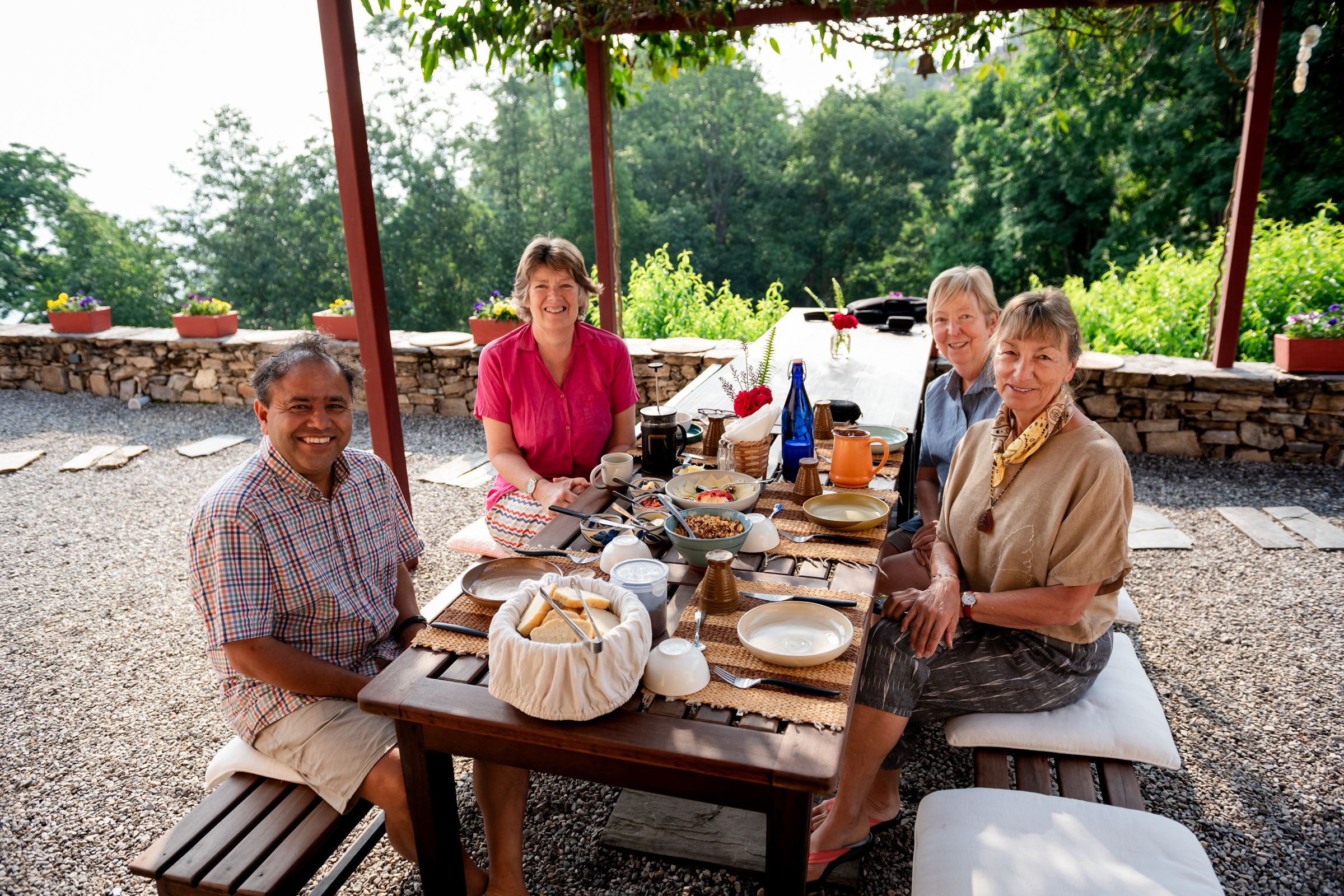
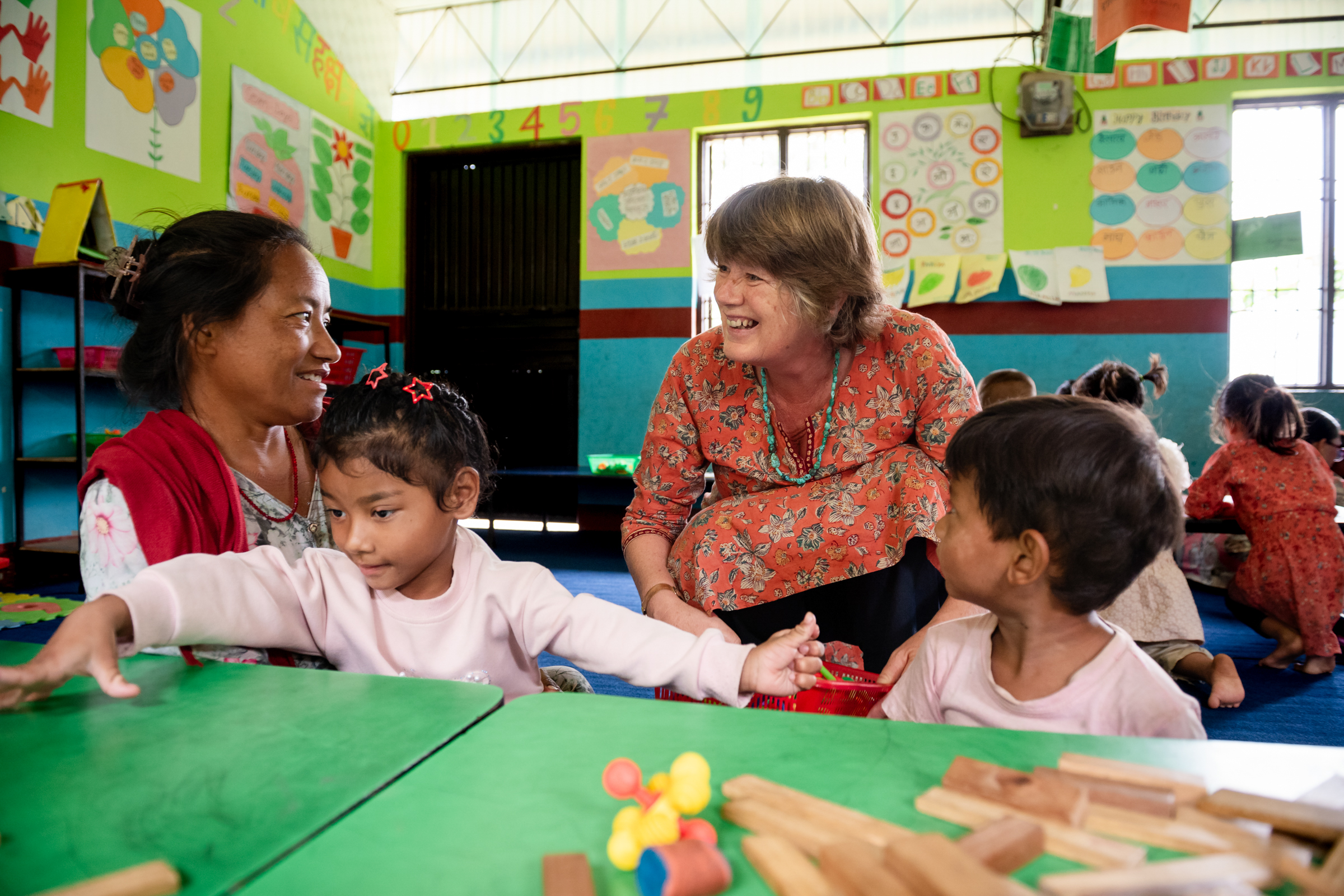
Fionna, originally from the UK and now based in New Zealand, had spent decades in education and development. During our school visits, she would often instinctively jump in and lead parts of the class—offering guidance, encouragement, or simply anchoring the room with presence. Her connection to the children and the teachers was immediate and natural. Durga grew up in a small village northeast of Kathmandu, the youngest of eight children. His parents didn’t see the value in education and sent him to care for relatives when he was just six. Later, he worked in restaurants in the city, where he met Fionna in 1998. Together, they dreamed of building something better for the next generation. In 2002, expecting twins, they founded First Steps Himalaya to ensure Nepali children had access to quality early education. Their vision continues to grow—spreading across rural districts, empowering entire communities.

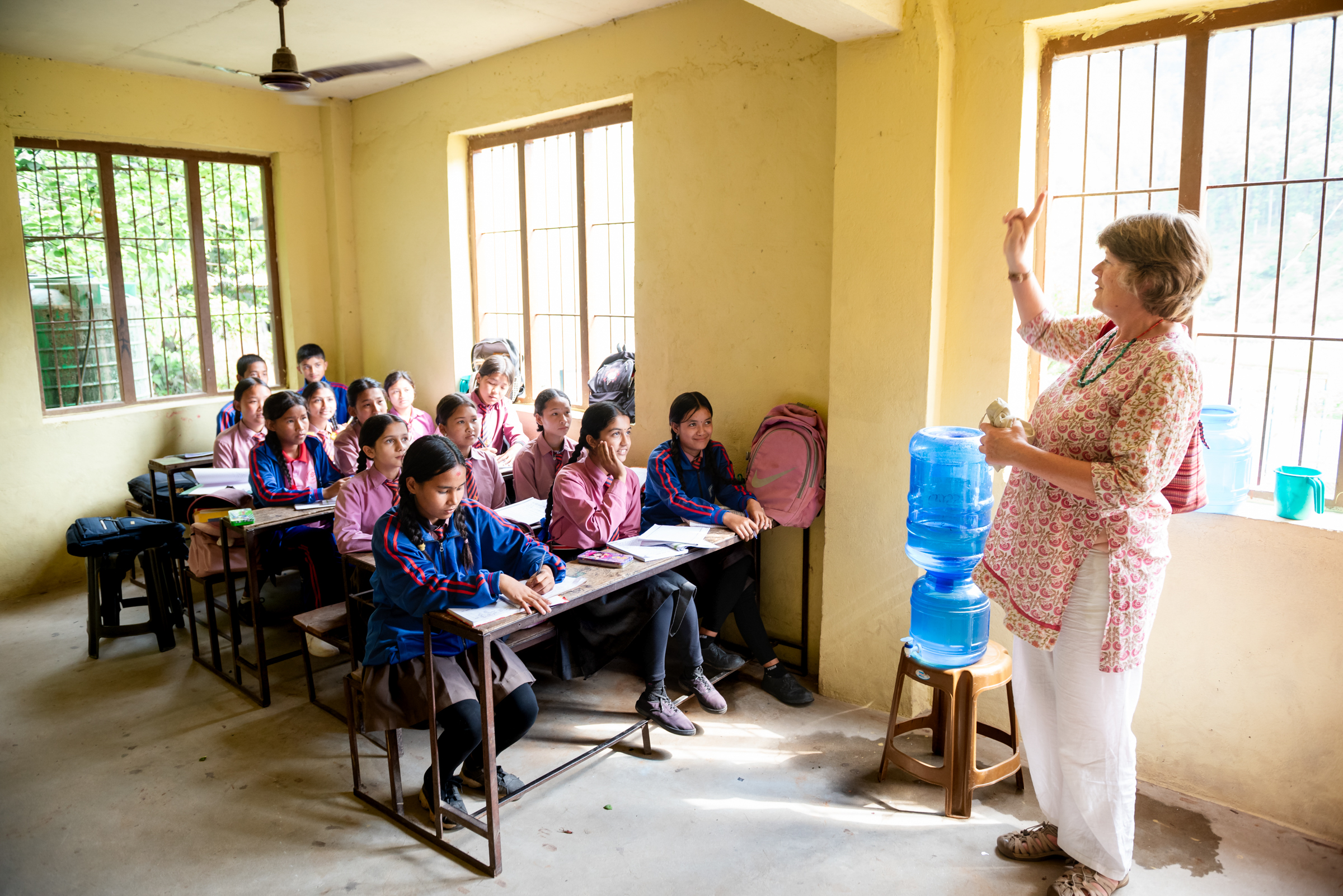
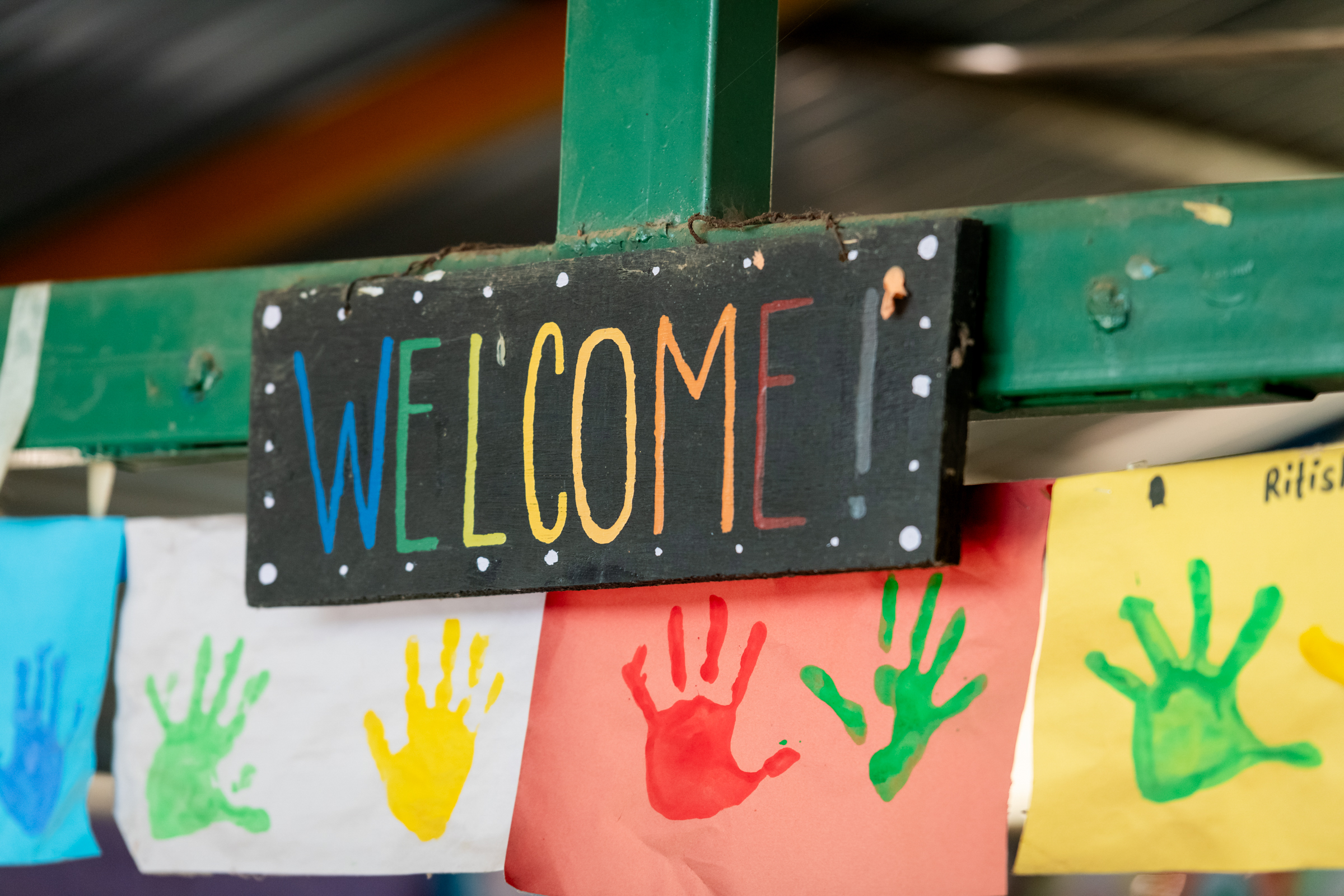


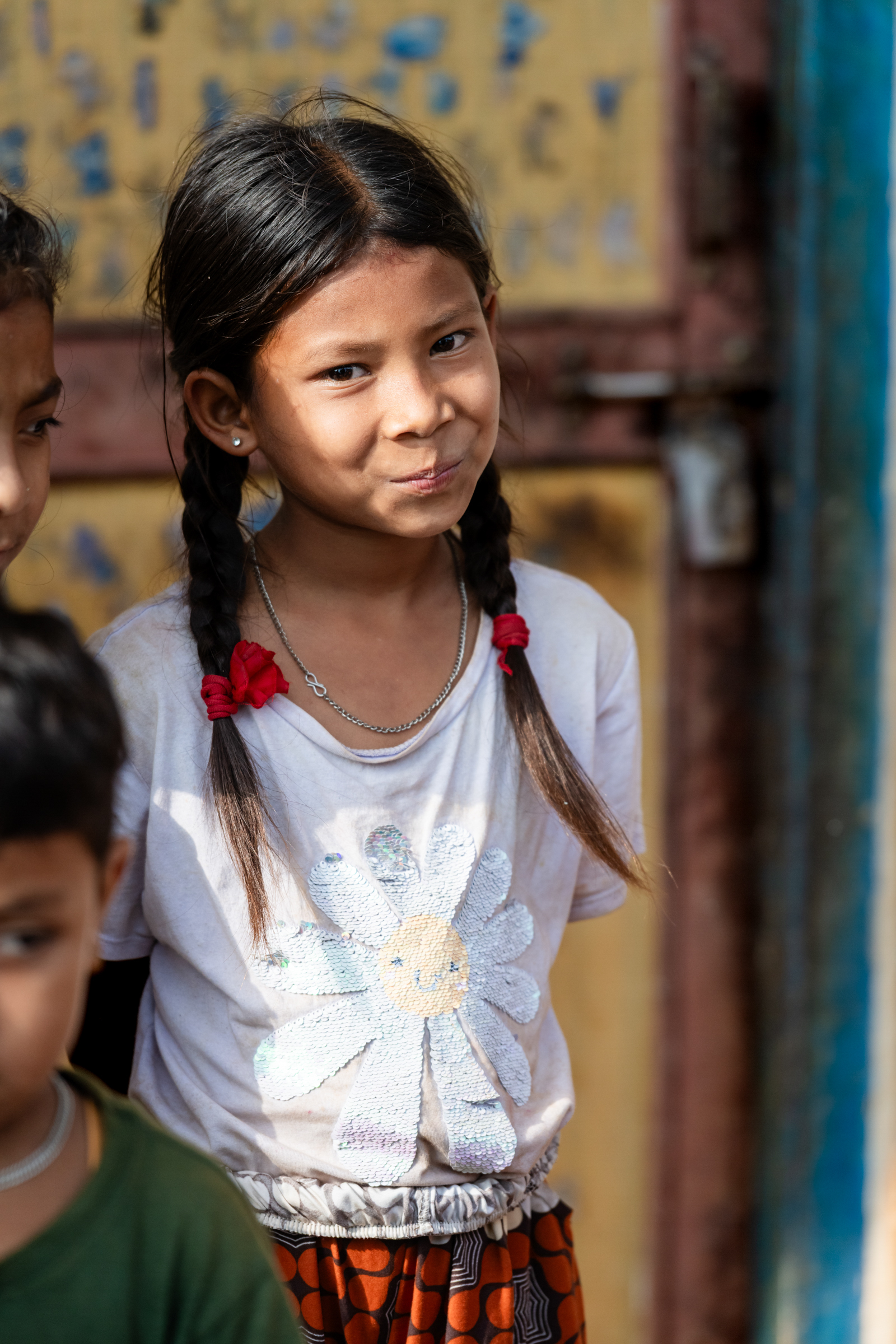
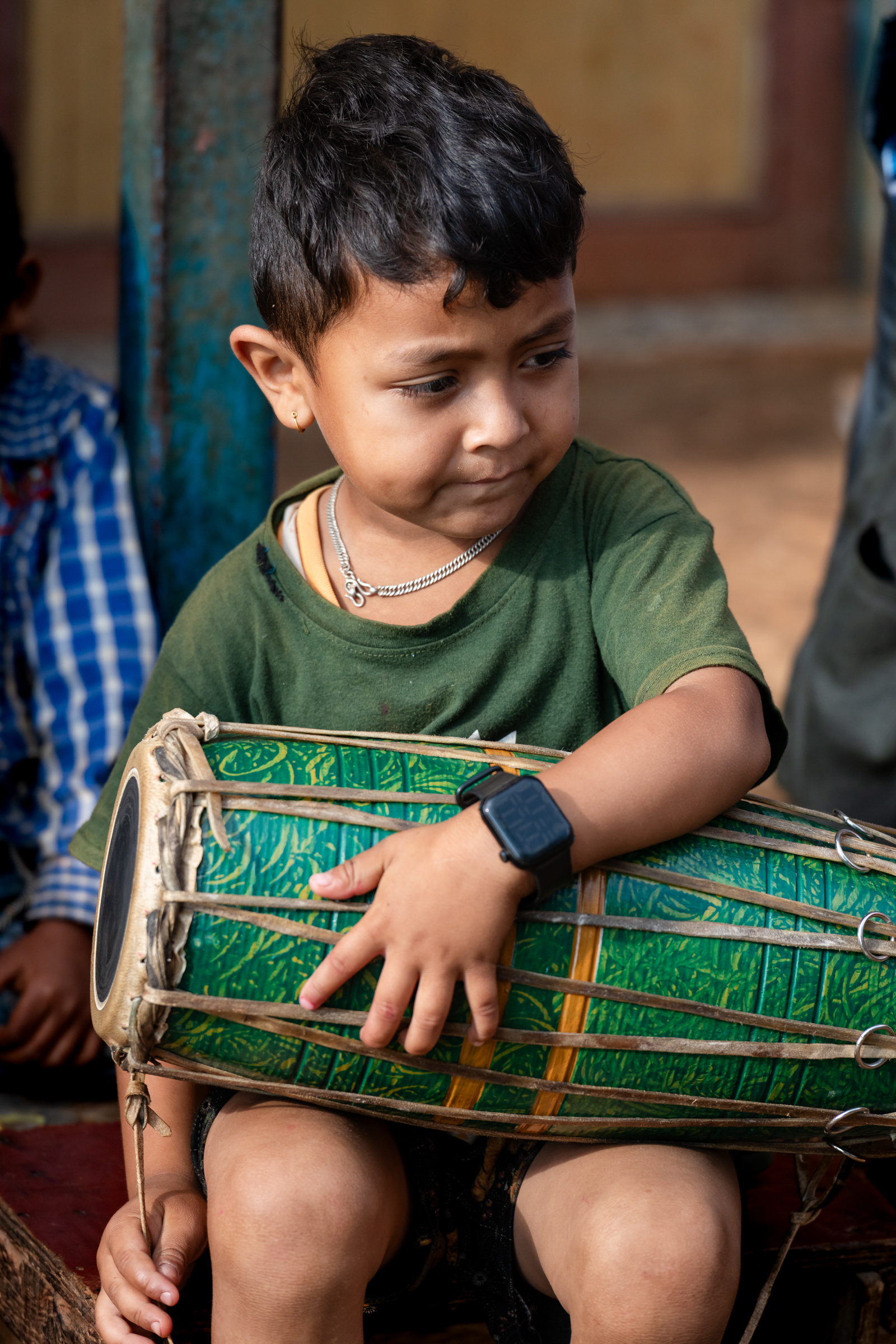
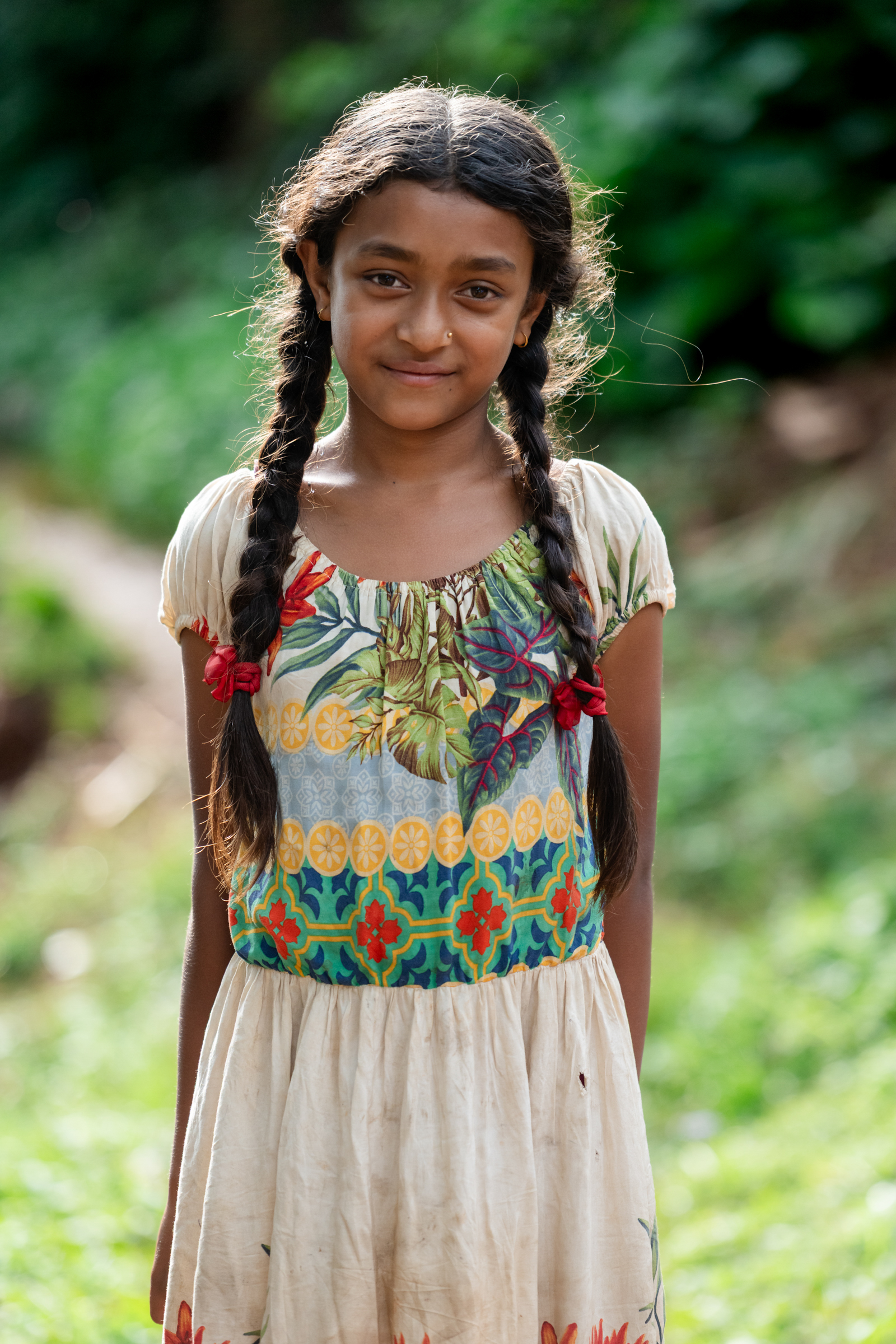
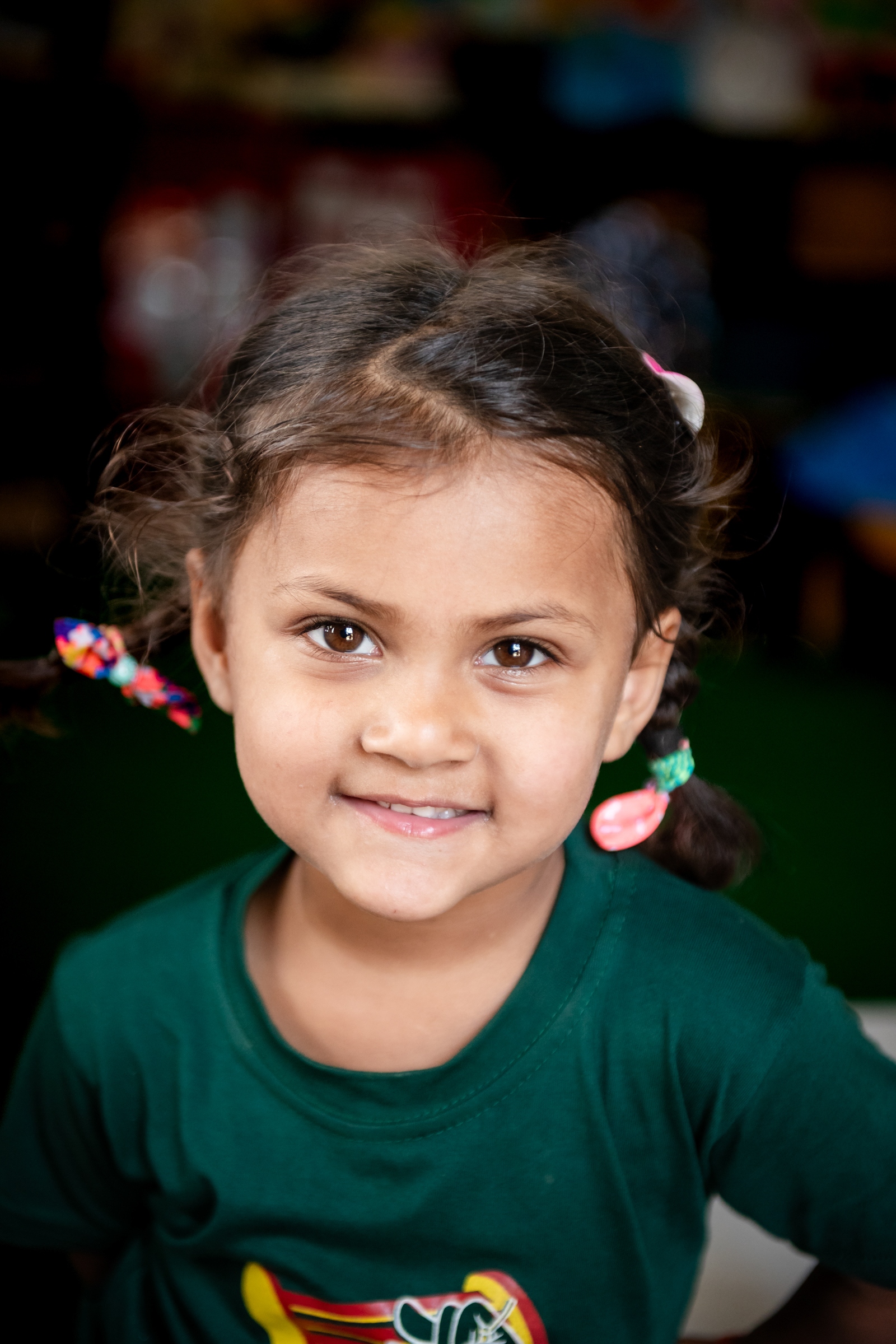
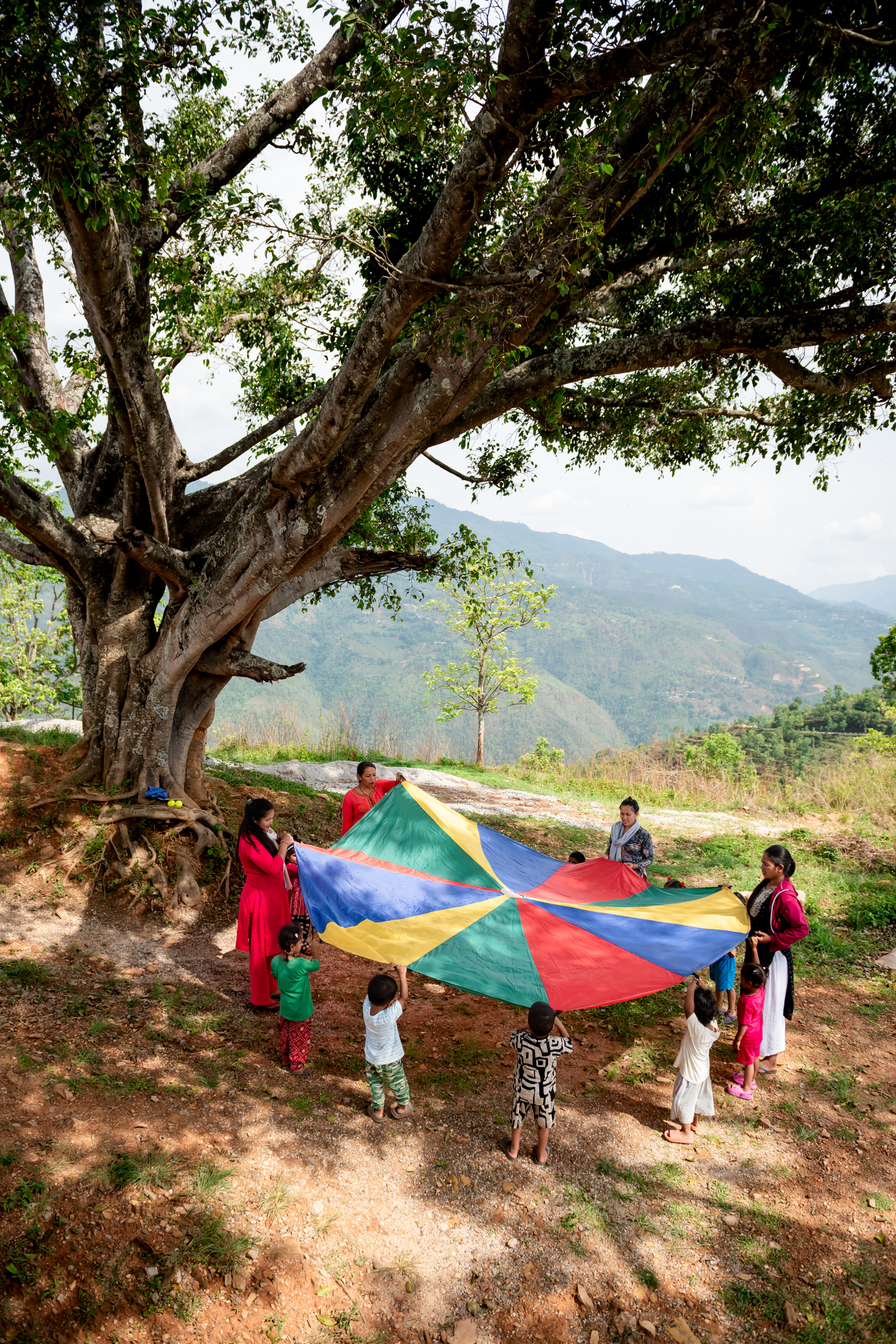
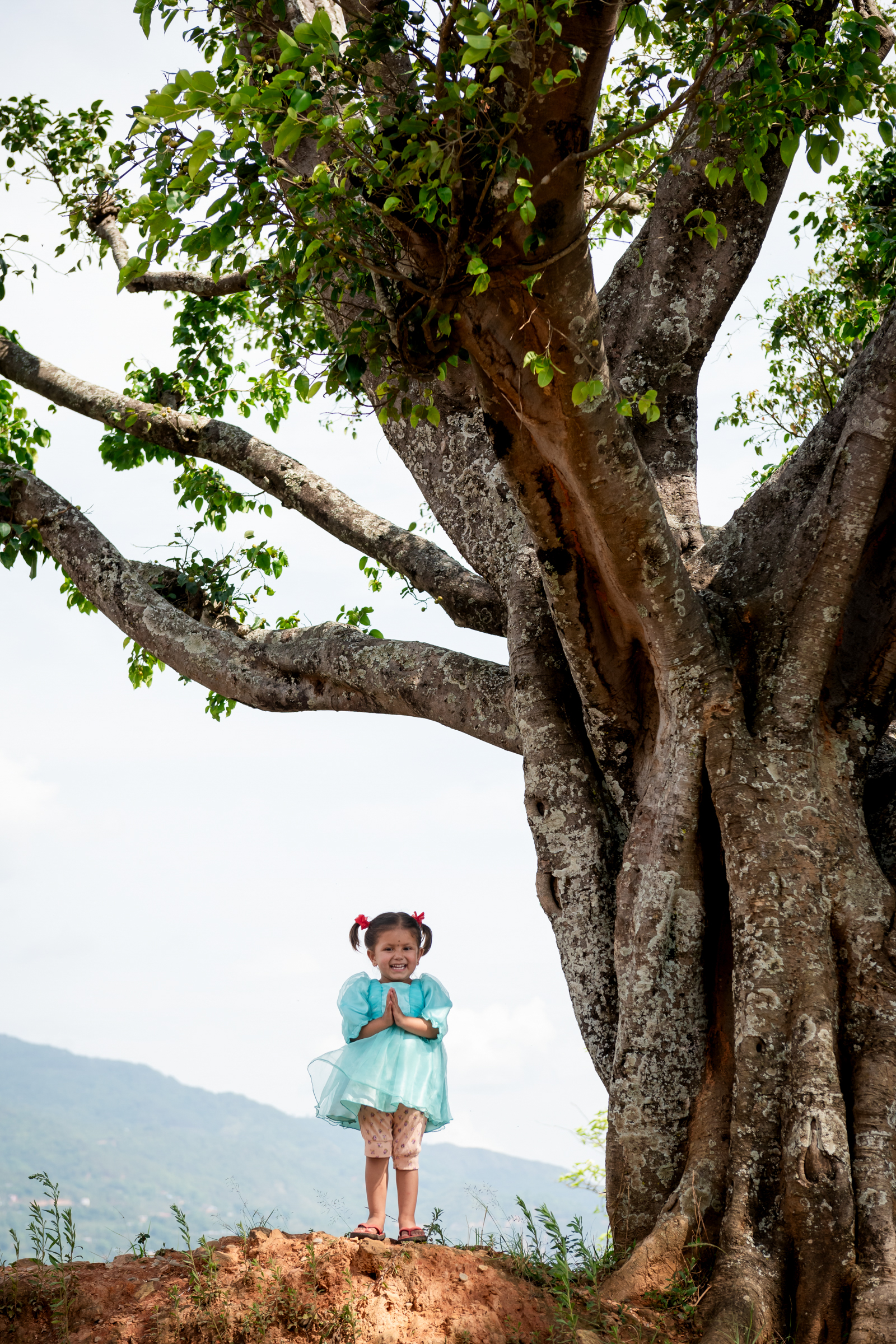
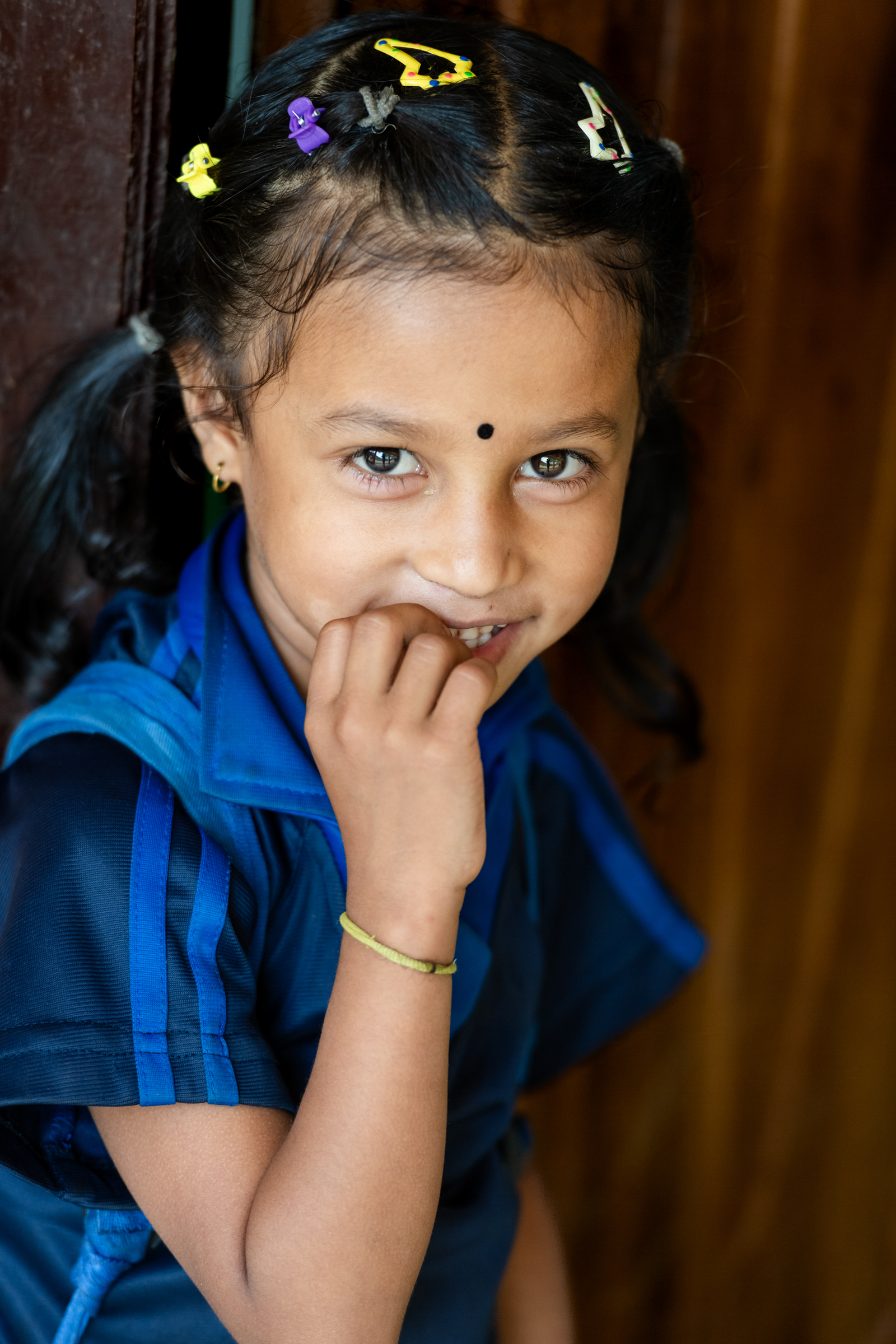
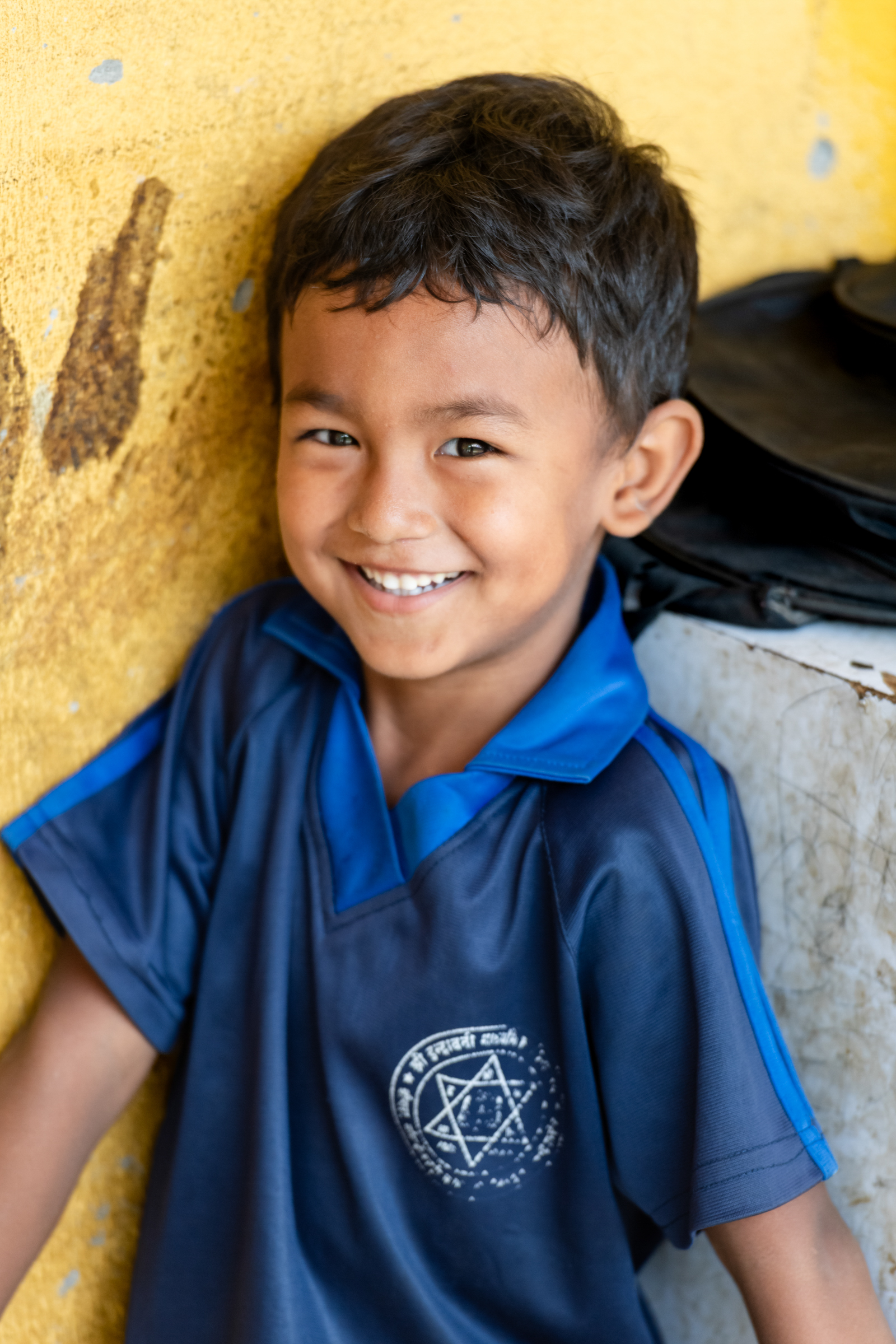
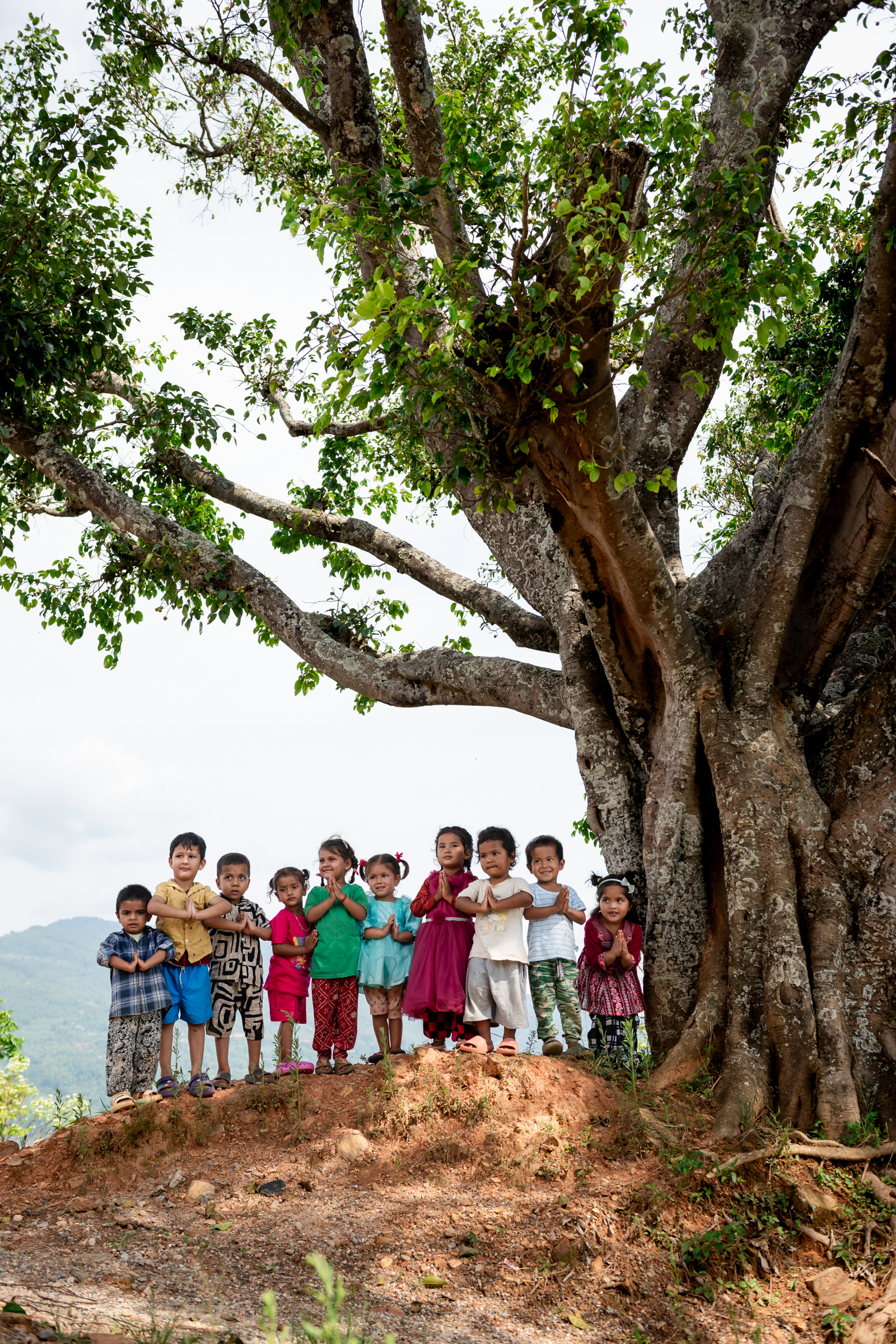
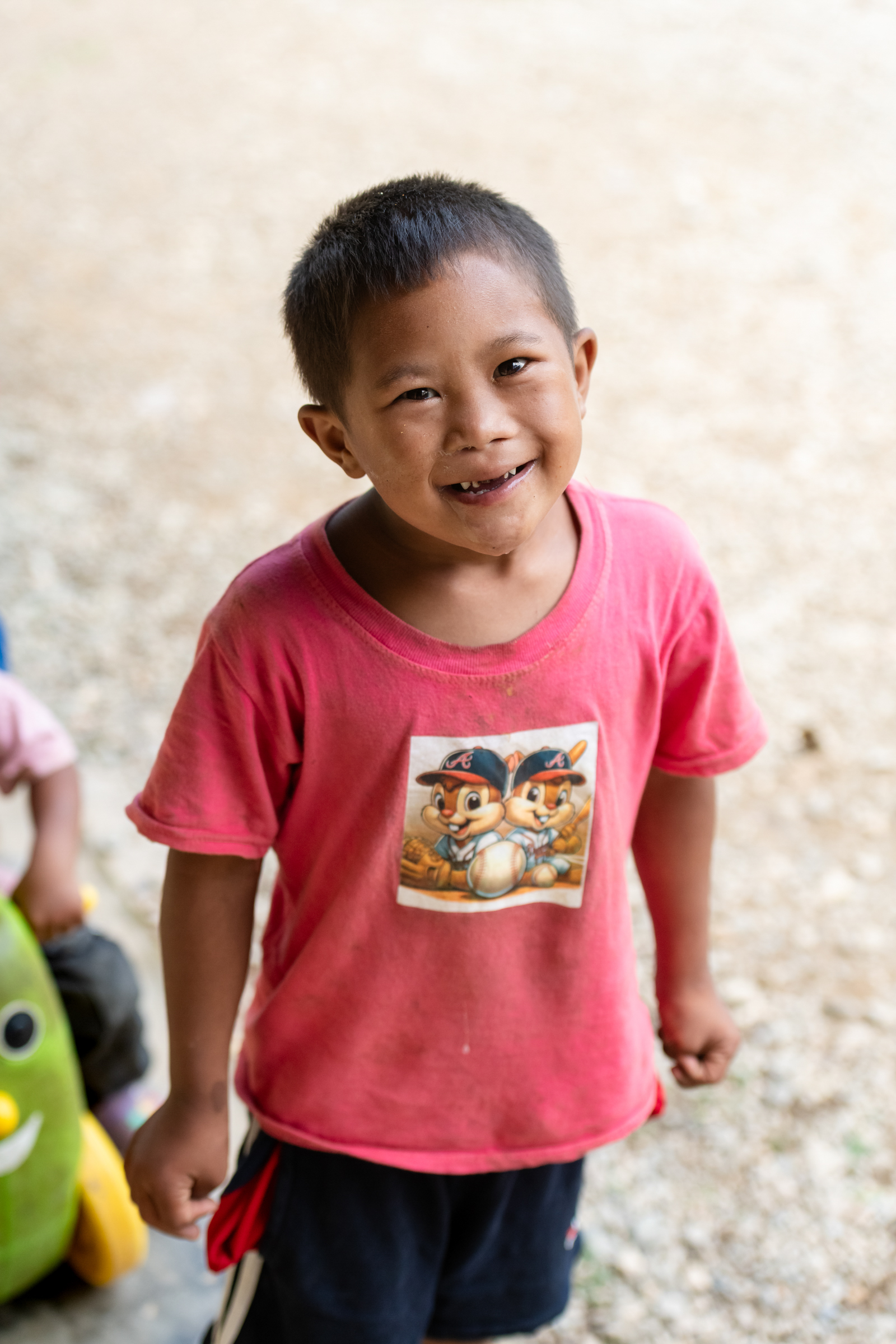
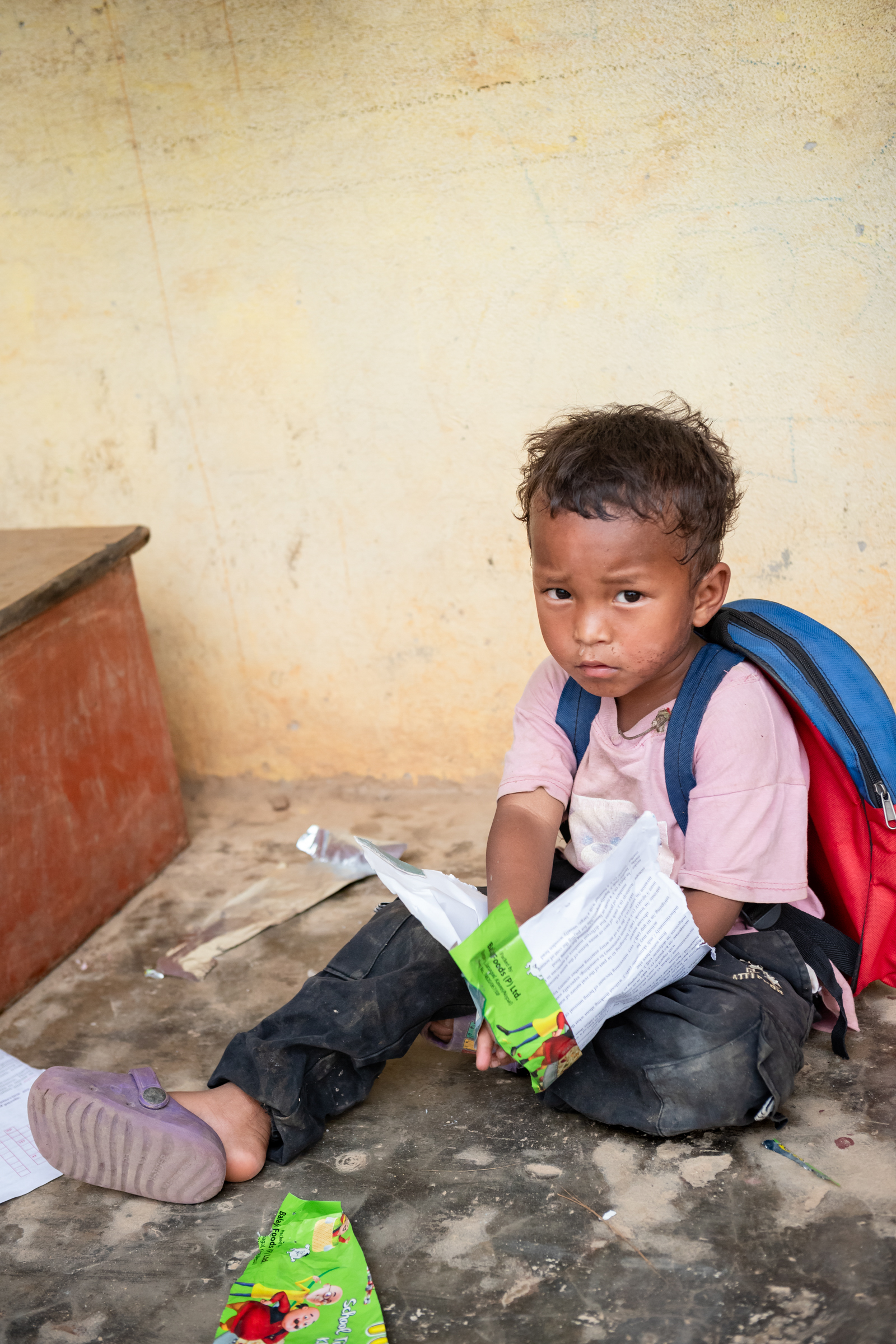
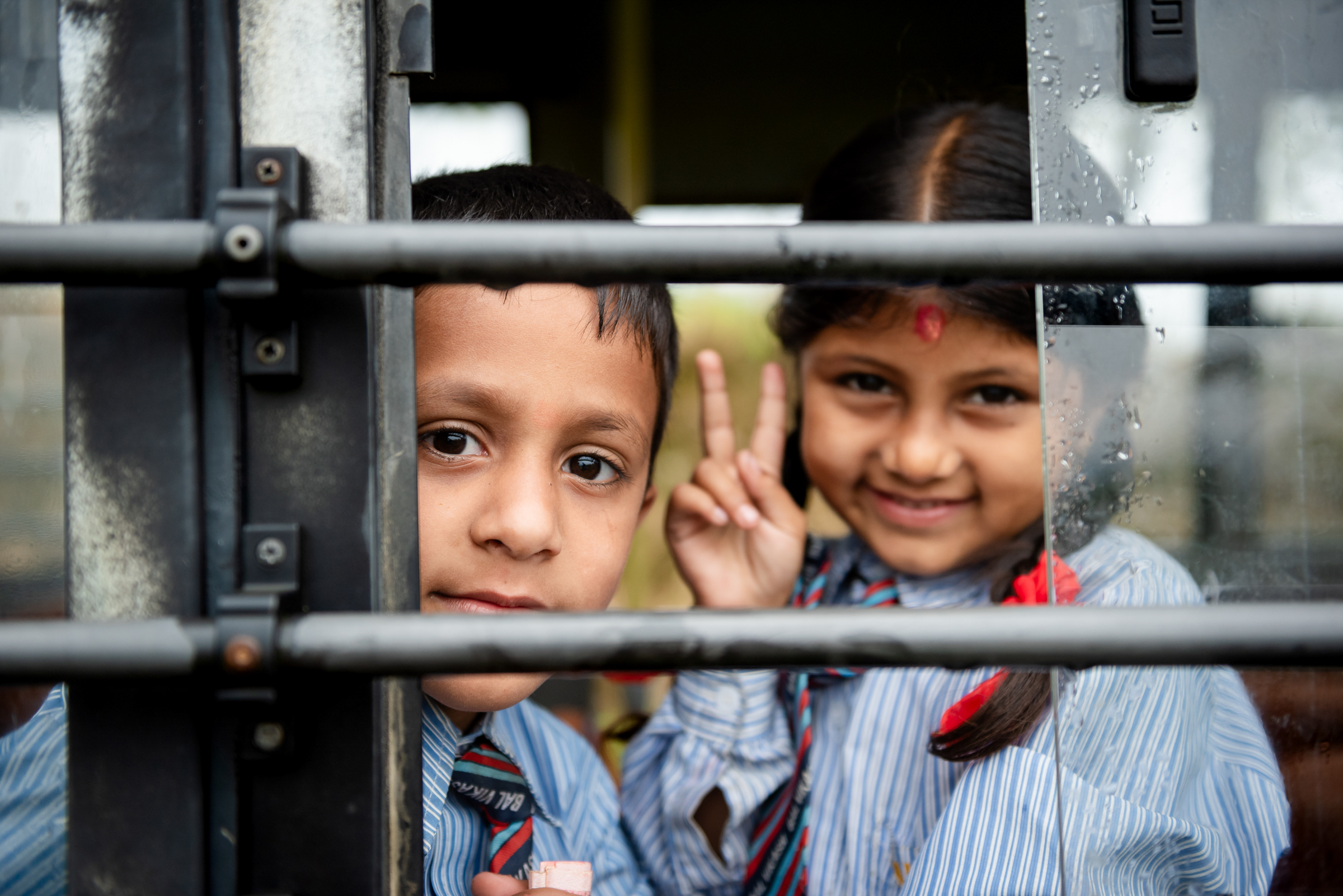
We spent the next days visiting early learning centers and rural schools supported by the organization. Bonnie, Caroline, and I—always armed with our cameras—moved quietly through the classrooms, watching closely, capturing the moments that unfolded. These were not polished campuses. These were humble, heartfelt spaces—walls of tin, shelves of handmade books, laughter loud enough to shake the dust. In Sangachok, children giggled through their lessons in bright, cheerful classrooms. One girl in a purple dress jumped through a plastic hoop during outdoor play, her face lit up with joy. One boy arrived teary-eyed, shoulders slumped. Maybe he walked too far. Maybe his morning was hard. But he was there. And so were we. The energy in these schools was radiant. Hope lived here.
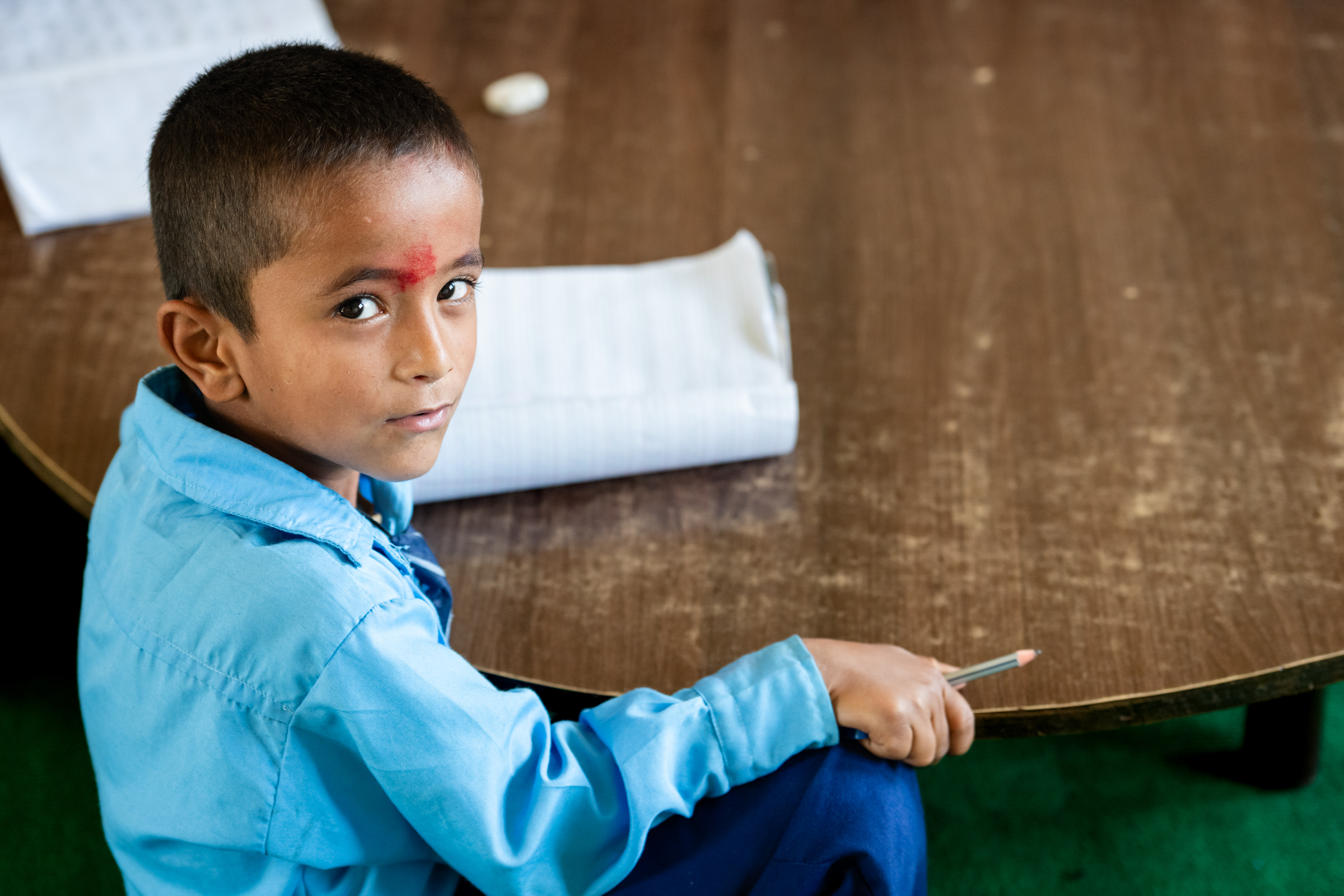


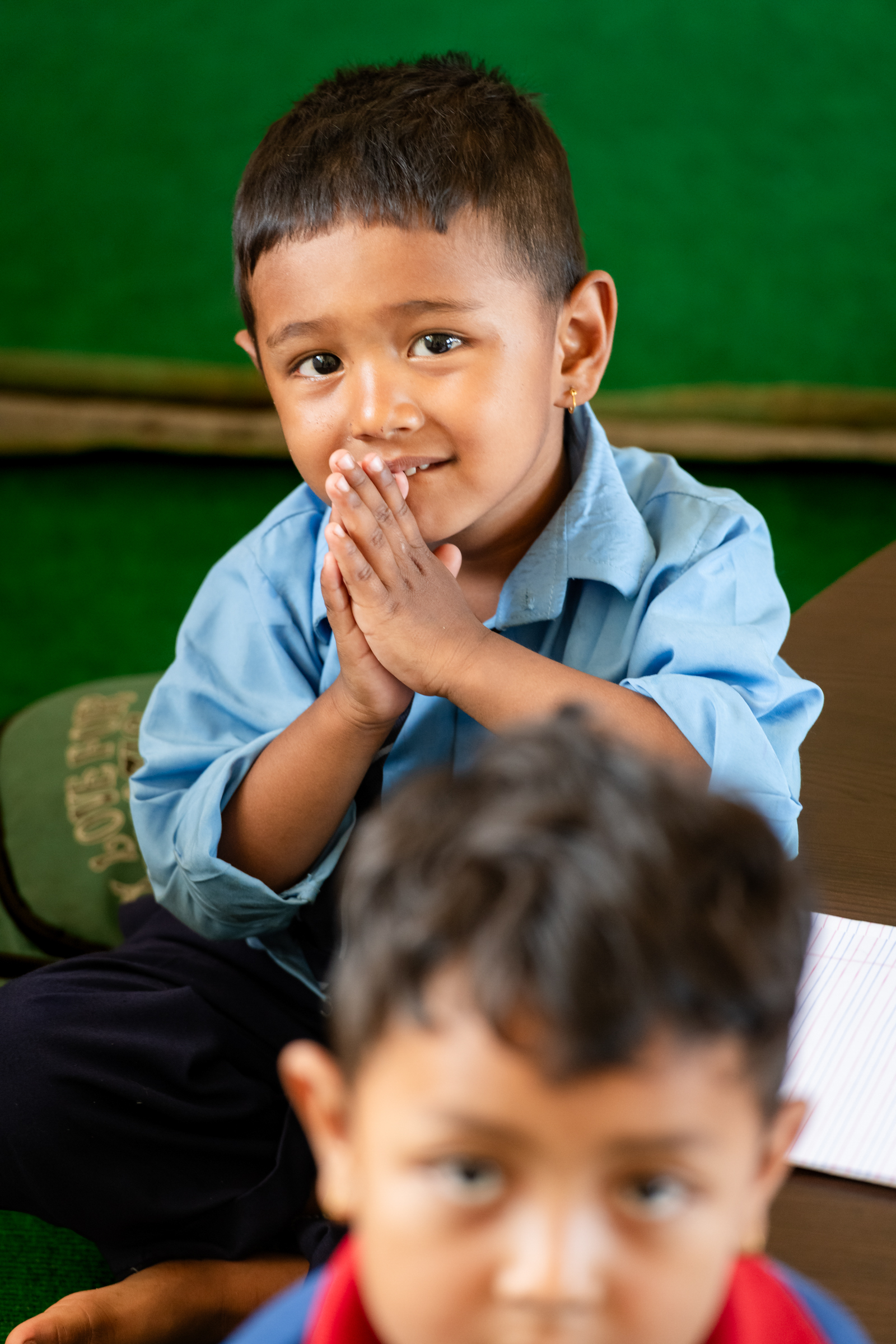
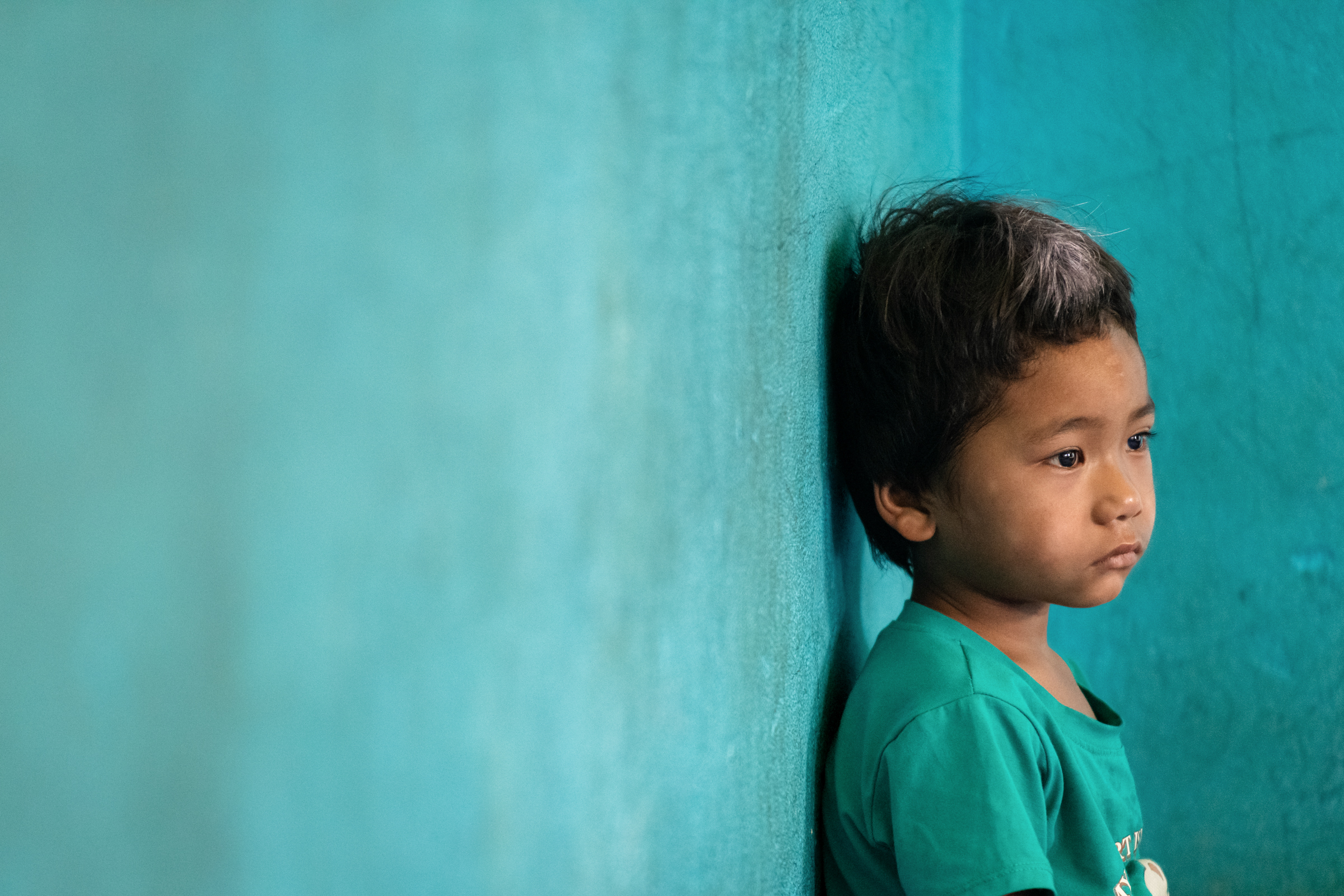


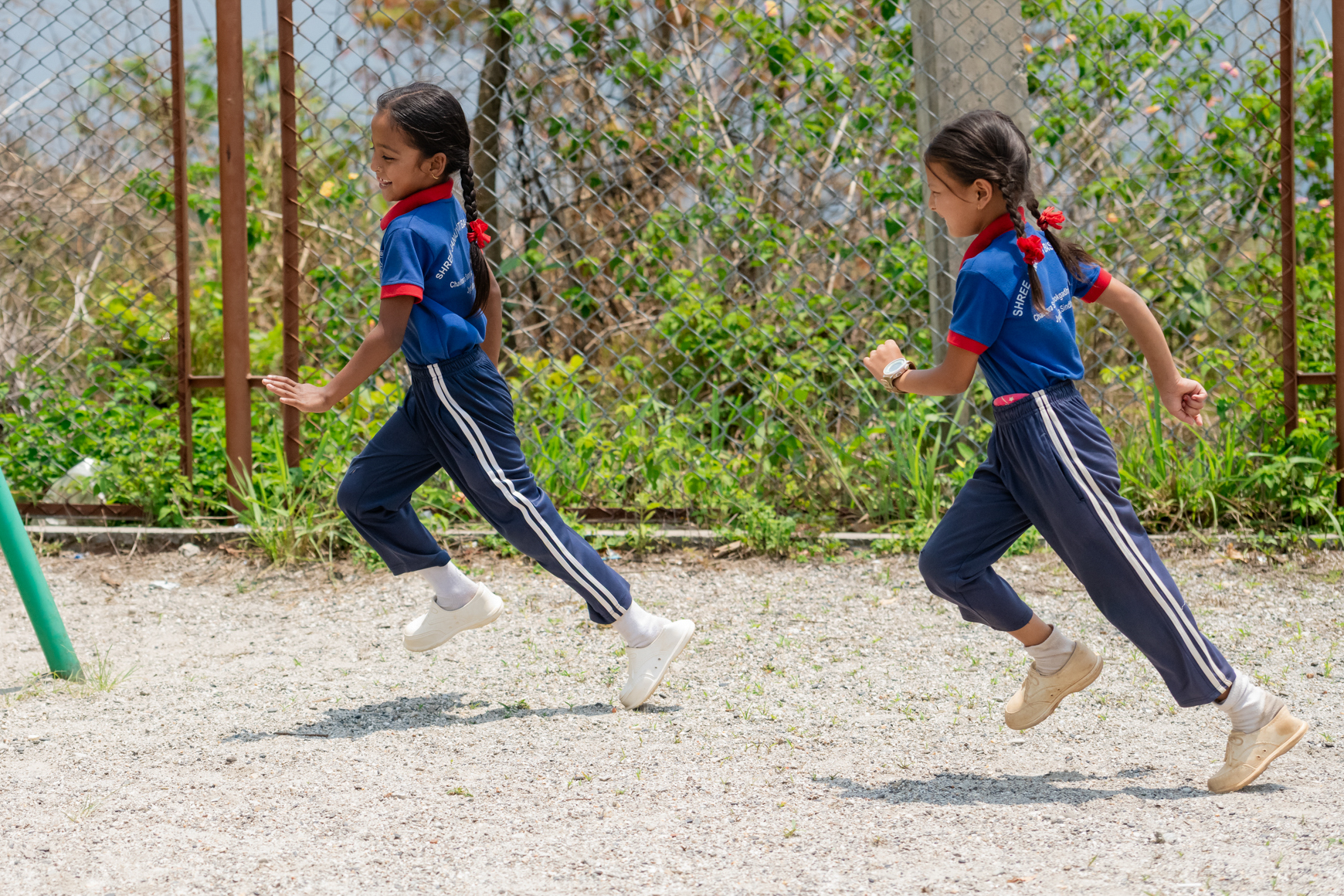
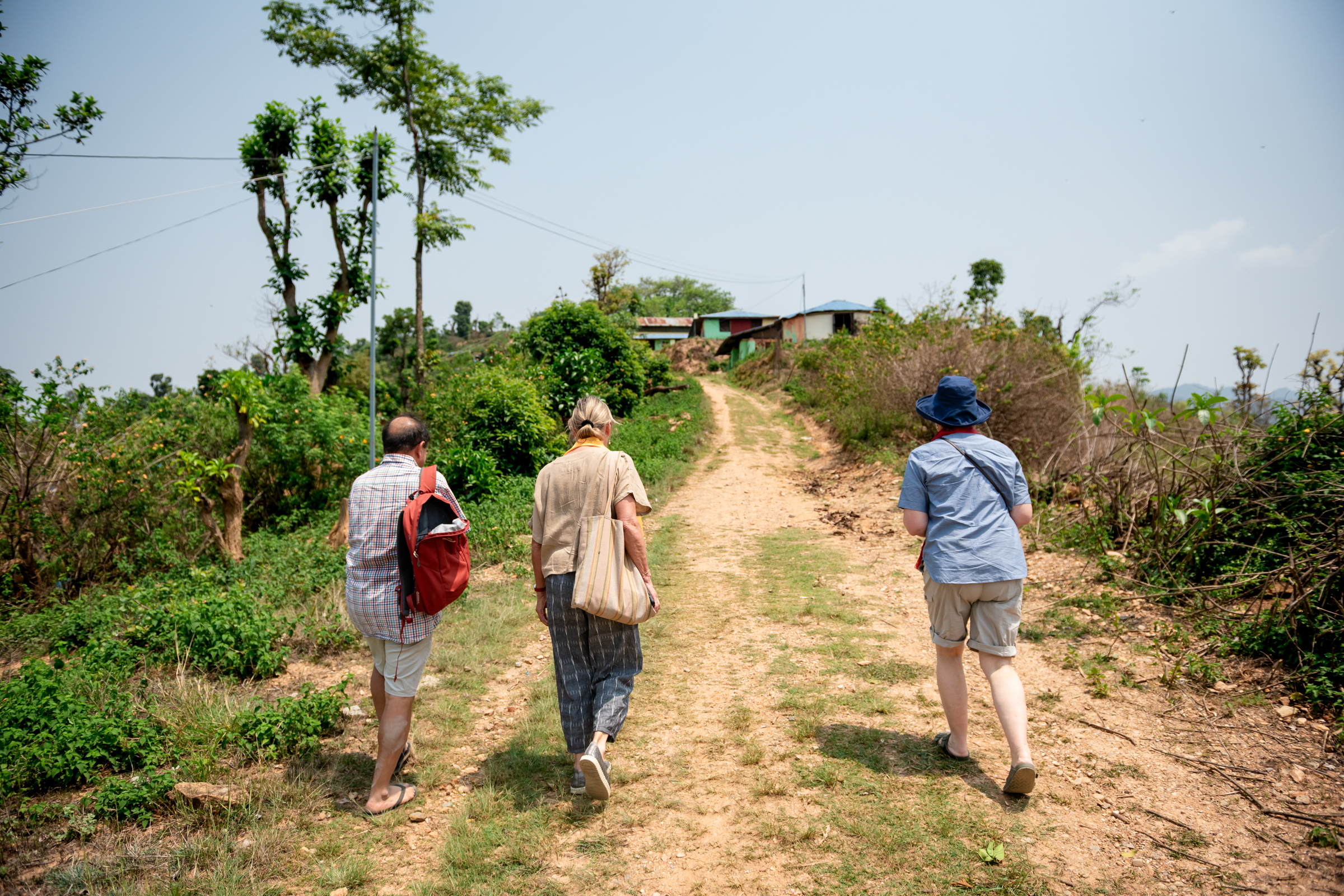
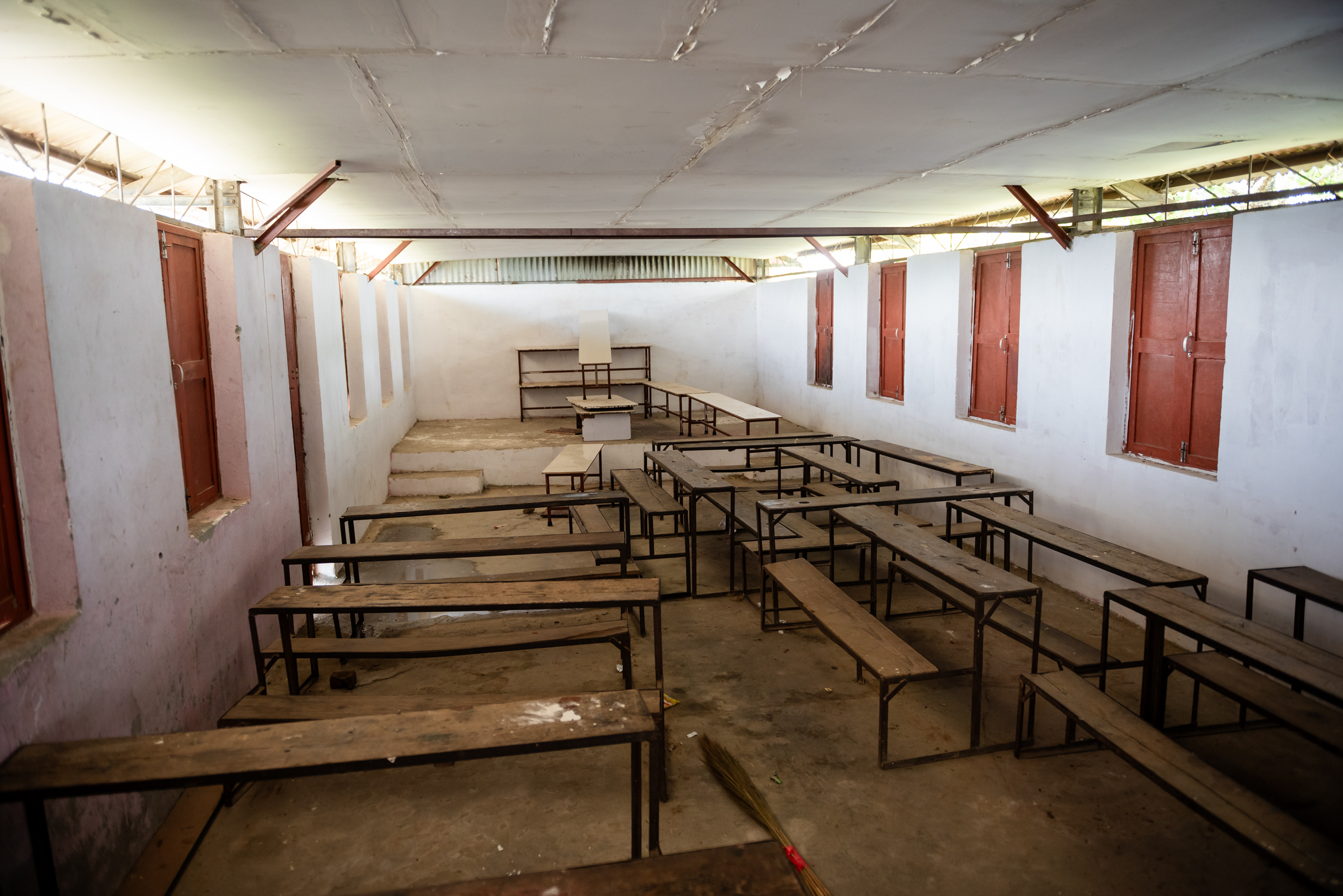


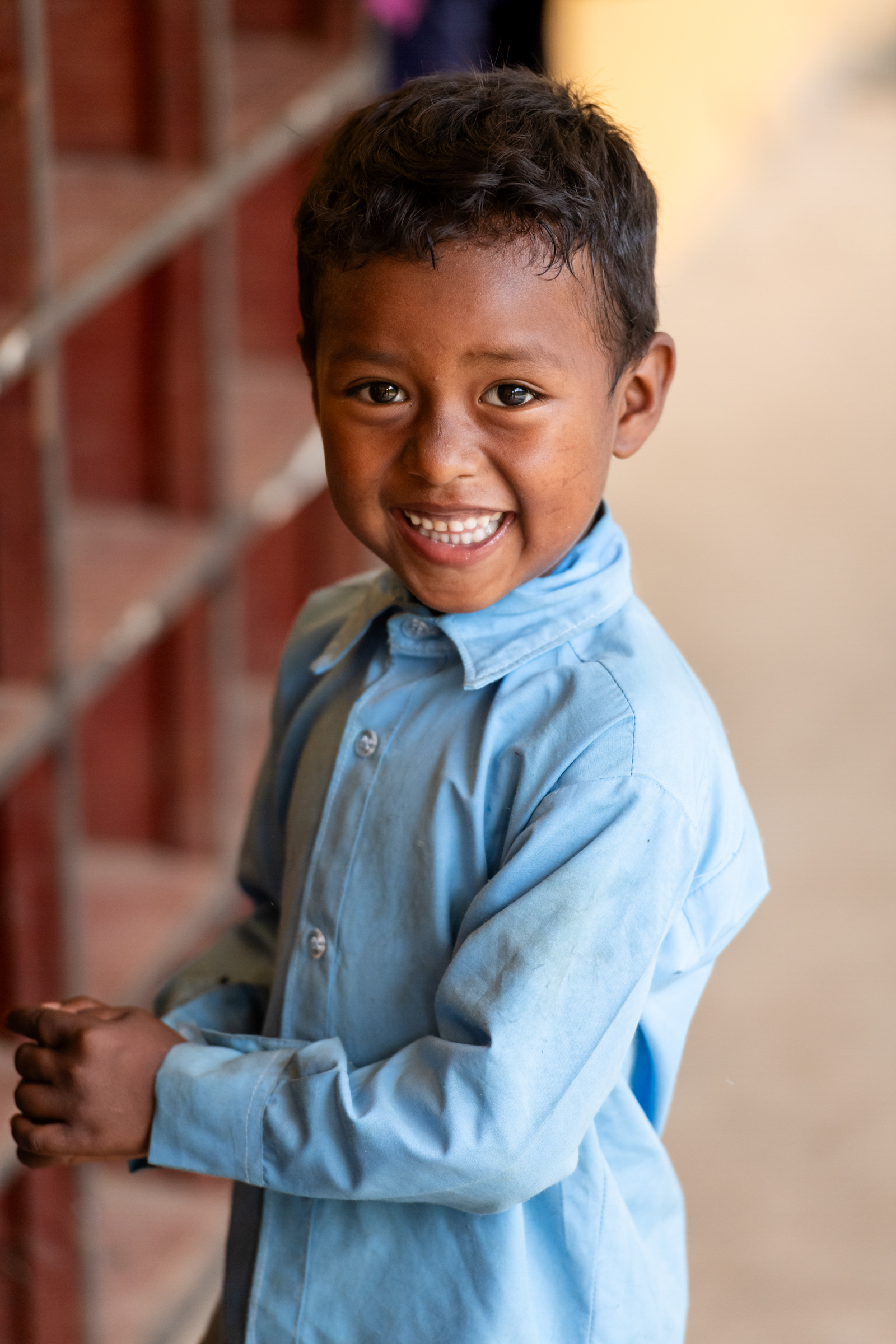
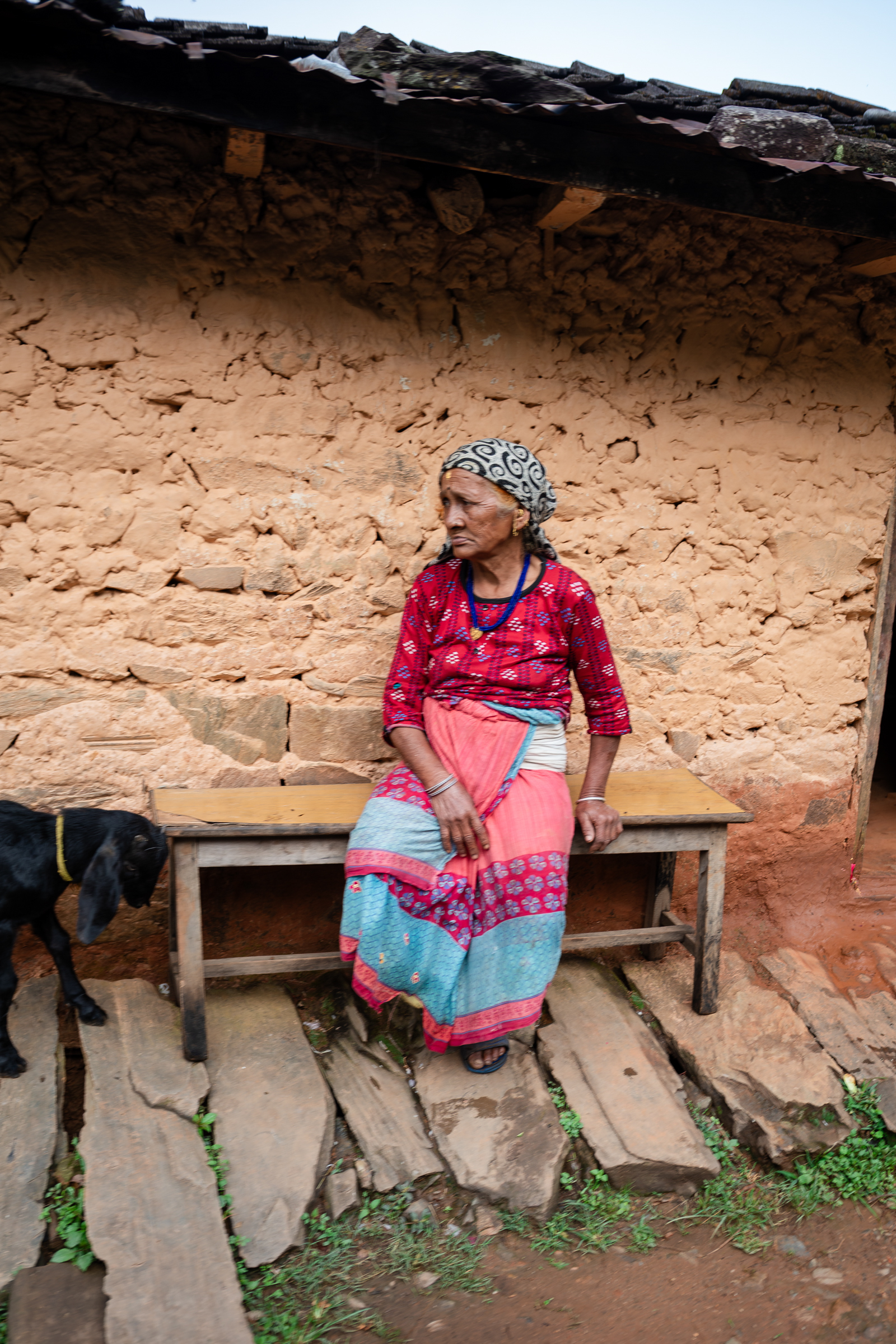
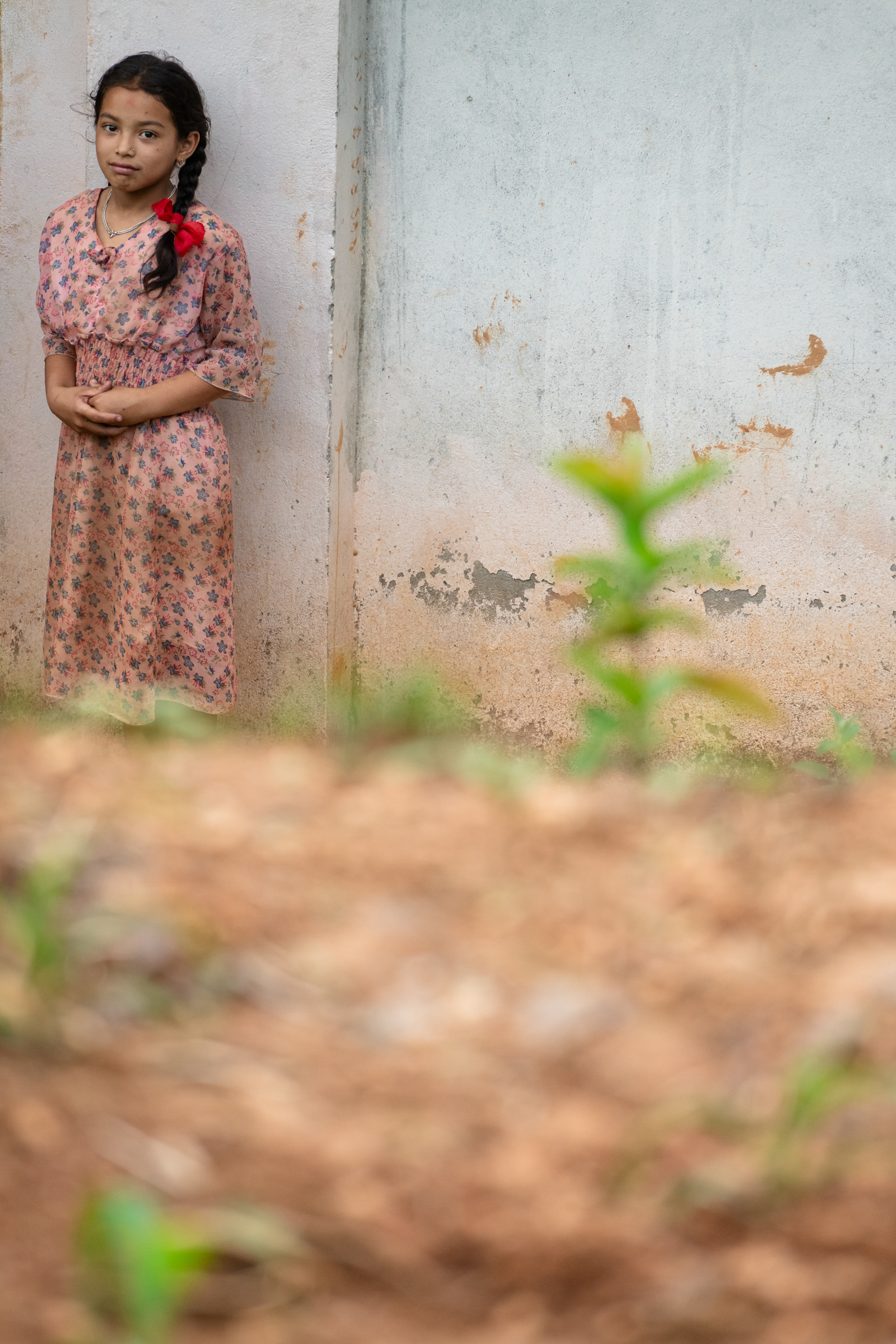
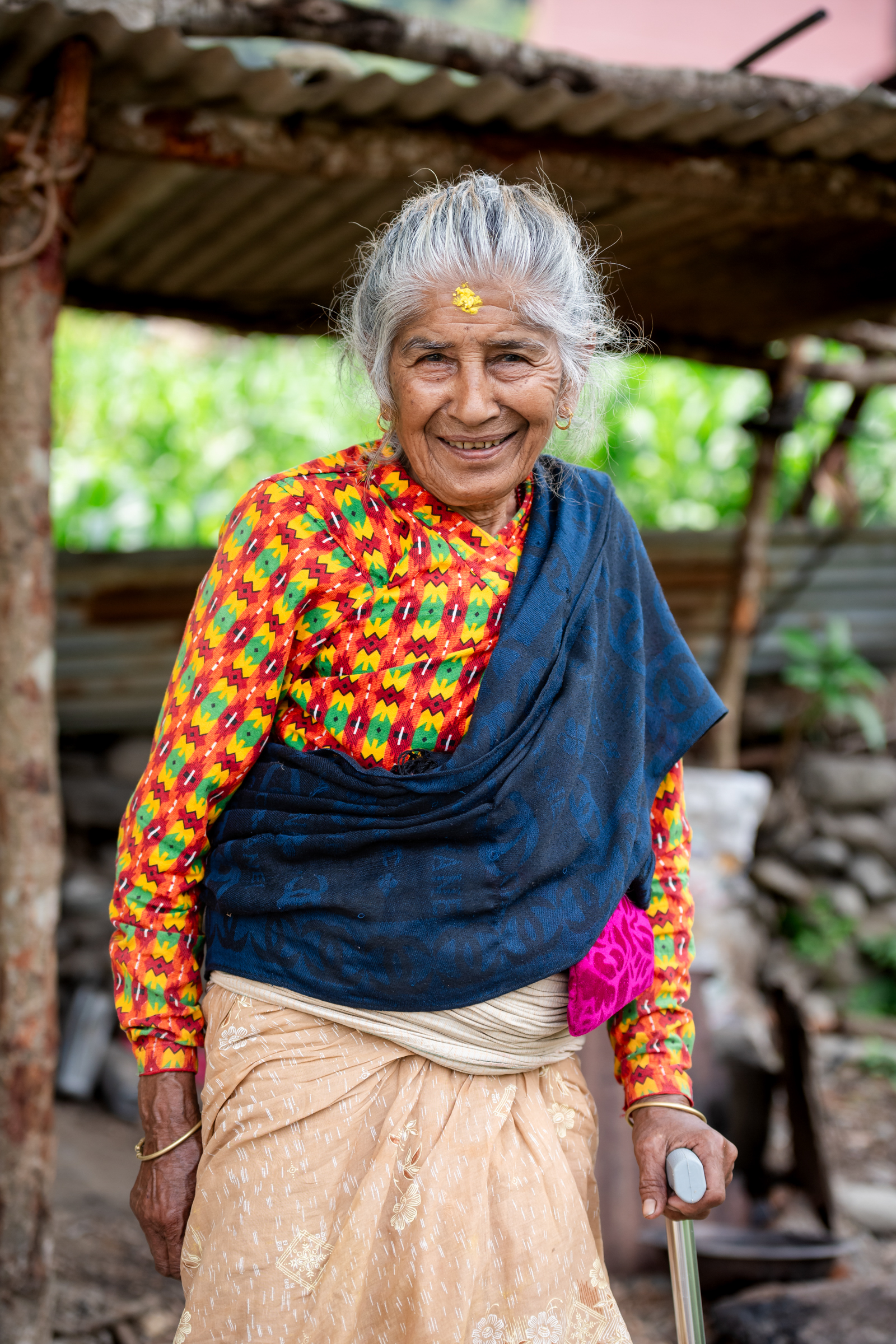
We visited families who welcomed us with nothing but smiles. These visits were some of the most important moments of the journey—when I could photograph children not just as students, but as sons and daughters, siblings, and dreamers, surrounded by the rhythms of daily life. It’s one thing to see learning happen inside a classroom. It’s another to witness where that child wakes up, what they walk past on their way to school, and who waits for them when they return. In one home, a grandmother sat nearby, her silver hair wrapped in time, watching proudly as her granddaughter scribbled in a notebook on the dirt floor. Thanks to the John and Margaret Heiton Memorial Fund, that little girl now had pencils, a uniform, and a classroom to walk toward. There was no fanfare—just quiet pride, dust-covered toes, and a family doing everything they could to support a child’s right to learn.



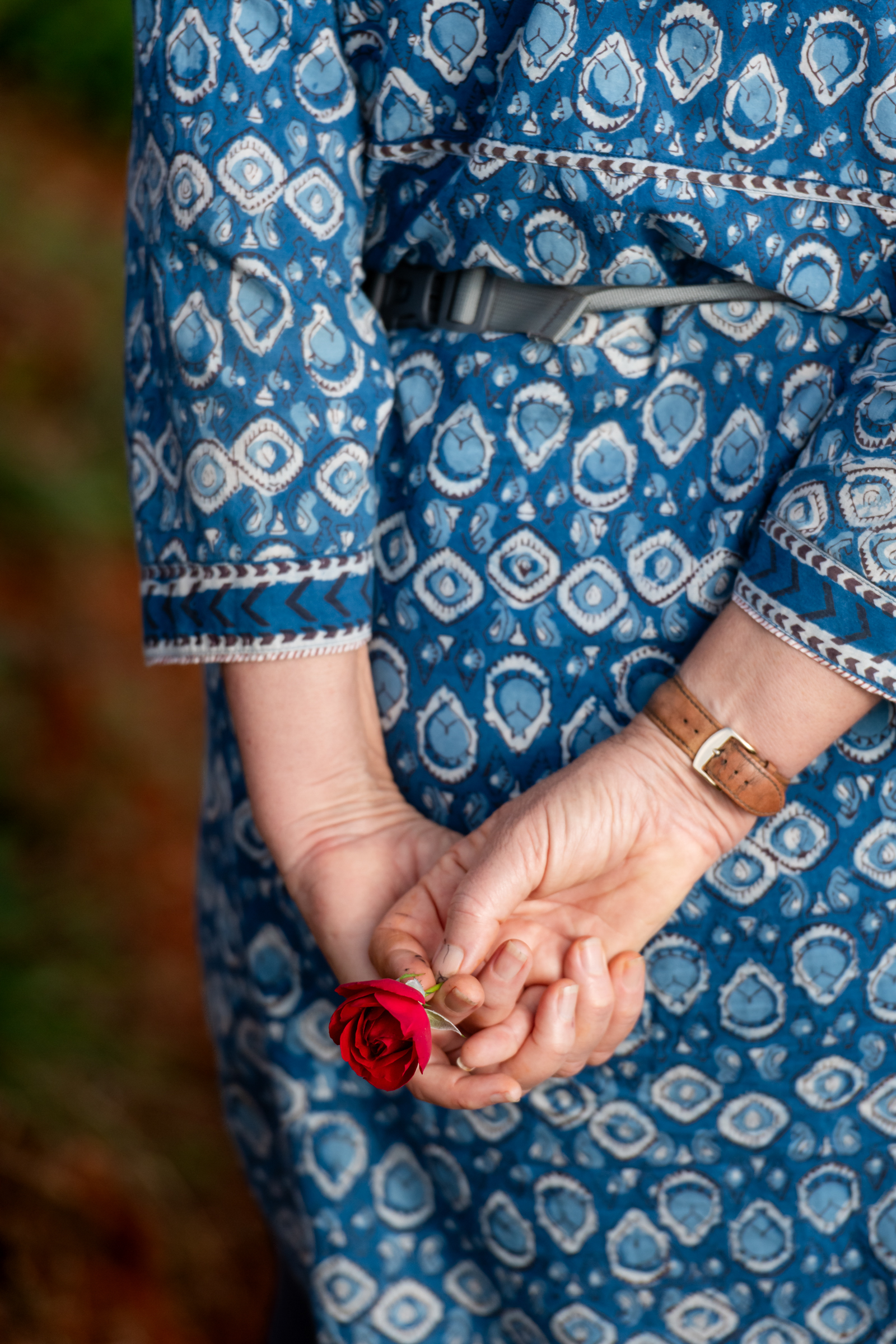

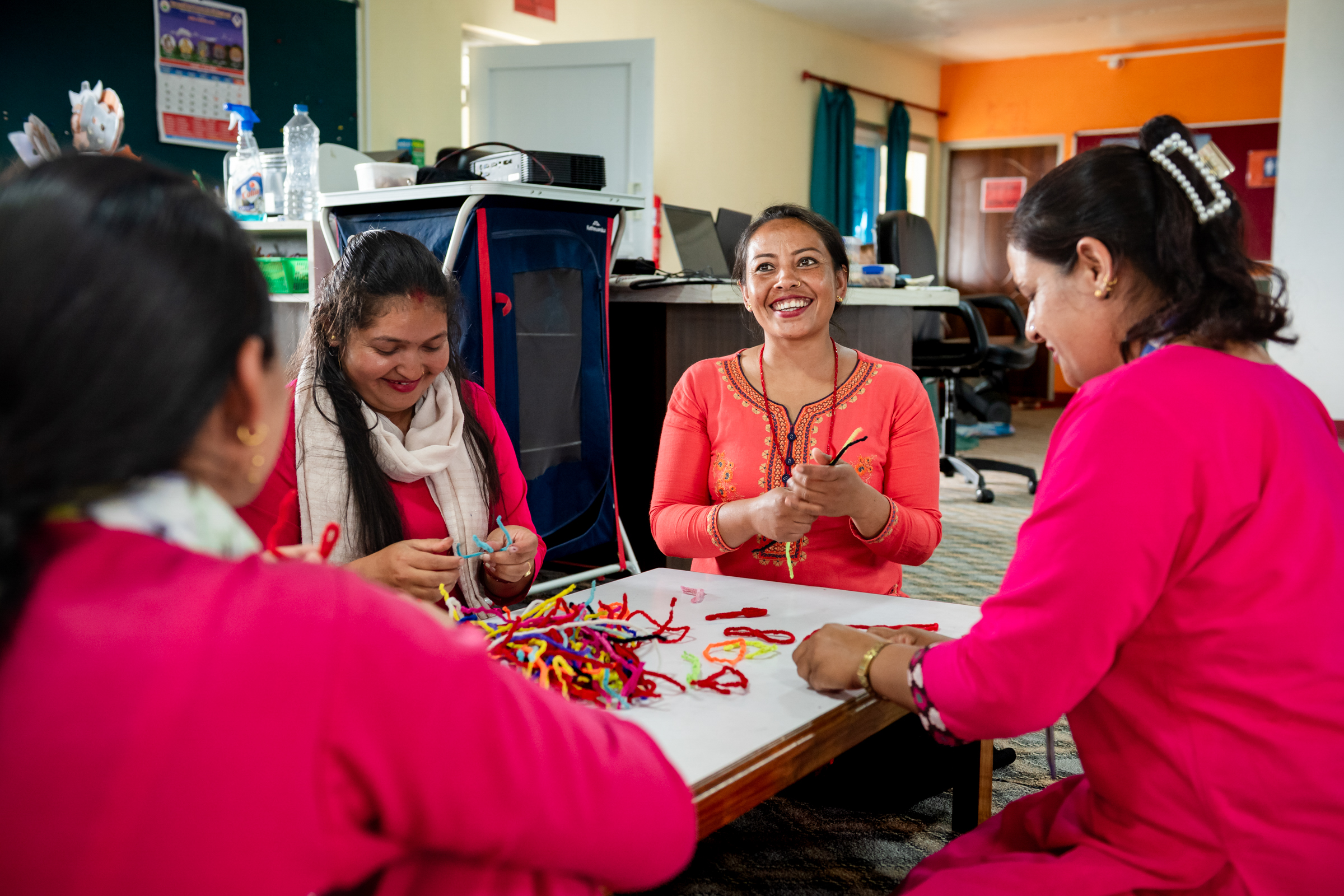
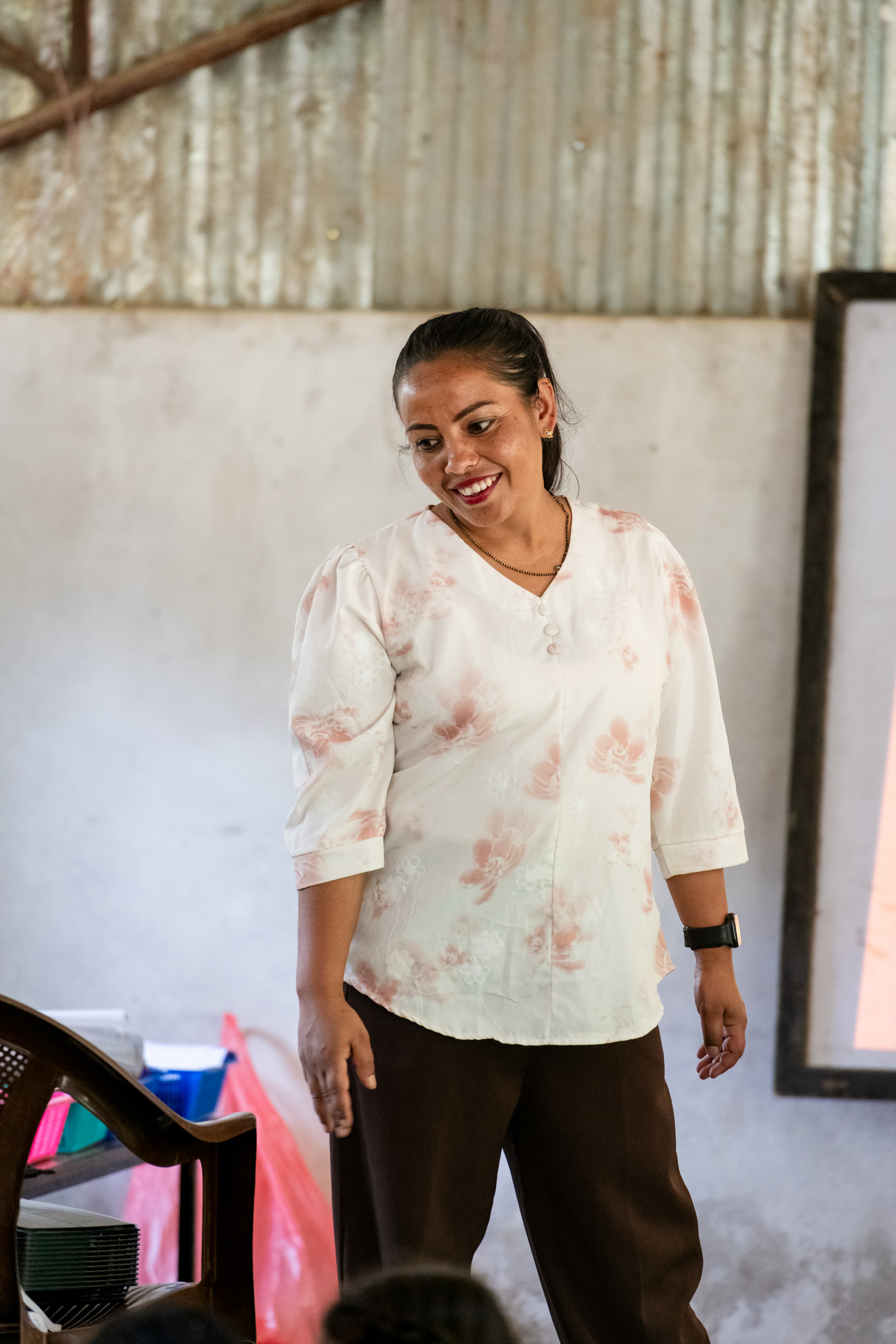
At the Sangachok training center, a group of women educators sat barefoot in circles, practicing early childhood teaching methods they would soon take into their own classrooms. They sang songs, told stories, and learned how to turn everyday materials into moments of learning. Ranjana—the NGO’s lead trainer and the quiet force behind the center when Fionna and Durga are abroad—guided the session with grace and skill. At first, she seemed serious—focused, almost reserved. But when she smiled, the whole room softened. Her presence filled the space like sunlight through open windows. She moved with ease between groups, not just instructing but empowering. You could see it in the women’s faces—the way they leaned in, the way they laughed like sisters discovering something new.


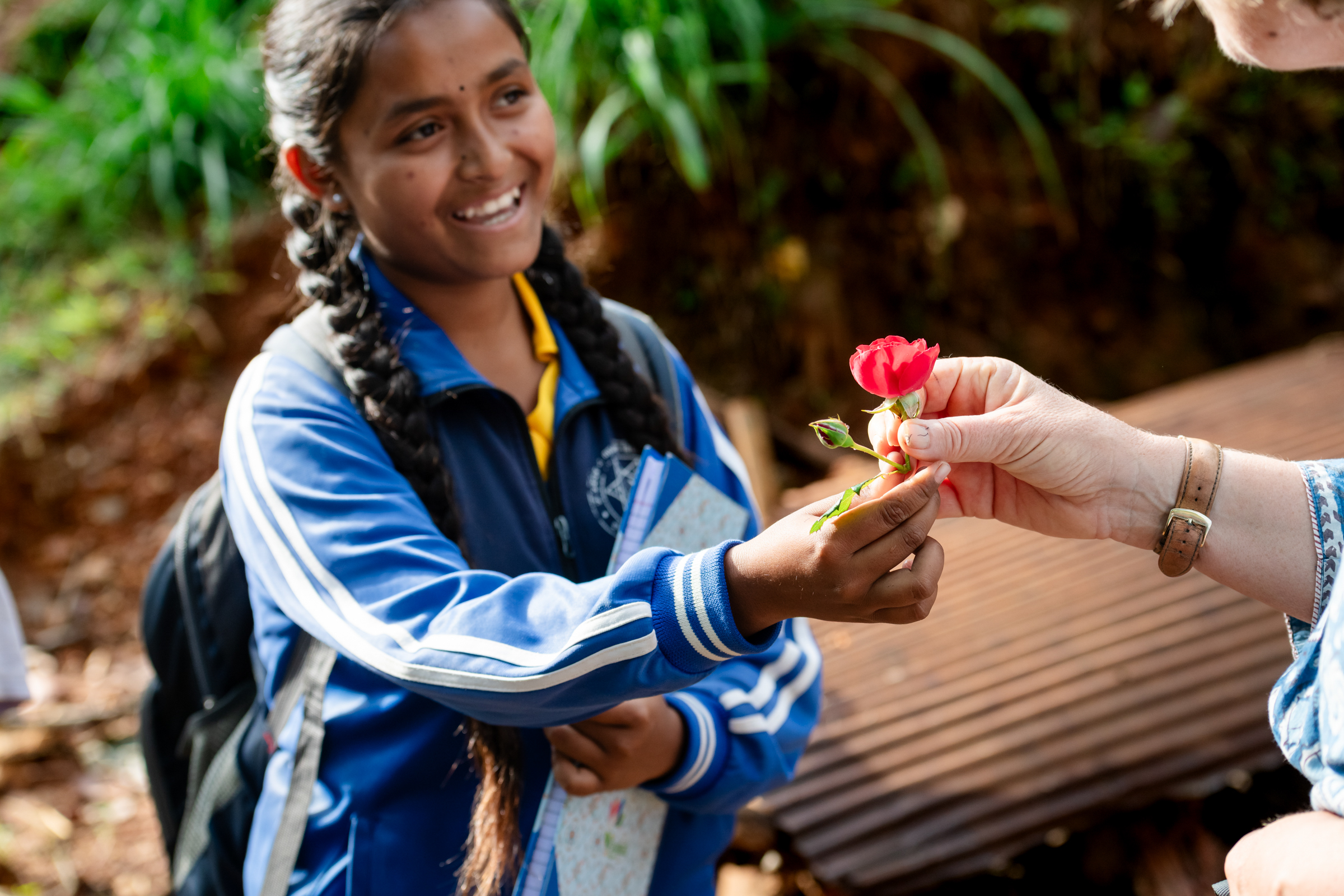
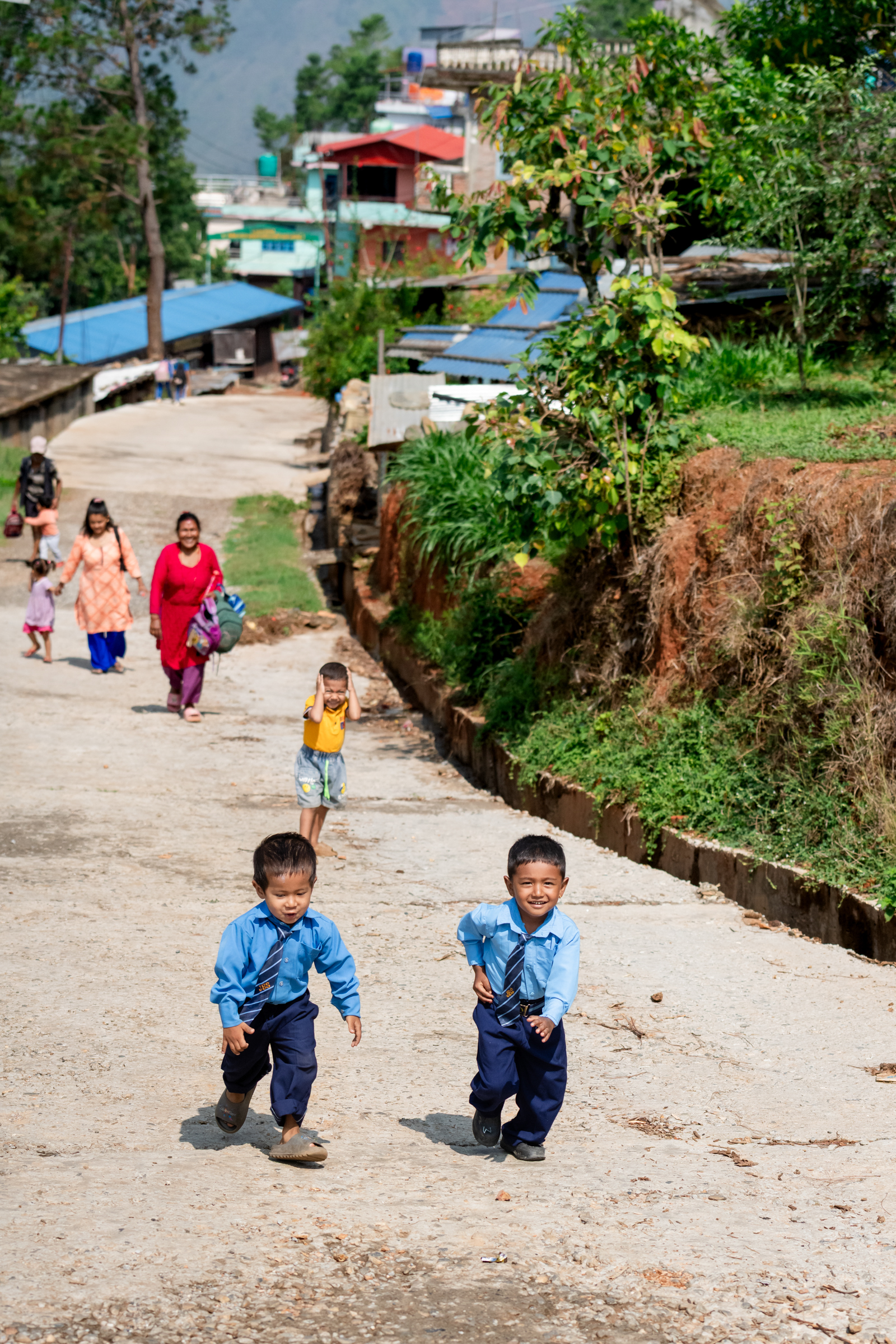
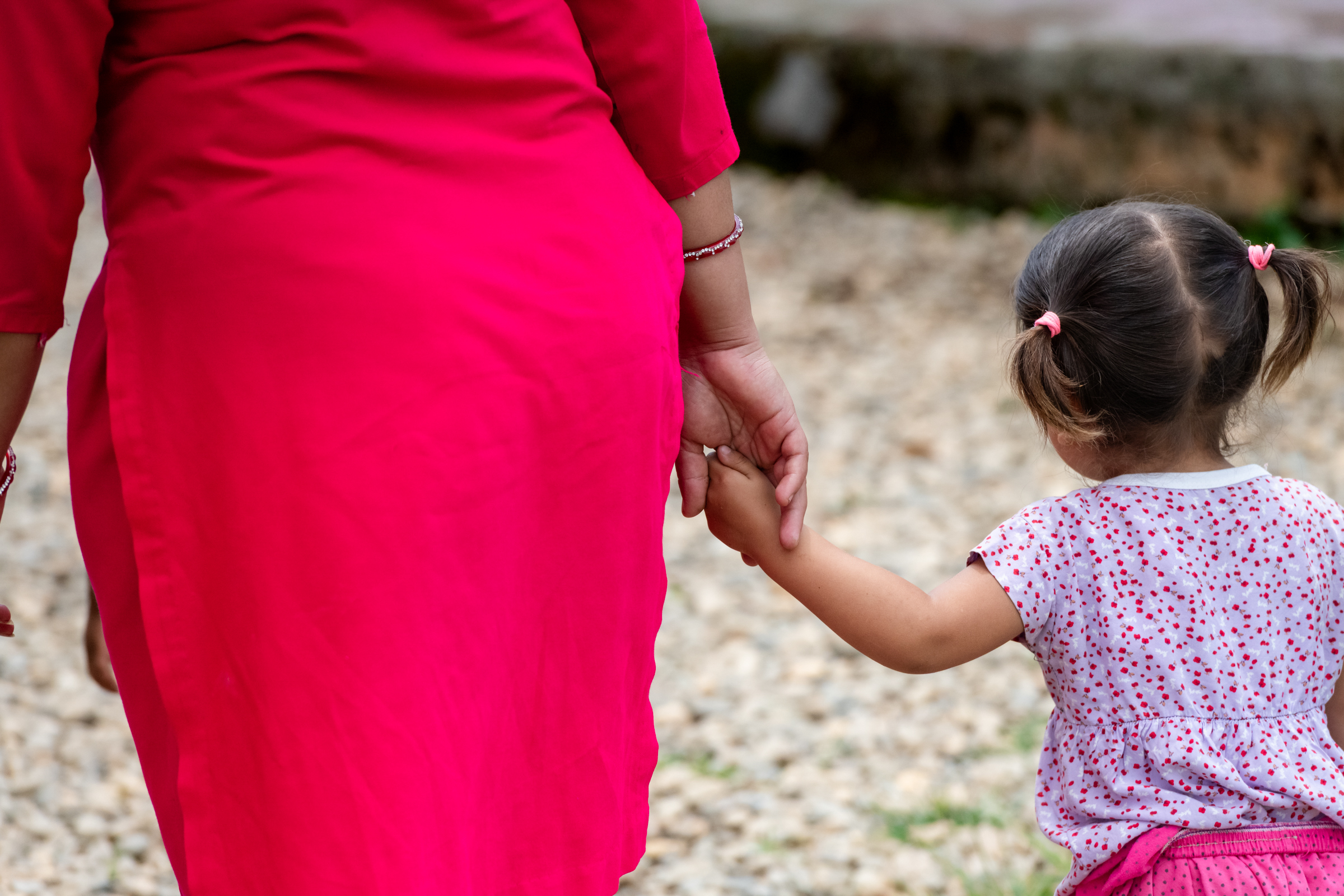
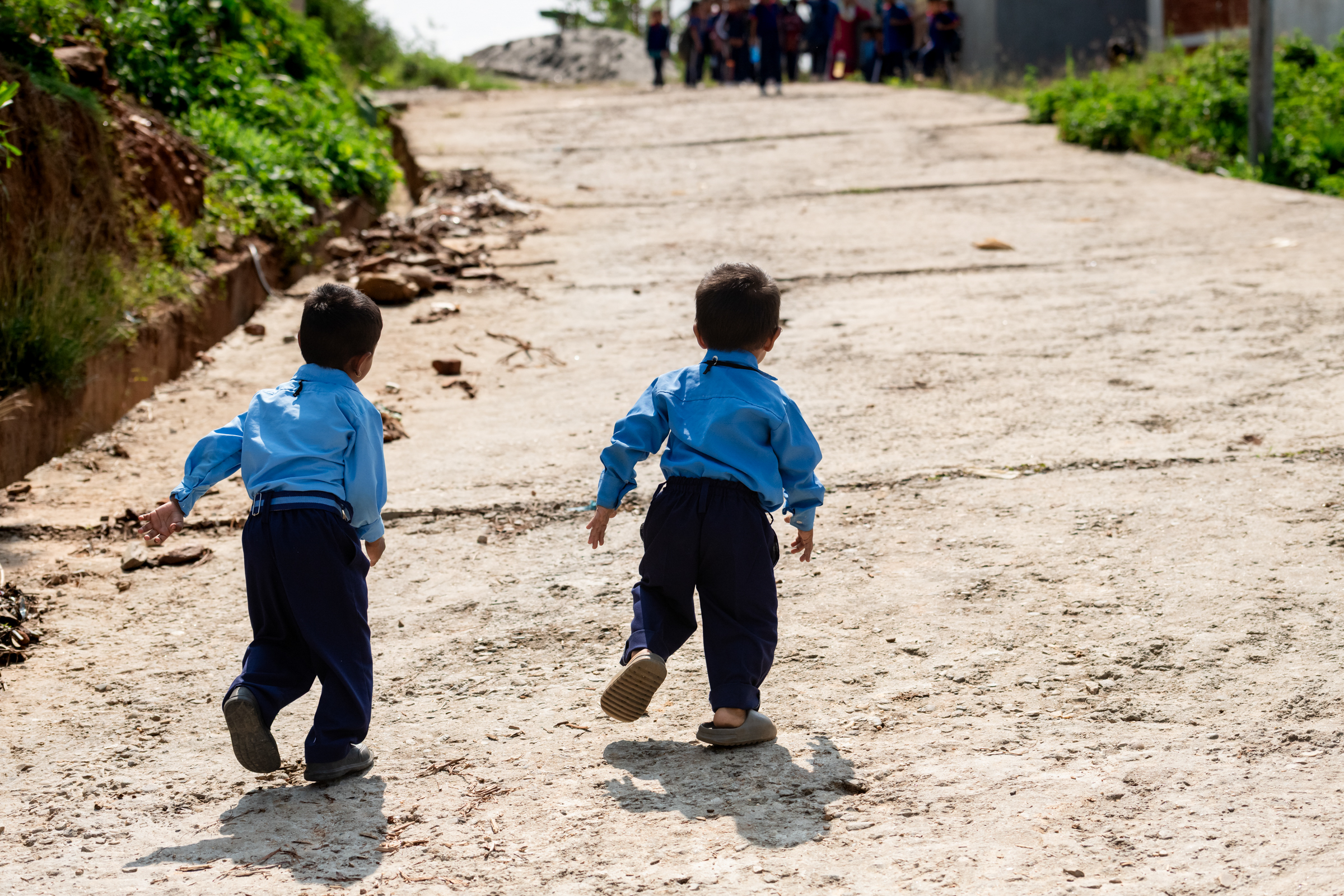
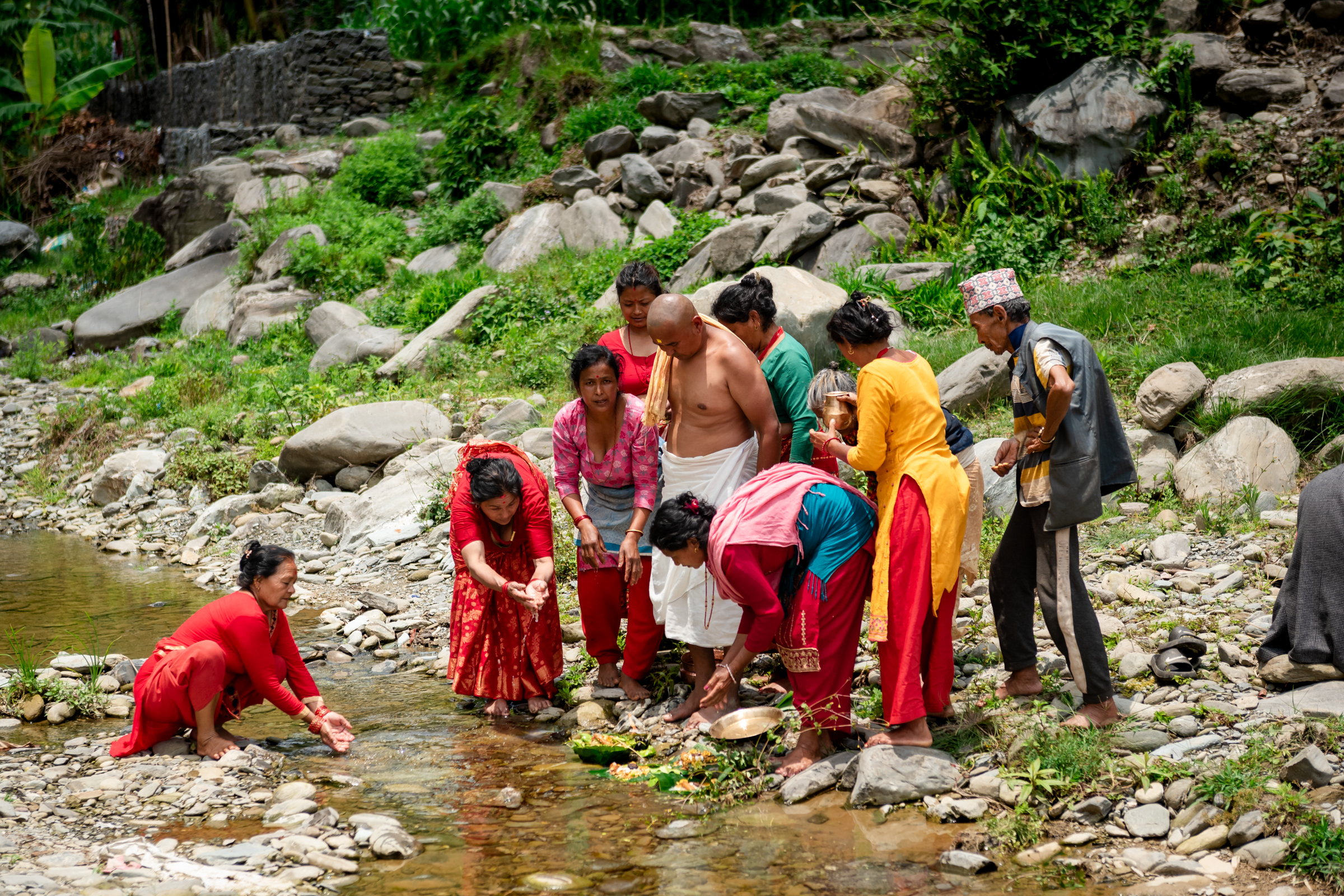
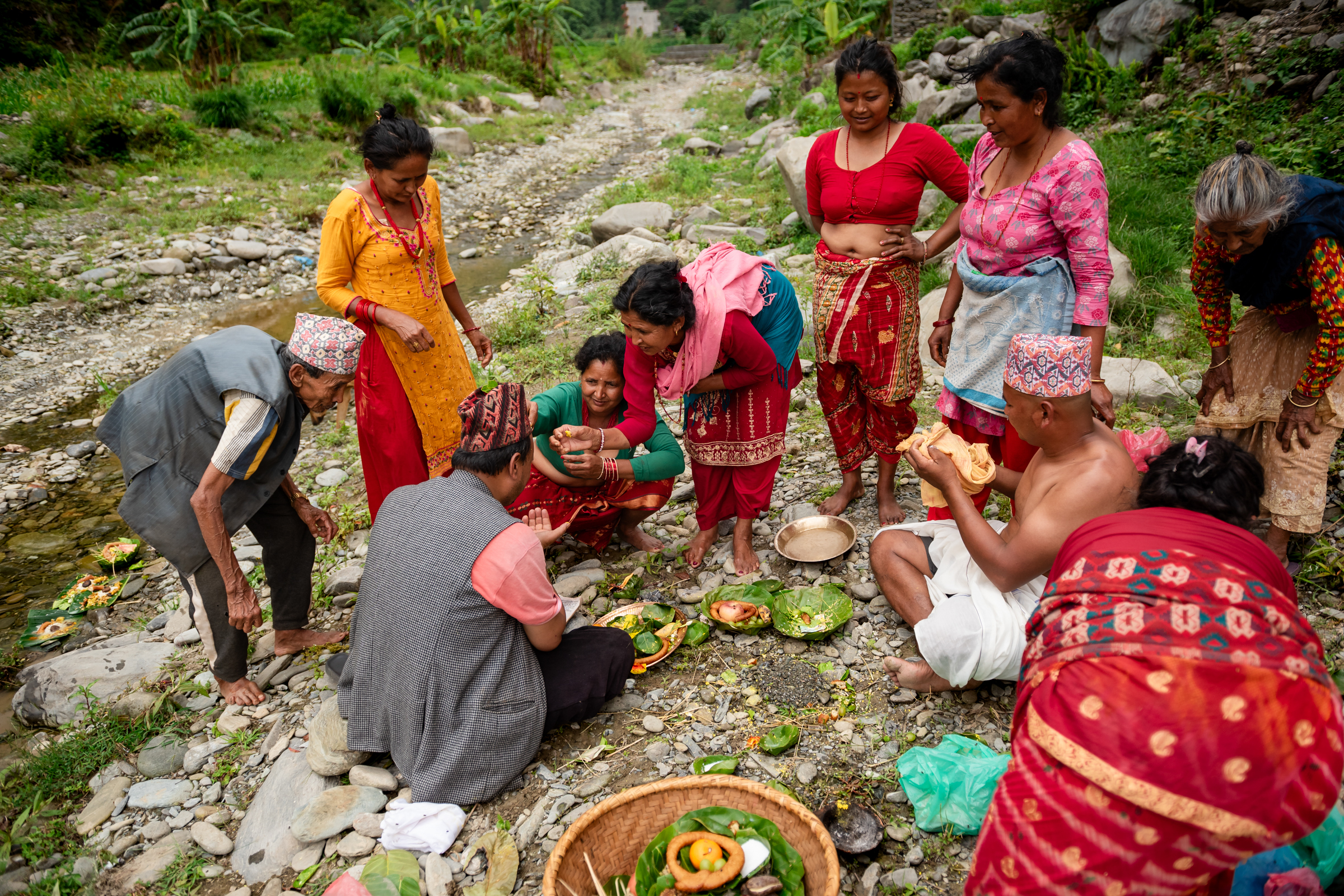
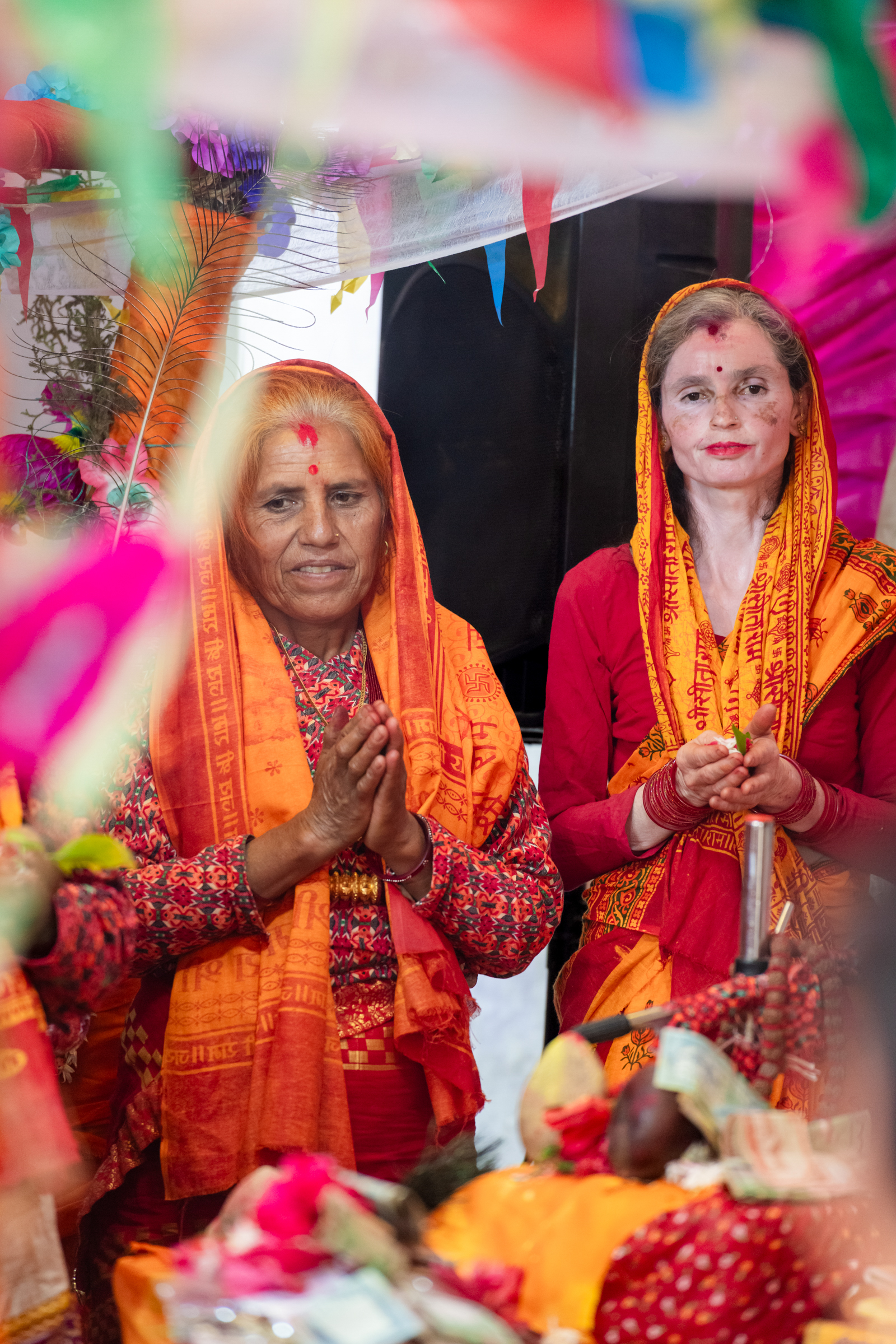
In the early mornings, I would often walk through the village as the sky slowly shifted from deep indigo to gold. Along the way, I met children making their way to school—sometimes with their parents or grandparents, sometimes alone, always with purpose. The quests these children make each day were no small feat. Some journeys took hours—up steep mountain paths, across narrow ridges, through forest and fog. It’s not an exaggeration. Education here isn’t taken for granted—it’s climbed toward. On those same walks, I stumbled into the kind of moments you can’t plan for: a temple opening its doors with incense curling into the cold air, a Pooja ceremony unfolding by the river, vivid with marigolds and devotion. Strangers welcomed me in without hesitation, offering me not just entry, but belonging. These encounters, both sacred and simple, reminded me that beauty in Nepal is not curated—it’s lived.






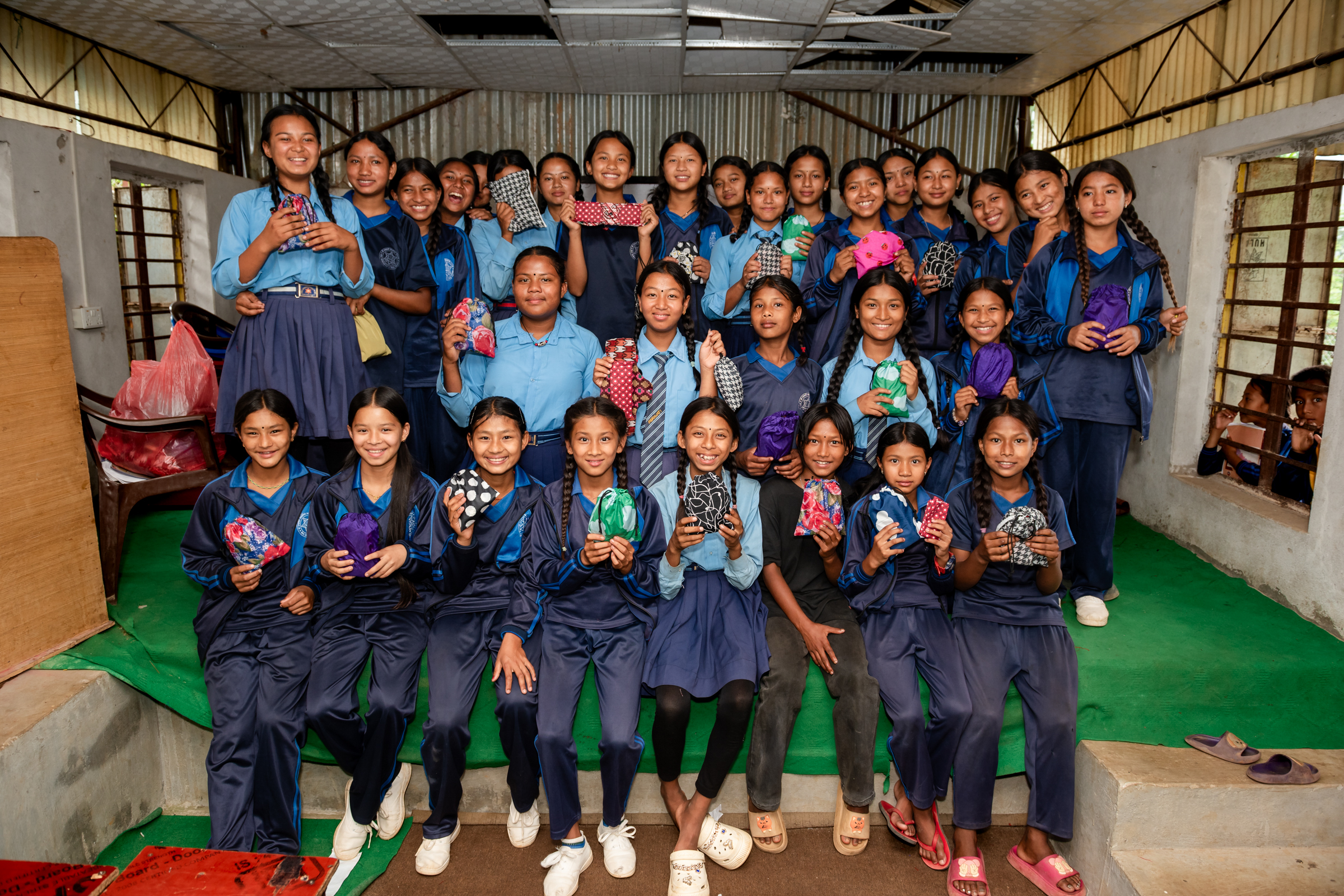
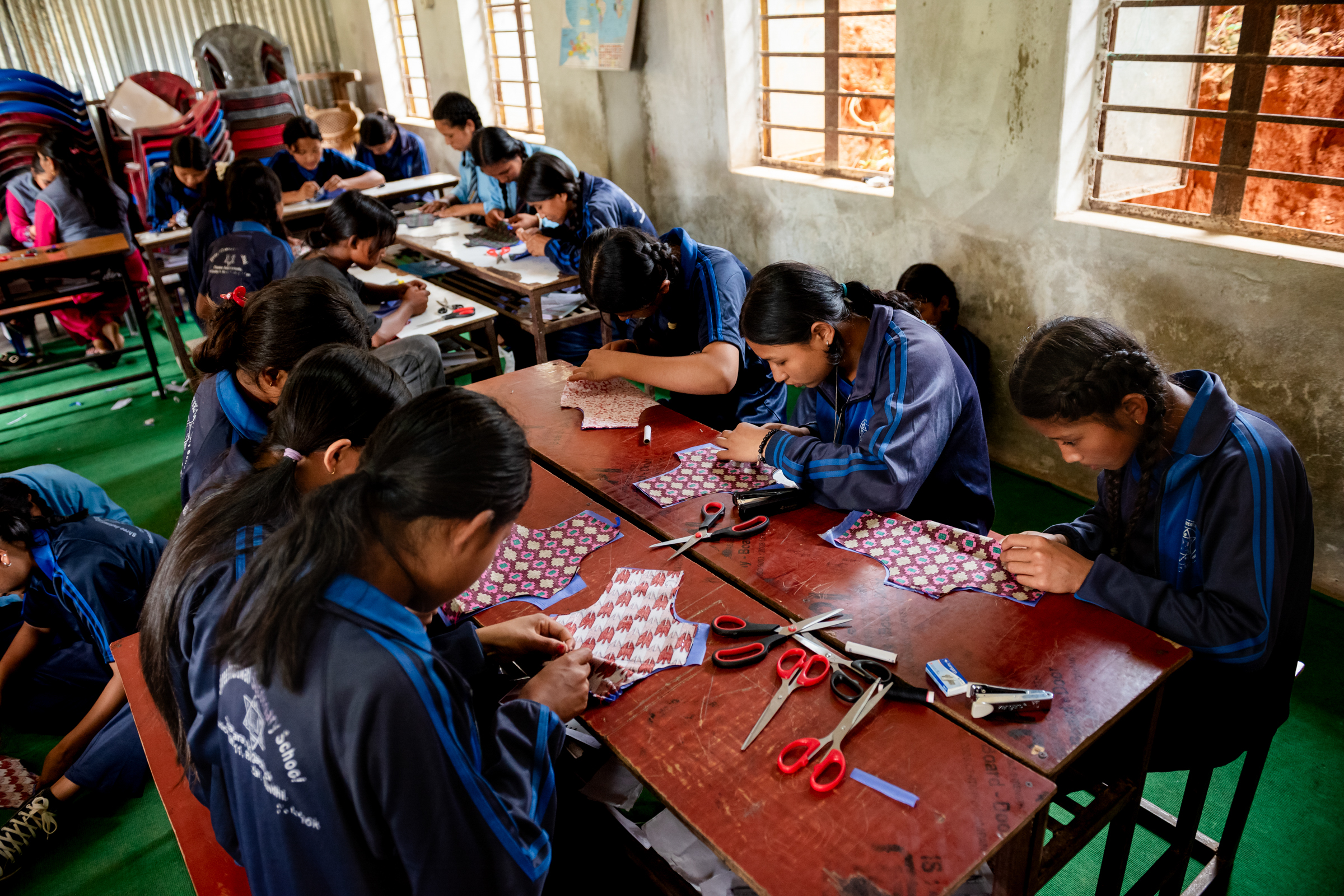
In another, less fortunate village, I watched Ranjana again—this time with a group of teenage girls learning to sew reusable menstrual pads. It was a quiet revolution against a deep-rooted stigma, unfolding stitch by stitch. These girls were claiming something that had long been denied to them: the right to stay in school with dignity. One of them looked me straight in the eye and said, “Now I can stay in school.” That moment is threaded in my memory..


And then, just when the tour felt complete, we traveled to Nuwakot and stayed at The Famous Farm. This place deserves its own story.
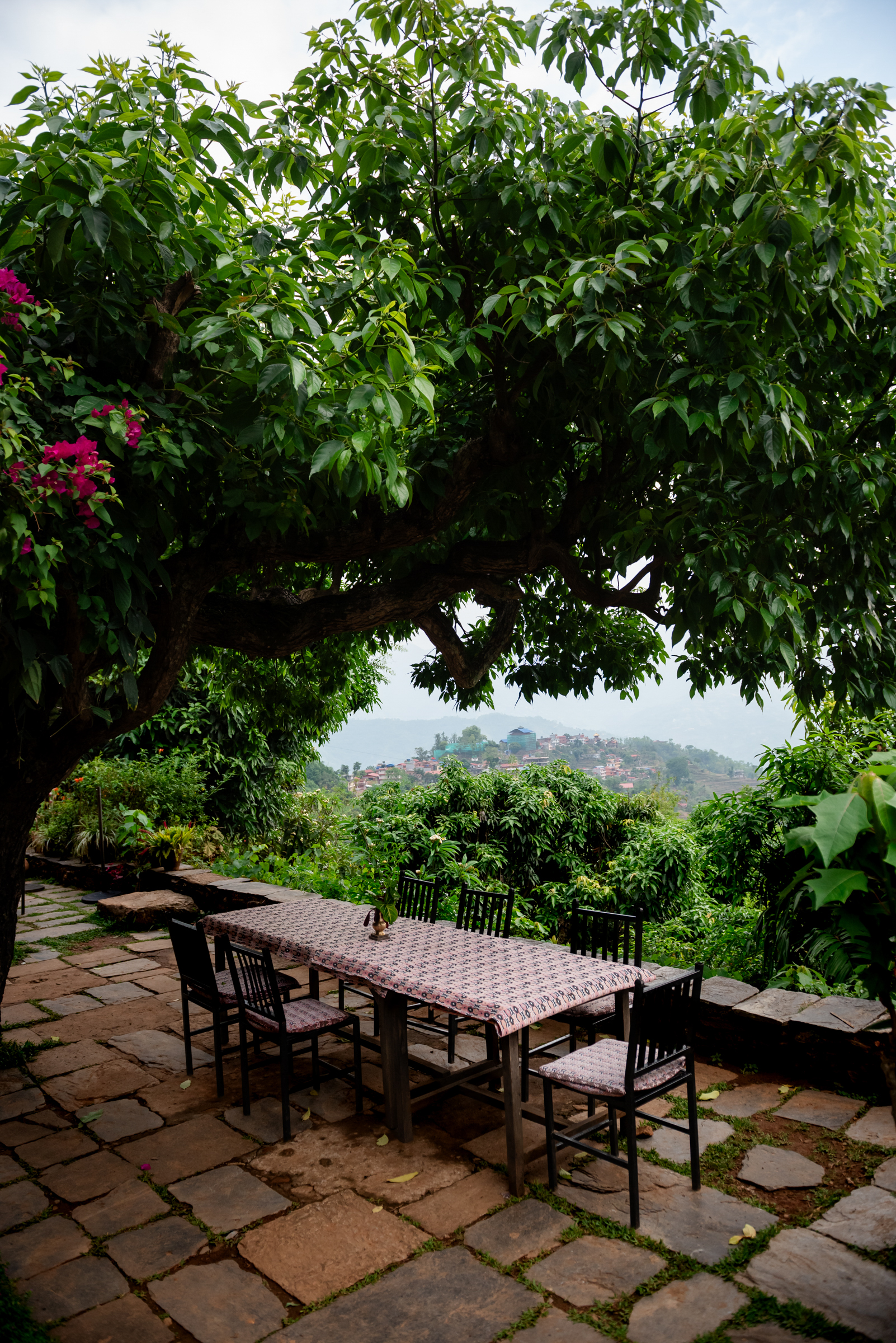
Perched above the ancient Nuwakot Palace, The Famous Farm is a restored heritage homestead with stone cottages, hand-carved windows, and gardens that bloom with unrushed purpose. Meals were served under the trees. Rooms smelled of woodsmoke and rose oil. I’ve stayed in five-star hotels across the globe. Nothing compares.


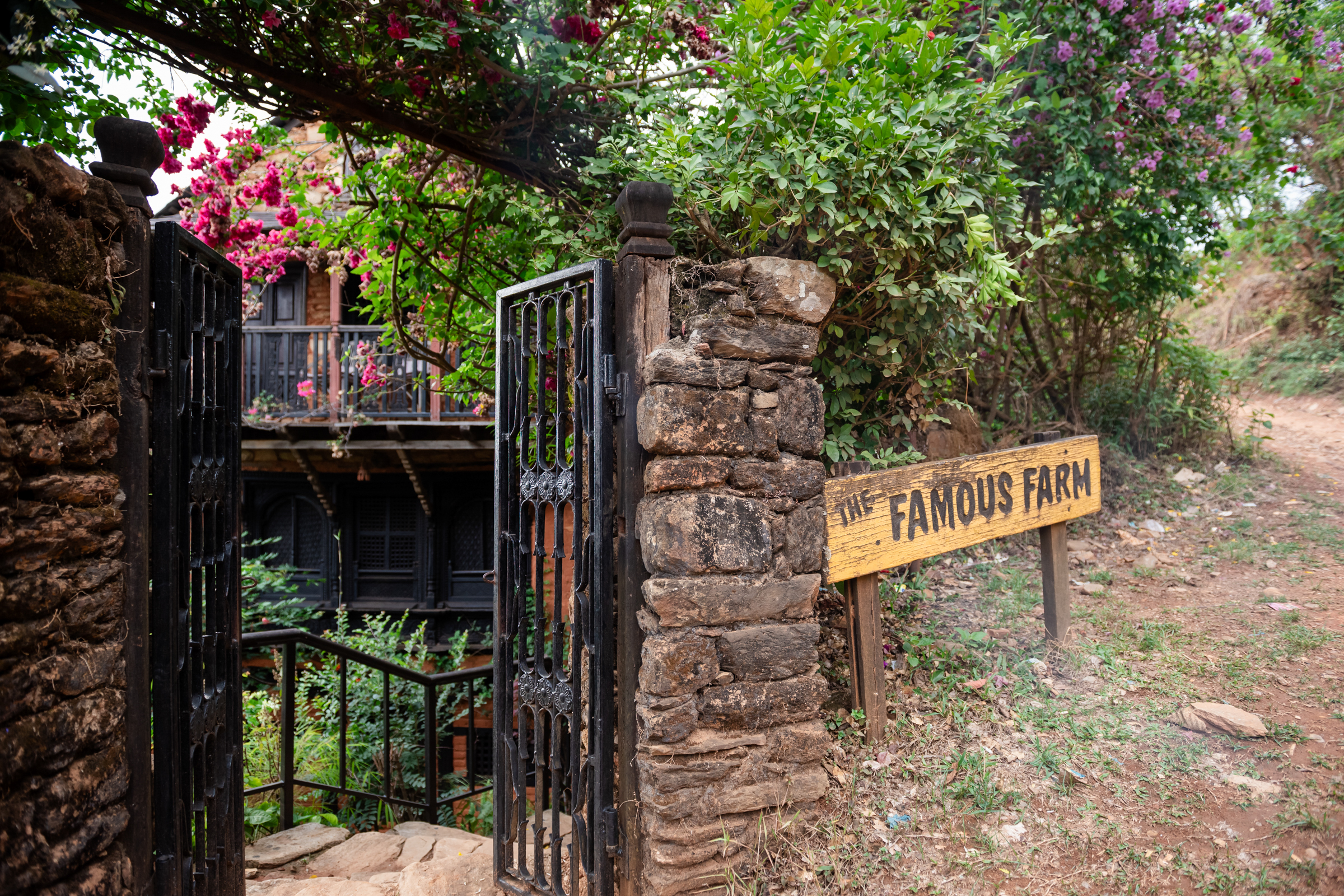

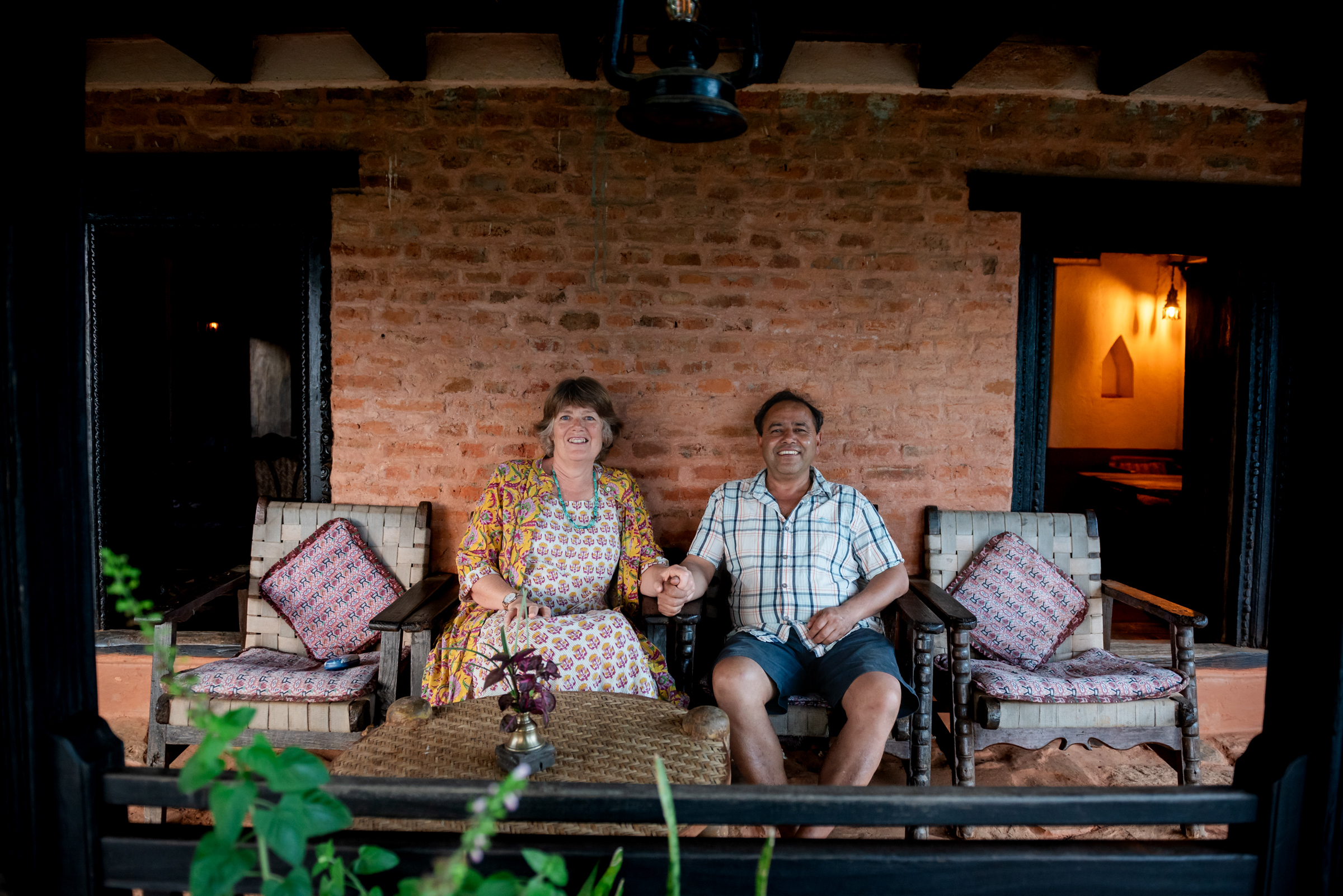

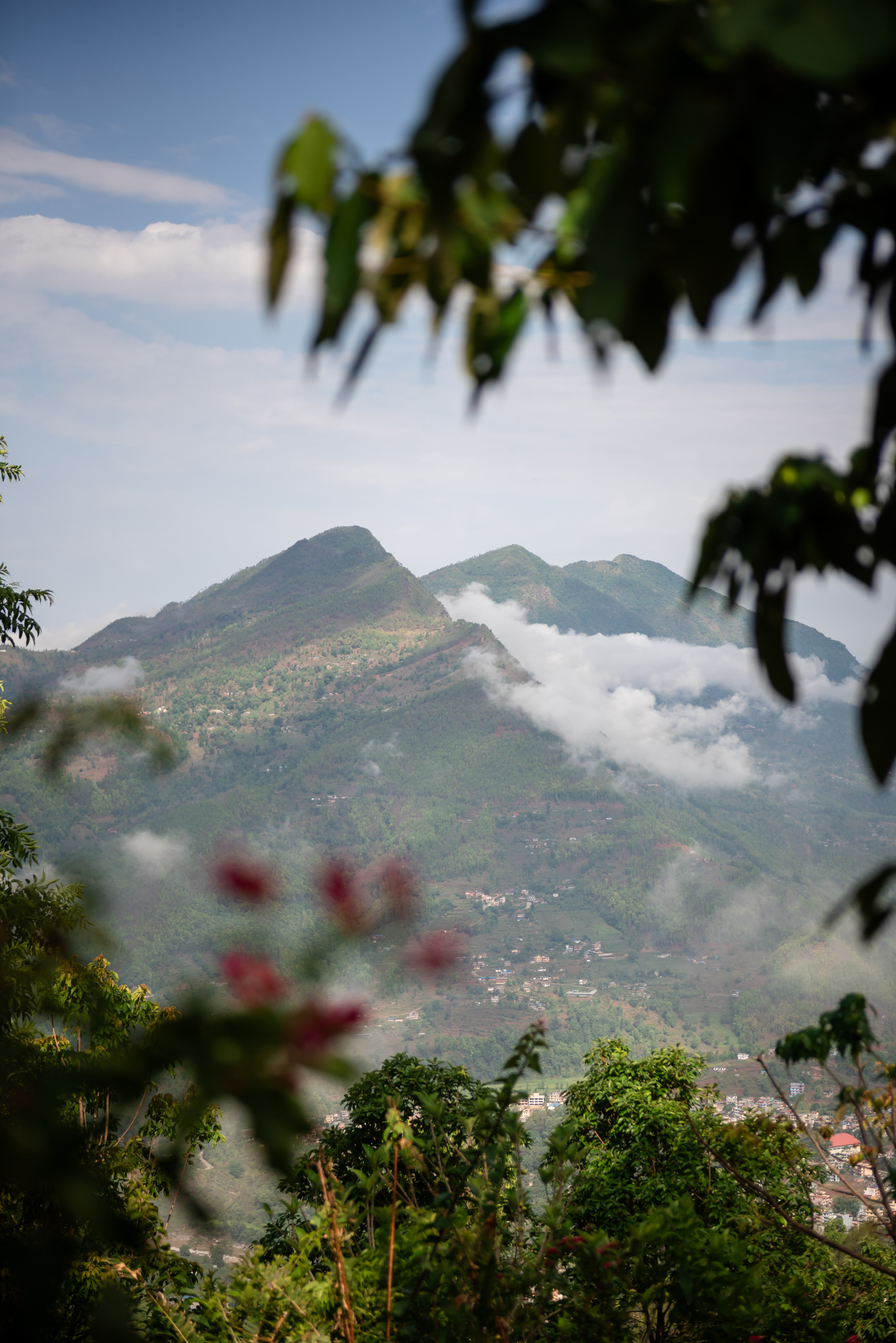
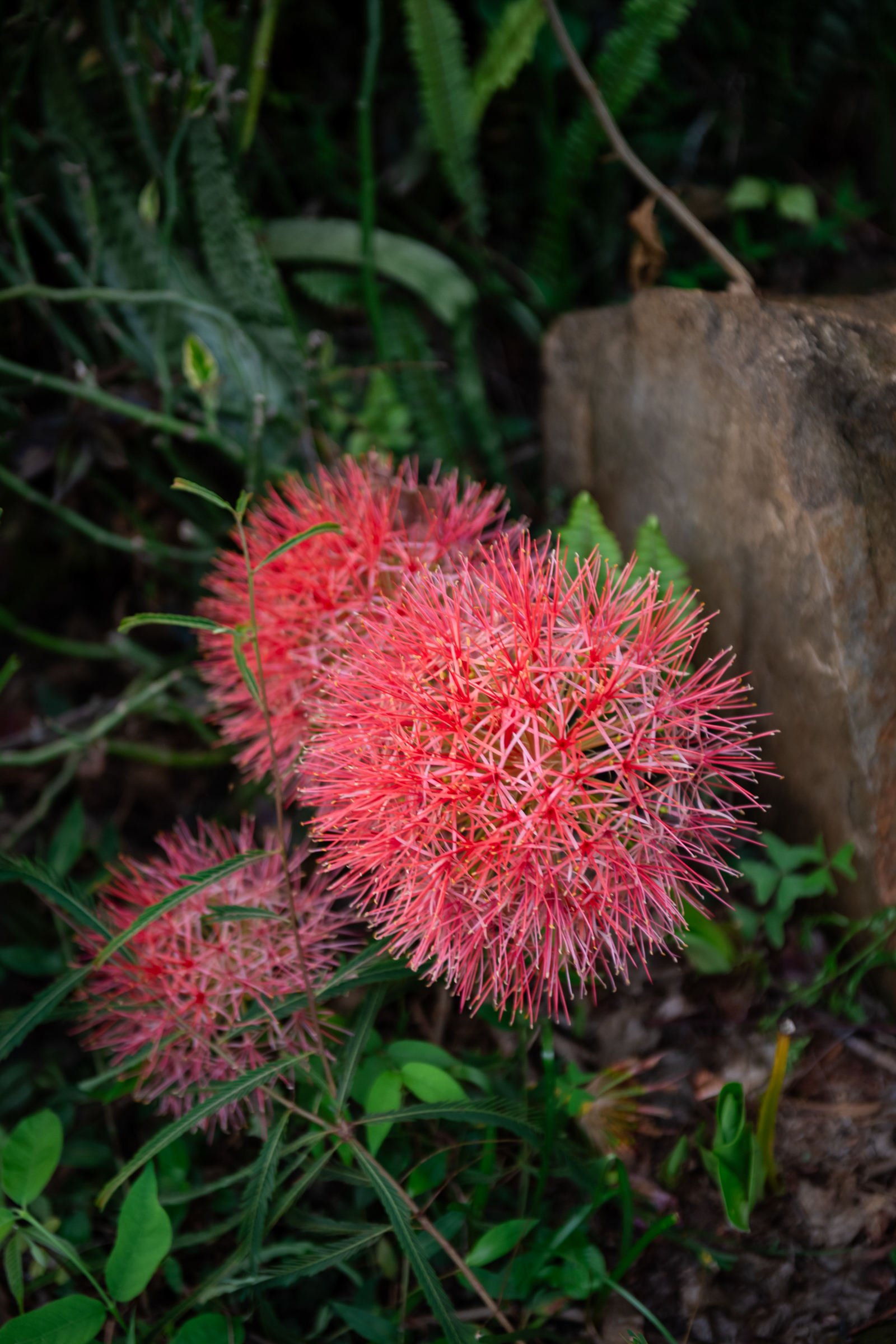
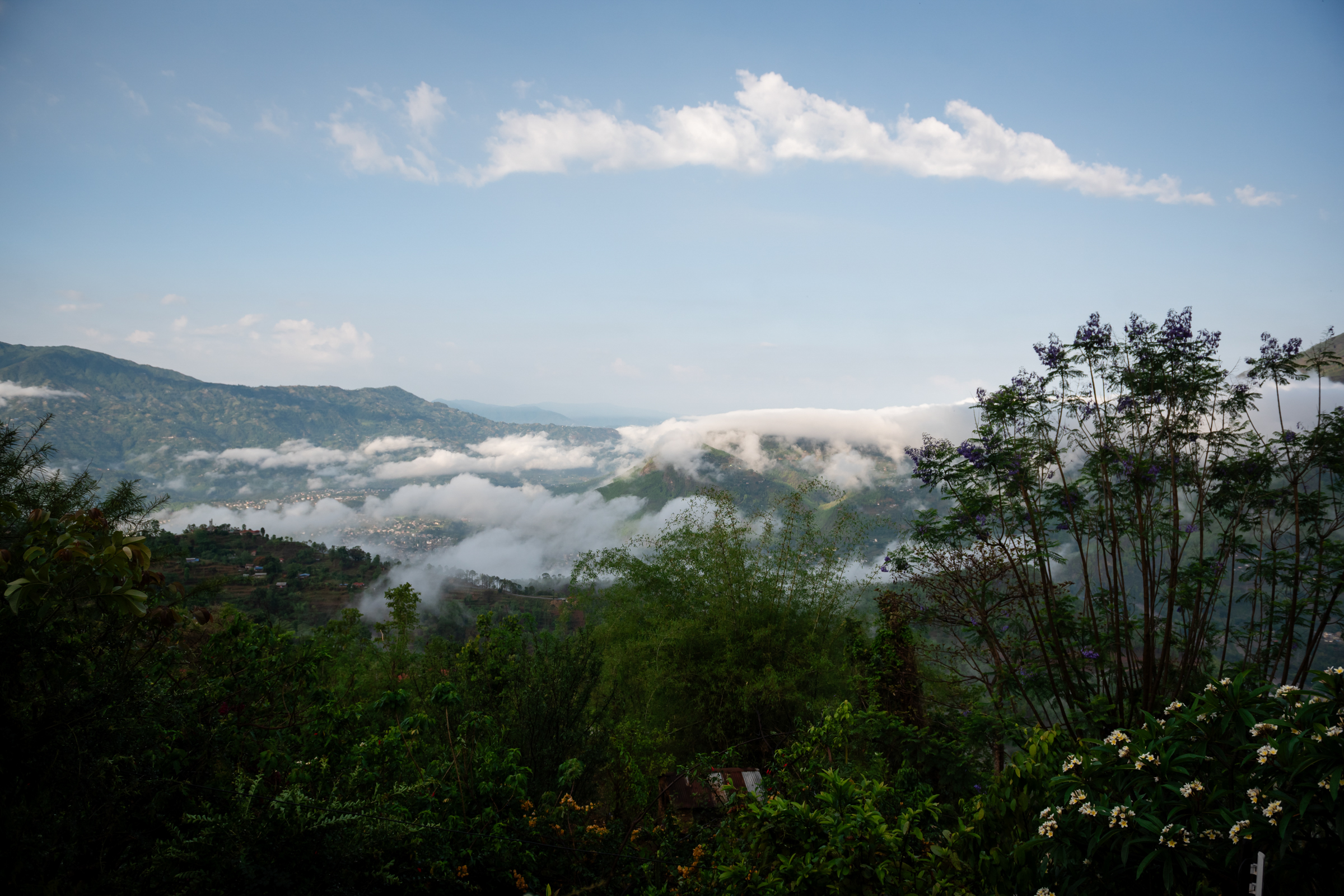

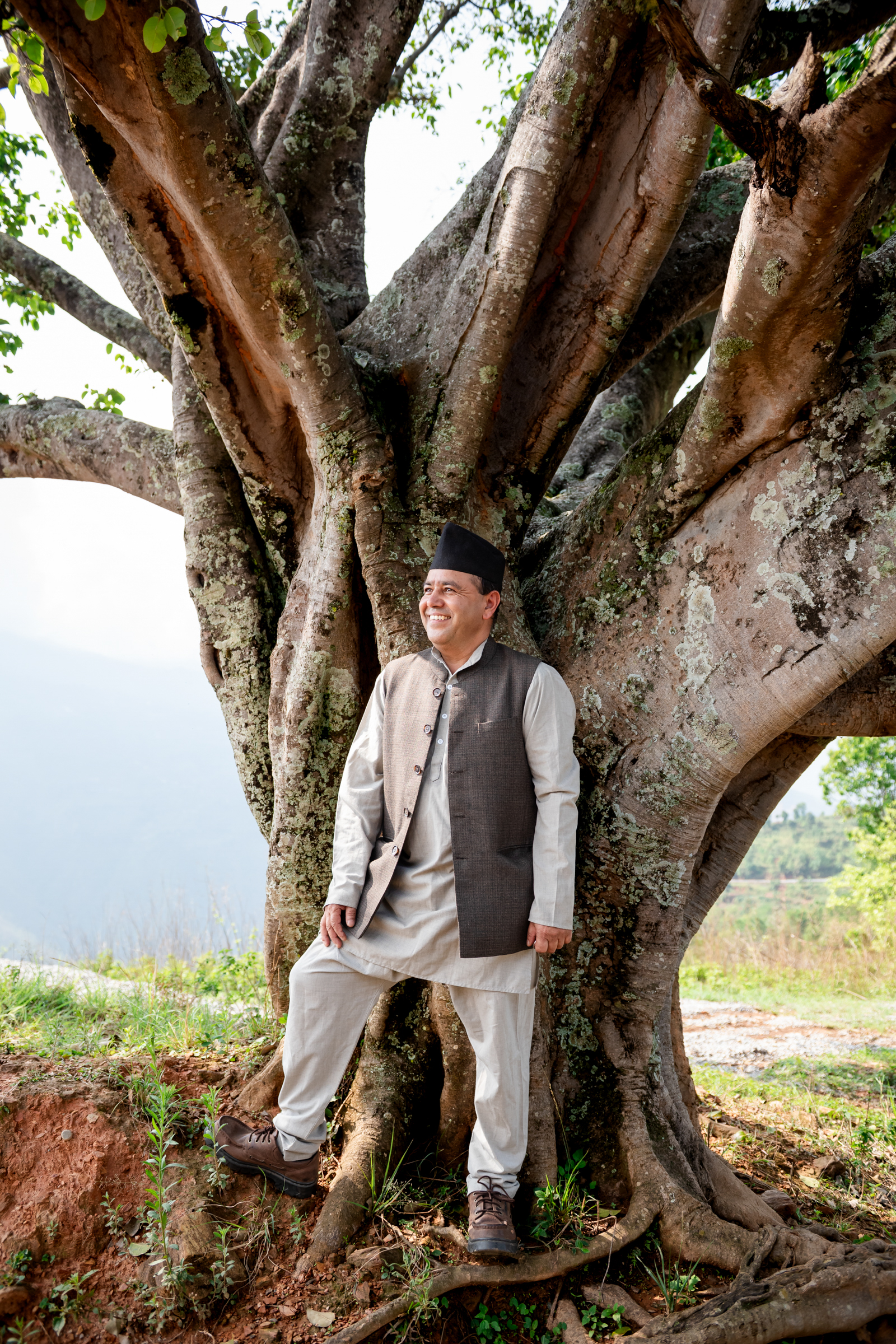
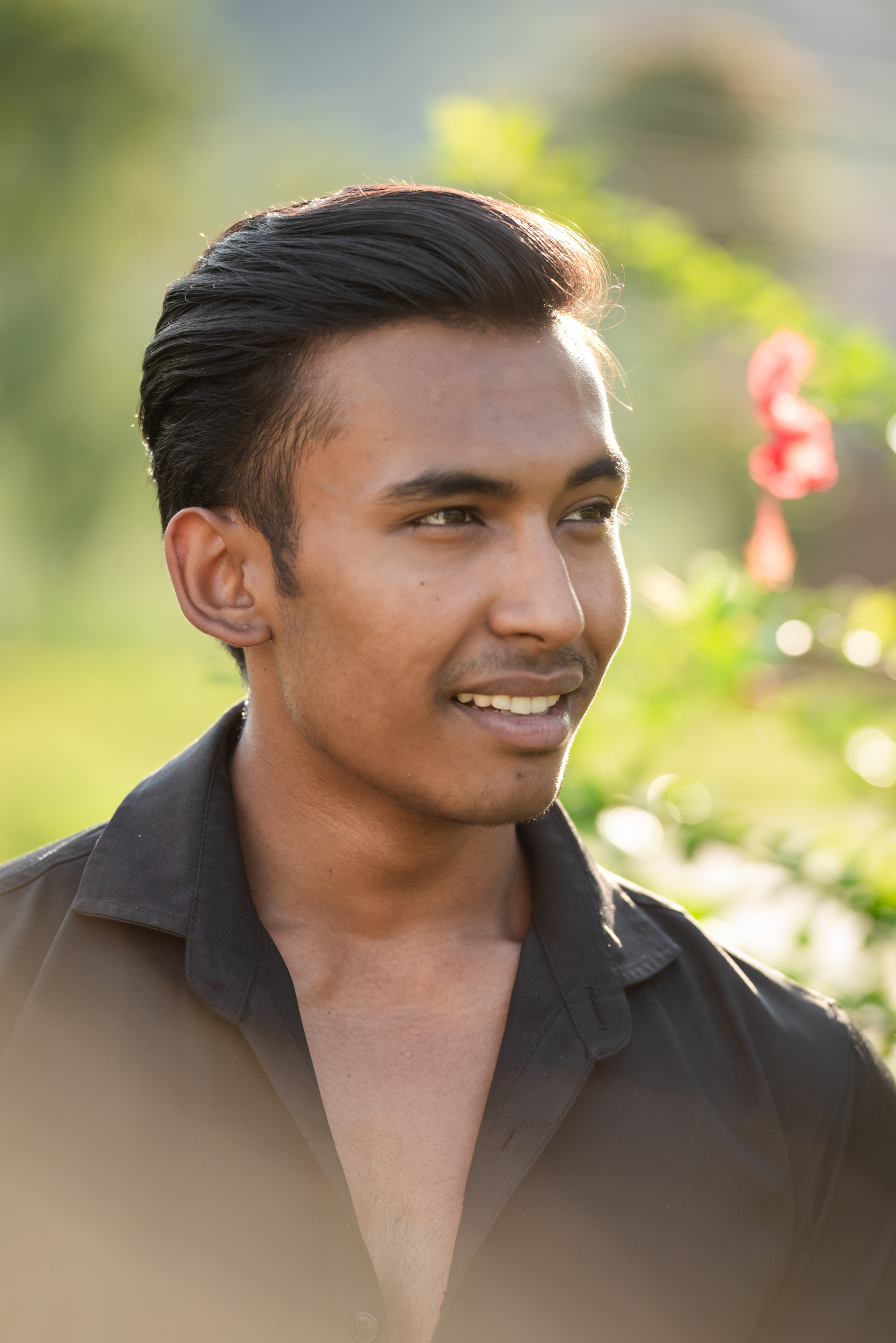
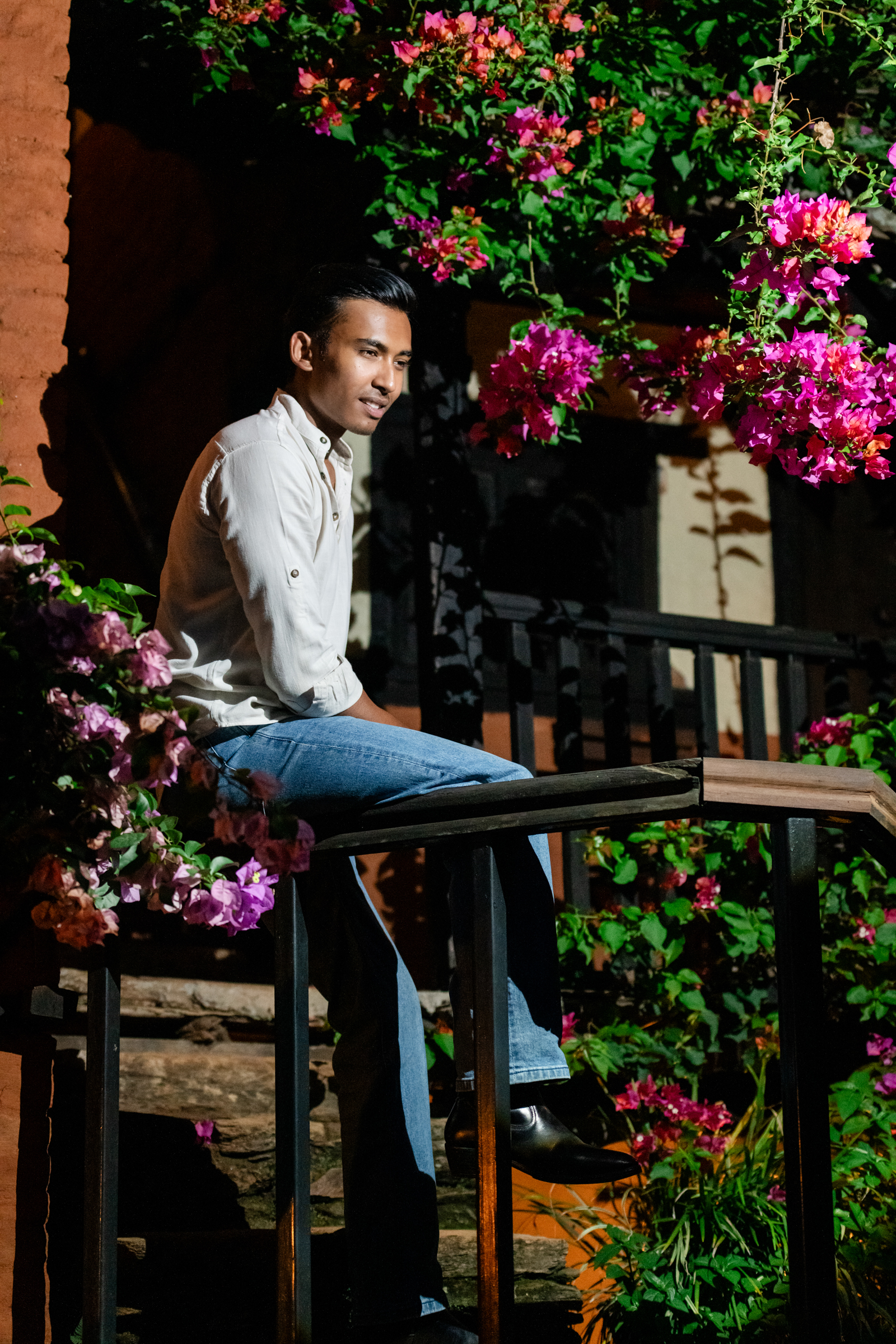
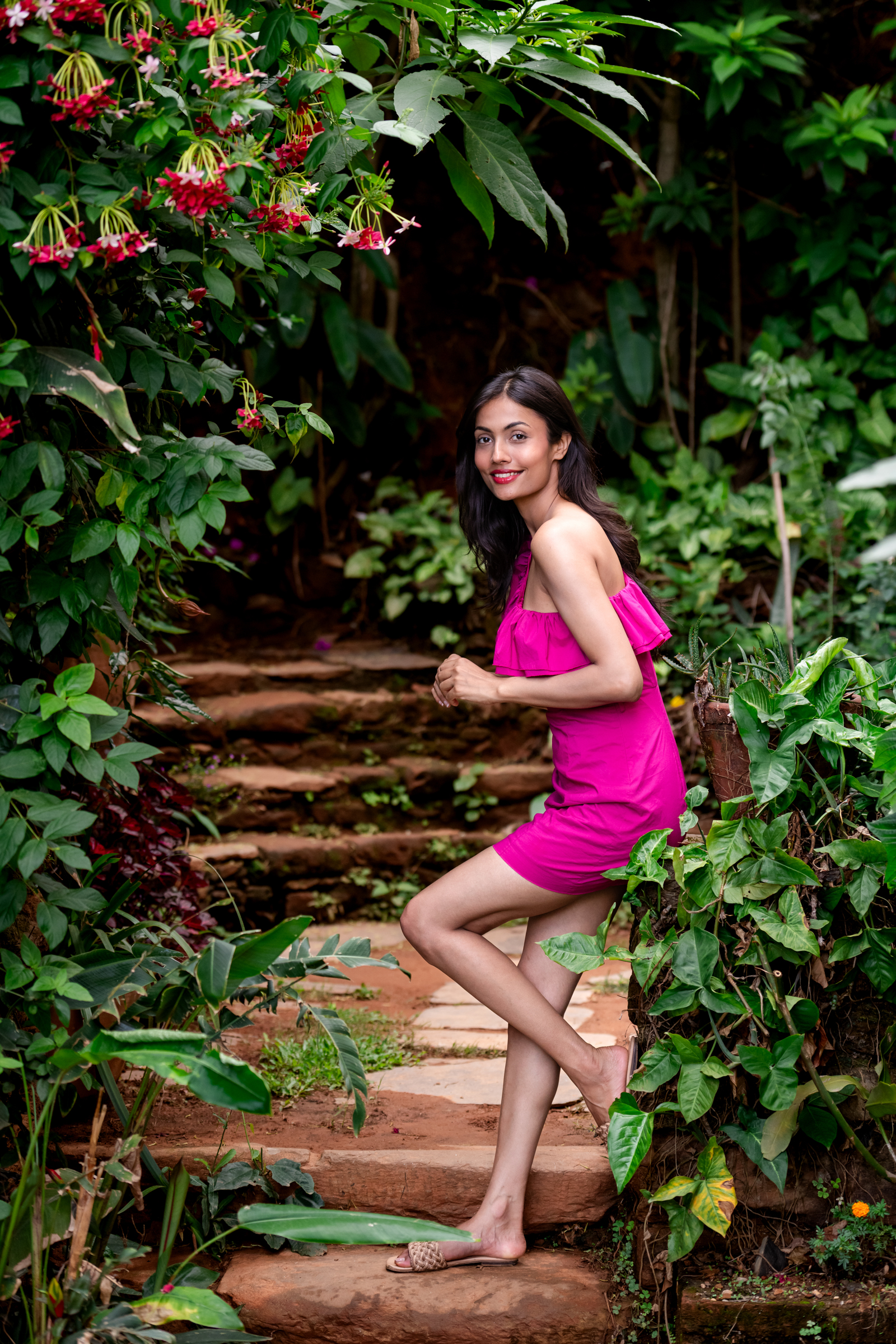
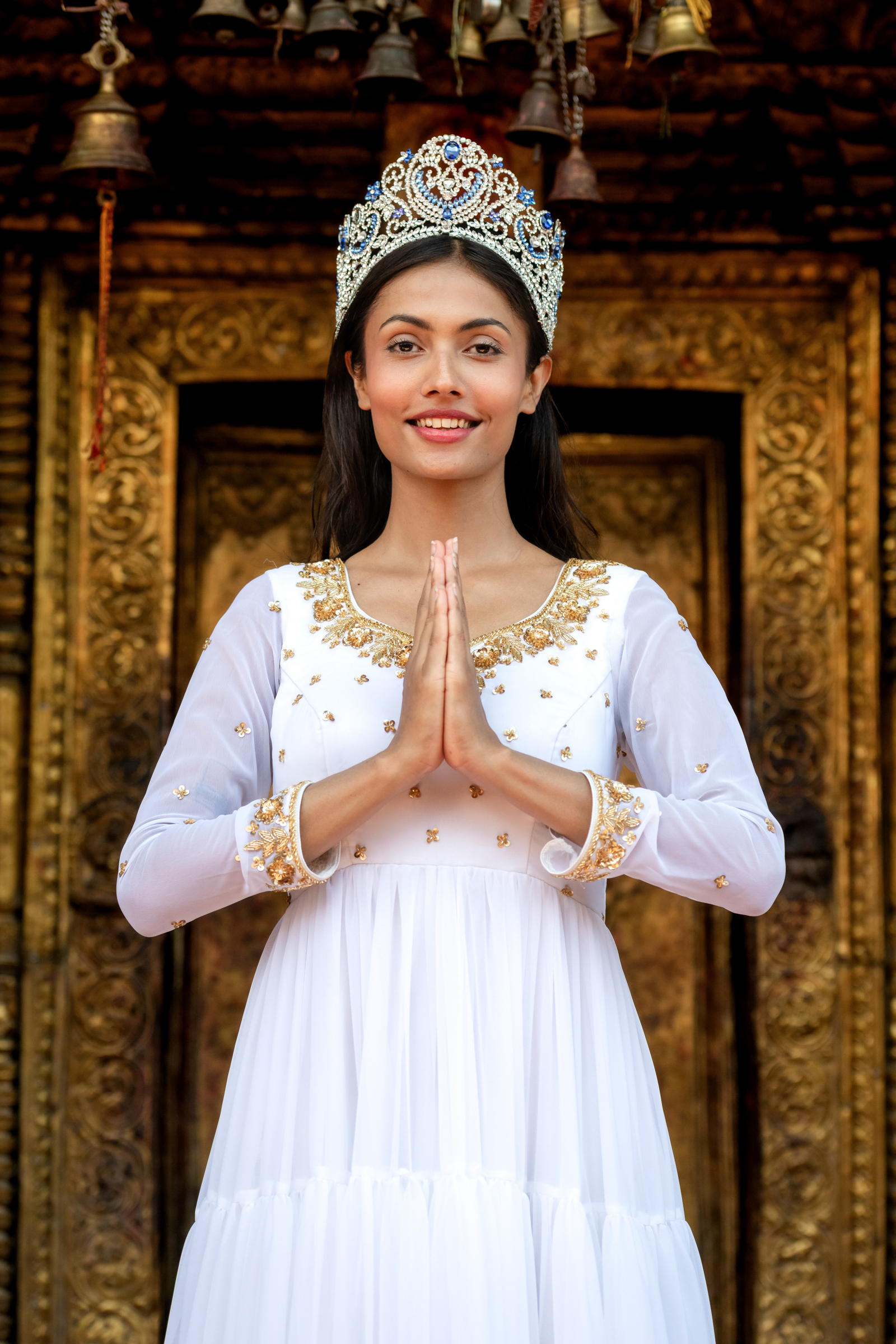
It was there, back at The Famous Farm, that I returned again a week later—with a new kind of entourage. Contestants from the Mister and Miss Supranational Nepal competition joined me for a two-day shoot—Cyrus, Dikshya, and the radiant Santosh Upadhyaya, a beloved public figure with a heart as luminous as his style. We photographed in flower fields, beside weathered homes, along dusty paths where life carried on around us. The beauty wasn’t just in the clothes or the faces—it was in the contrast. Sequins beside stone walls. Laughter echoing off terraced hills. For a moment, it felt like a celebration of everything Nepal holds: resilience, elegance, joy.






But the heart of the journey lay deeper. After the shoot, I returned to the villages where First Steps Himalaya works—in the spaces between education, dignity, and generational change. They build teacher capacity. They offer parenting programs. They create learning environments where children can thrive—intellectually, emotionally, spiritually. Beyond the Clouds, their social enterprise, brings conscious travelers to witness this work firsthand.
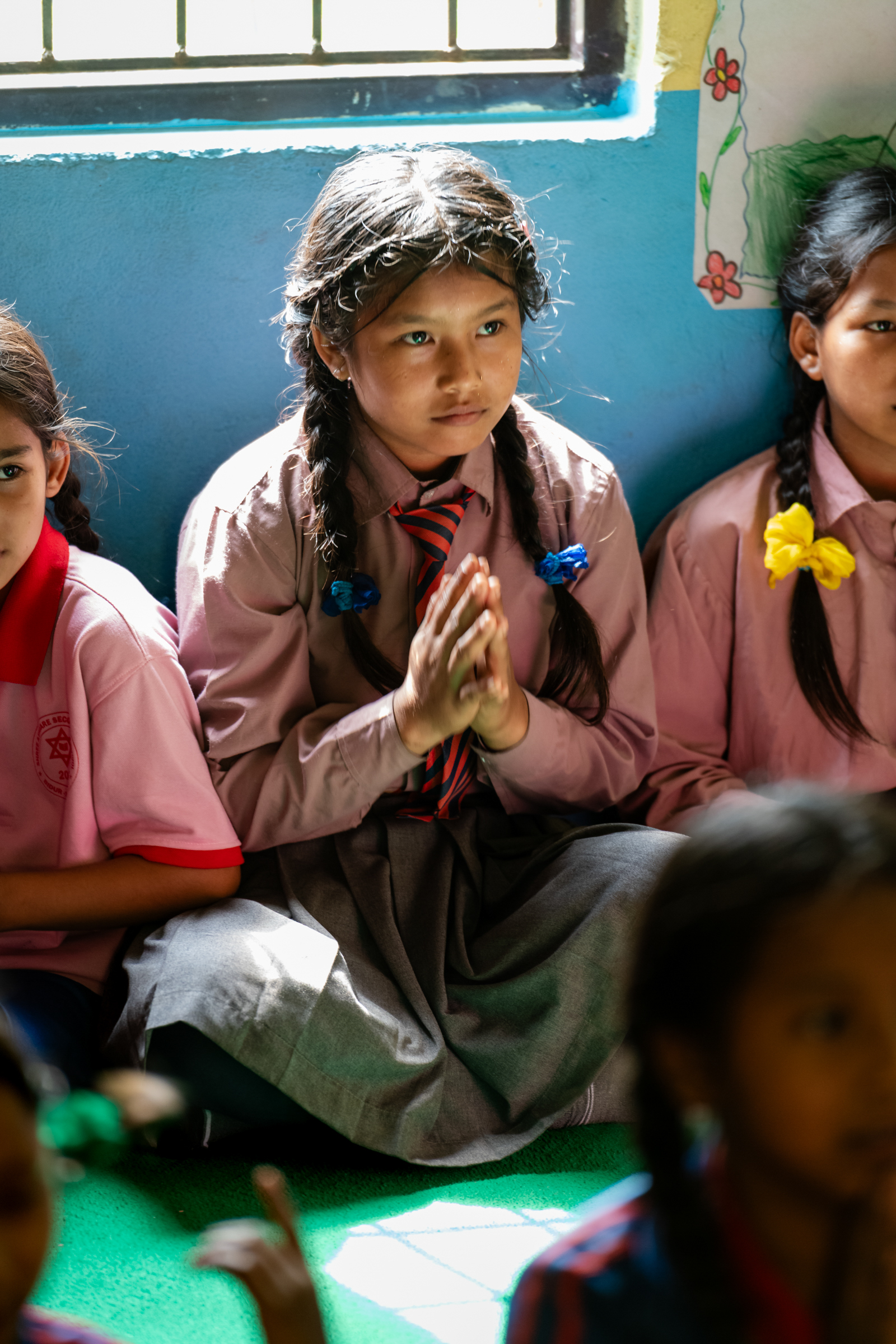
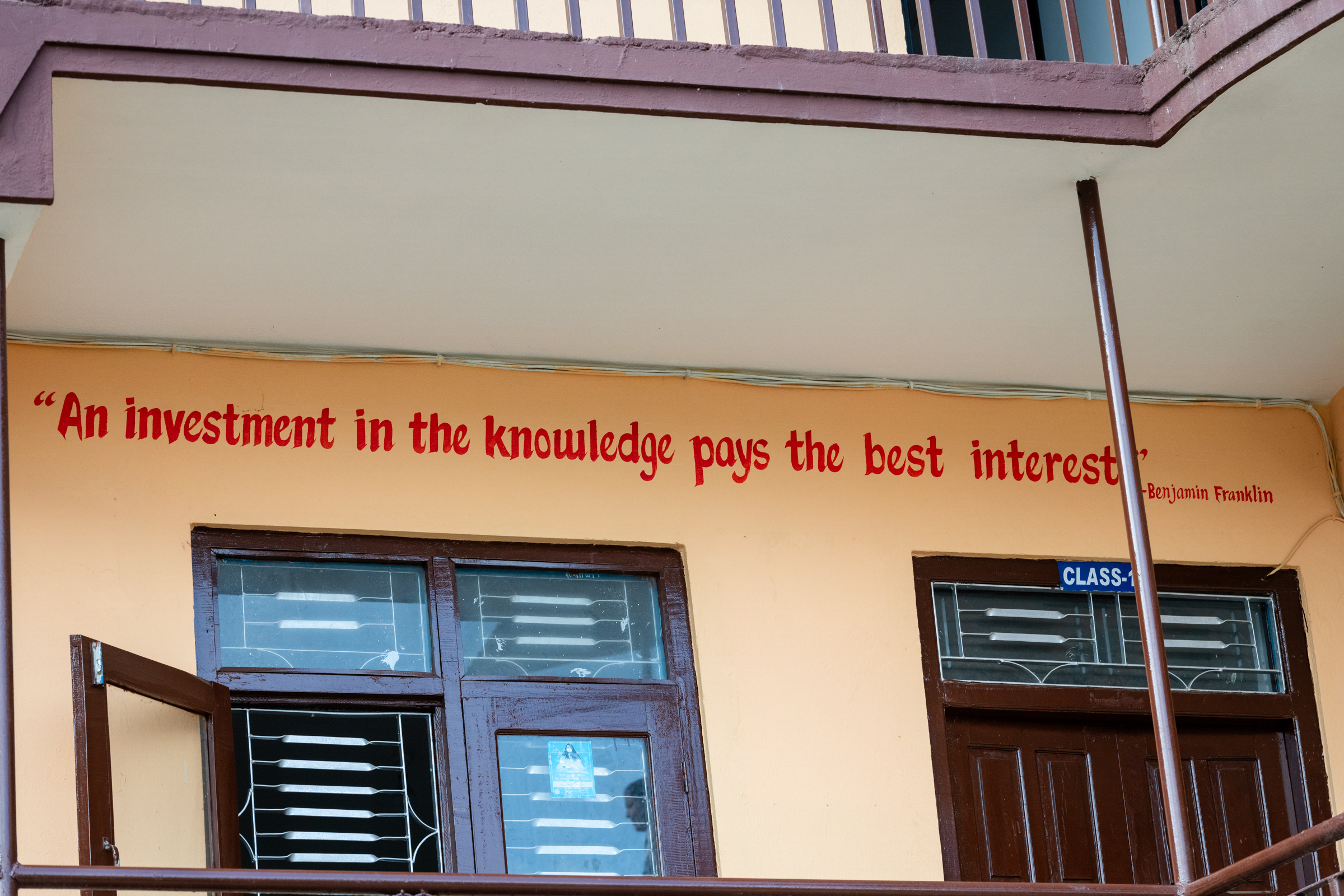

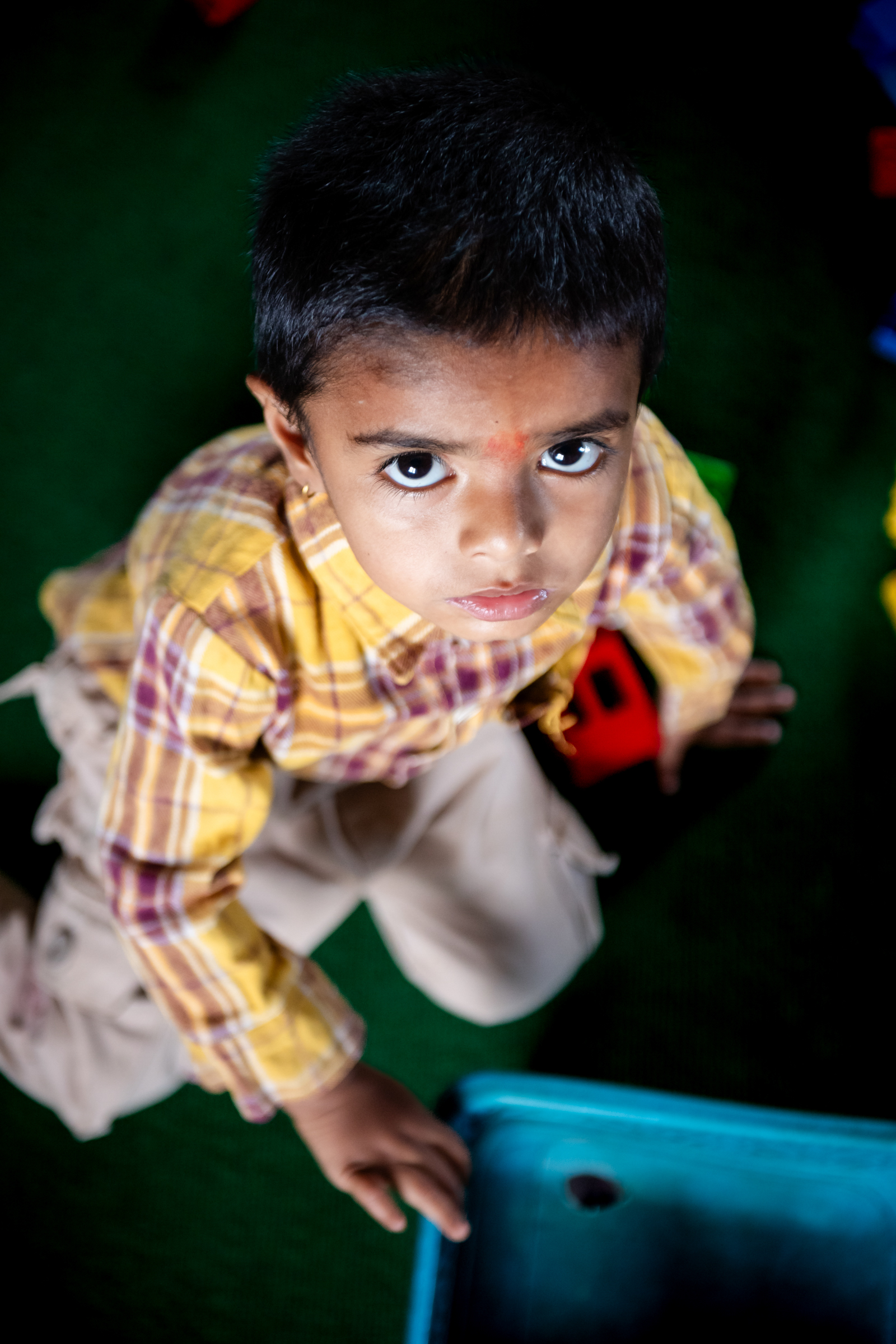
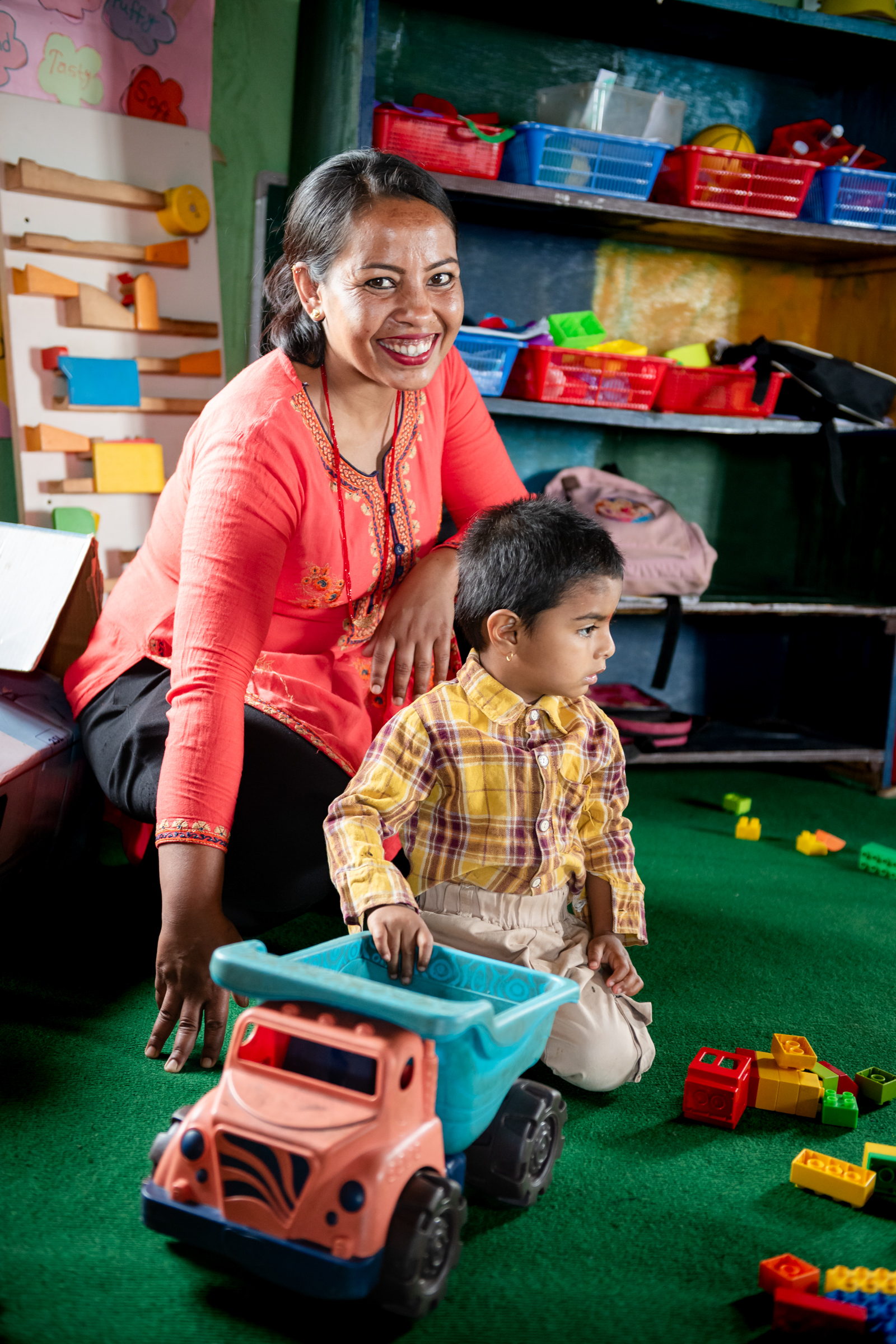




And this is not just a tour. This is an invitation to connect.
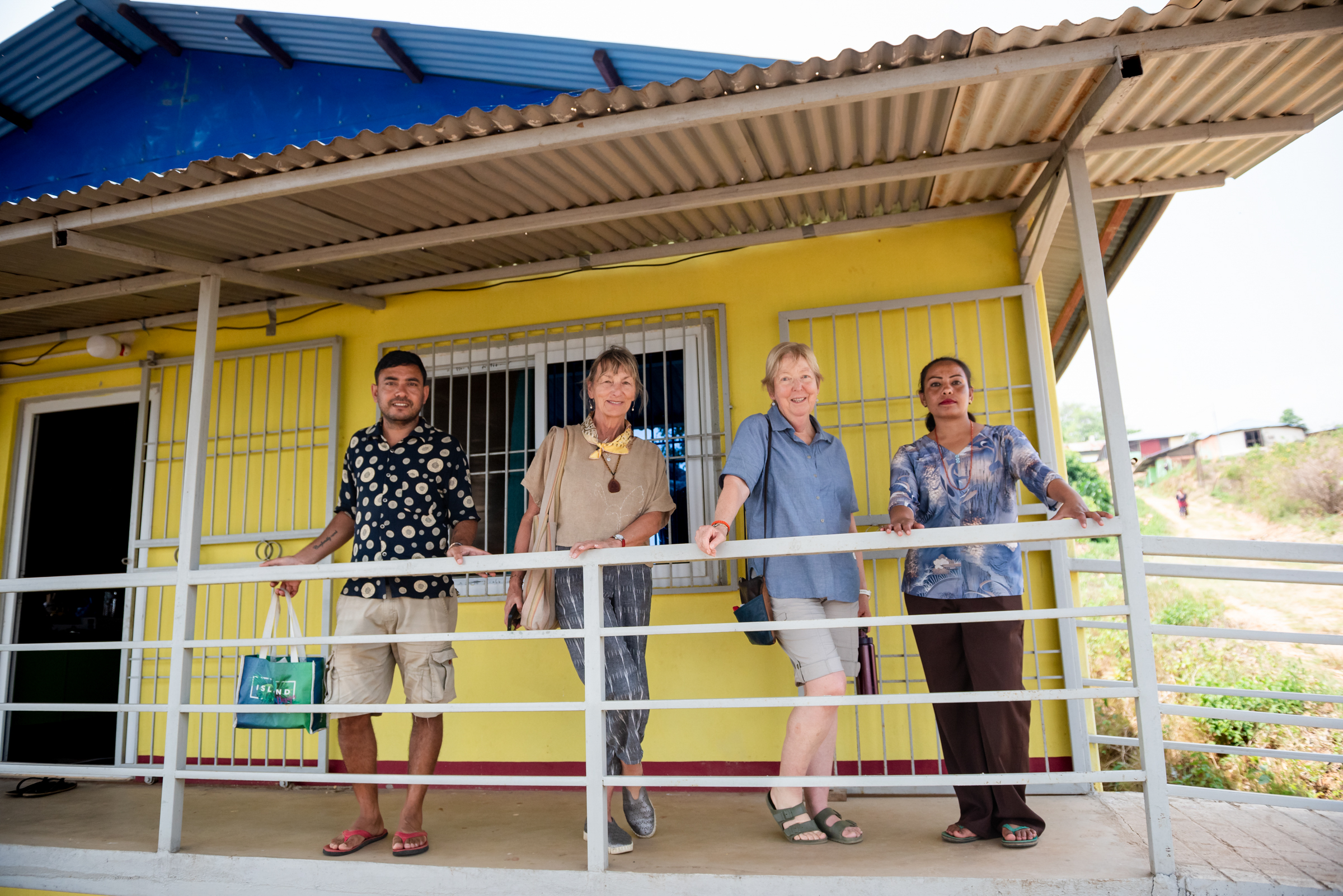
Bonnie and Caroline had become my dear friends by then. I admired Bonnie’s quiet tenacity—her phone always ready to catch a perfect frame. Where I towered with my big camera, she blended in, capturing beauty without disruption. She and Caroline had met years ago in Vietnam and bonded over a shared love of travel. They’d just come from Bhutan, their stories pouring out in bursts of laughter and wonder.
After Bonnie and Caroline flew home, I stayed. Something kept pulling me back.
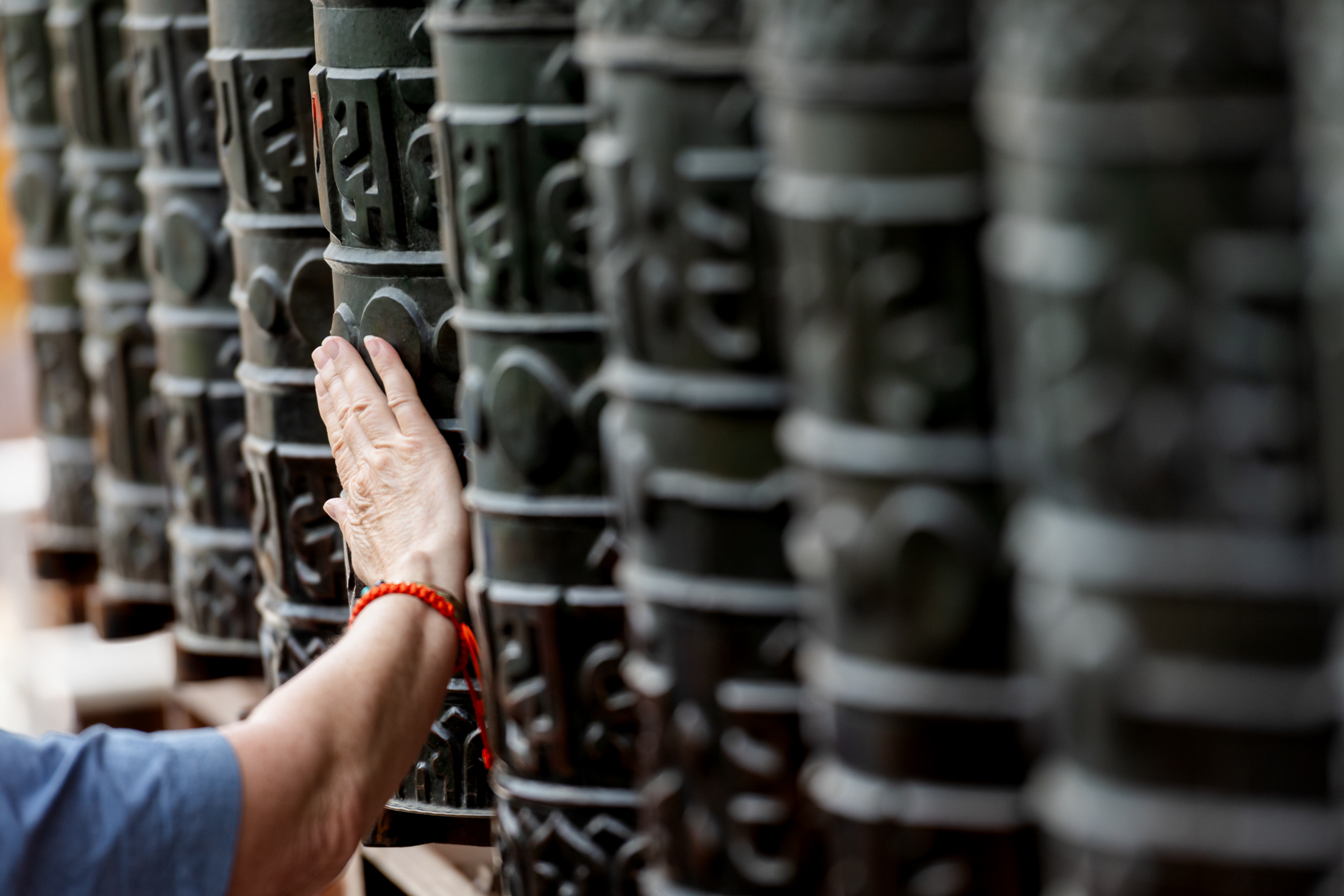
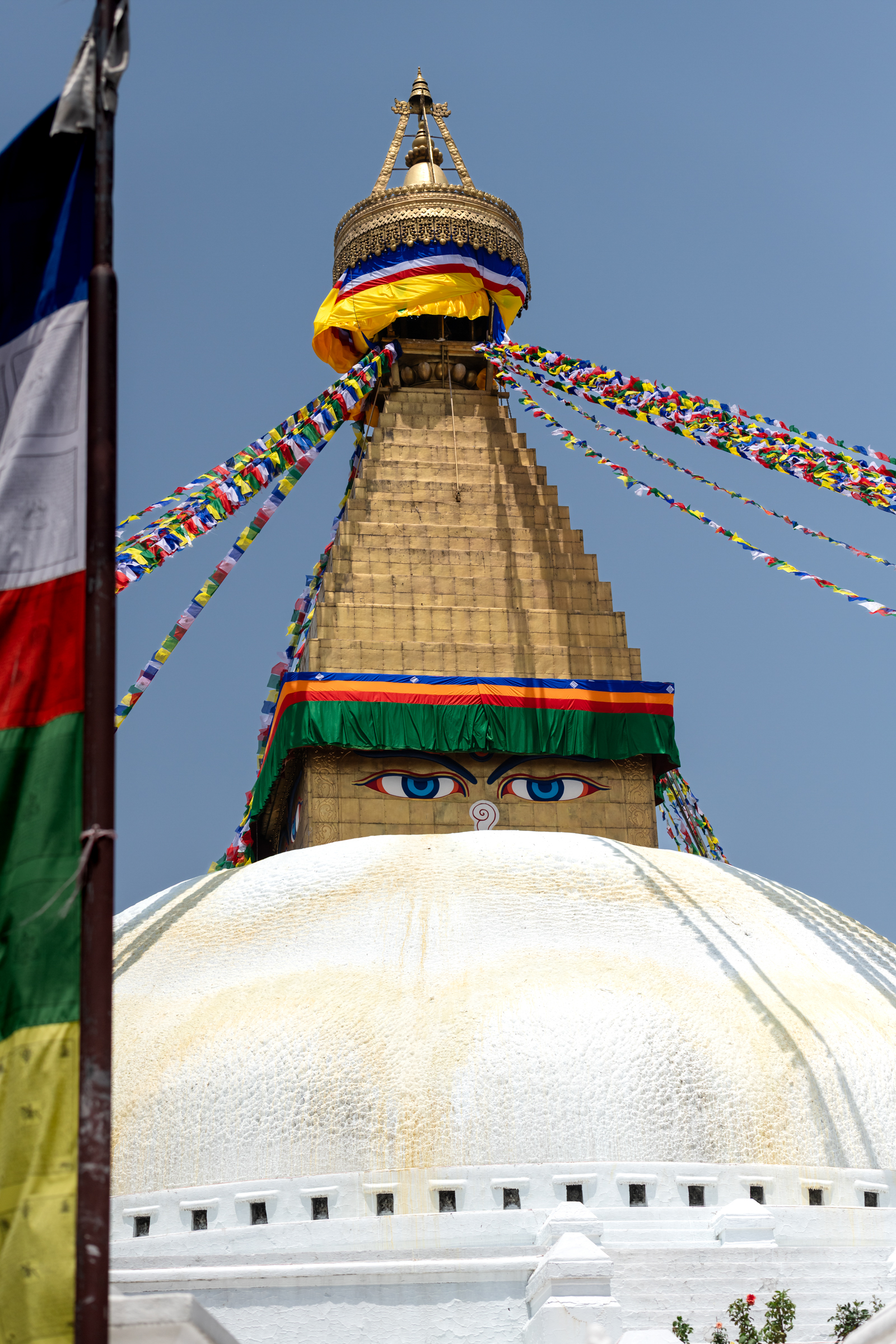
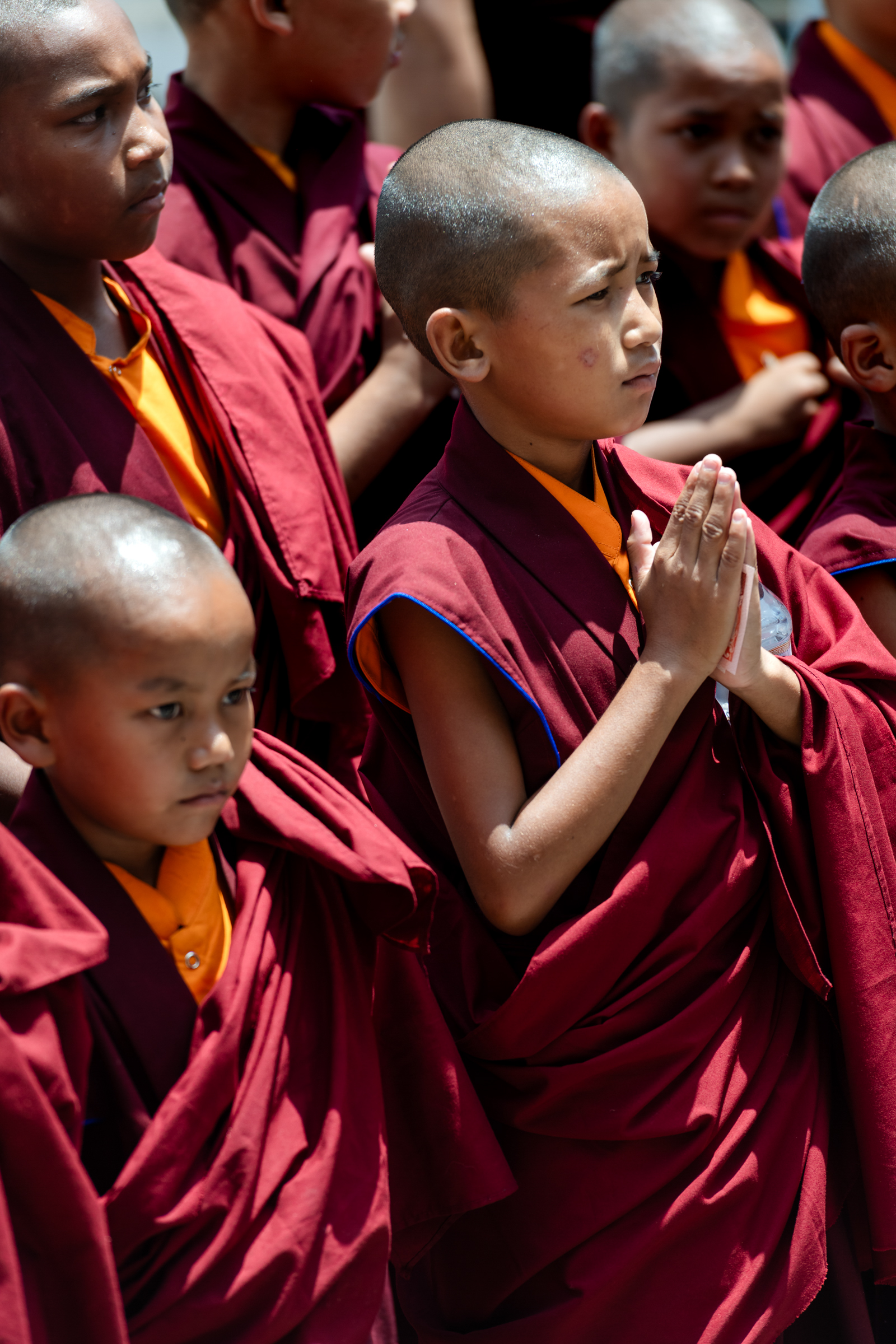
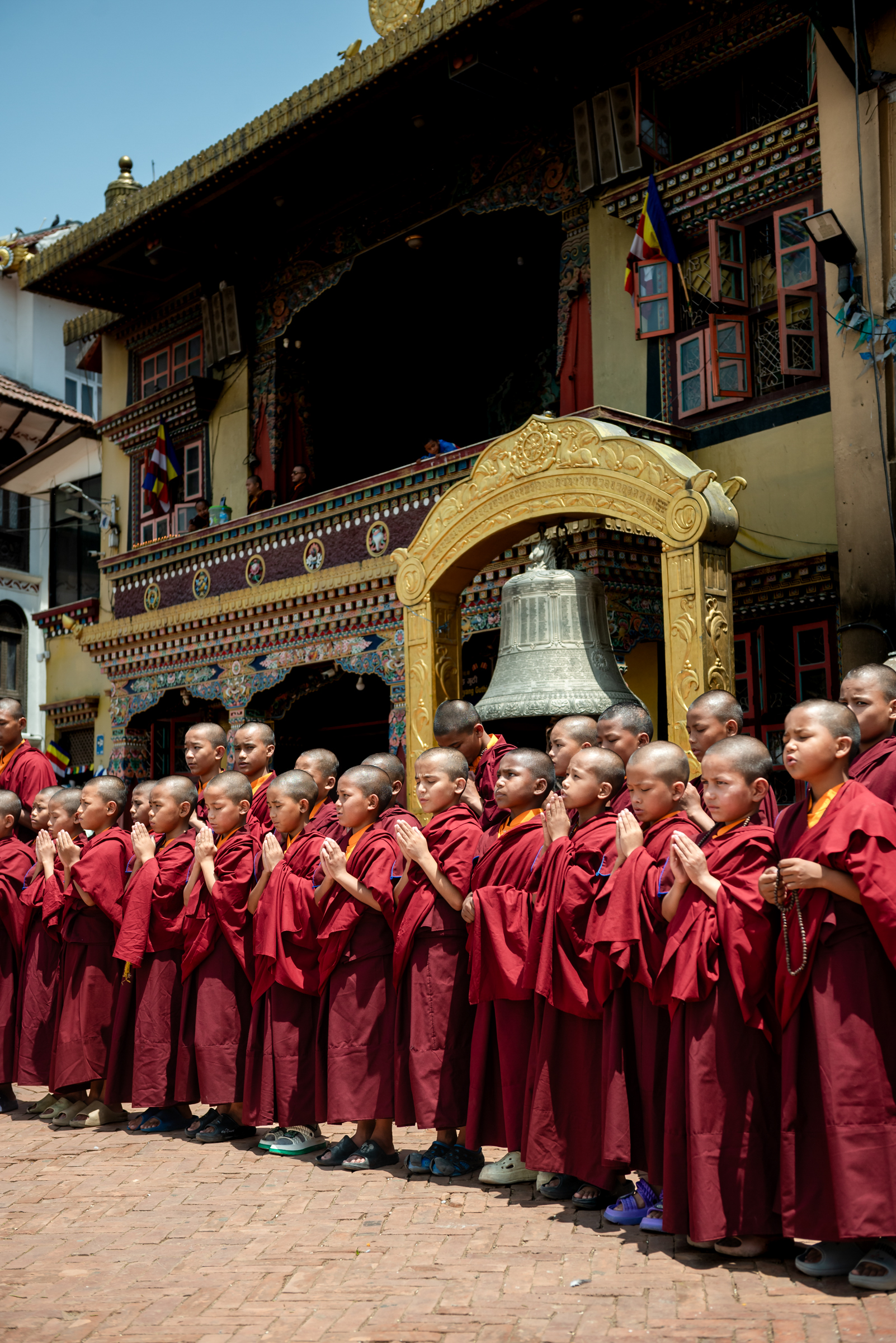
One afternoon, I made my way to Boudhanath Stupa. A UNESCO World Heritage Site and one of the largest spherical stupas in the world, Boudhanath is a spiritual anchor for Tibetan Buddhists. It was damaged during the 2015 earthquake, but has since been lovingly restored. Surrounded by about 50 Tibetan monasteries, the neighborhood hums with ritual. As I walked the kora— the clockwise path around the dome—I felt myself settle into something timeless. The scent of incense, the sound of spinning prayer wheels, the flock of pigeons rising in waves above the golden spire. In a world that moves too fast, Boudhanath offers a different kind of time. One that honors repetition, stillness, and presence.



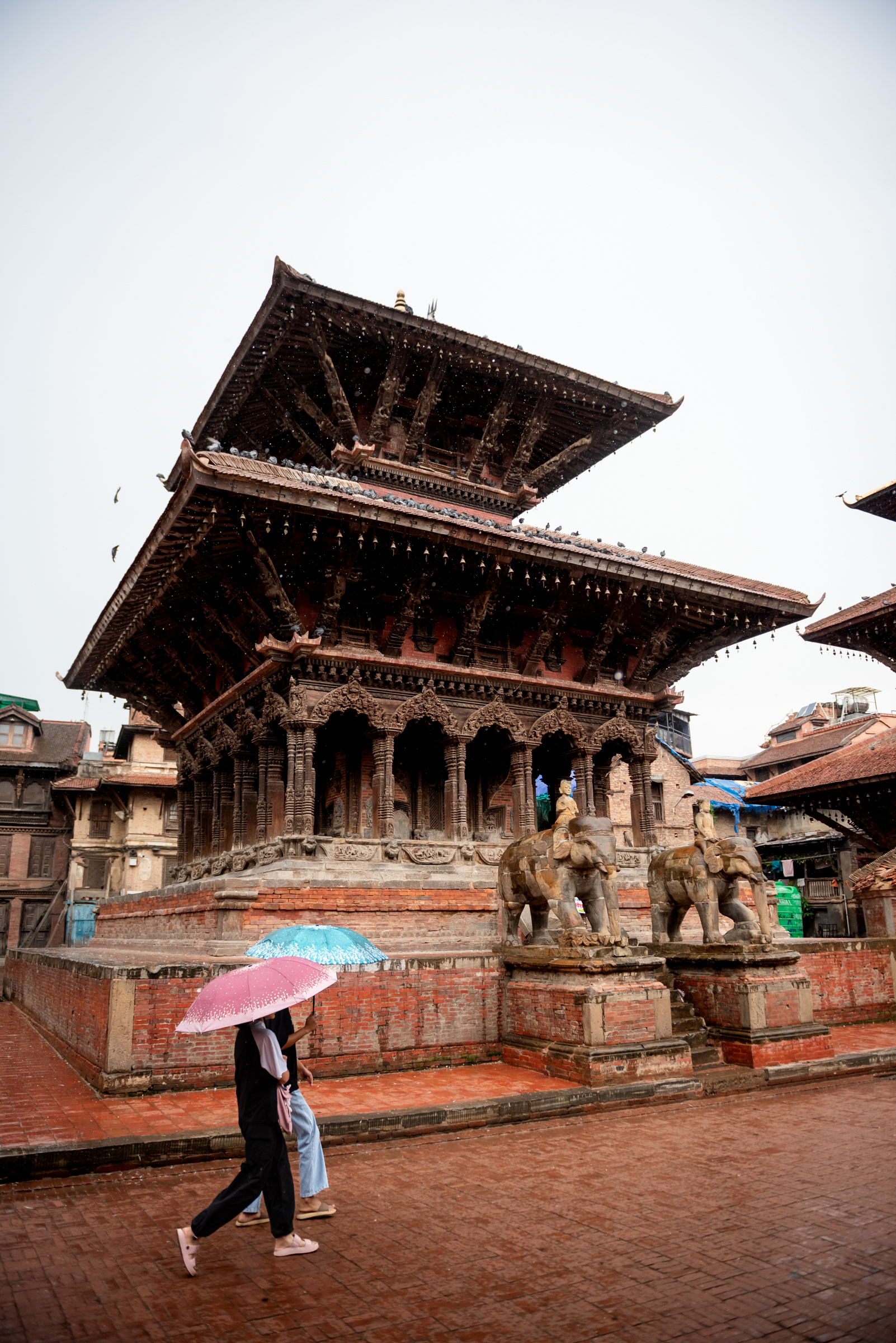
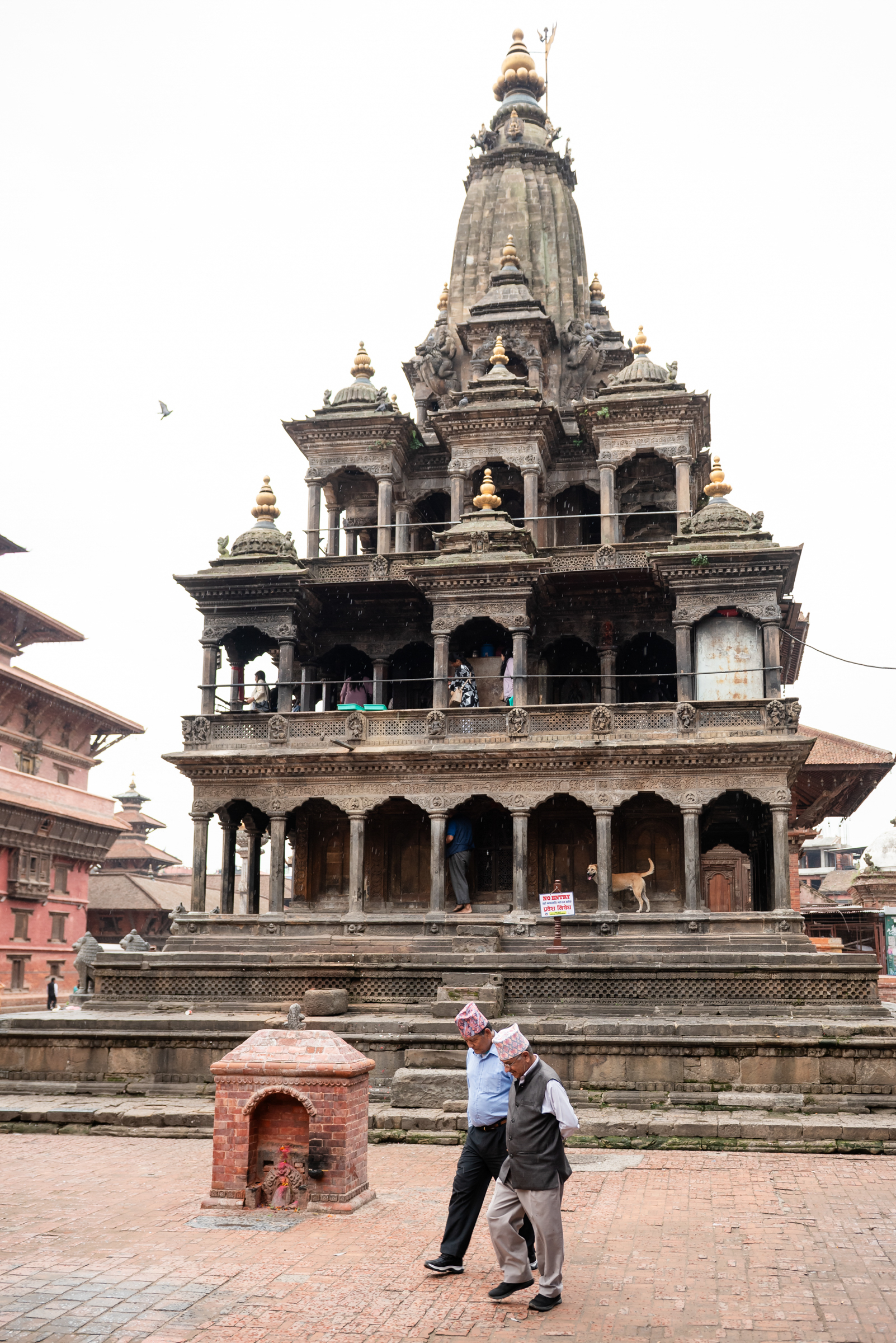
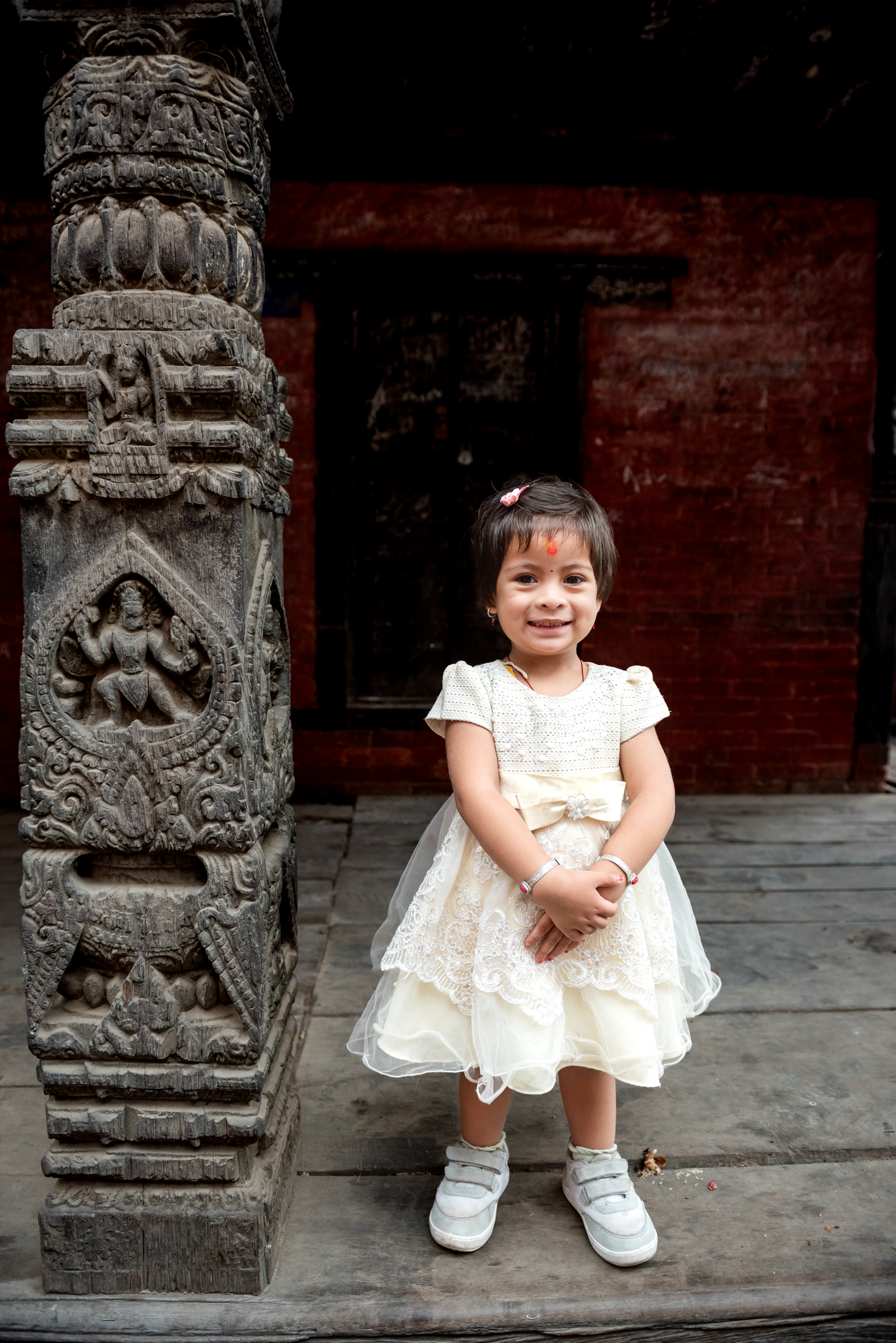
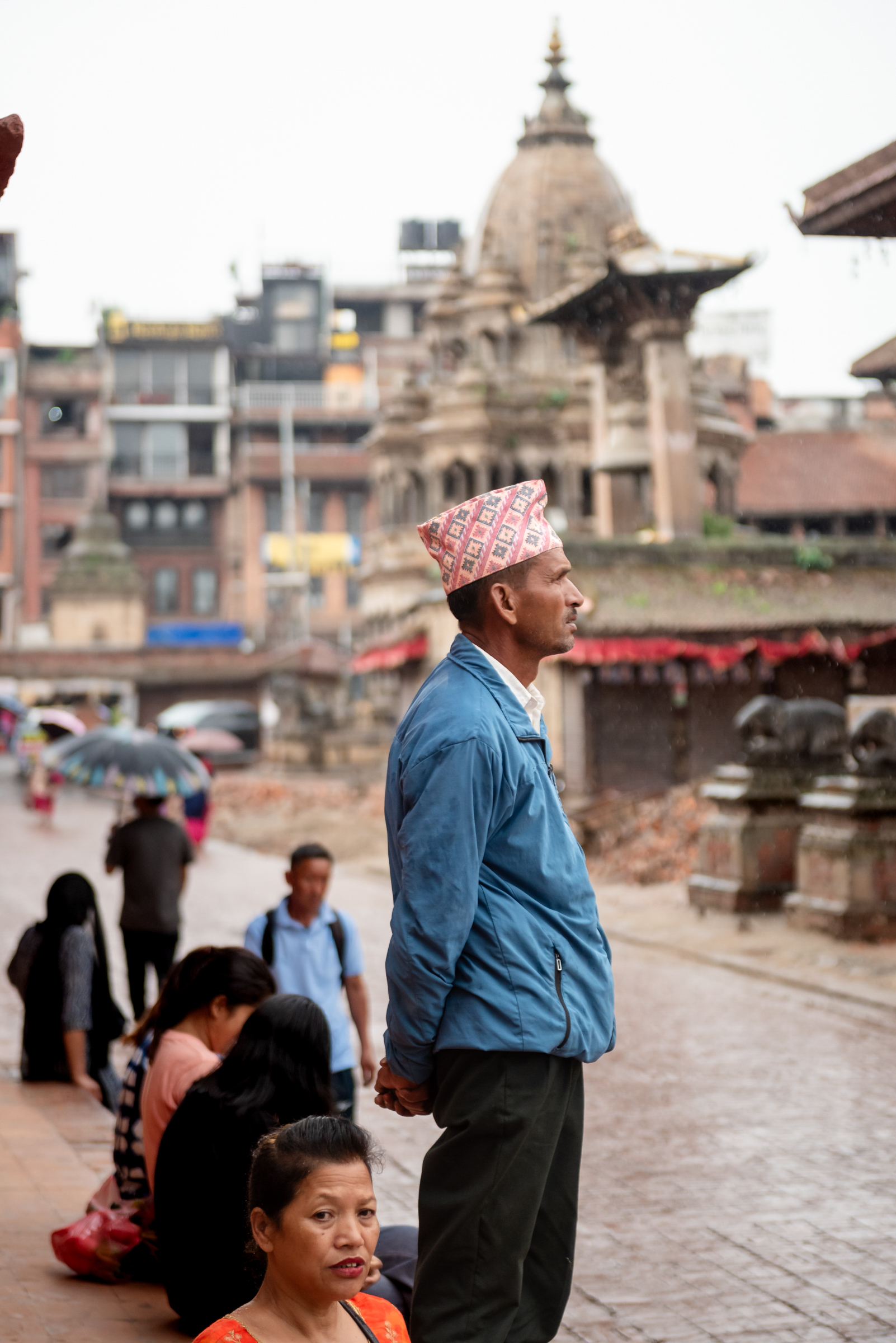
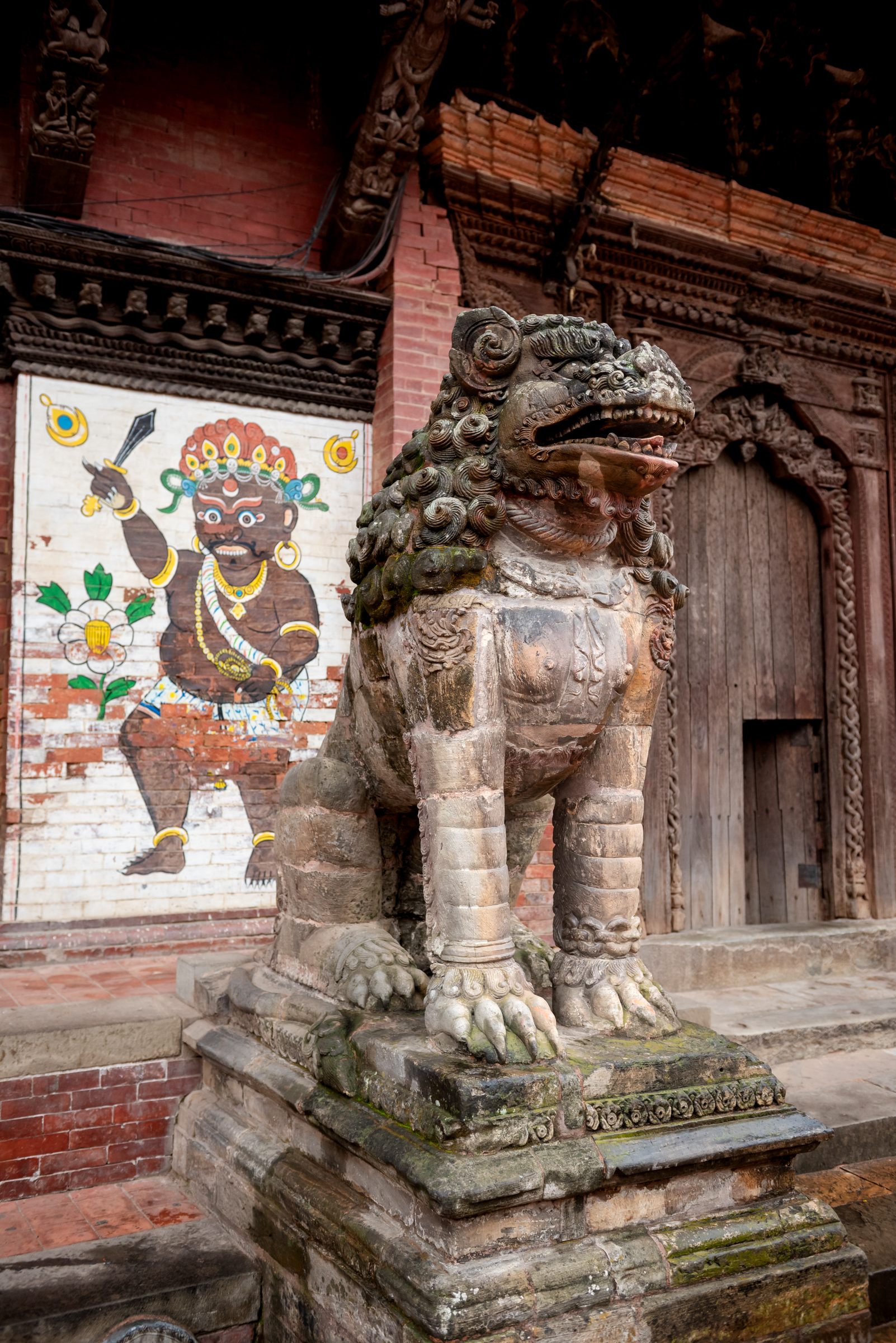
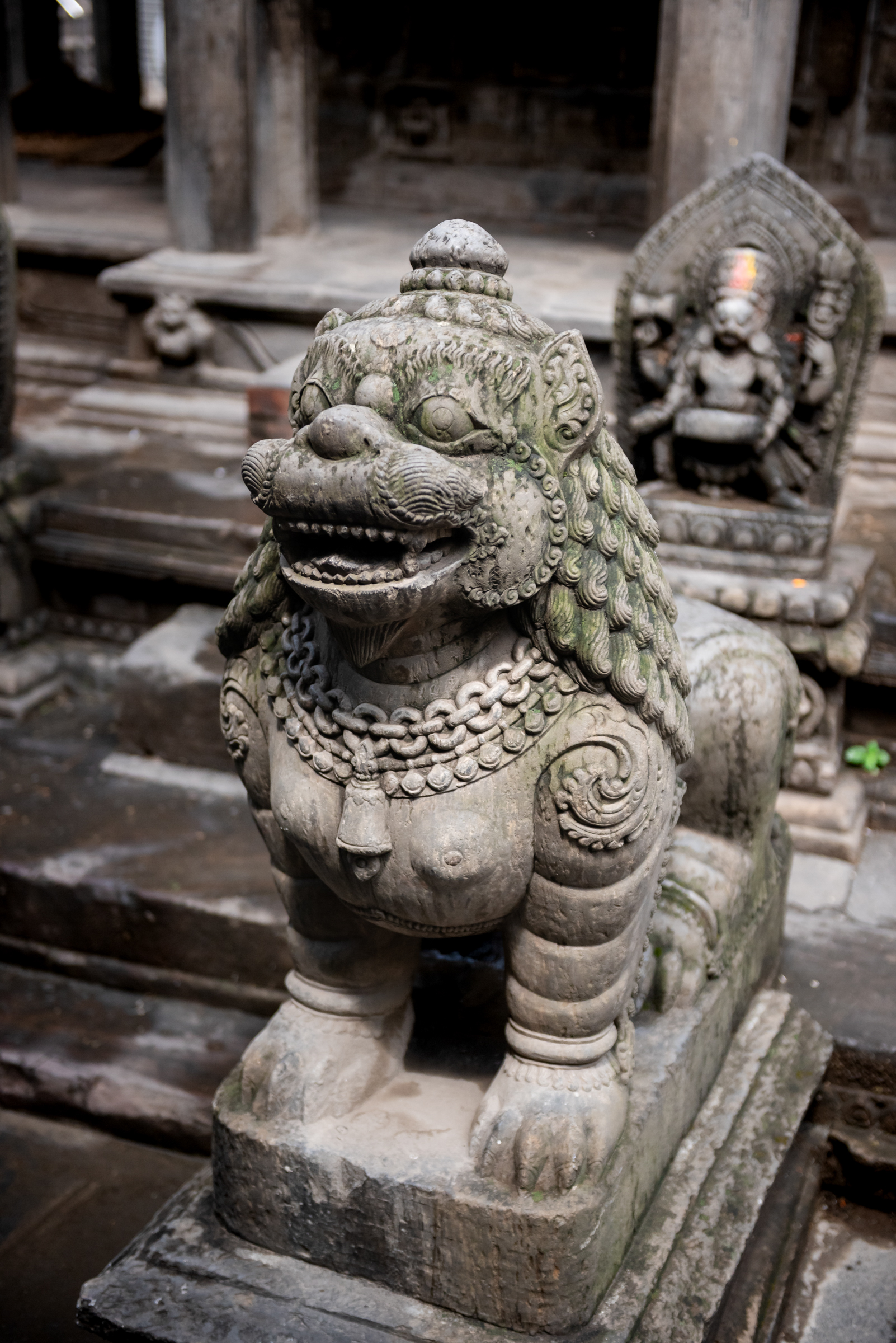
The next day, I wandered Patan Durbar Square. The rain softened the stones underfoot. Lions stood watch at temple doors. A man repaired prayer flags in a second-story window. This UNESCO site, with its courtyards and carved woodwork, whispers the layered history of the Kathmandu Valley. A place where Hinduism and Buddhism entwine—not as opposites, but as partners in reverence.







Then came the day I took to the sky.
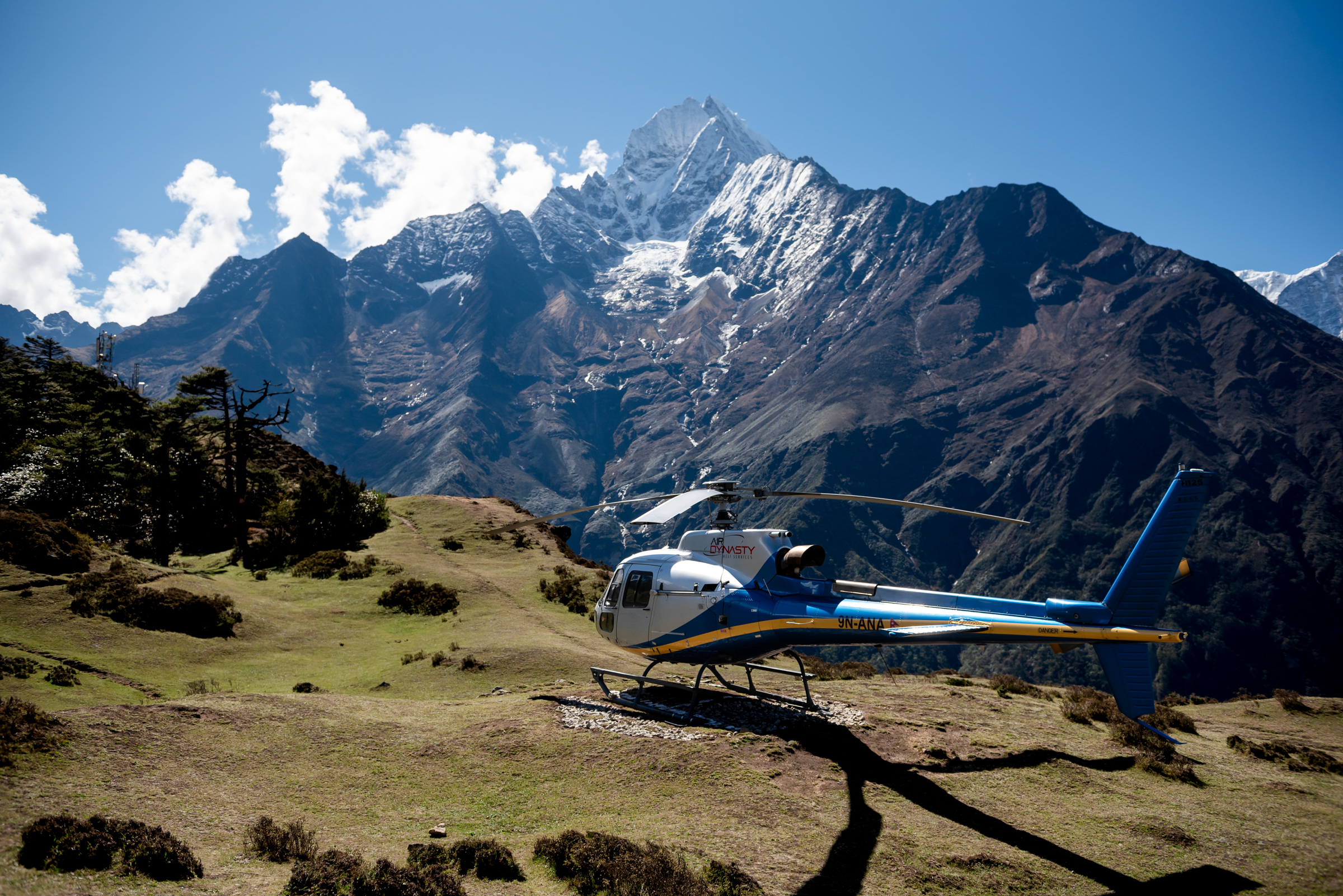
The helicopter seated six, including the pilot. I had booked the flight through Pink Mountain Travels. I was nervous—there’s something about seeing the Himalayas from above that feels like trespassing on the divine. We made a few landings, including at Lukla Airport—often called one of the most dangerous airports in the world. It clings to a cliffside, the runway impossibly short. Because of the high altitude, we had to ascend in shifts—only two passengers at a time.


But when we rose above the clouds, everything else dropped away. Everest revealed herself not in one dramatic sweep, but in layers—white ridges peeking, then vanishing, then reappearing with the sun. The wind calmed. The silence stretched. I’ve never felt so small or so held. In that moment, I wasn’t a photographer. I wasn’t even a traveler. I was simply human. A speck on the edge of the sacred.
When I landed, I didn’t return to the city. I went inward.
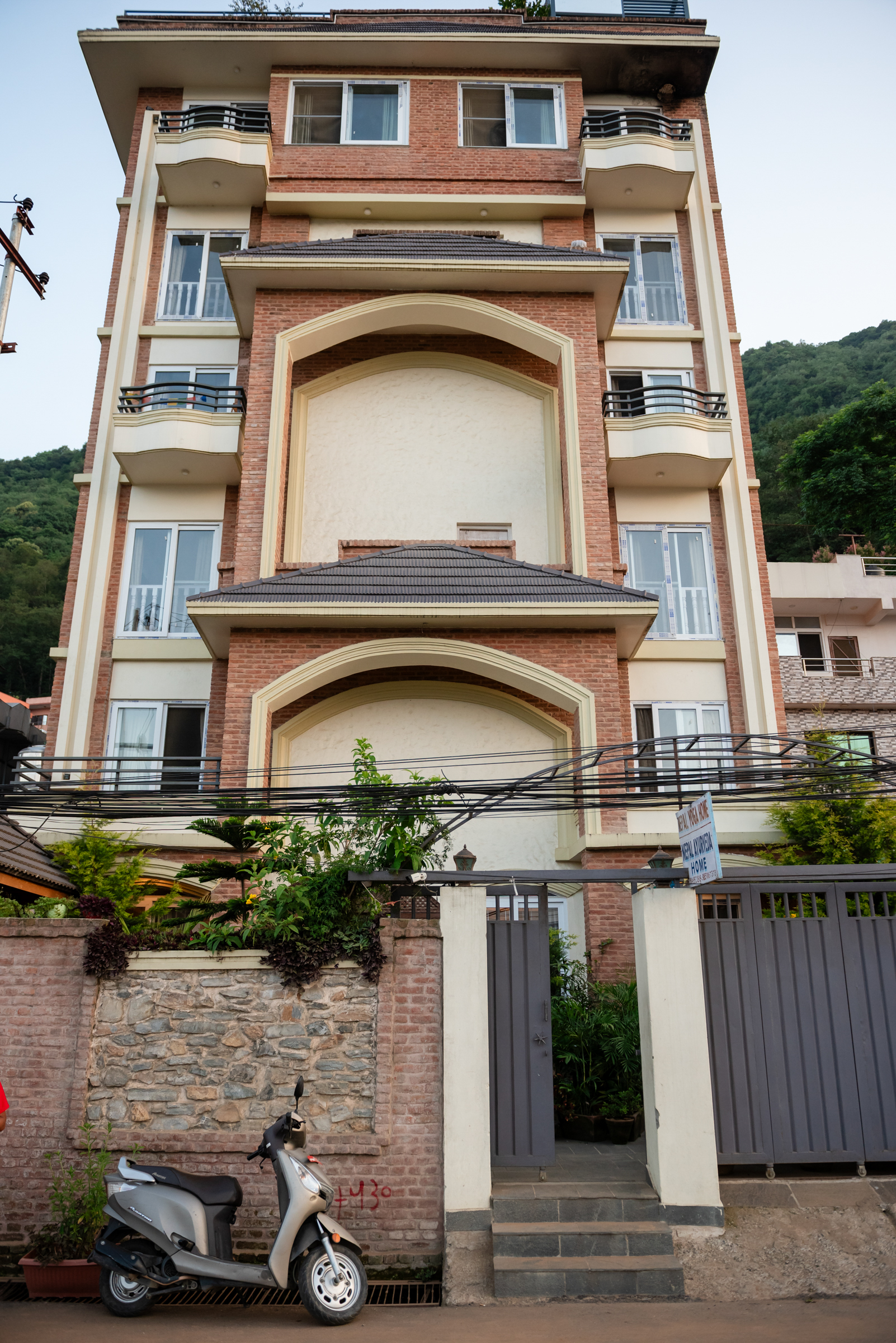
I checked into Nepal Ayurveda Home for a week of deep restoration. Tucked into the hills of Kathmandu Valley, the center blends ancient wisdom with modern care. There are no frills. Only presence. And it was everything I didn’t know I needed.
Every morning began with yoga. Gentle movement, full-body breath. Then stillness. But the silence didn’t last long. After meditation, our instructor would lift a drum—its surface worn smooth by practice—and begin a slow rhythm. As he played, we chanted ancient mantras together, the syllables floating over the hills like breath. It was mesmerizing. His presence—steady, calm, grounded—turned each morning into something ceremonial. Not performance, but offering. That simple act—drum, chant, silence—felt like a return. To self. To center. To something older than memory.

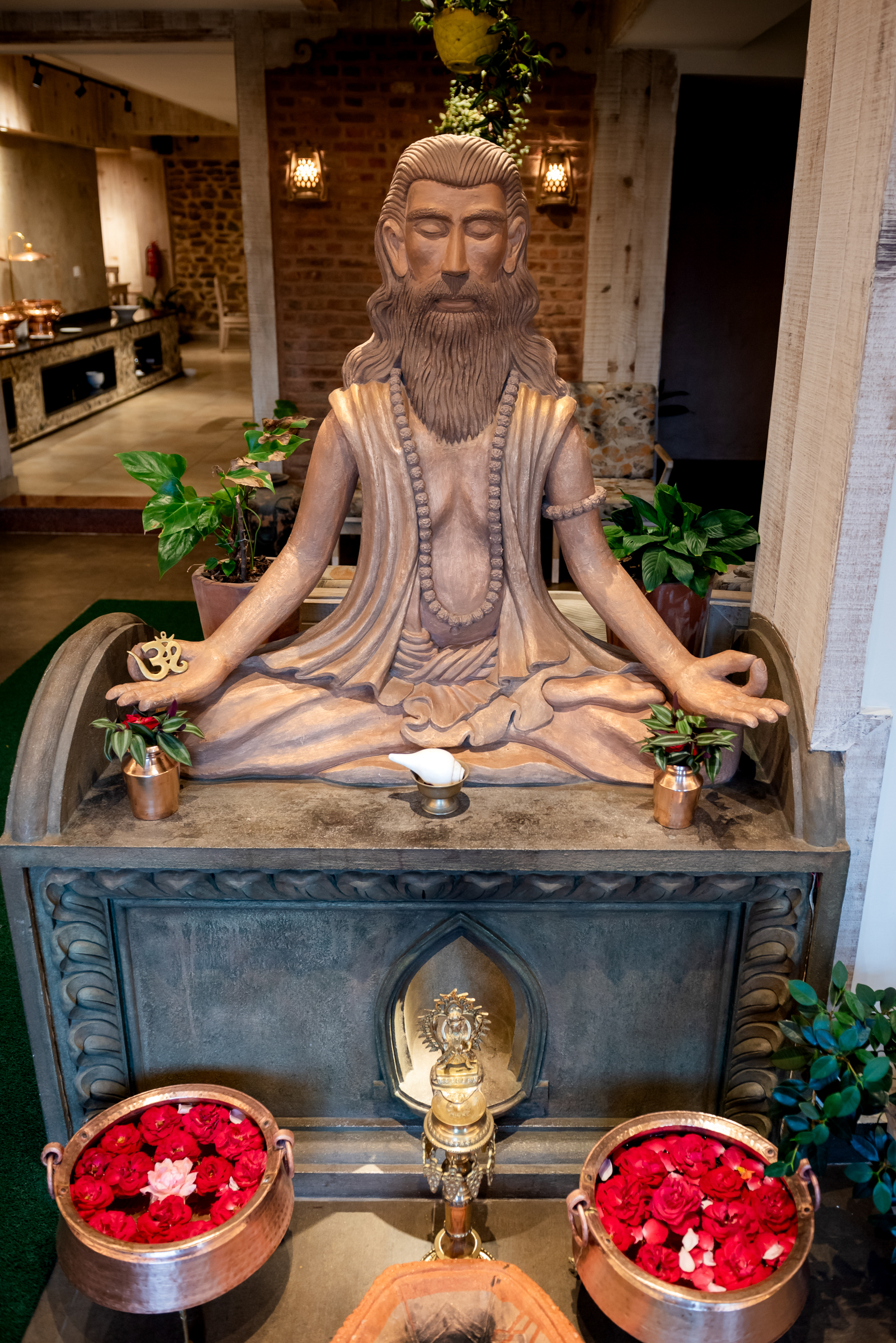


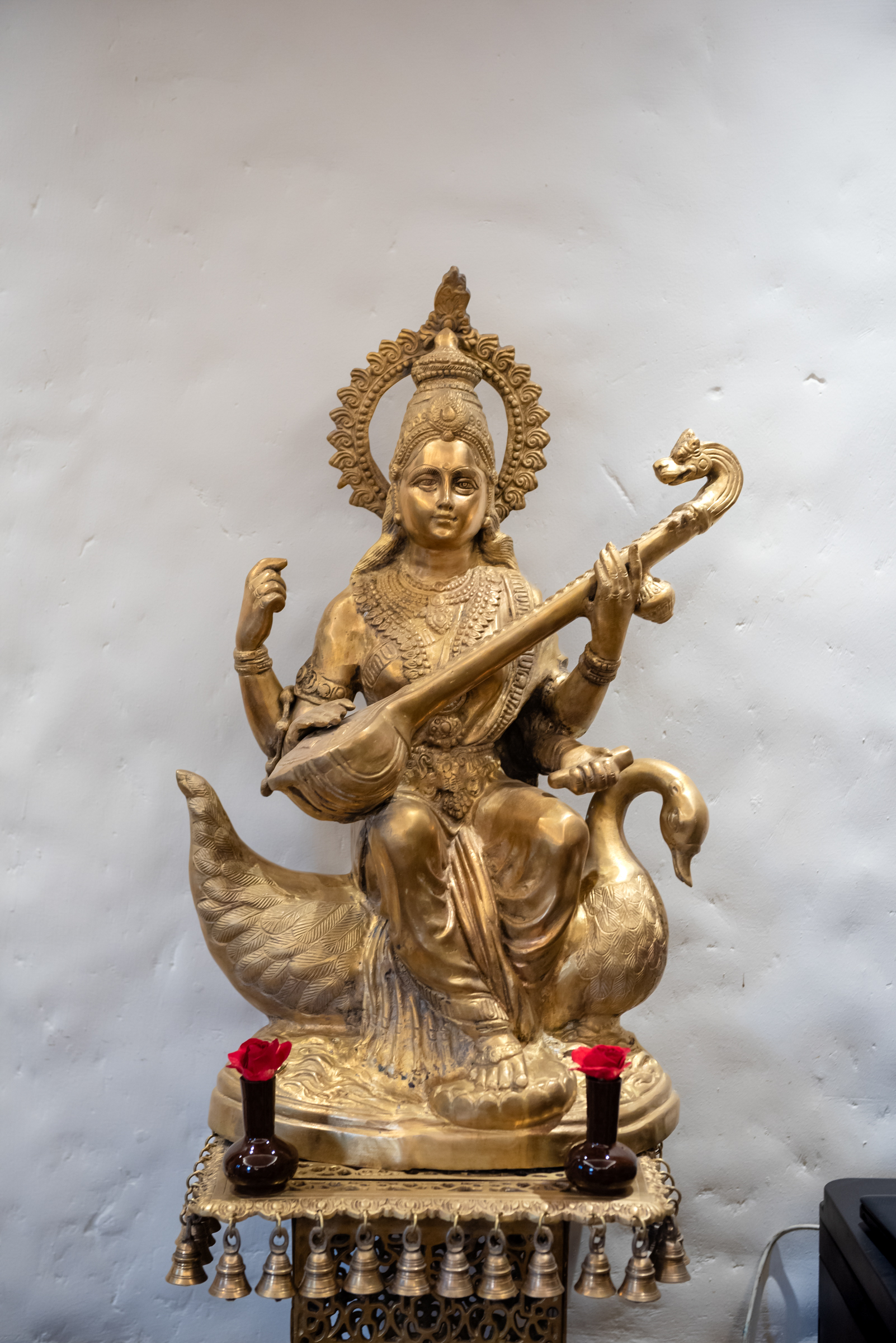
Meals were light—mung beans, steamed vegetables, healing teas. The days unfolded in a rhythm that felt ancient and intimate. Treatments weren’t just procedures—they were poetry. Each one unspooled something inside me: the synchronized flow of warm oil in Abhyanga grounding my nerves, the gentle pour across my brow in Shirodhara stilling my thoughts, the subtle clearing of Nasya opening breath and vision, and the deep, inner cleansing of Basti and Swedana drawing out not just toxins but stories lodged in the body. I didn’t know healing could feel so quiet and complete. Over the course of the entire trip, I lost 15 pounds. But what I really lost was the rush. The noise. The fear.
There’s a kind of knowing that only comes in stillness. A return to a different rhythm. During quiet moments—tea on the terrace, slow walks through the garden—there was a subtle feeling of connection. Like a chord quietly struck, reverberating through still air, tuning me to a frequency I hadn’t heard in years. Not longing, not nostalgia—something gentler, like recognition. No names needed. No declarations. Just presence. Sometimes, the most powerful chapters are the ones you don’t photograph. You simply live them.

On one of my last mornings, a young waiter, Shisher, at my hotel, Potala Guest House, in Thamel handed me a small wrapped package. Inside was a silver bala—a bracelet worn quietly by Nepali men. I’d never mentioned it. But somehow, he knew. He smiled and said I looked “gangster” with it—a perfect mix of soul and humor. In Nepali culture, the bala is believed to protect and ground. For me, it became something else: a quiet gesture that said, you were seen. It marked the close of a four-week journey that felt more like a temporary life than a trip. I hadn’t just visited Nepal—I had lived in it. And in many ways, it lived in me. There was—and still is—so much to hold, to sift through, to carry forward. So many faces, gestures, and quiet kindnesses I won’t forget. Some souls left their mark—the kind of people you meet and carry with you always.
As I stood there that morning, I found myself thinking back to the moment the car slid off the road, and the strangers who came running. That was my first lesson in Nepal: we rise because others lift. Belonging isn’t given—it’s offered. Quietly. Instinctively.

Rumi wrote, “Let yourself be drawn by the stronger pull of that which you truly love.”
Nepal didn’t lead me astray. It led me back.
Maybe Nepal was the medicine after all.
The kind you don’t take.
The kind that takes you.
————————————————————————-
(If something in this story has stirred you, consider answering that pull. Join a future journey with Beyond The Clouds. Walk the same paths. Meet the same children. And know—with certainty—that your presence carries purpose.)
*****ABOUT RON*****
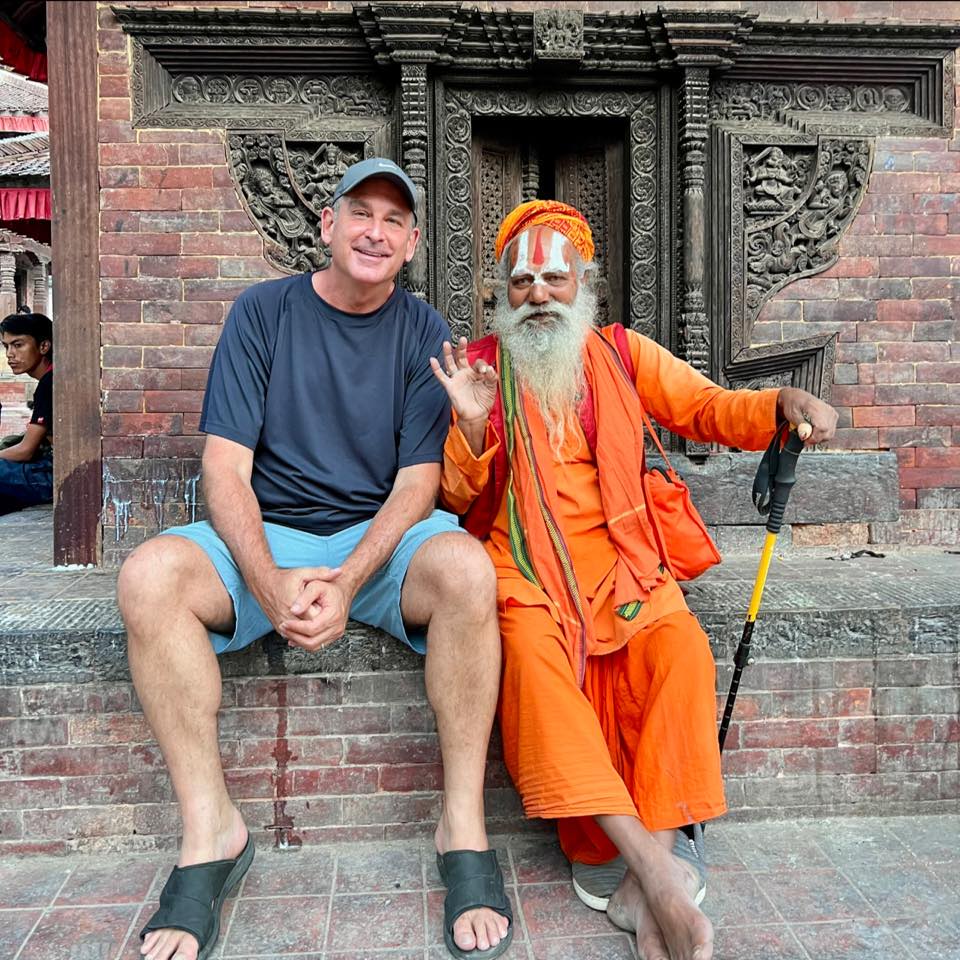
After spending the past 30 years founding and working with some of the best and busiest wedding photography studios in the U.S. and photographing over 500 weddings around the globe, Ron B. Wilson has reconnected with his true passions: travel, men’s street style, and fine-art photography. So starting “Art, Style, Flow”, a travel inspiration blog and online magazine featuring his photography, was a natural process and has been a work in progress all these years.
 artstyleflow.com