
Across Sri Lanka with Child Action Lanka
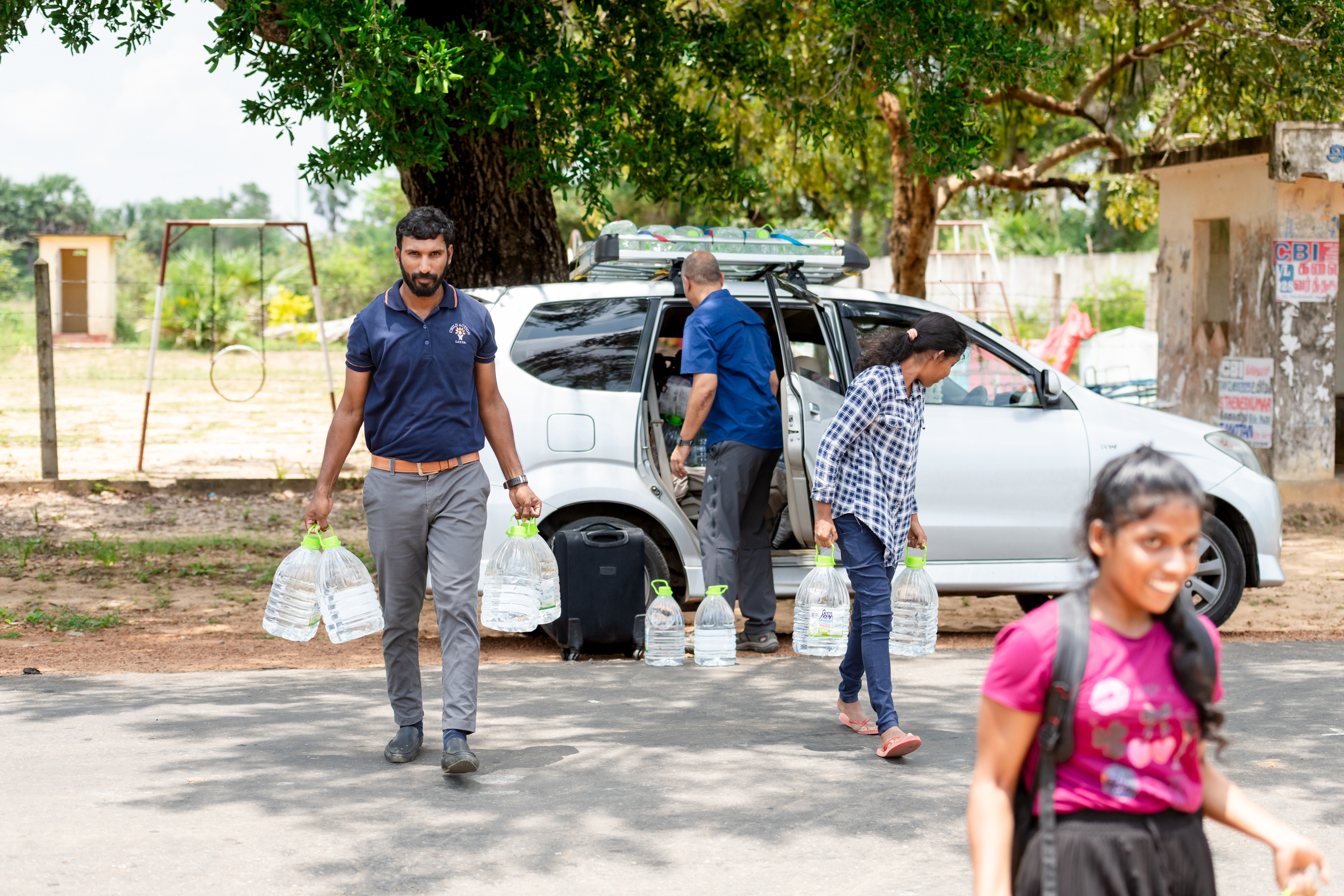
We left in the dark. It was 3 a.m., and the car felt heavy beneath us. Large bottles of water filled every possible space inside and were strapped to the roof above us, carried north to some of Child Action Lanka’s far-off centers. Before sunrise, before the first photograph of the day, the work already had weight.
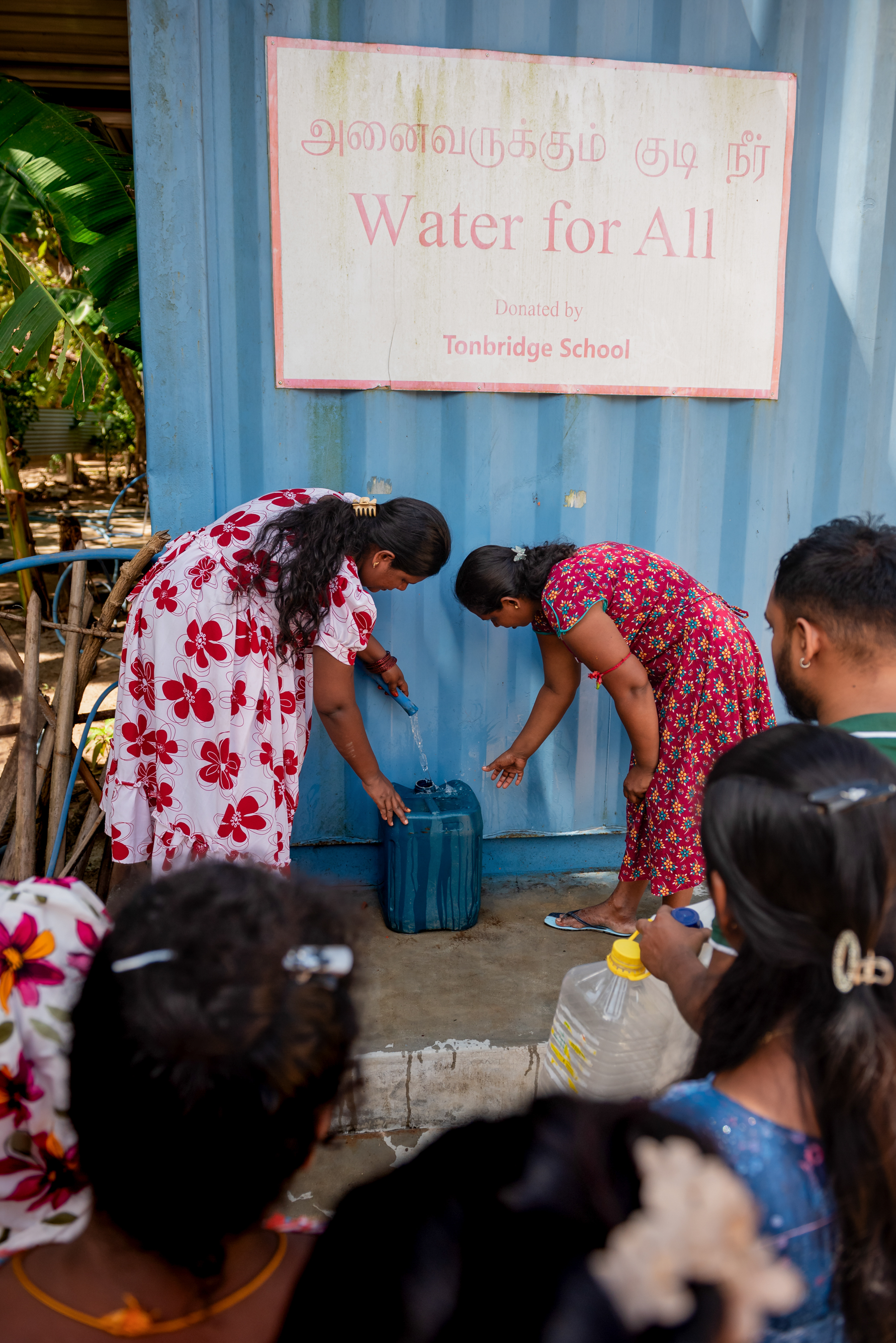
Clean drinking water is something many of us move through life assuming will be there. But in some of the communities CAL serves, clean water is not guaranteed. It is part of the work. It is part of care. It is something you carry.
Hours later, after the long road north, we arrived to a welcome I will never forget.
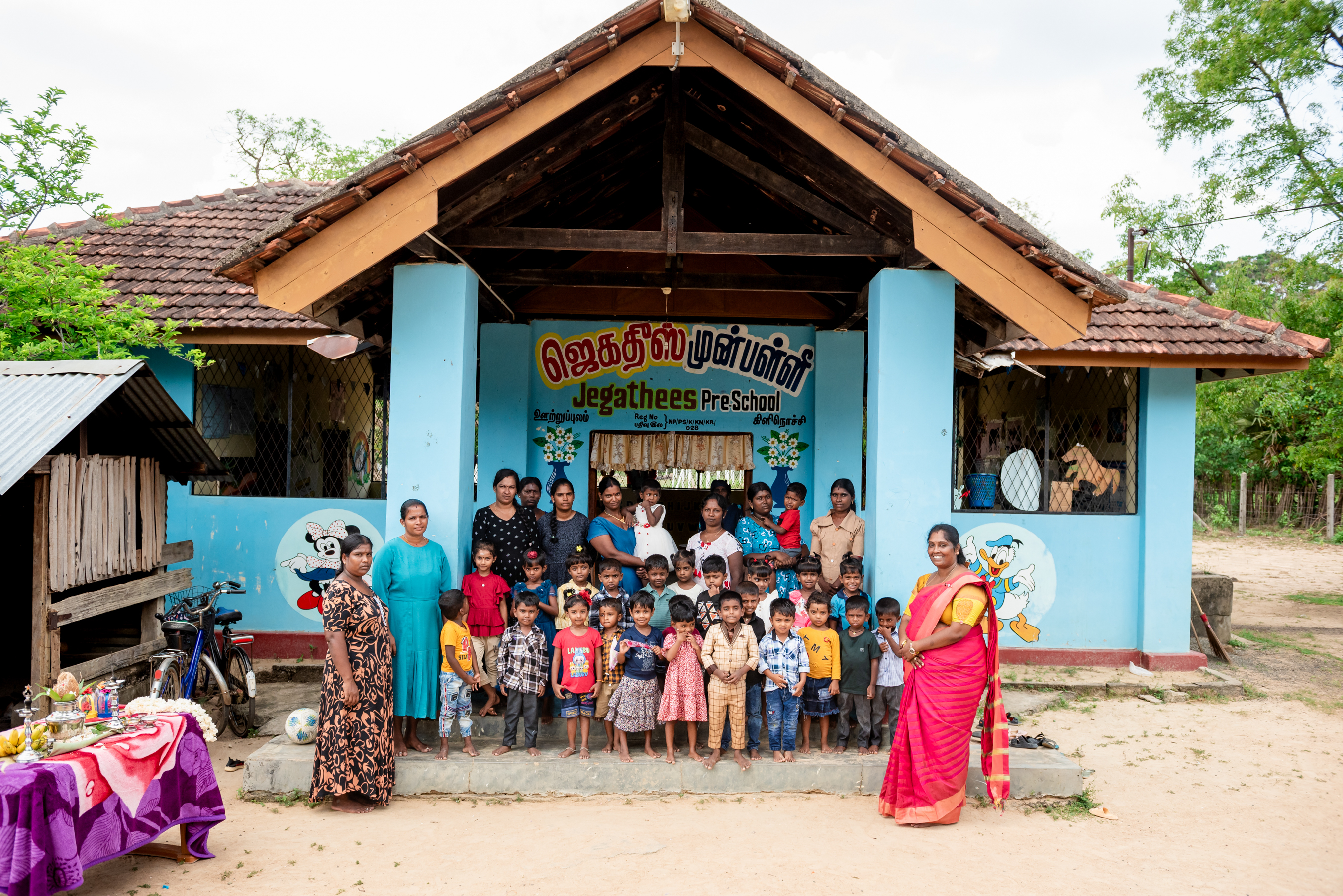
Children stood outside in bright midday light, holding small gifts in their hands. There were flowers, ribbons, bright cloth, silver vessels, bananas, green leaves, and a coconut placed near a ceremonial table dressed in vivid purple and red. Some of the faces were serious, almost solemn, as children sometimes look when they are taking part in a moment bigger than ordinary morning routine. Adults stood nearby, partly out of frame. Because the welcome belonged to the young ones.
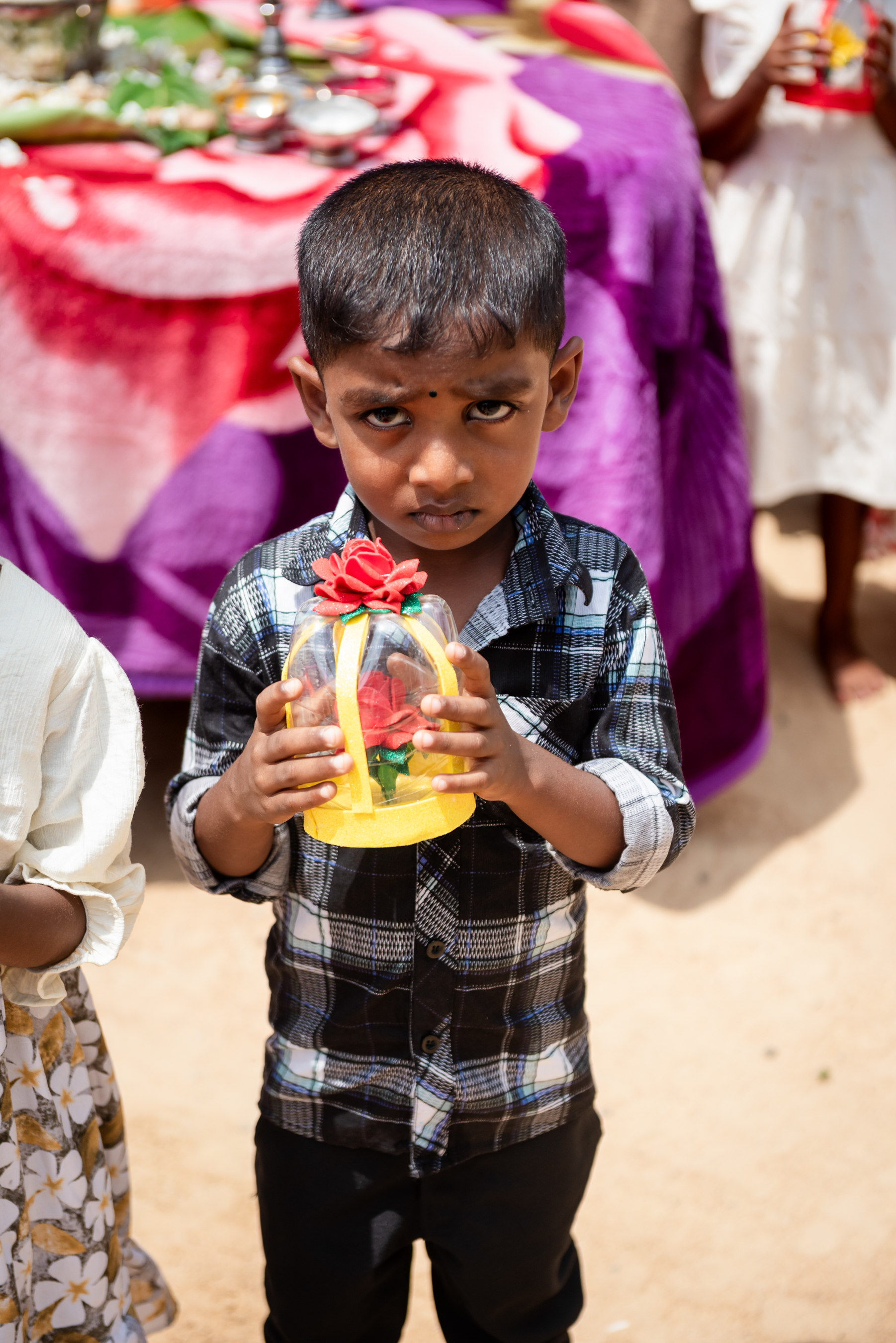
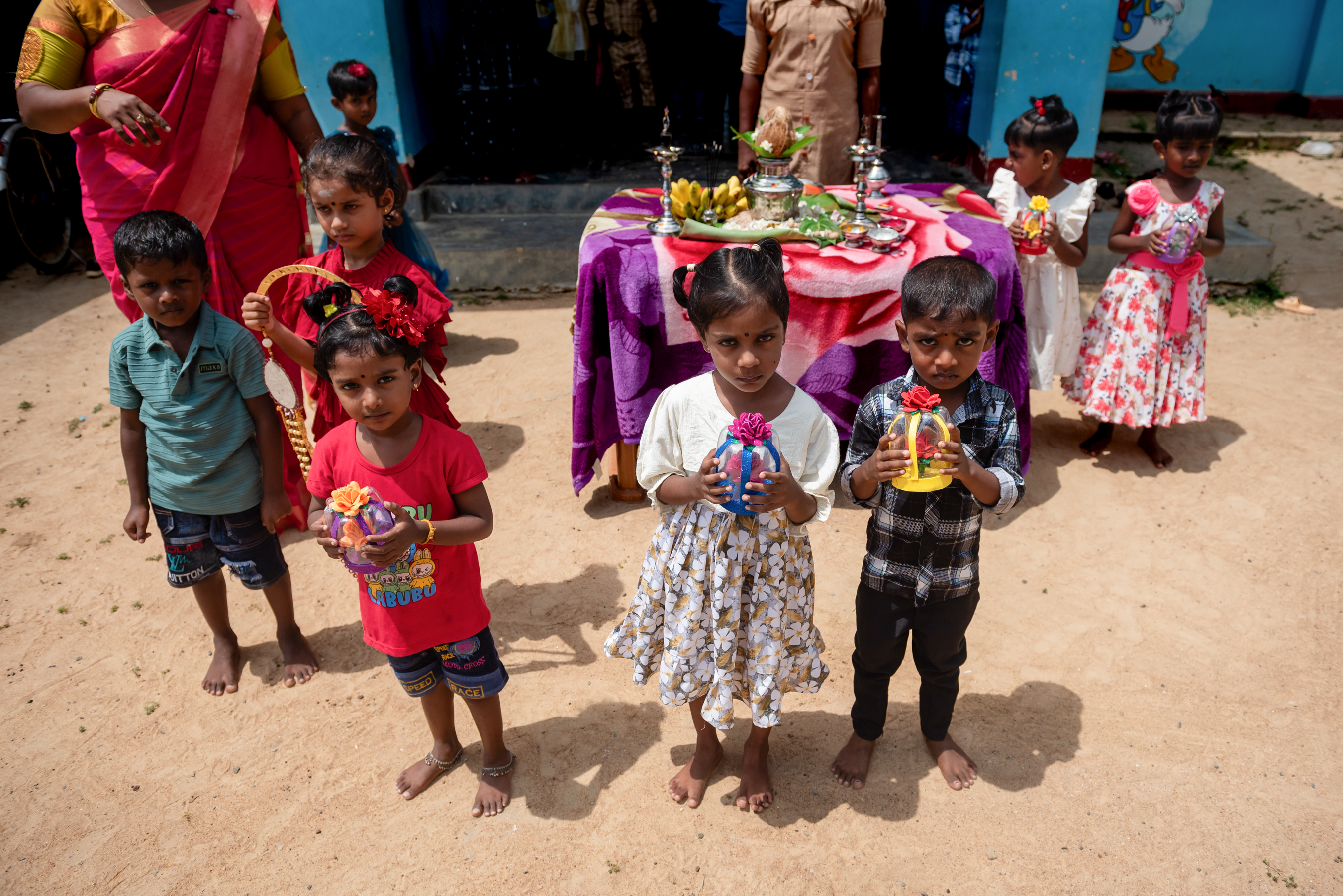
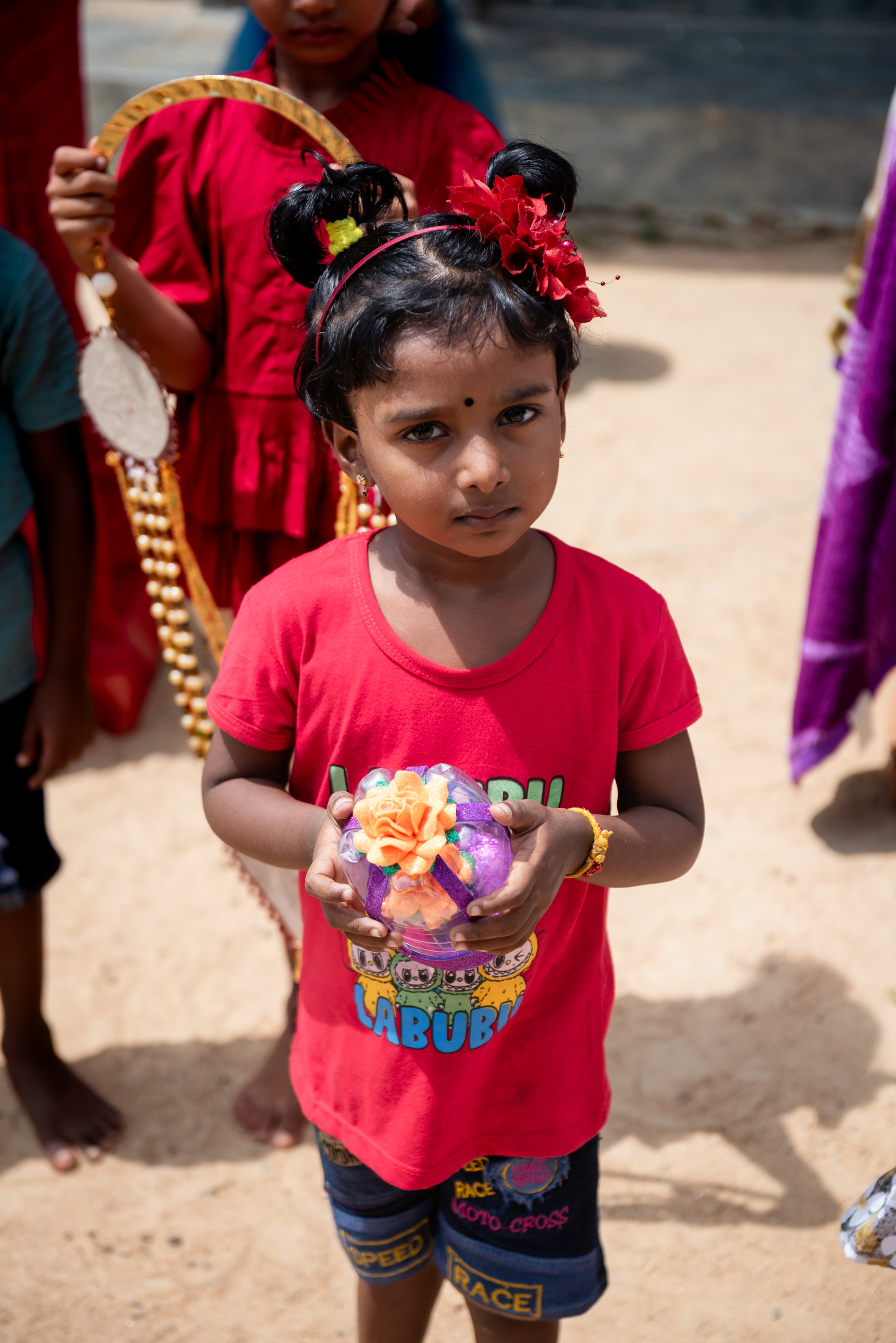
They offered flowers, garlands, and a simple phrase I would hear again and again.
Good morning, sir.
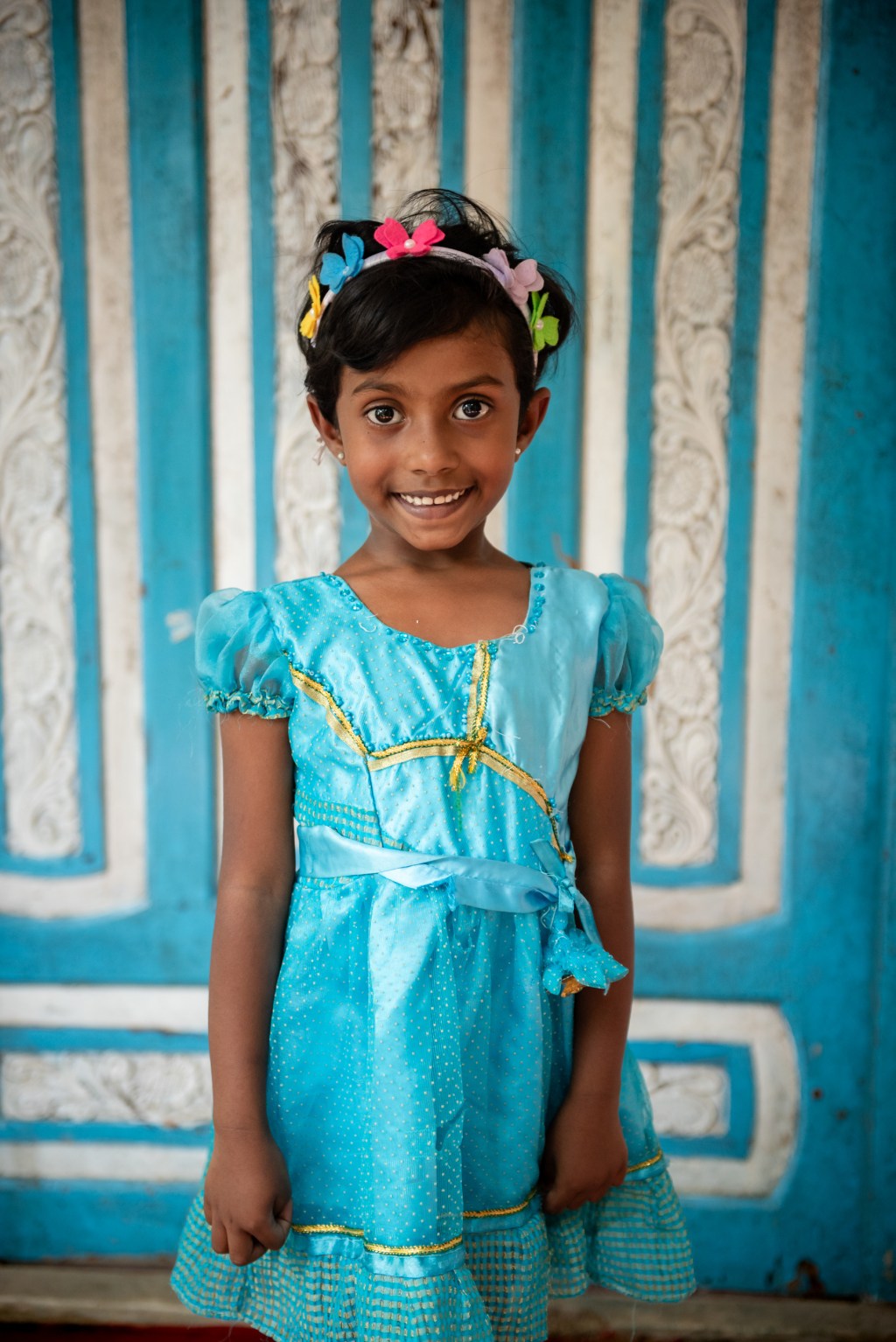
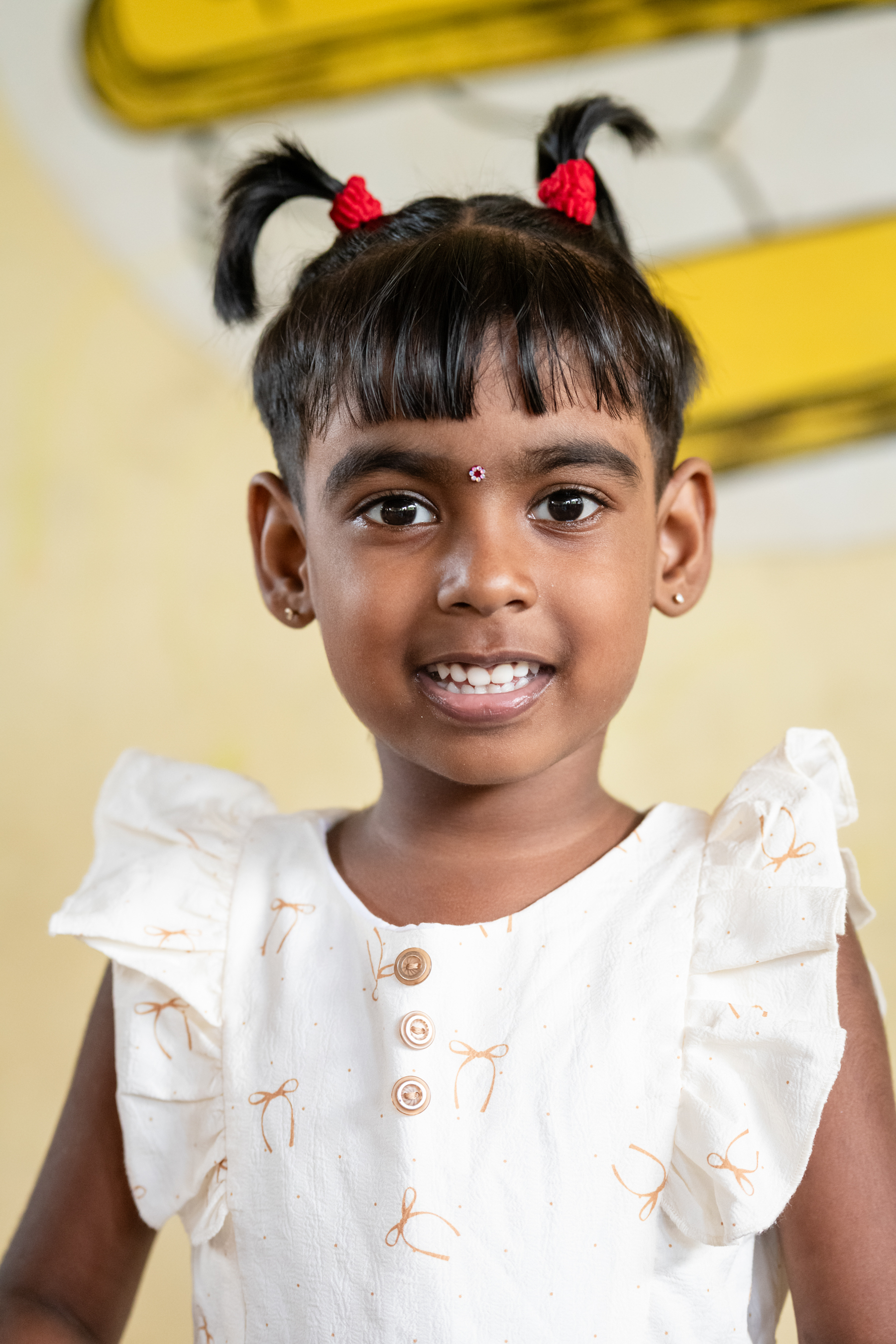
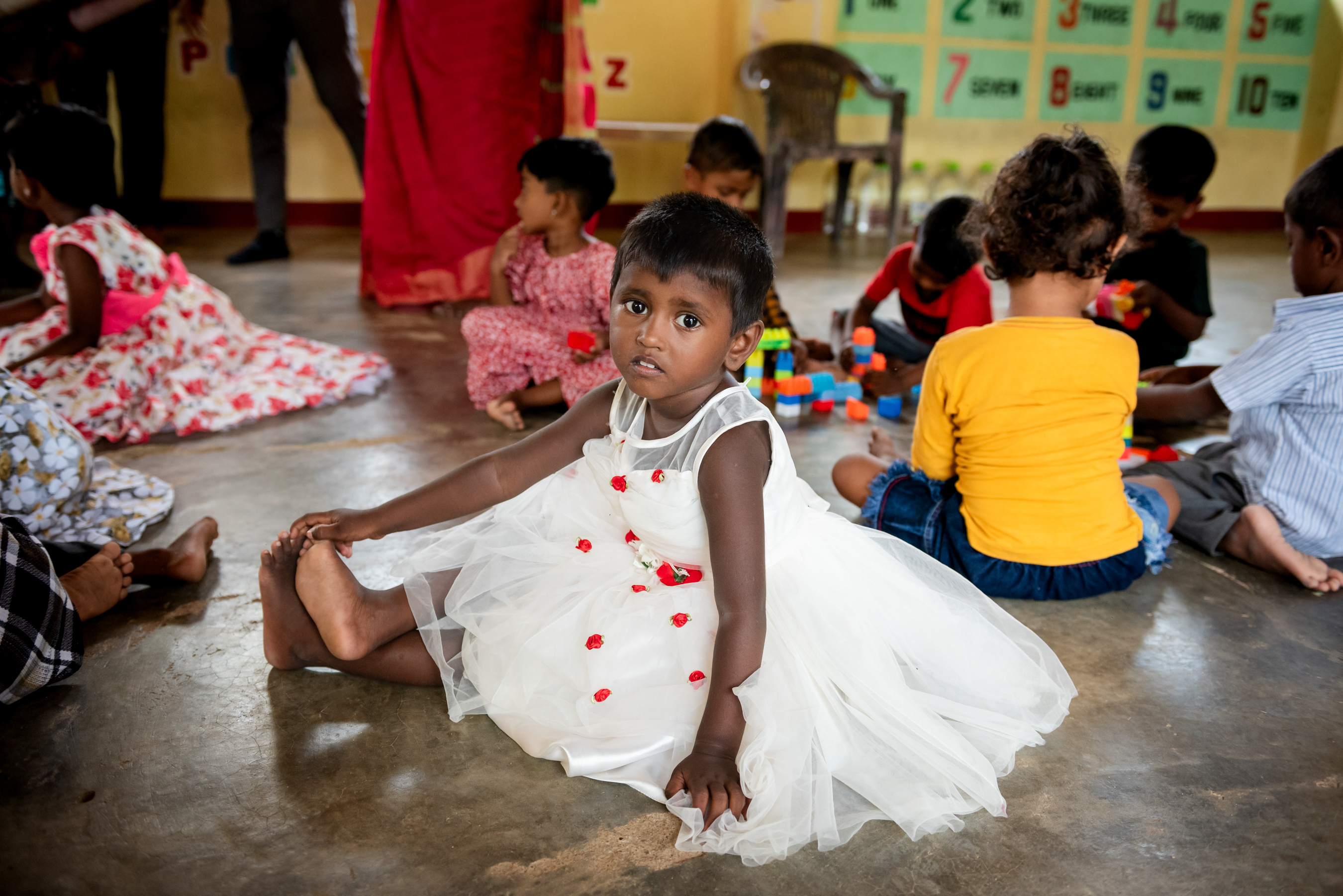
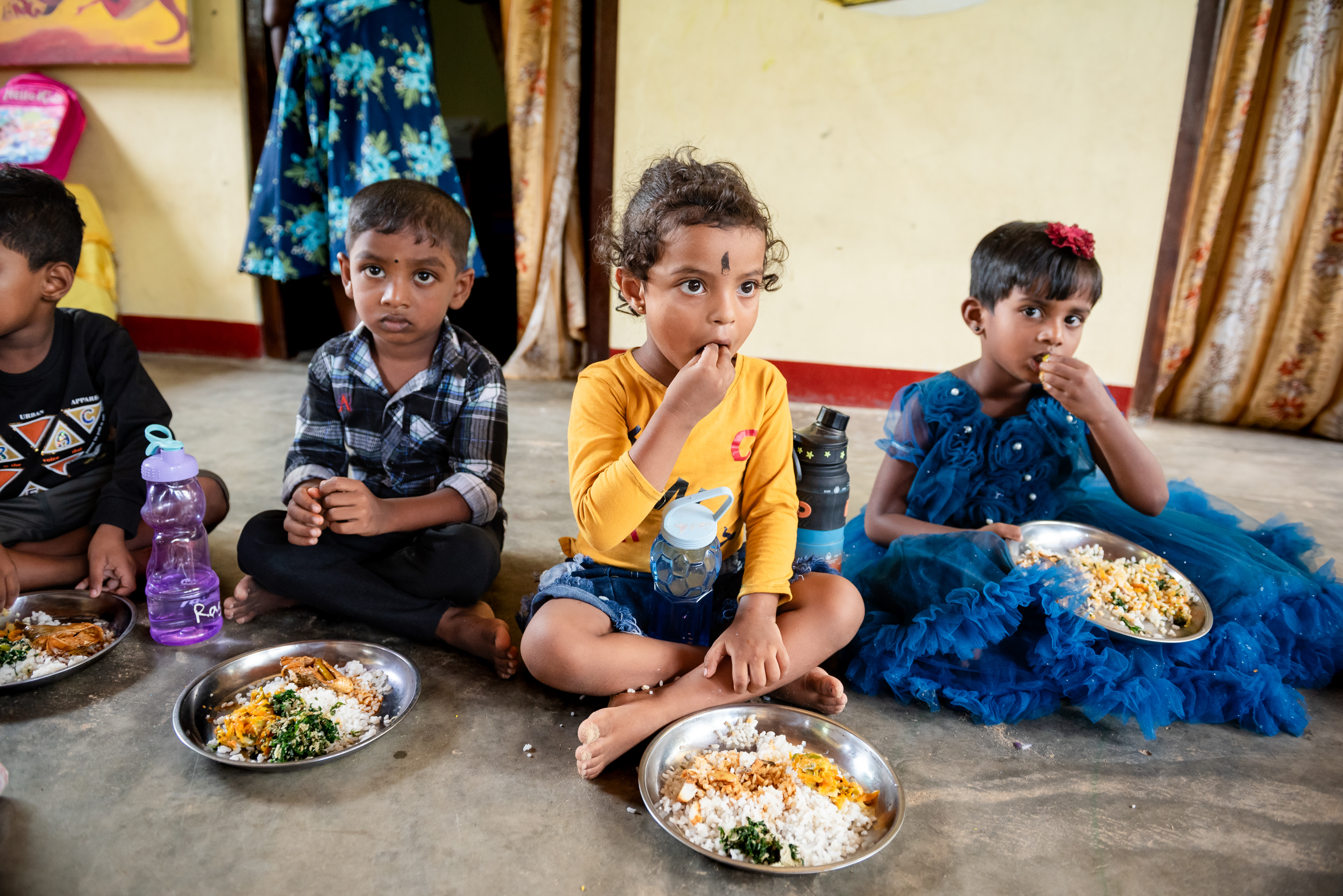
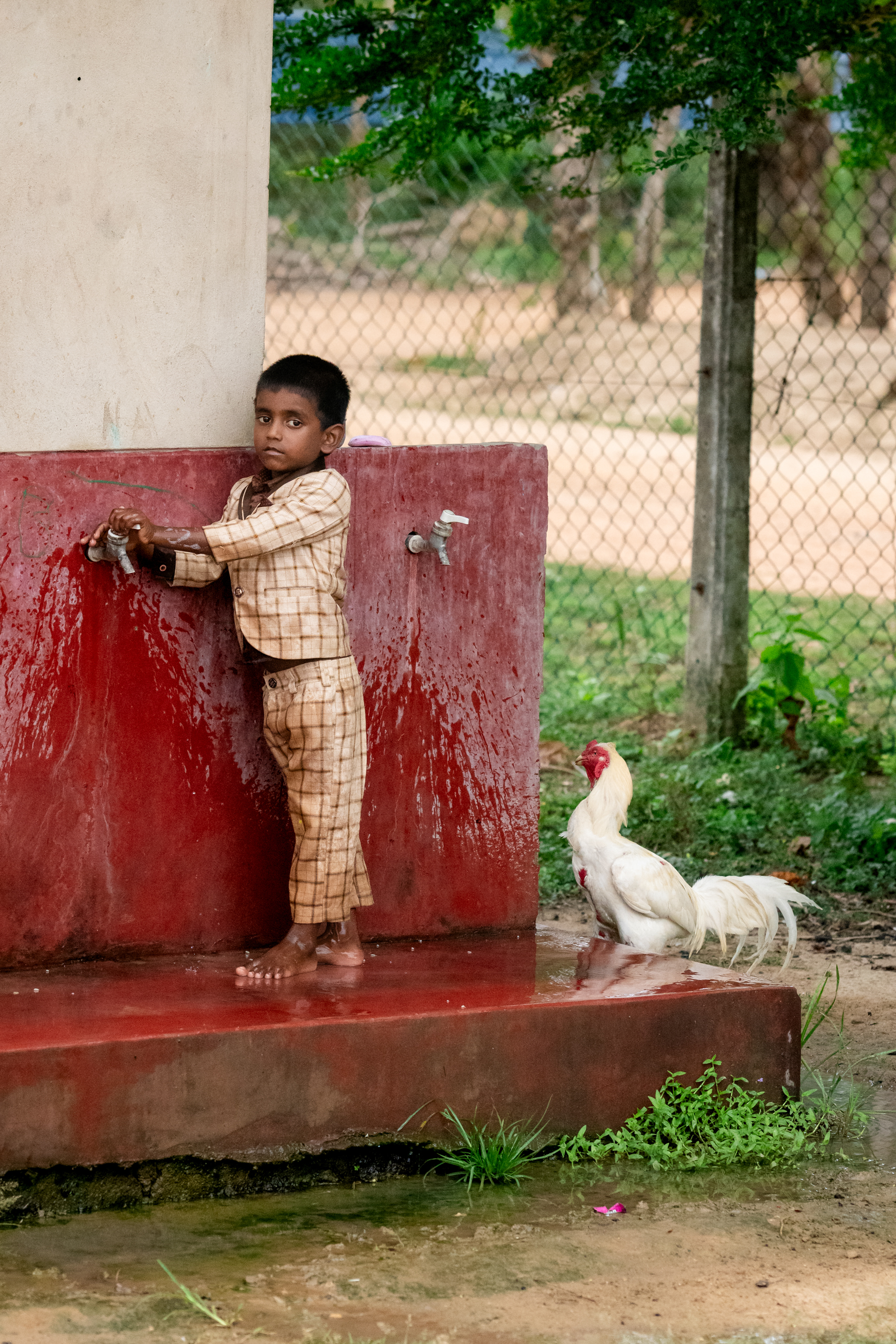
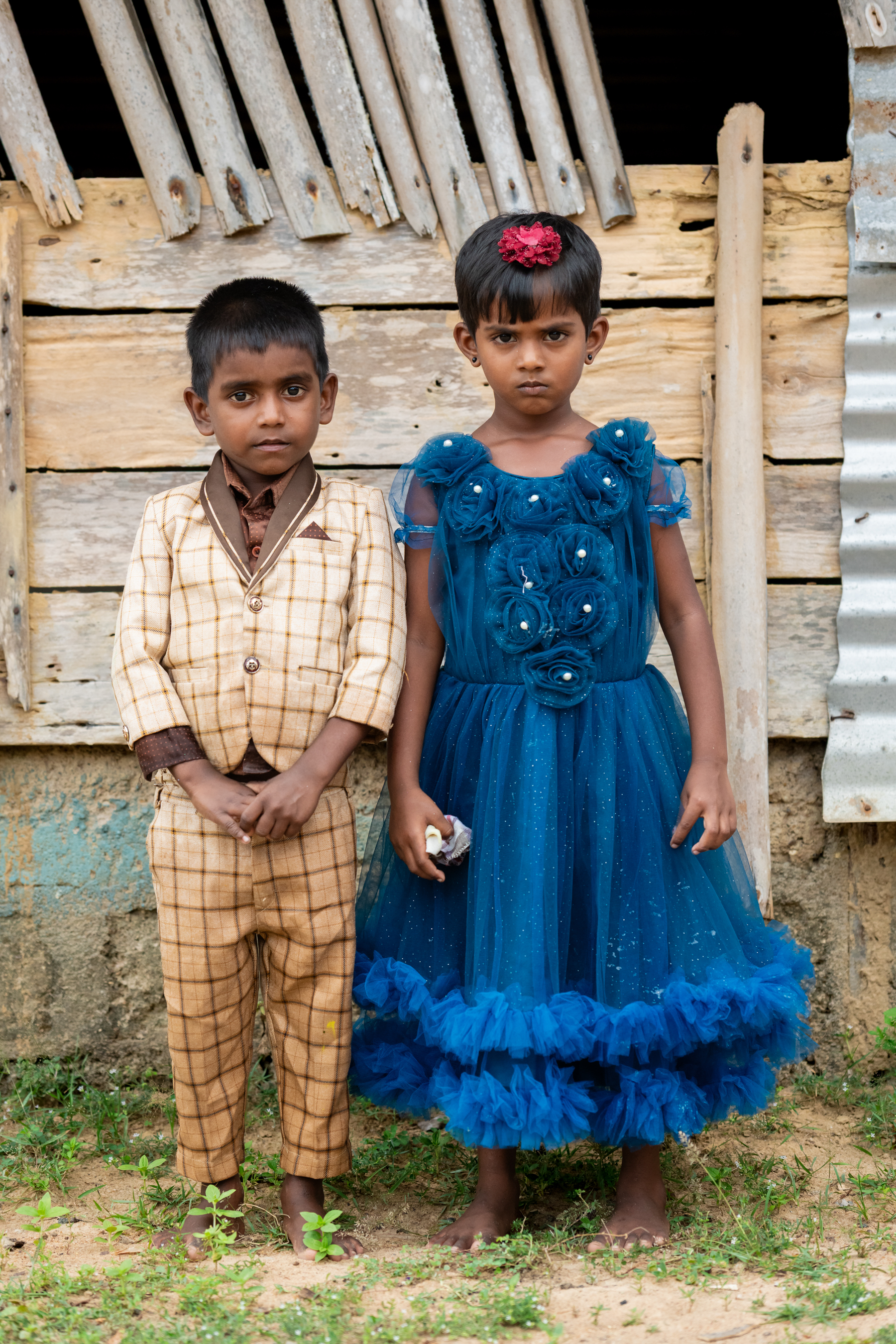
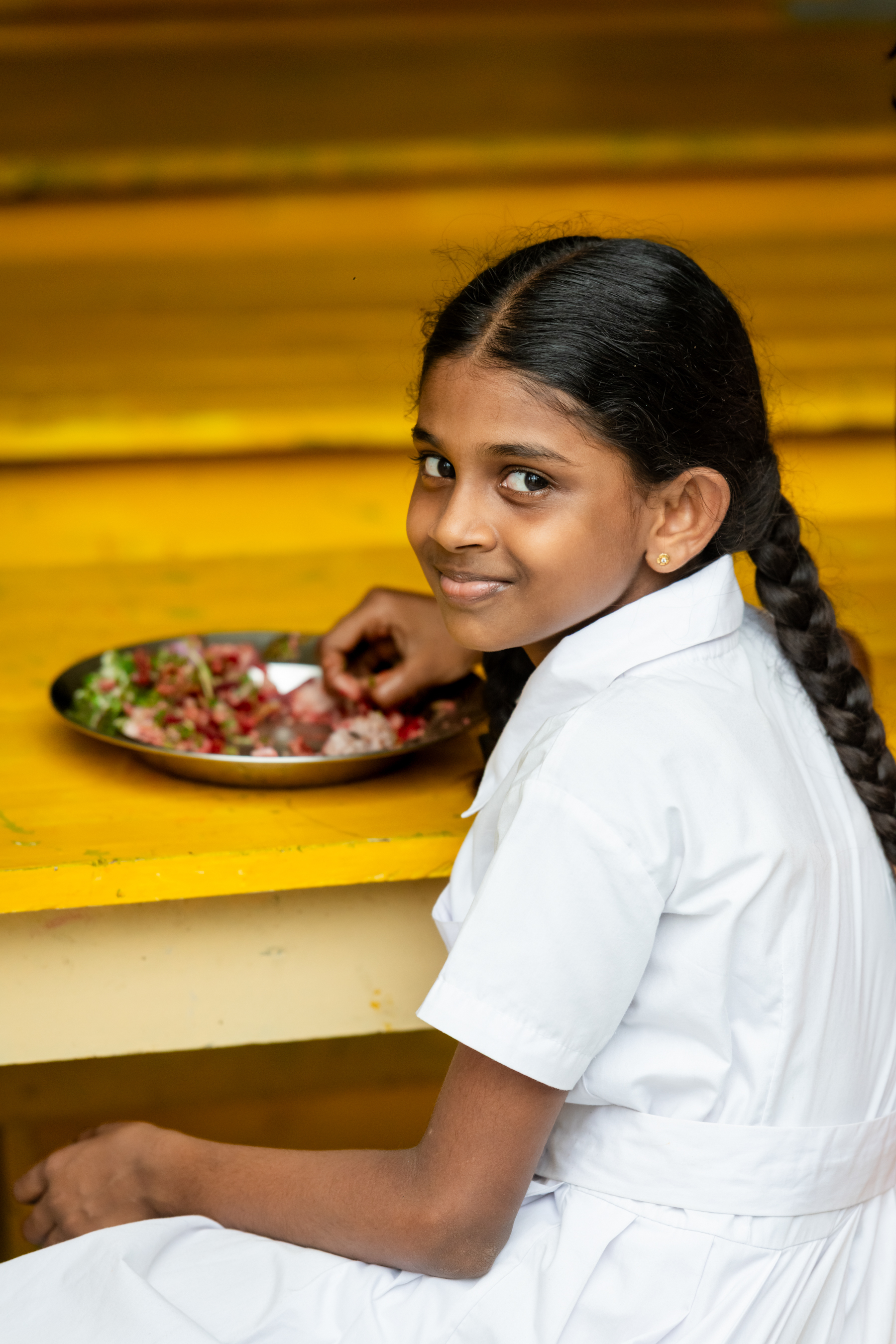
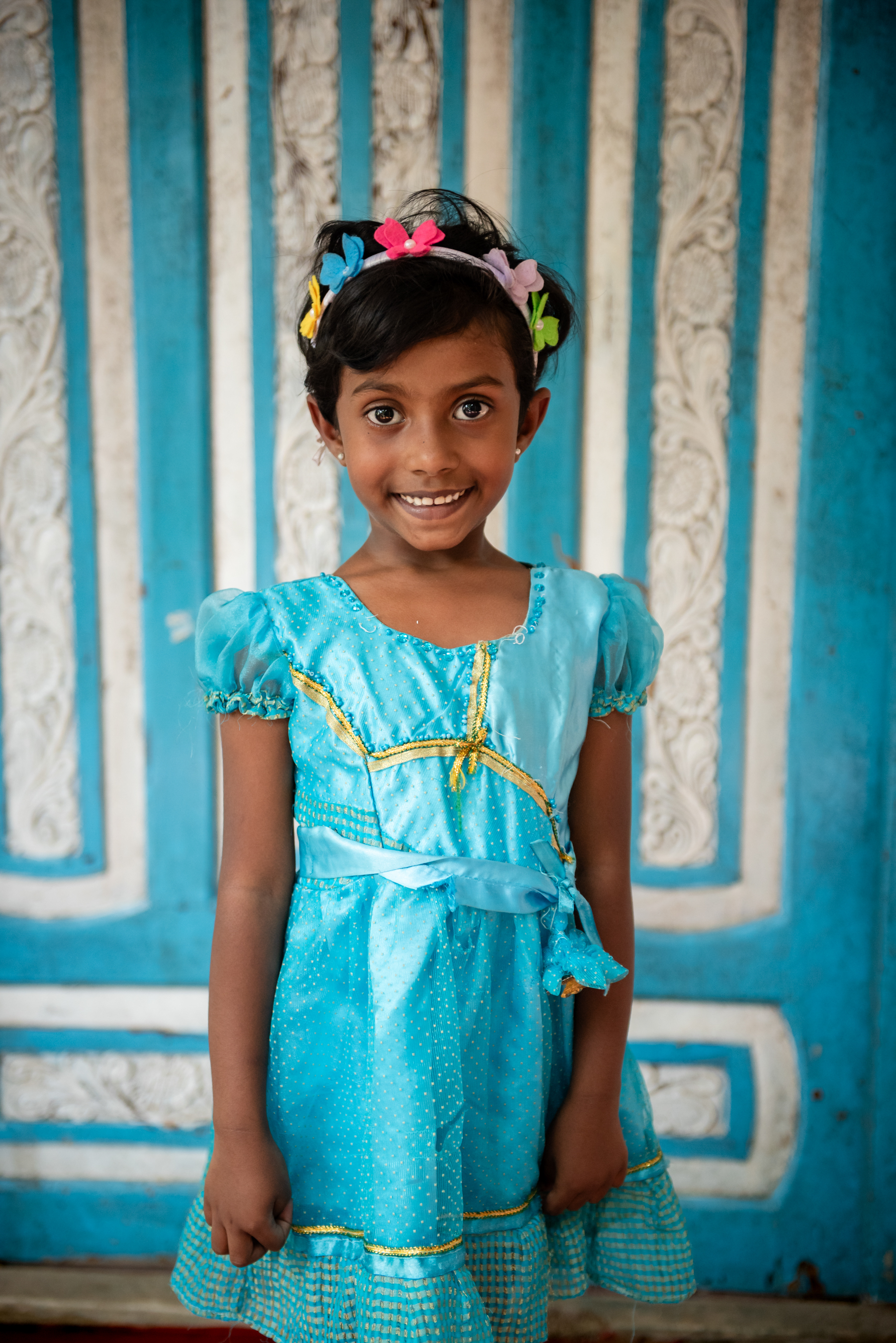
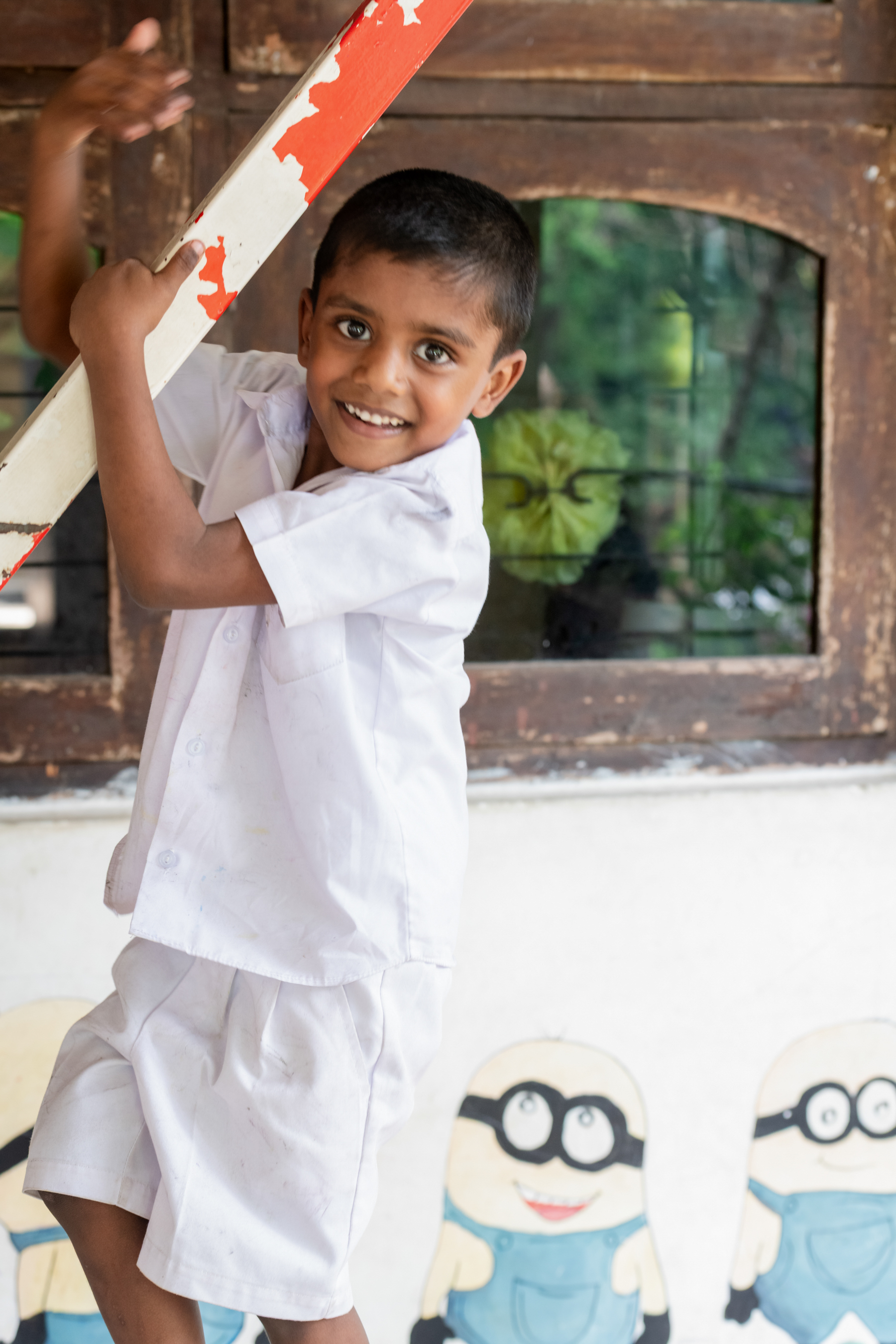
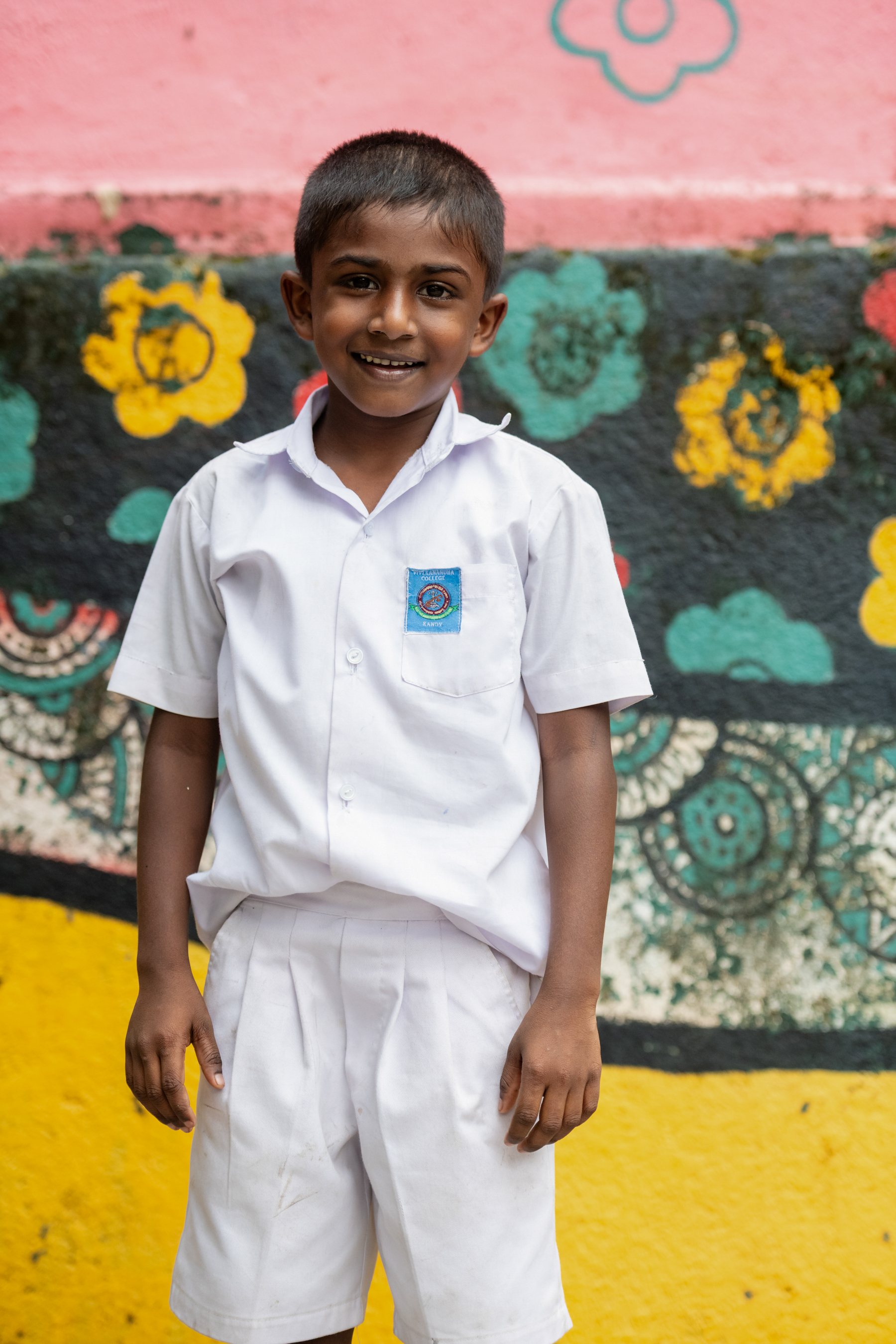
Around the center, more of the day began to reveal itself. Children moved in and out of rooms, some dressed in their best clothes, some playing on the floor, some watching quietly from the edges. A little girl smiled in a white dress beneath the yellow light of the classroom. Another child sat in a wide white skirt among blocks and letters. Outside, a boy in a tan suit washed his hands beside a rooster, and two children stood together in dress clothes against a weathered wooden wall, serious and beautiful in the way children can be when they are both shy and proud. The place was full of small scenes that felt ordinary to them and unforgettable to me.
That moment held so much of what Sri Lanka would become for me: beauty, history, welcome, childhood, dignity, and trust arriving all at once.
The roads before that welcome had been quiet. Sri Lanka was still mostly shadow when we began, just Dilshan and me in the car, driving toward Kilinochchi, toward places I had heard about but did not yet understand. As the hours passed, the countryside slowly revealed itself: trees becoming shapes, fields becoming color, small shops appearing along the road, temples, signs, villages, schoolyards, people beginning their day. The sun rose across the island as if Sri Lanka was being introduced one layer at a time.
I had come to photograph the work of Child Action Lanka, or CAL, a Sri Lankan organization serving children, families, and communities through education, meals, protection, and practical daily support.
But somewhere on that long drive, I realized I was also being given a history lesson.
In Colombo, Dilshan Edirisinghe was carrying the practical demands of the work: the logistics of an organization spread across the country. He was focused because the work required it. But on the road, when it was just the two of us, something opened. He became a guide, historian, storyteller, and bridge.
He spoke about Child Action Lanka, but also about Sri Lanka itself: ancient kingdoms, sacred cities, Buddhist and Hindu traditions, colonial layers, ethnic identity, the long civil war, and the communities still recovering. He spoke of families carrying histories I could not fully understand and did not personally witness, but was beginning to hear about, mile by mile.
Sri Lanka is often called the Pearl of the Indian Ocean, and it is easy to understand why. The island holds mountains, rainforests, beaches, elephants, leopards, cinnamon, sapphires, ancient trade routes, Buddhist temples, Hindu kovils, colonial towns, fishing villages, surf breaks, tea country, and cities still reaching toward the future. It is small on a map, but once inside it, the country feels vast.
Its history is vast too. Long before modern tourism, Sri Lanka was home to ancient kingdoms, irrigation systems, monasteries, and trade routes that connected the island to Asia, the Middle East, and Europe. Buddhism became central to much of the island’s identity more than two thousand years ago, while Hindu traditions, especially among Tamil communities, shaped the spiritual and cultural life of the north and east. Later came Portuguese, Dutch, and British rule, each leaving marks still visible in architecture, religion, language, and memory.
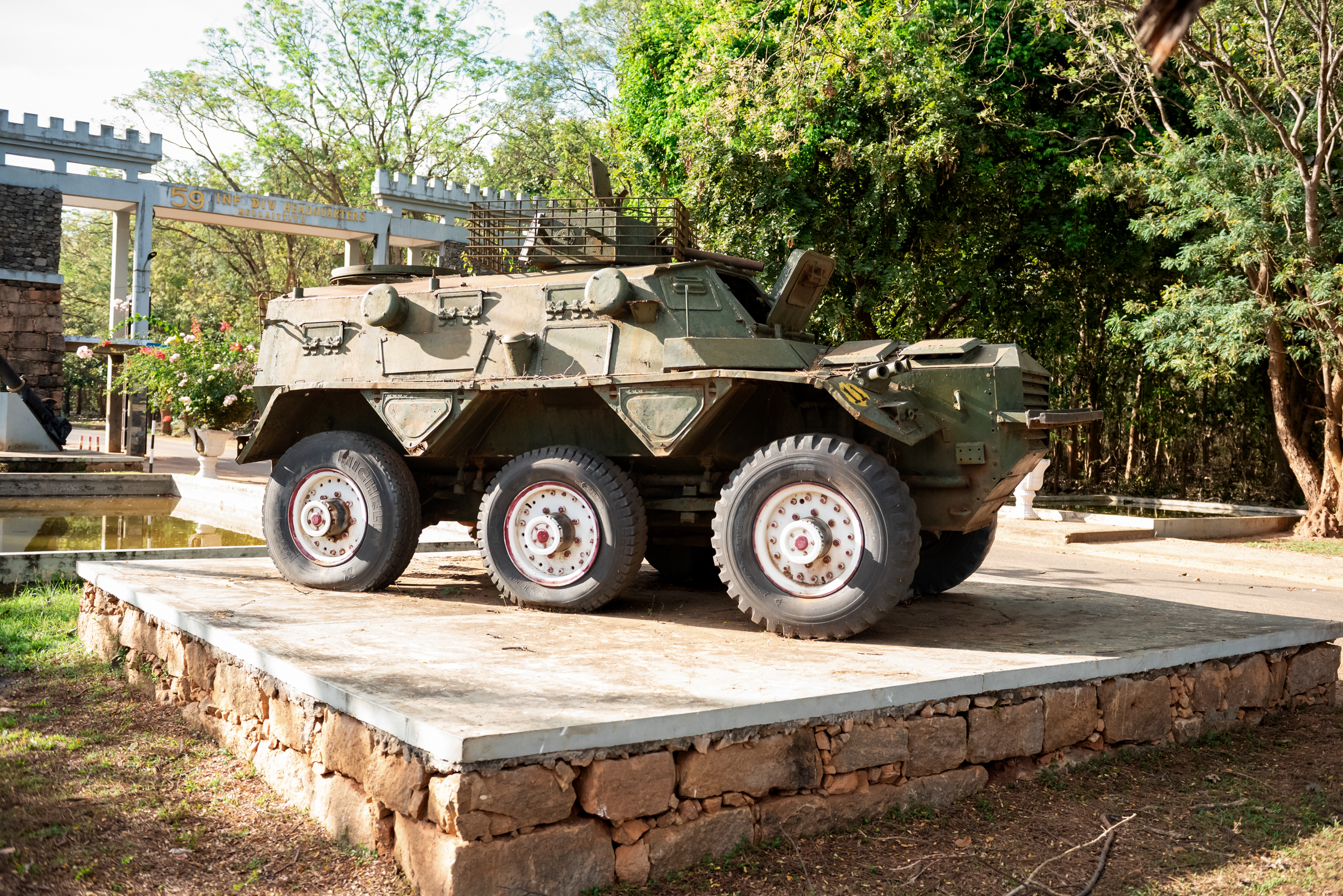
But the modern history I heard about most often was the civil war, a long and devastating conflict tied to the relationship between the Sinhalese majority and Tamil minority, and to the rise of the LTTE, also known as the Tamil Tigers. The war lasted for decades and ended in 2009, but wars do not end neatly for the people who survive them. Families remain marked. Communities remain changed. The afterlife of conflict does not disappear just because the fighting stops.
I also learned that young people were pulled into that conflict, including through recruitment by armed groups. That was not something I witnessed. It belongs to the larger history I was trying to understand. But once you hear something like that, it changes how you look at a classroom. It changes how you understand a meal, a school bus, a preschool song, a child learning to type.There is what I saw firsthand. There is what I was told. There is what history has recorded. And then there is the responsibility of standing somewhere between all of it with a camera.
That morning, as the sun rose and the car carried water north, I began to understand the importance of CAL’s work, and in a smaller way, the importance of the story I was there to help tell. Before I could understand Sri Lanka through the work of Child Action Lanka, I first had to arrive as a traveler.
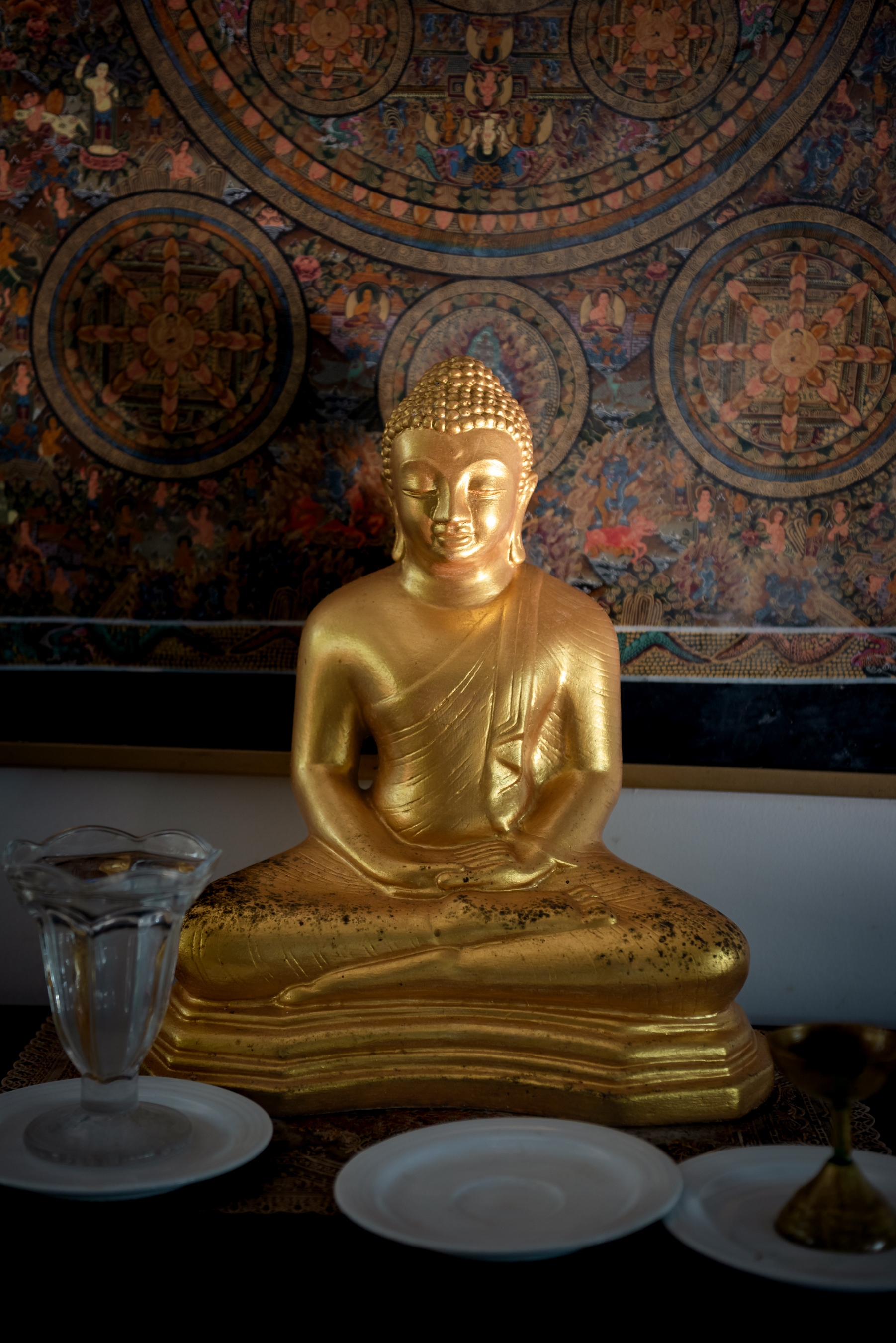
I landed in Colombo, the capital, carrying all the anticipation that comes with reaching a country that has lived in your imagination for years. Just outside the airport, a “Welcome to Sri Lanka” sign glowed against the night sky. Inside, Buddha statues felt less like decoration and more like a kind of welcome, especially after my recent assignment in Bhutan, where I had been given a deeper introduction to Buddhist history, ritual, and philosophy.
Sri Lanka felt like another chapter in a larger education I did not know I was receiving. Bhutan had opened a door into Buddhism. Nepal and India had deepened my curiosity about Hinduism. Bangladesh had helped me understand more about Islam. In Sri Lanka, I found all of those traditions present in different ways, along with Christianity and other communities of belief and service.
I do not claim one particular belief as my own. Mostly, I felt like a student. I was there to listen, notice, and learn. The spiritual life of Sri Lanka seemed to exist not only in temples, churches, mosques, and kovils, but also in small gestures: the way people welcomed, served, offered food, tied flowers, lit lamps, cared for one another, and kept showing up.
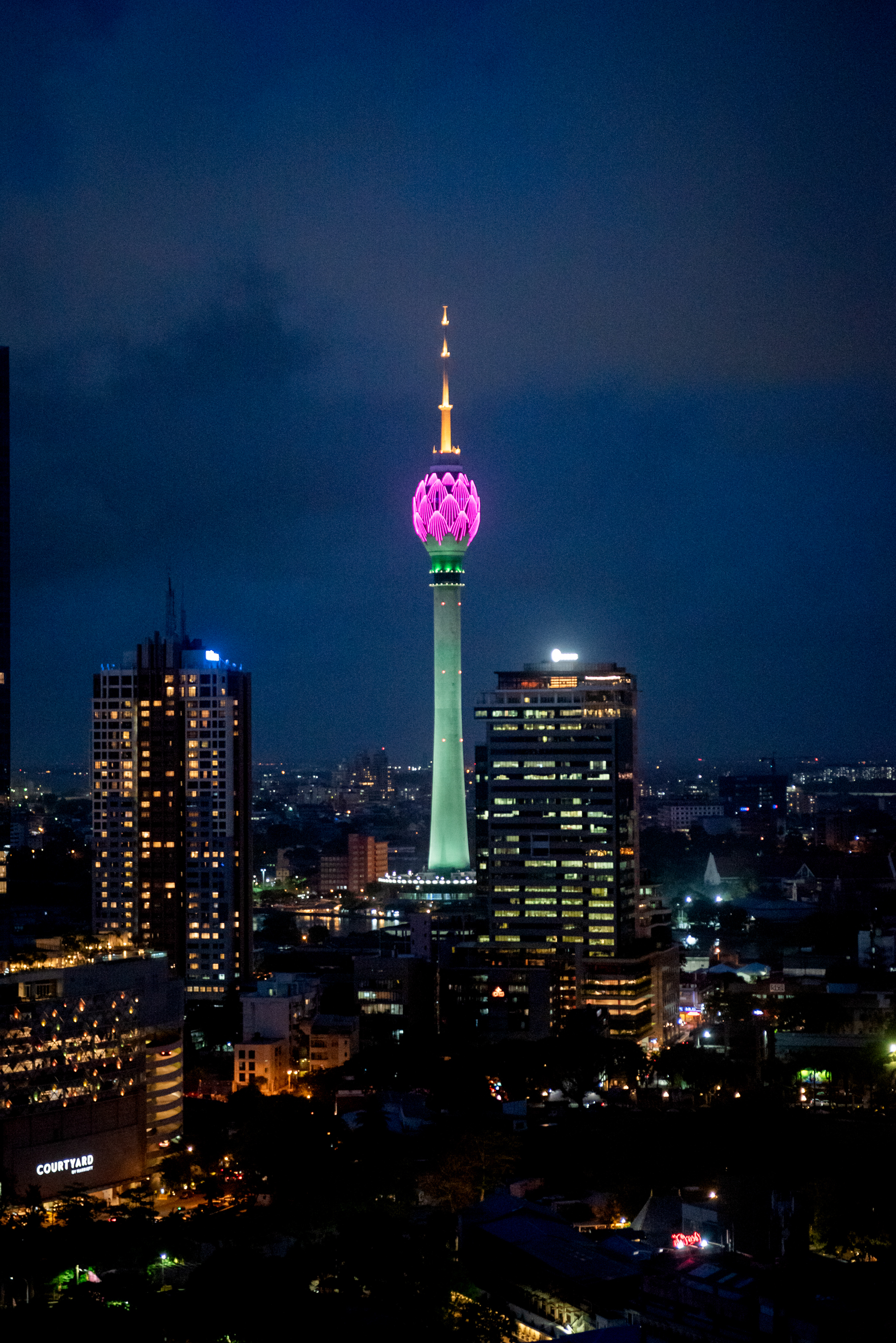
Colombo was bustling, but more organized than I expected. It had movement, traffic, heat, sea air, and a beauty that revealed itself slowly. It felt diverse, layered, alive, sea-adjacent, modern and historic at once. The city is crowned by the Lotus Tower, rising above Colombo like a symbol of modern Sri Lanka, a country still carrying history while reaching toward something new.
Then came the coast.
I have always loved coastal places. I grew up near the beach and spent weekends close to the water. Even though I do not surf, I have long been drawn to surf towns and the culture that gathers around them: Punta Negra in Peru, Taghazout in Morocco, Cape Town in South Africa, and Florianópolis in Brazil. I love photographing places where the sea shapes the rhythm of daily life.
So Sri Lanka made sense to me at first as a coastline. It became something much deeper as a country, a history, and a responsibility.
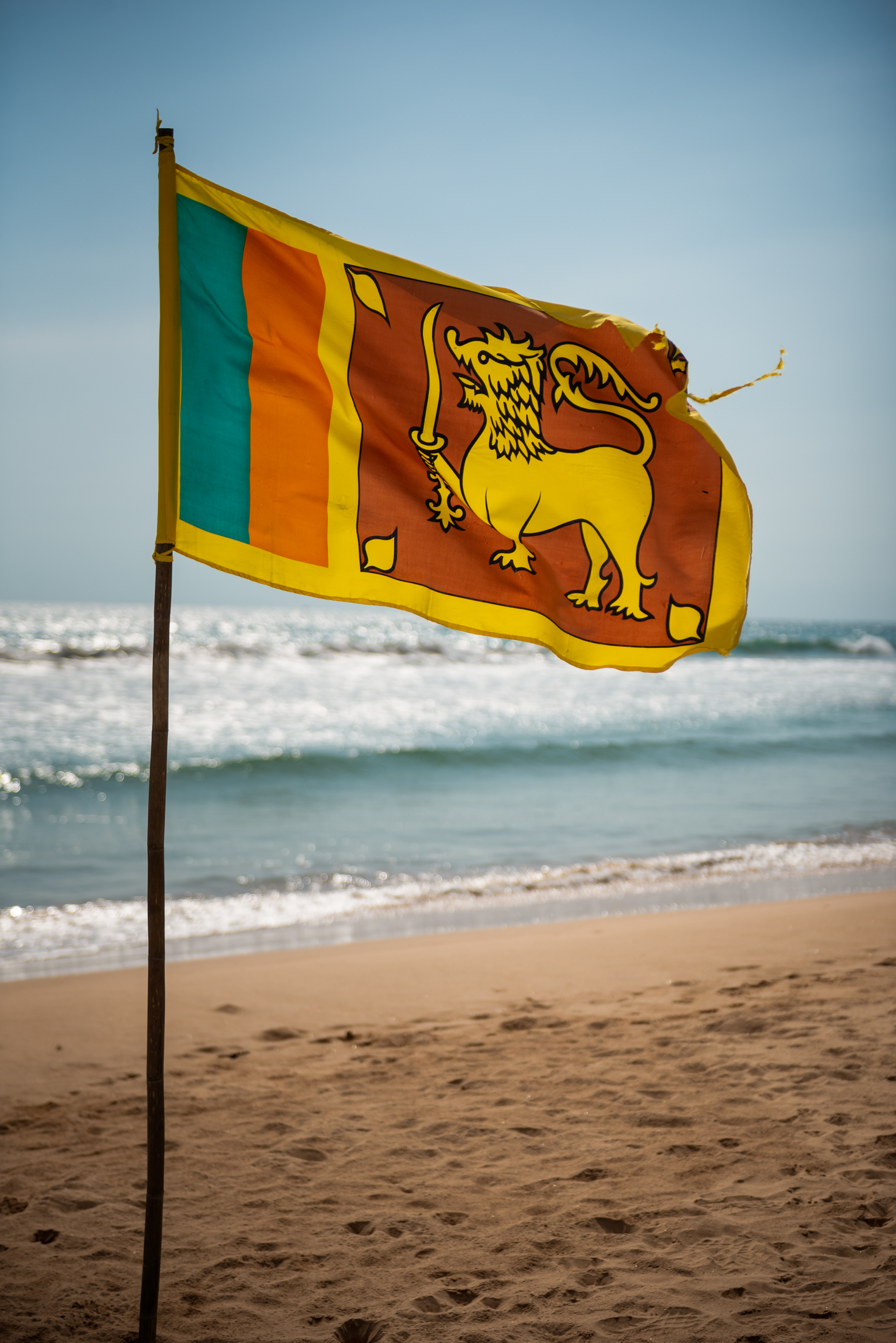
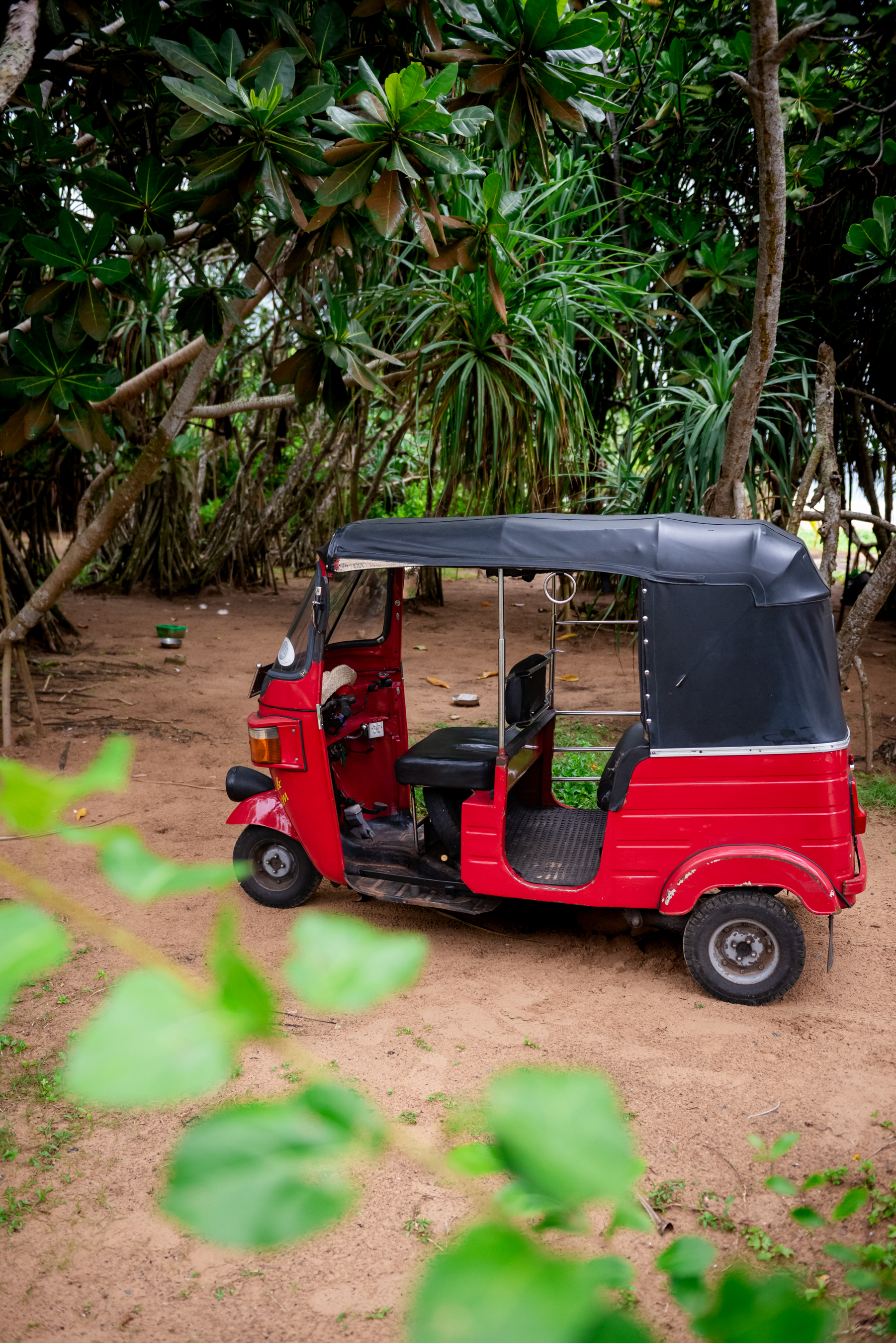
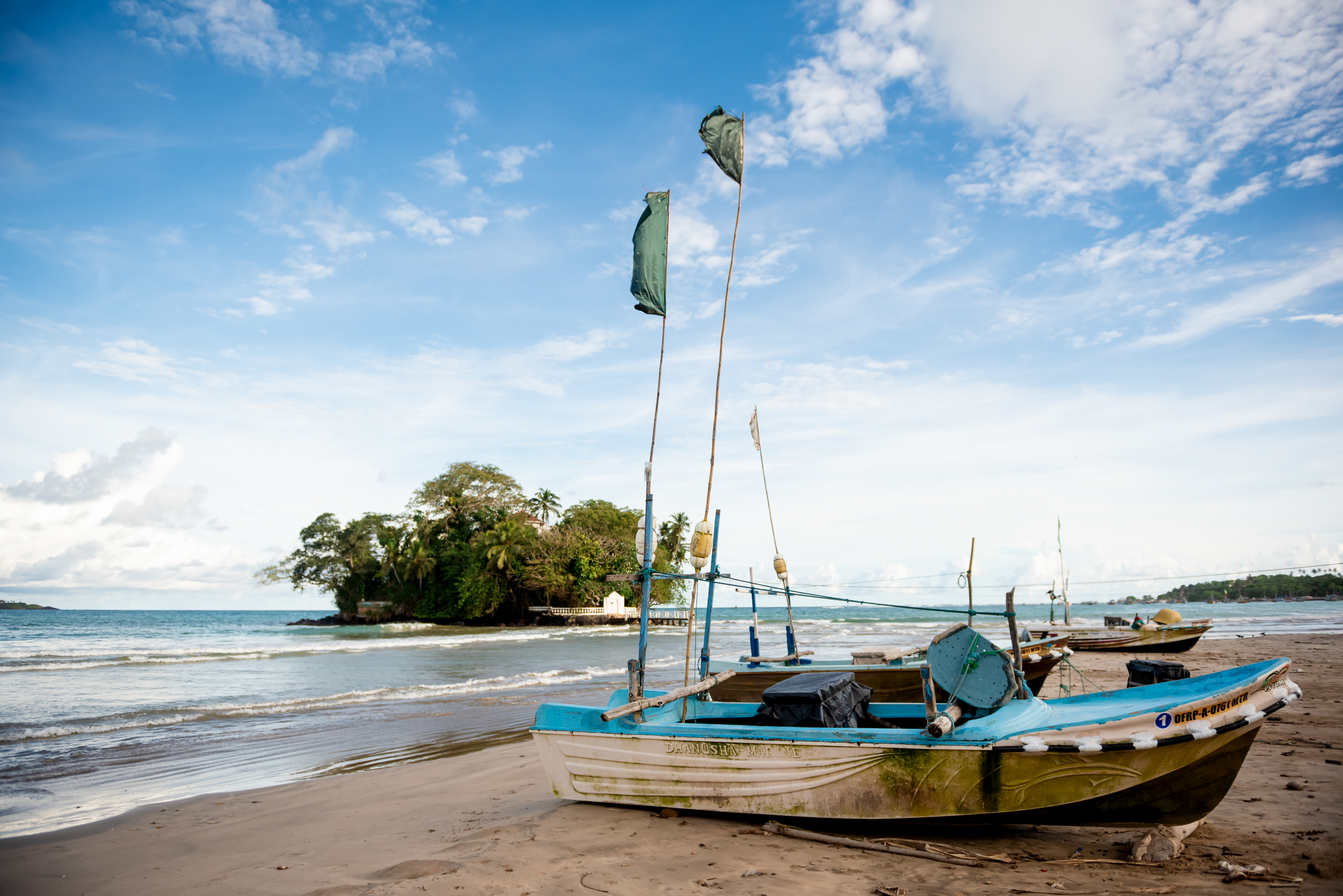
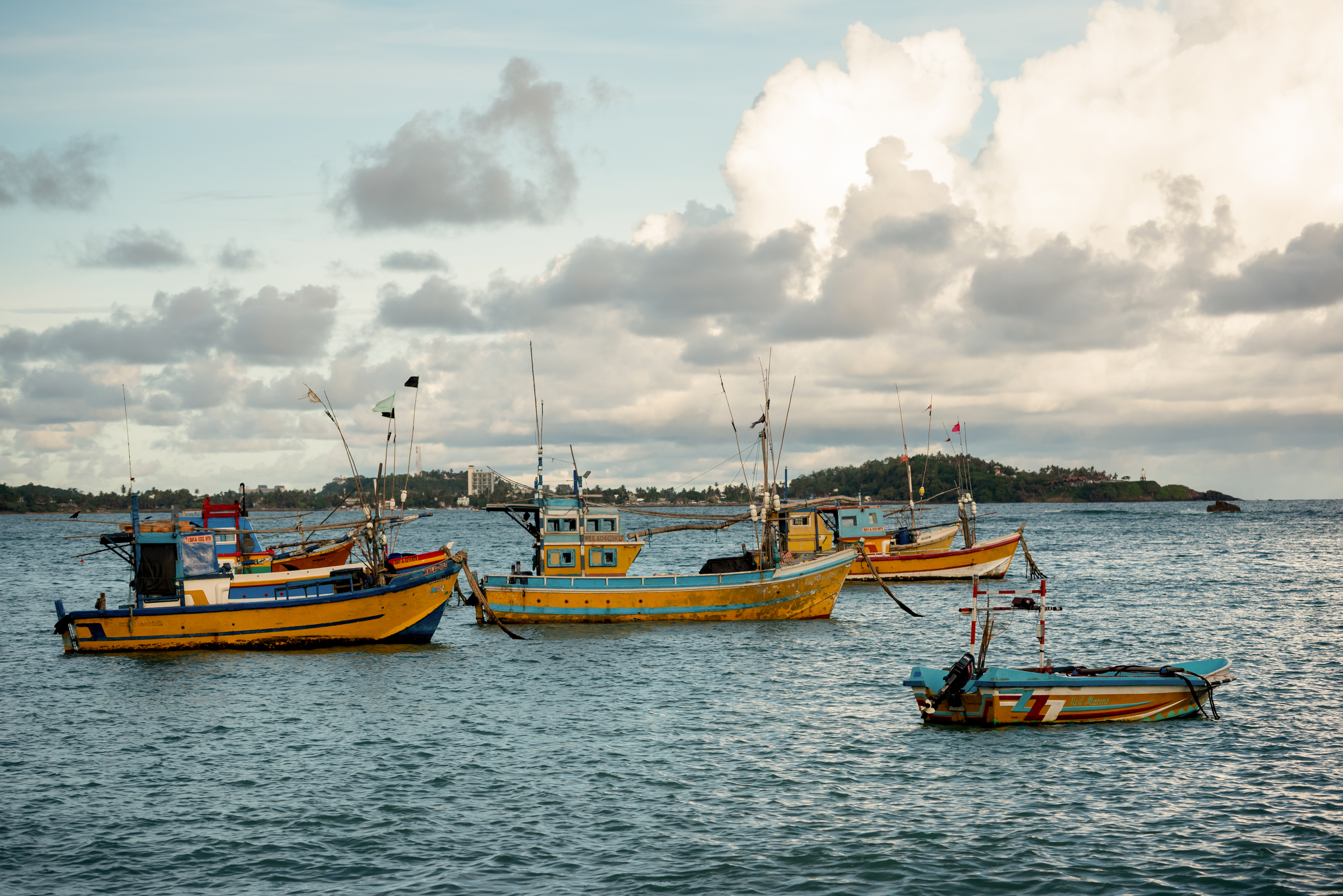
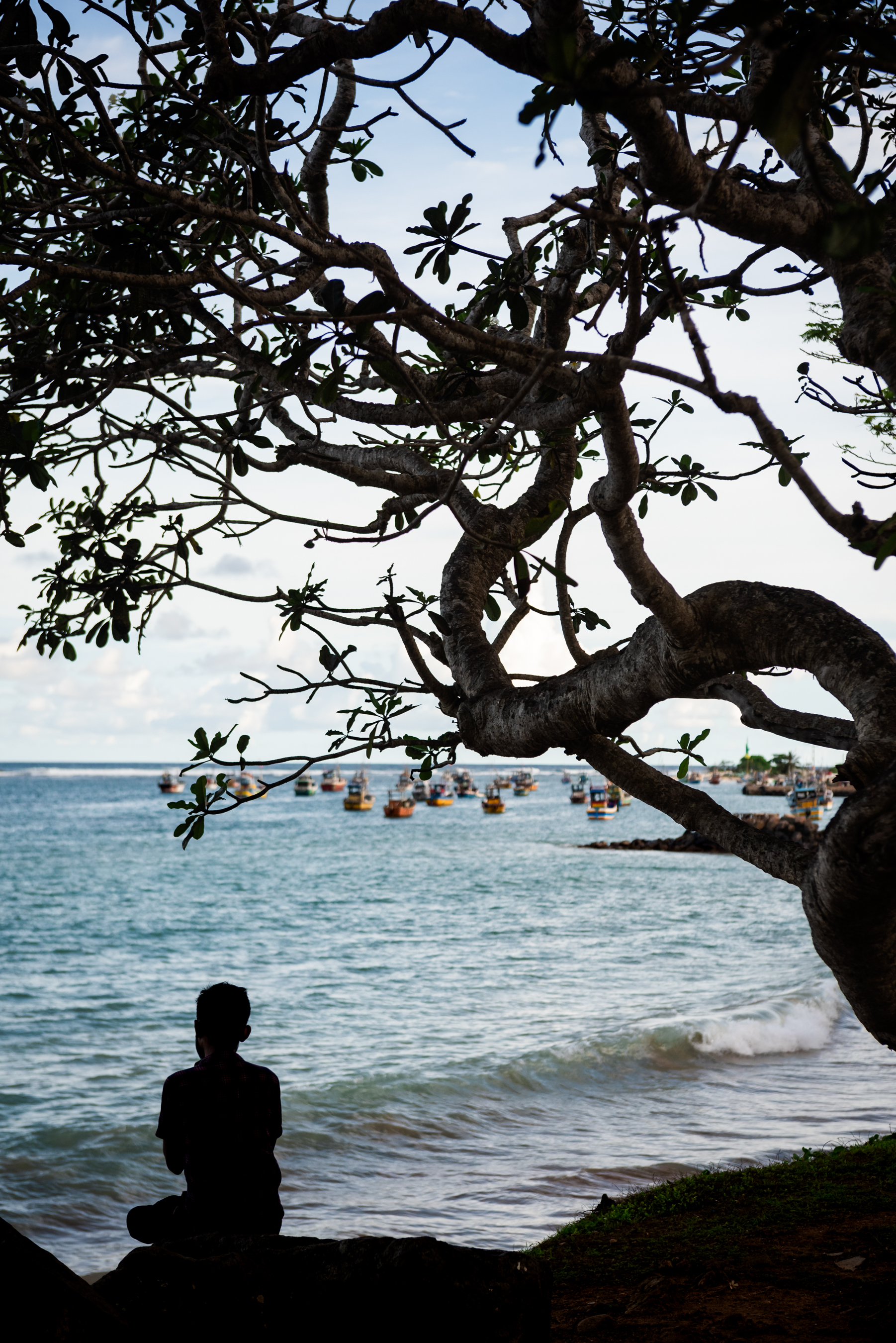
Once outside Colombo, on the way toward Bentota and the southern coast, Sri Lanka began to feel more open and elemental. Beach towns, motorbikes, tuk-tuks, pockets of coastline, sudden storms, and heat that seemed to rise from the ground itself. Even coming from South Florida, the heat in Sri Lanka had its own personality, the kind where you start sweating the moment you step out of the shower.
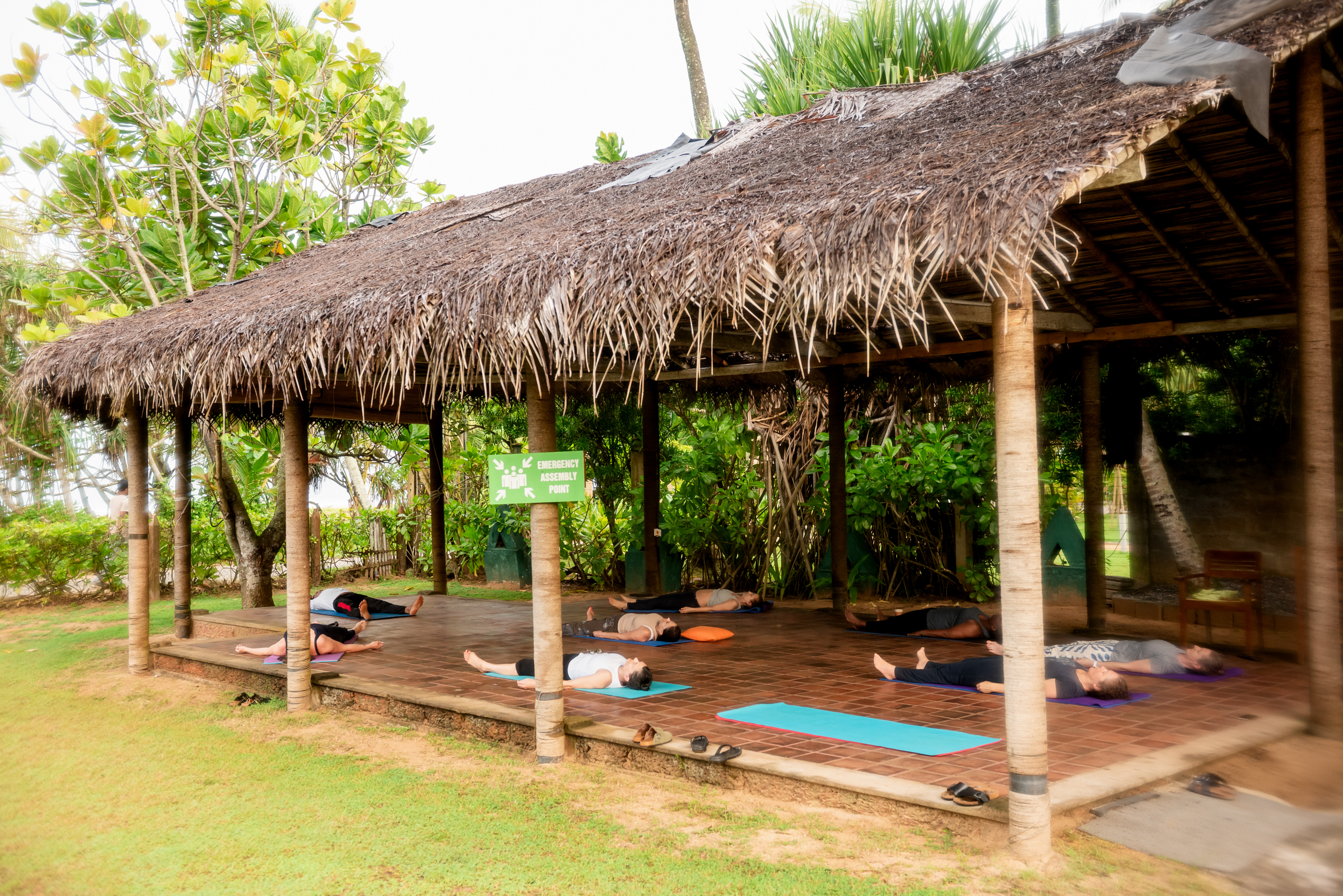
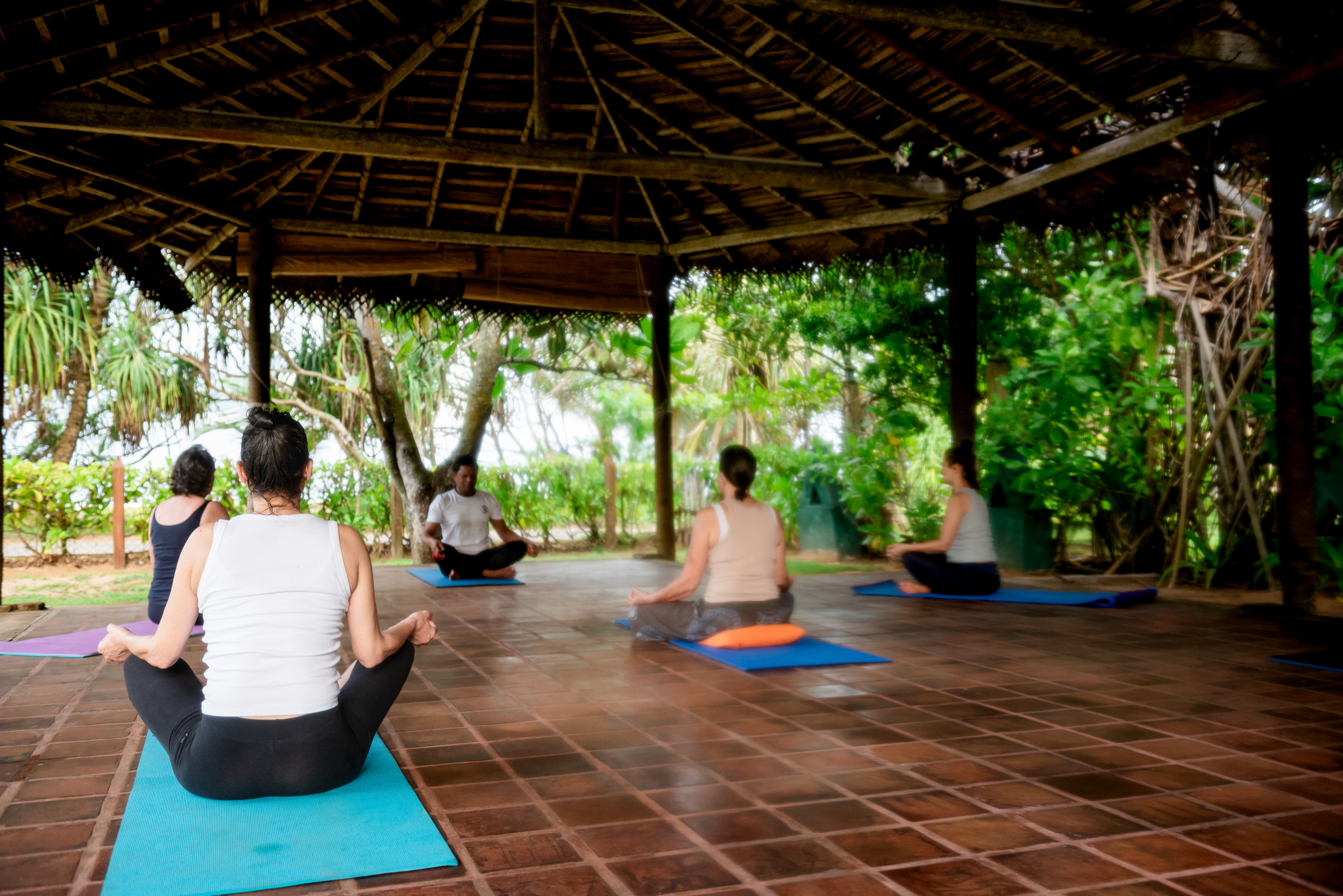
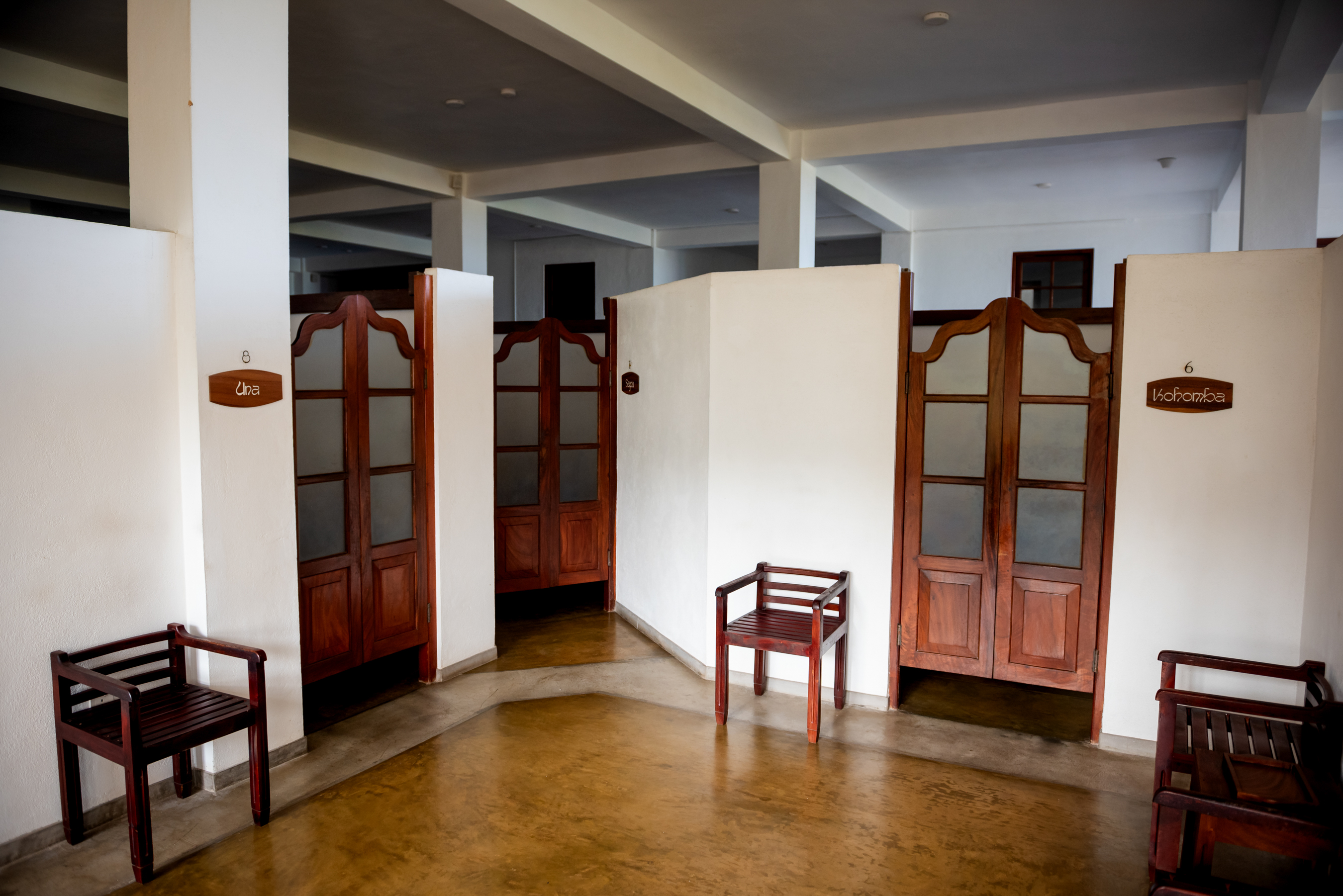
Before beginning the fieldwork with CAL, I spent a few days at Barberyn Sands and later Barberyn Waves, two Ayurveda retreats on the southern coast. Ayurveda is often described as one of the world’s oldest systems of medicine. At its simplest, it is a way of thinking about health as balance: food, rest, daily rhythm, herbs, movement, treatment, and prevention all working together. Instead of looking only at one symptom, Ayurveda tries to understand the whole person.
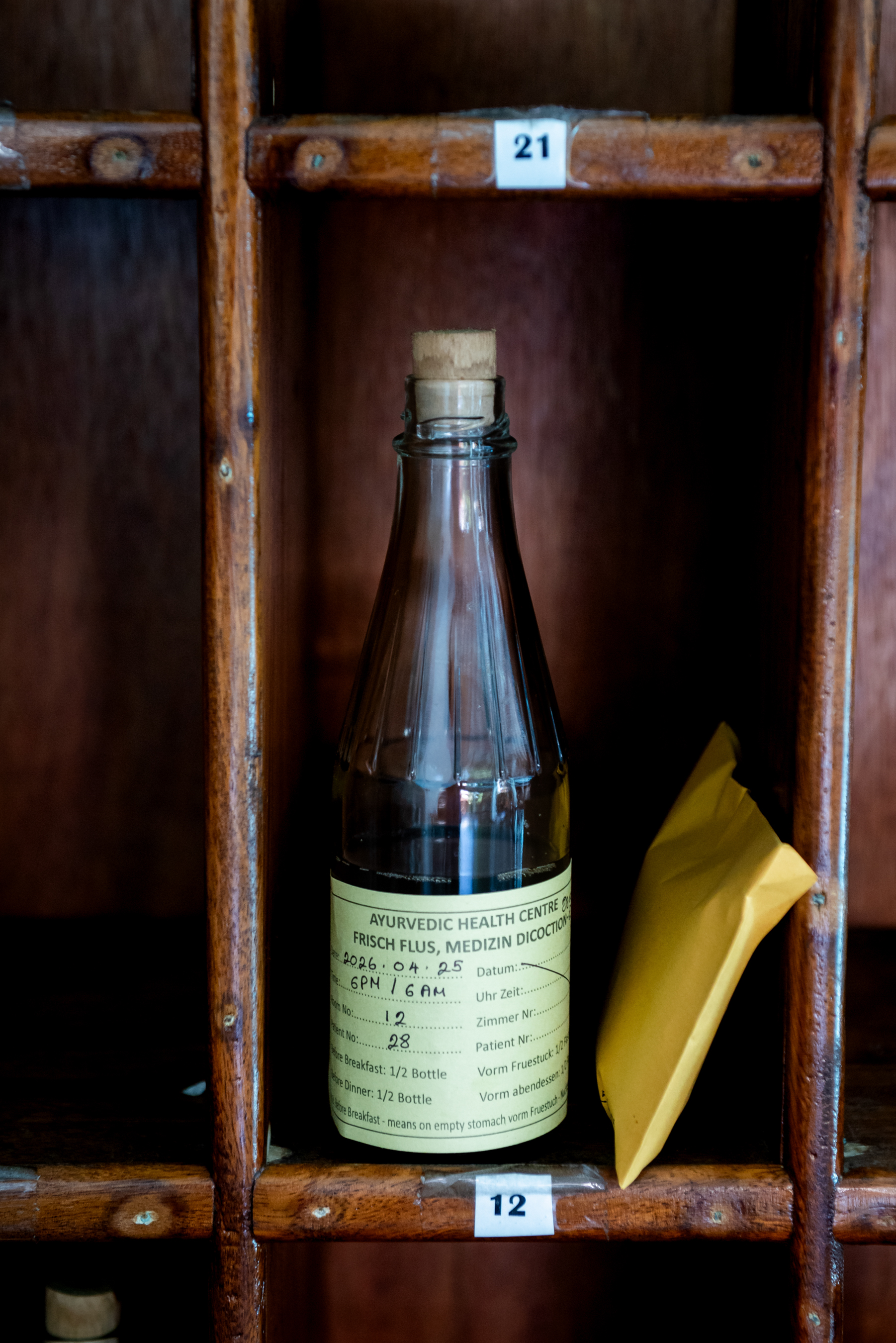
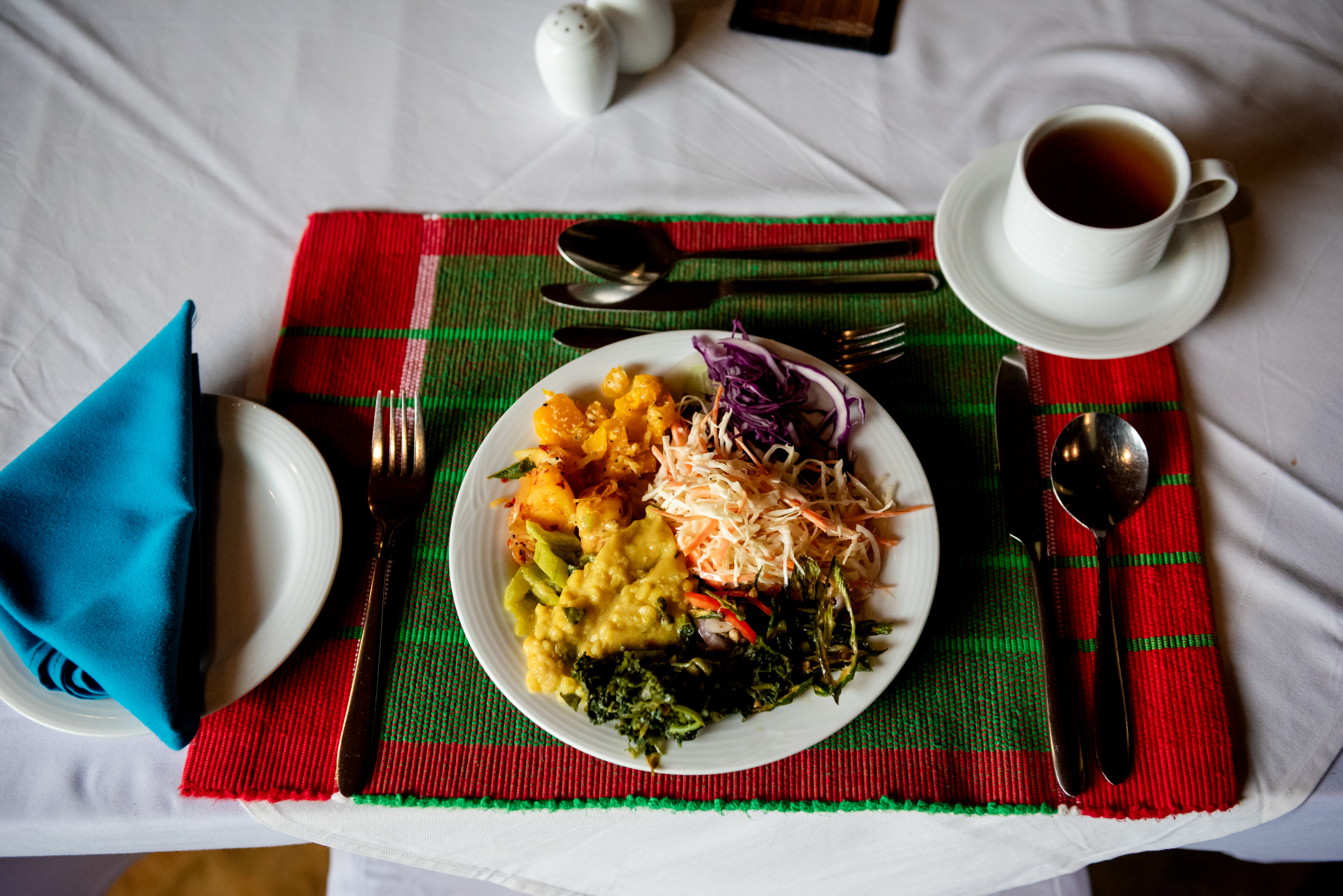
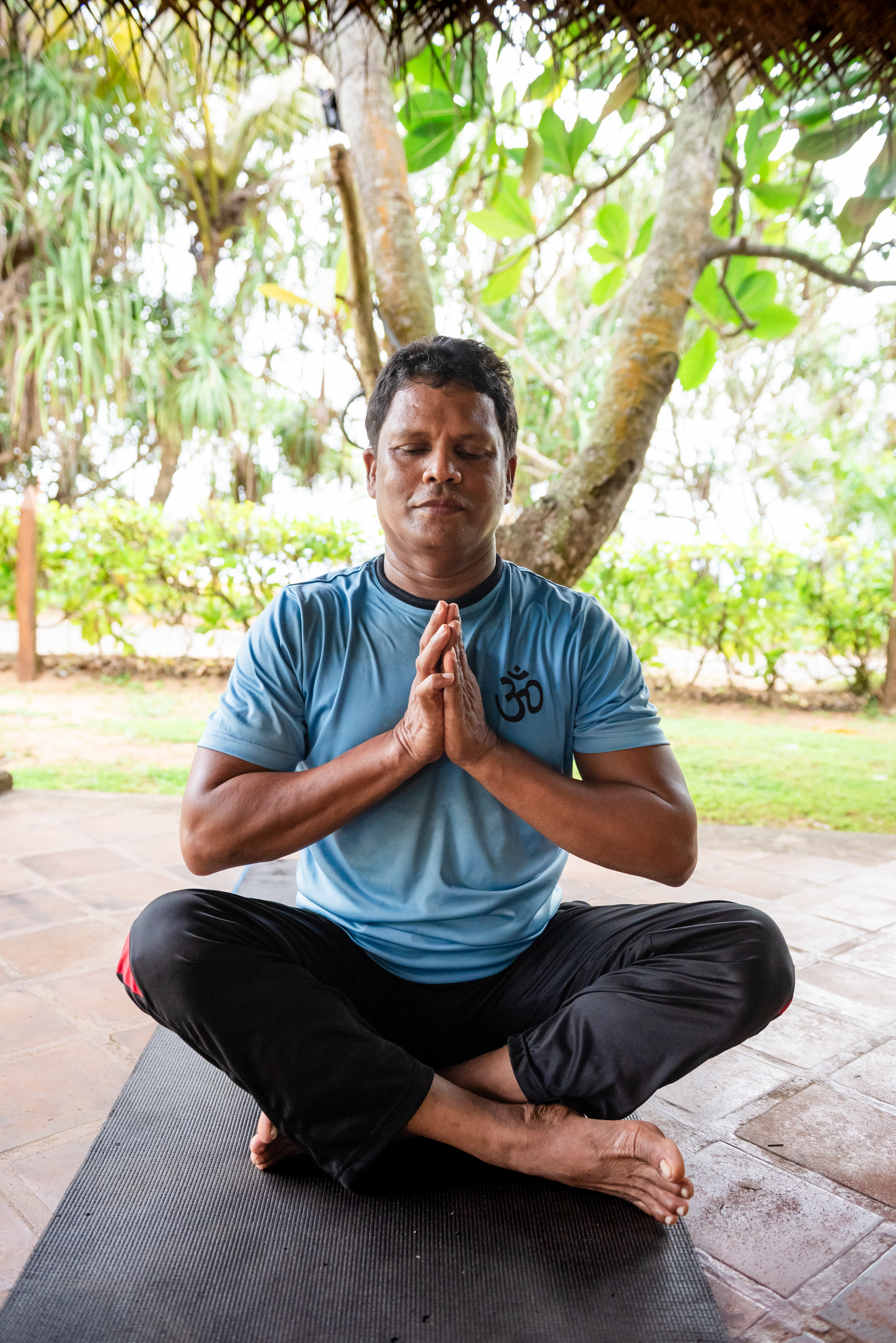
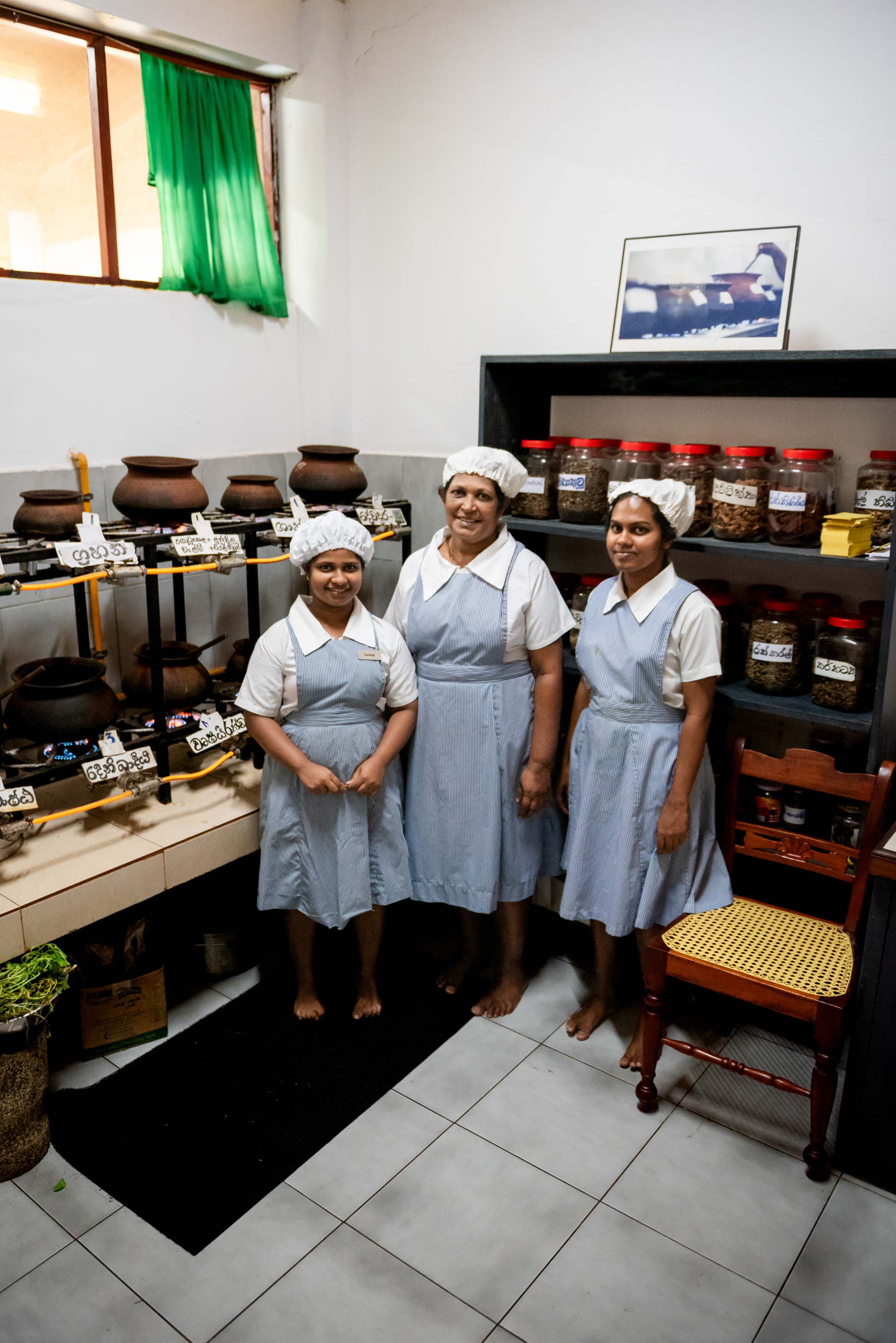
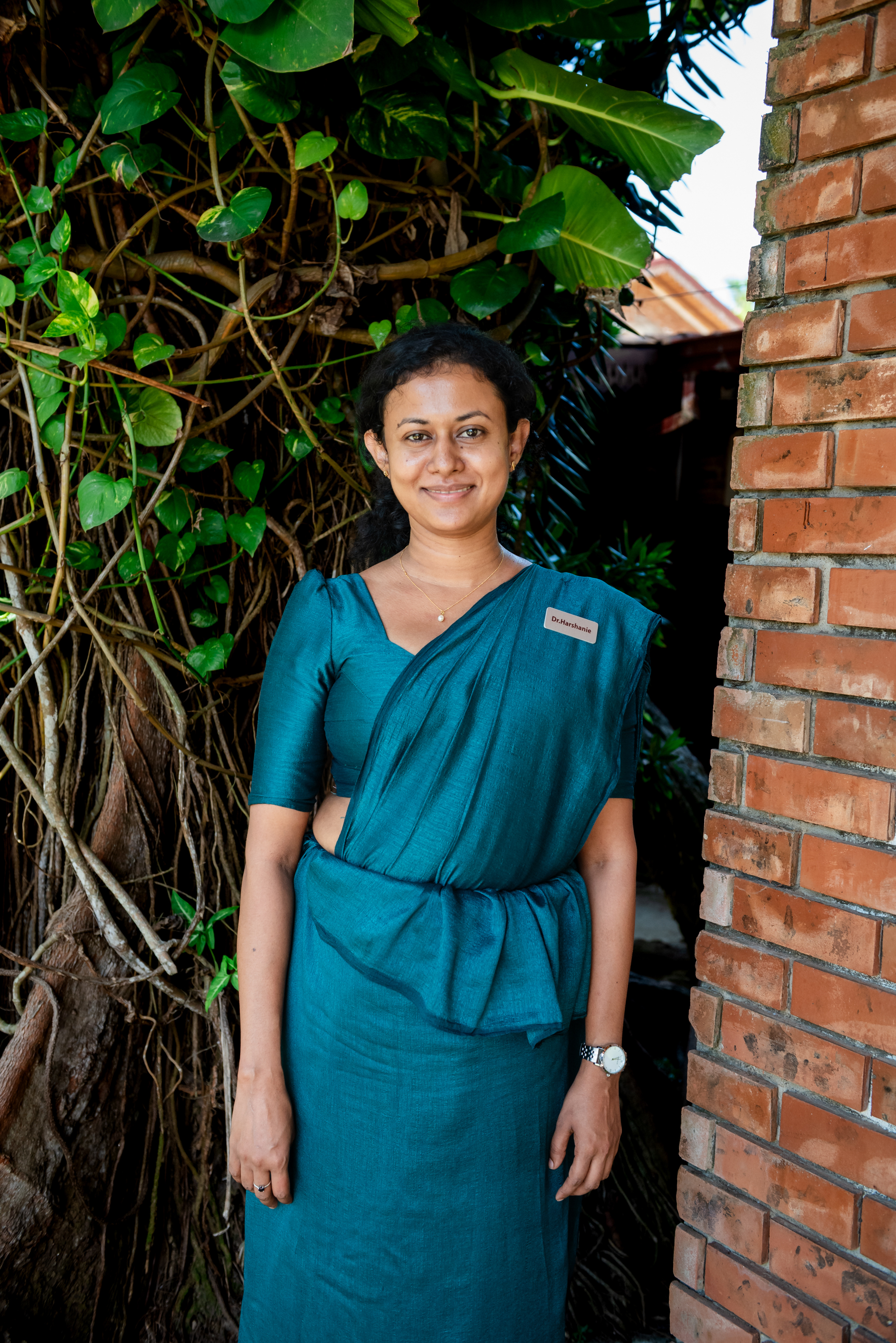
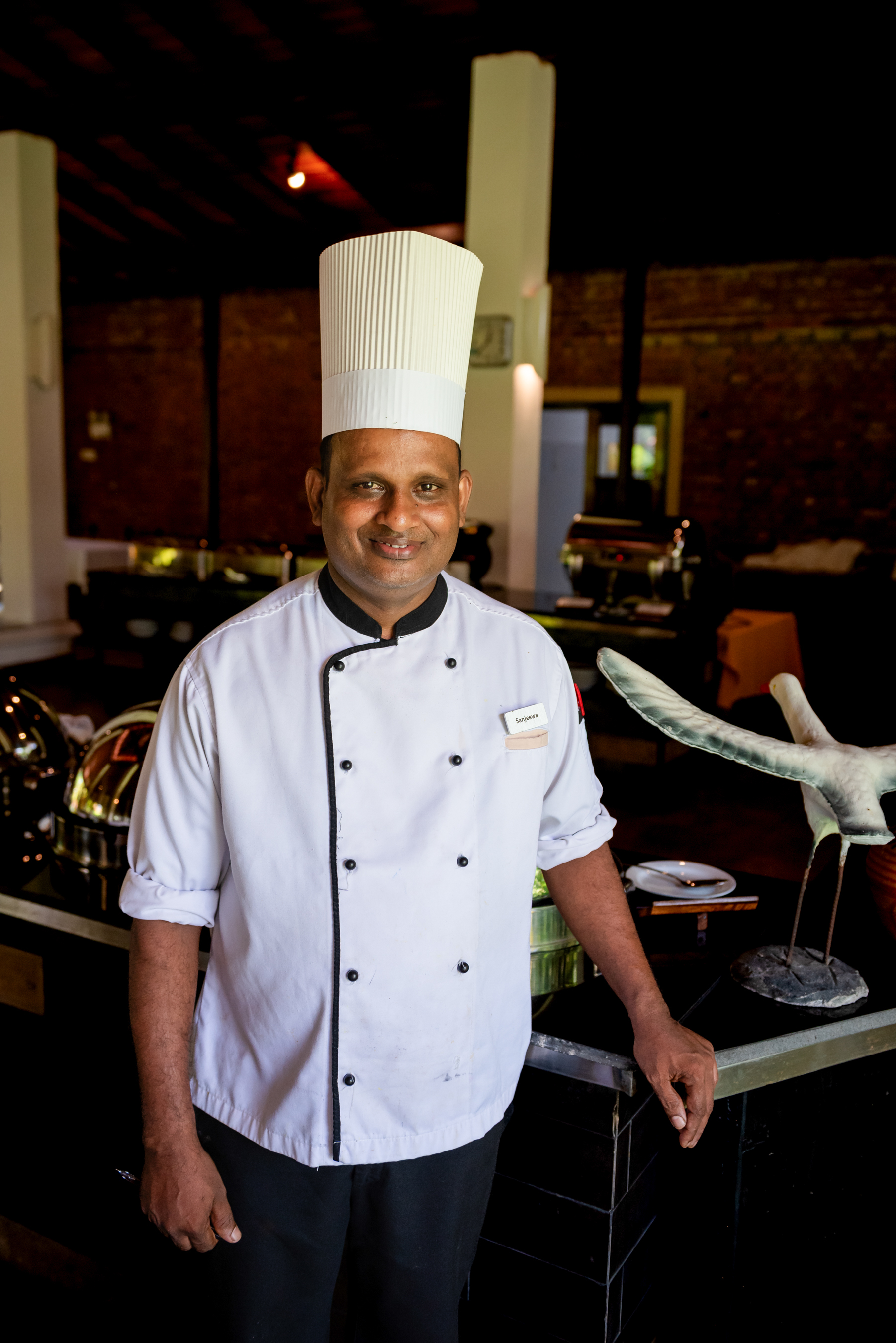
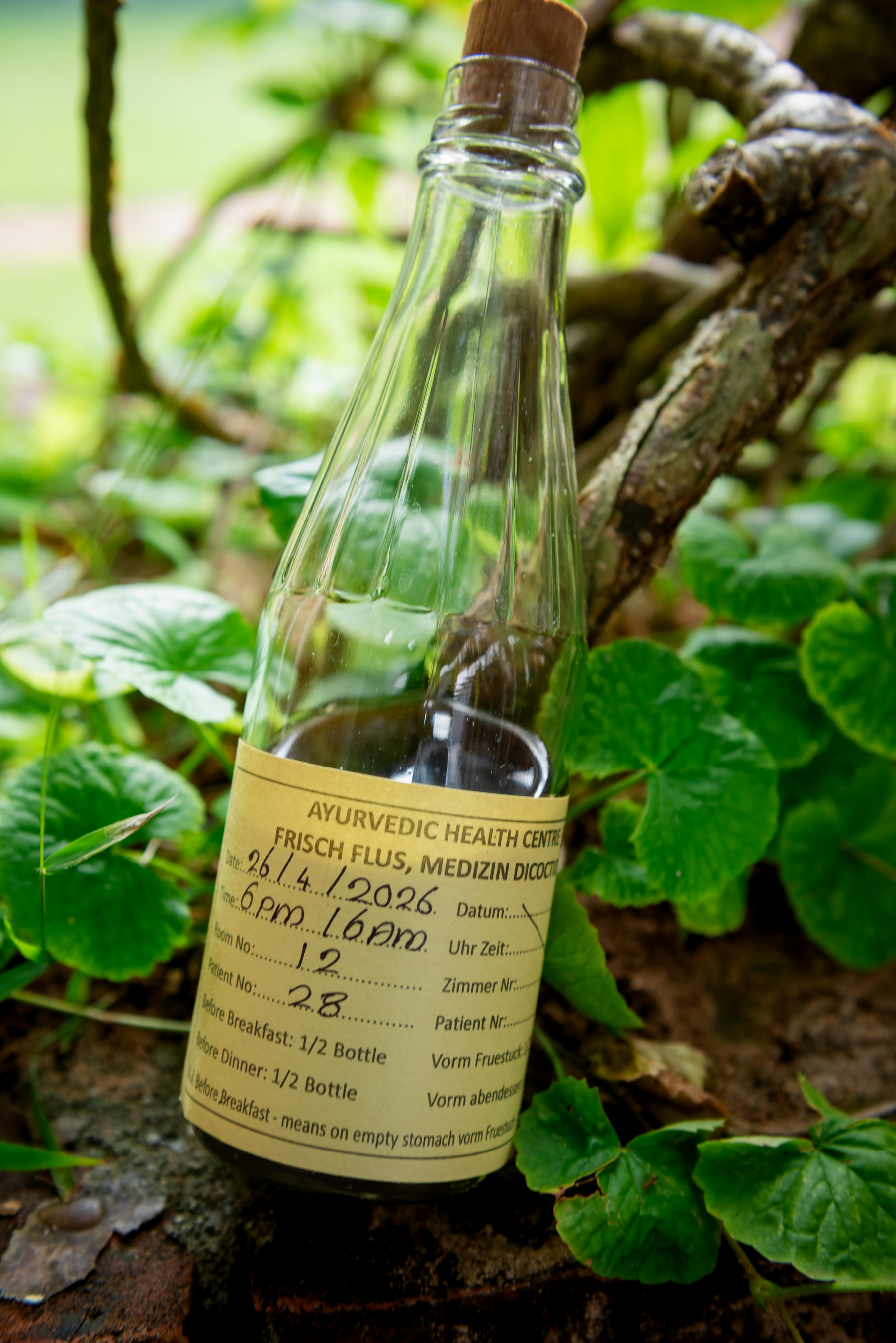

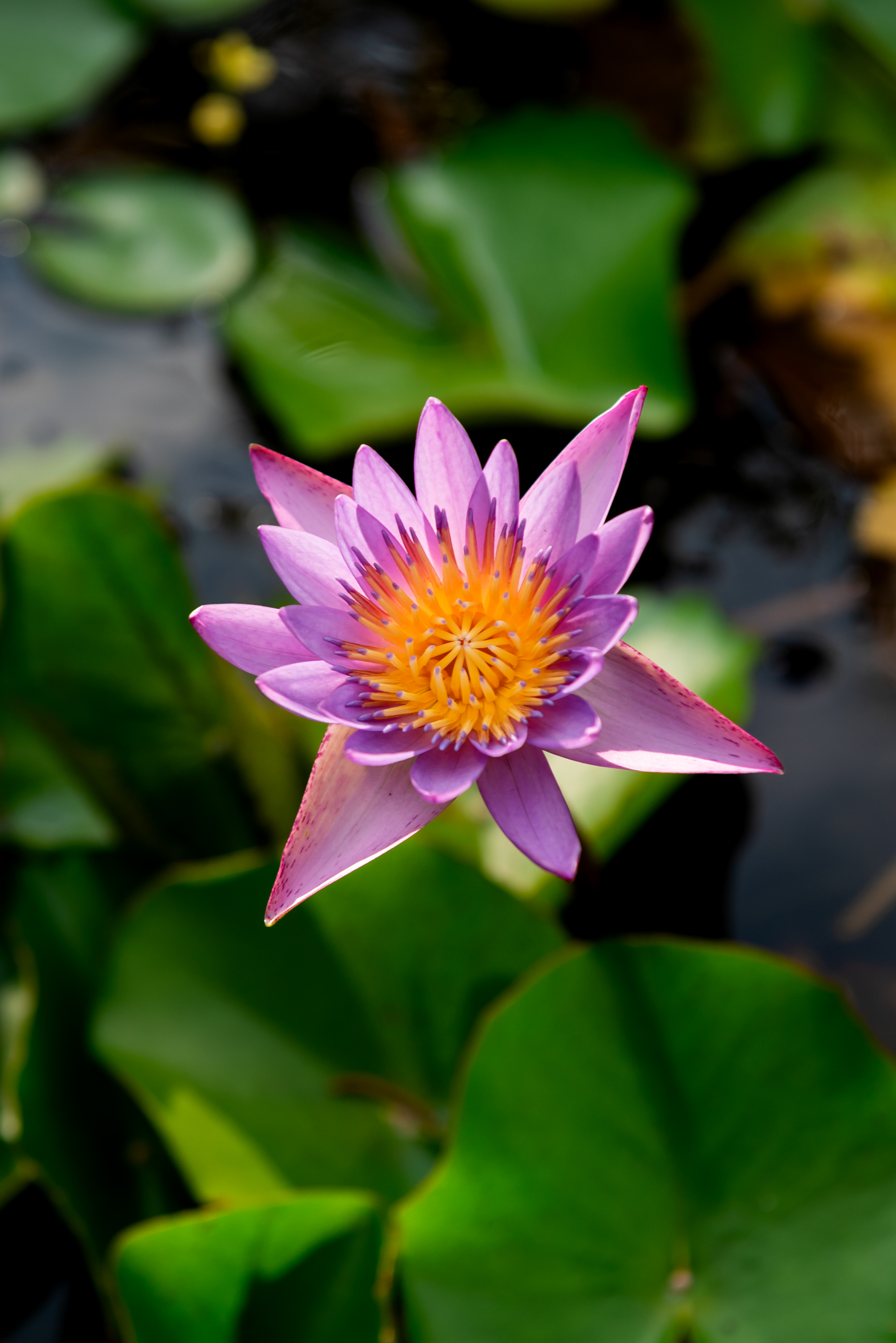
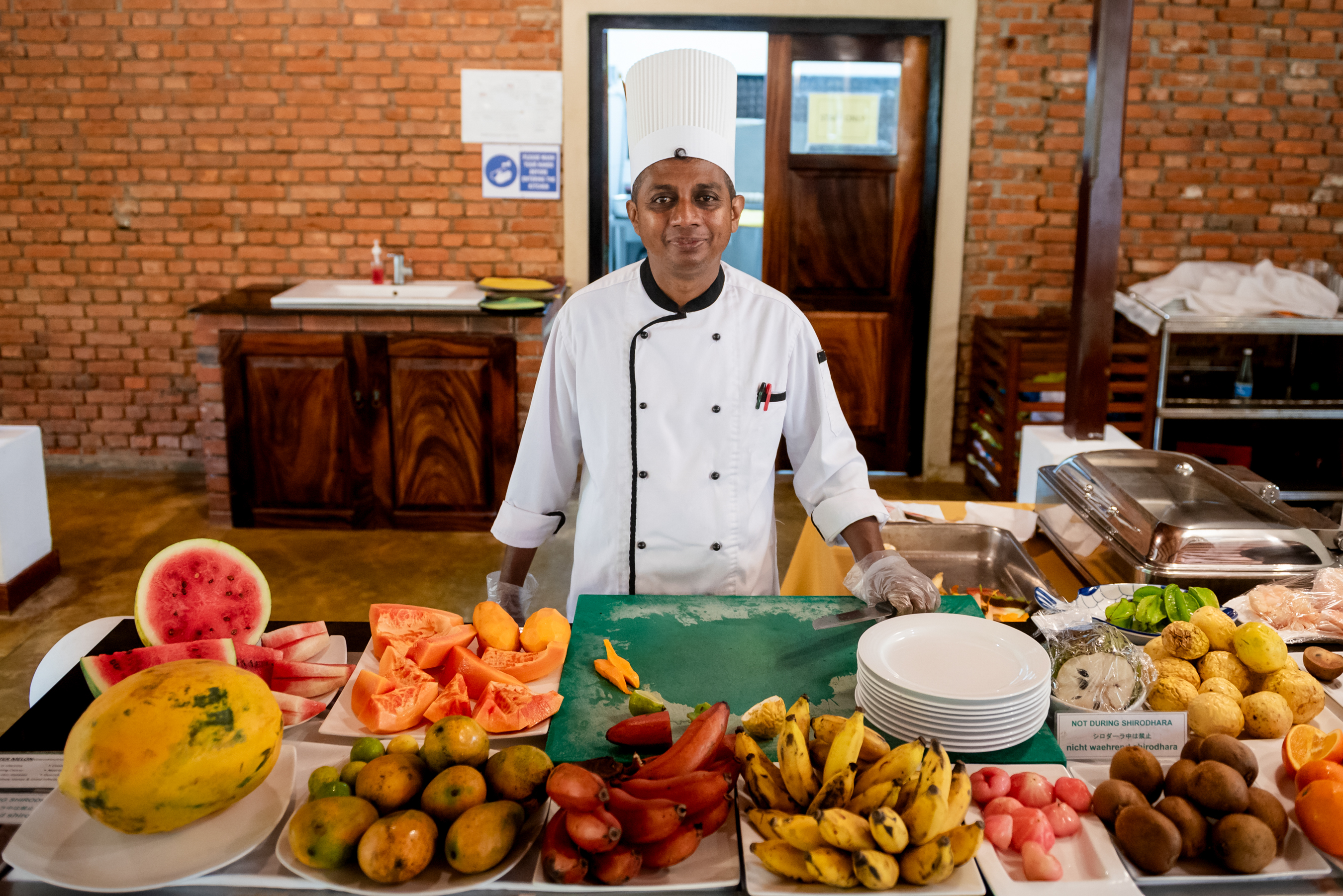
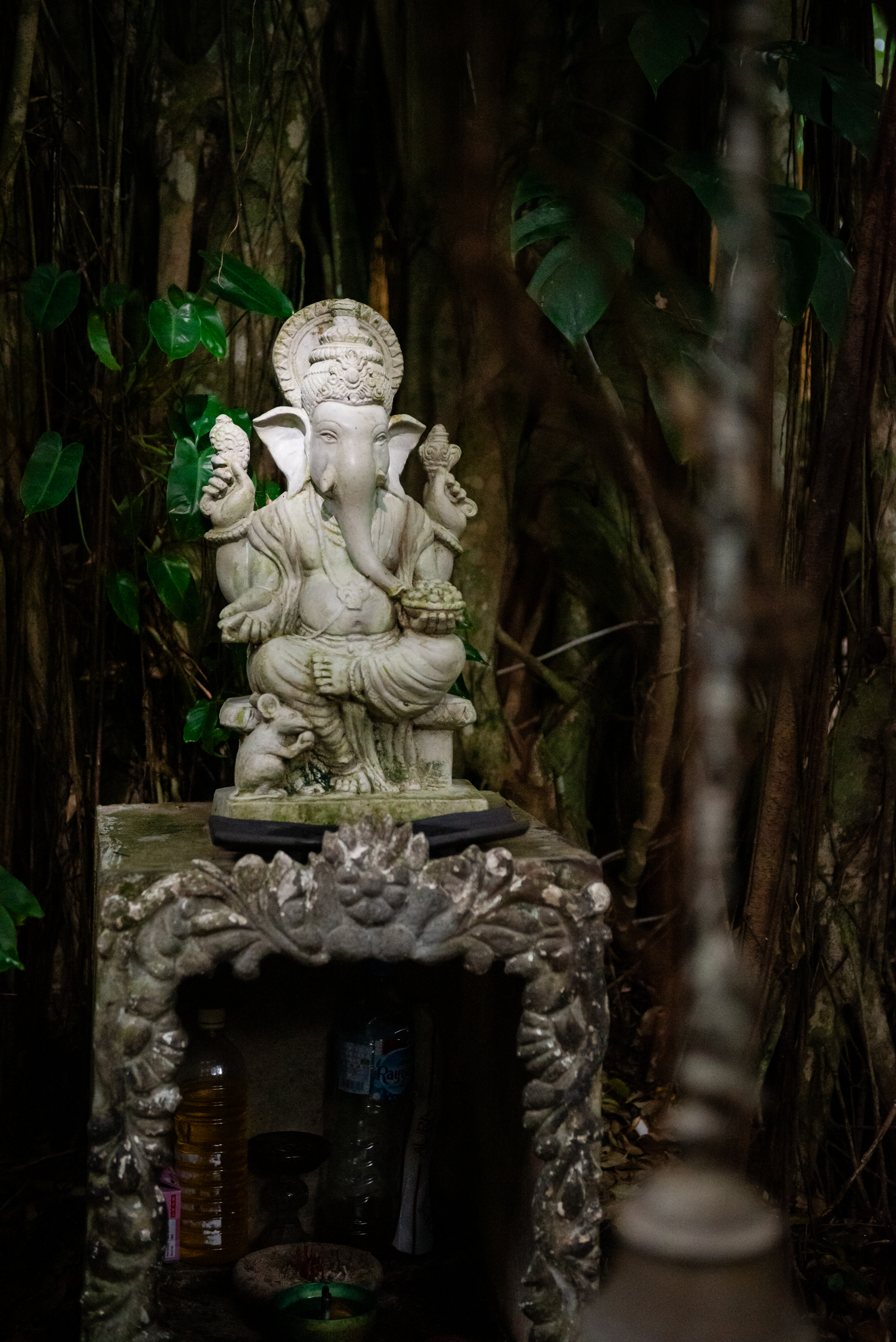
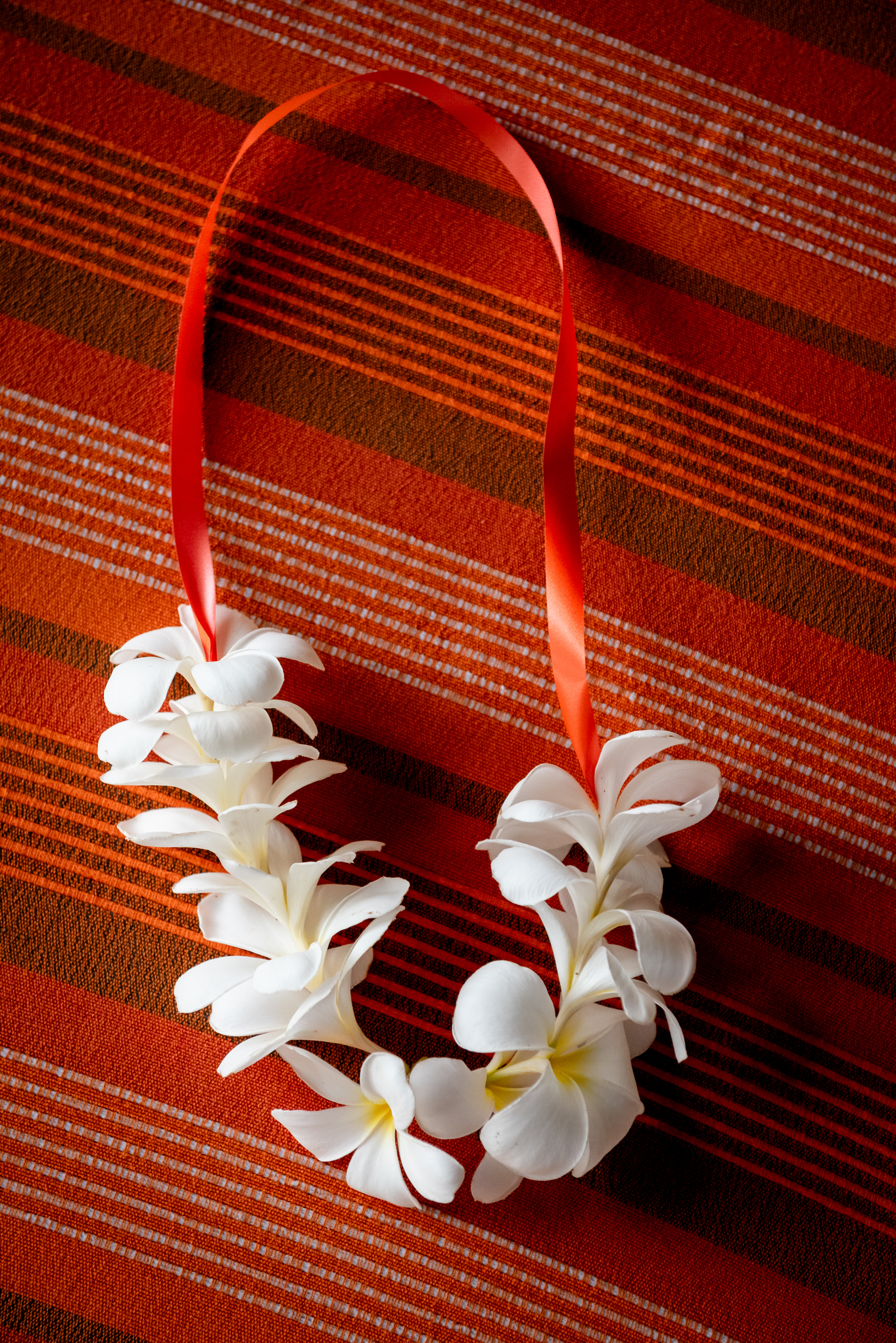
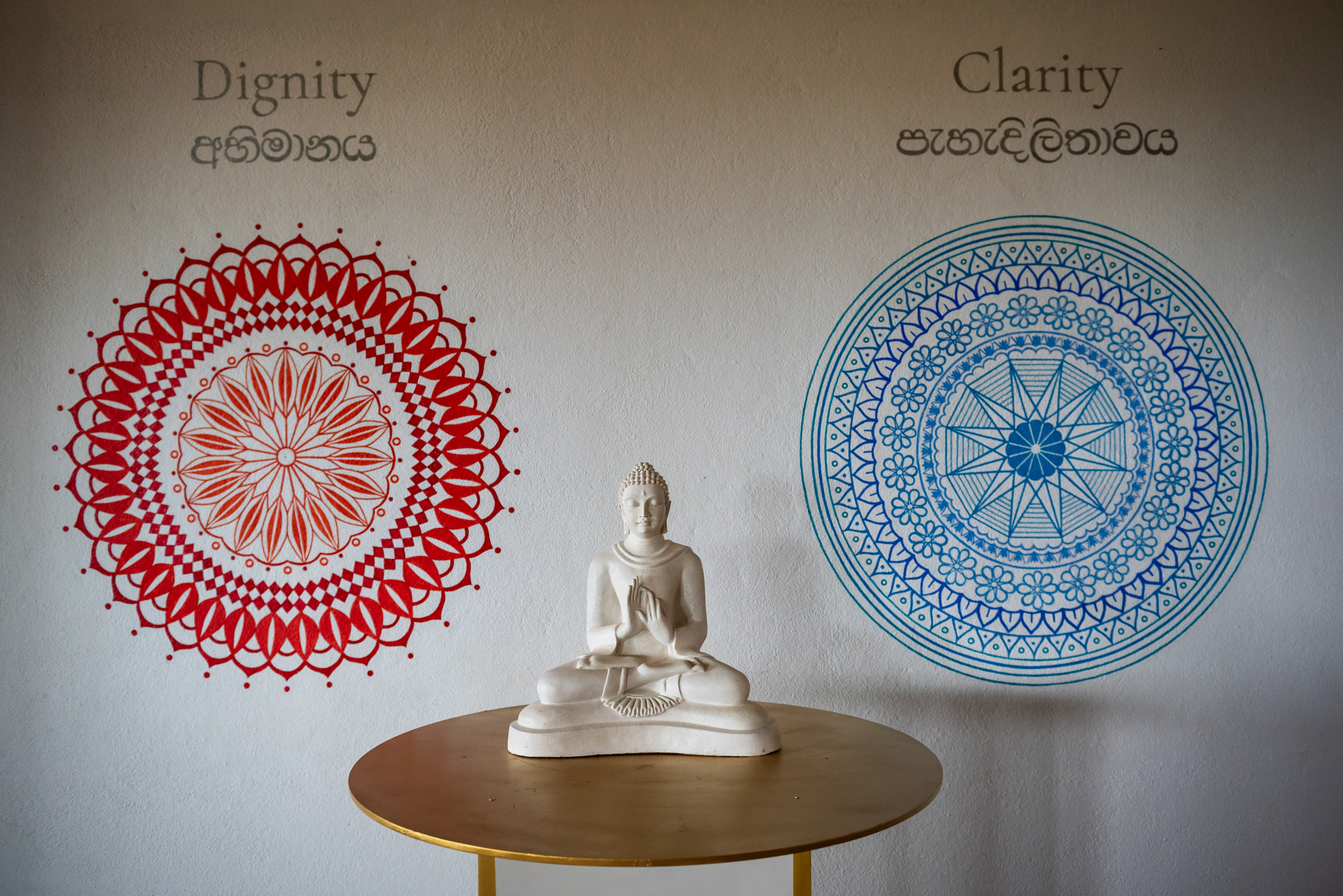
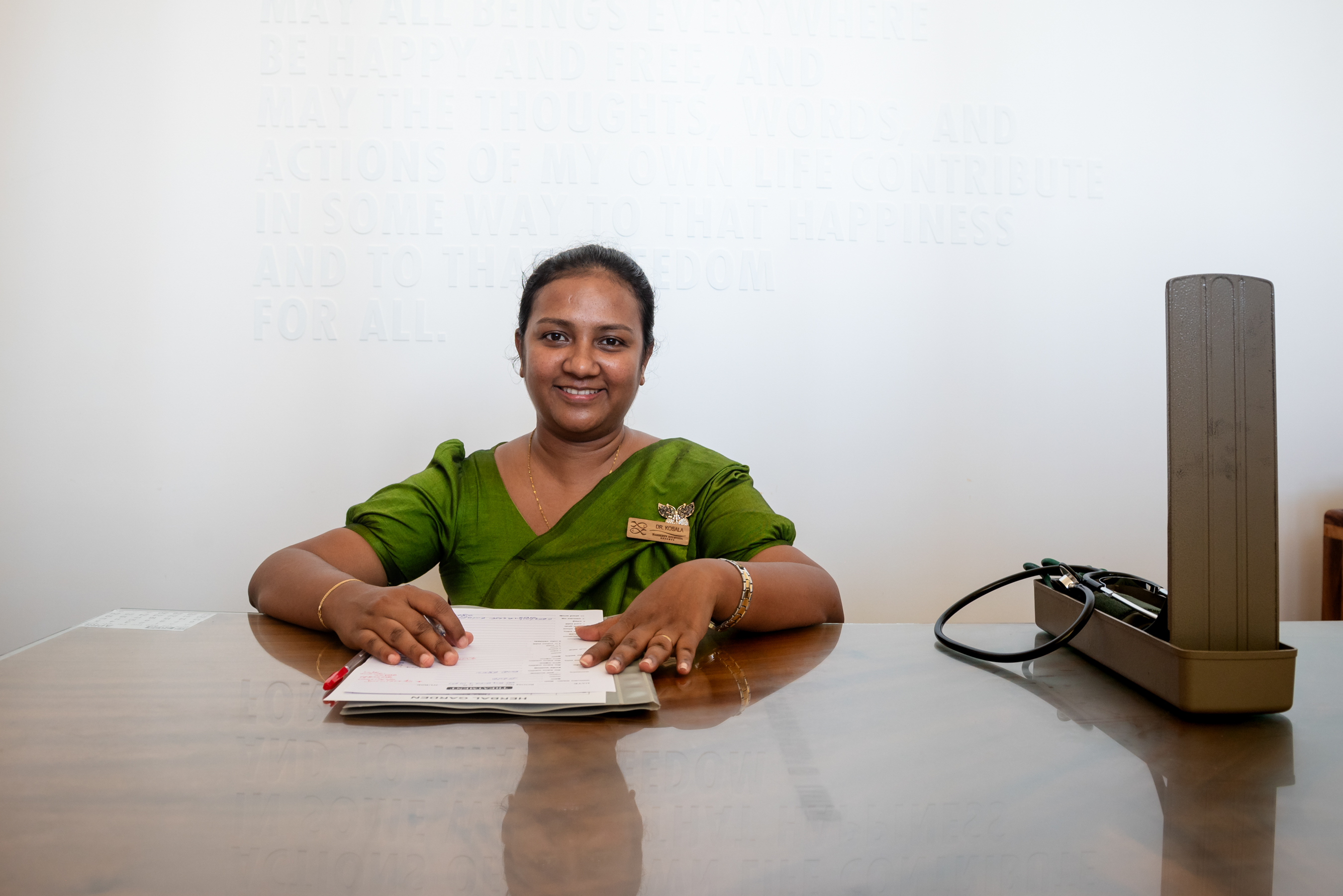
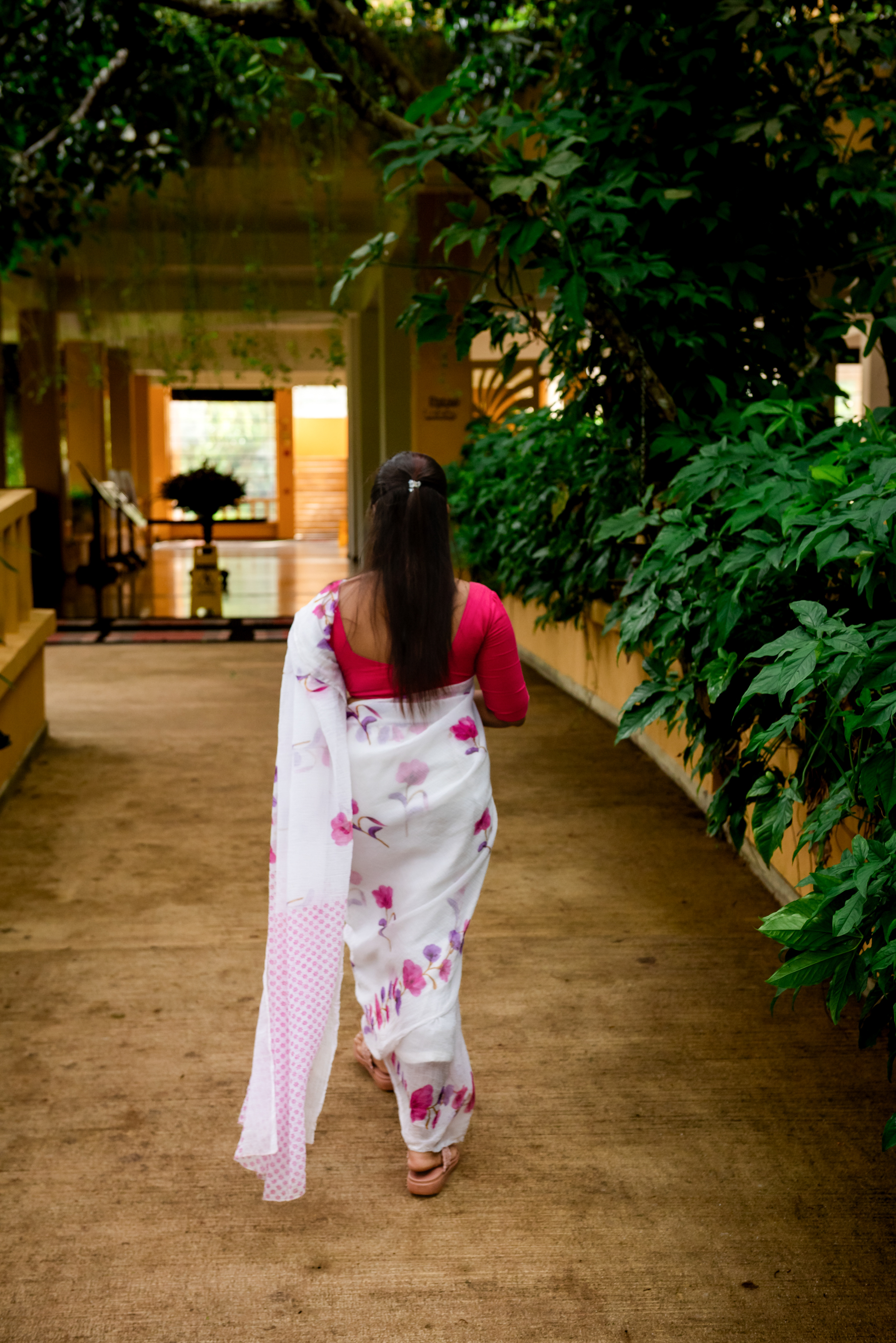
At Barberyn, that meant doctor-led care, herbal preparations, warm oil treatments, yoga, meditation, and a quieter daily rhythm. There was yoga at 6:30 in the morning and again at 4:00 in the afternoon. I tried acupuncture for ankle pain that had been bothering me for years. Fresh flowers were left on my bed each day. Between appointments, there were long barefoot walks along the beach, simple plant-based meals, lotus flowers in still water, and sudden coastal storms that rolled in quickly and turned the sky dark.
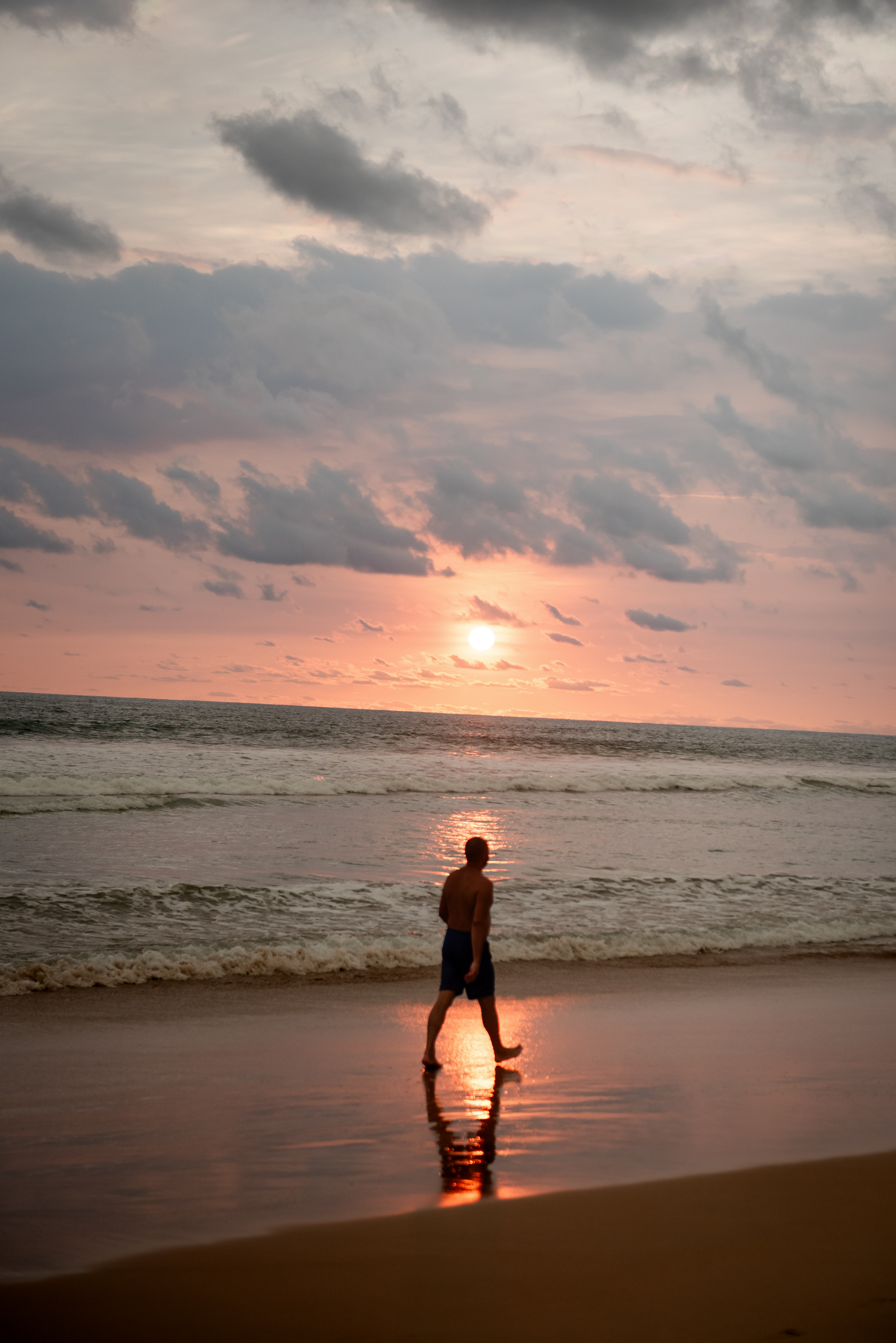
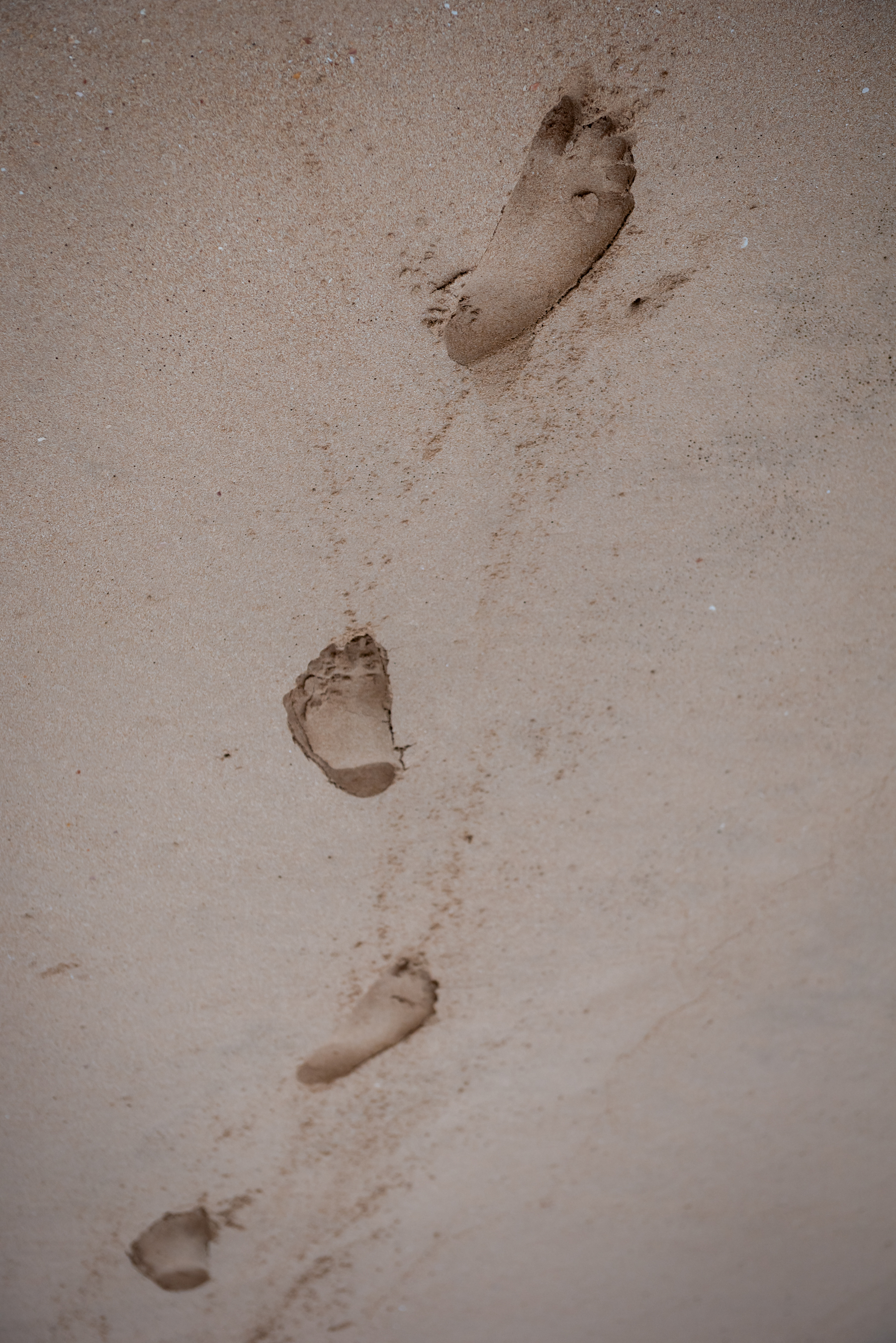
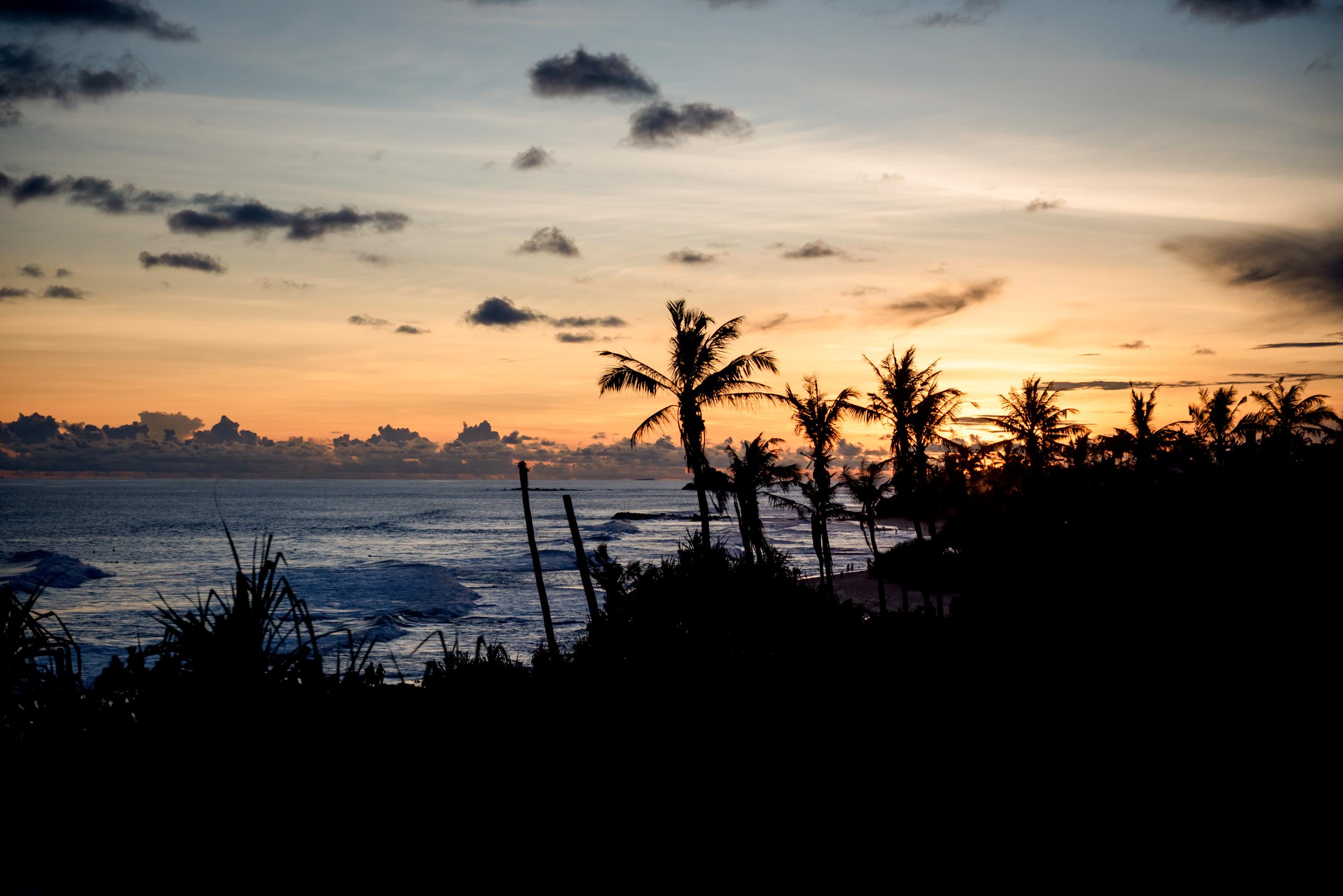
It was not the story, but it helped me prepare for the story.
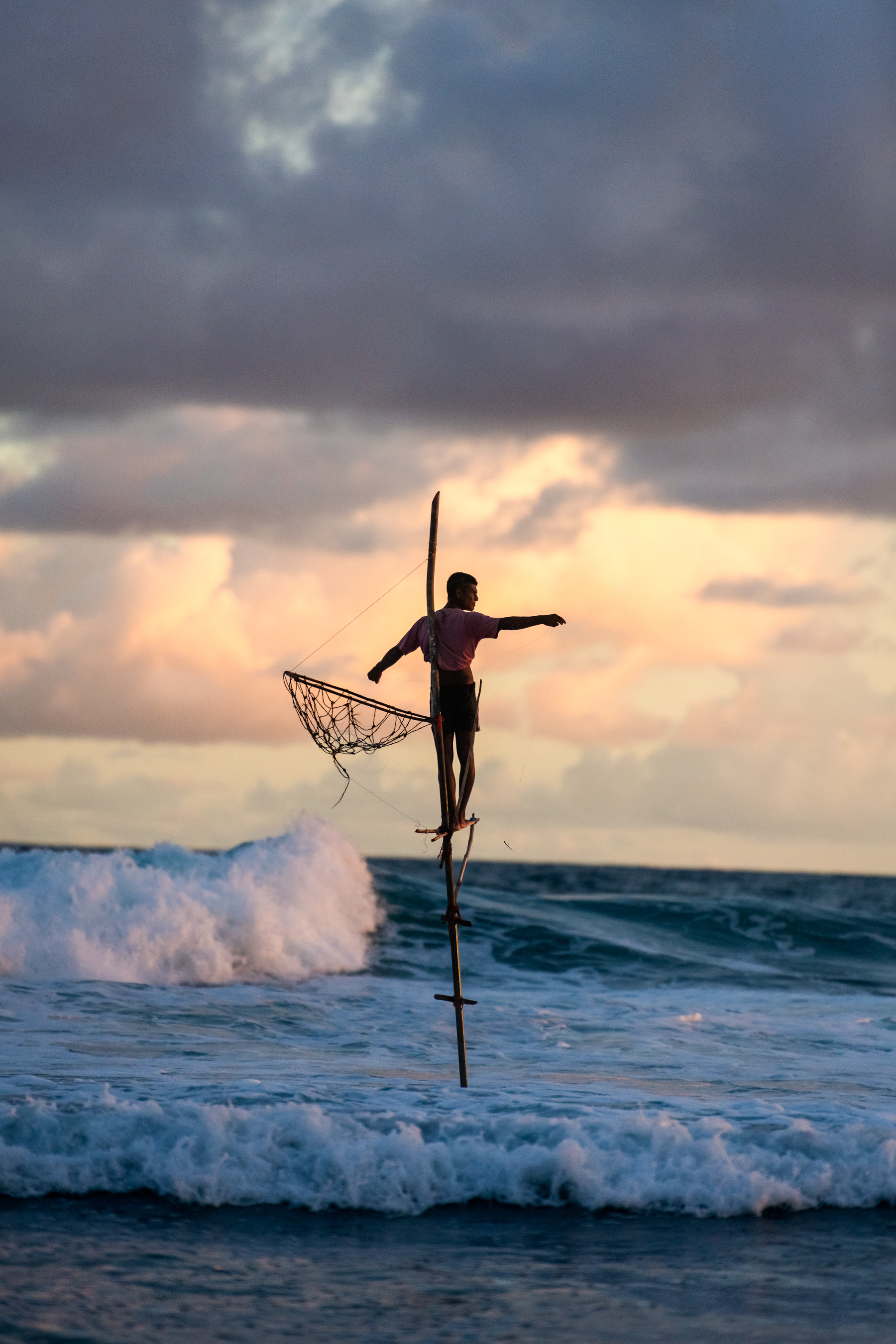
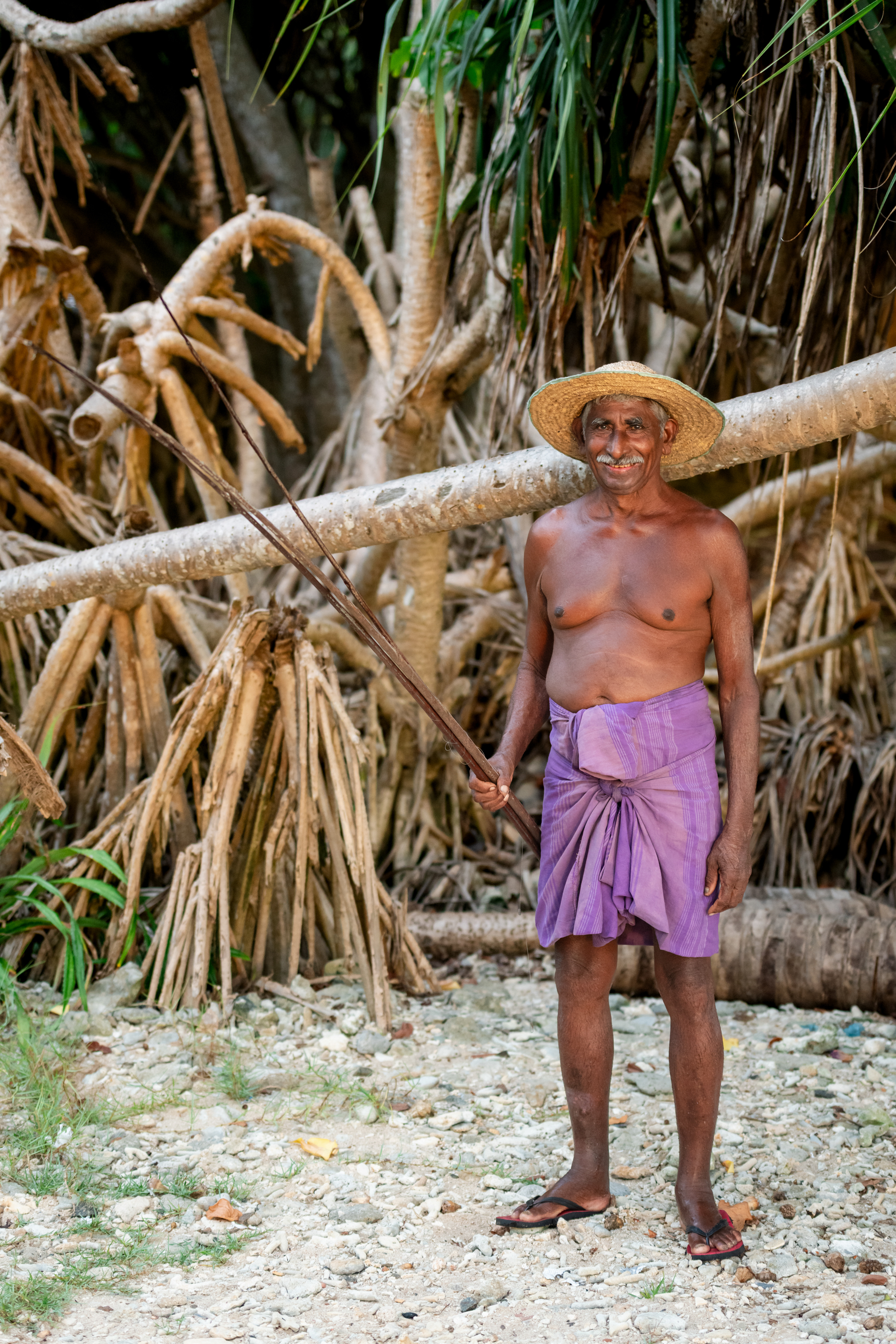
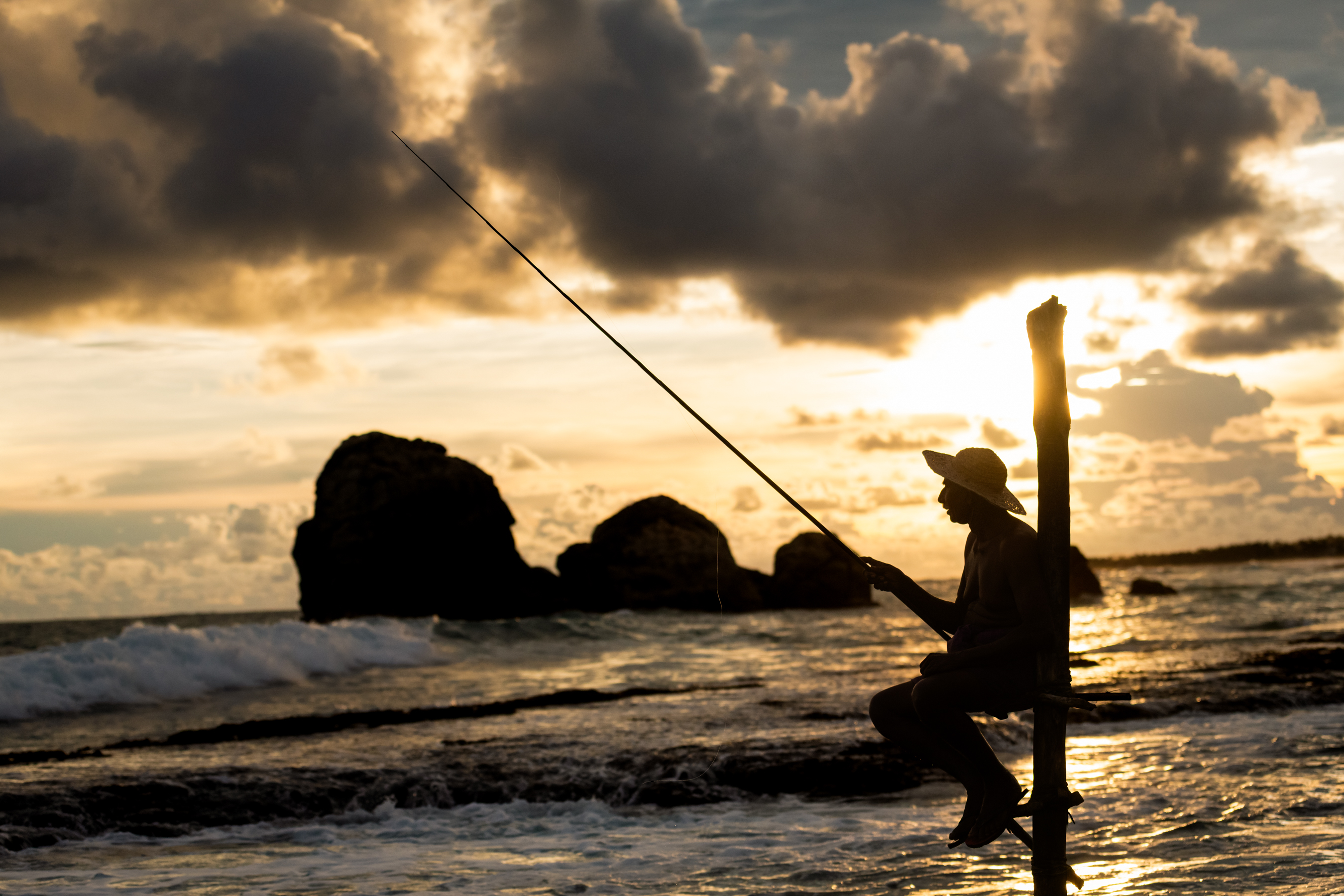
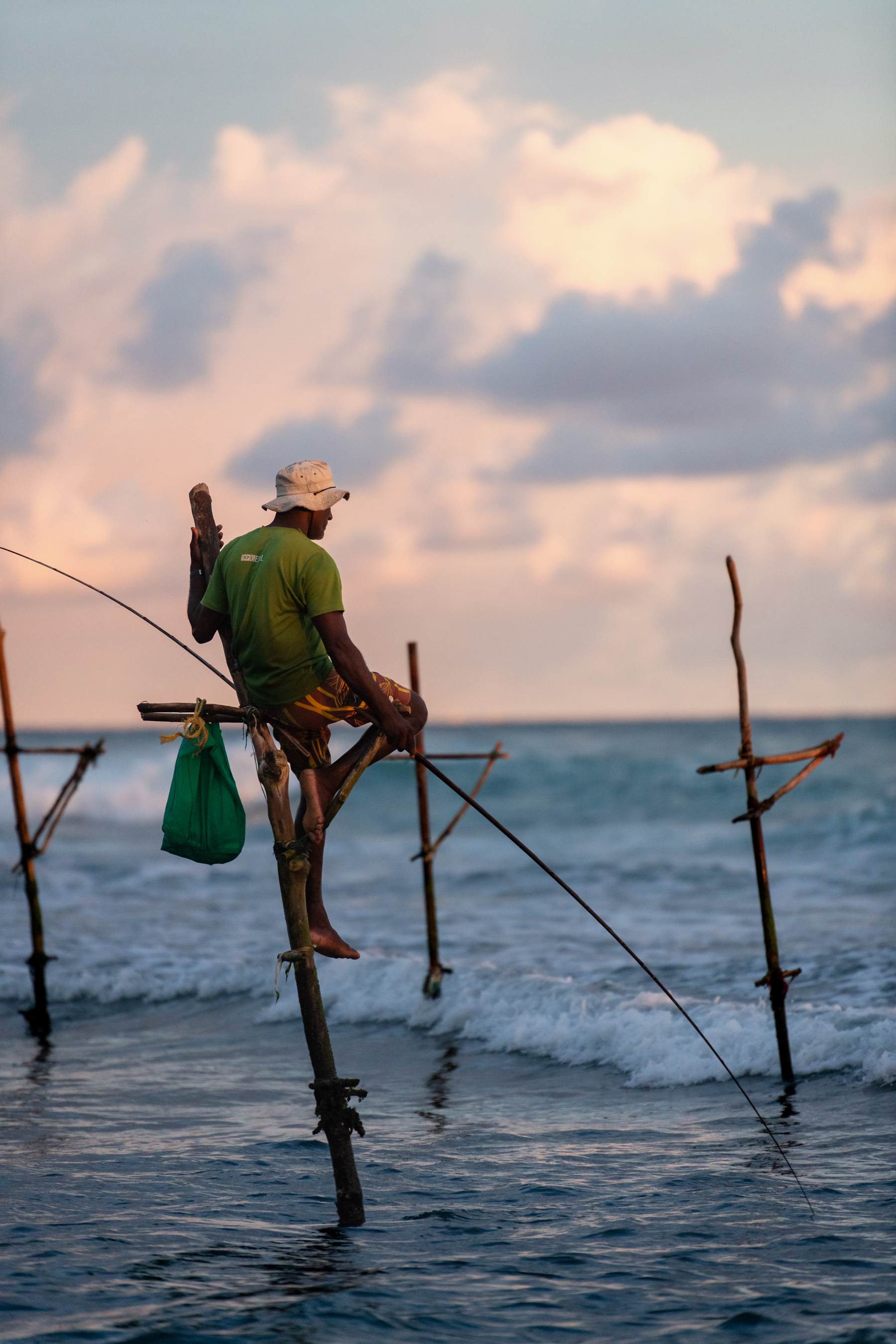
Near Weligama, the stilt fishermen brought me back to one of the first images that had placed Sri Lanka in my imagination years ago. At sunset, a fisherman balanced above the waves, his pole angled into the light, his body almost a silhouette against the surf. Another stood among tangled roots and palms, smiling with the quiet ease of someone deeply tied to the sea. It was beautiful, but not simply beautiful. It was labor, tradition, performance, survival, and image-making all meeting at the edge of the ocean.
I remember thinking, even before the work with CAL fully began, that Sri Lanka is the kind of place people should experience with their eyes open. Not just to photograph what is beautiful, but to learn how beauty, history, and responsibility can live in the same frame. A photography journey here could never be only about better images. It would have to be about better seeing.
And that is exactly what Child Action Lanka began to teach me.
The first center I visited was in Talpe, a small town between Galle and Weligama. It is an area close to the beauty and benefits of tourism along the beach, but away from the hotels, restaurants, surf spots, and beach traffic are small villages where families still struggle. That is where Child Action Lanka comes in.
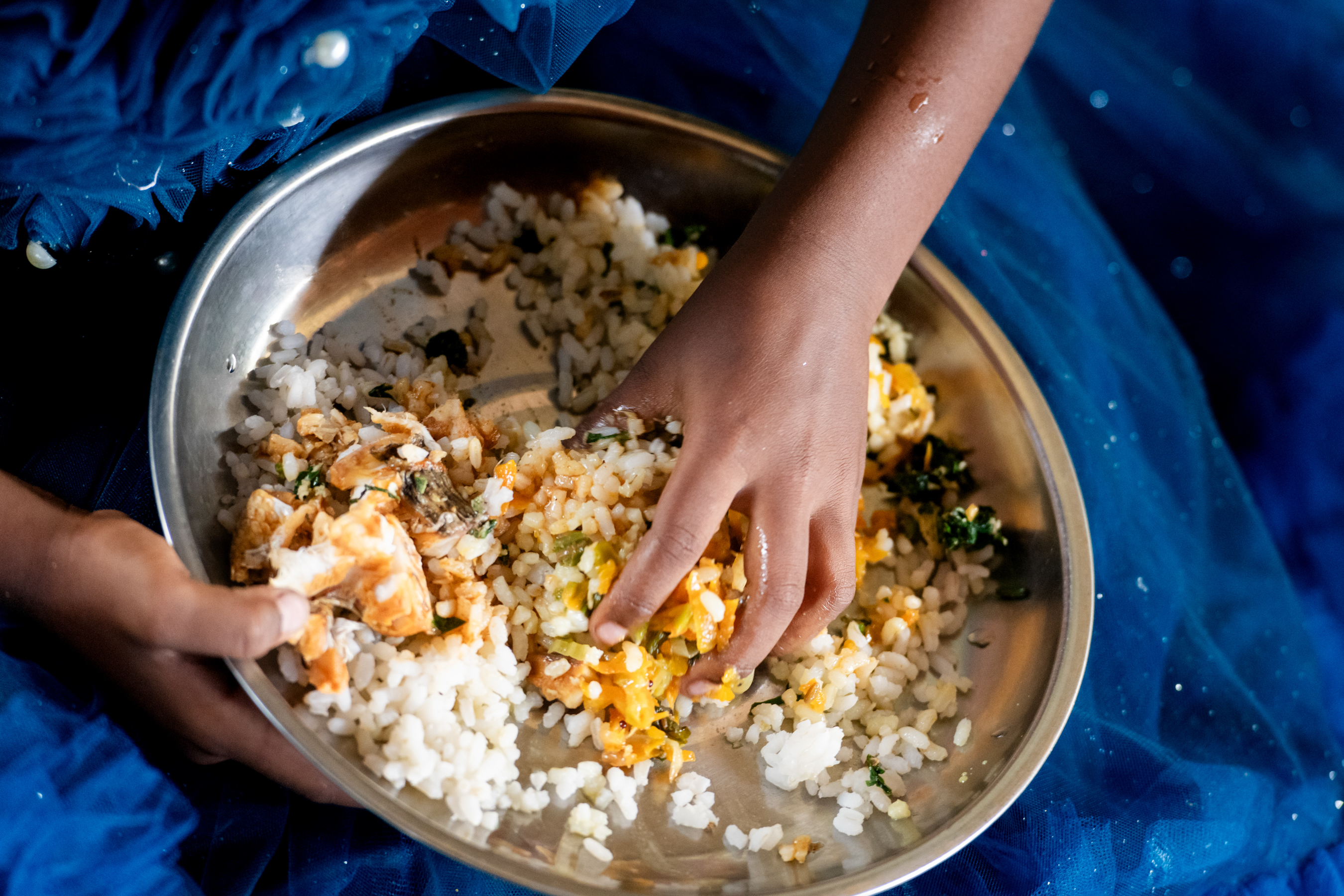
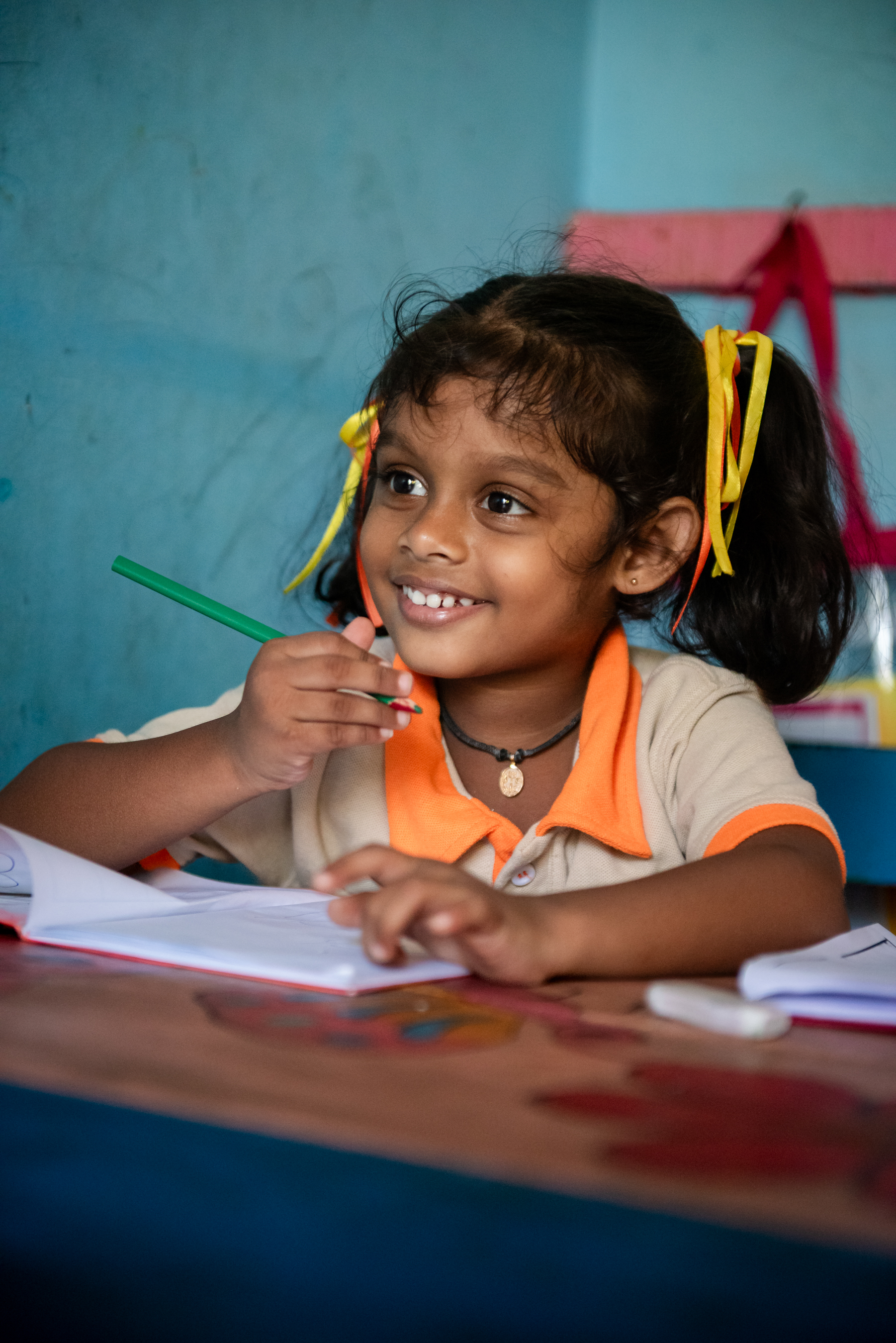
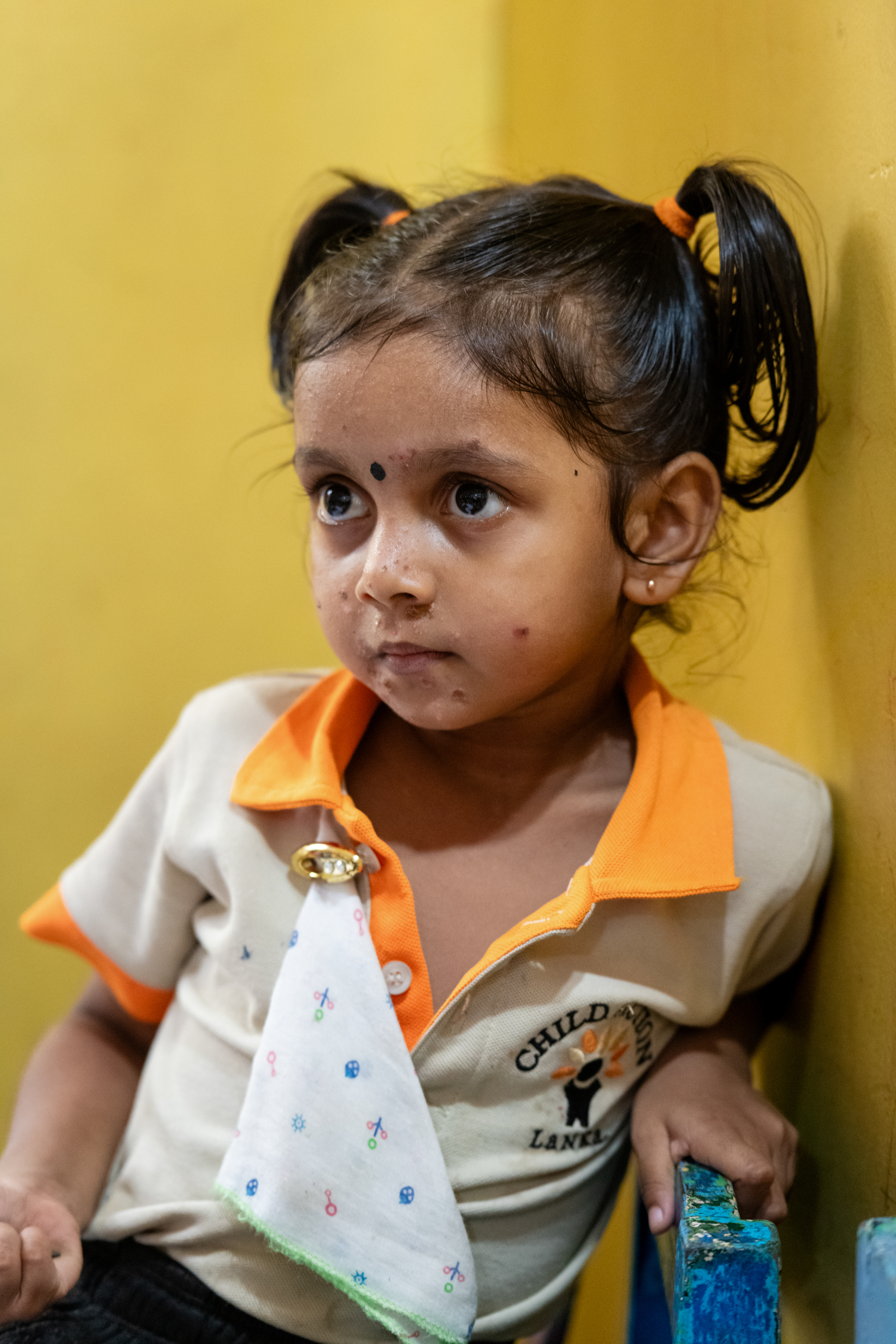
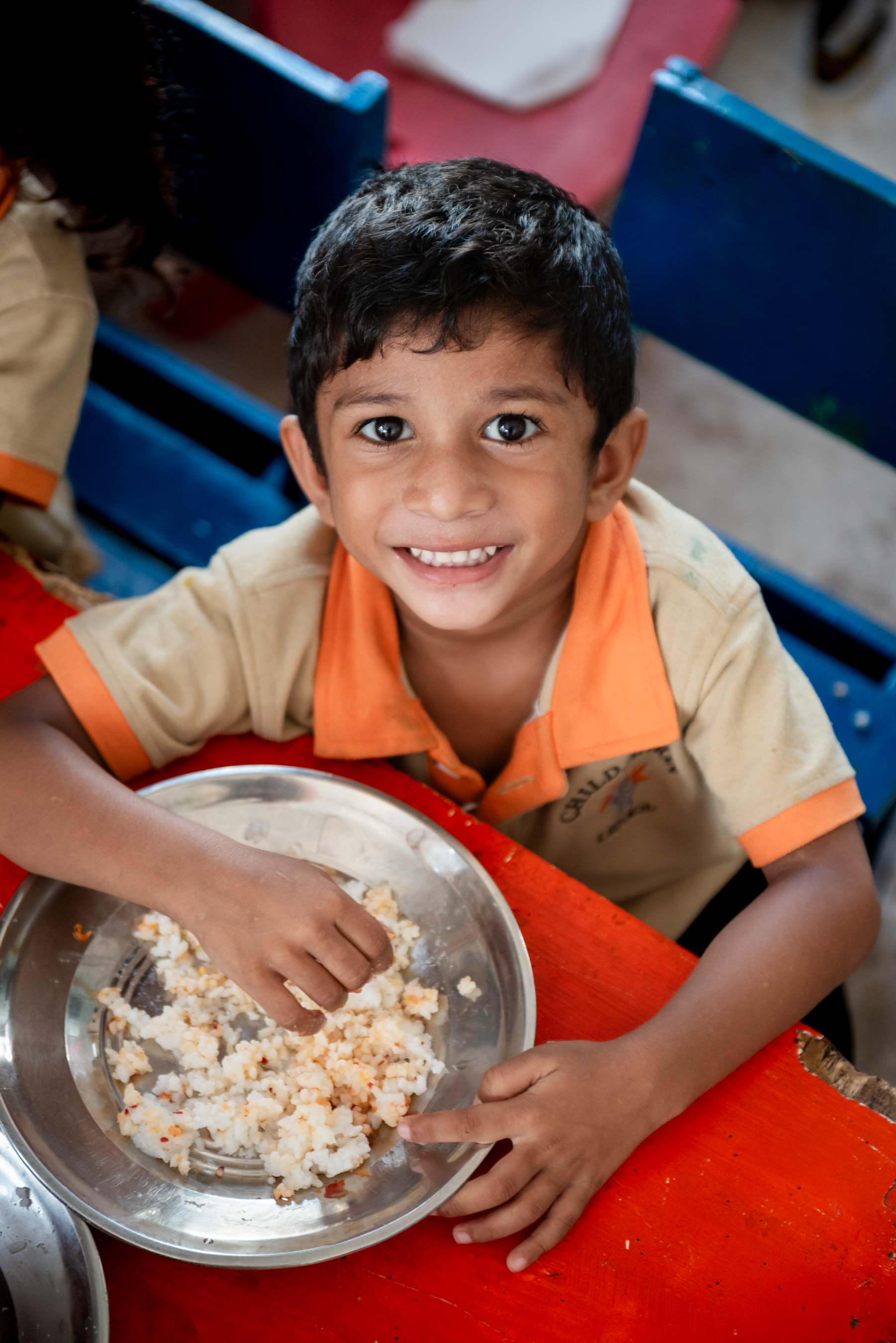
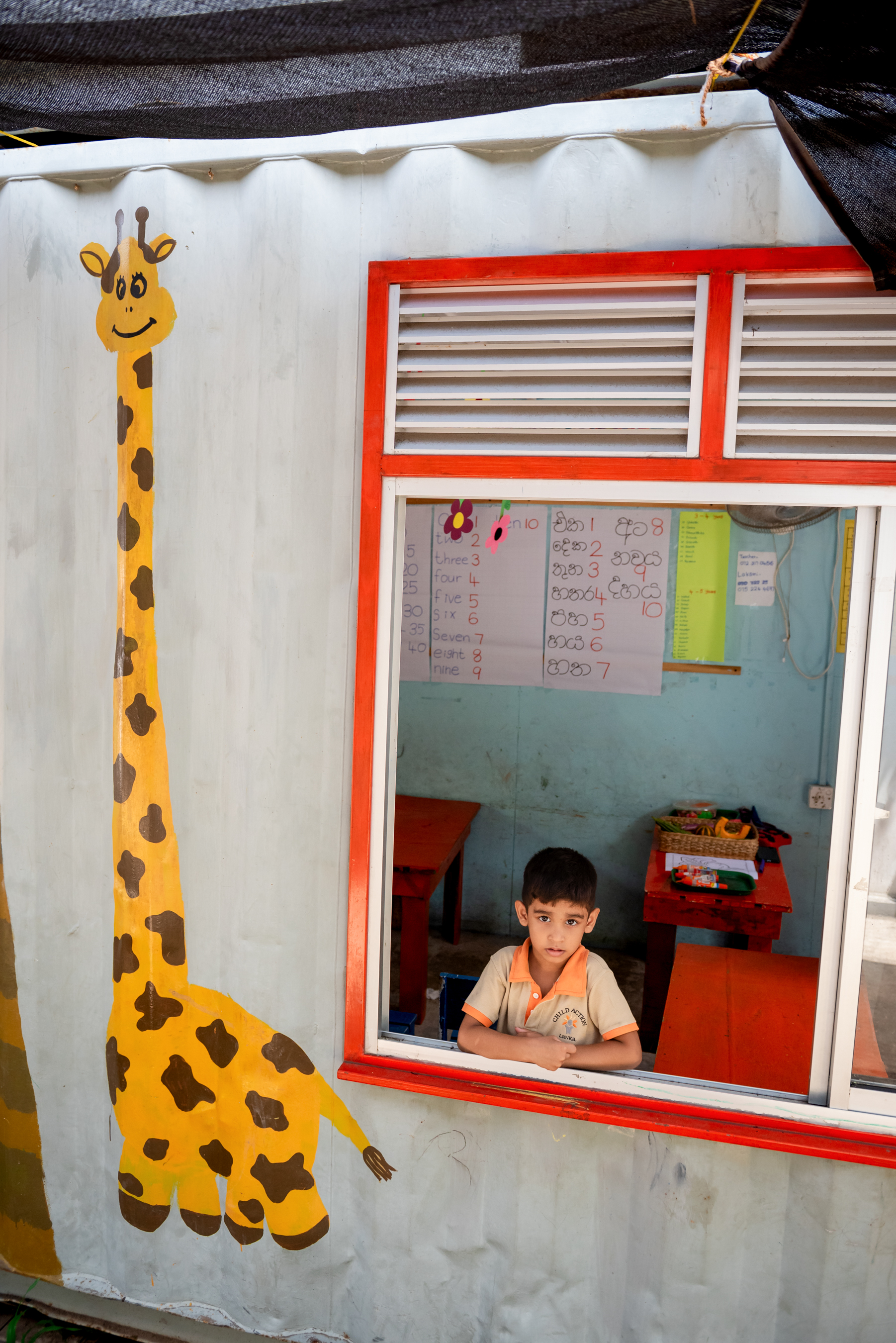
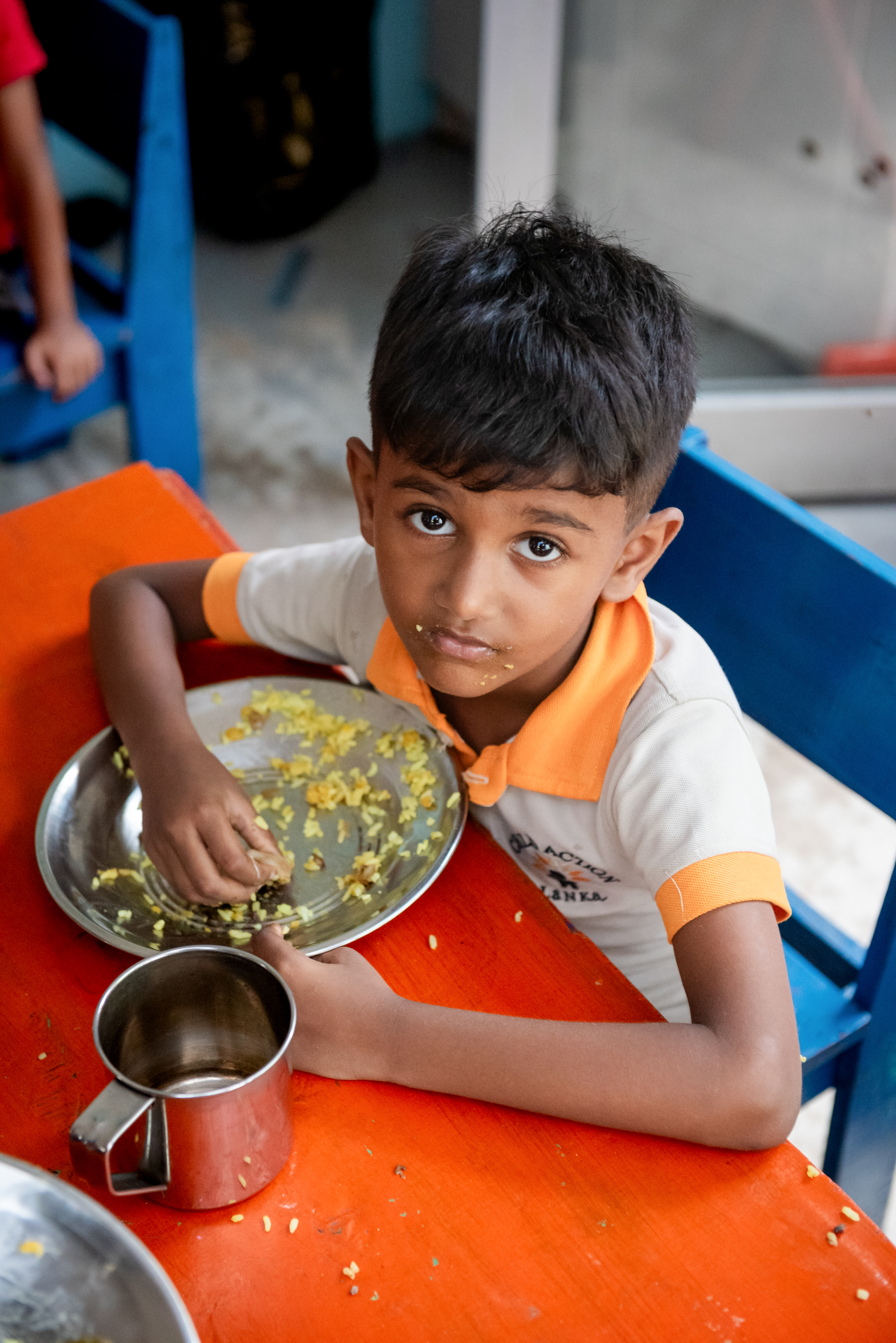
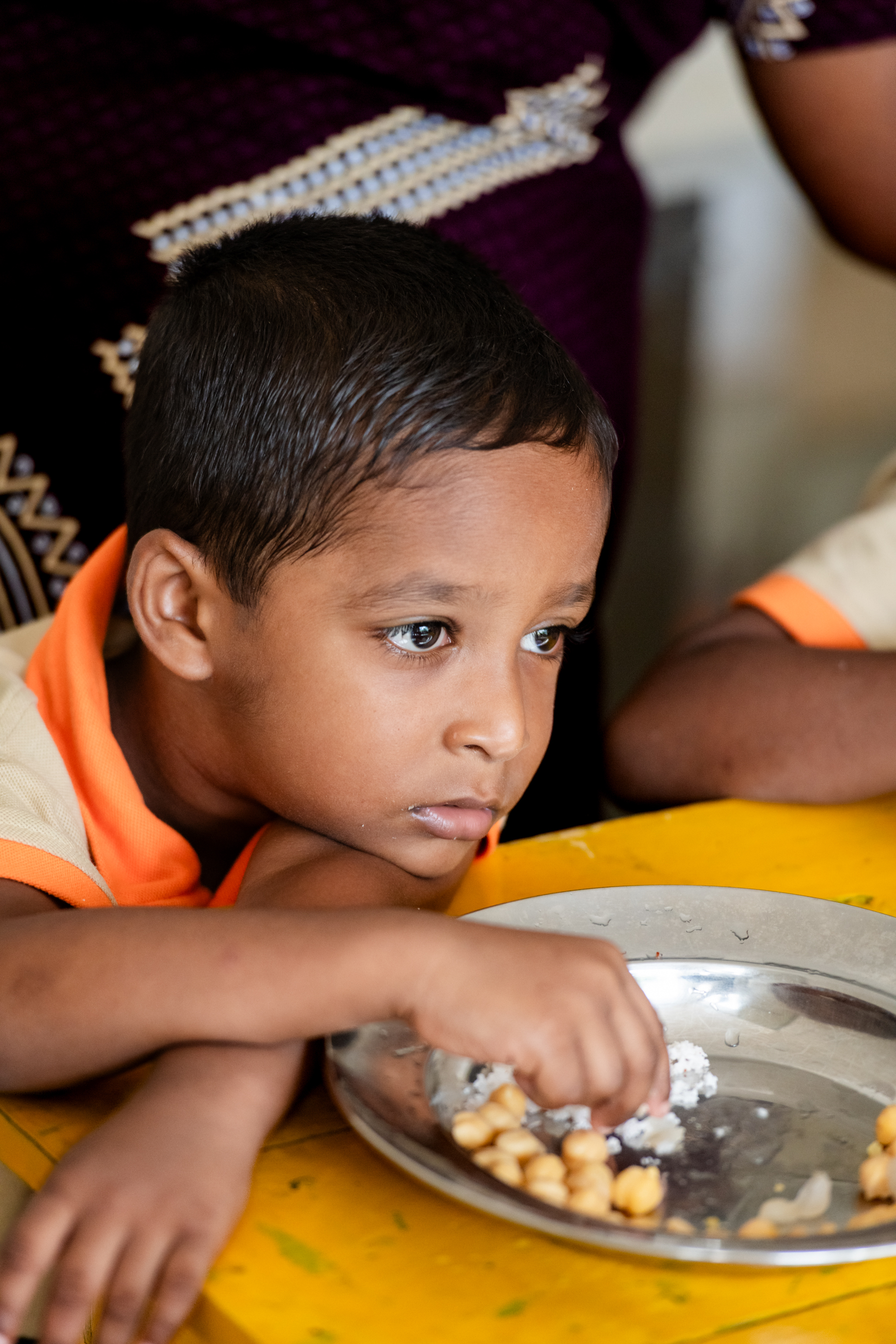
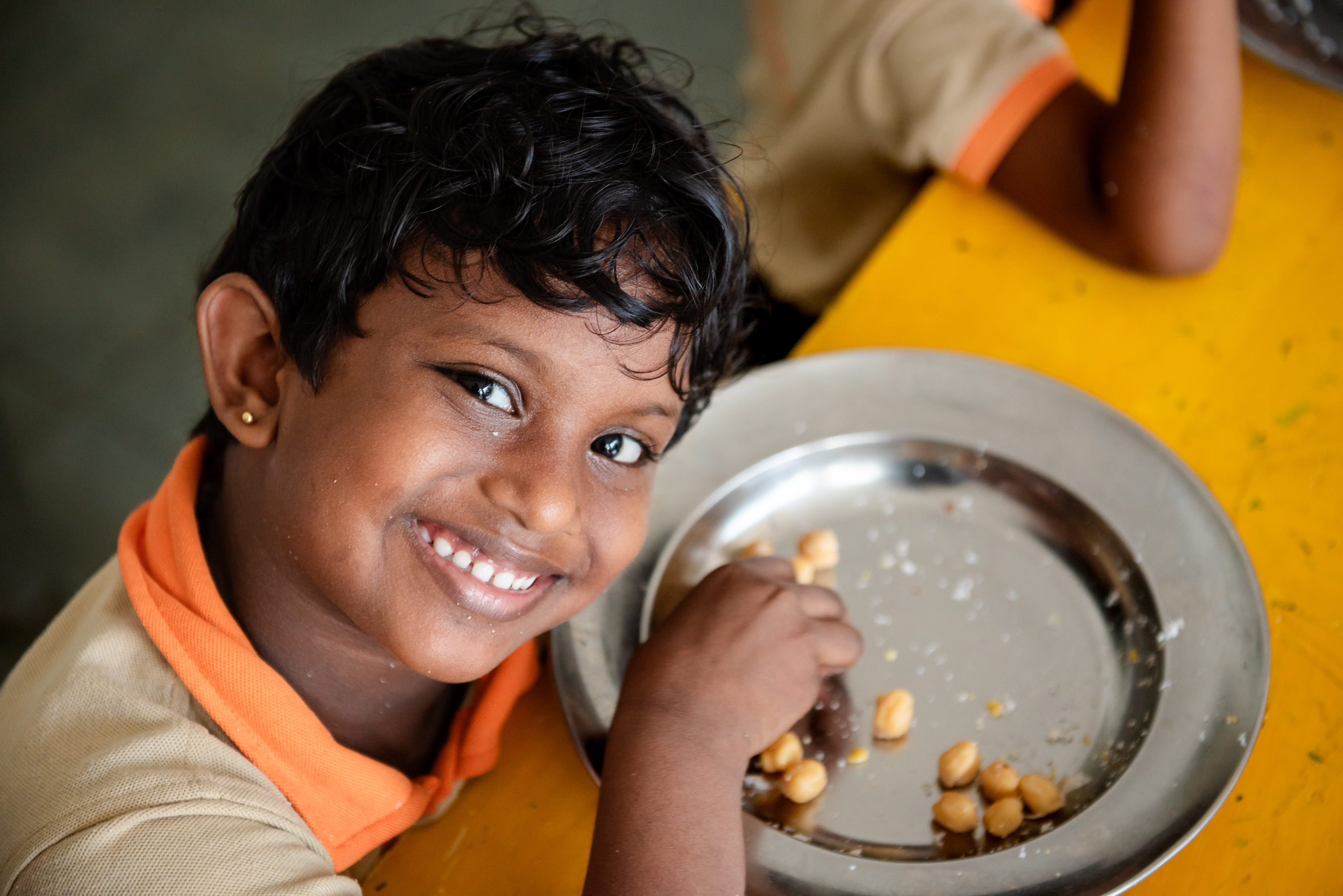
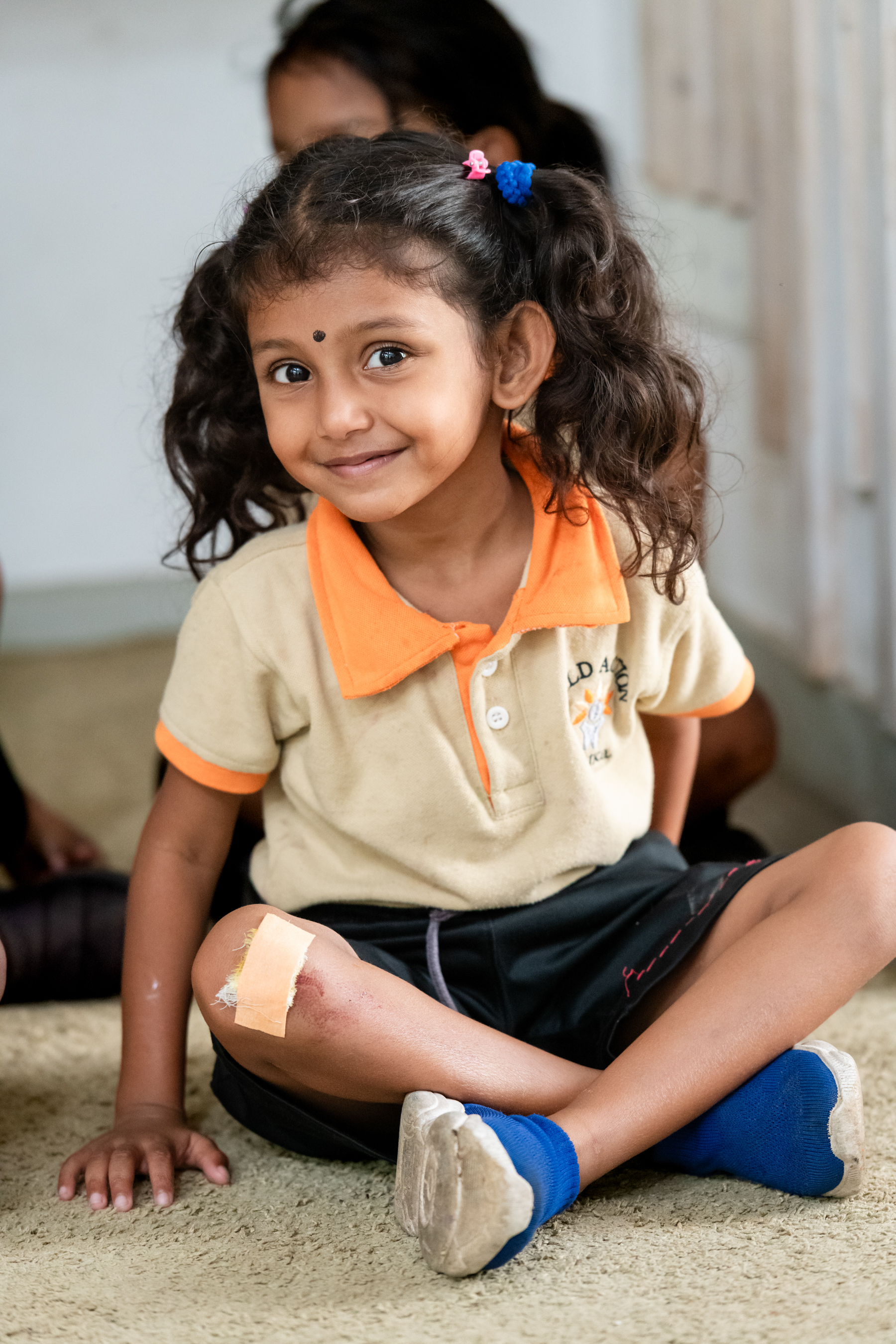
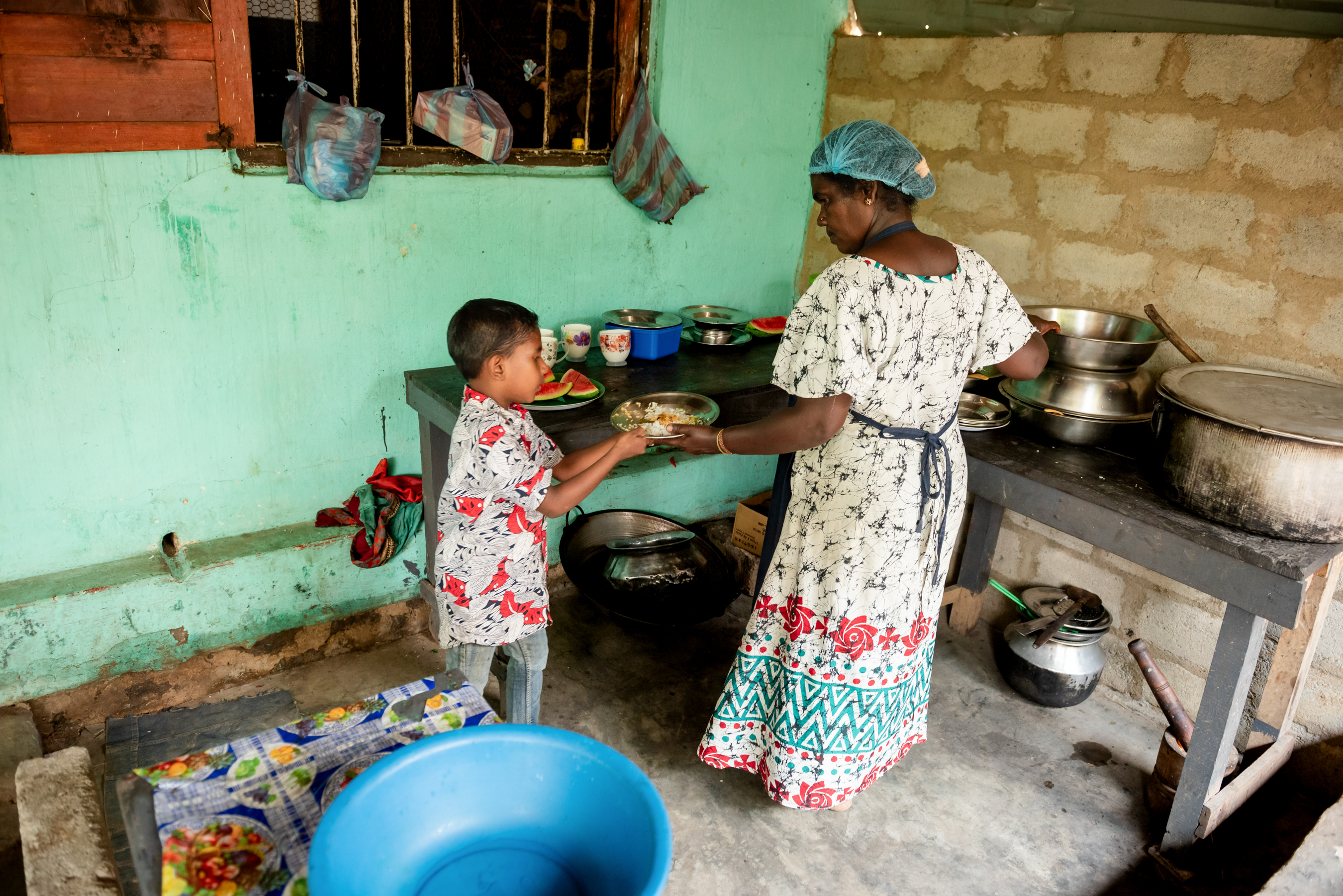
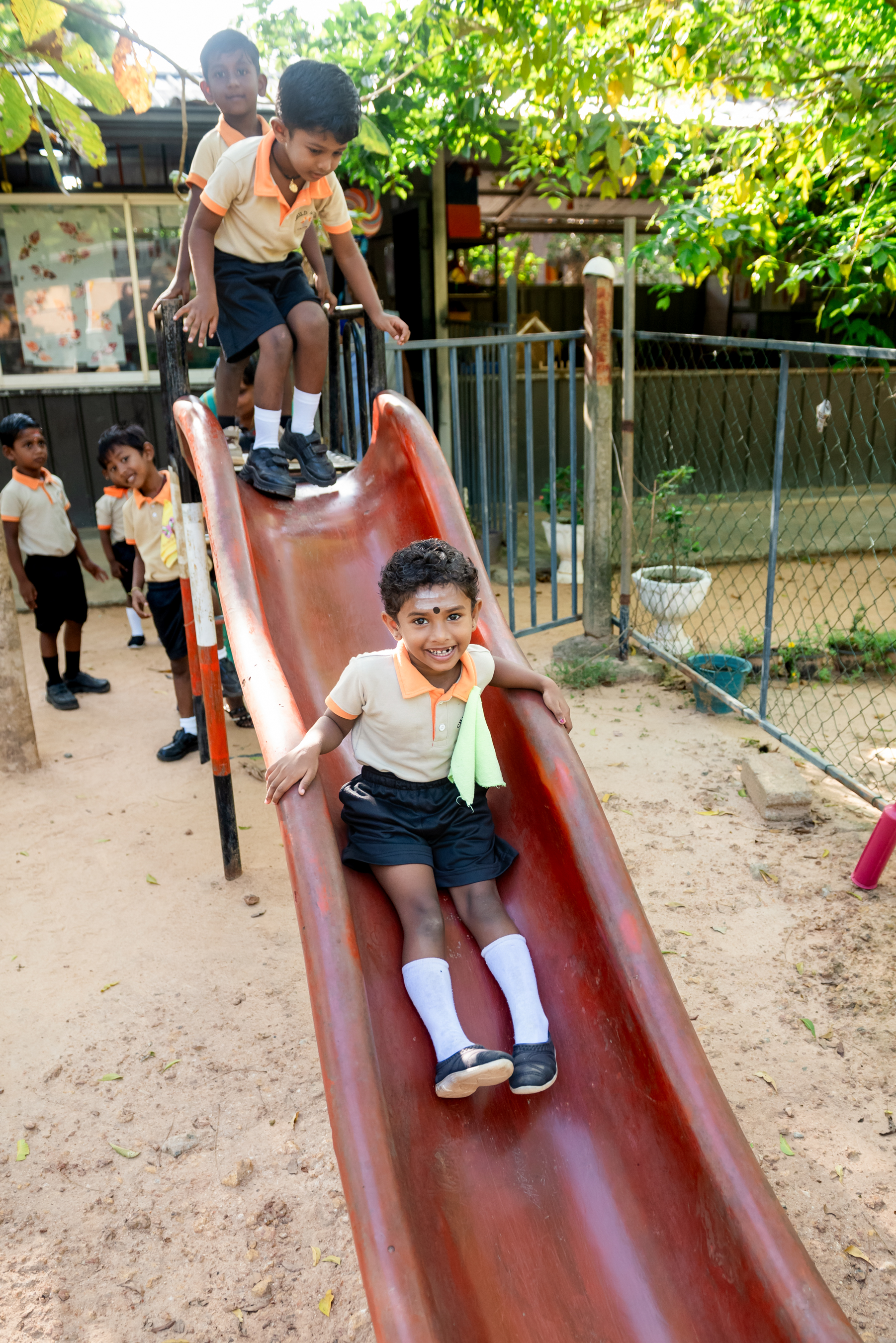
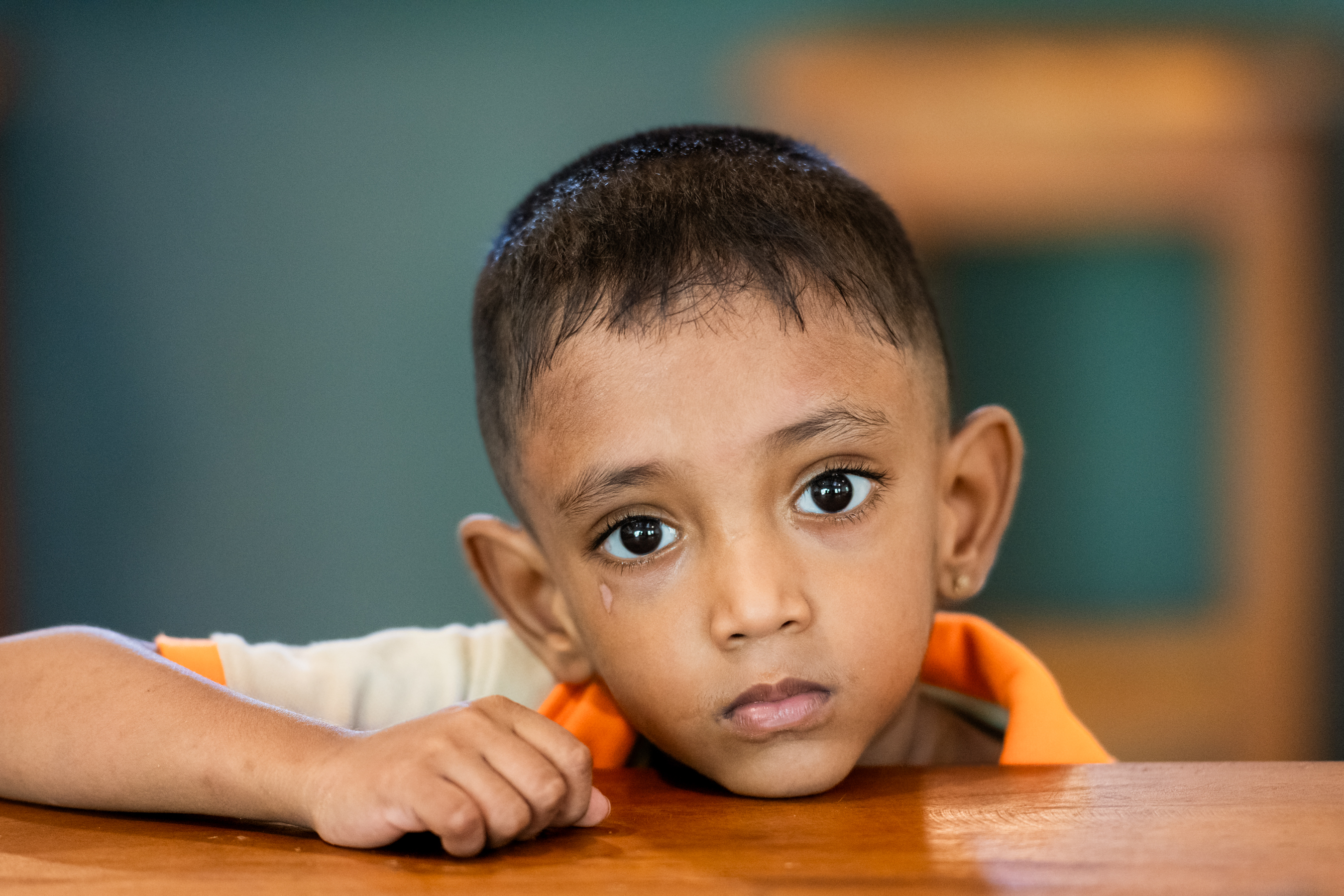
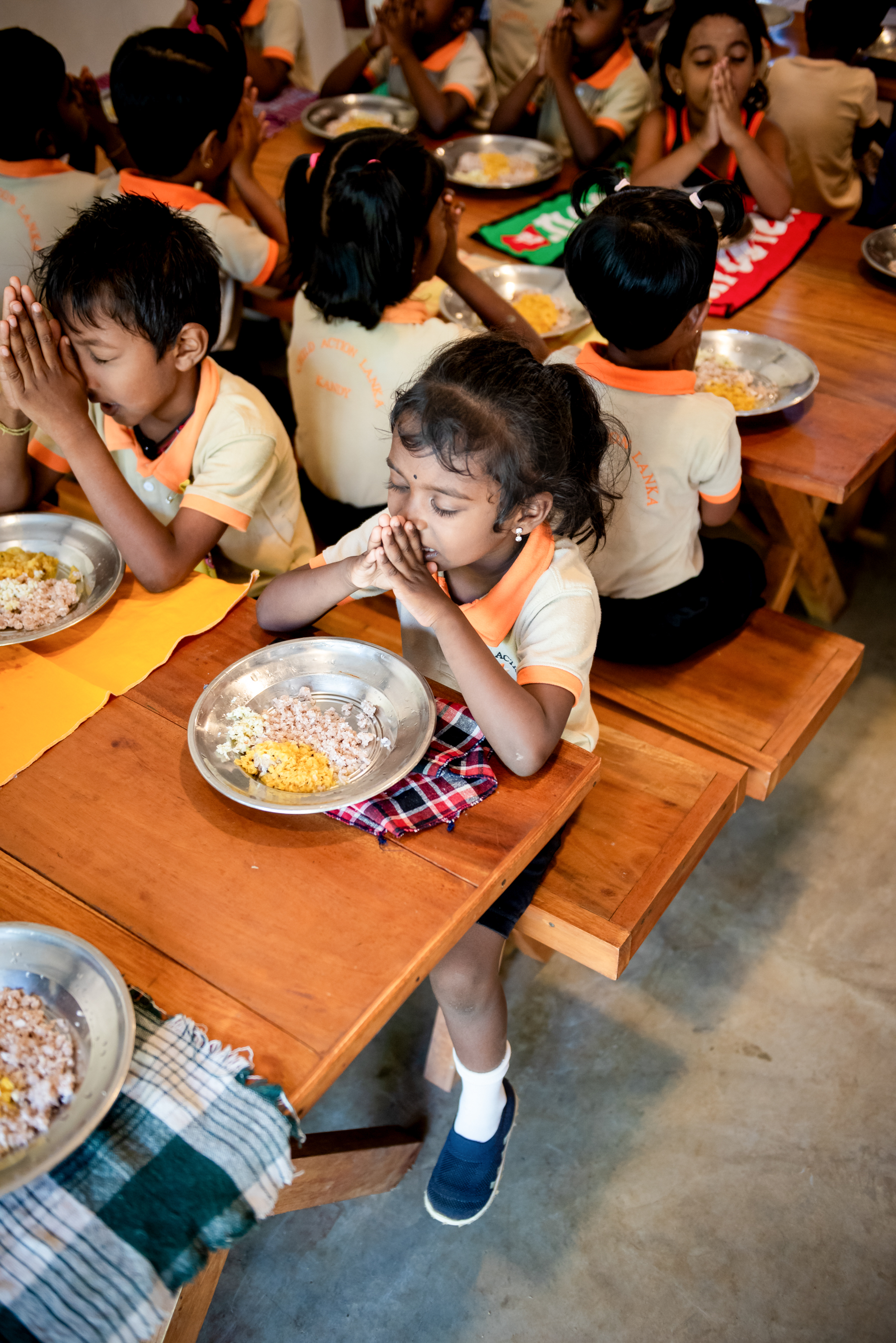
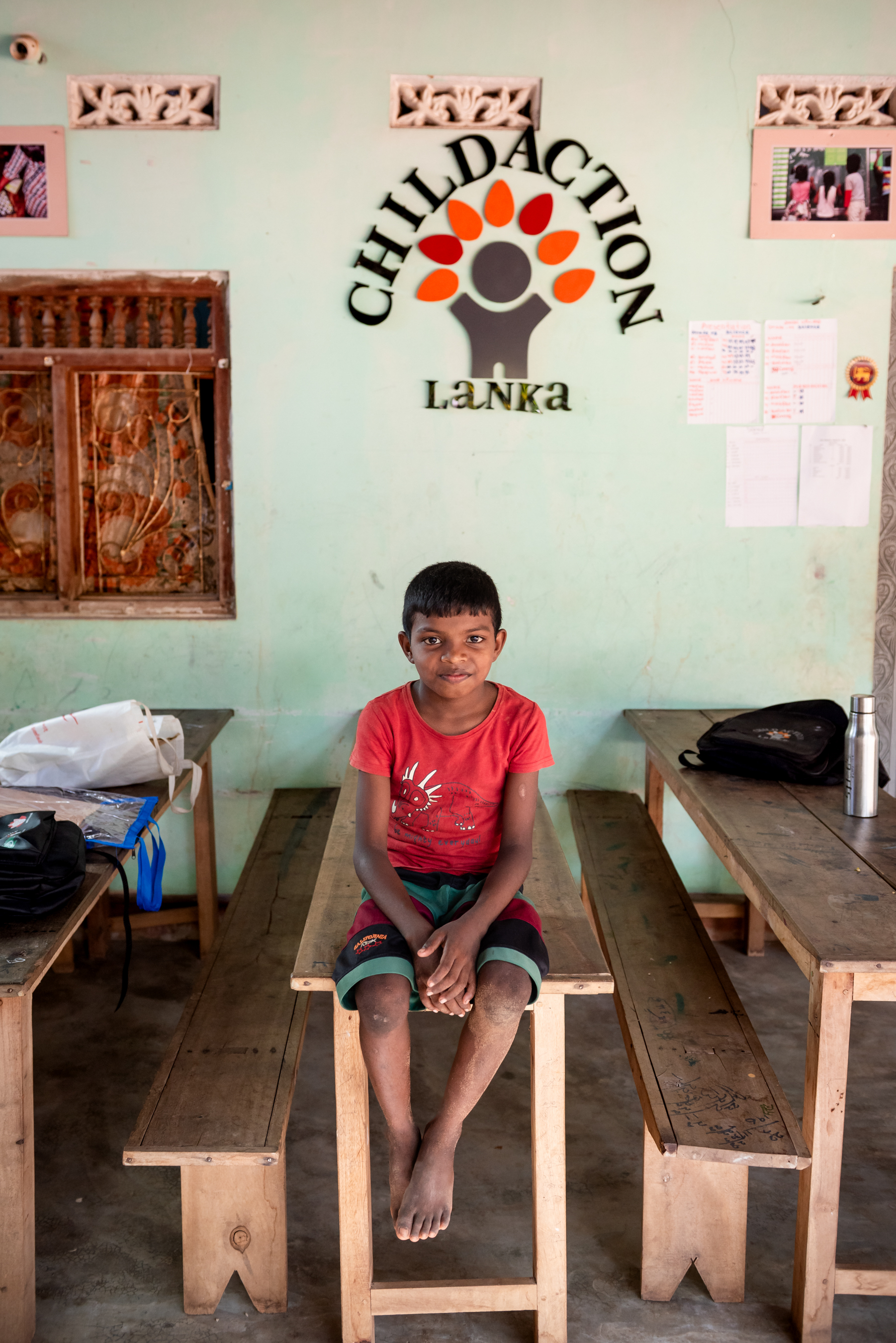
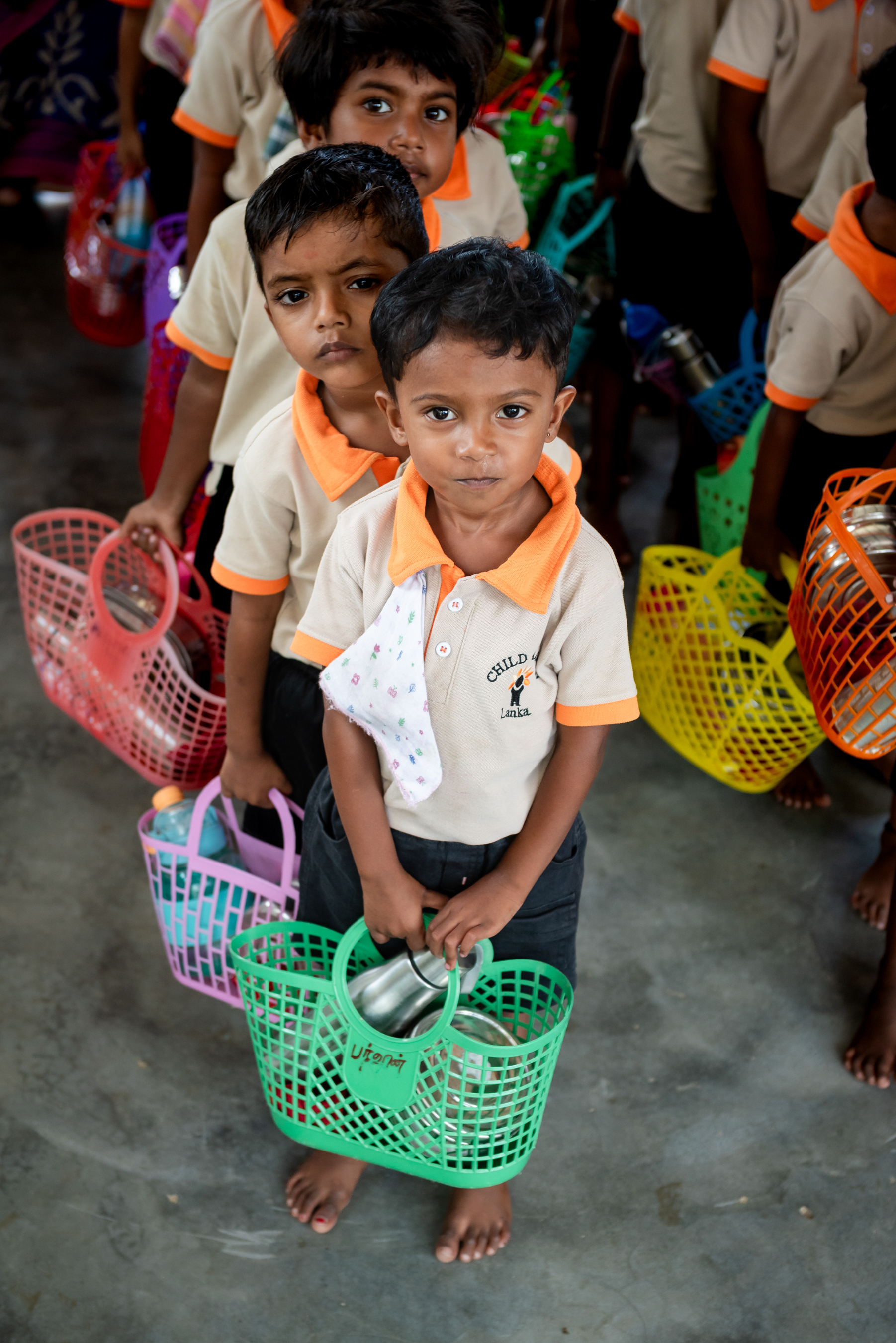
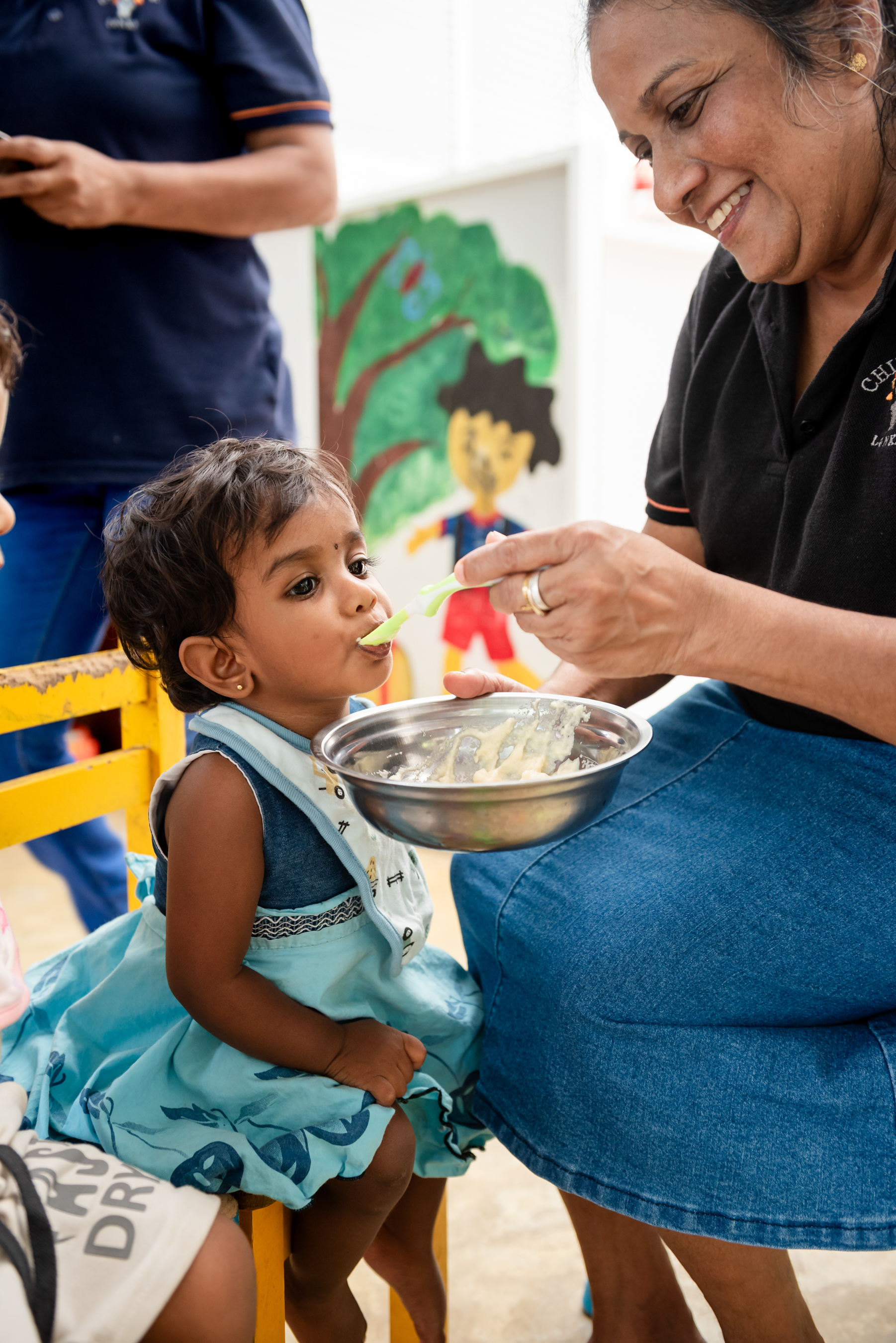
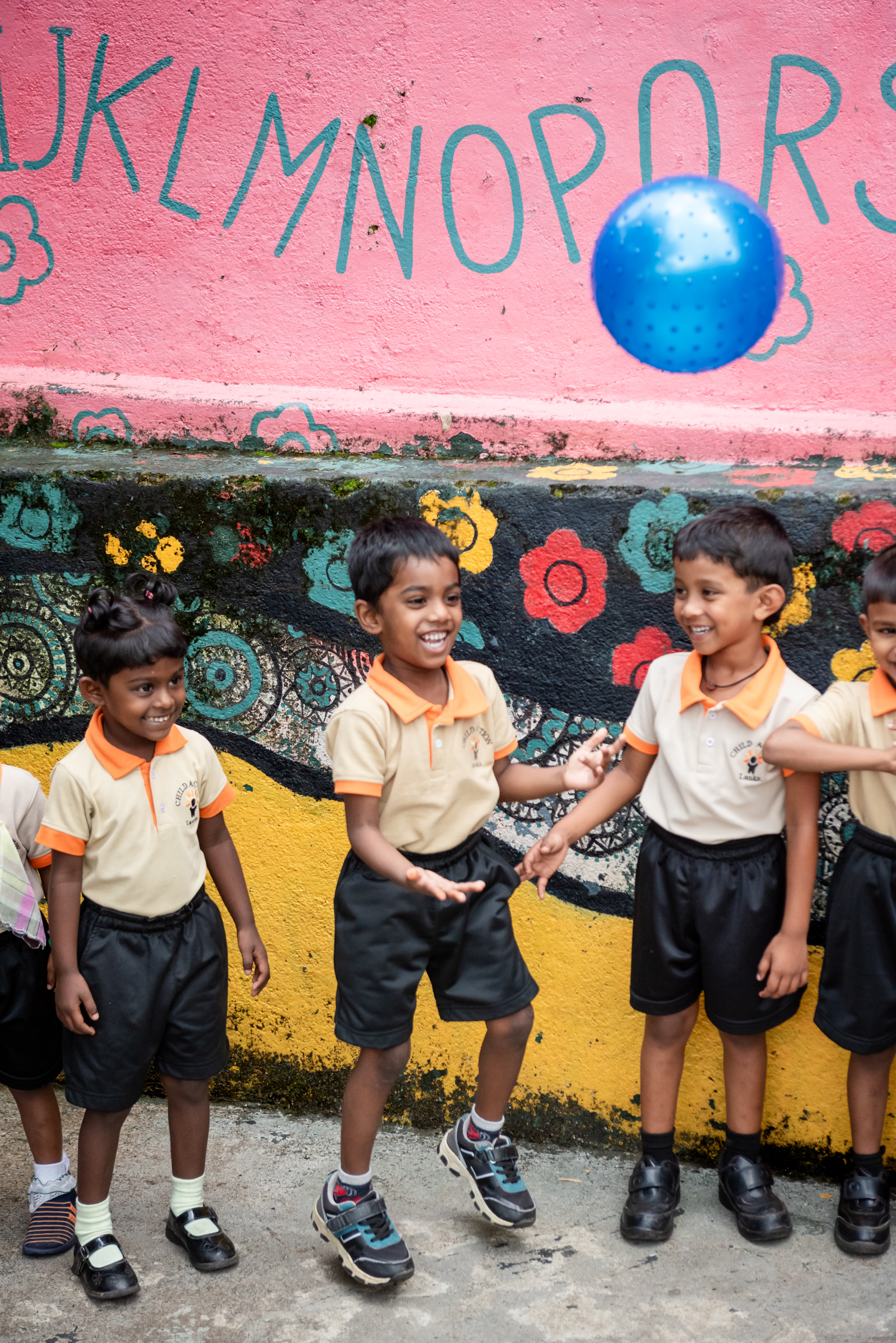
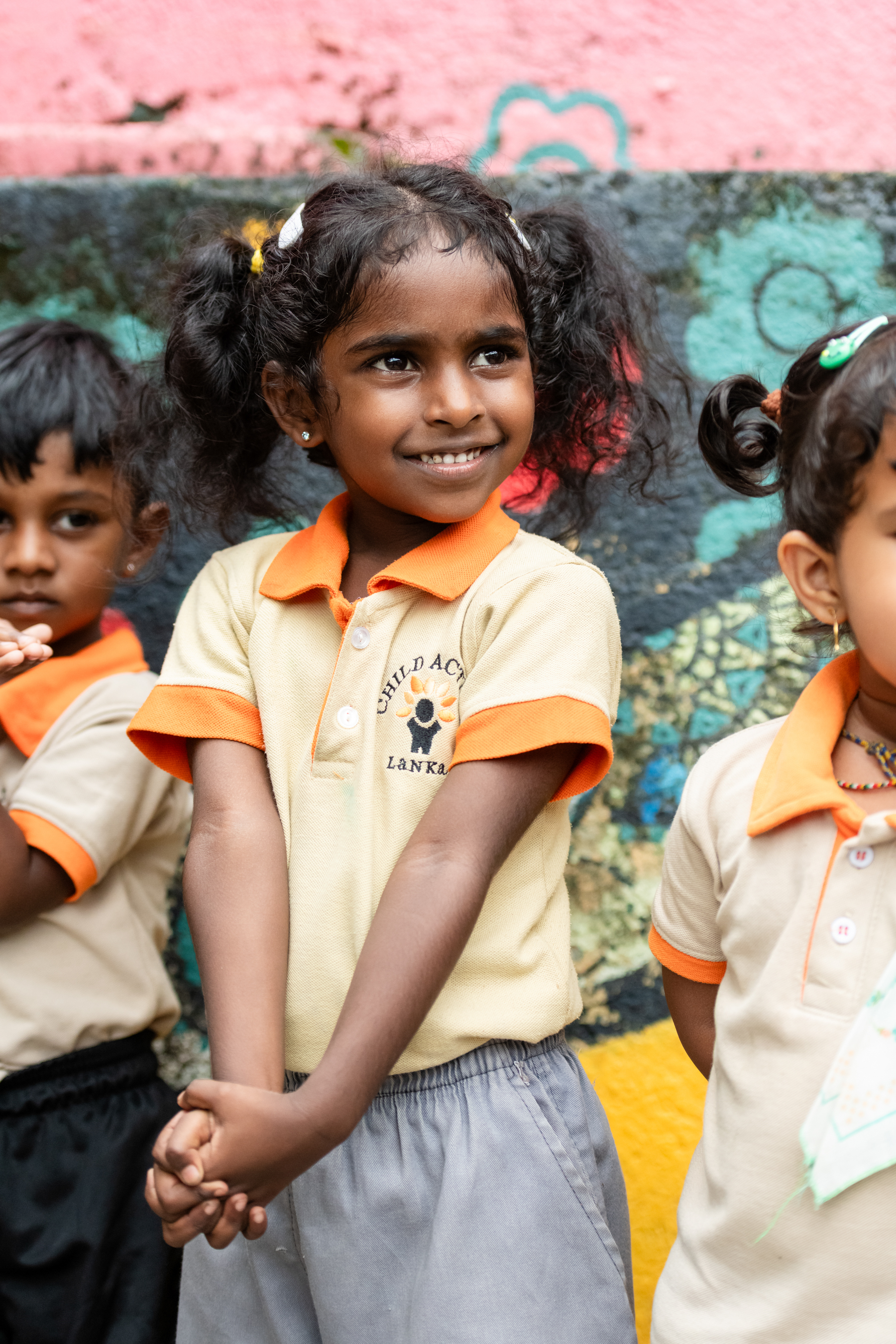
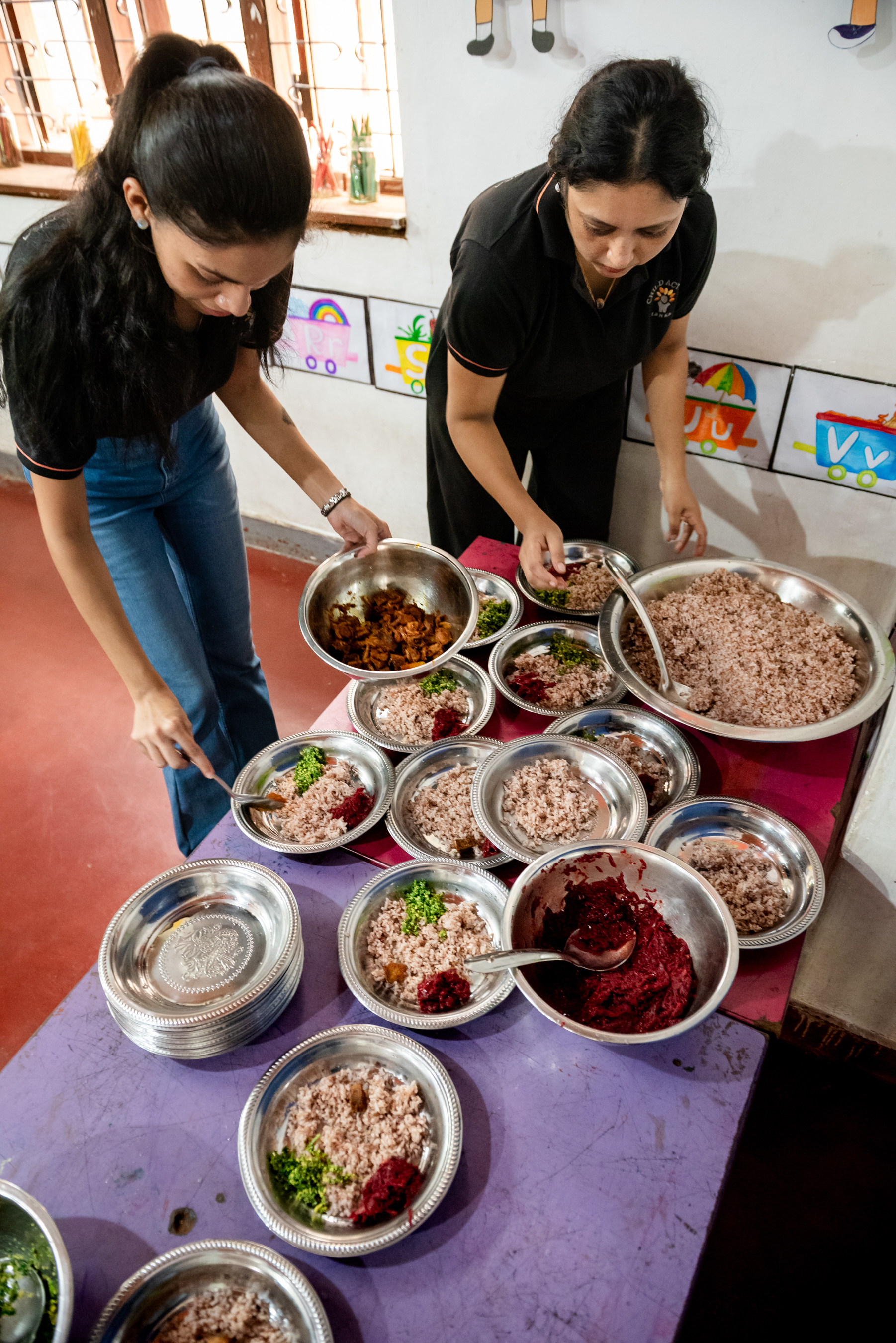
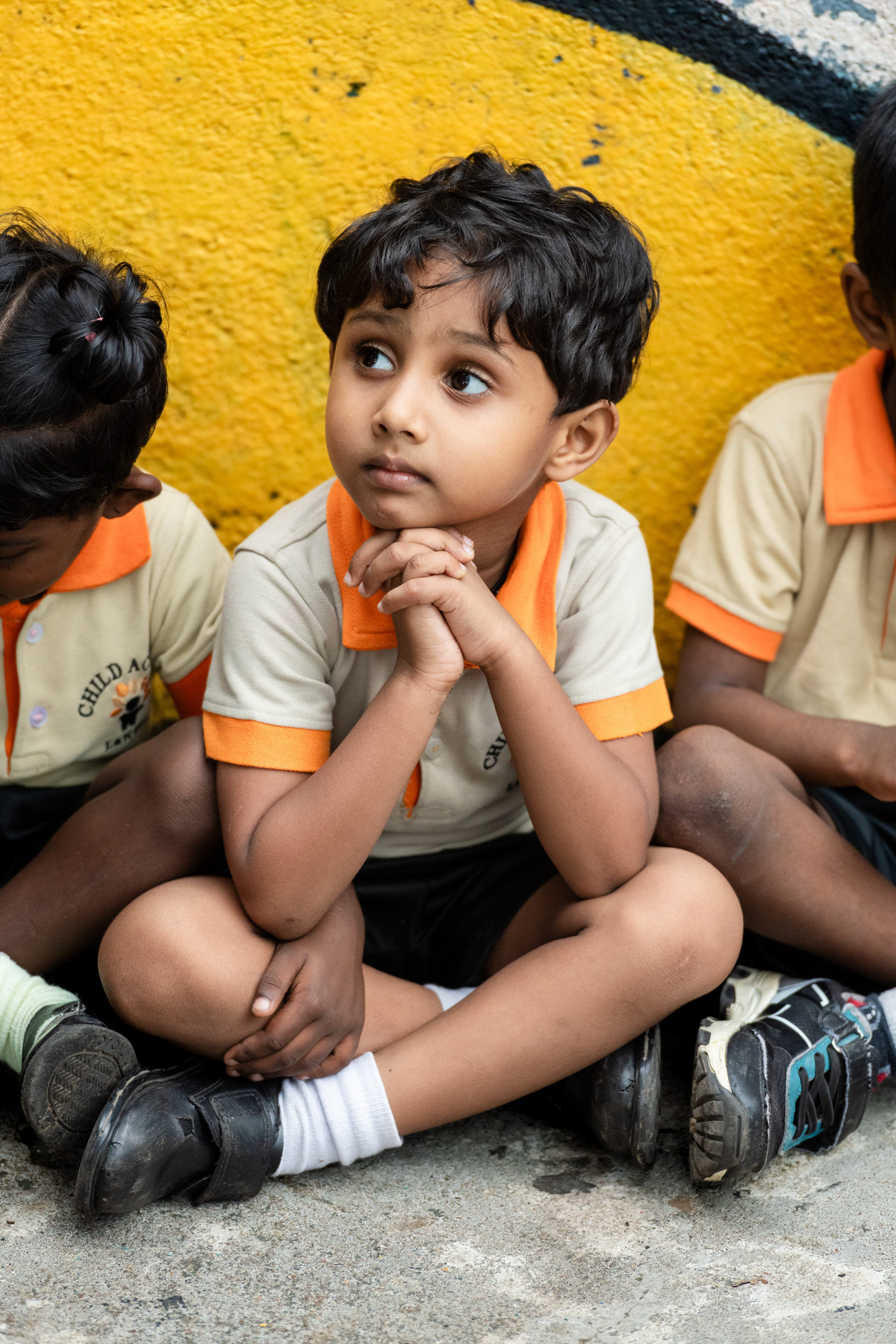
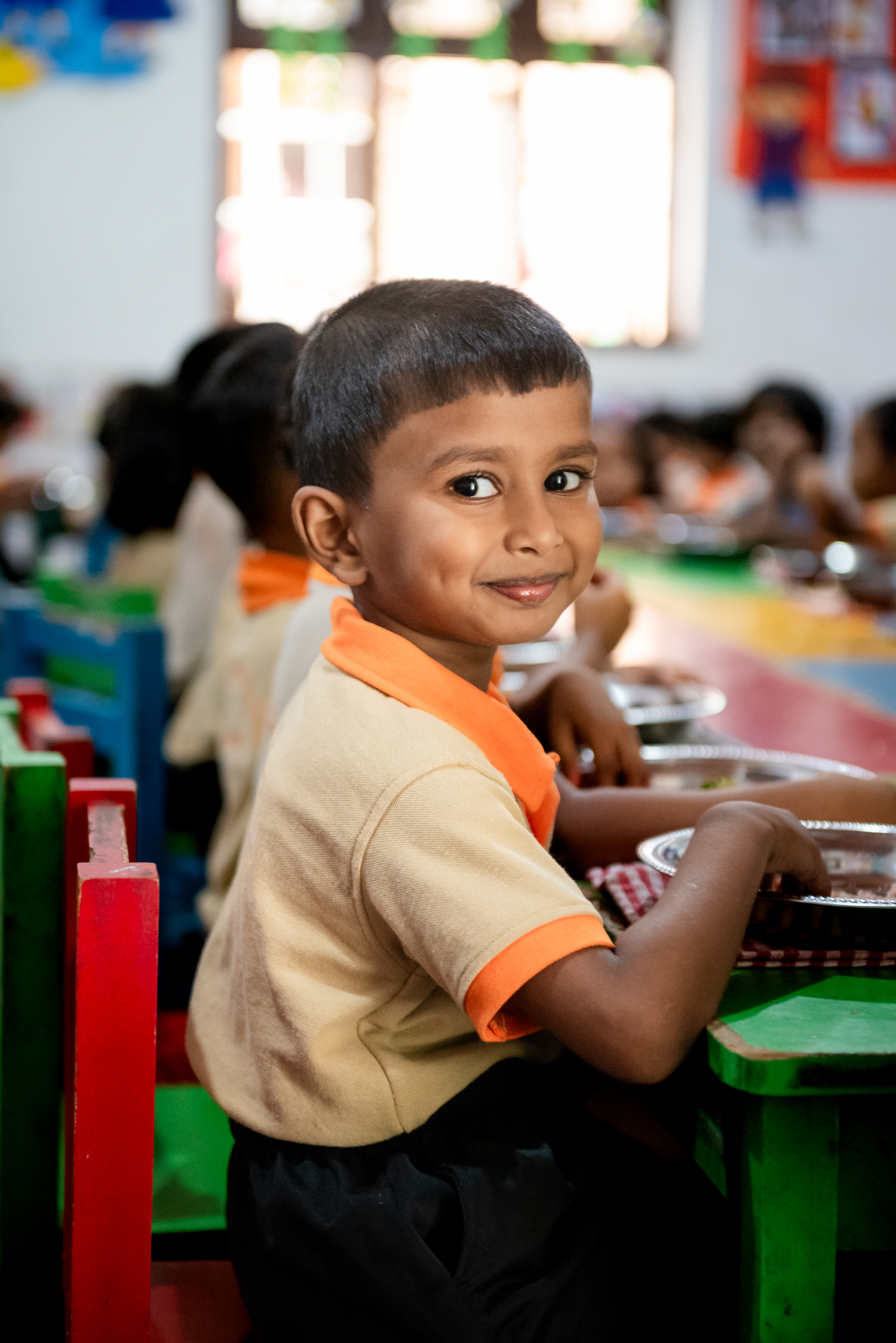
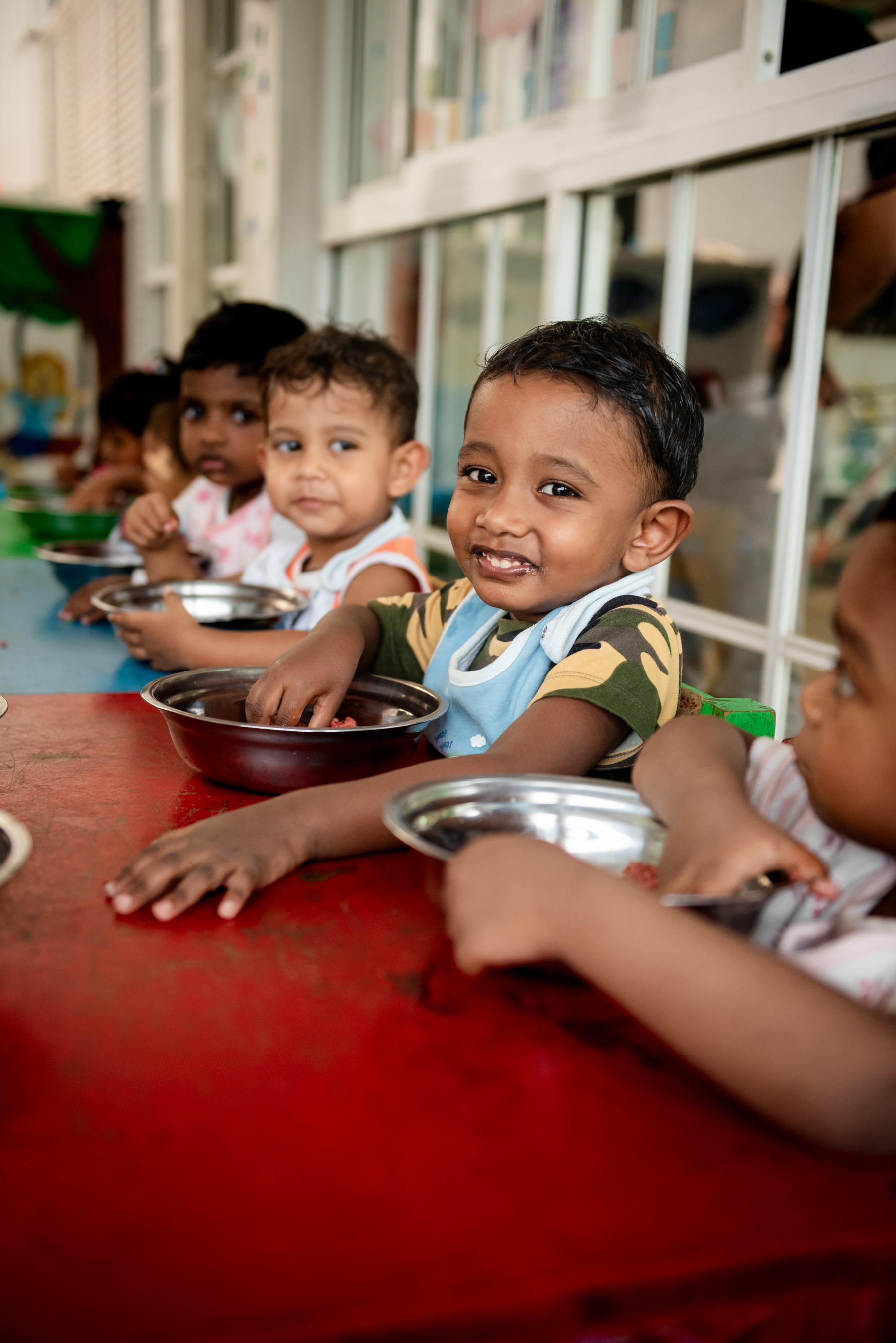
On my first morning, I arrived as breakfast was being served. Small bodies sat at bright blue tables with metal plates of chickpeas and rice. The plates looked large, but most ate every bit. The preschoolers wore tan uniforms with bright orange accents and the Child Action Lanka logo. There was something grounding about beginning there, not with a dramatic moment, but with breakfast.
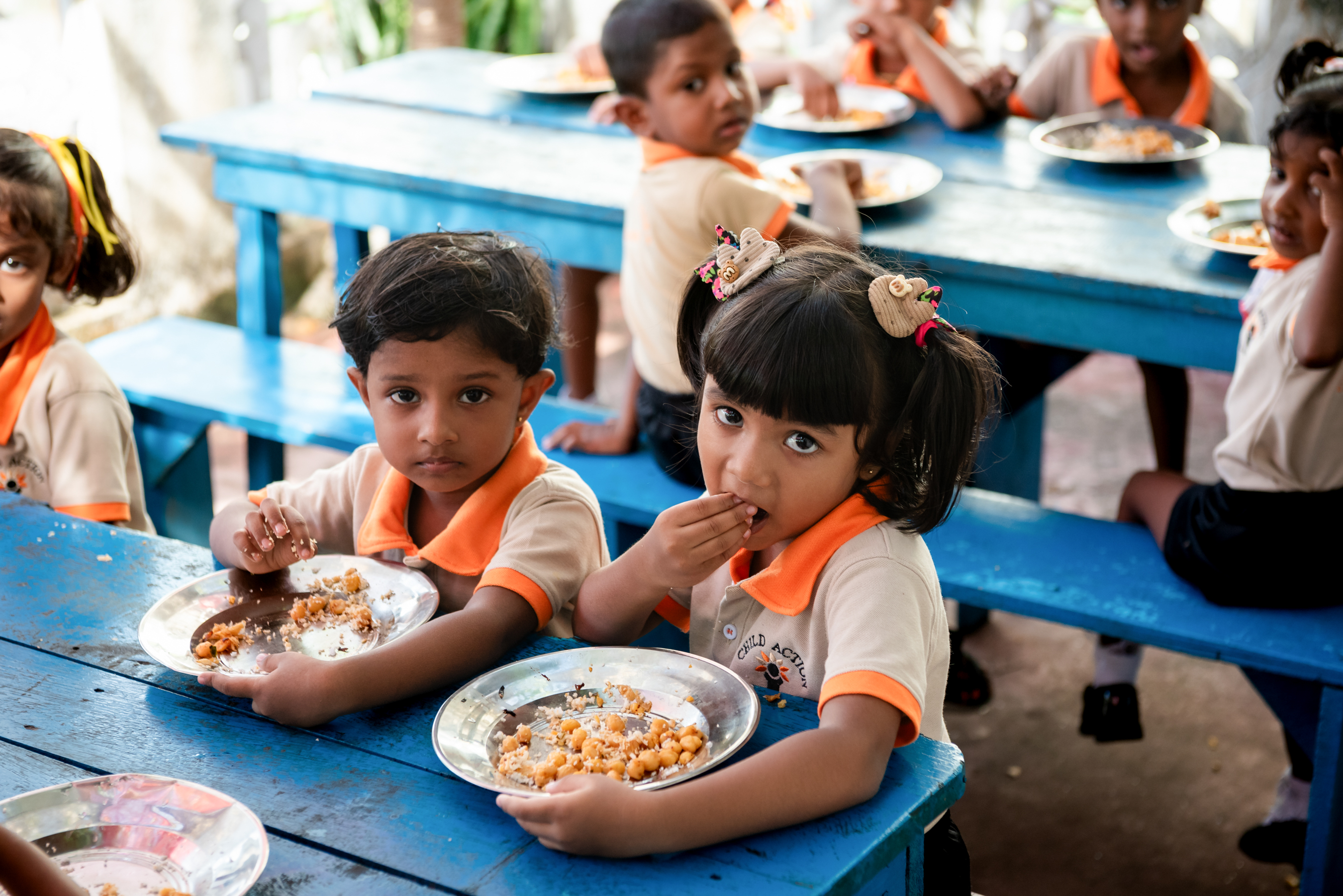
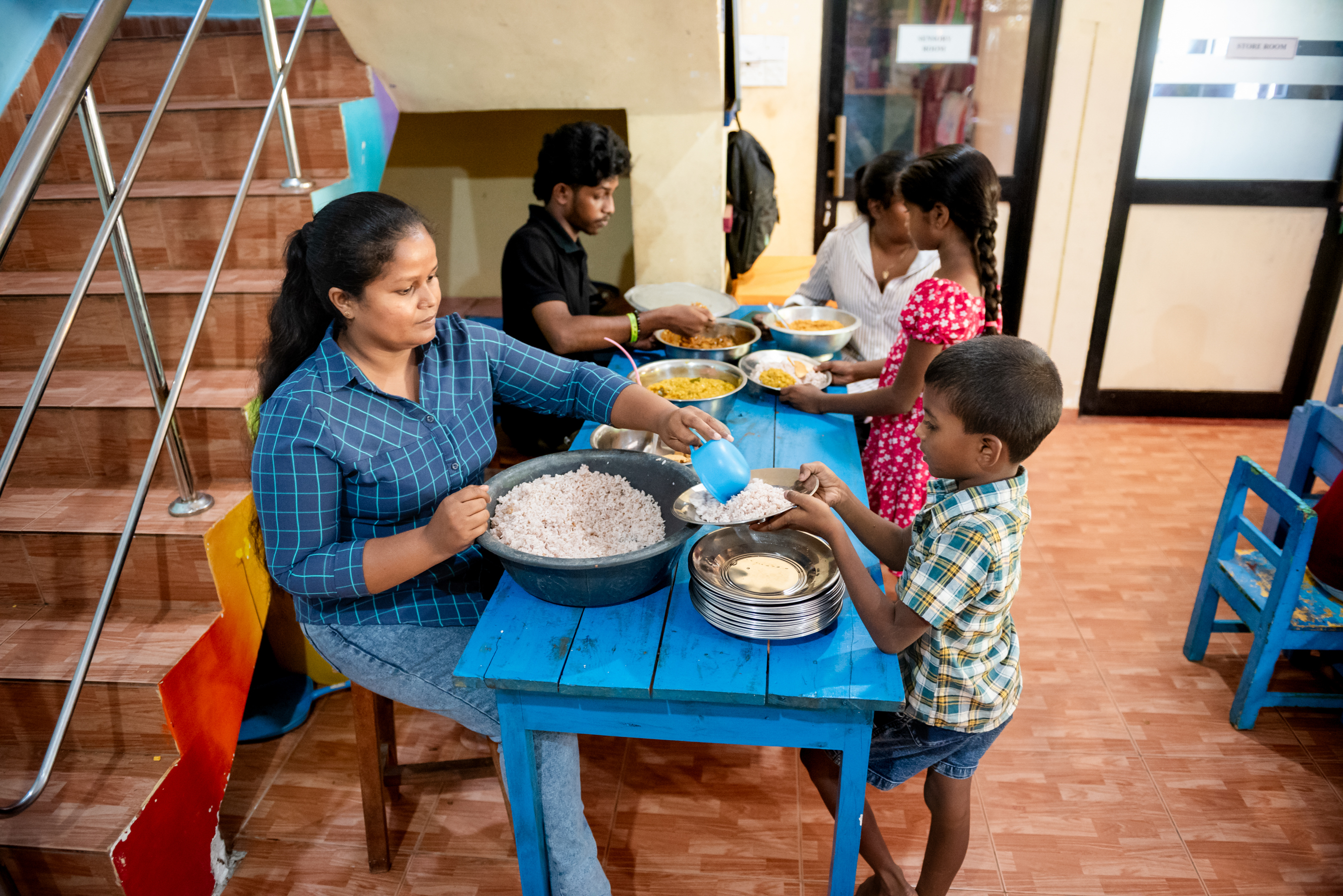
Food first. Nourishment first. A full plate before the lesson begins.
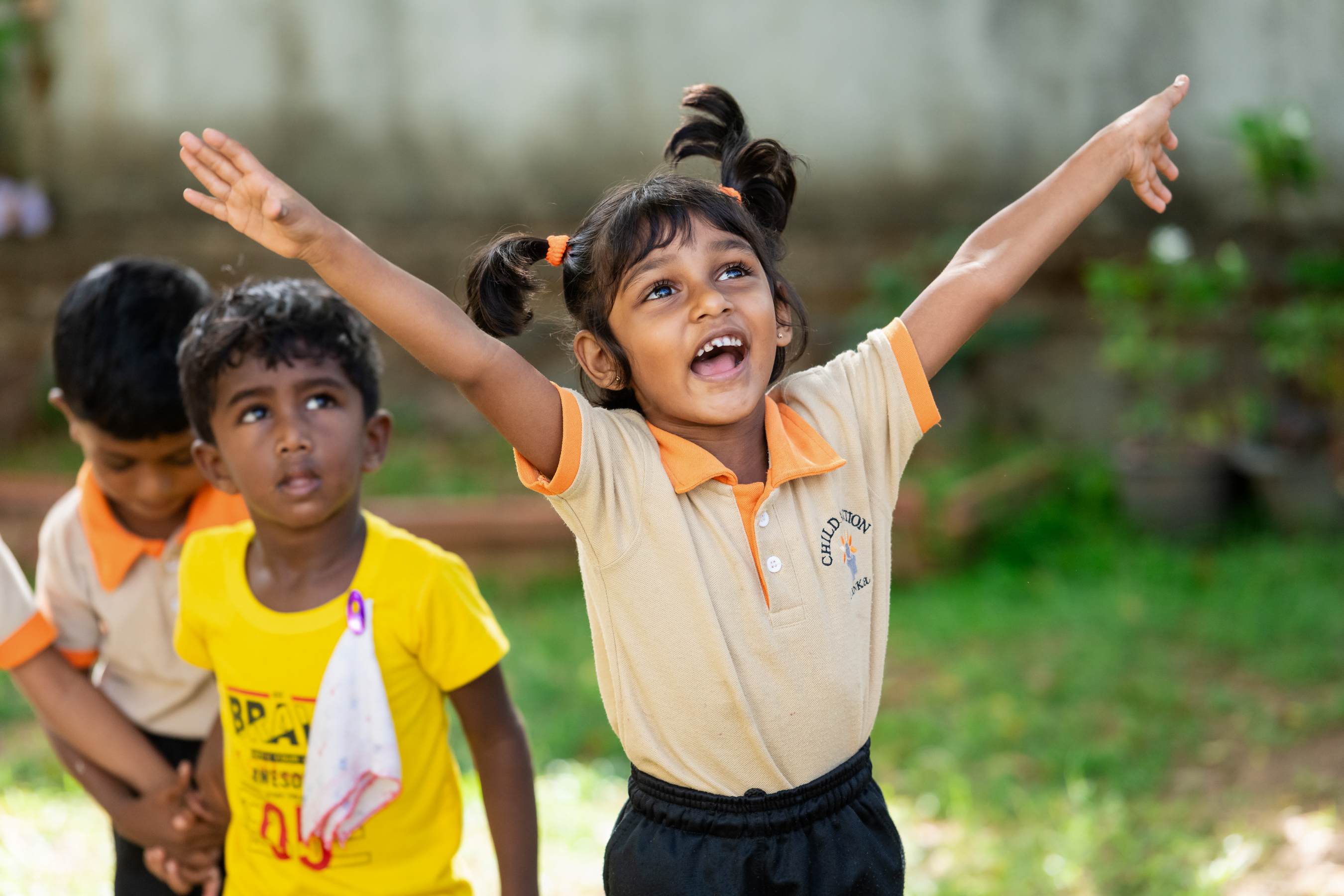
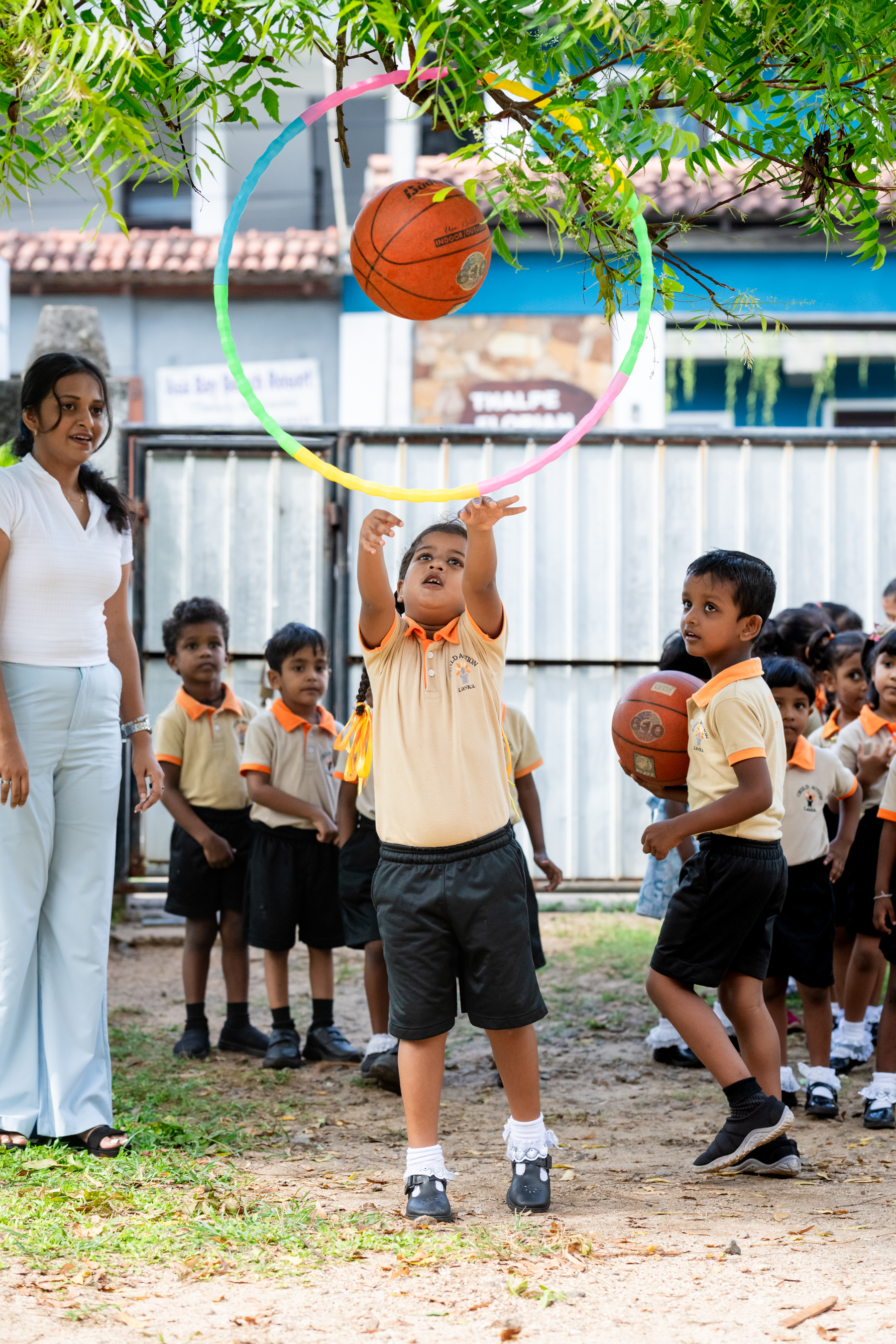
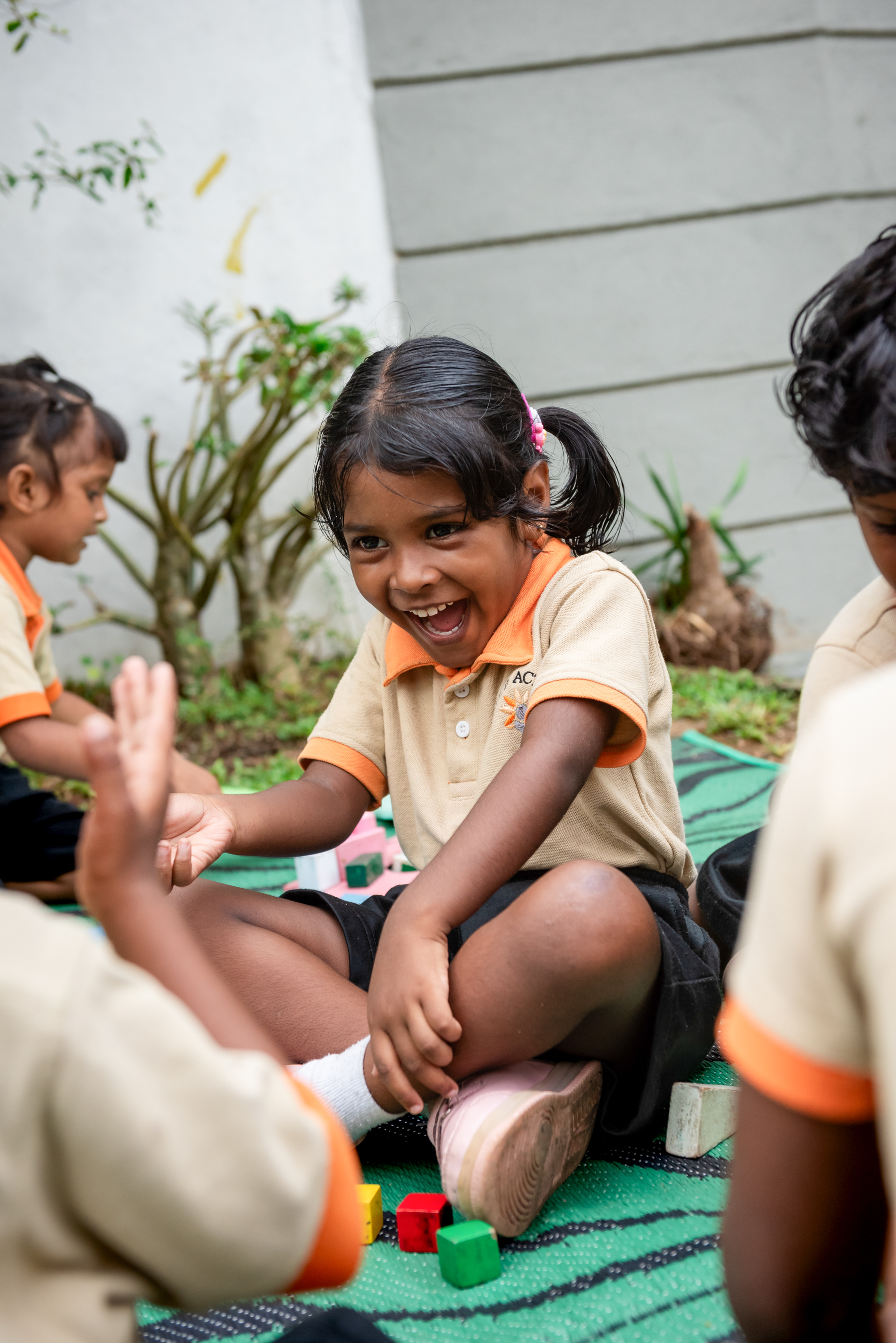
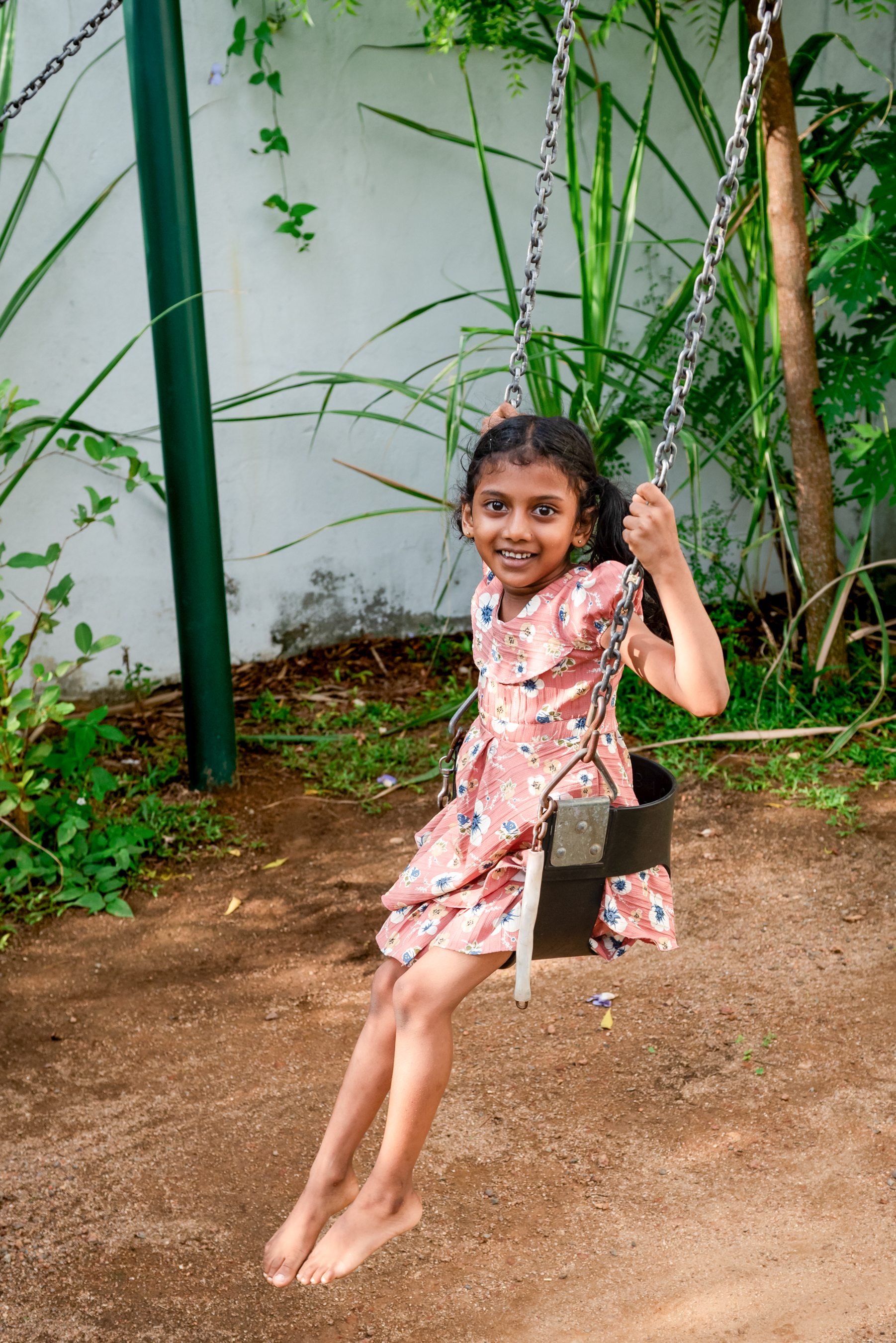
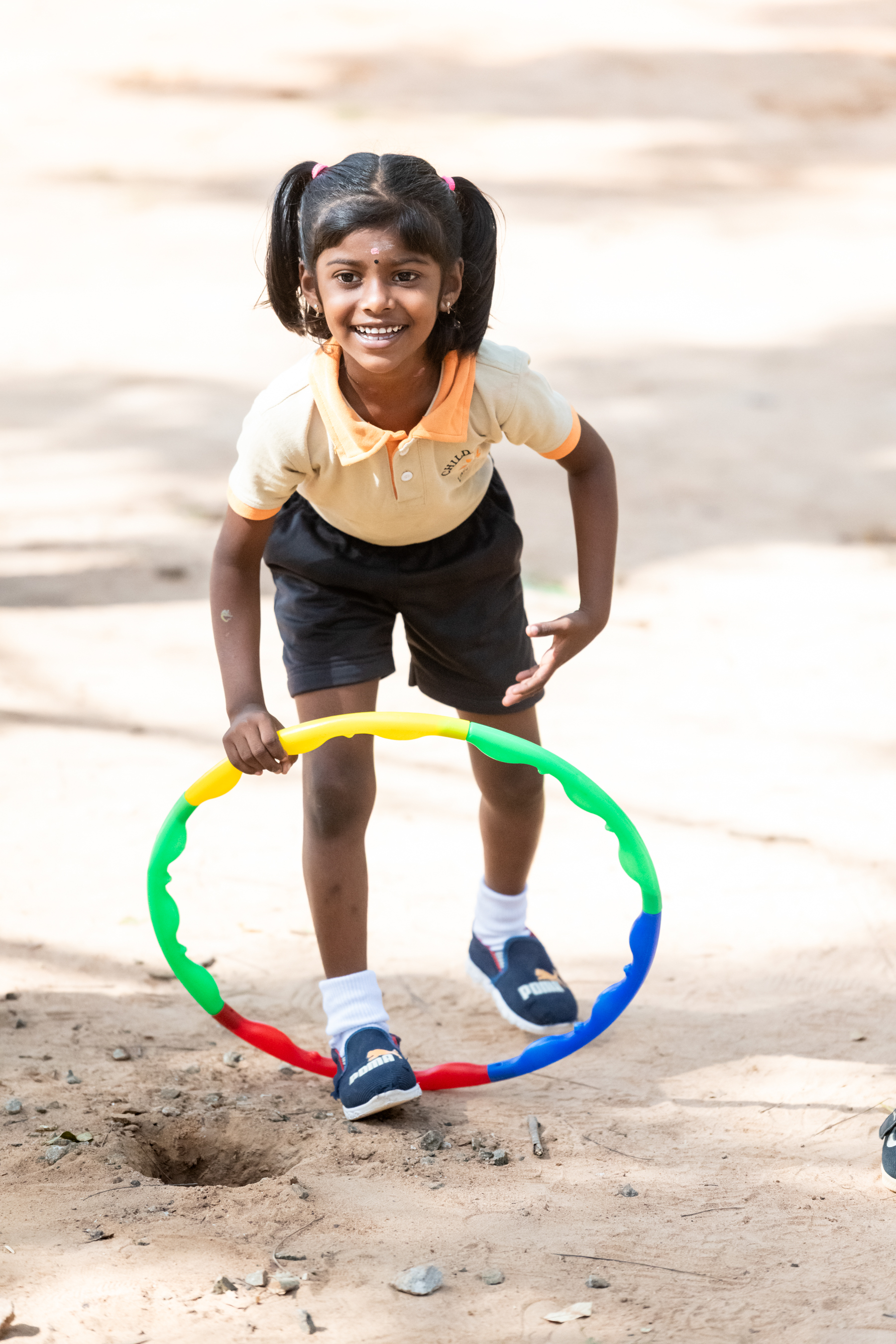
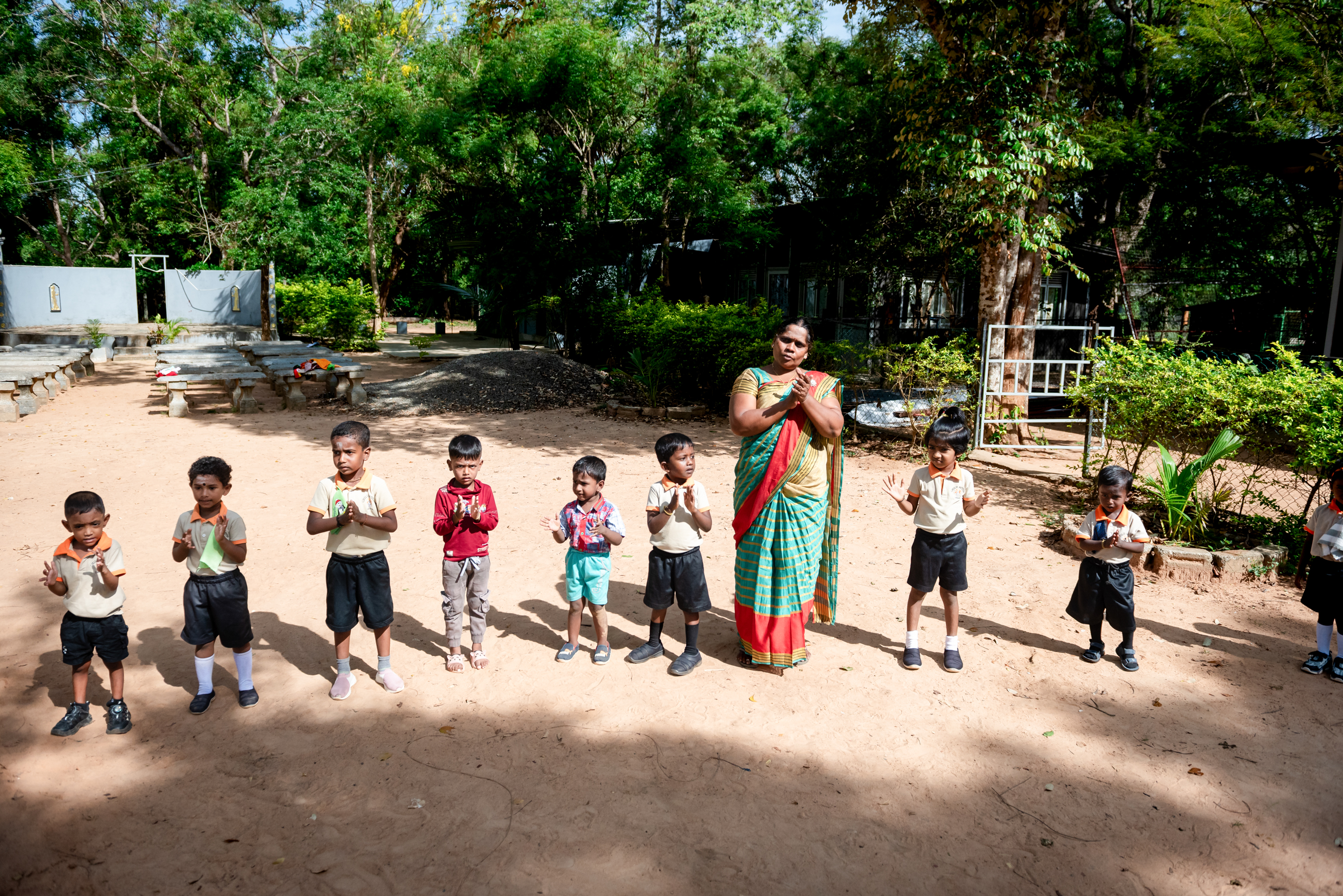
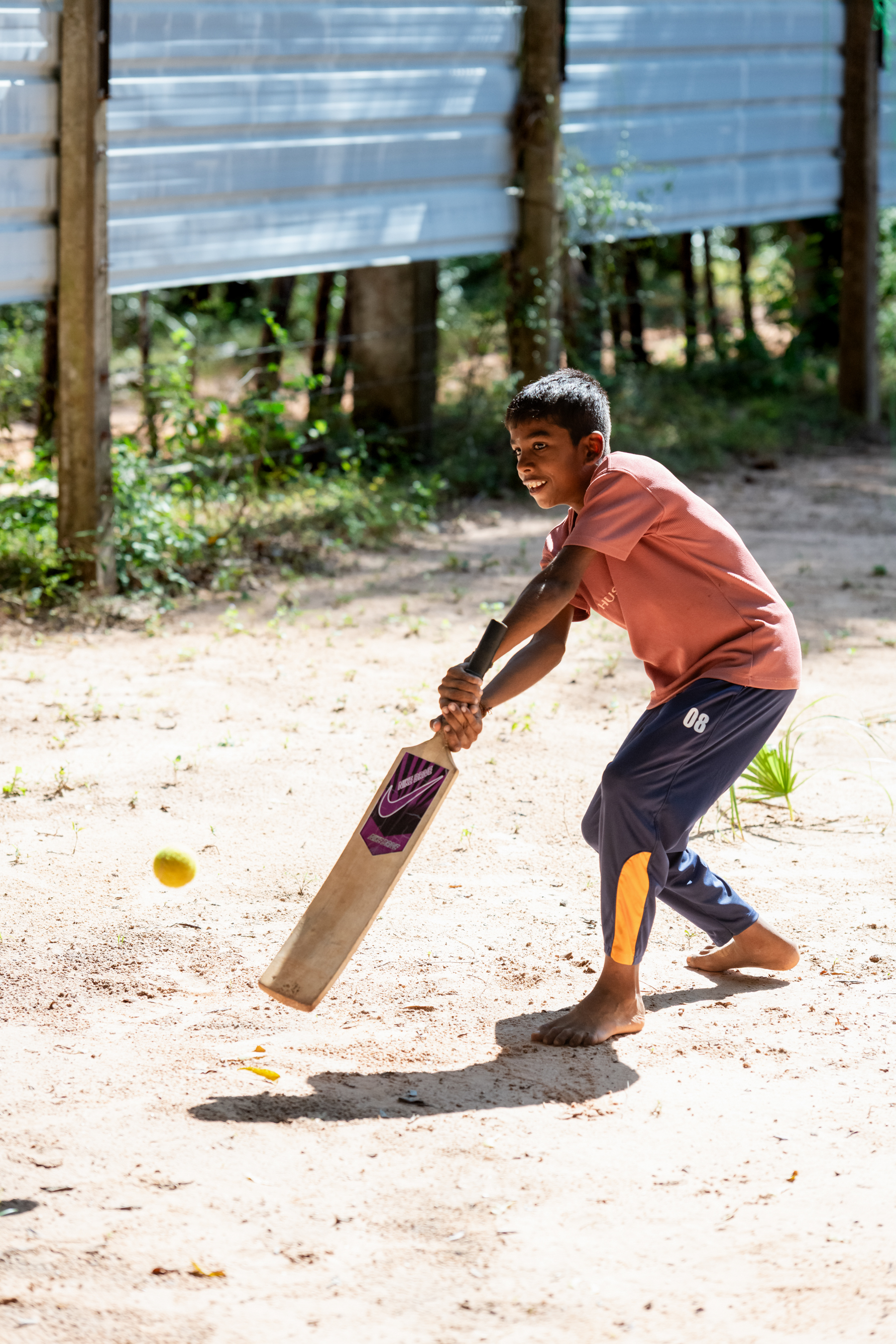
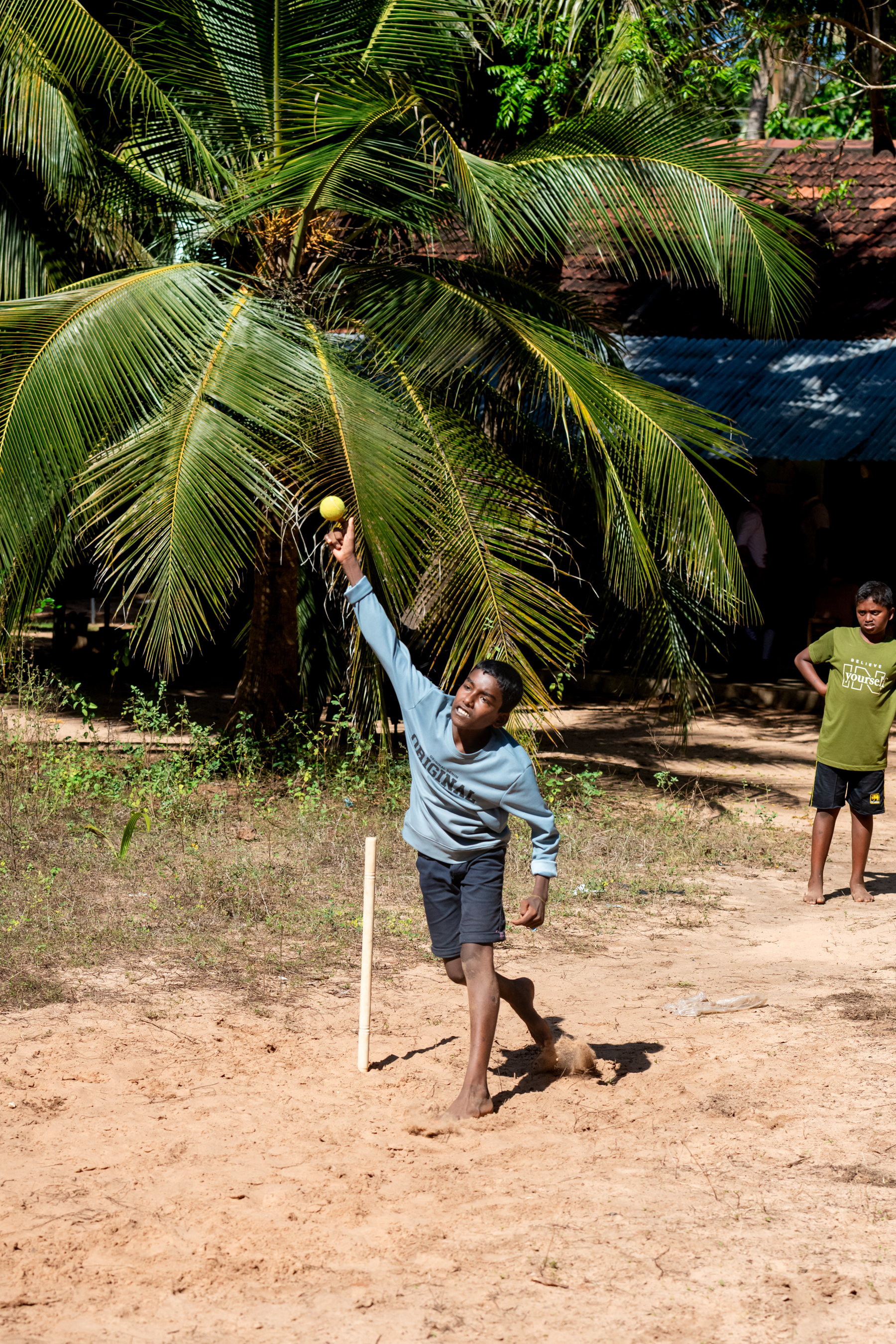
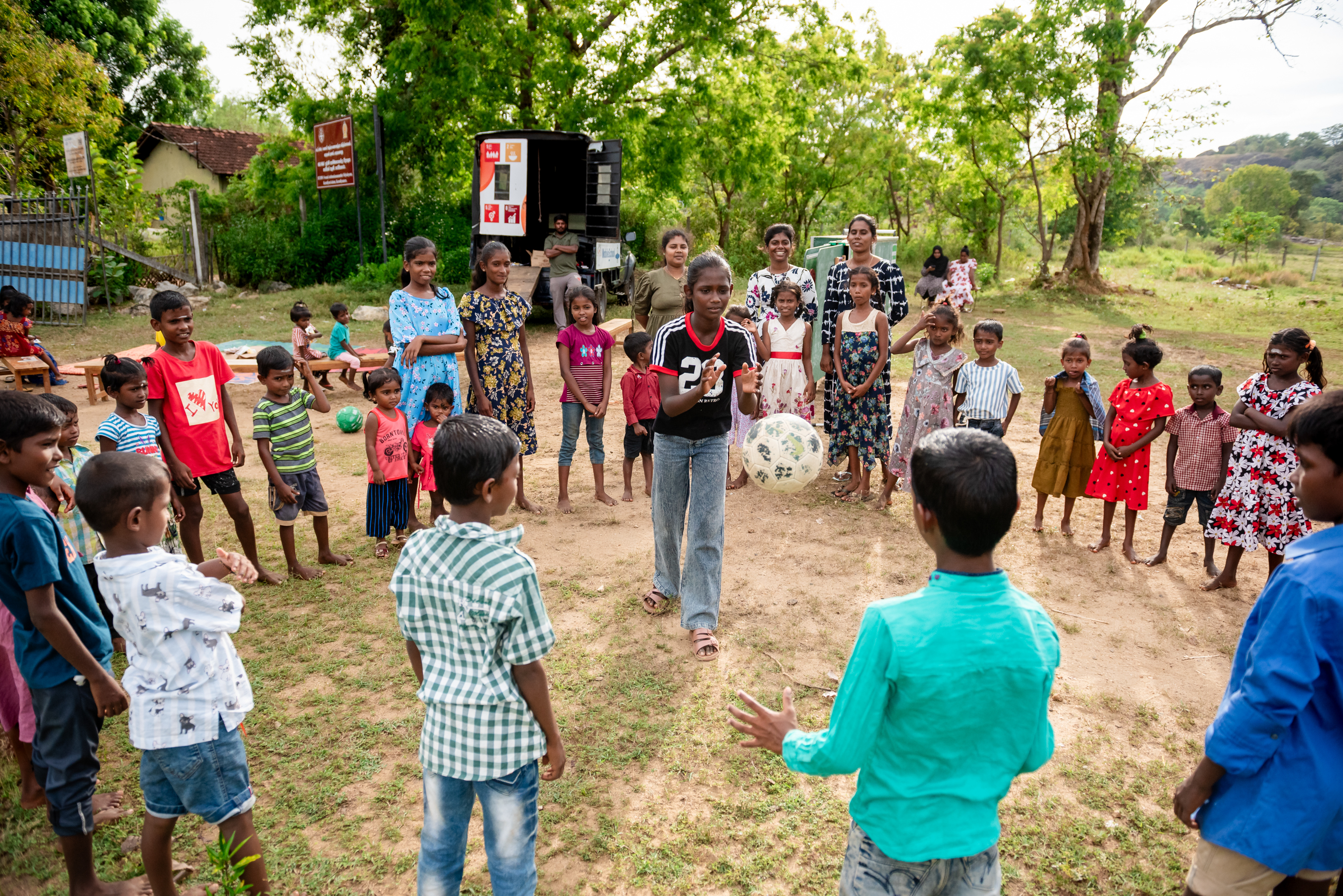
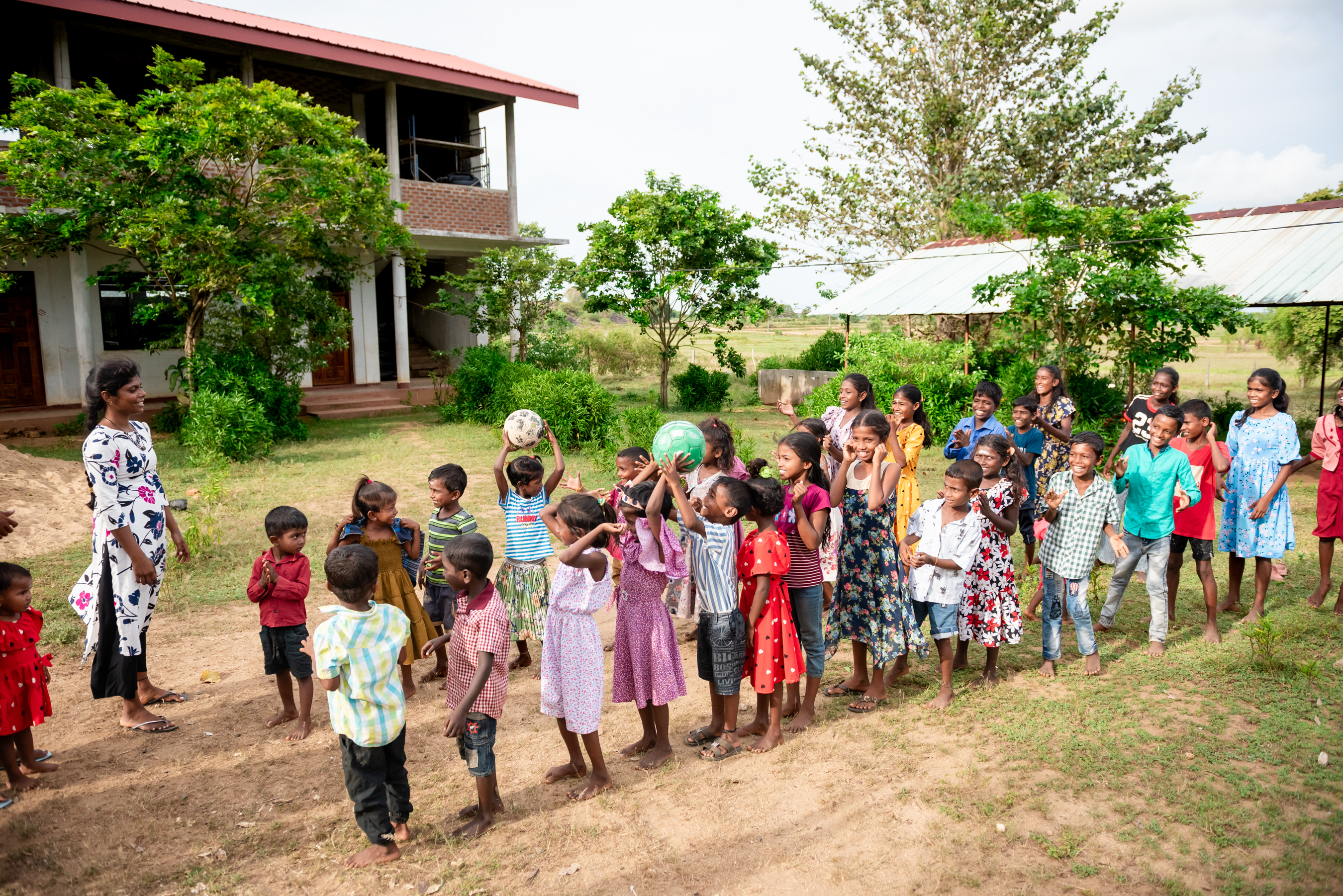
After breakfast came movement: basketball, kickball, simple games in the heat and light. At one point, a little girl threw her arms open toward the sky as an airplane passed overhead. For a second, everything seemed to lift with her: the game, the playground, the morning itself. Maybe she was wondering where it was going, who was inside, what countries sat beyond that blue Sri Lankan sky. Maybe it was just the thrill of something large and loud moving above her. Either way, the moment felt electric, the world suddenly wider.
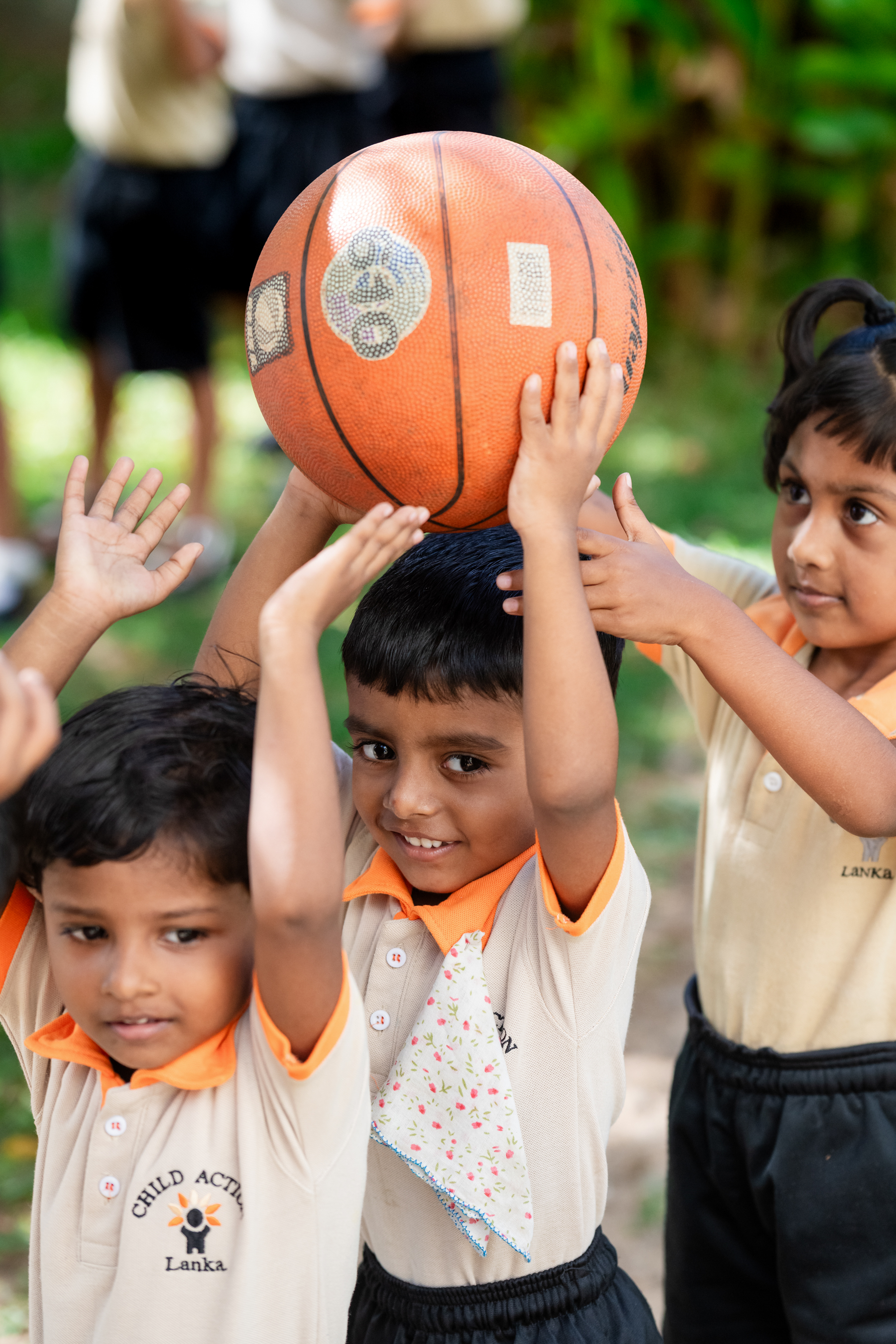
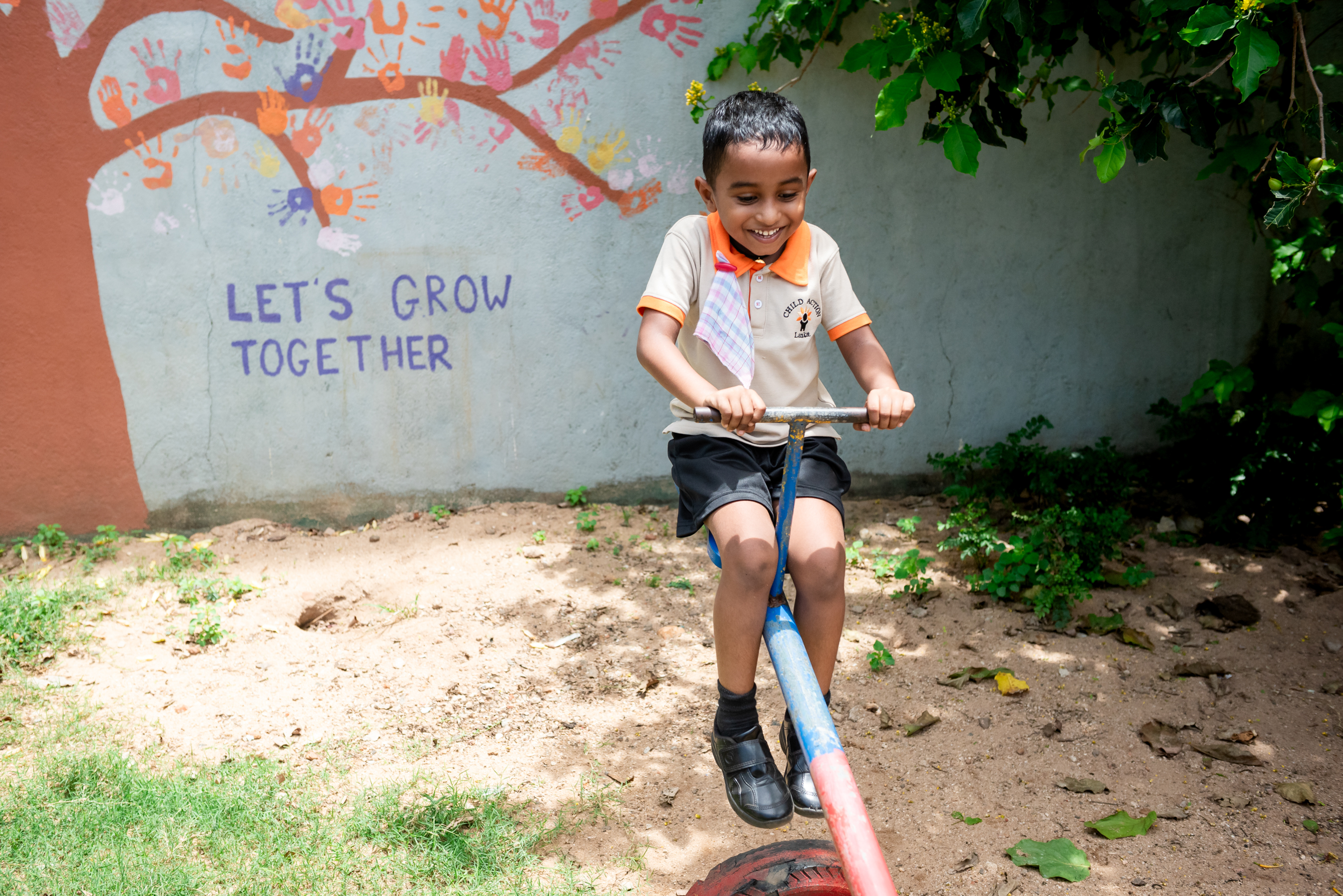
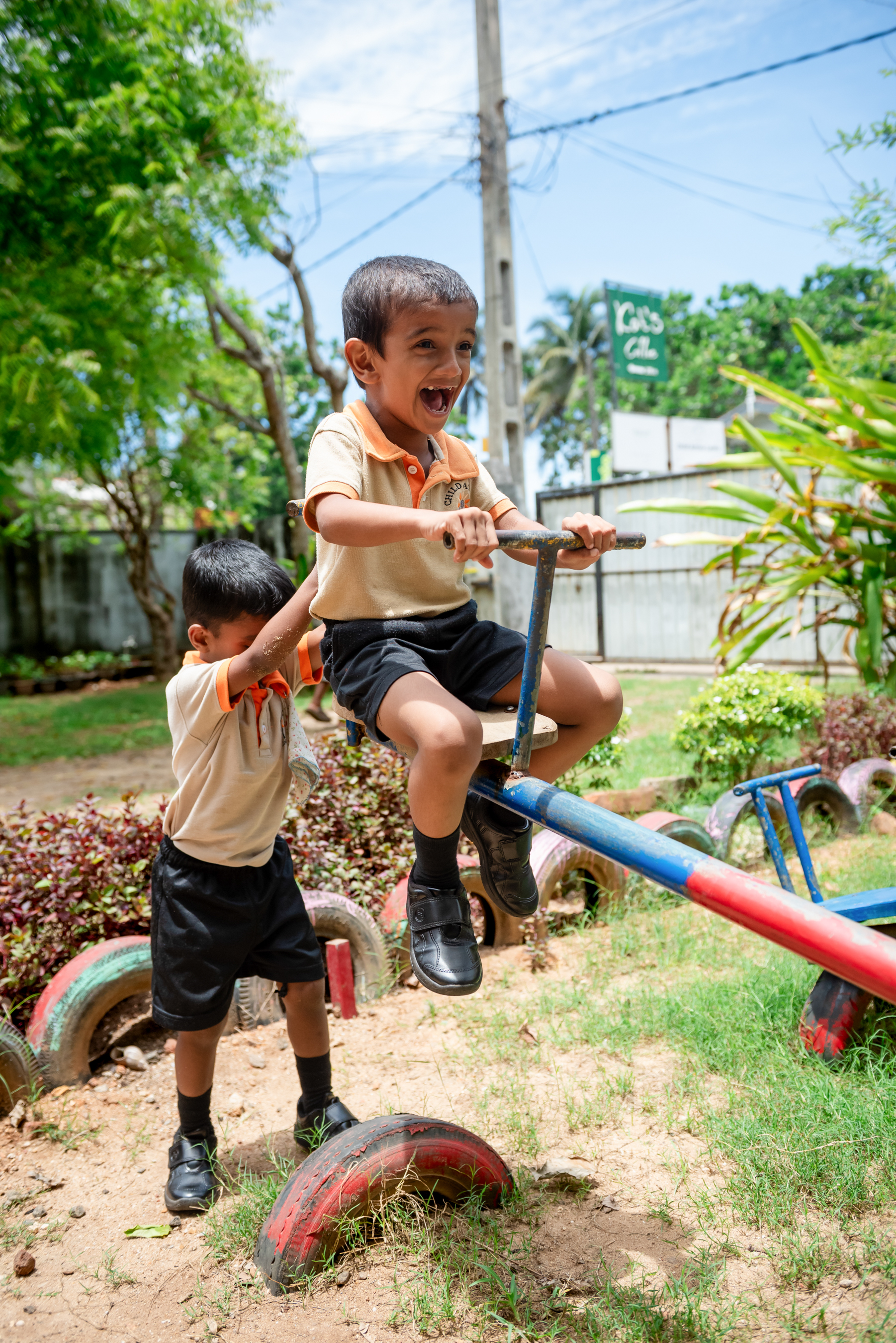
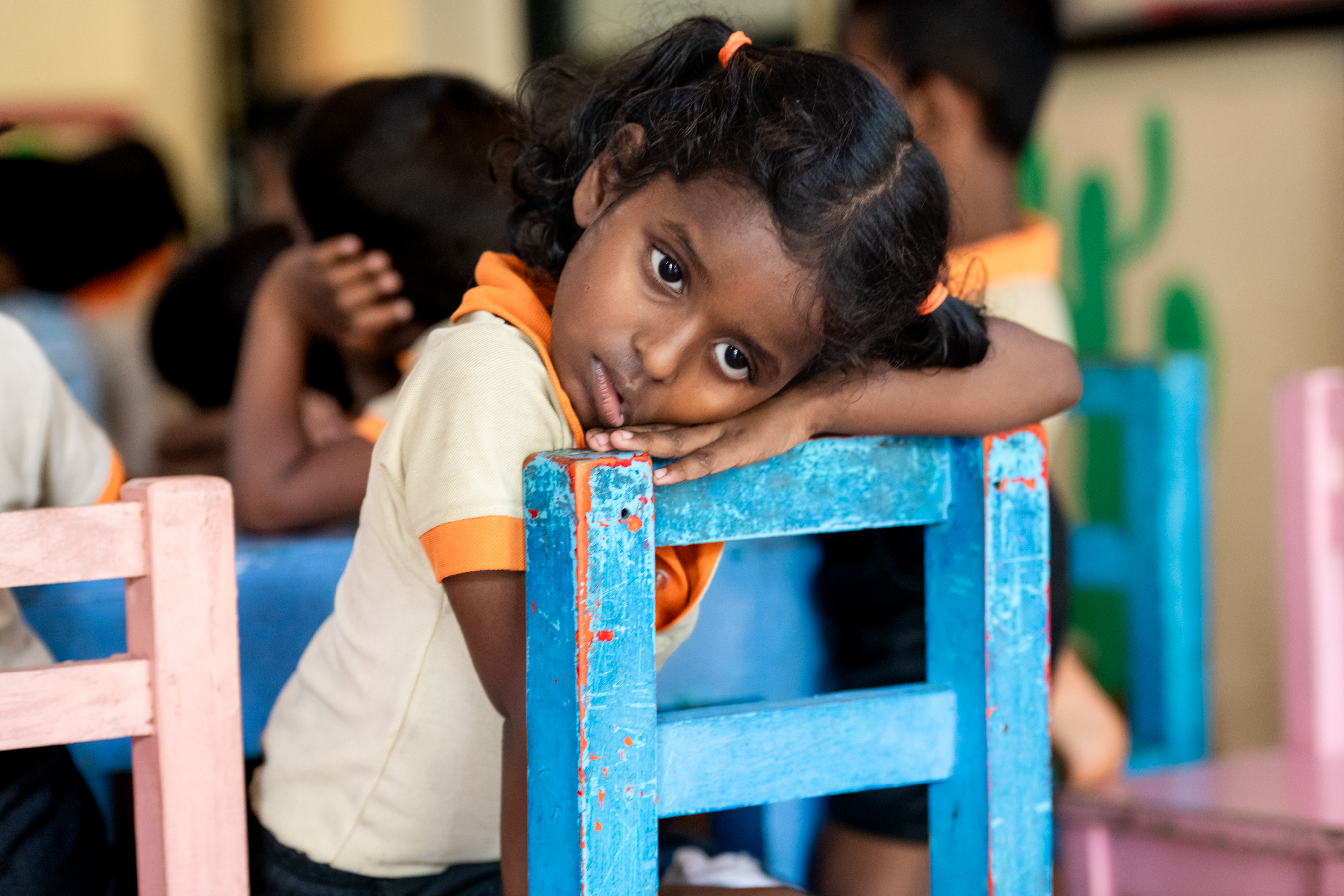
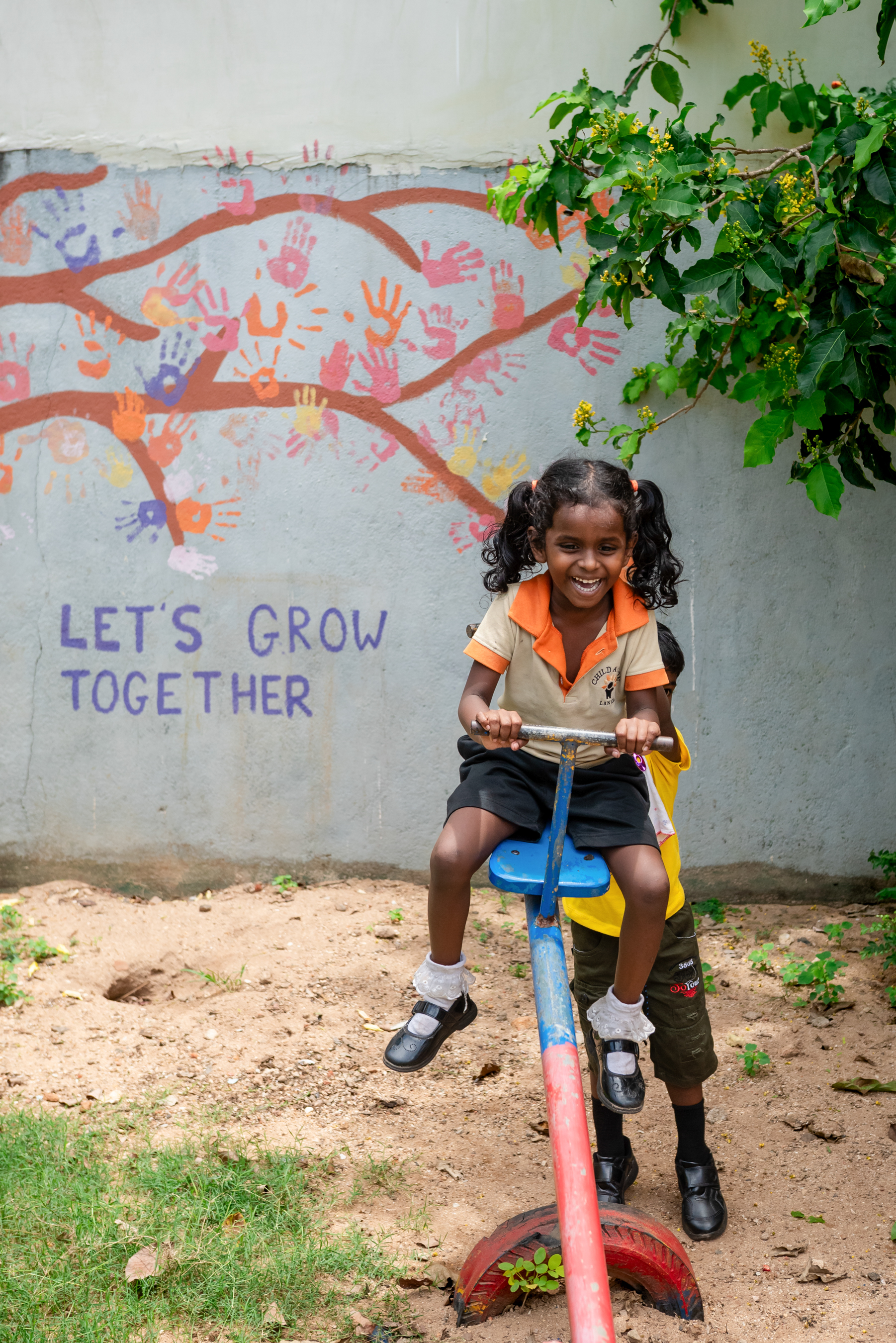
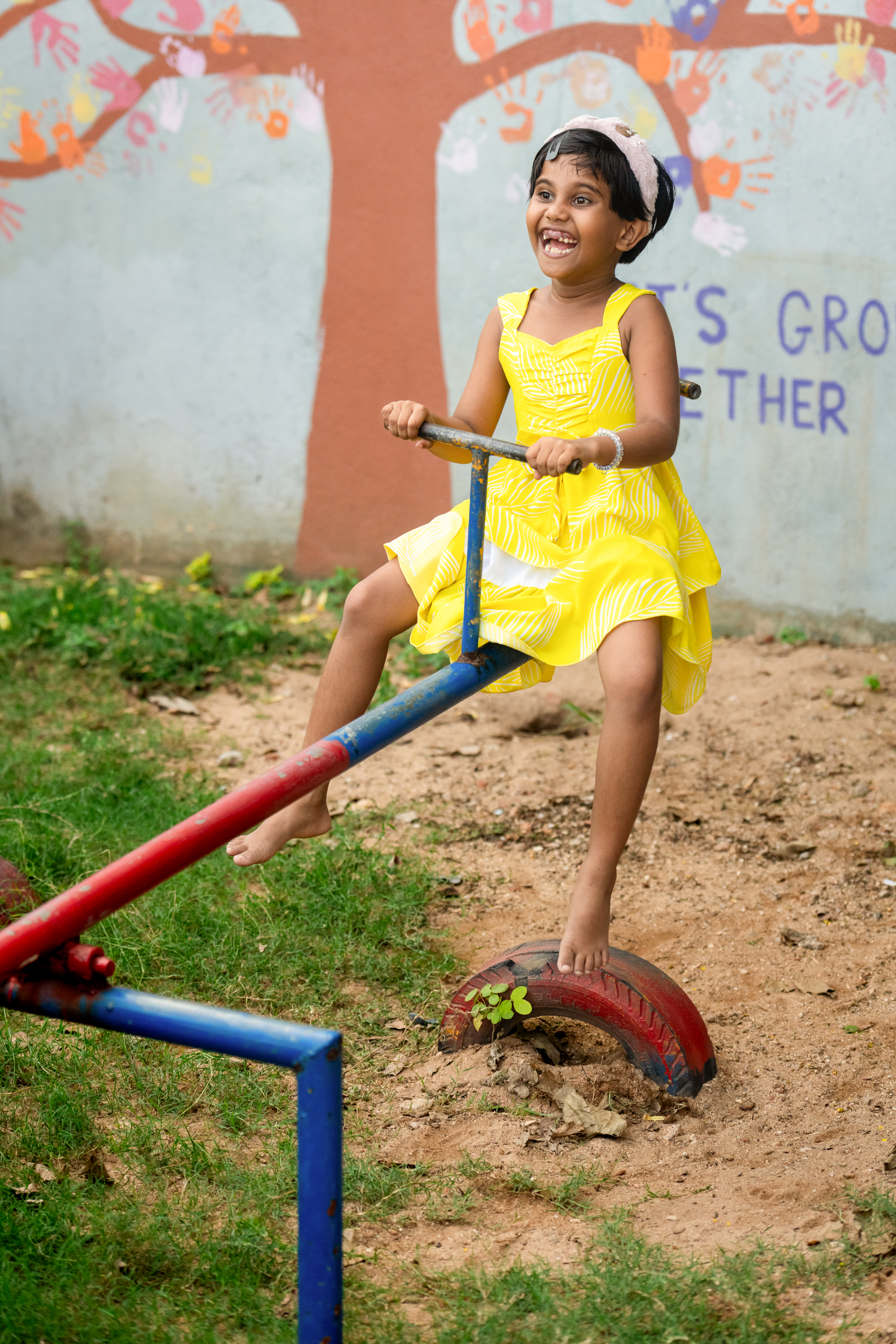
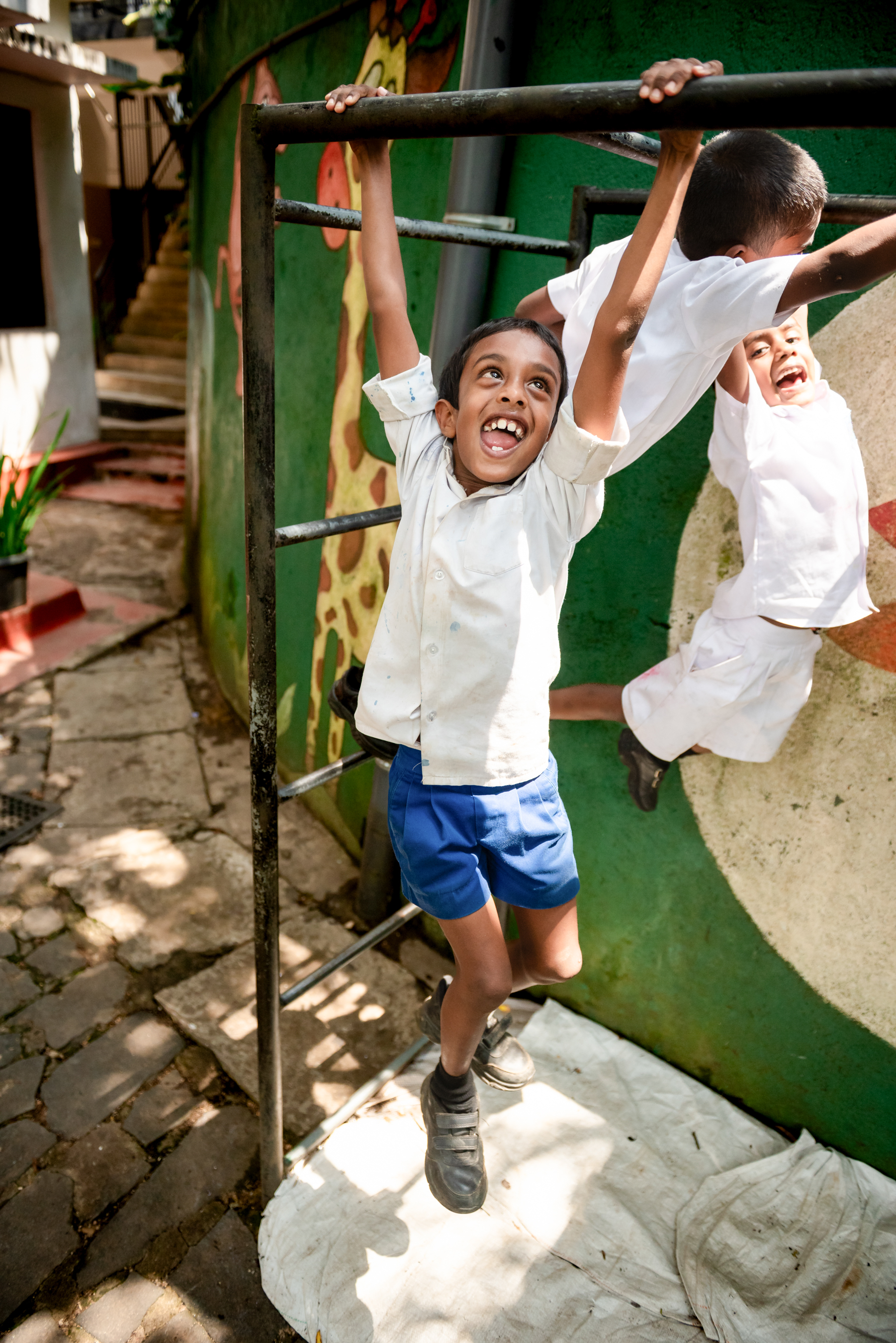
Nearby, a wall carried the words “LET’S GROW TOGETHER,” surrounded by painted handprints. Beneath it, children played on a seesaw and climbed the bars with the full-body freedom of childhood. It was almost too perfect as a metaphor, but there it was anyway: growth as something communal, something painted by many hands, something held up by play.
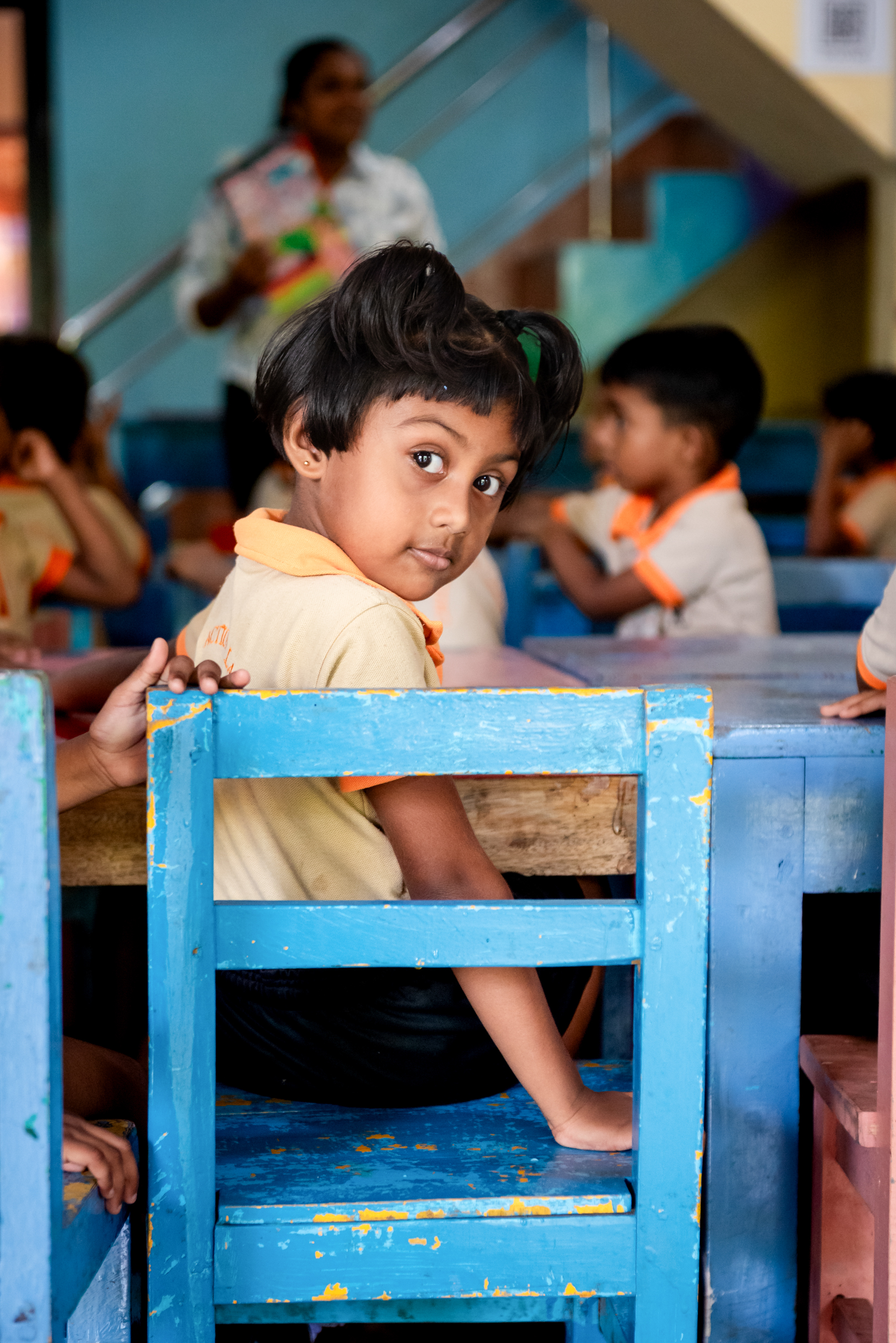
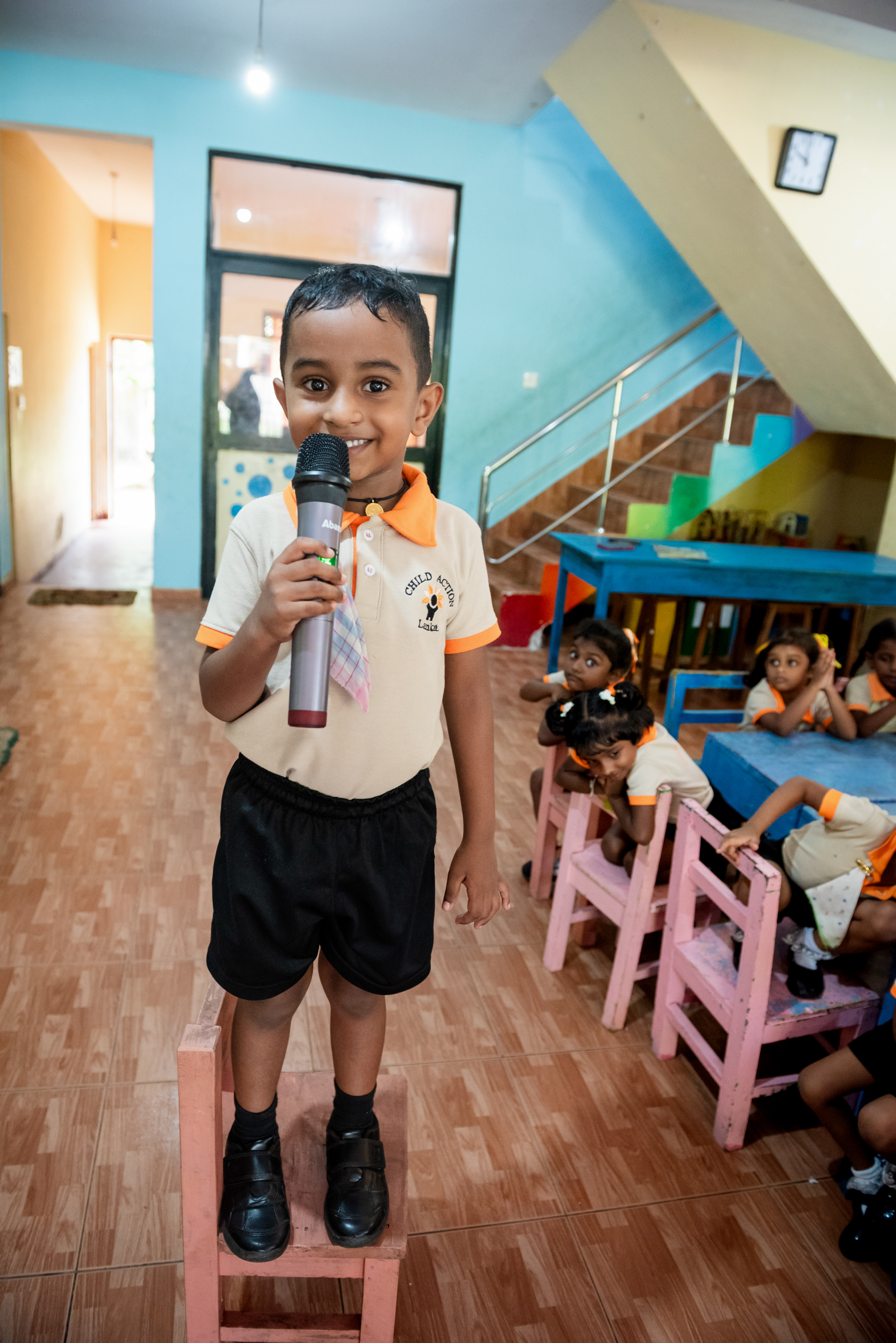
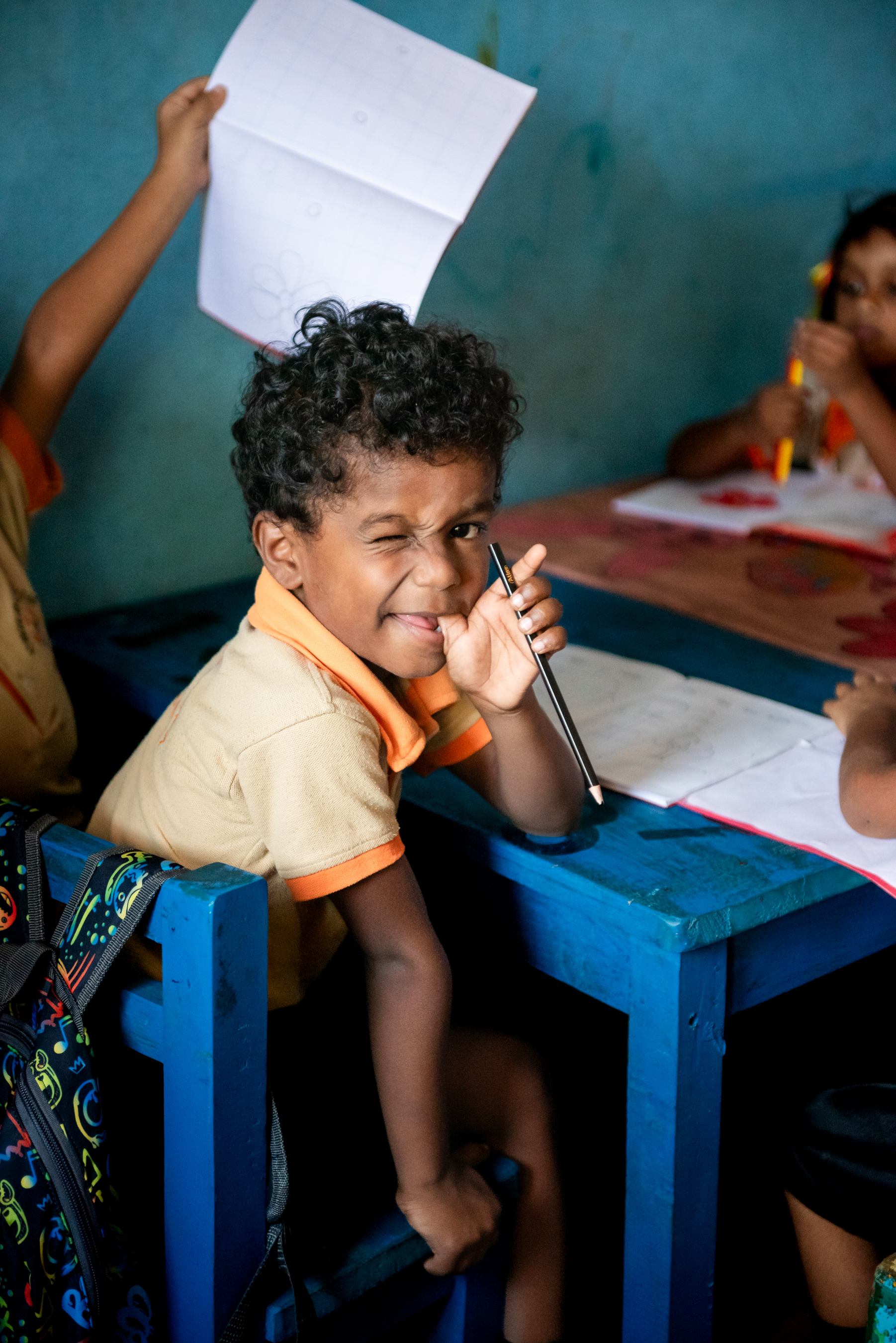
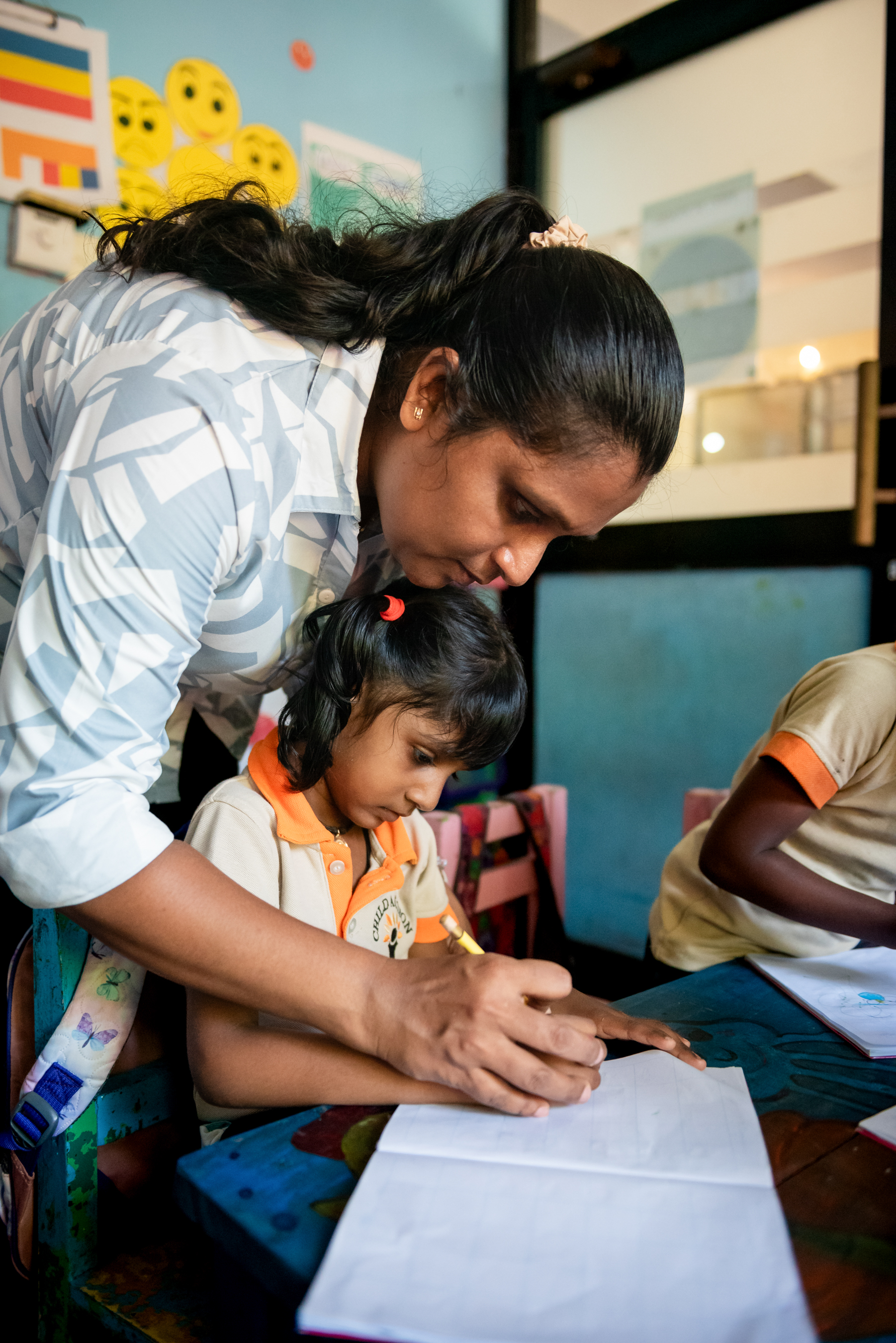
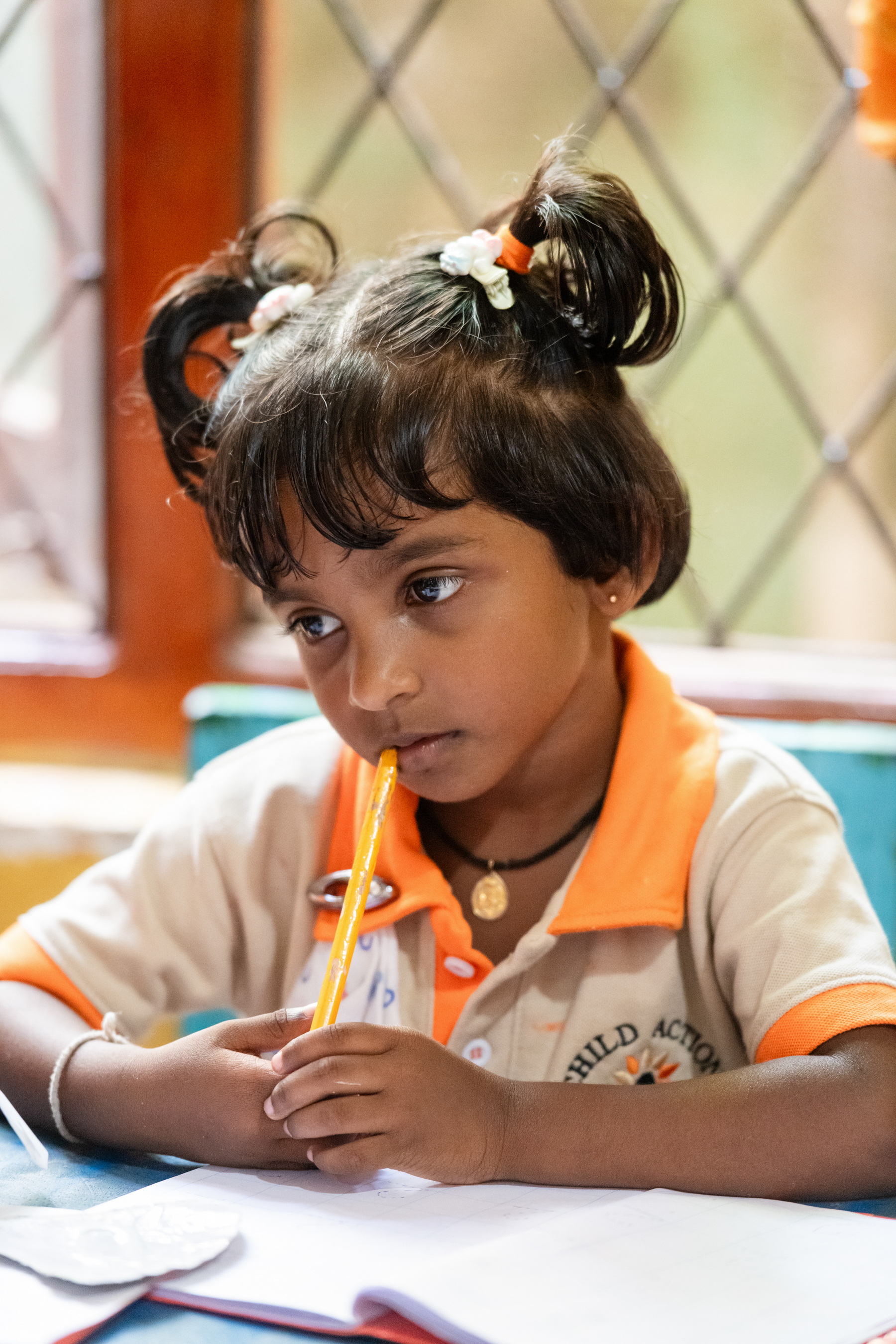
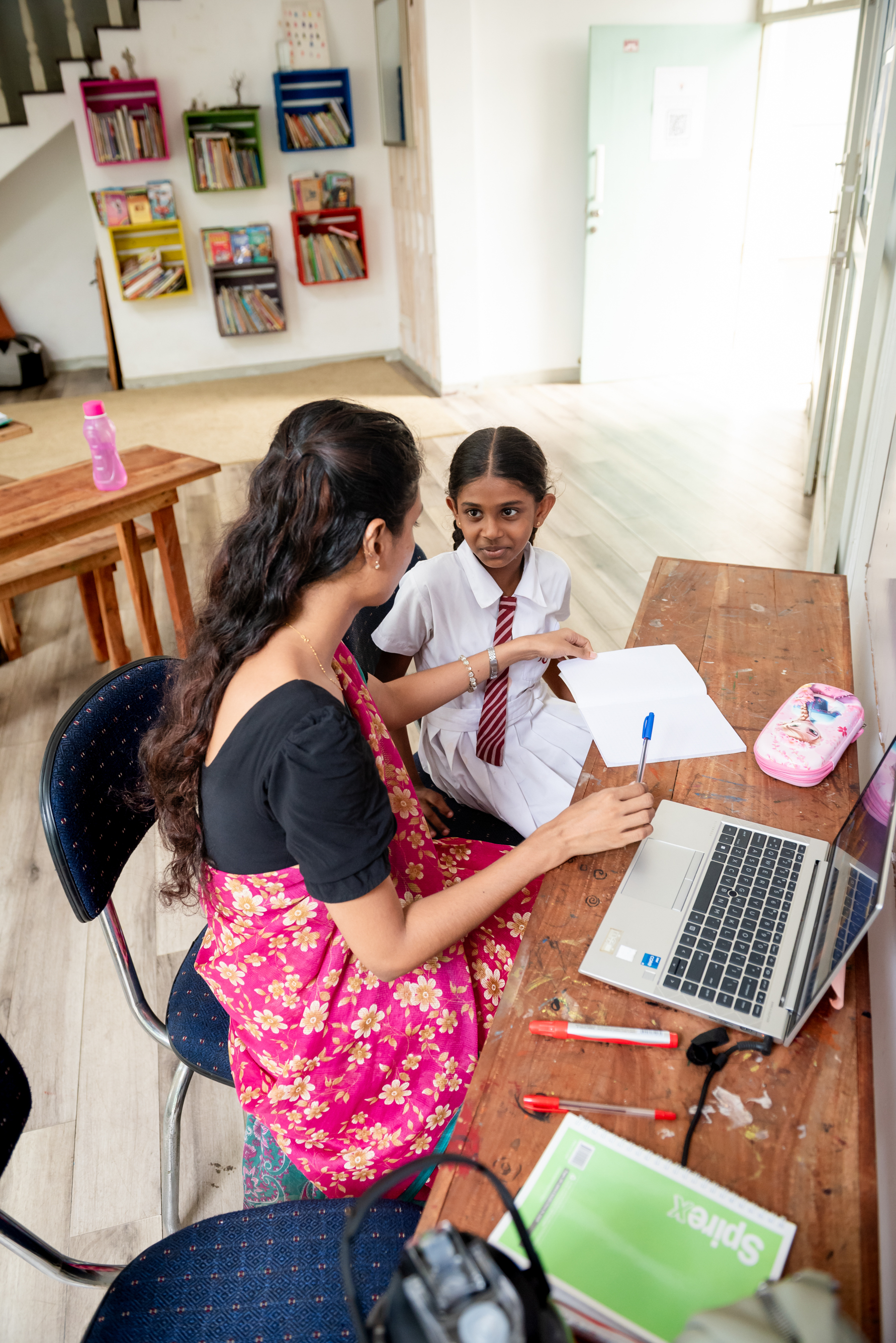
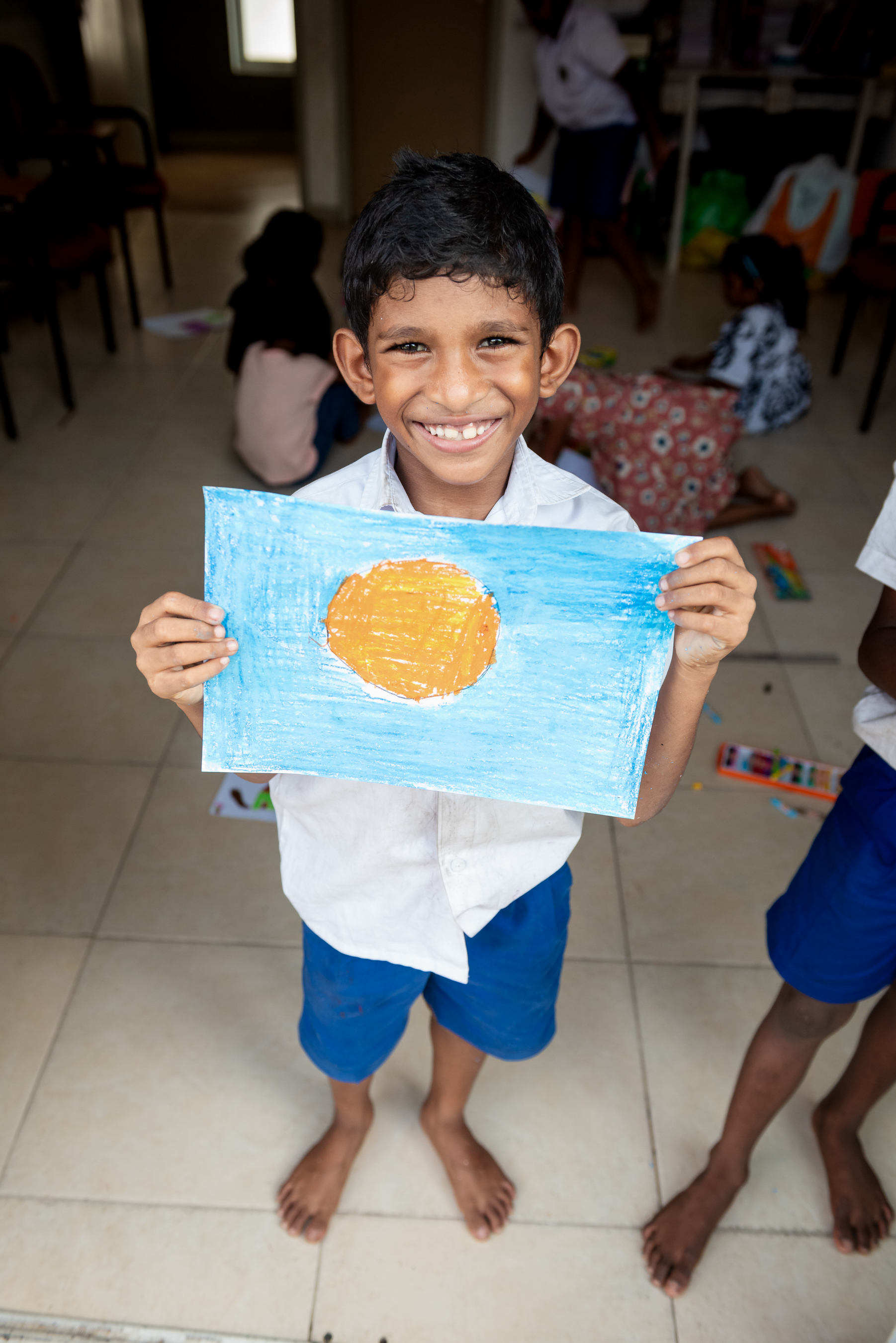
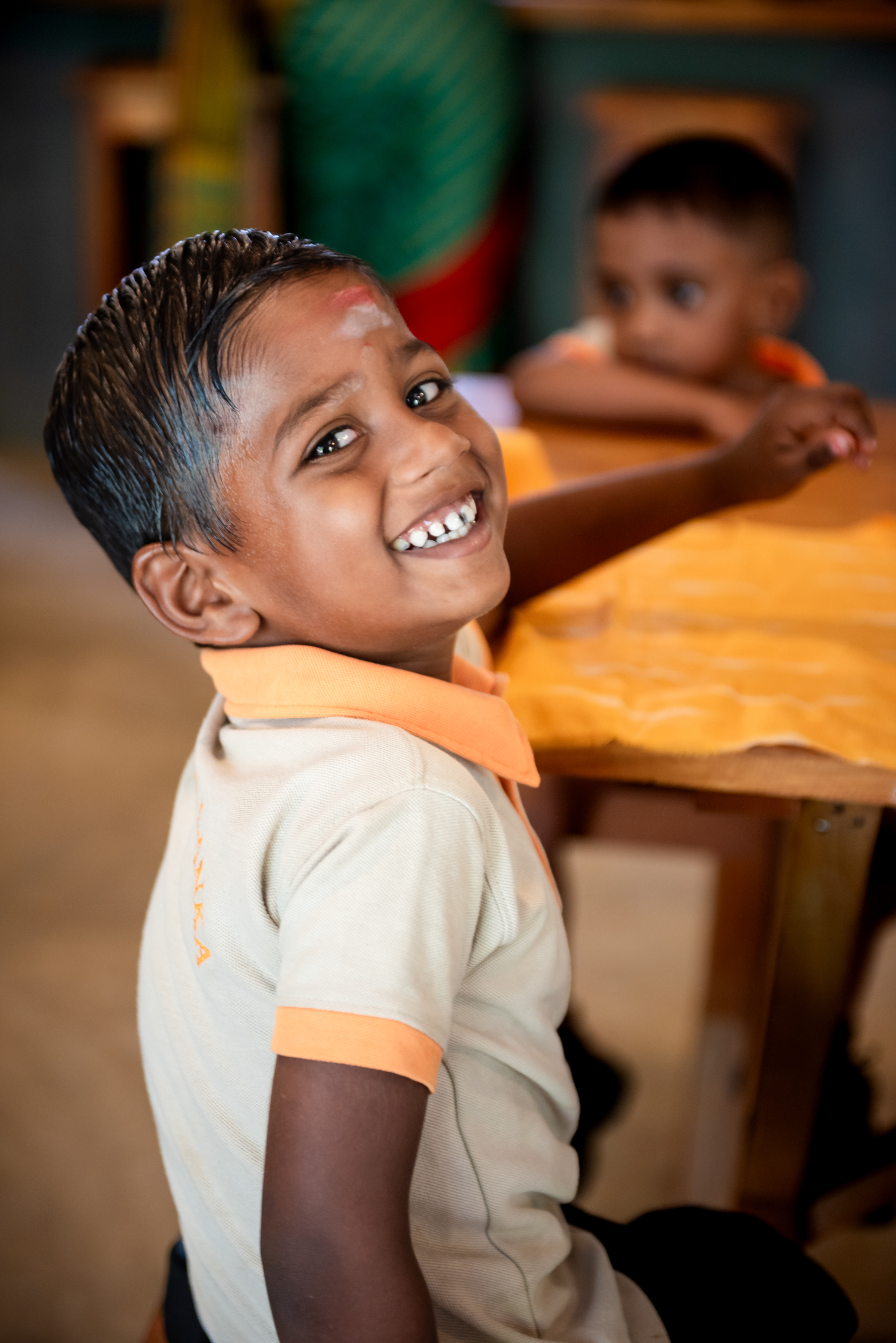
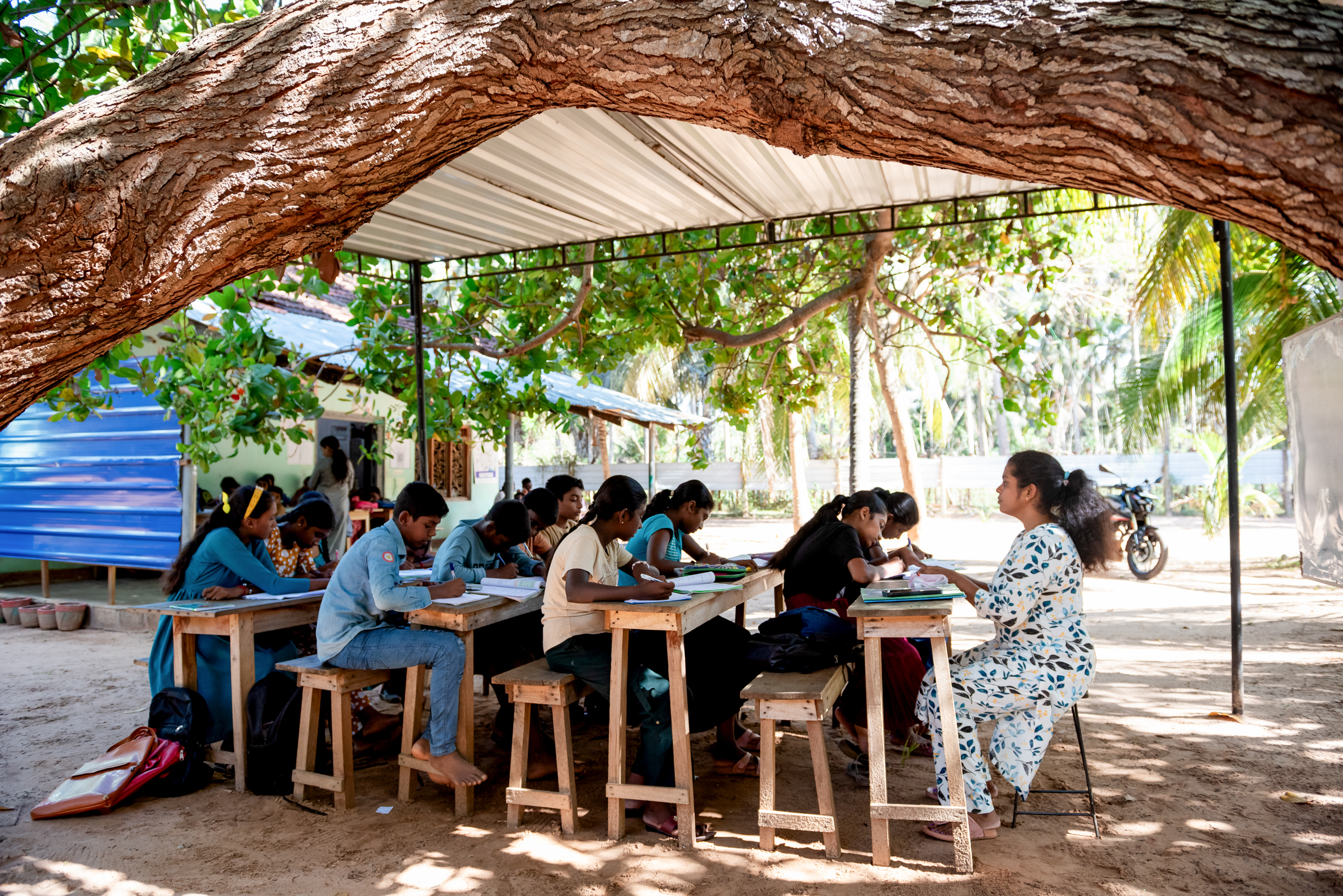
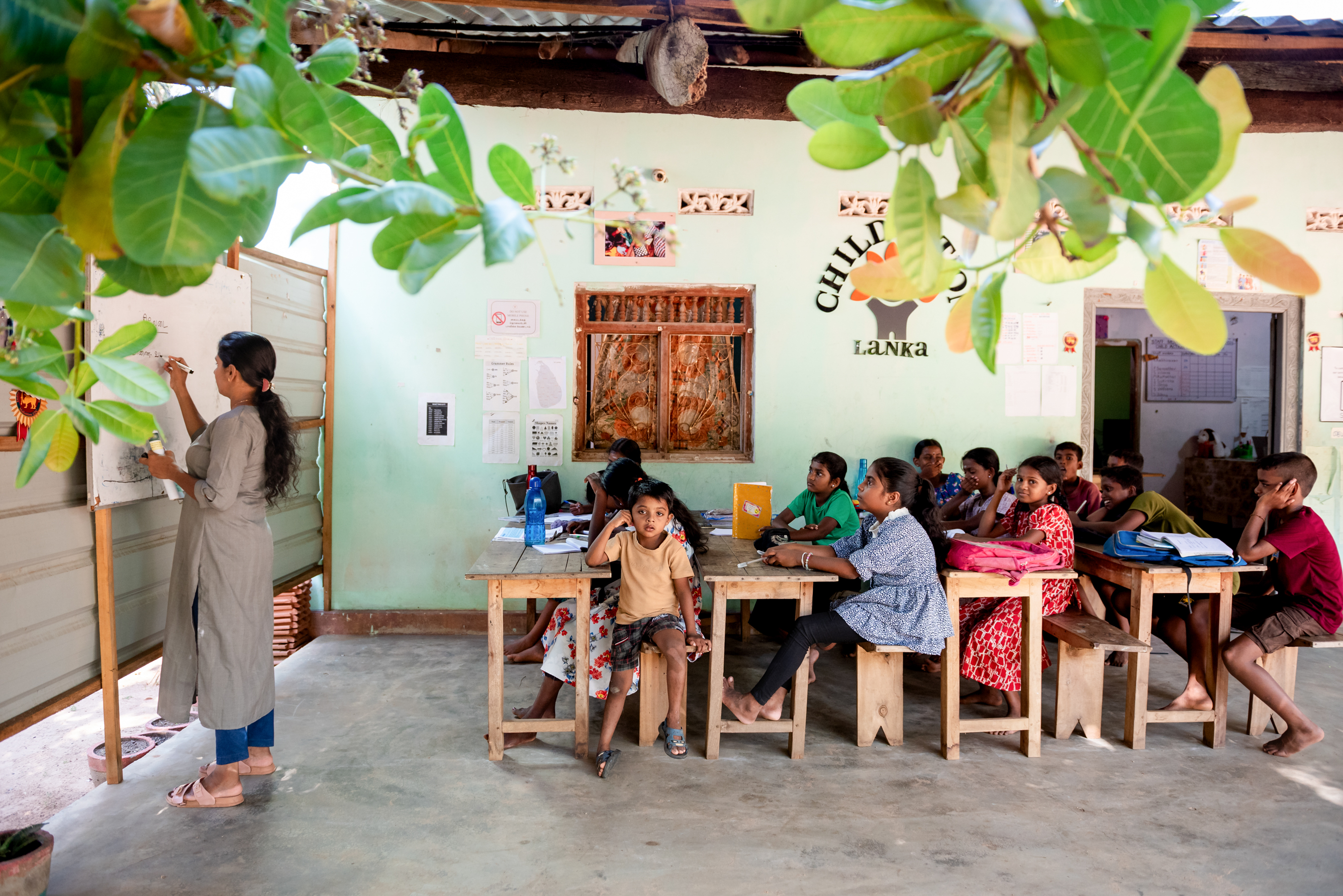
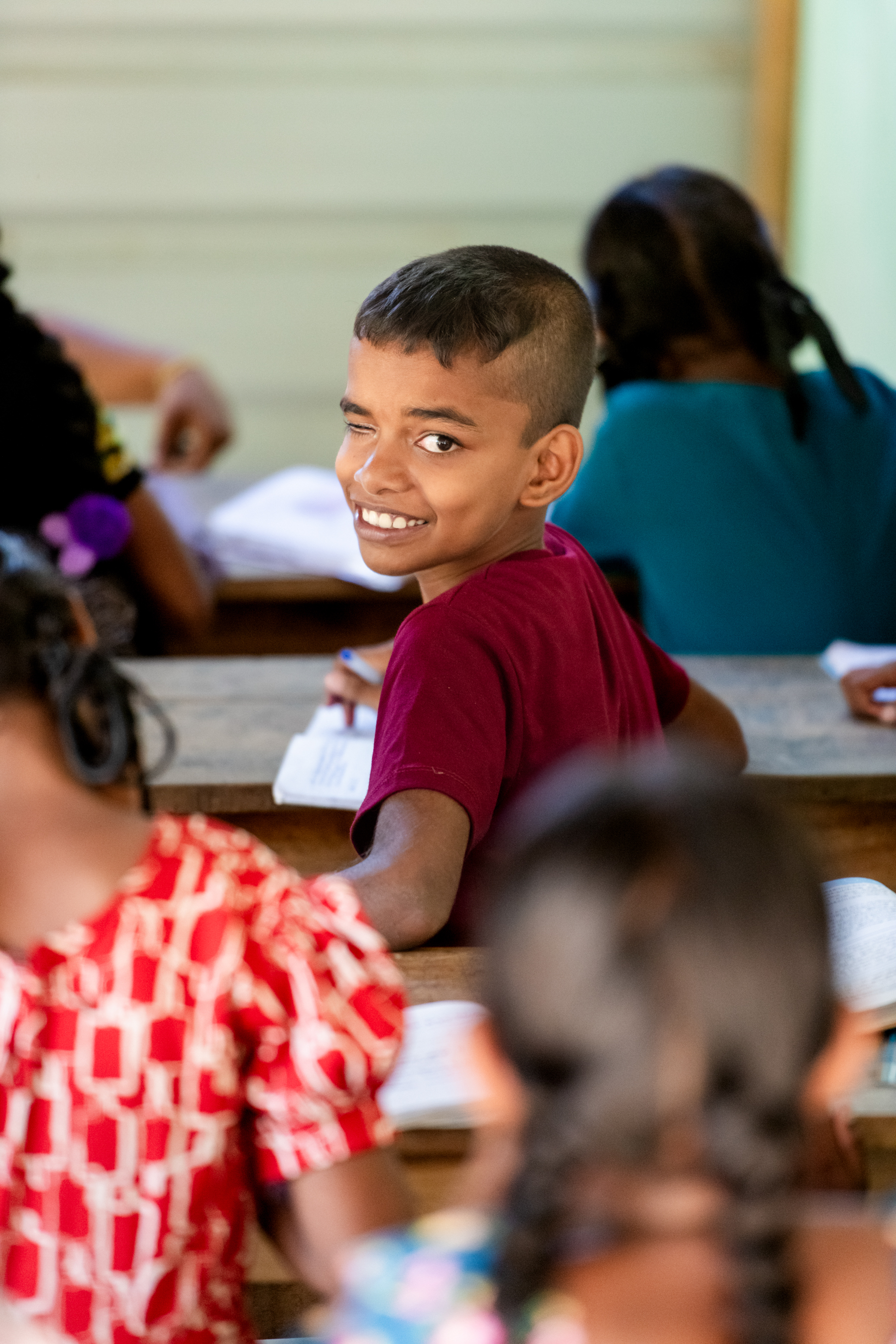
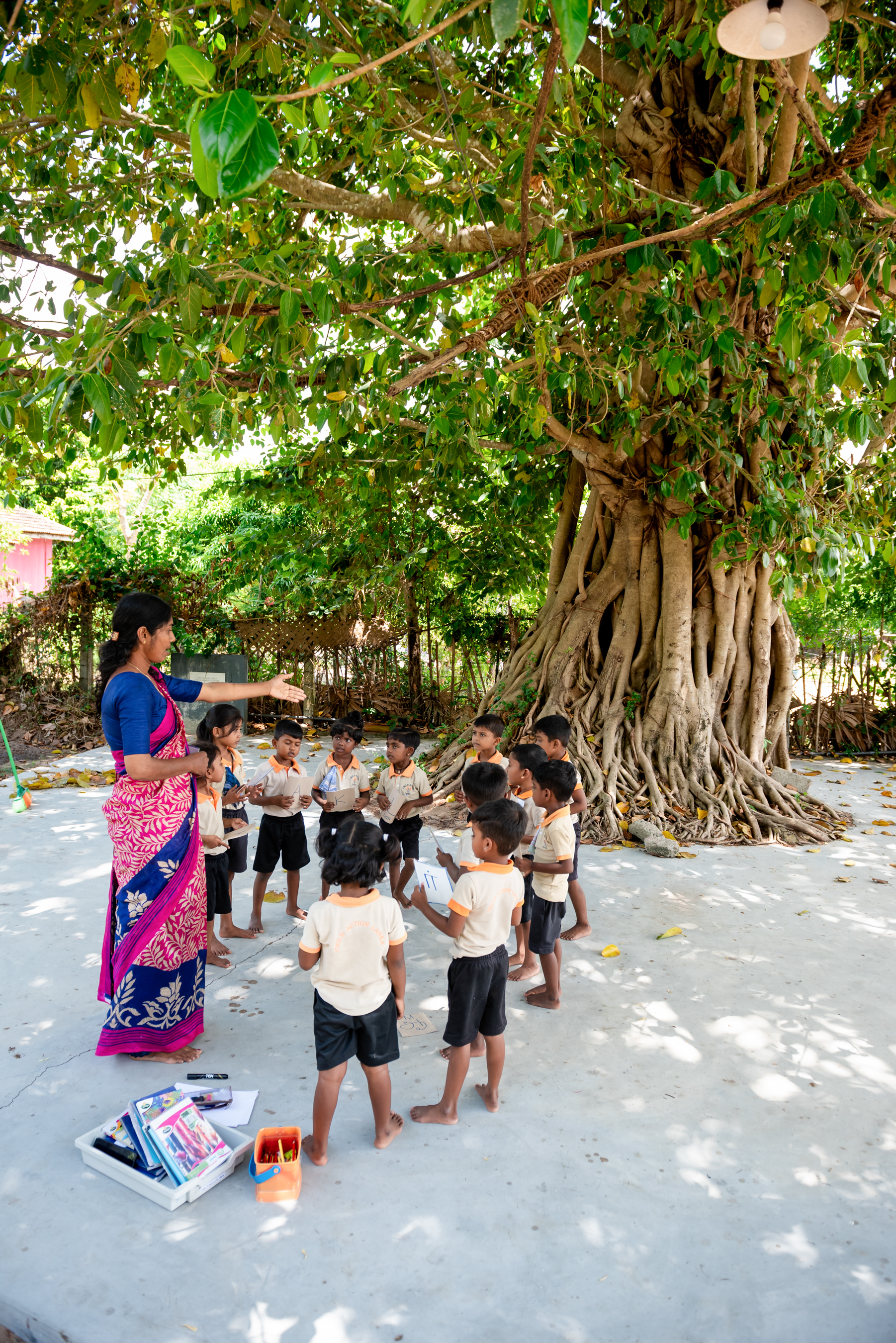
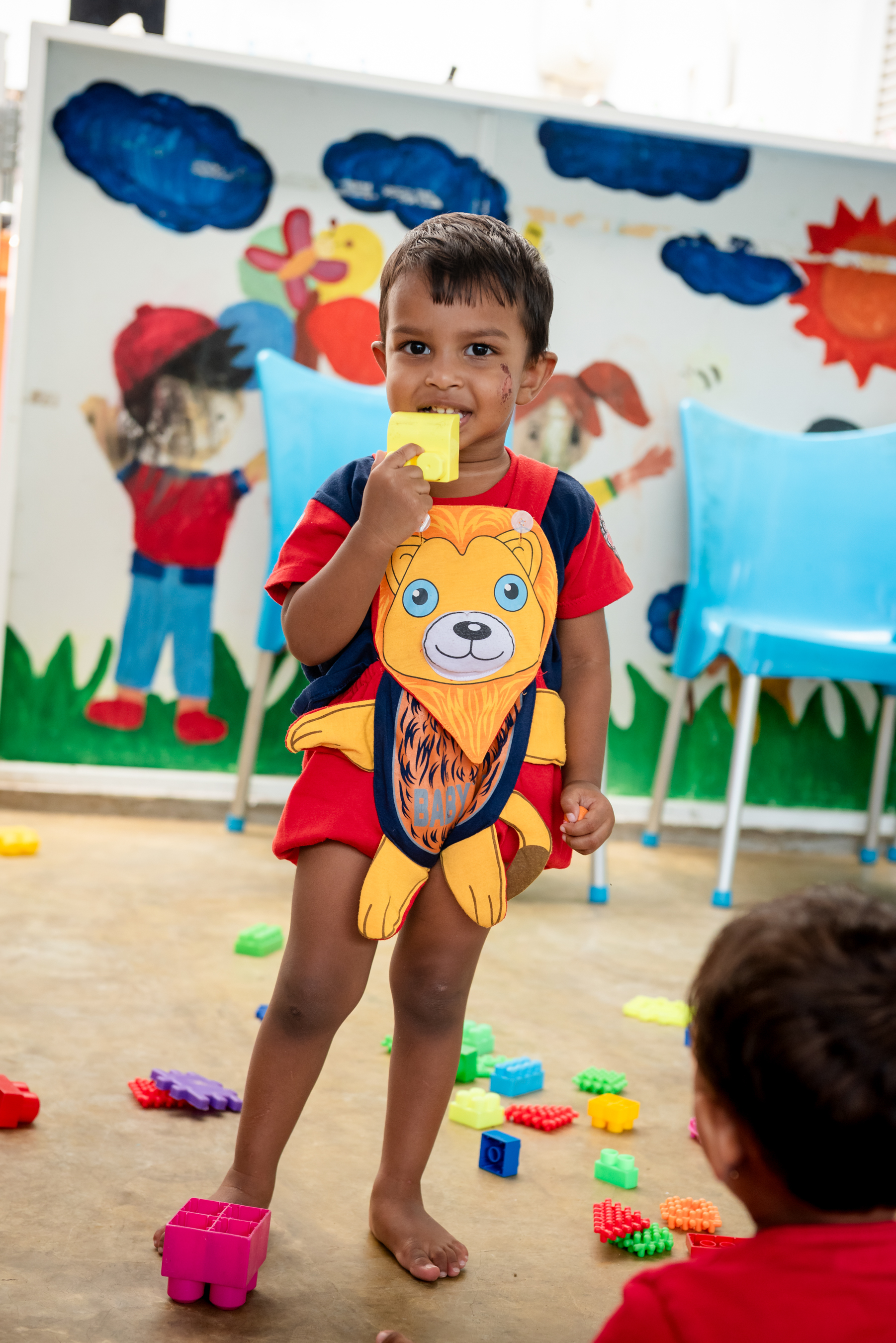
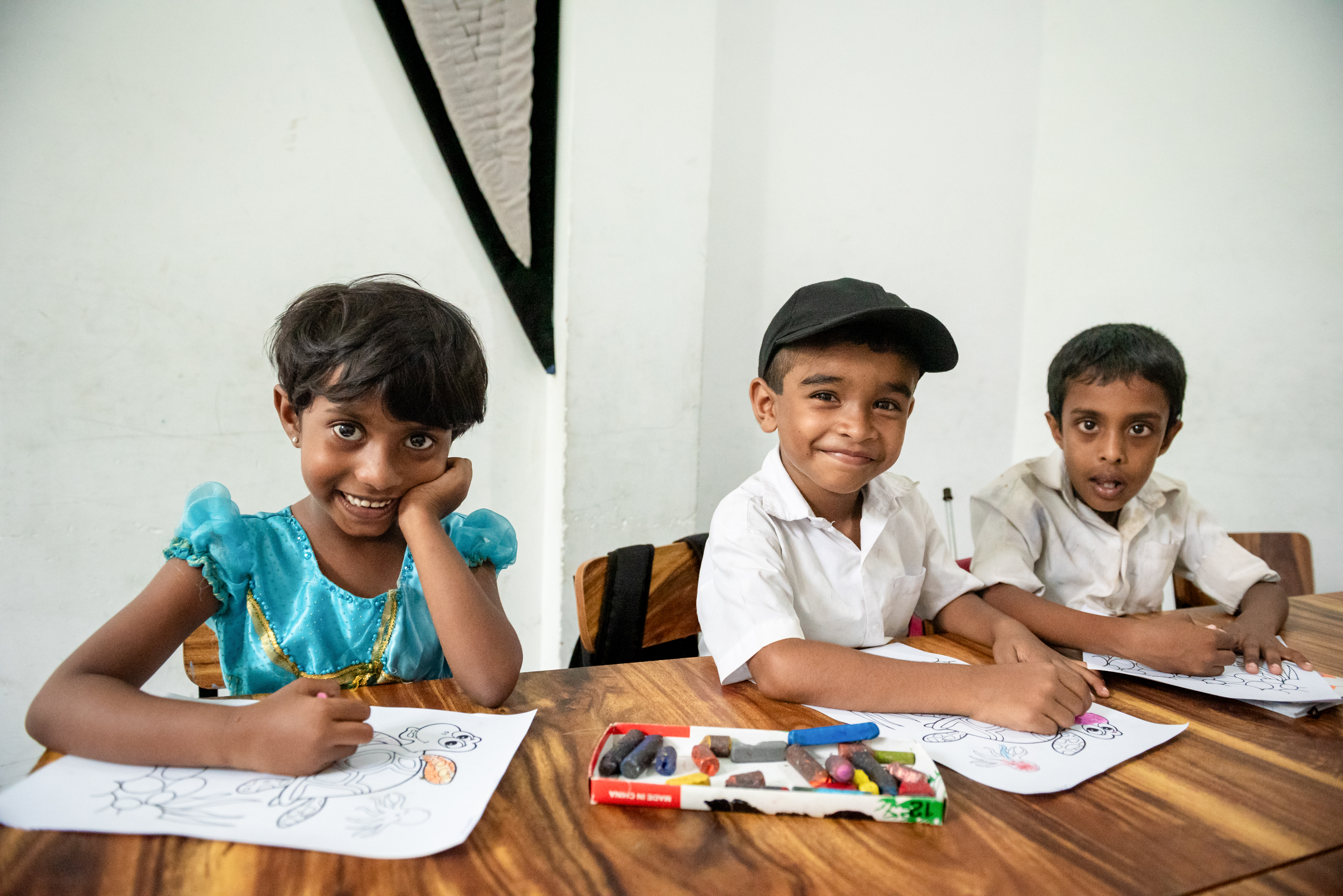
Inside the classrooms, teachers led reading and writing exercises. Some worked carefully with pencils and paper. Some colored, drew, laughed, and looked up from their pages with the sudden openness children give when they are fully present. To end the morning, there was a sing-along, almost karaoke-style. A few children took turns standing on a chair in front of the room, holding the microphone with both hands, serious and brave in their tan uniforms with orange trim. The room cheered them on.
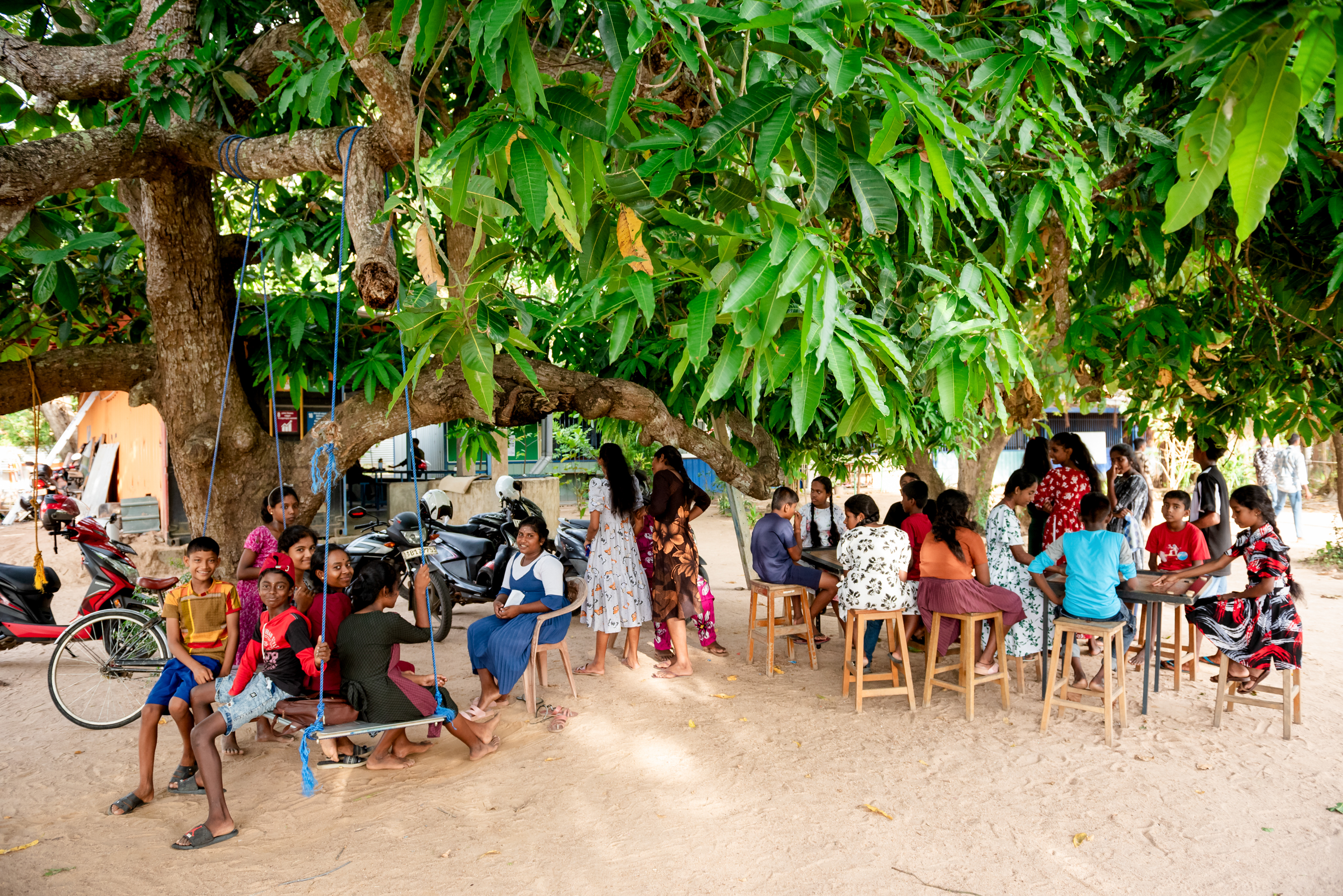
After the preschool morning, the rhythm shifted. The younger children went home, and later the older students arrived for after-school programs. This pattern repeated itself across CAL centers in different forms: younger children in the morning, older students later in the day, each group receiving not only learning support, but also meals, structure, and a safe place to belong.
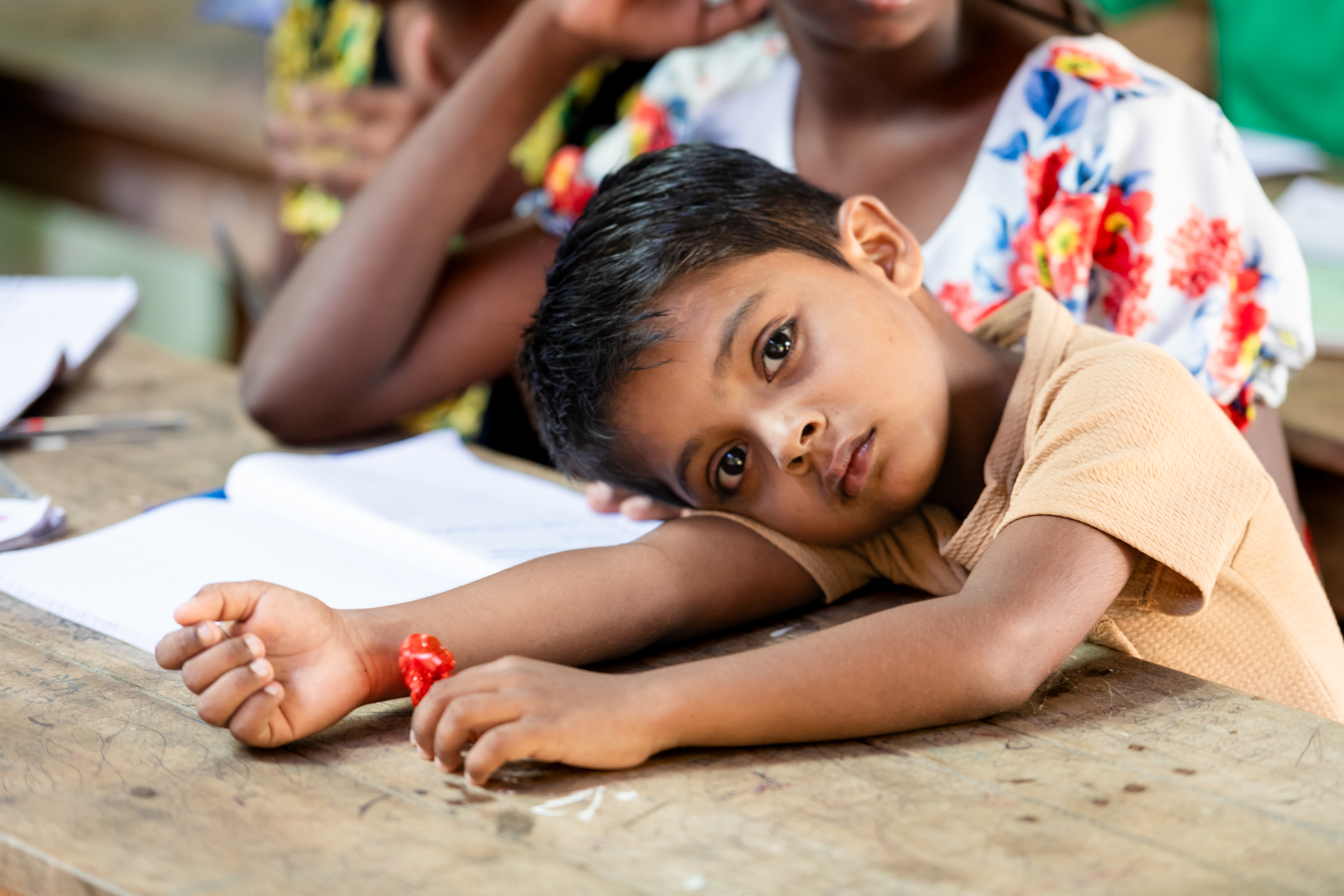
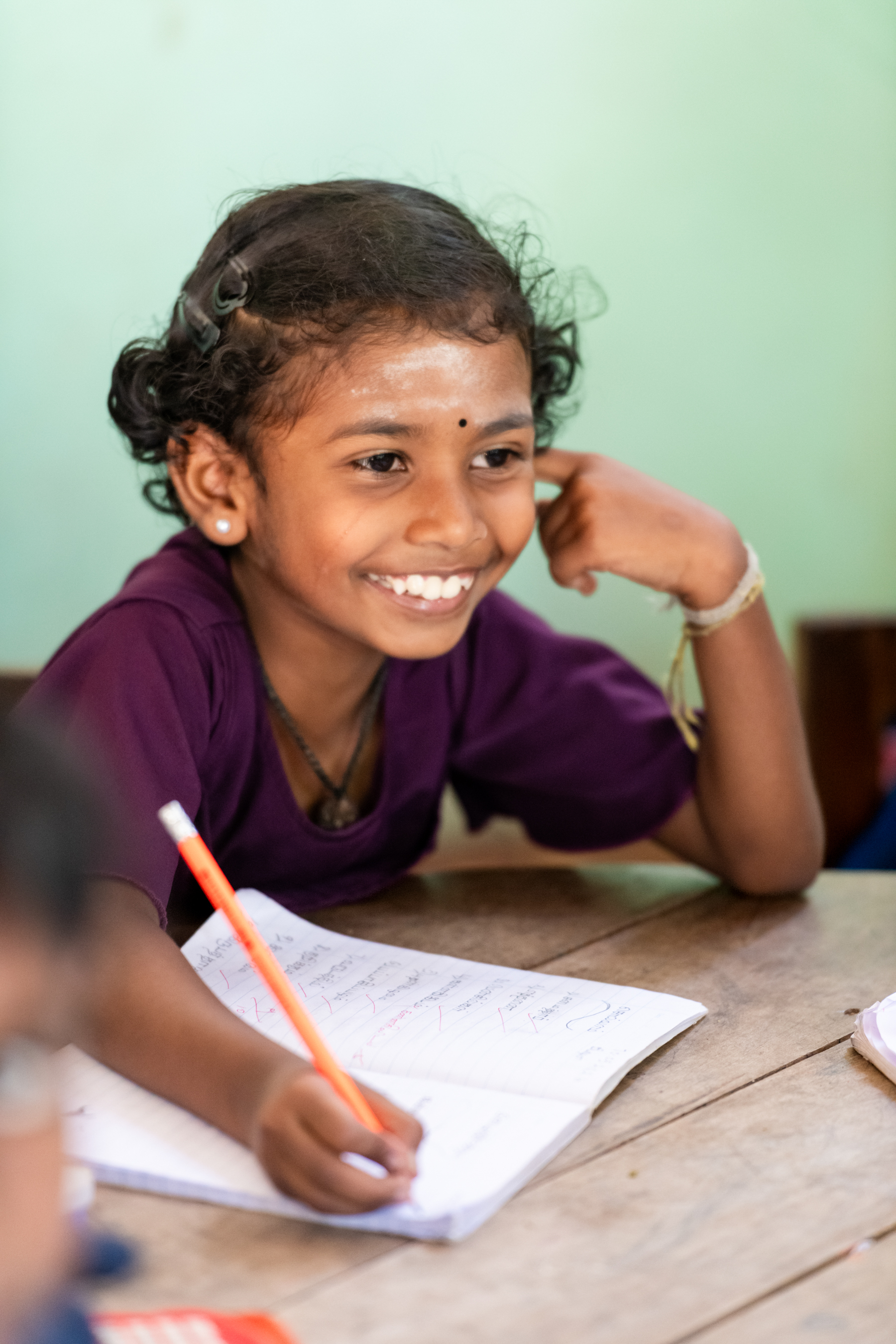
That first center began to show me what CAL’s work looks like when it is not written in a report. A meal. A teacher leaning in. A pencil in hand. A microphone passed to someone brave enough to sing. A routine that says, in a hundred quiet ways, you matter.
From there, the work widened across the country.
At the CAL Experience Centre and Colombo Child Development Centre, I photographed the broader architecture of the organization: feeding programs, gardening, after-school learning, reading, creative work, and the WRAP project. I filmed conversations with education specialists and with Debbie speaking about what comes next for CAL.
The WRAP project added another layer: women learning income-generating skills by upcycling used sarees into laptop sleeves, tote bags, kimonos, and other functional pieces.
Colombo showed another side of the work. In the city, the needs are different from the villages along the coast or the rural communities in the east and north, but the underlying questions are often the same: Is there safety? Is there food? Is there someone helping with schoolwork? Is there a place to belong?
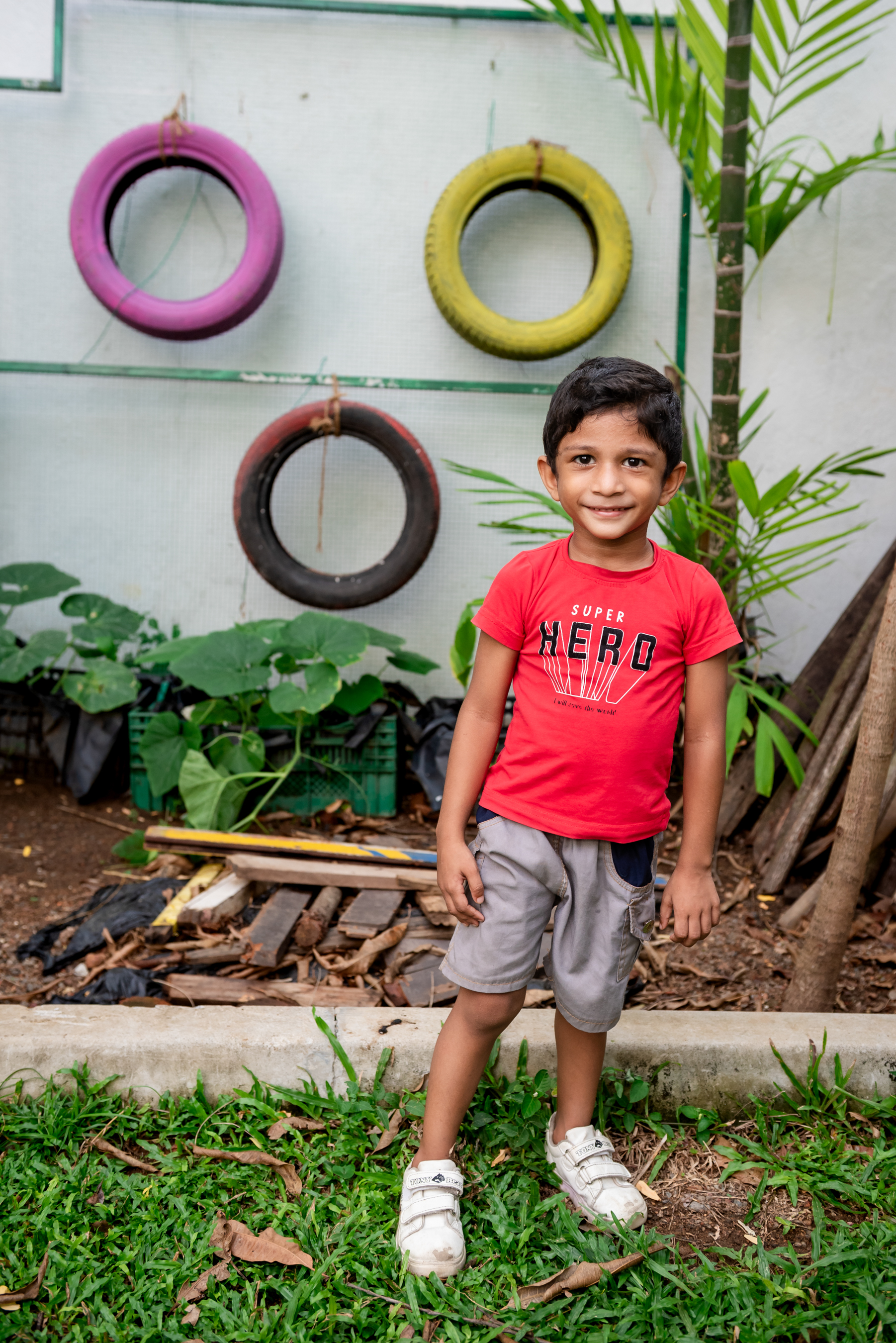
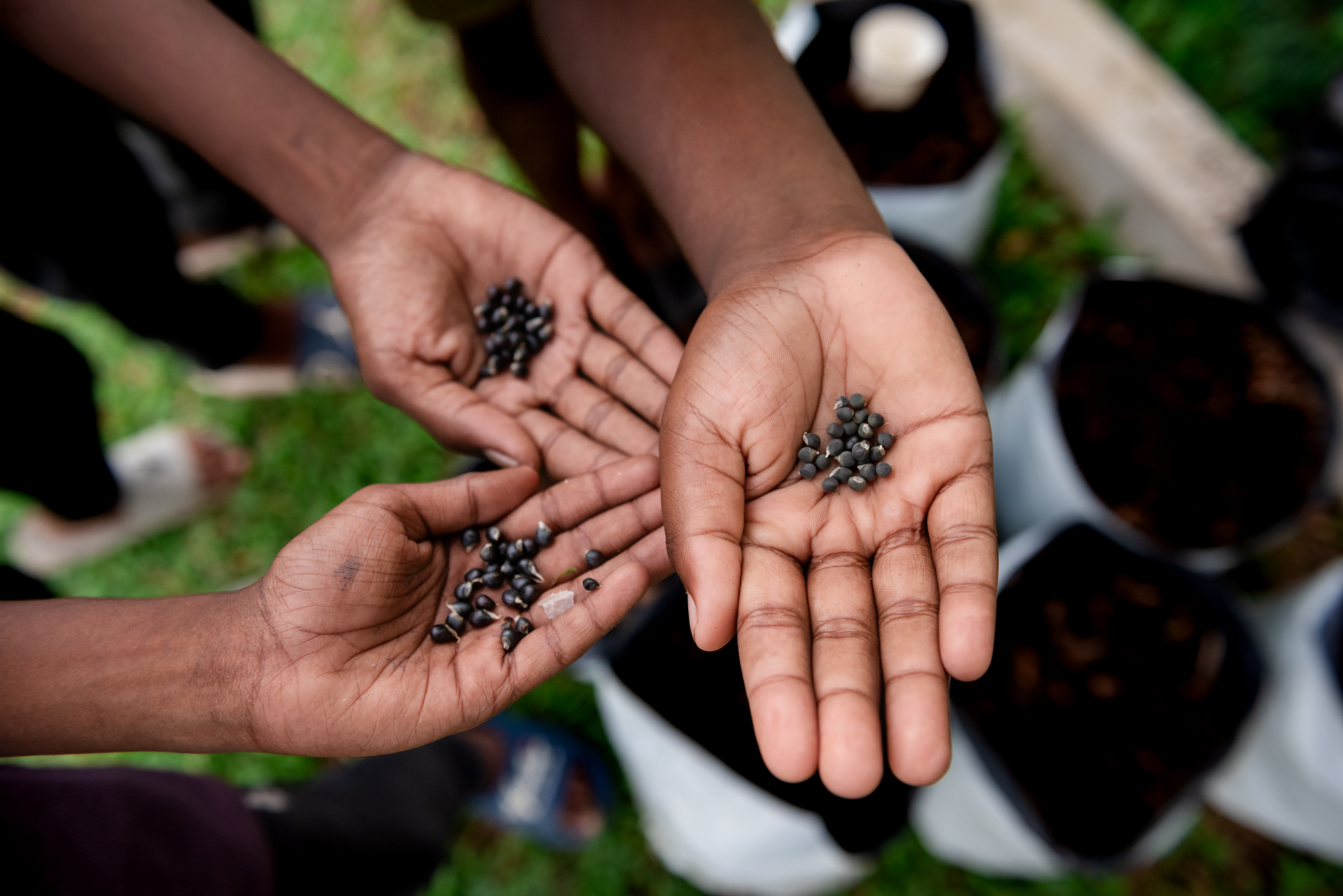
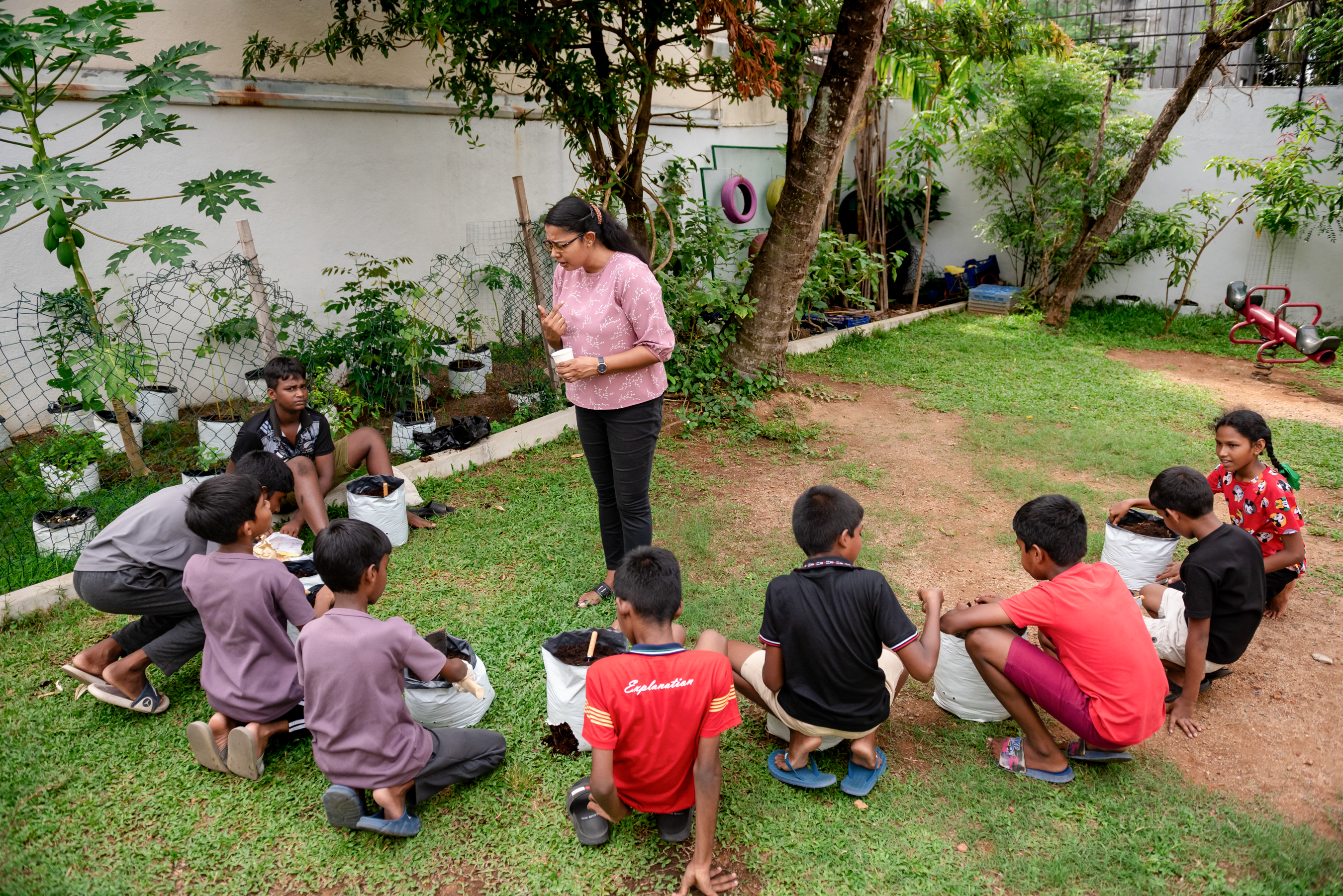
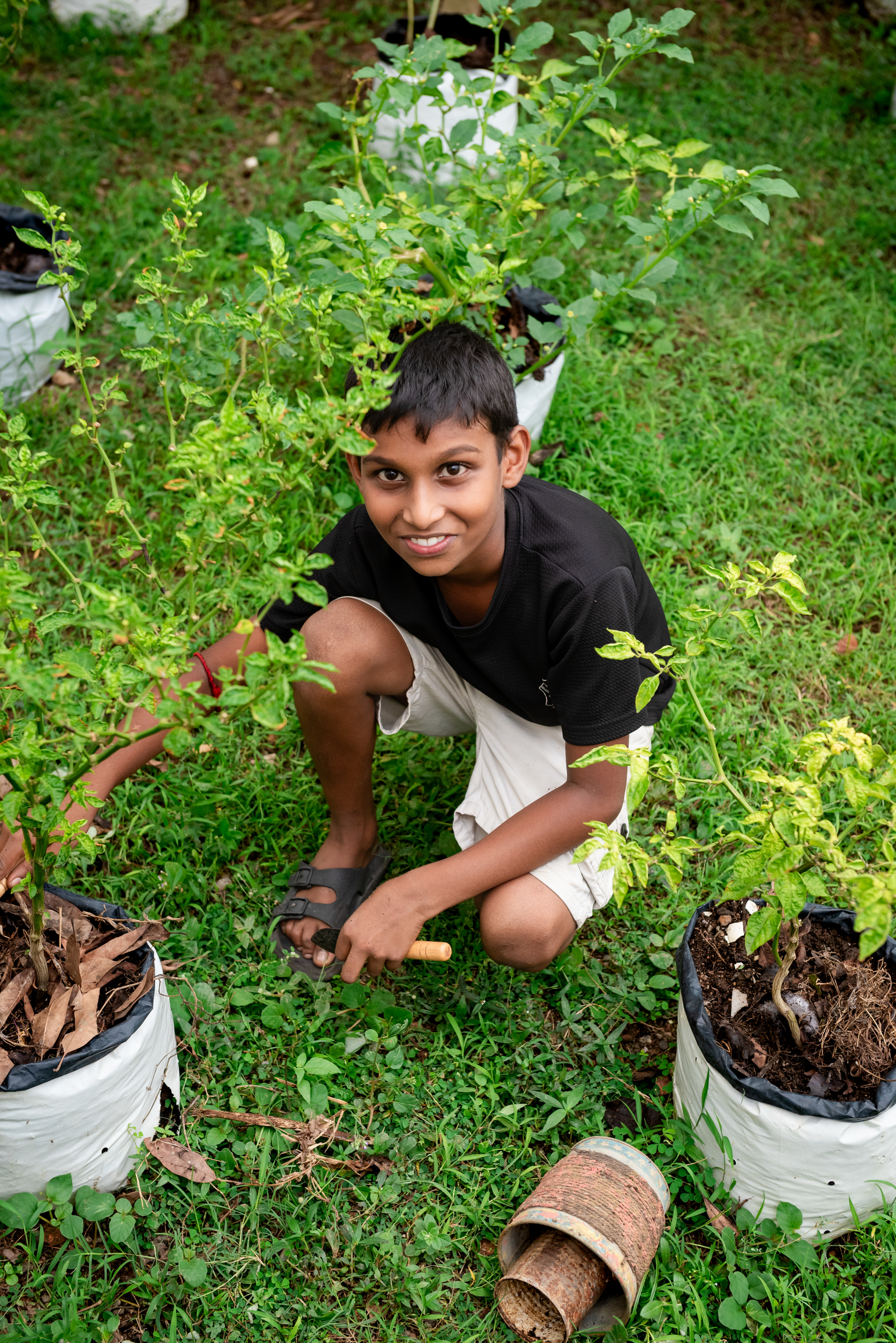
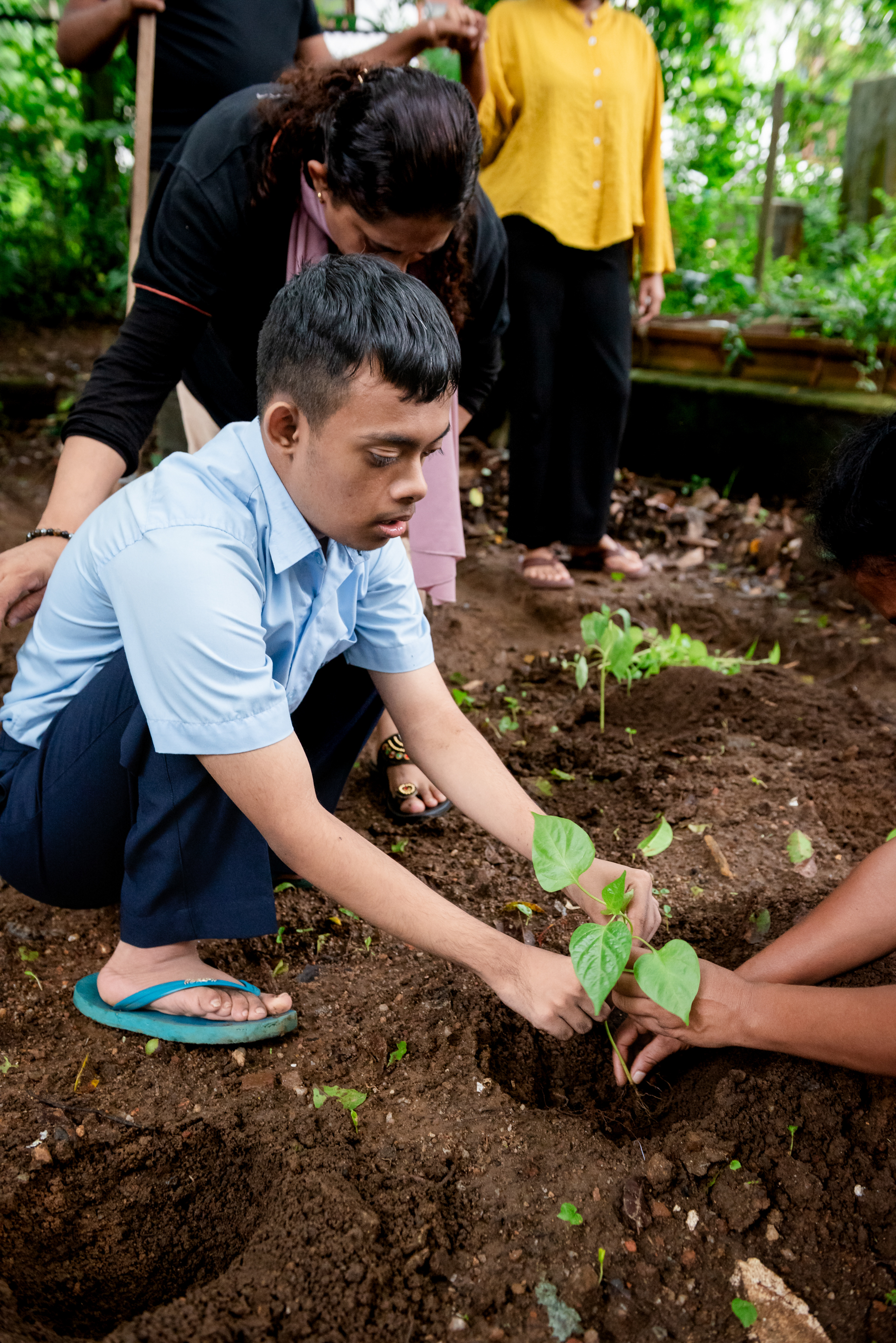
At the gardening project, education was not a desk and a book. It was soil, hands, tools, patience, and participation in something that grows. I watched young people work among green plants, smiling from between the leaves. The image was simple, but the meaning was not. To plant something is to believe in later.
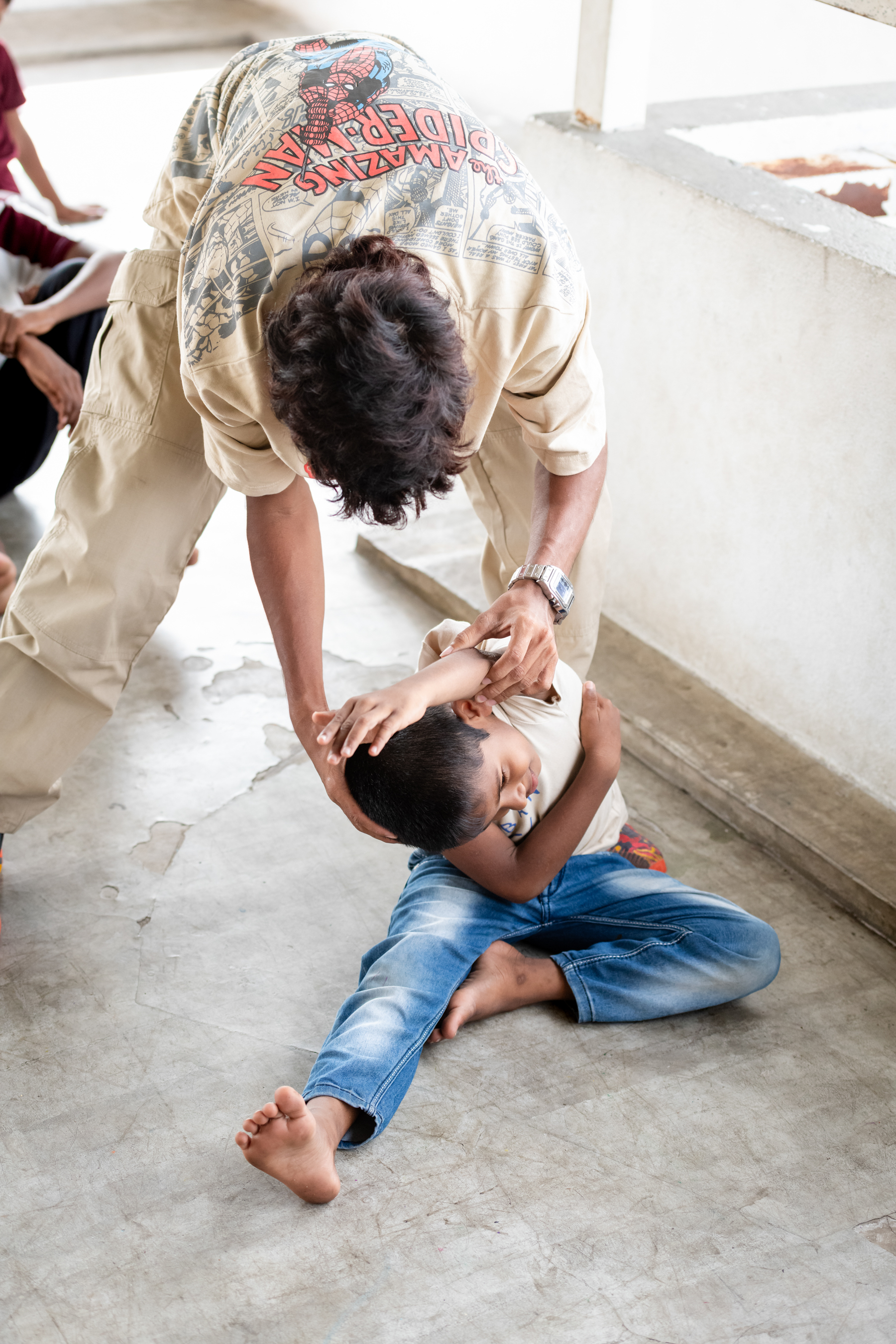
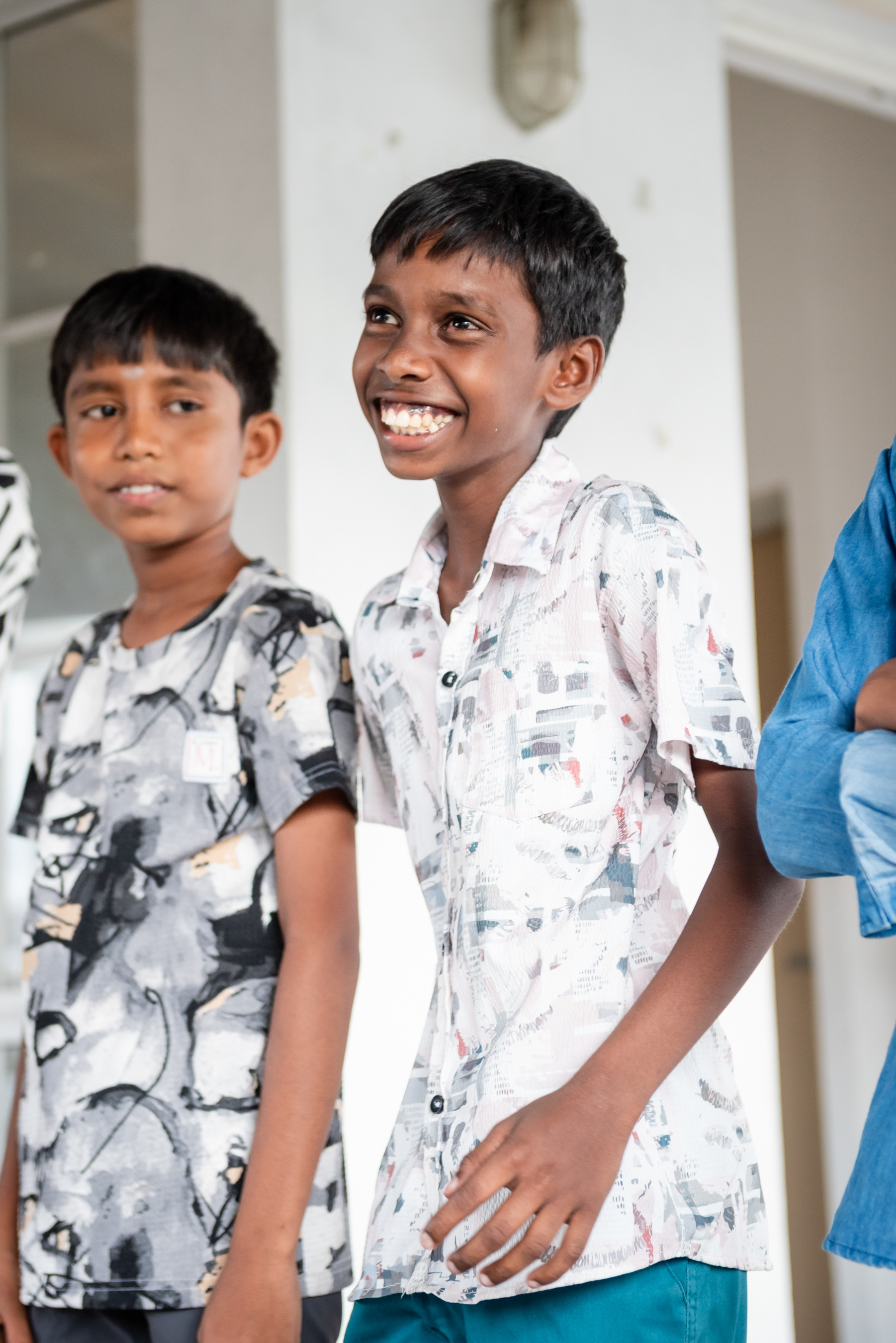
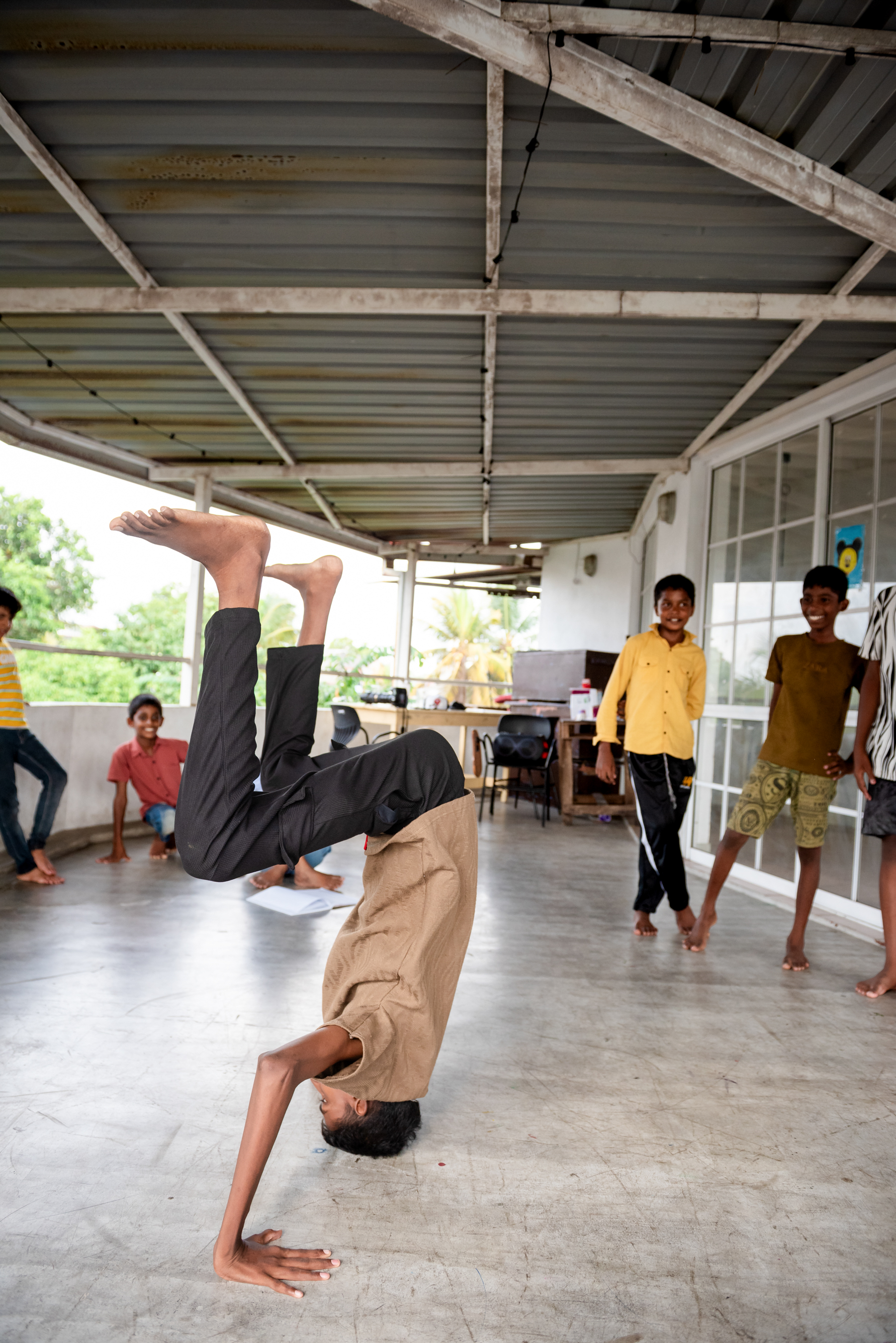
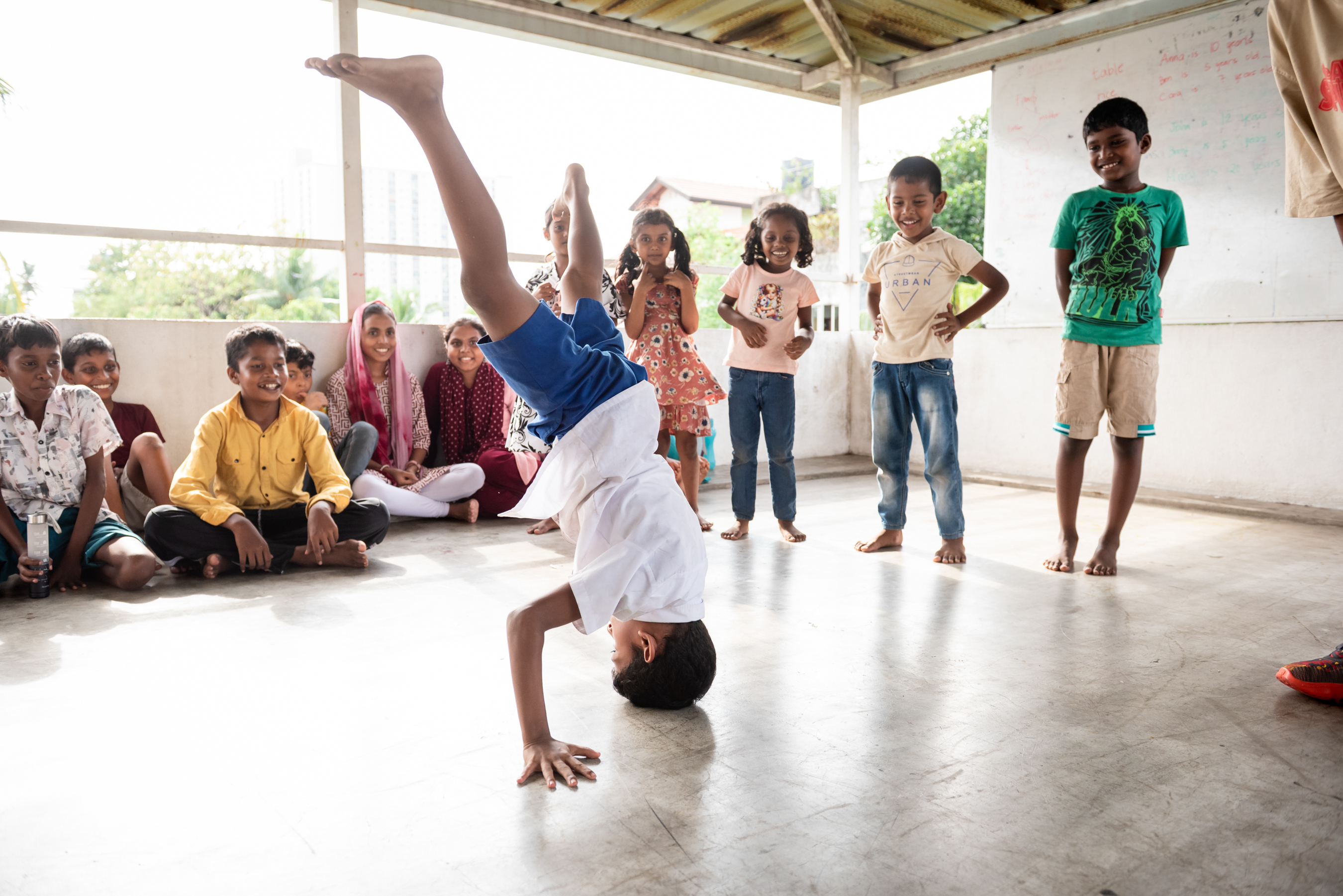
In the creative program, I learned that what I first thought of as drama or art was also movement: hip-hop, breaking, rhythm, bodies learning courage in front of others. Several students took turns moving across the floor, trying steps, freezes, and breaks while others watched, laughed, and cheered. Expression was not extra. It was another way of being seen.
A young person invited to create is being told something important: your inner life matters too.
The next major movement of the journey took us north. Very early in the morning, on that long 3 a.m. drive to Kilinochchi, I was with Dilshan. The journey was long, roughly seven hours or more, but it became one of the most important parts of the trip because of what unfolded between us on the road. In the office, Dilshan had been focused on the practical work of CAL. In the car, he became a teacher.
As we drove, the story of Sri Lanka expanded: kingdoms, colonization, faith, ethnic identity, war, displacement, and how CAL grew inside the needs of the country rather than apart from them. The north carries history differently. In Kilinochchi, Mullaitivu, Akkarayan, and surrounding communities, the past is not far away. I did not witness those years. I did not live that loss. But through the stories I heard and the work I saw, I began to understand that education in these places is not only about lessons.
It is also about recovery.
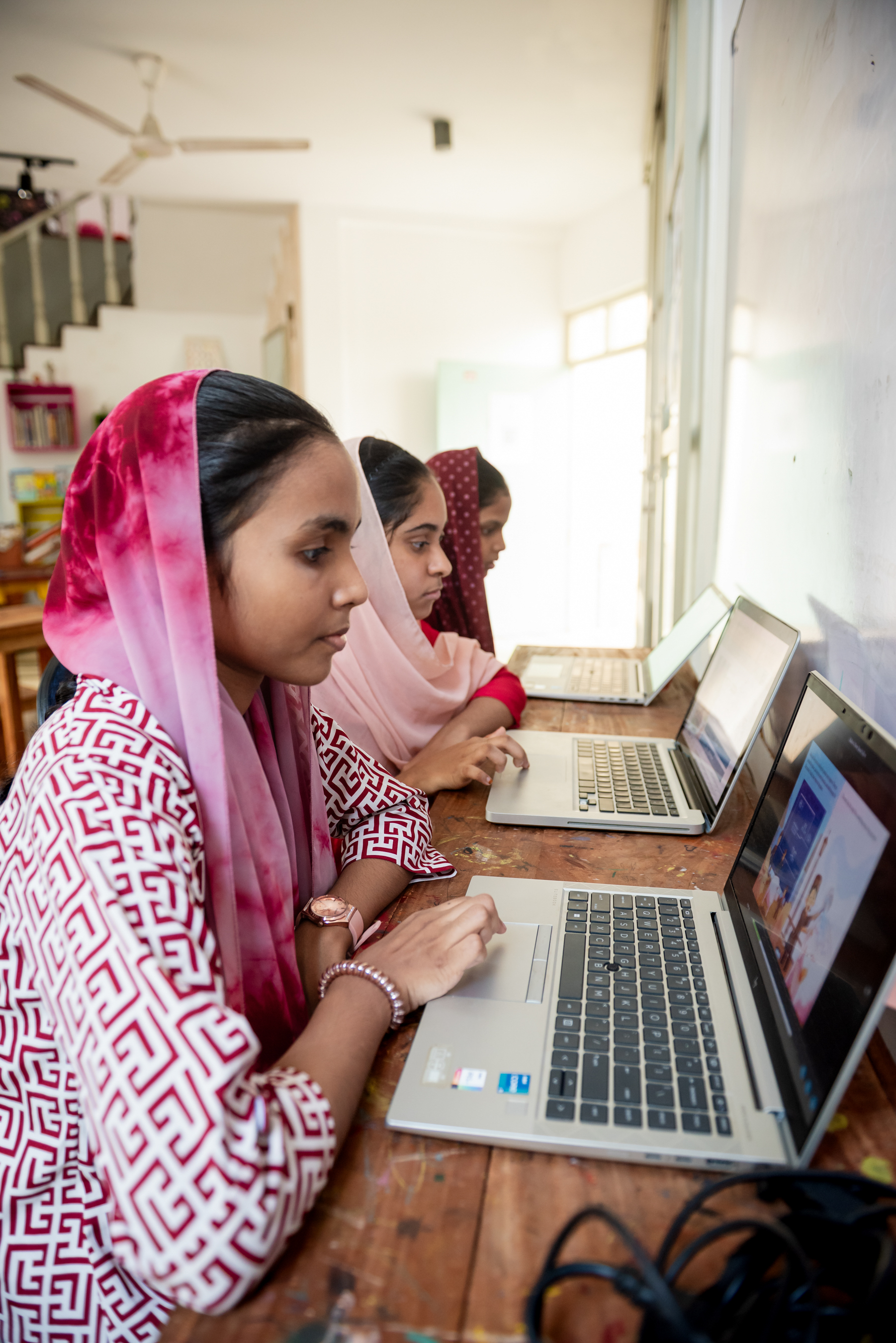
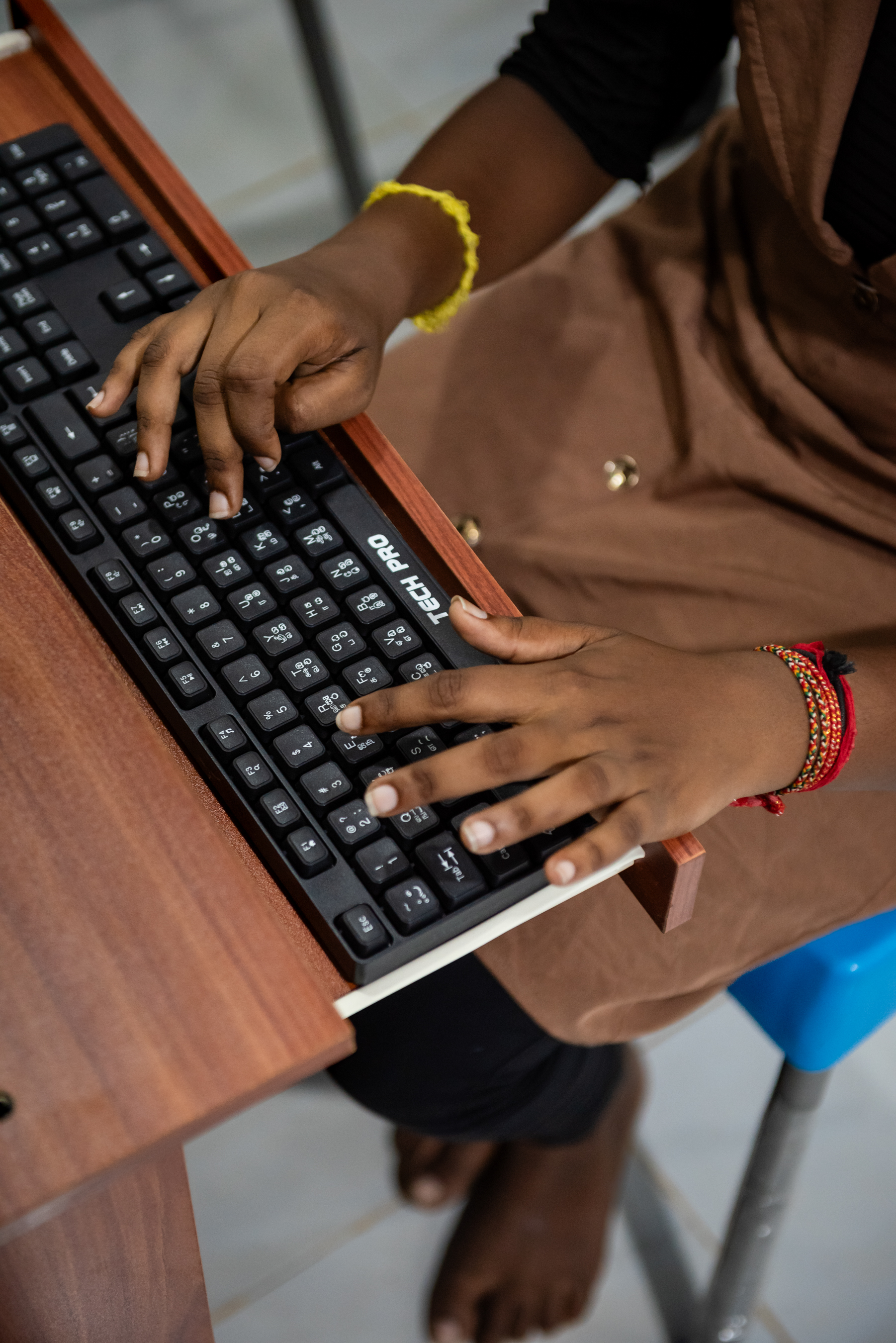
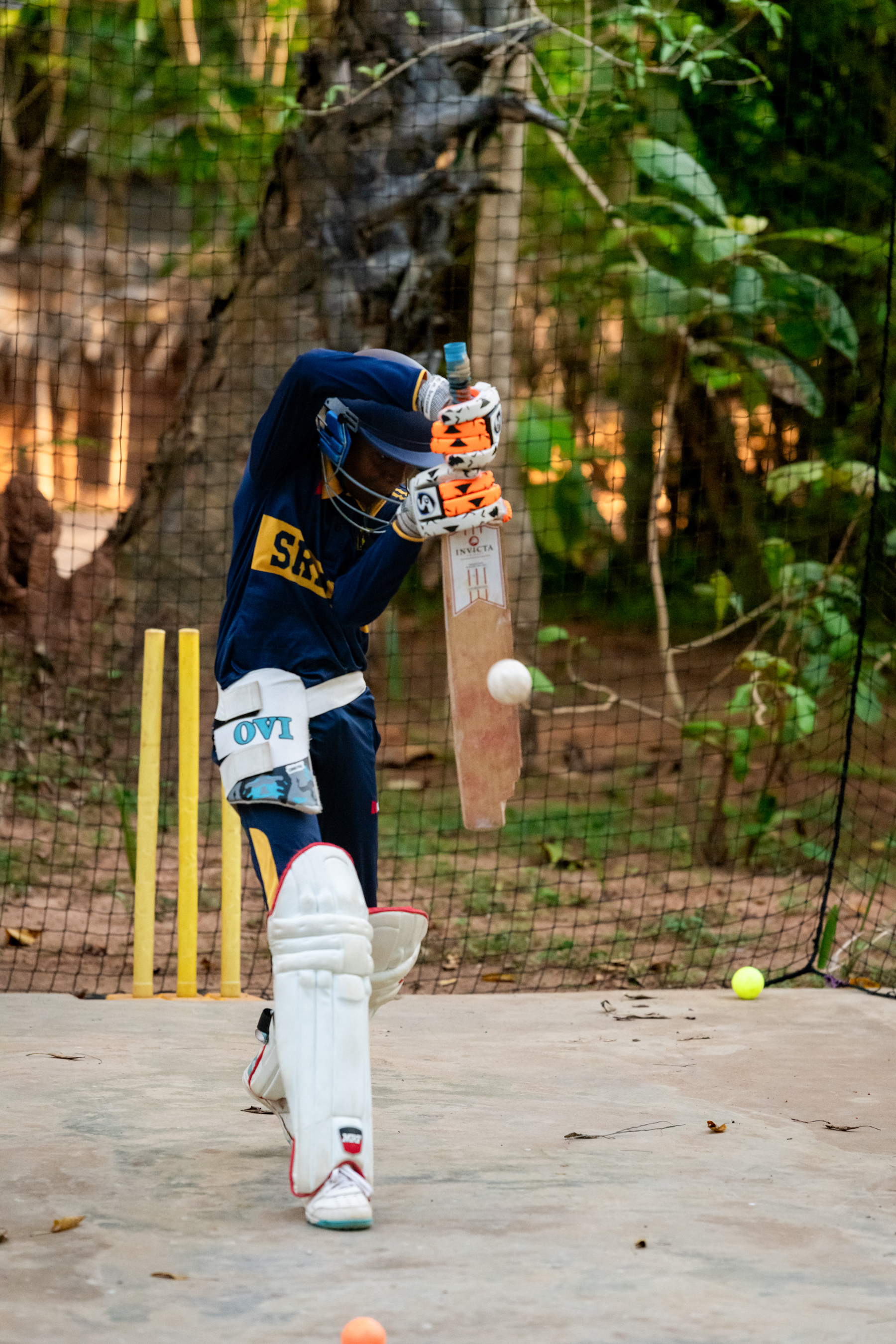
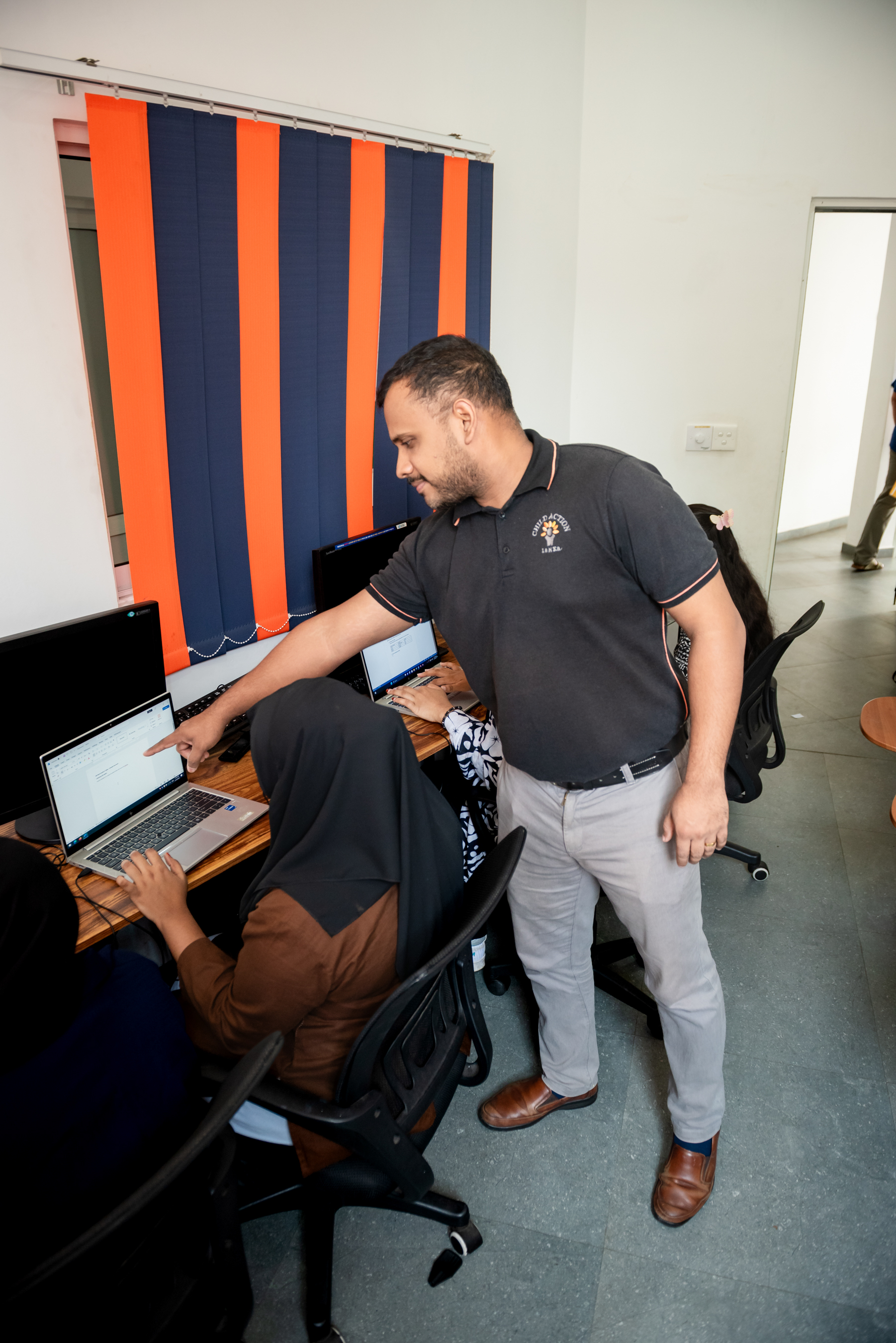
In the north, I photographed IT programs, preschool activities, sports, creative work, and health and nutrition. There were students at computers, classrooms in motion, trainers guiding, and staff building routine and possibility. In places where many families have had to recover from displacement, trauma, and uncertainty, the sight of someone typing, reading, playing, and eating with others carried more meaning than it might at first appear.
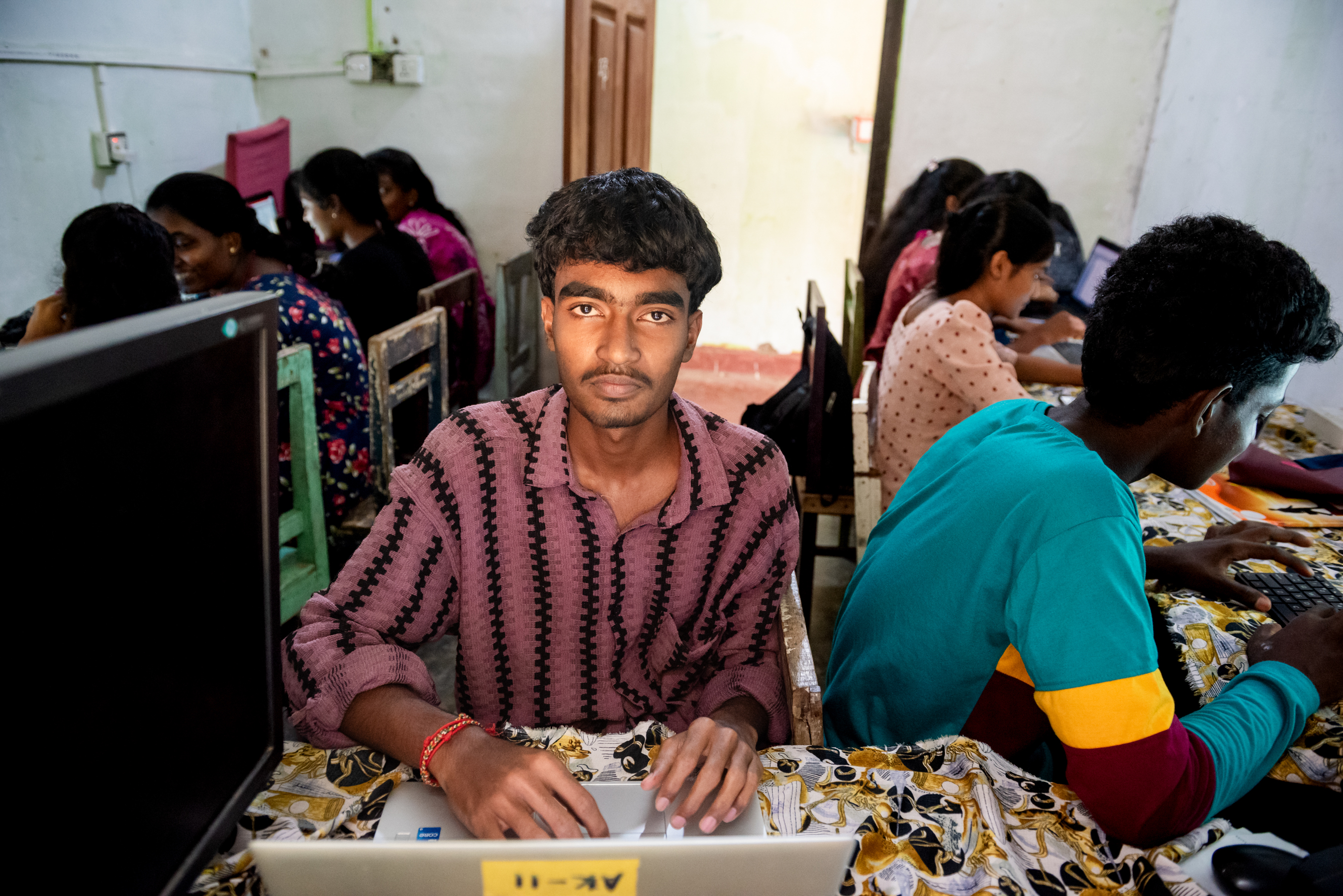
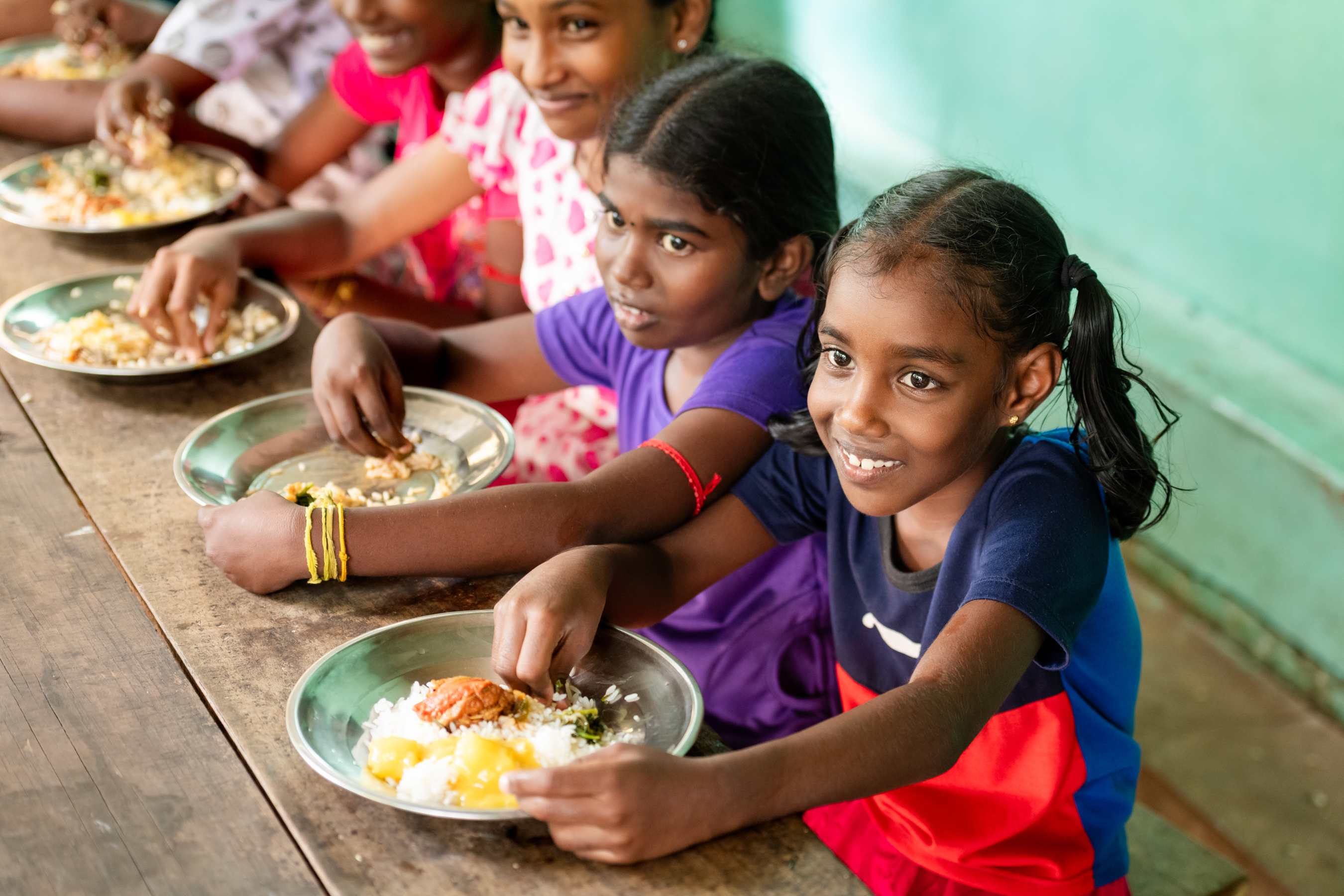
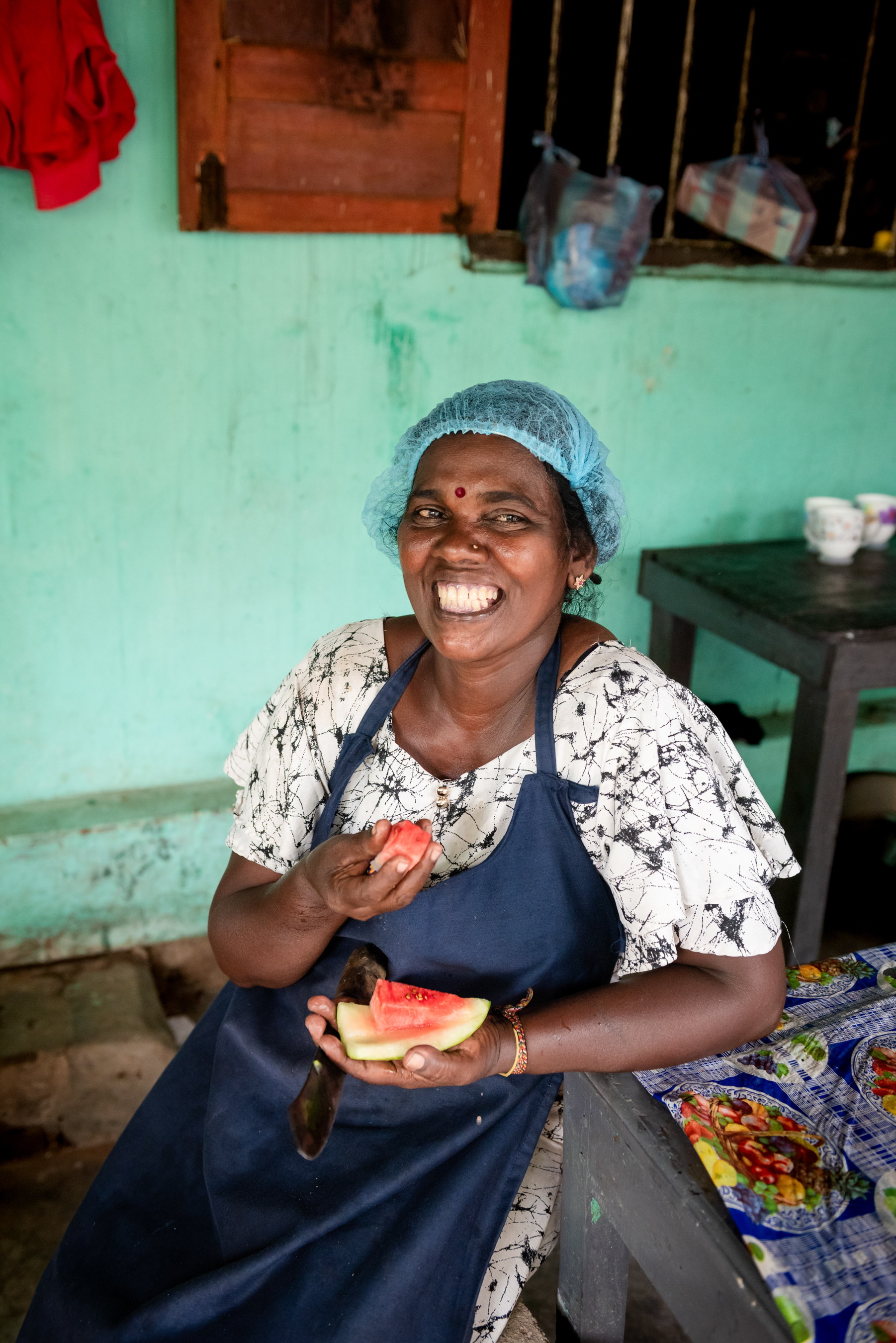
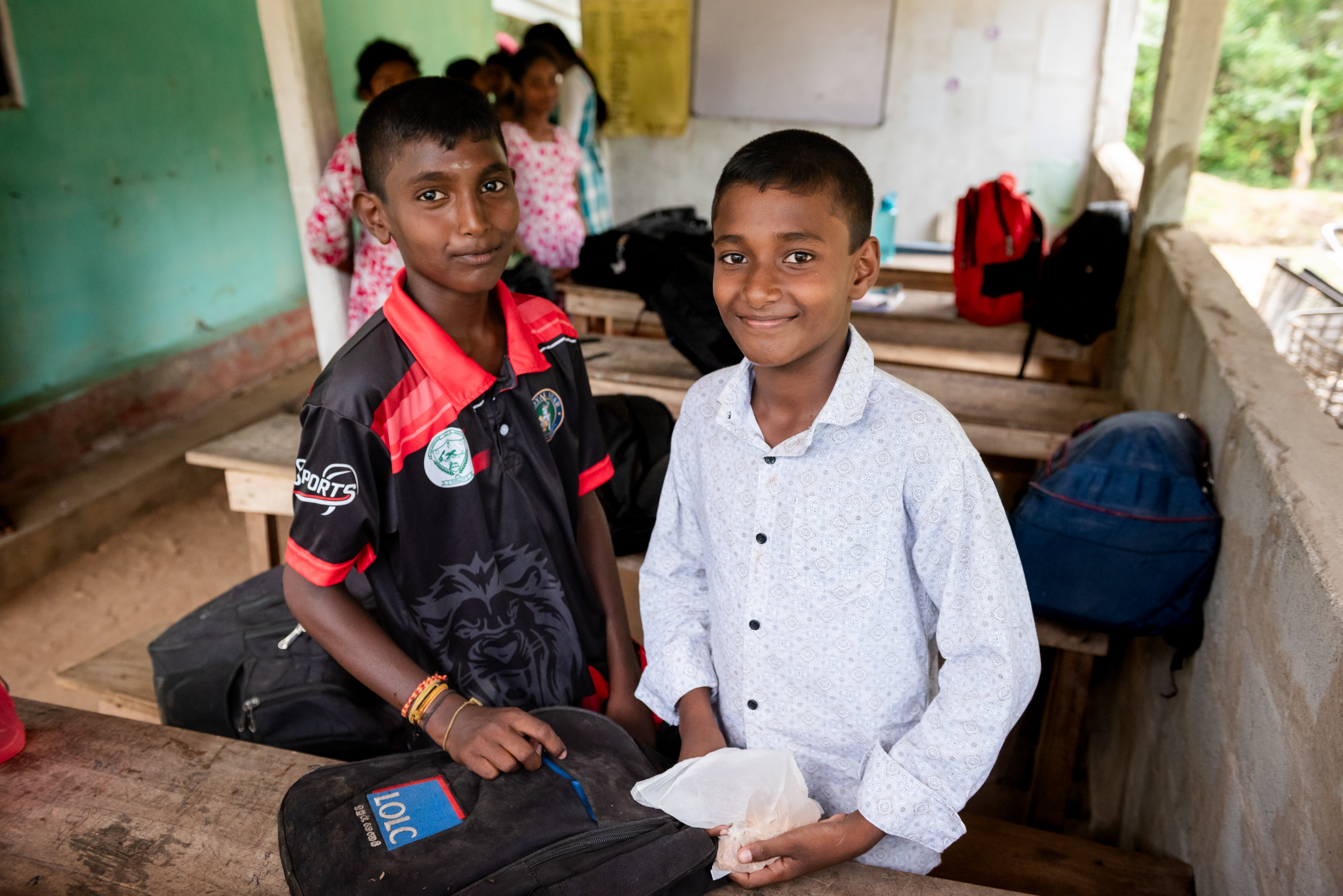
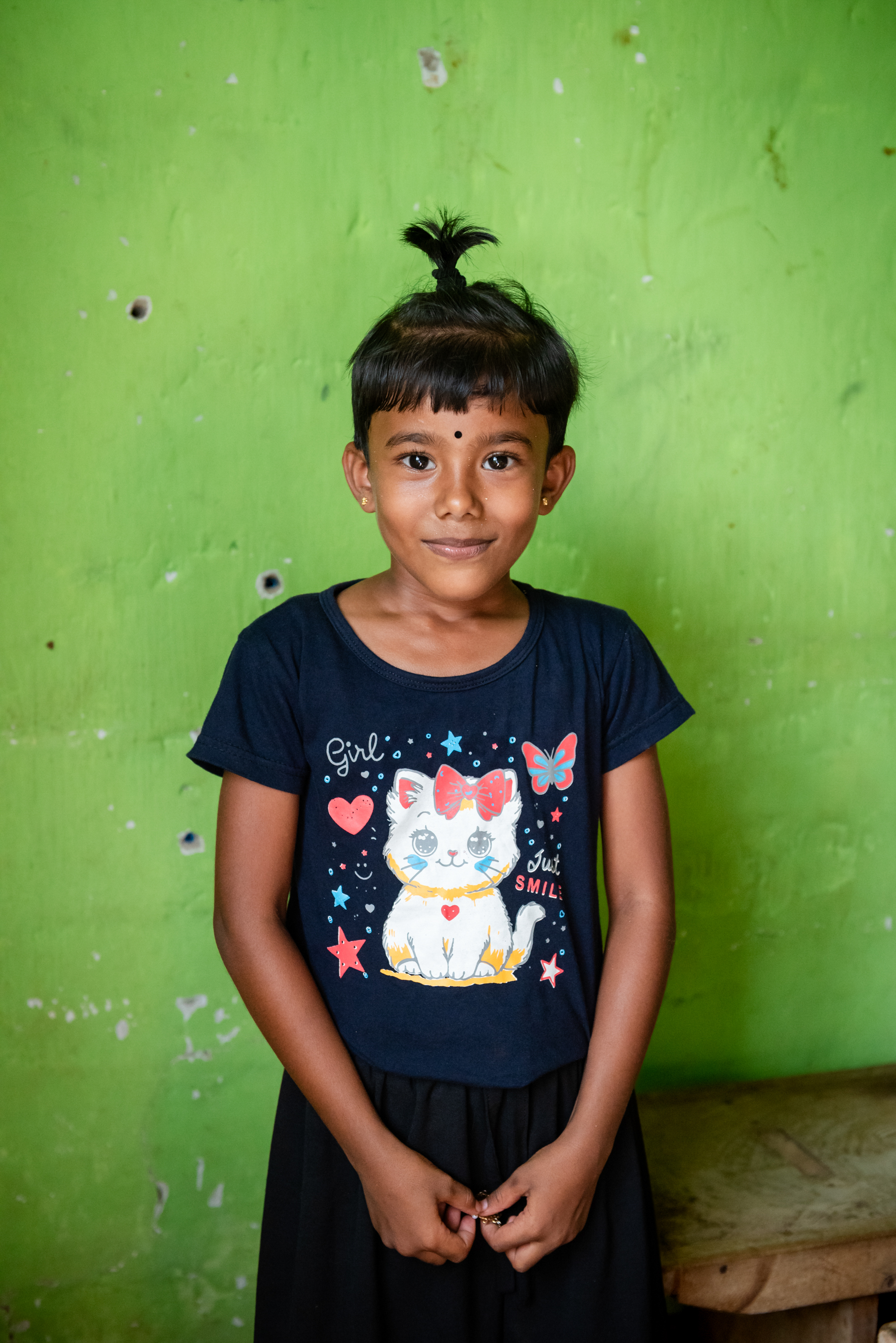
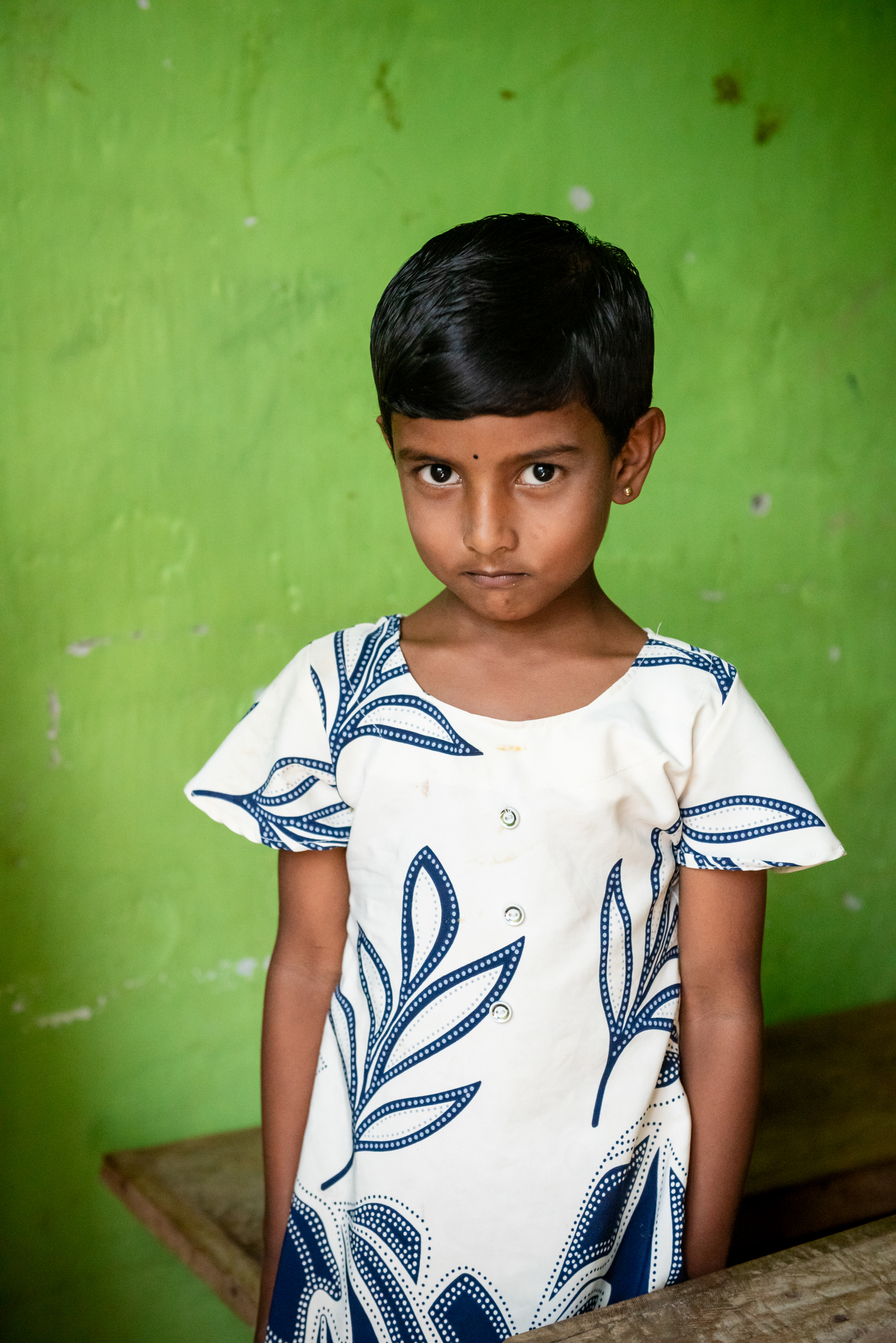
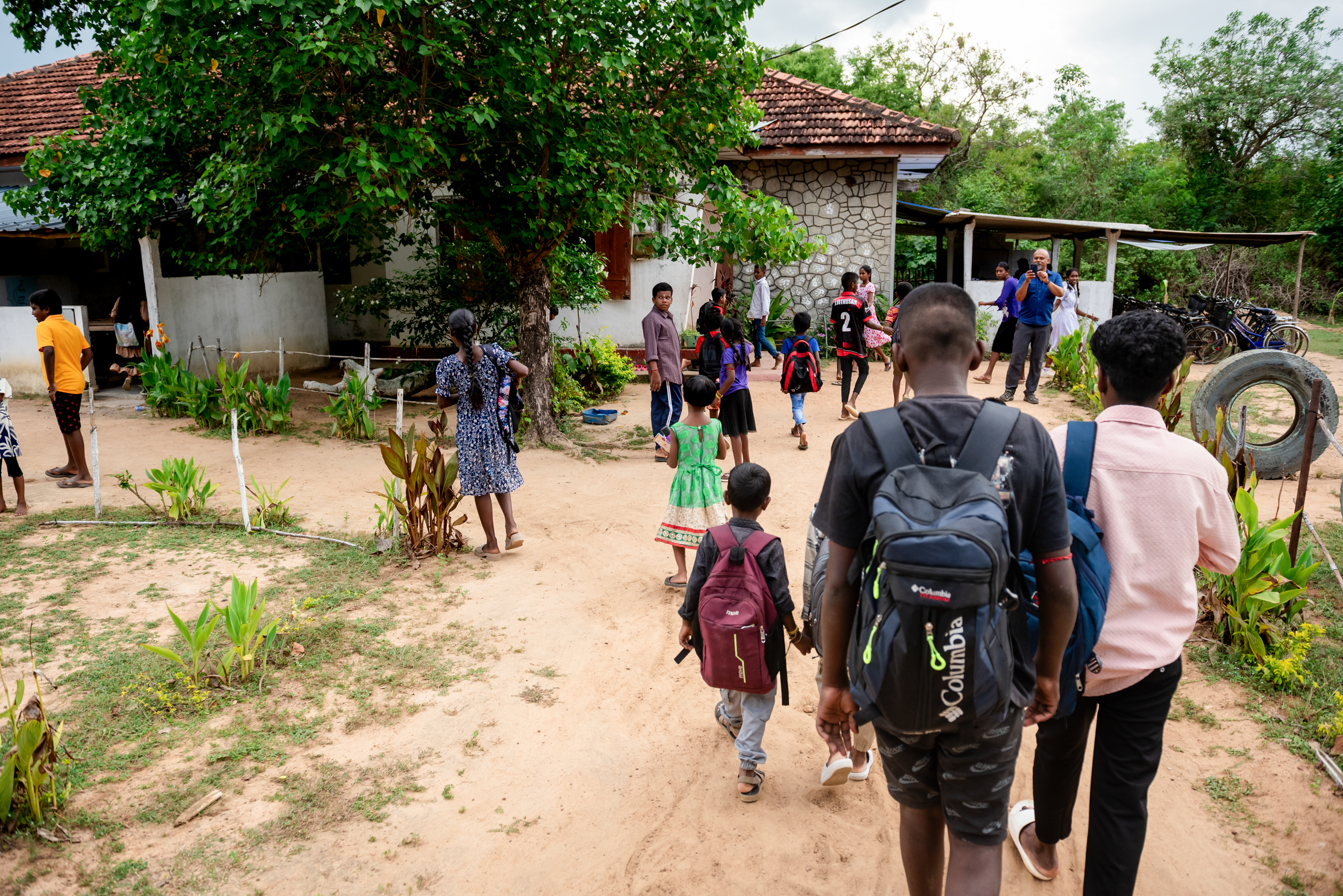
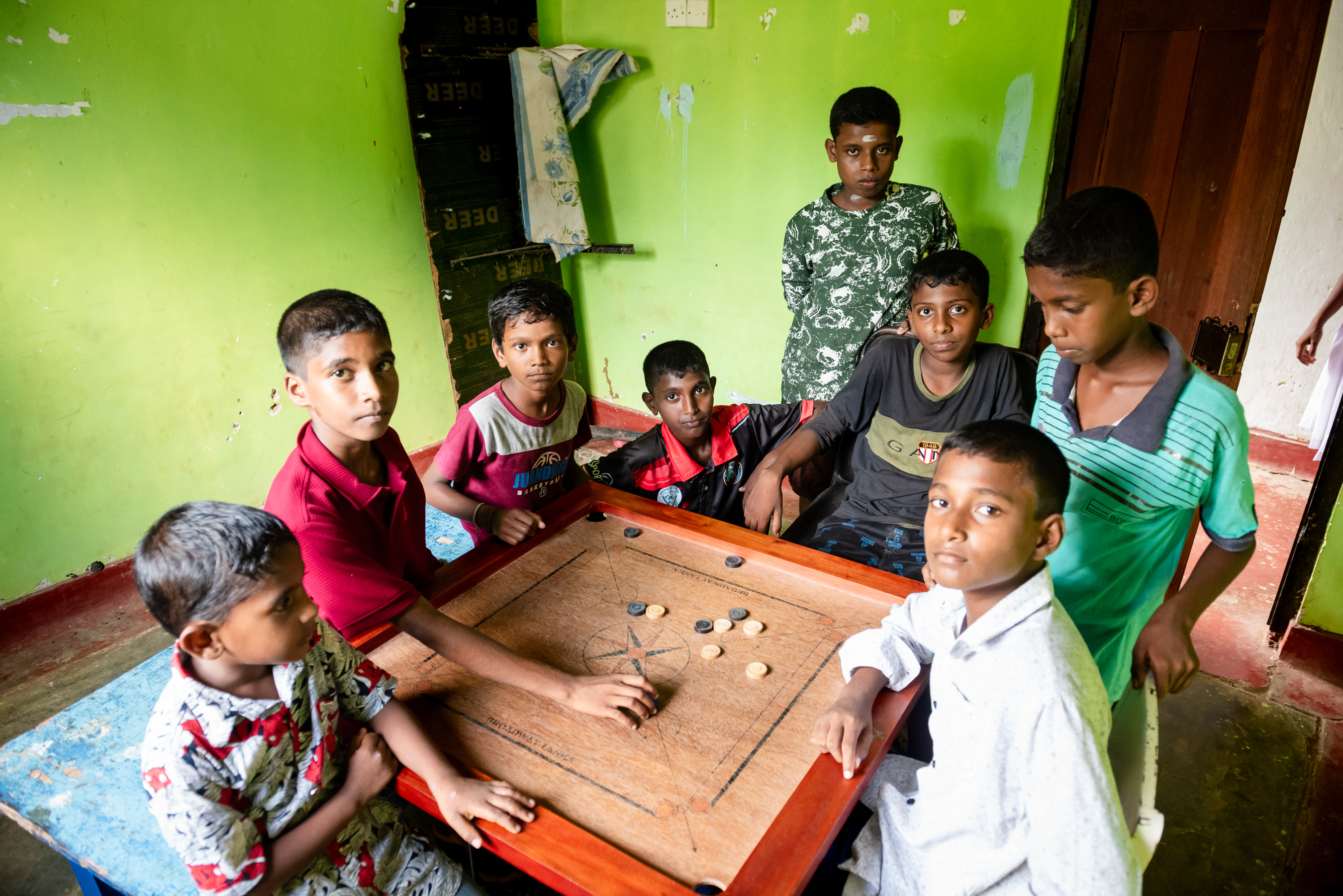
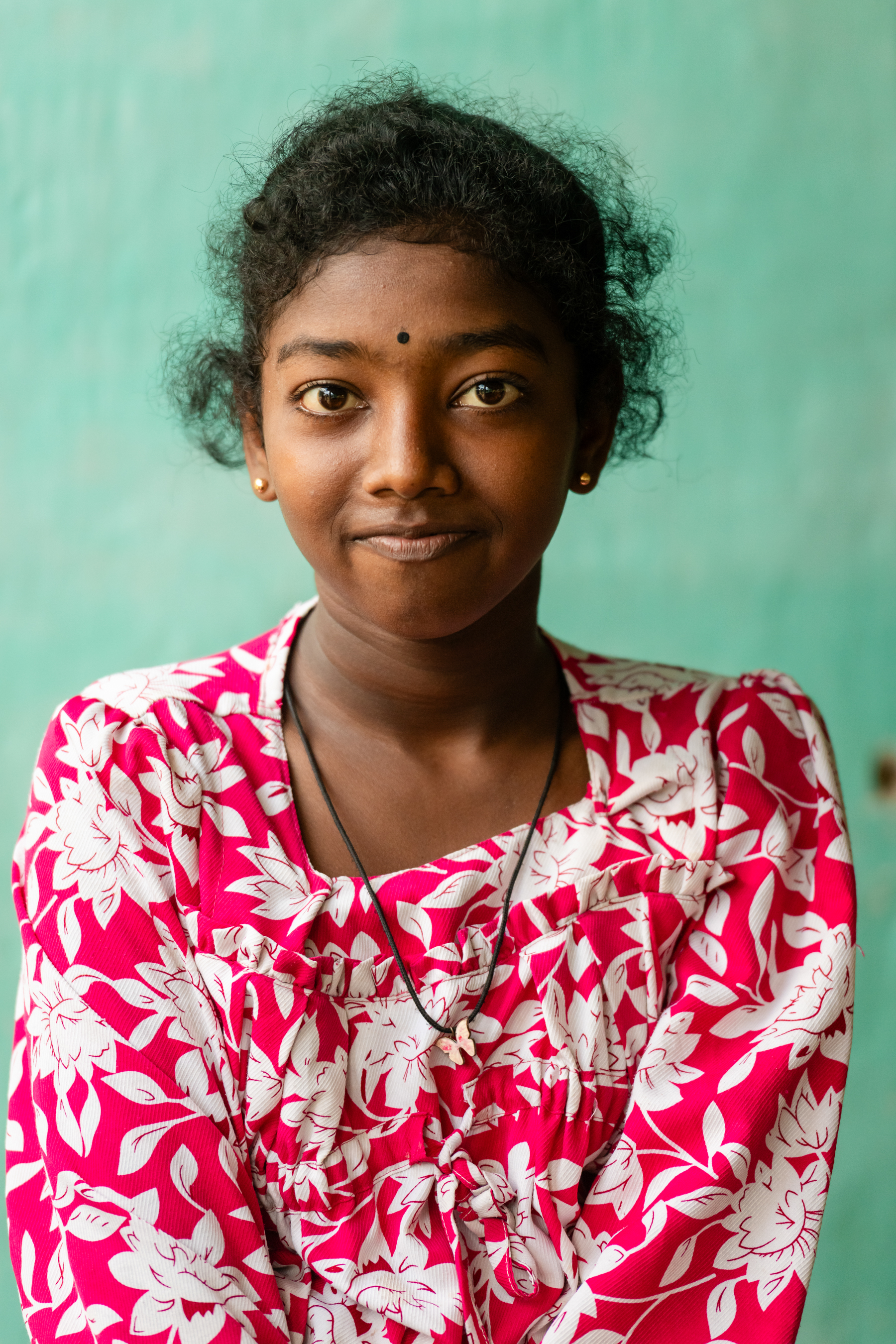
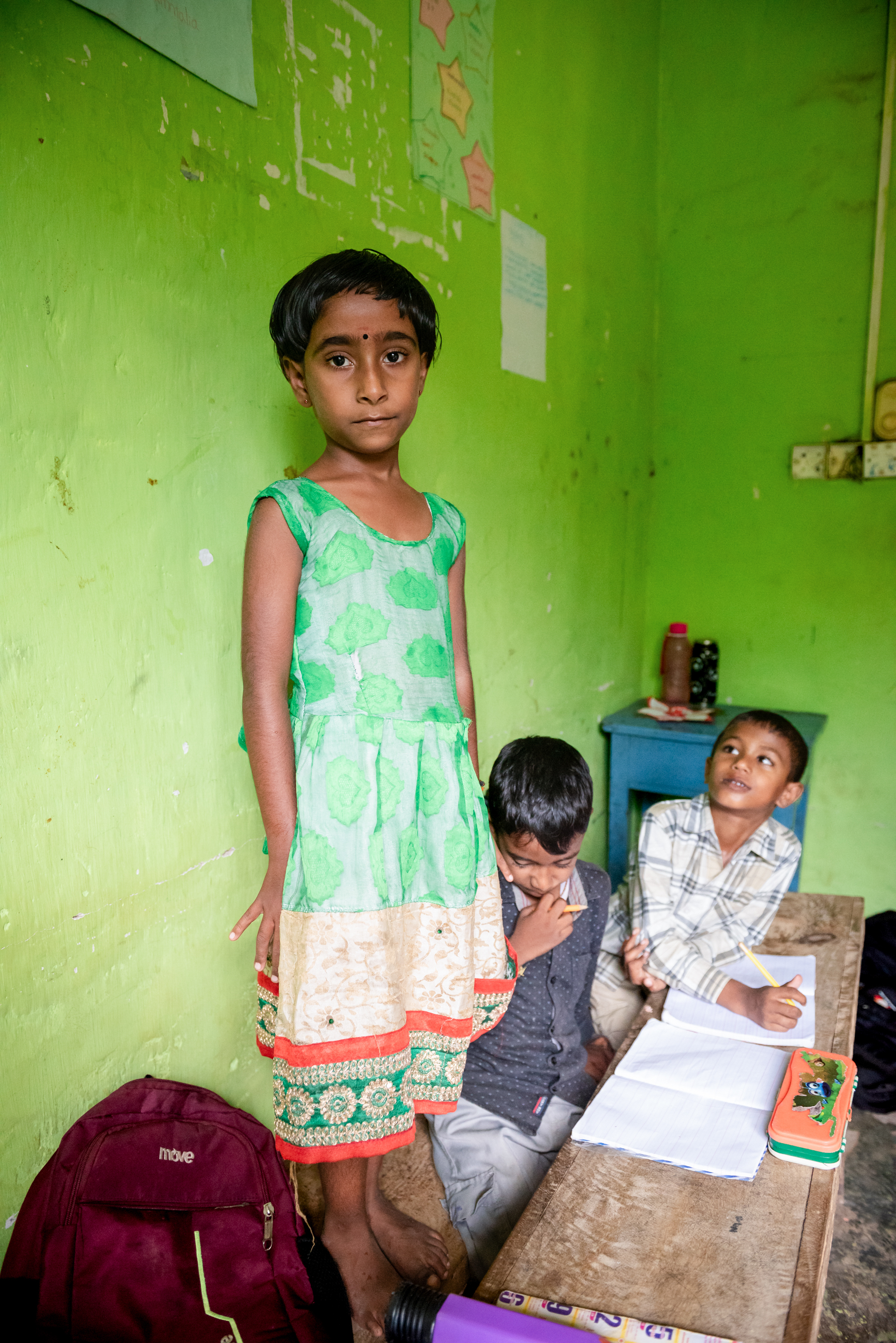
Too often, photographs of vulnerable communities are built around what is missing. I wanted to photograph what was being built: skill, confidence, trust, routine, care, and a future that could be imagined in small steps.
In Mullaitivu and Akkarayan, the story deepened. These are places where history is not abstract. CAL’s presence there felt like part of a larger effort to help families move forward, not by ignoring what happened, but by creating spaces where learning, food, play, and protection are part of the present.
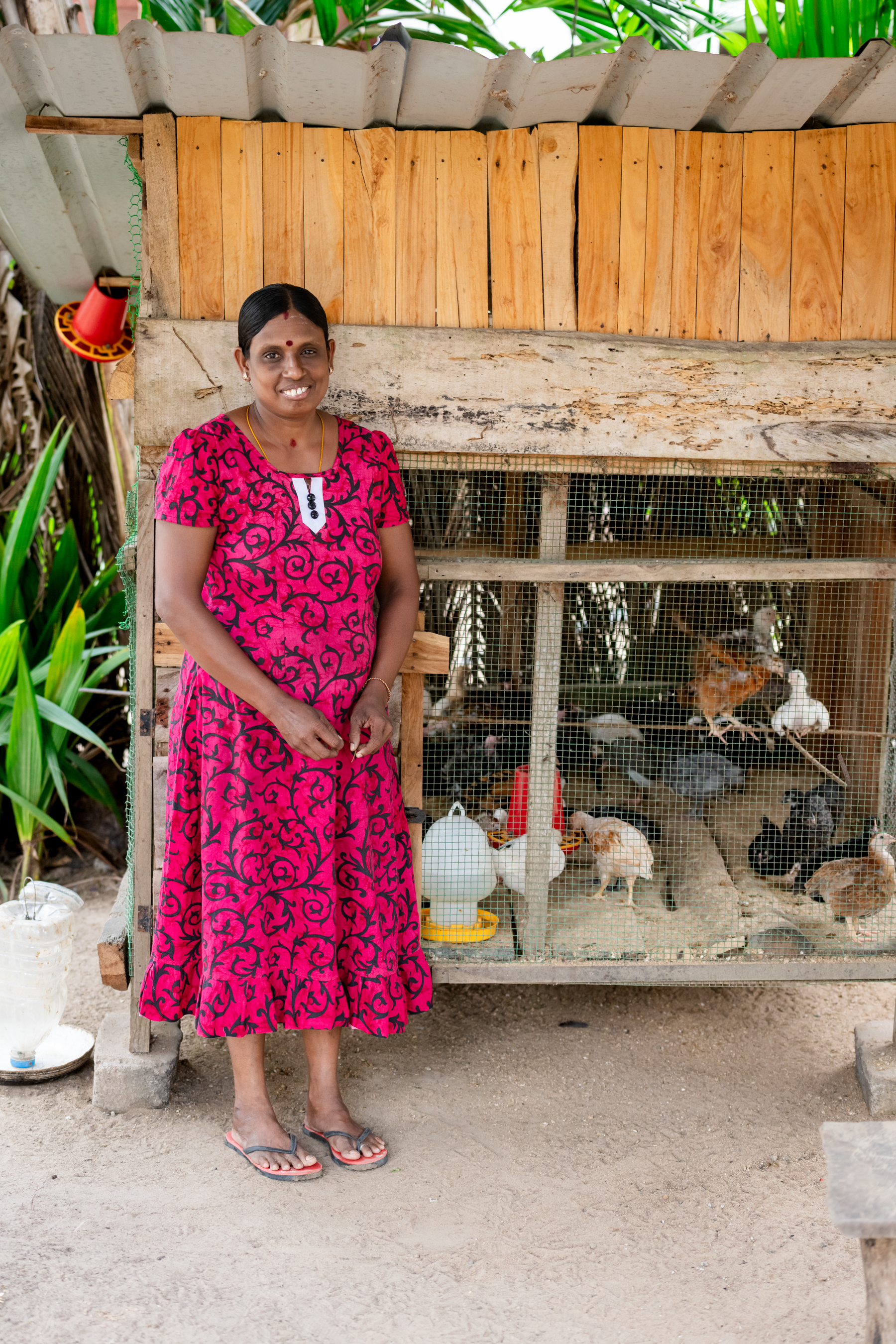
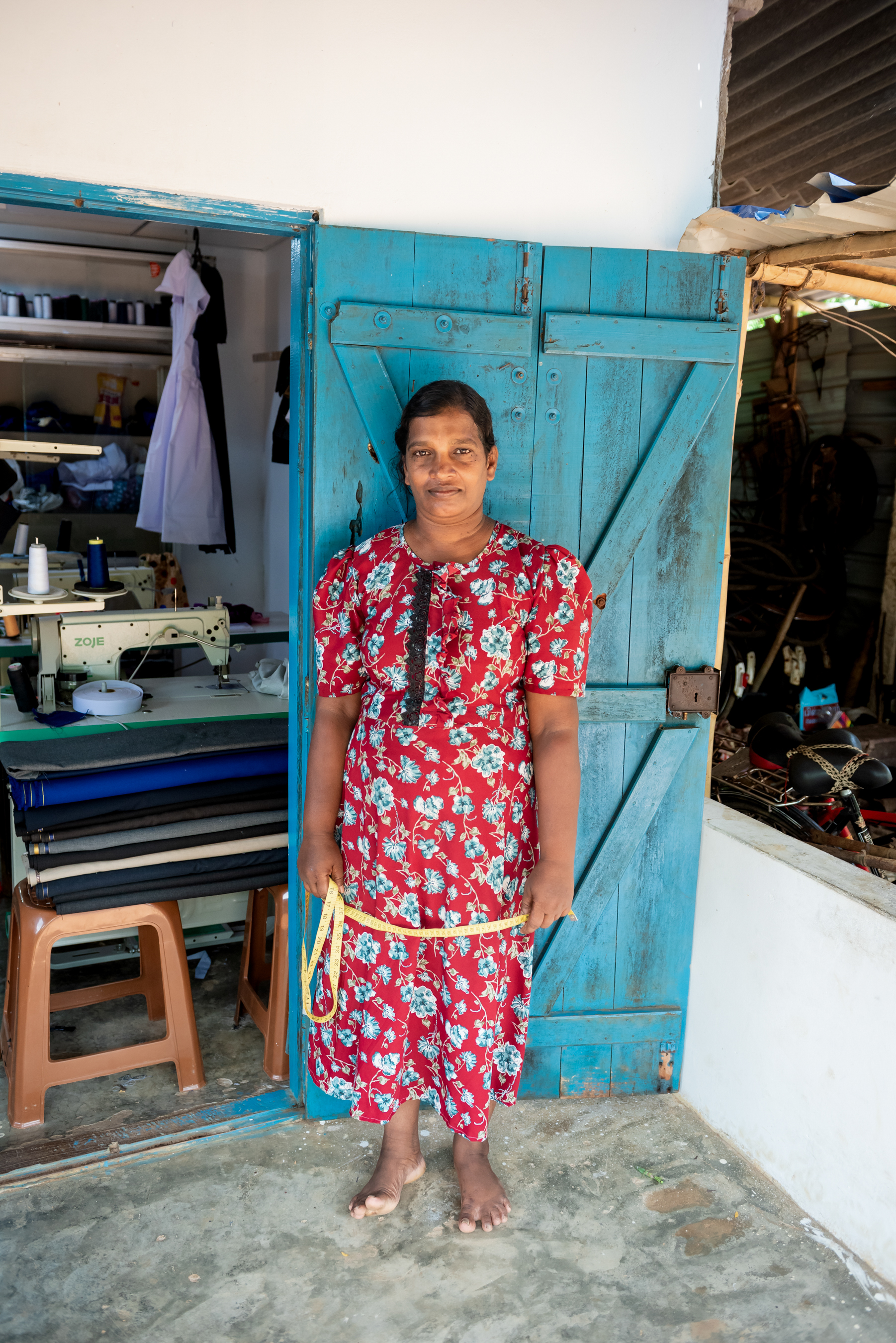
Around Akkarayan, I also saw another side of CAL’s work: support for local livelihoods. We met people in the community who were already building something and needed help taking the next step. CAL’s microloan support is not simply about handing out money. It looks for people with established effort, thoughtful ideas, and real potential. We met a woman raising chickens and using her land to grow and sell plants, including aloe. We visited a seamstress with a successful sewing shop, someone CAL had previously hired to make uniforms for local children. We also met a goat farmer. Each visit showed how care can move outward from the child to the family, the household, and the wider community.
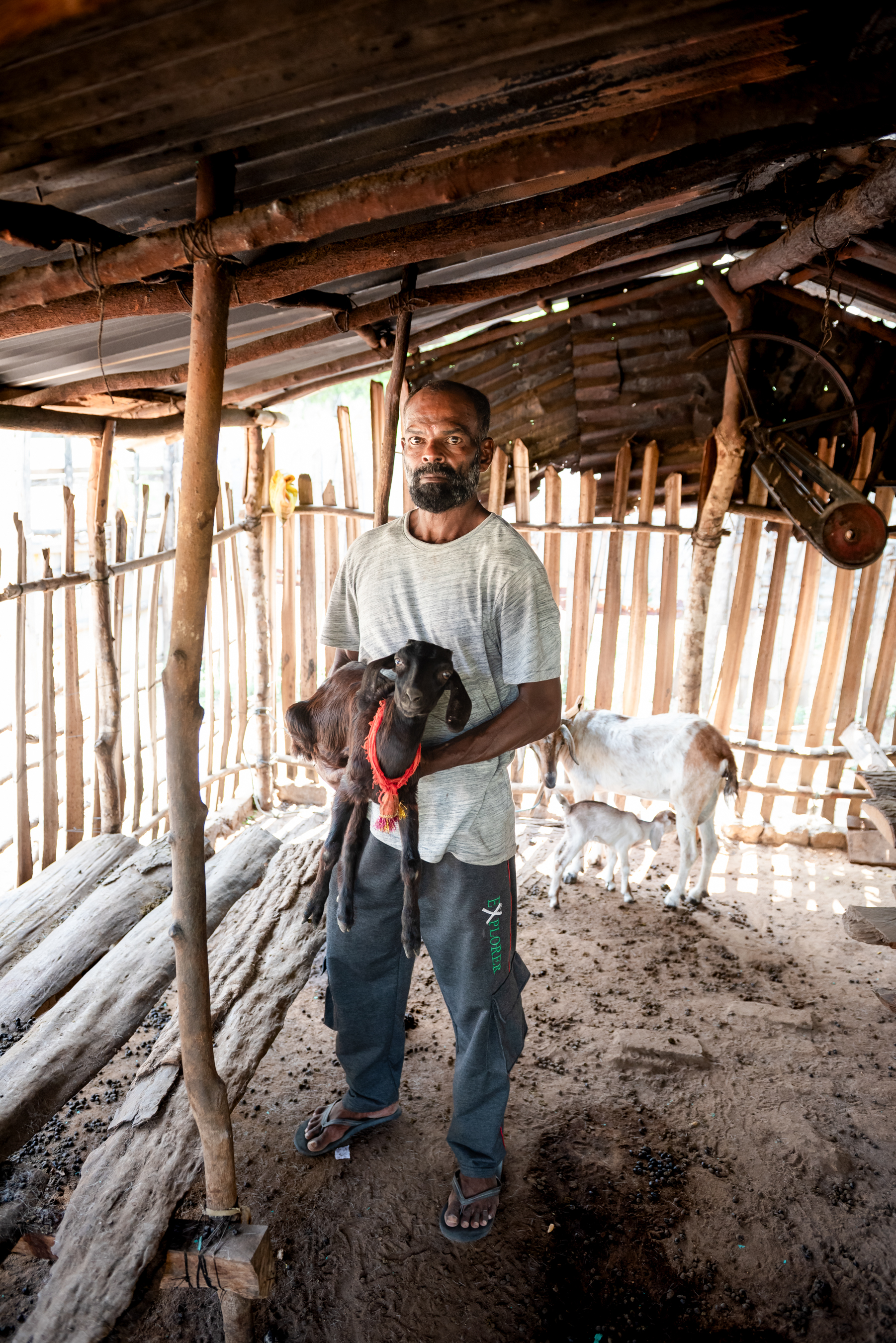
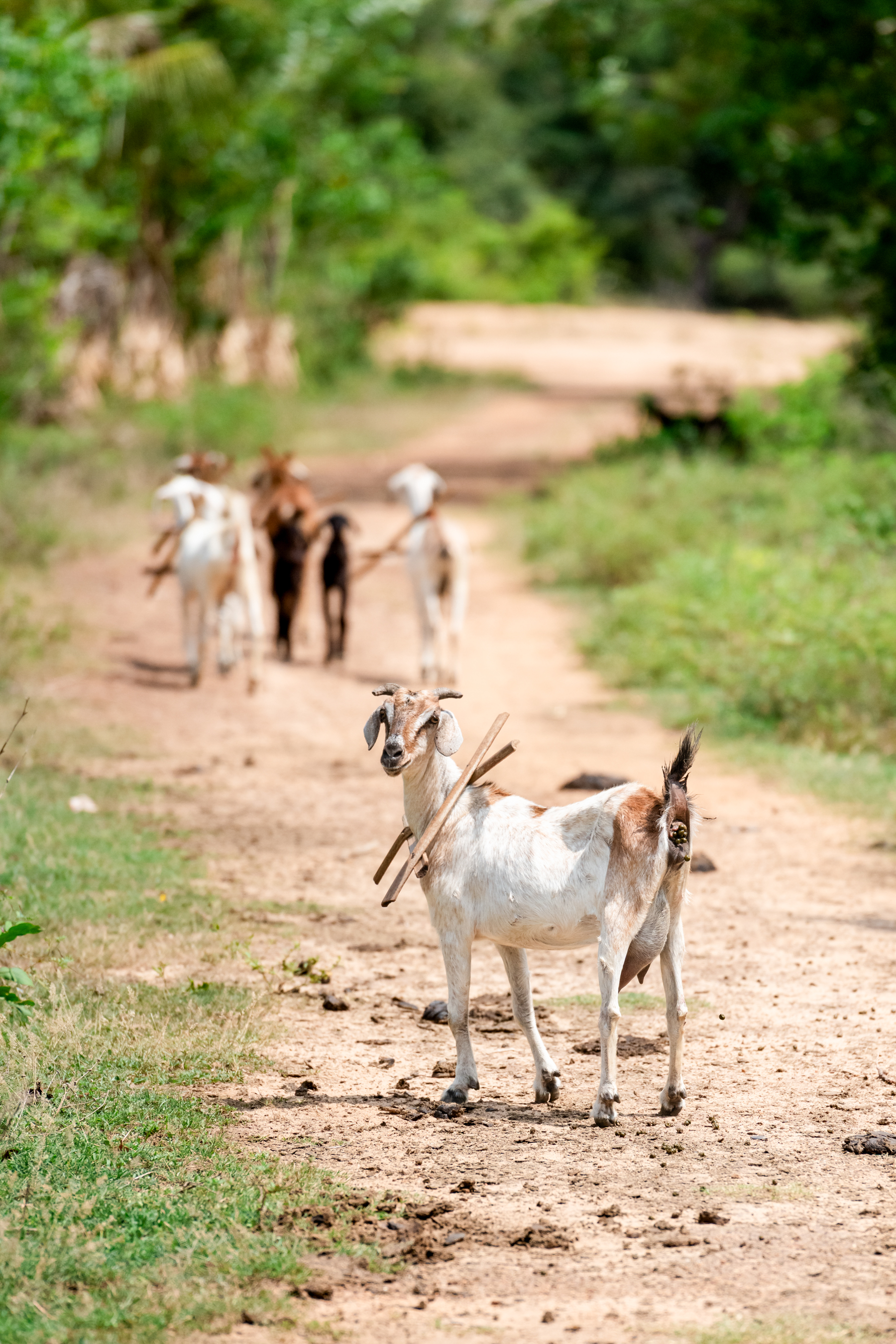
That is one of the things I came to respect most about Child Action Lanka. The work is practical, but it is never only practical.
A meal is also concentration. A bus is also access. A classroom is also safety. A song is also confidence.
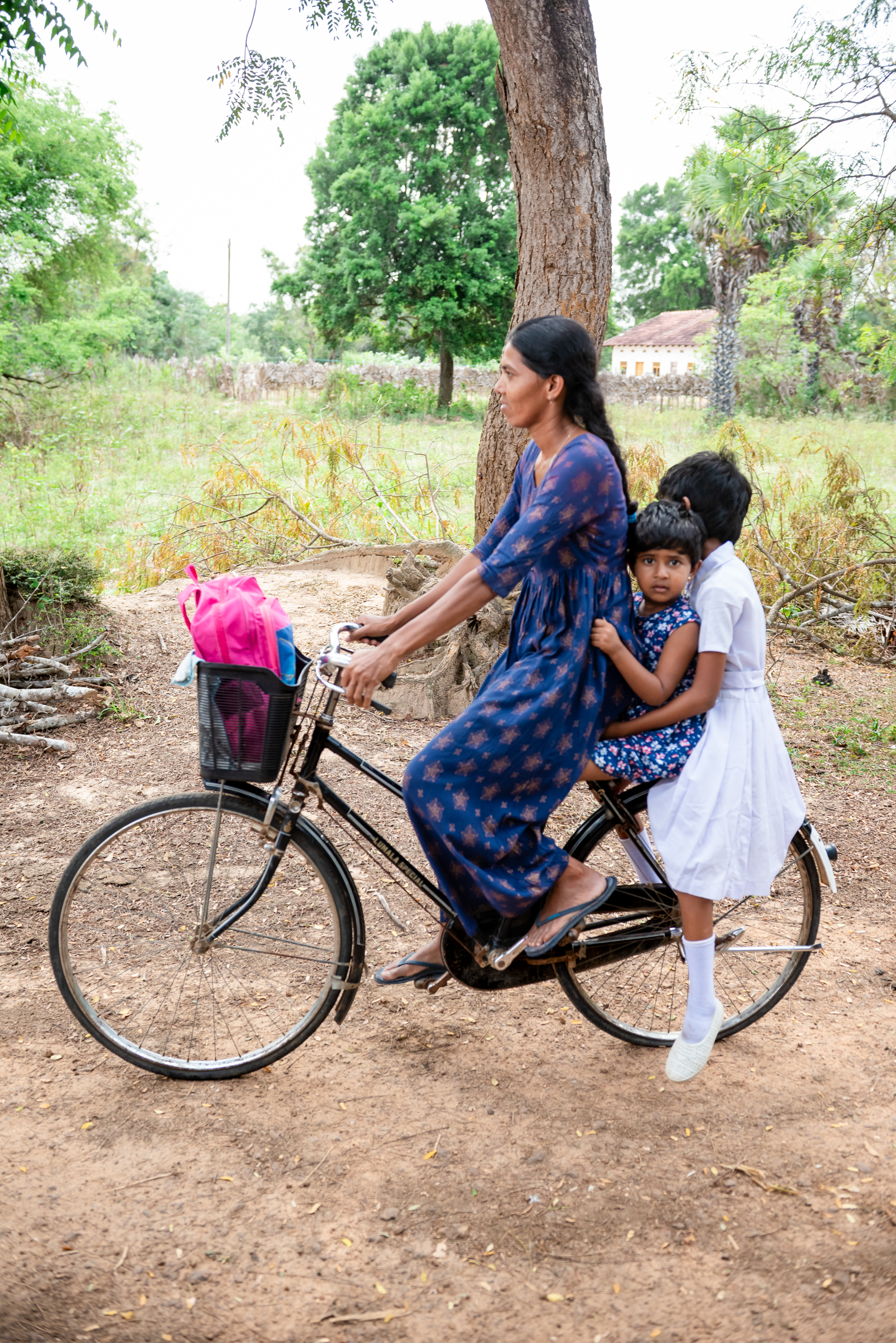
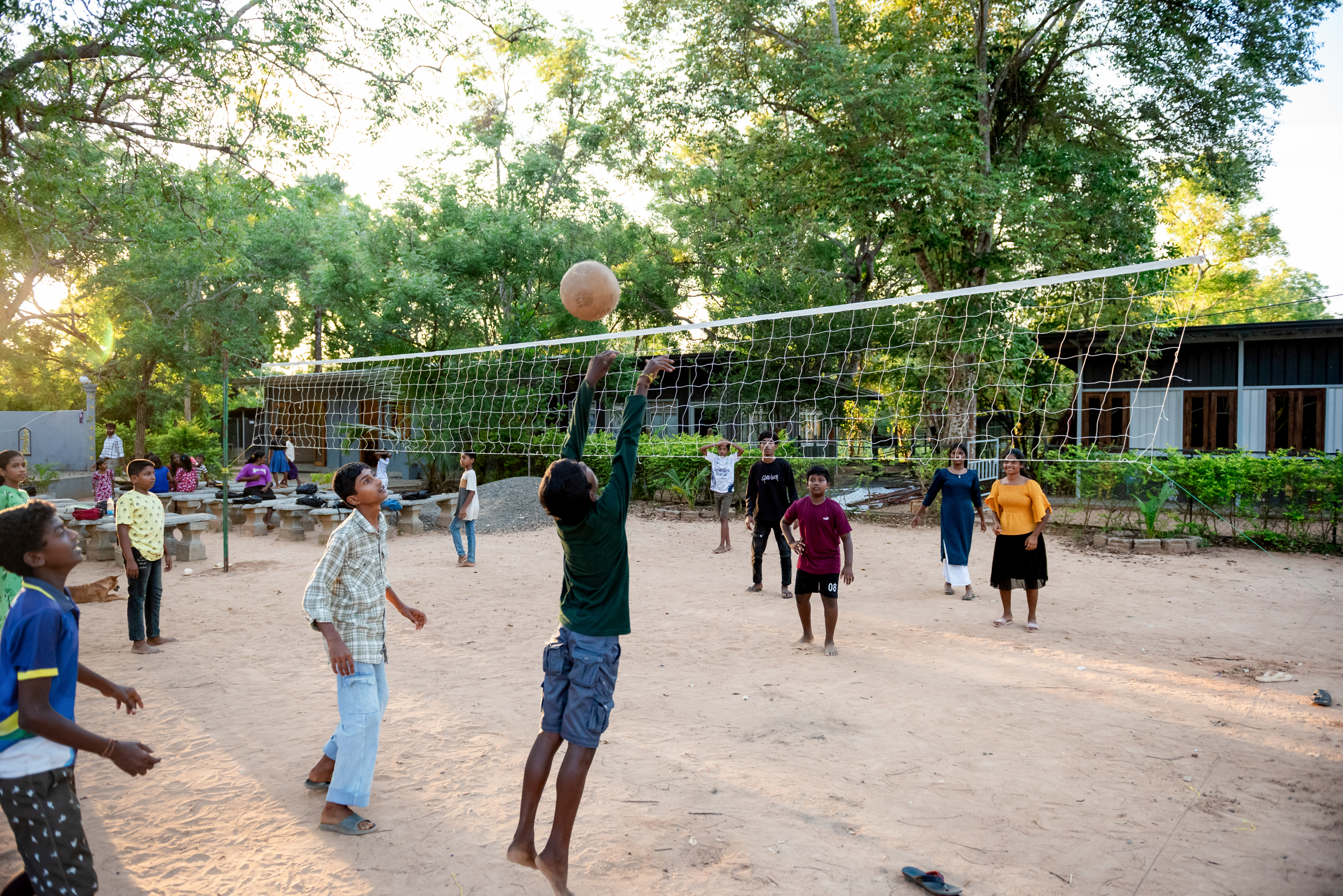
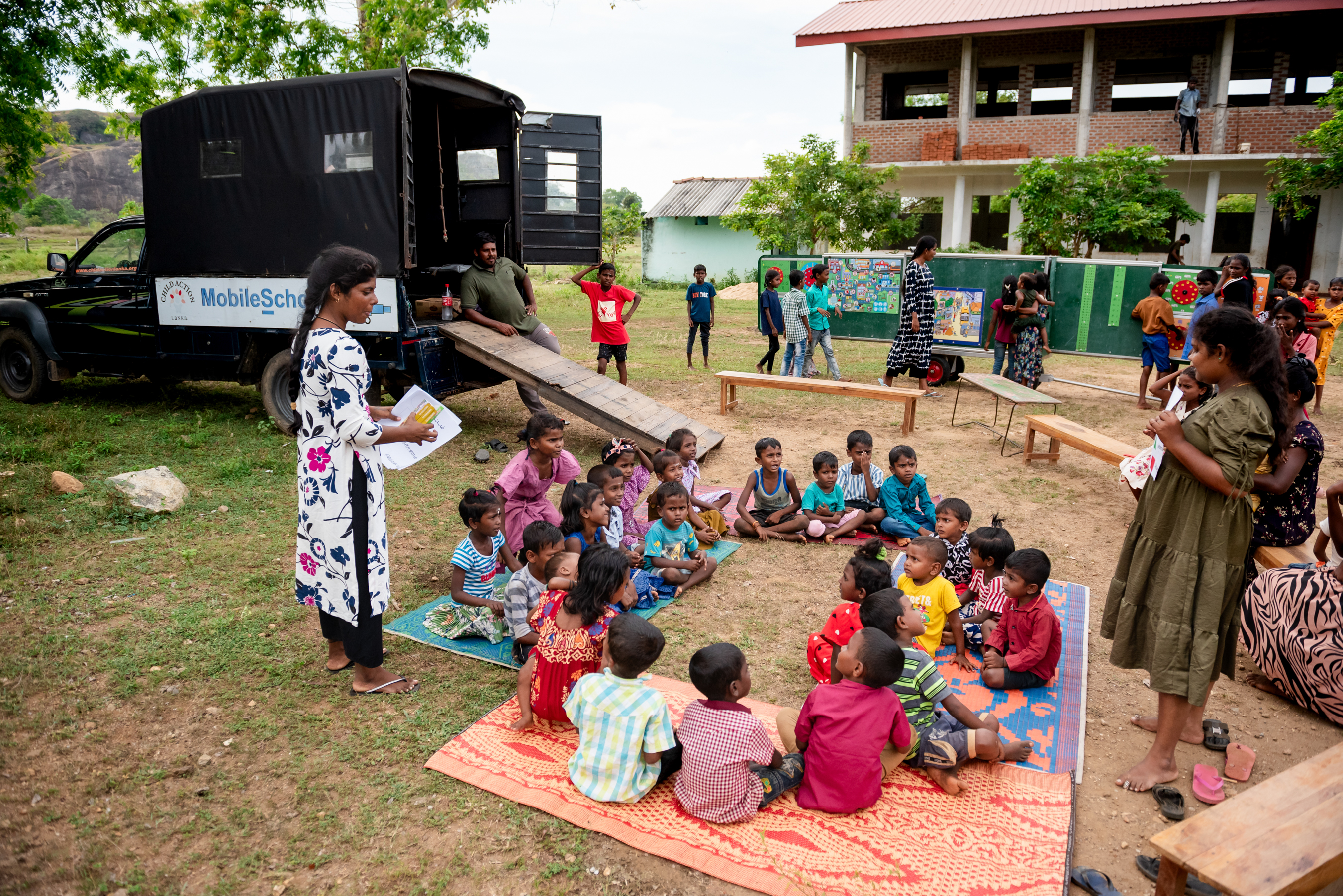
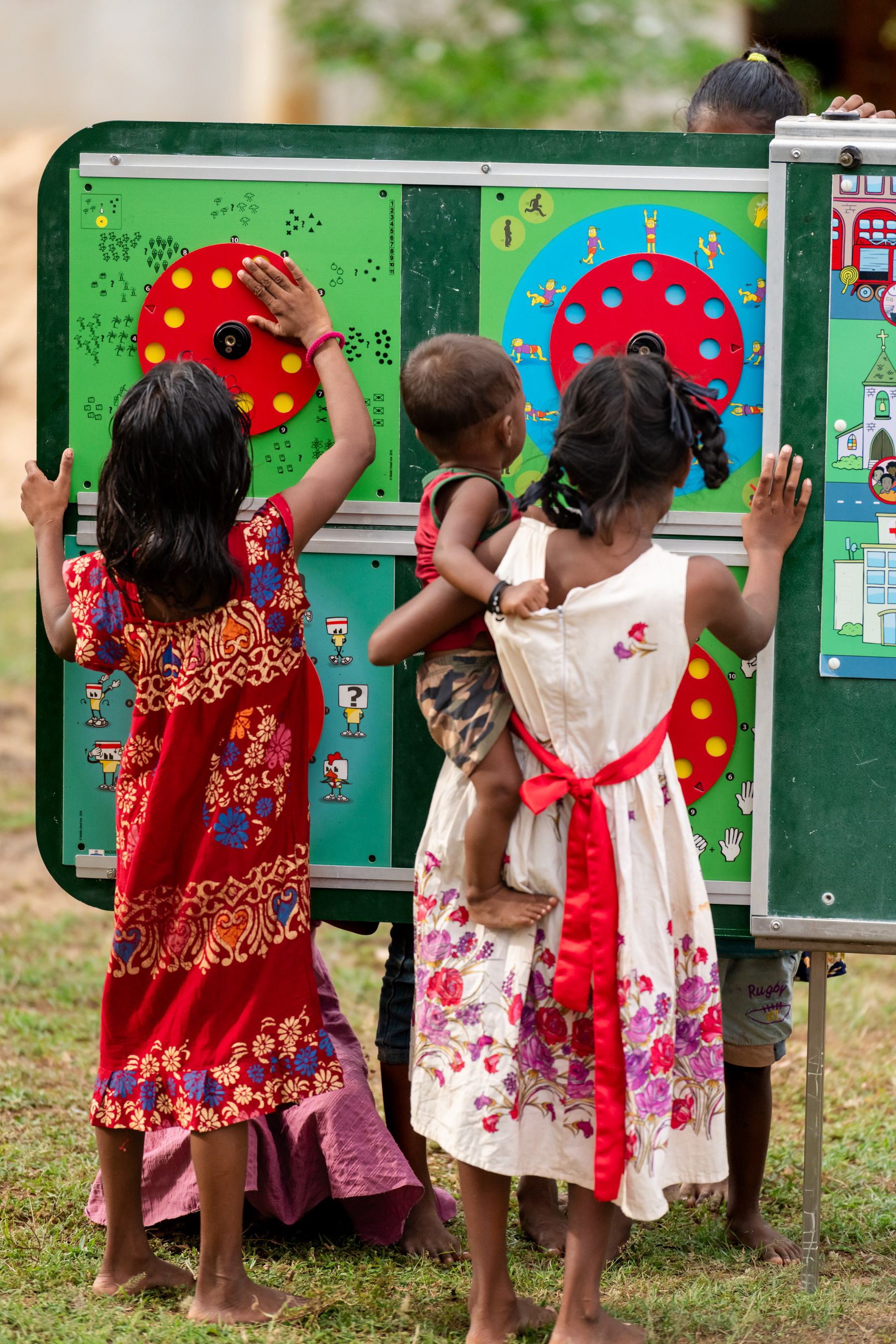
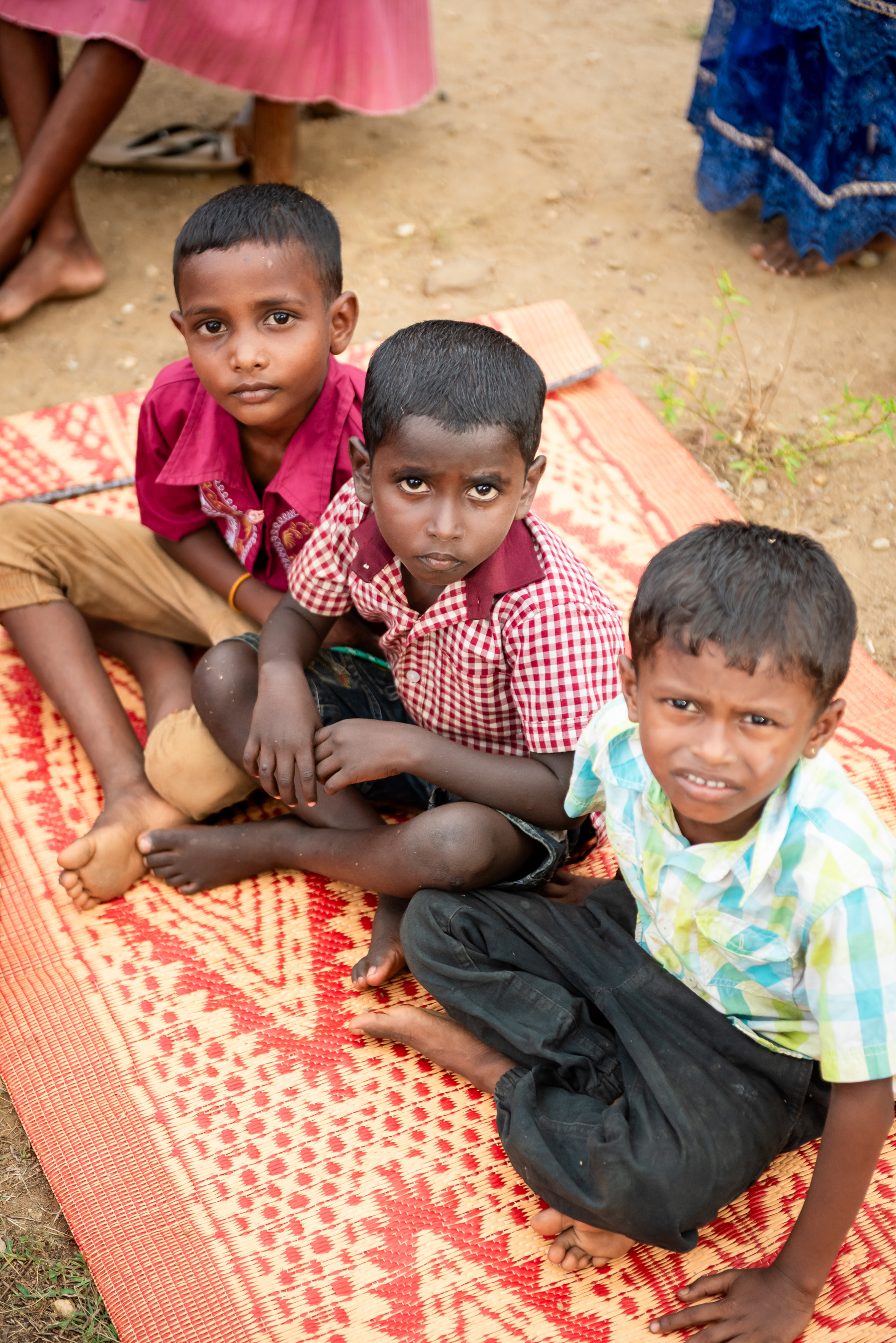
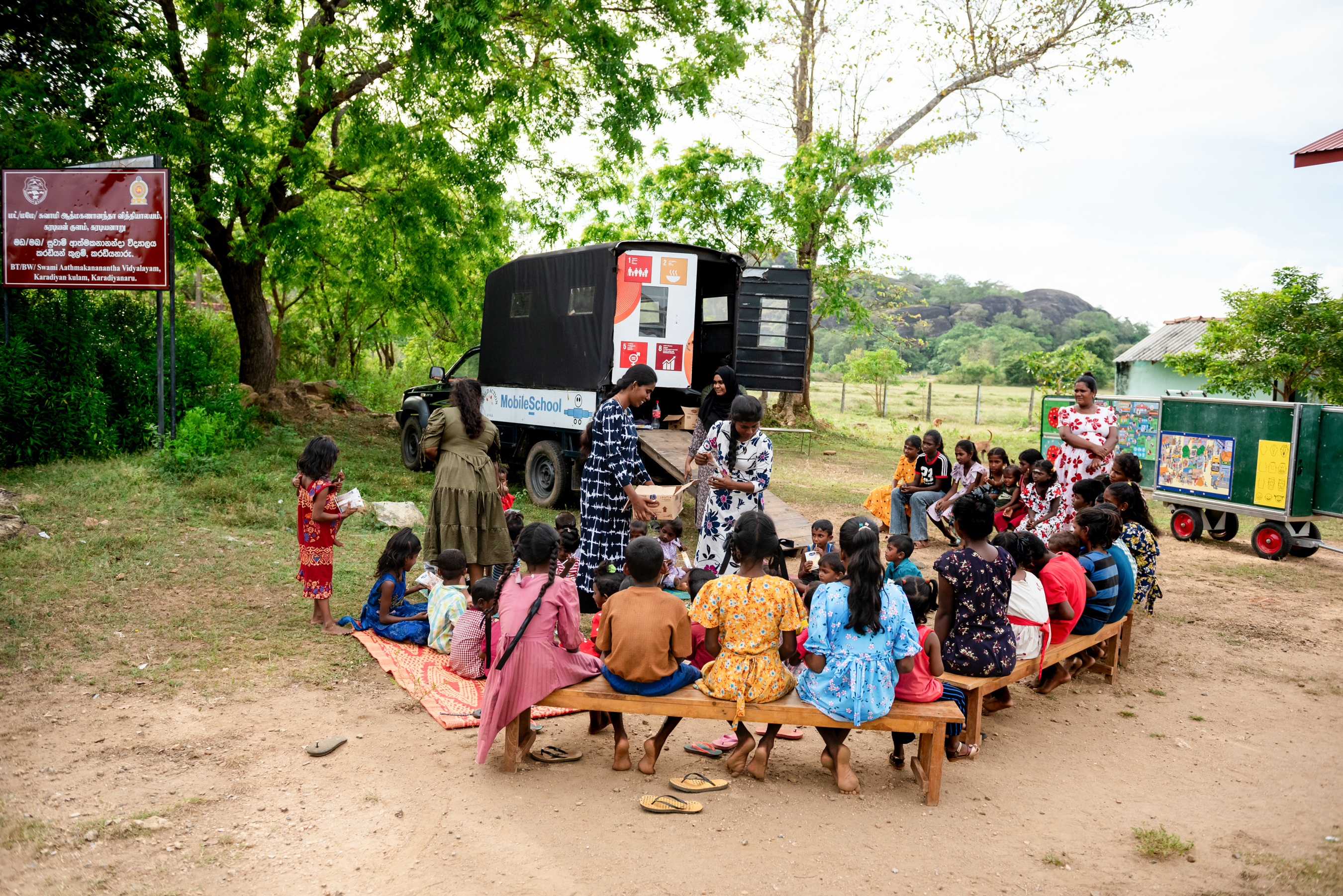
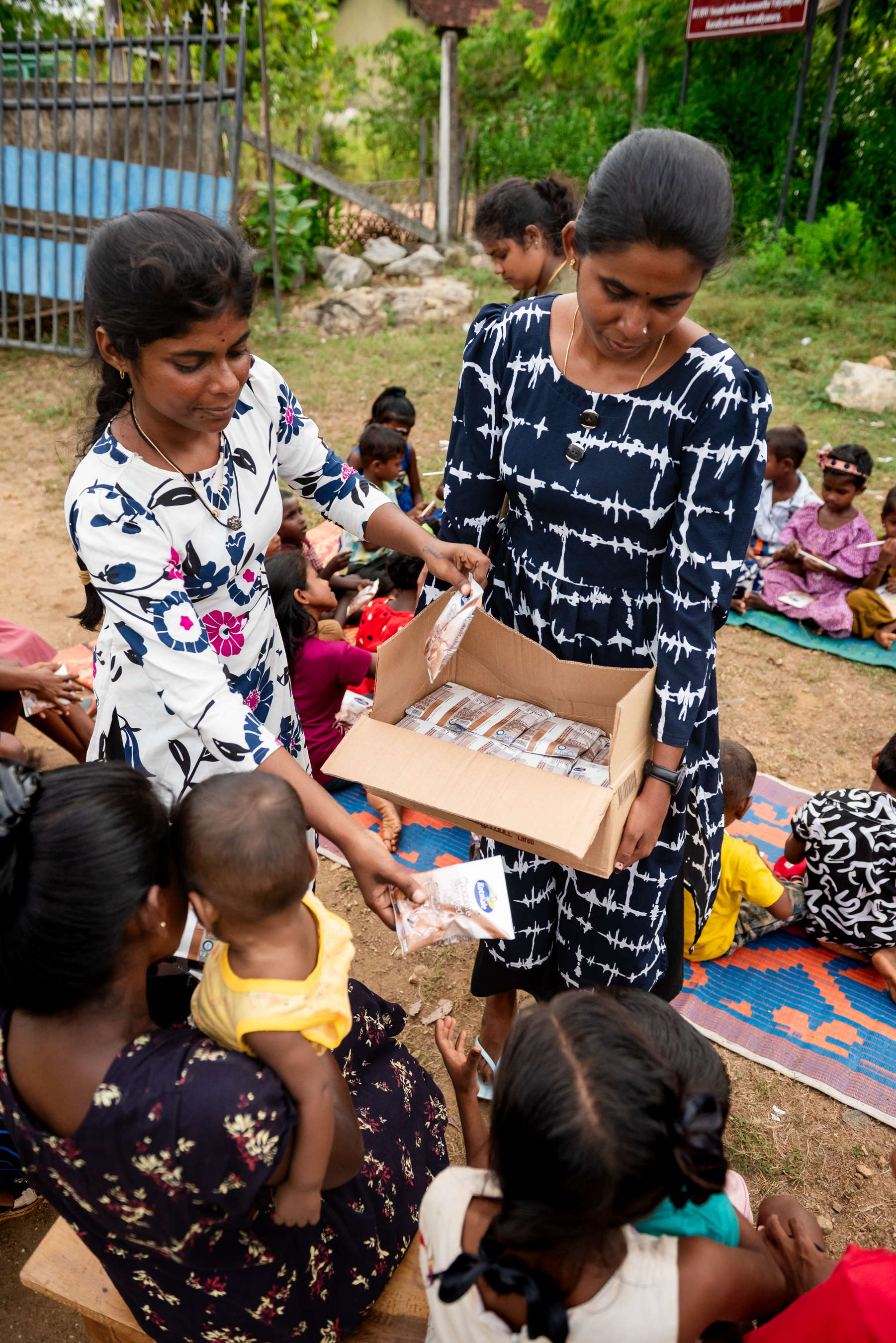
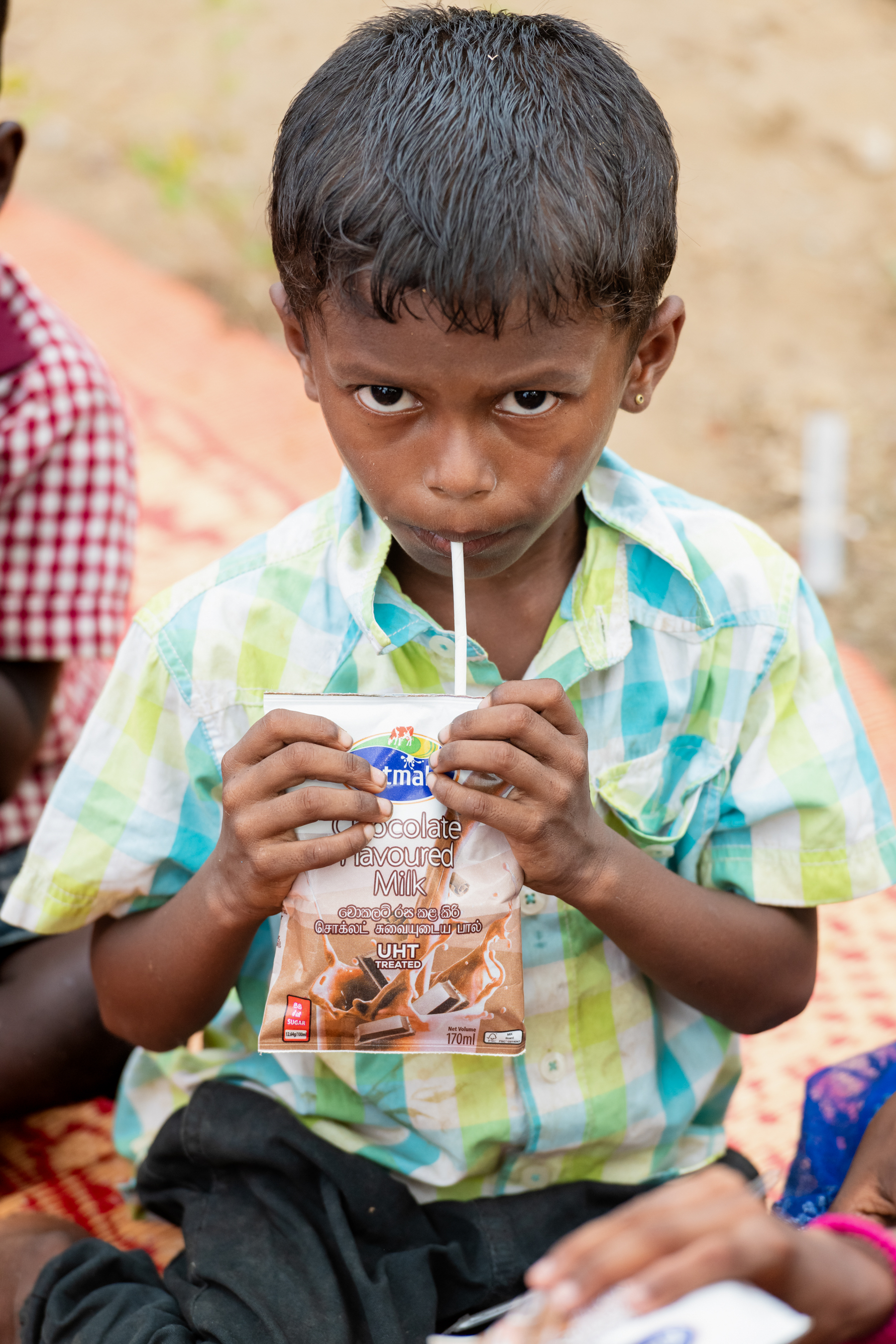
After the north, the road carried us east toward Batticaloa. This became one of the defining sections of the assignment because it showed how far care sometimes has to travel. The main focus there was the mobile school and the bus journeys connected to the center. We visited community sites, documented the mobile school arriving, watched teachers work with students, saw snacks being distributed, and followed the long route between the center and the communities.
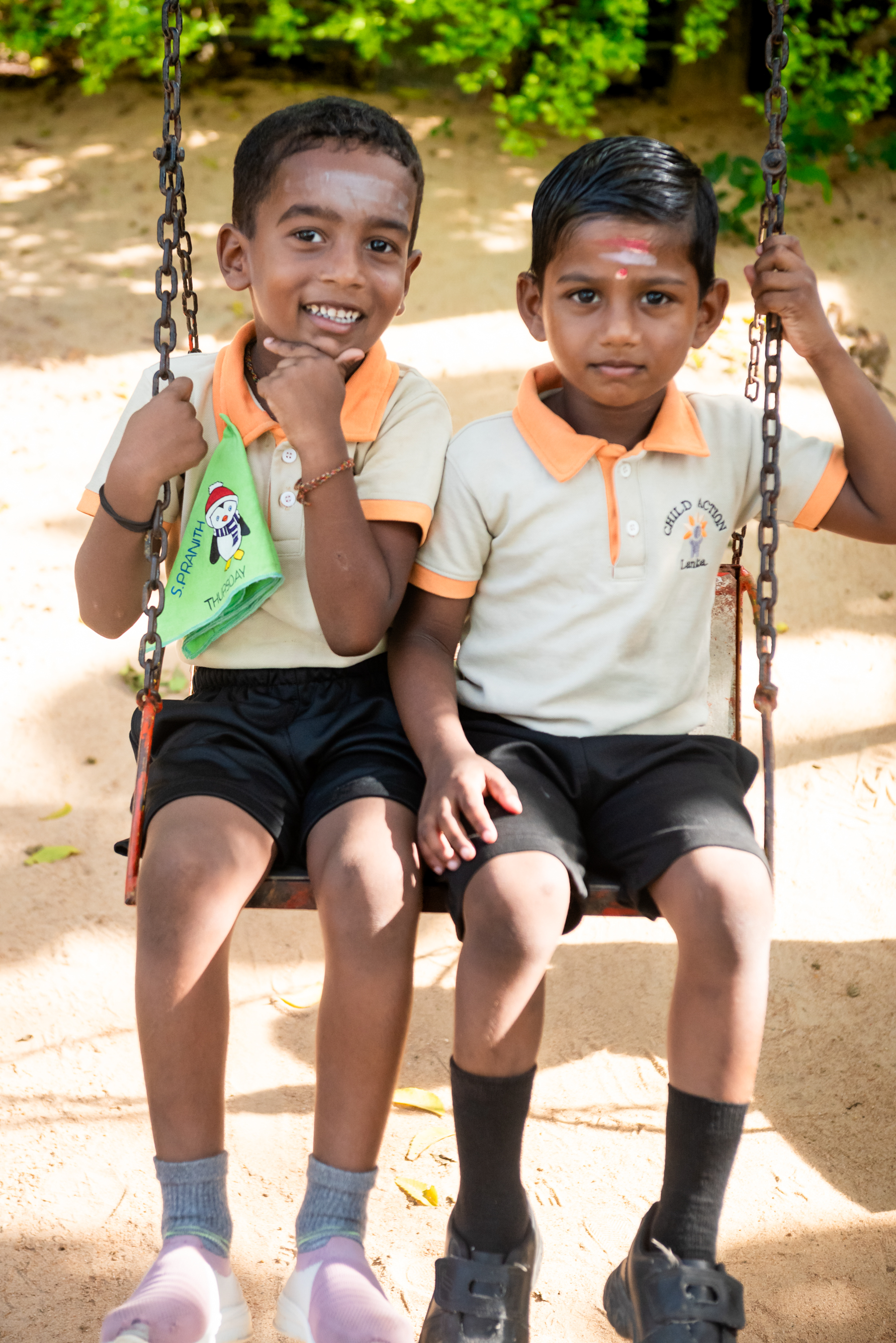
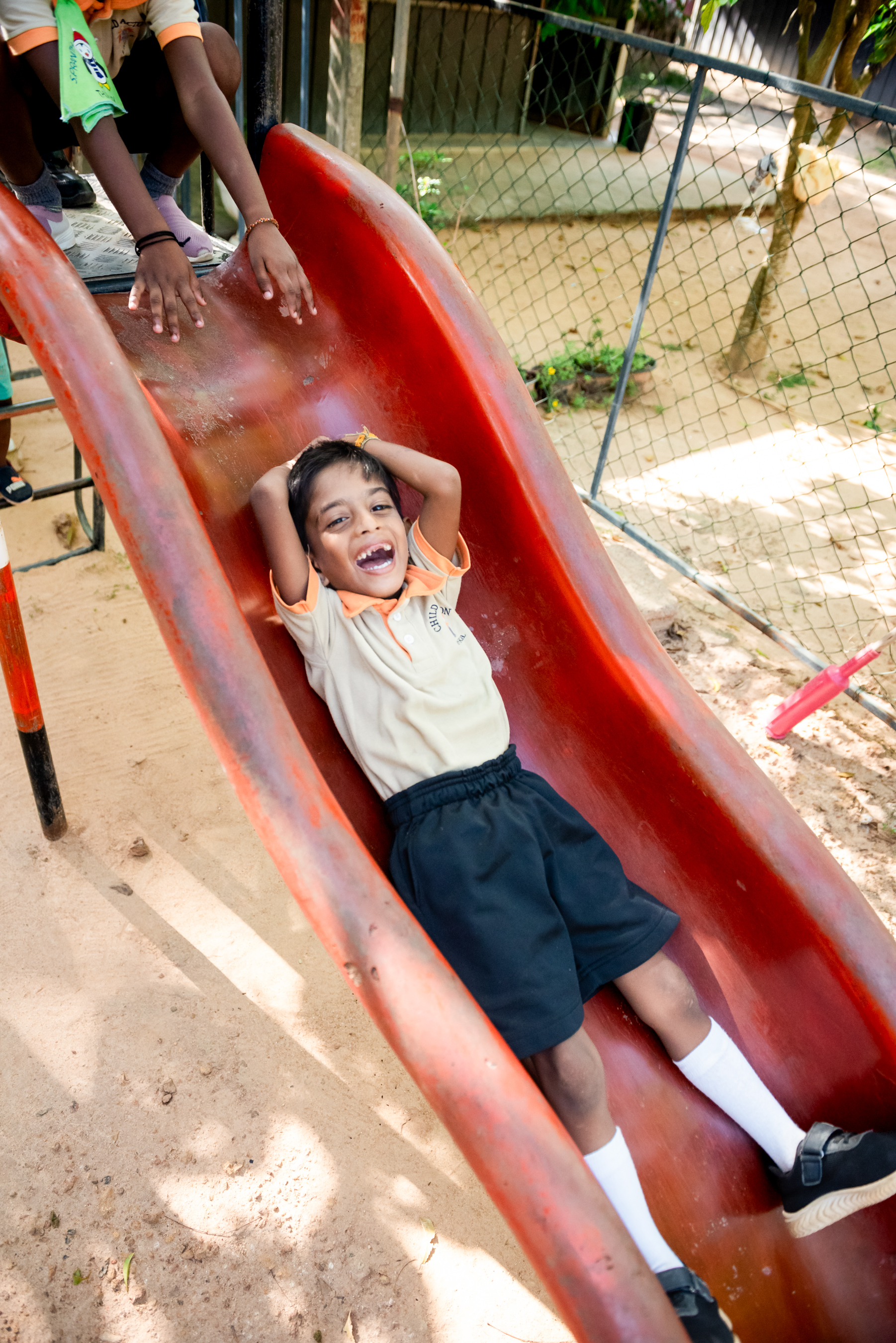
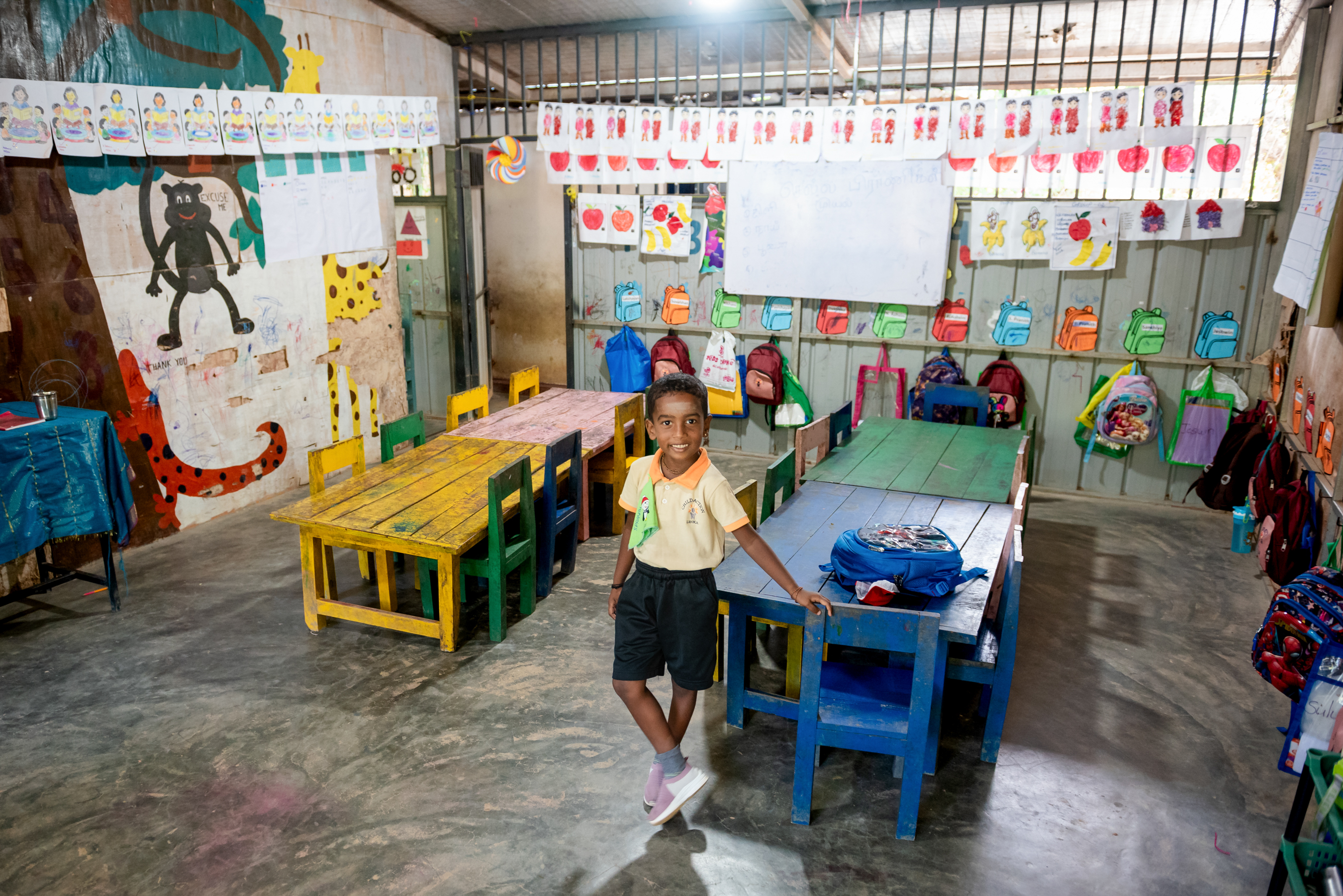
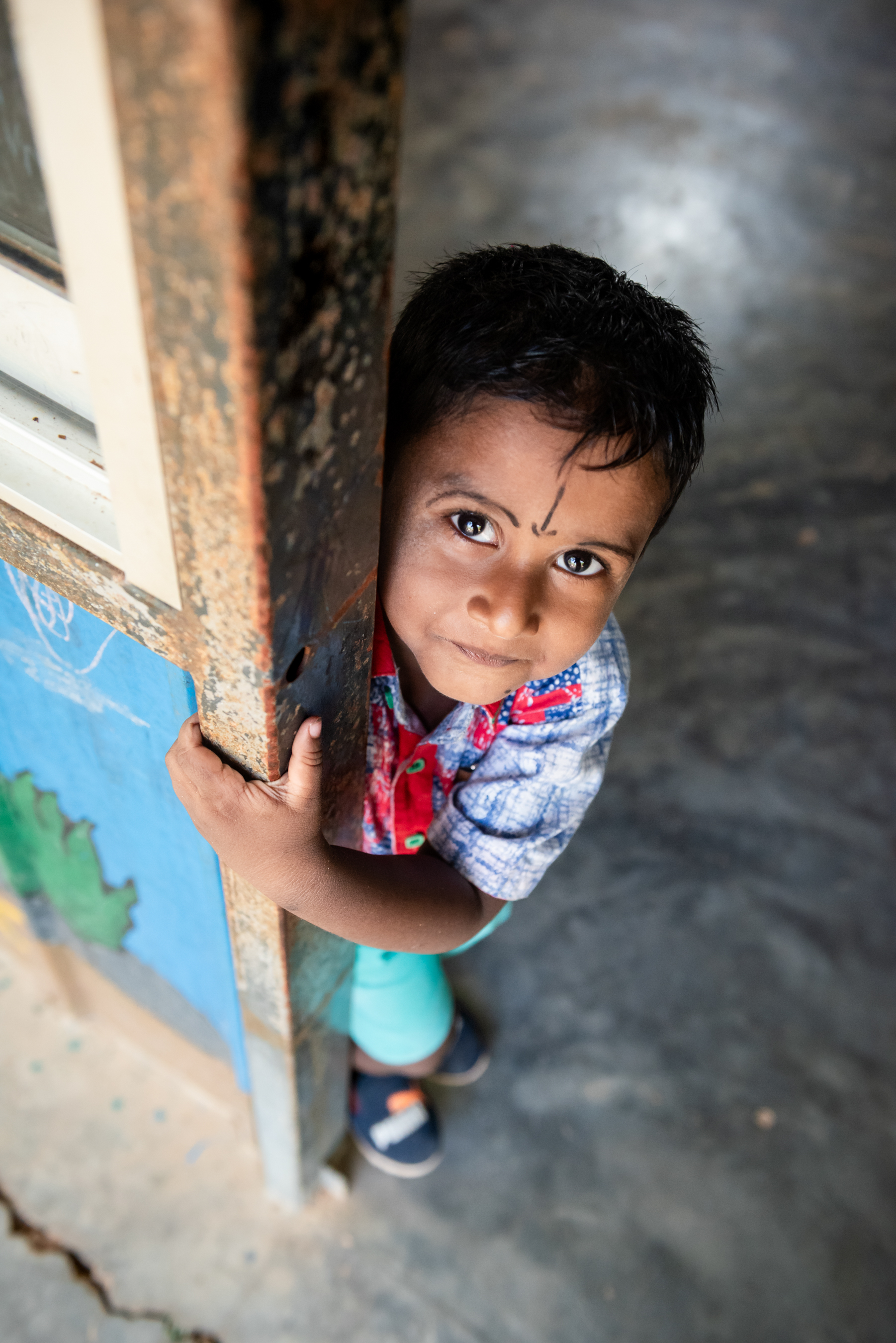
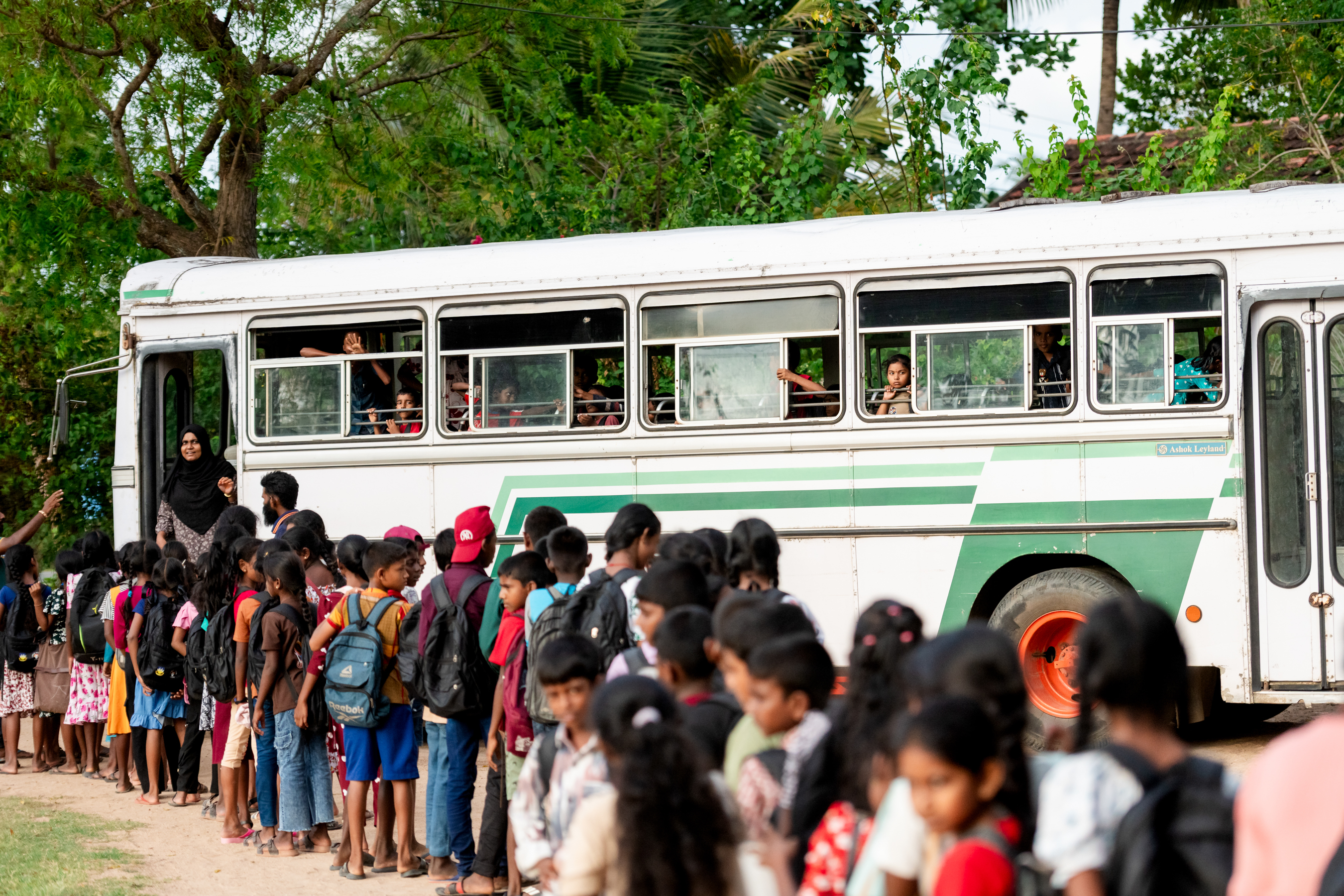
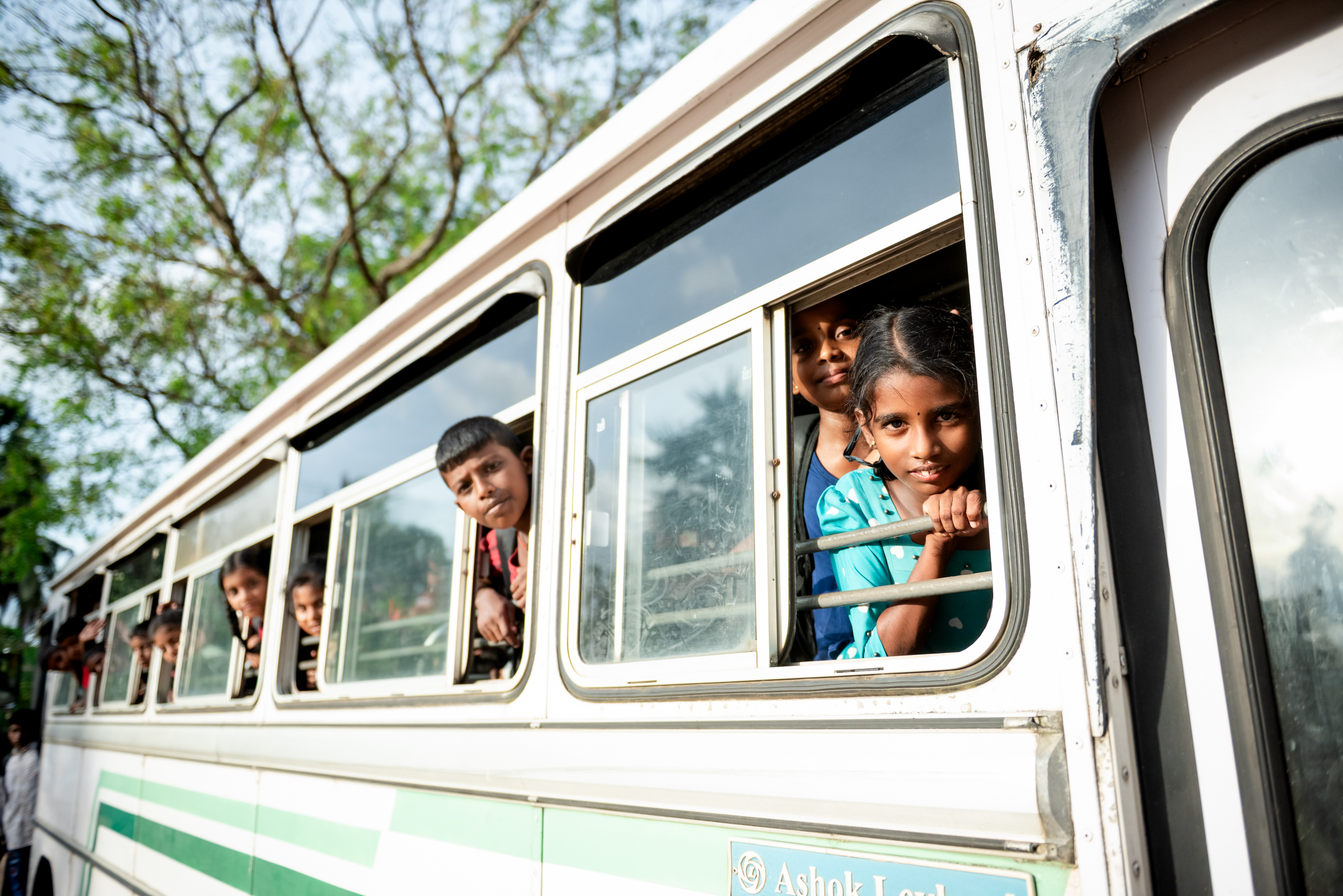
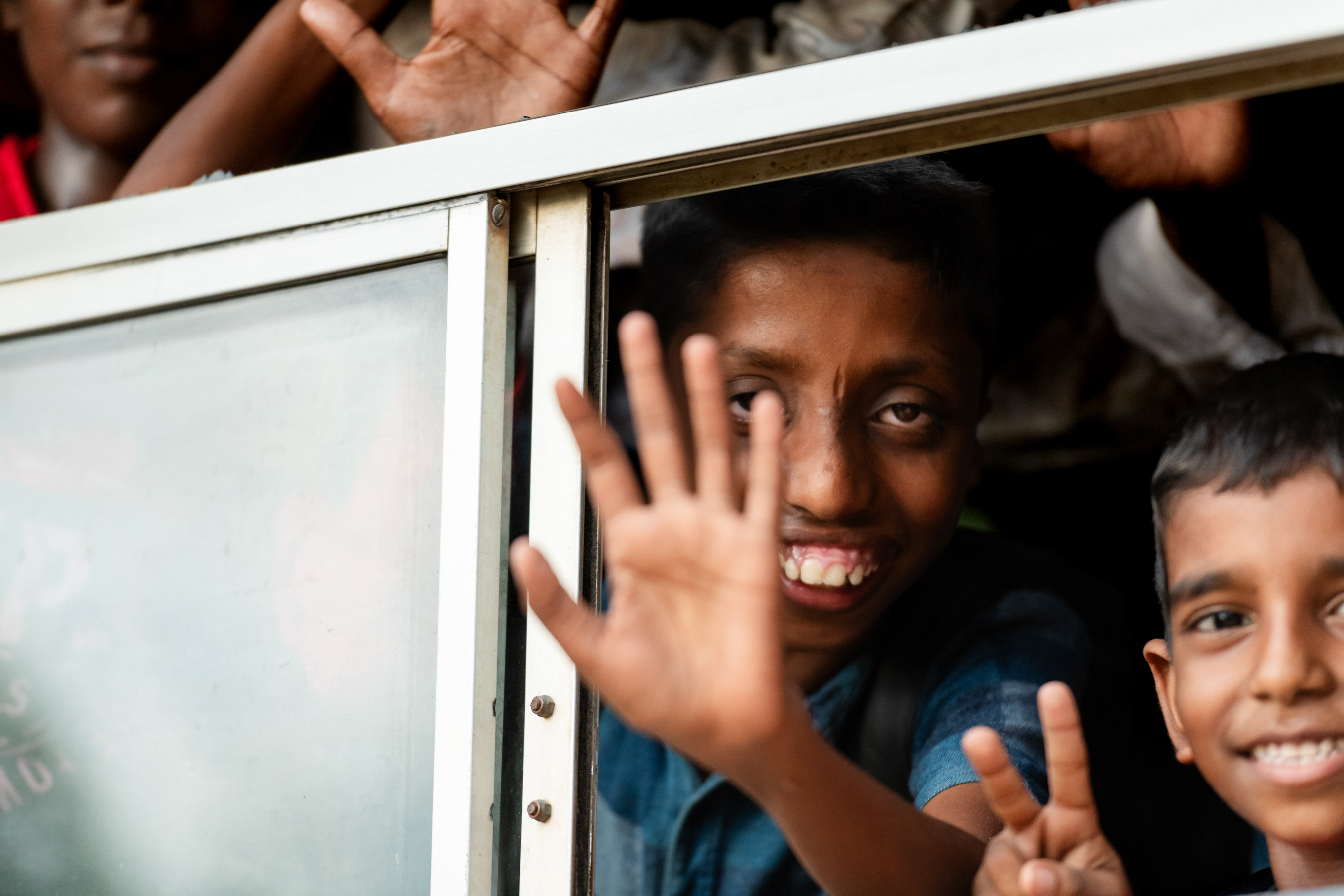
One of the great privileges of my time in Sri Lanka was riding from the learning center near Batticaloa into rural communities to pick up more than 100 students and bring them back for education, a nourishing meal, and a day of structure.
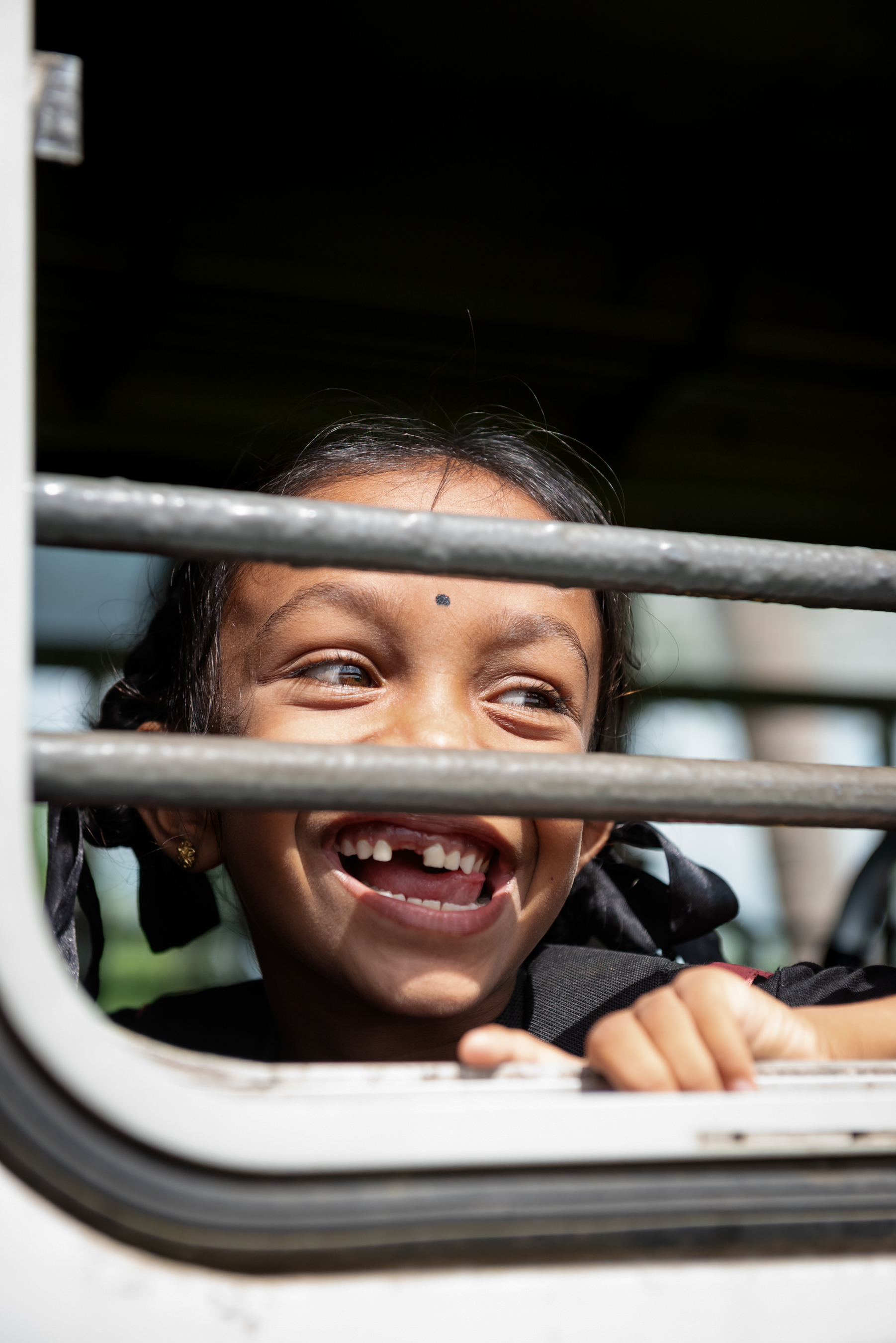
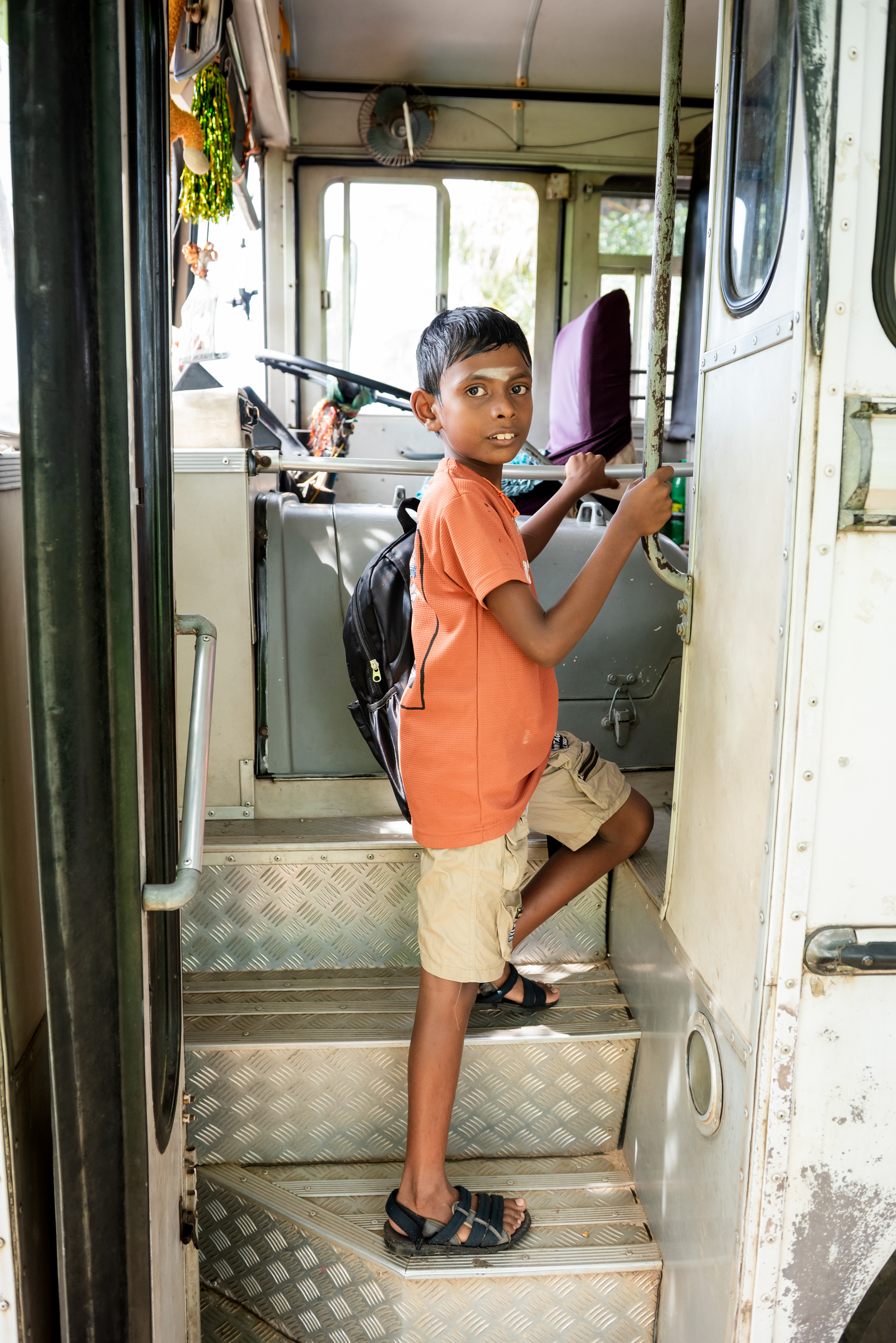
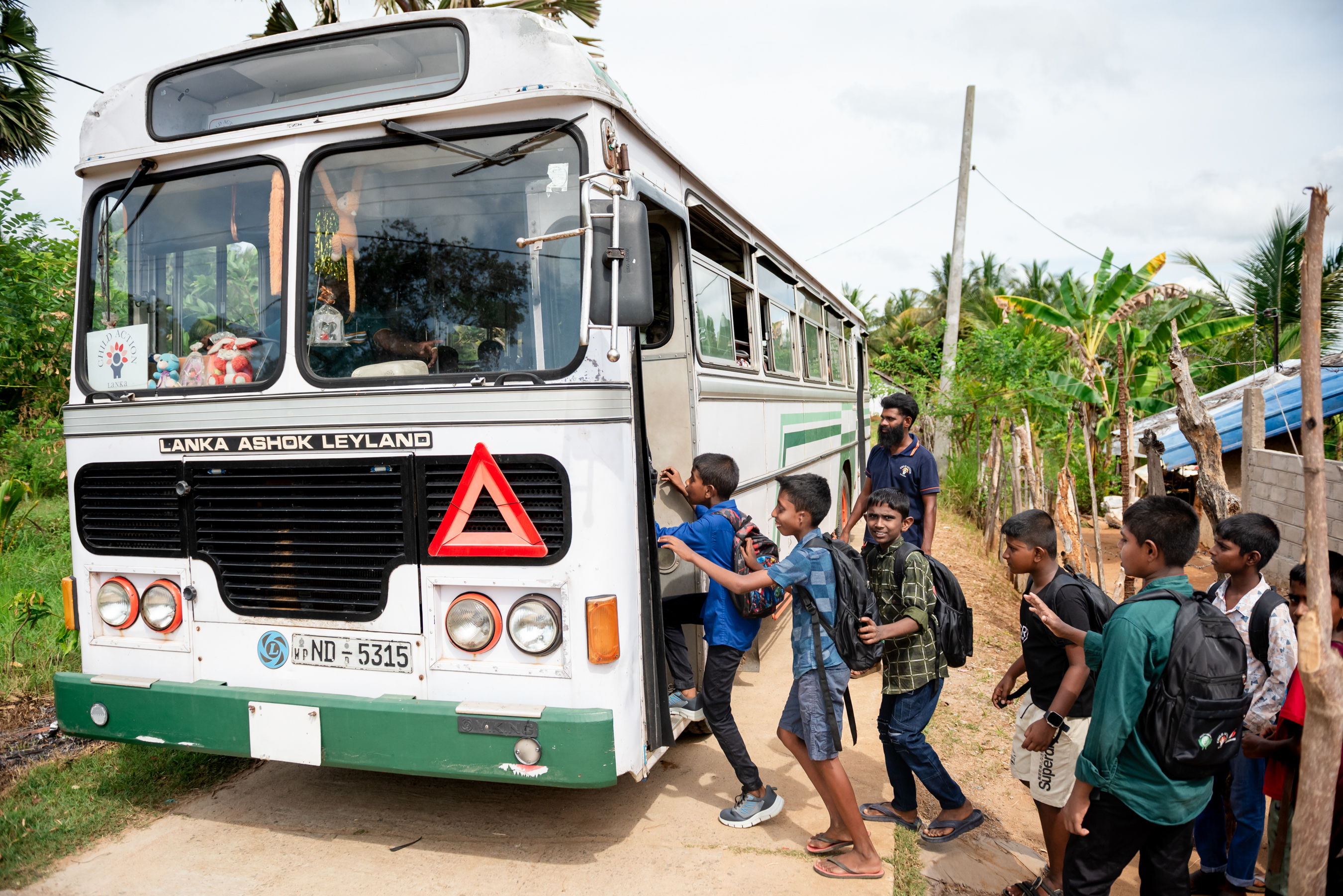
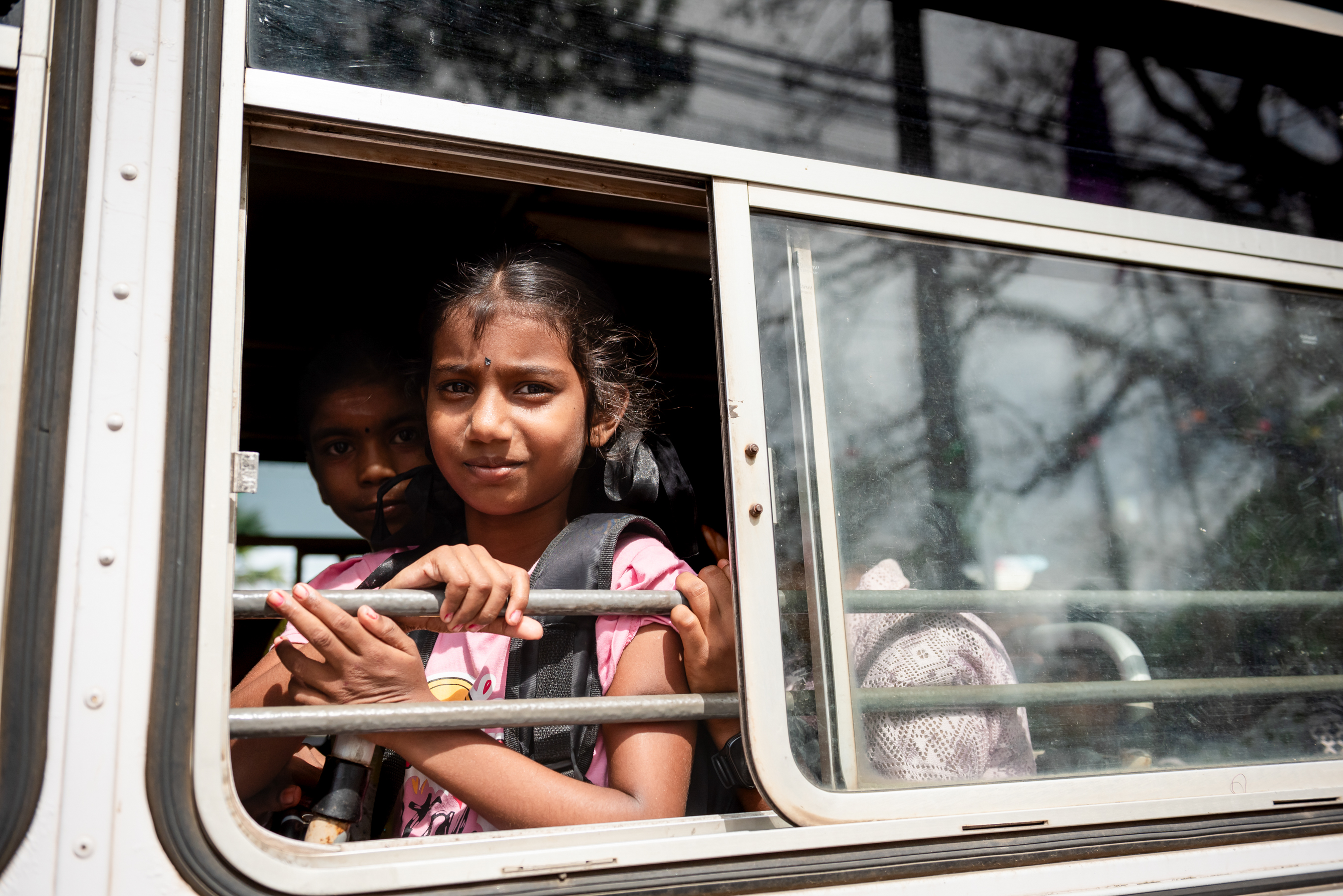
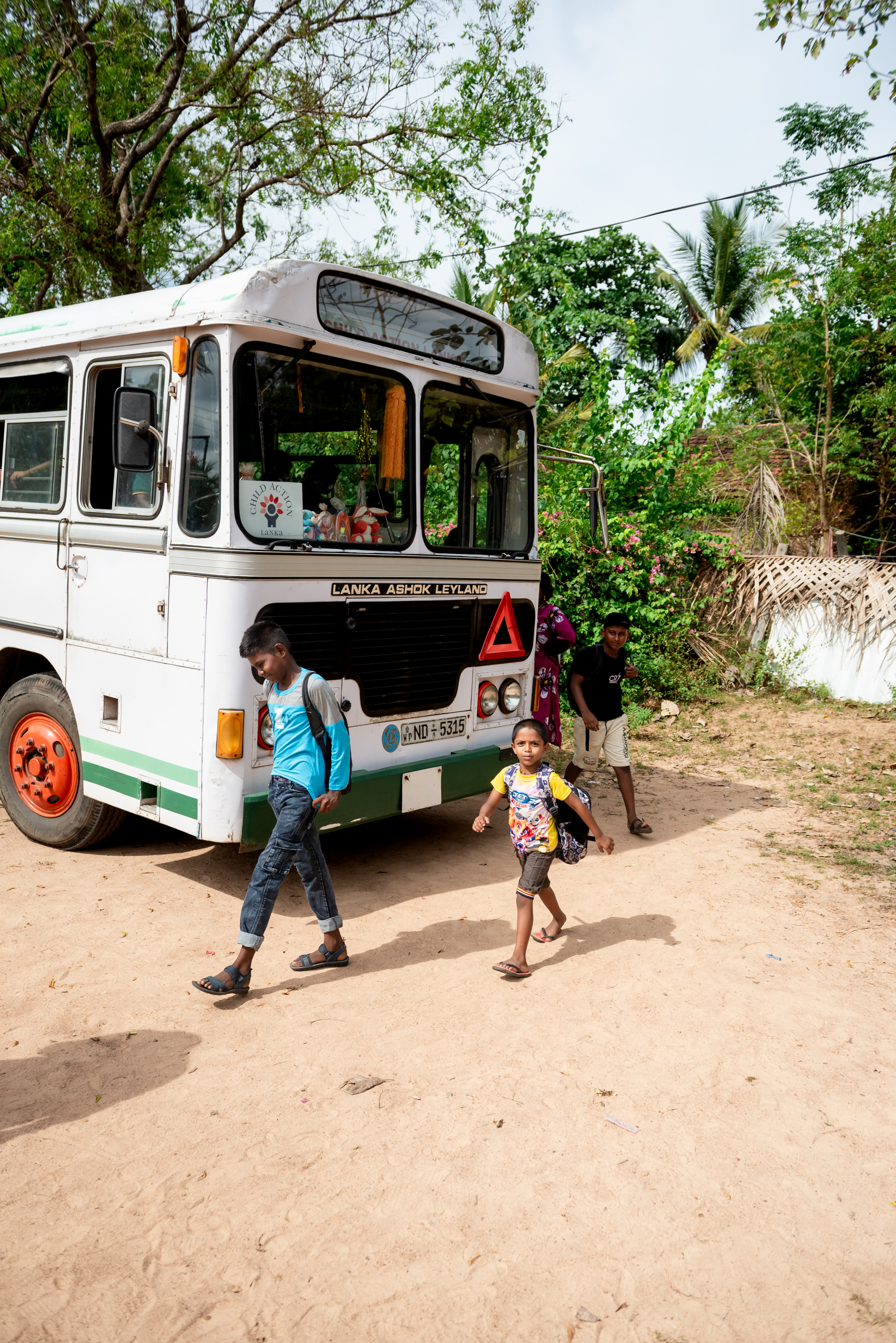
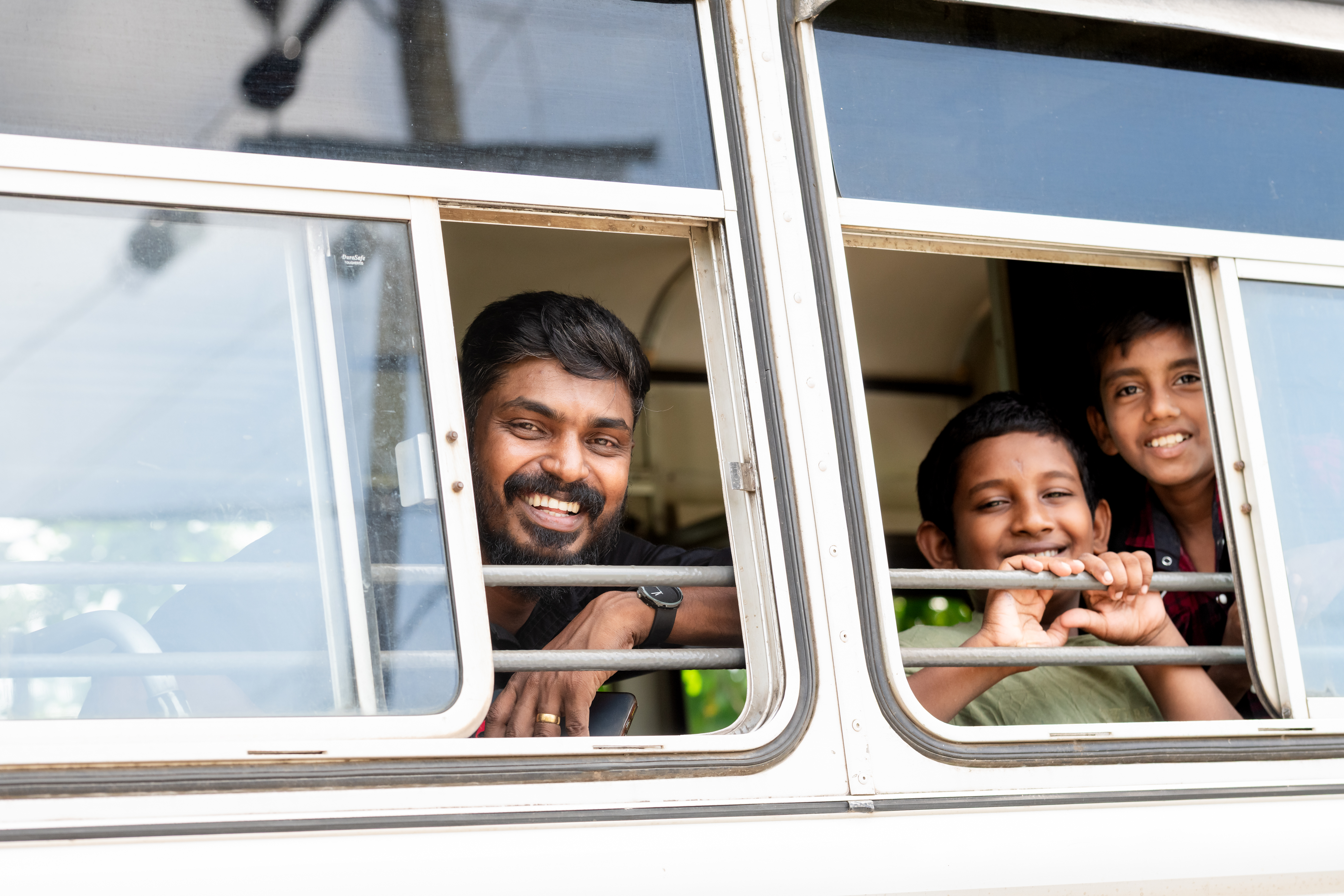
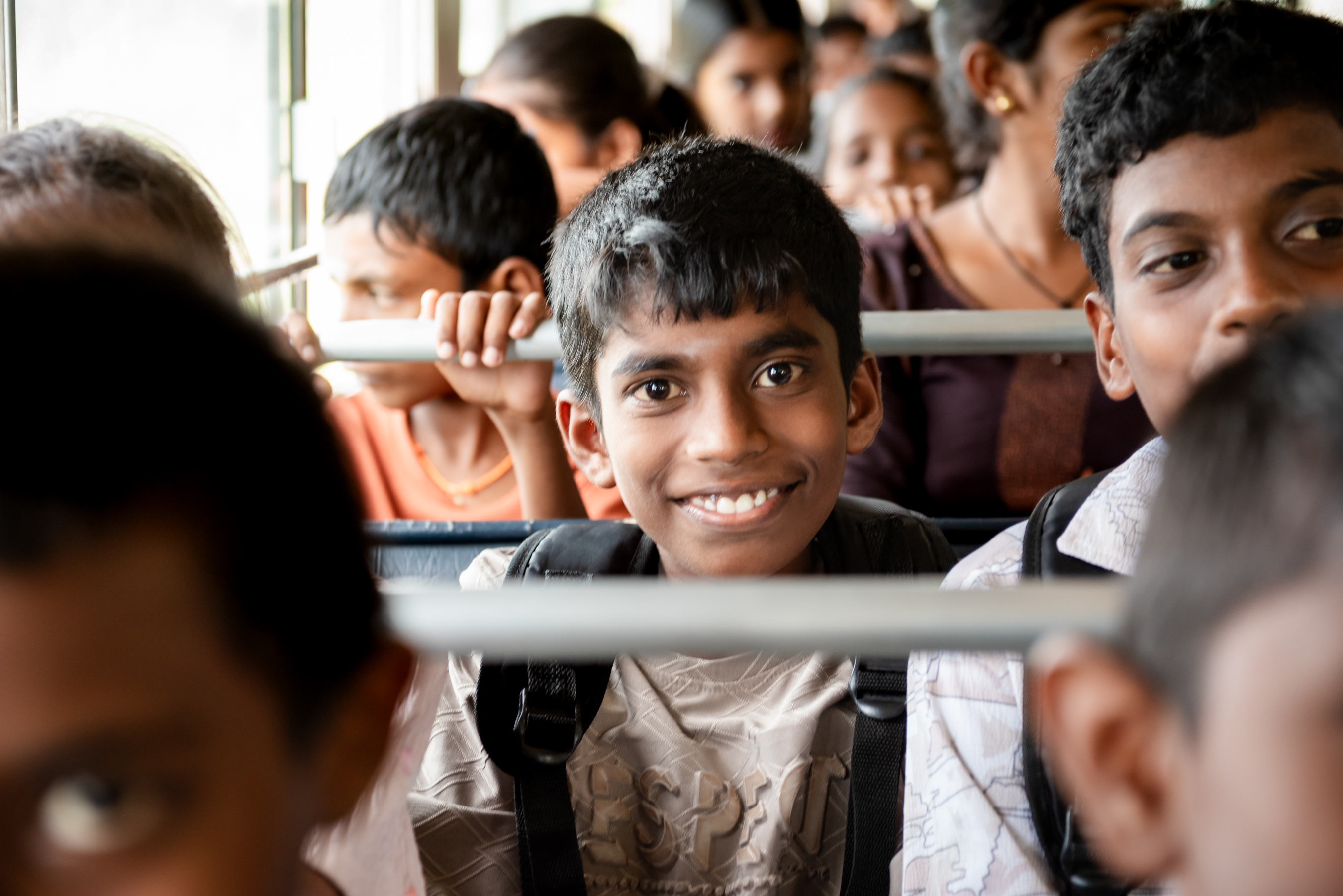
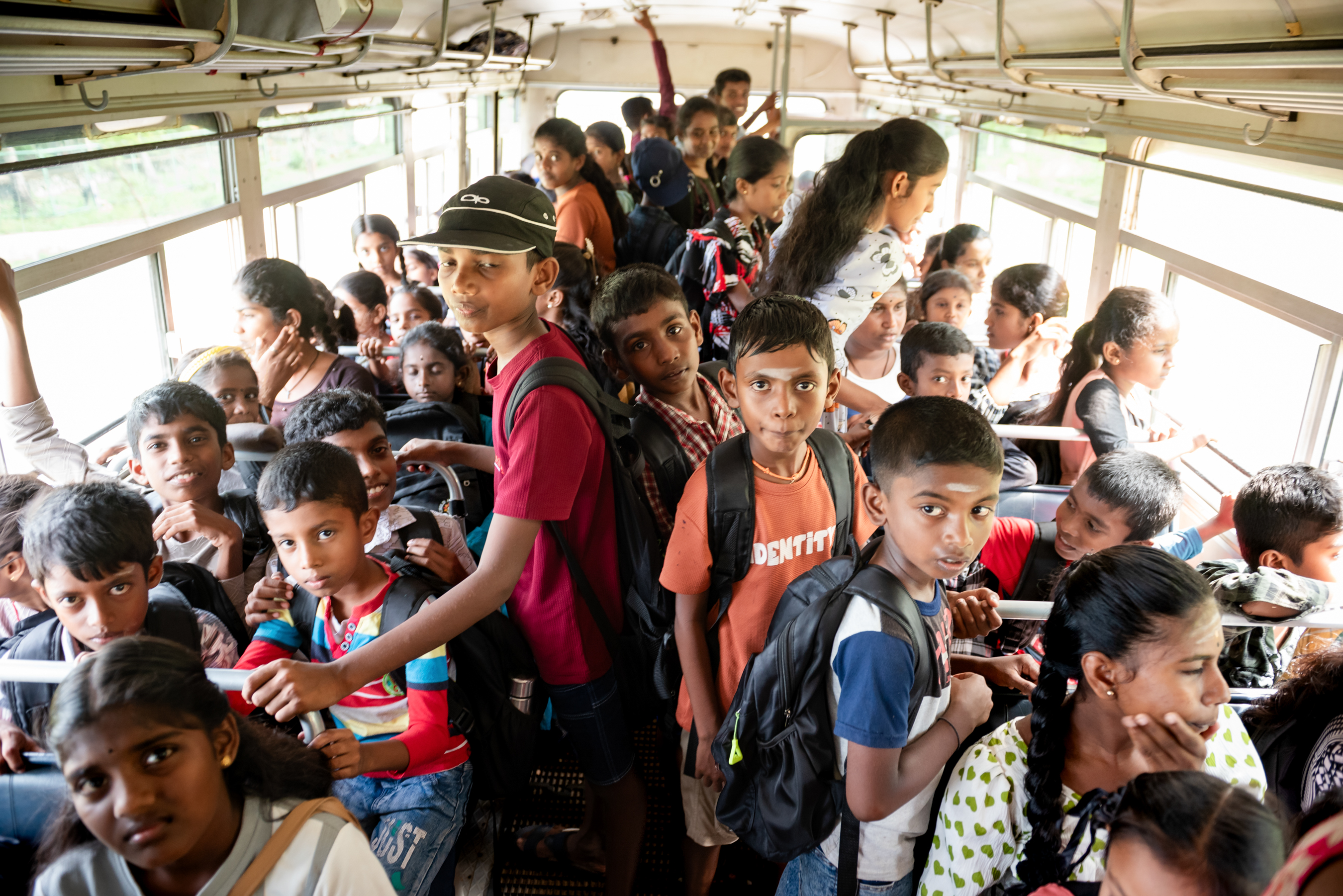
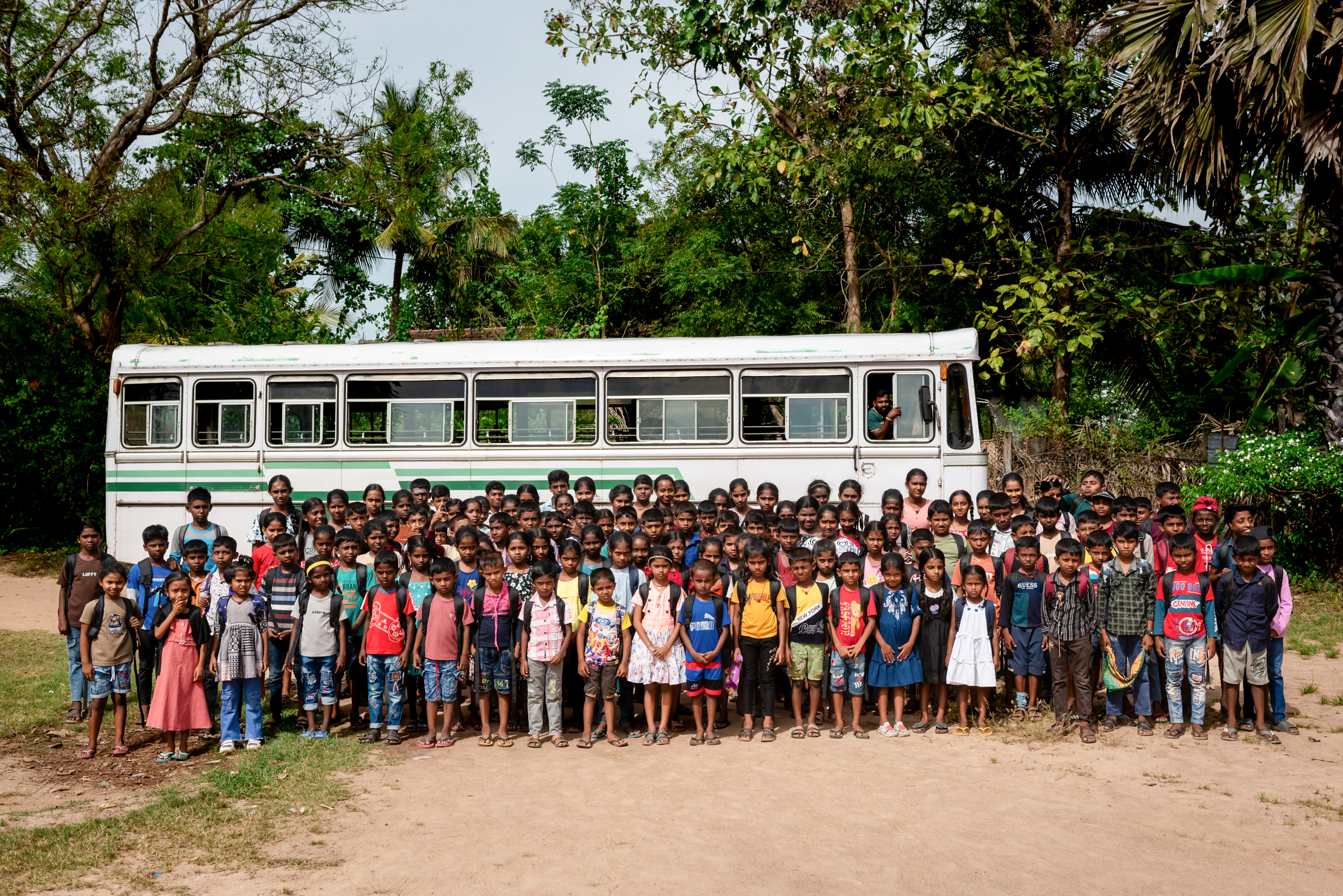
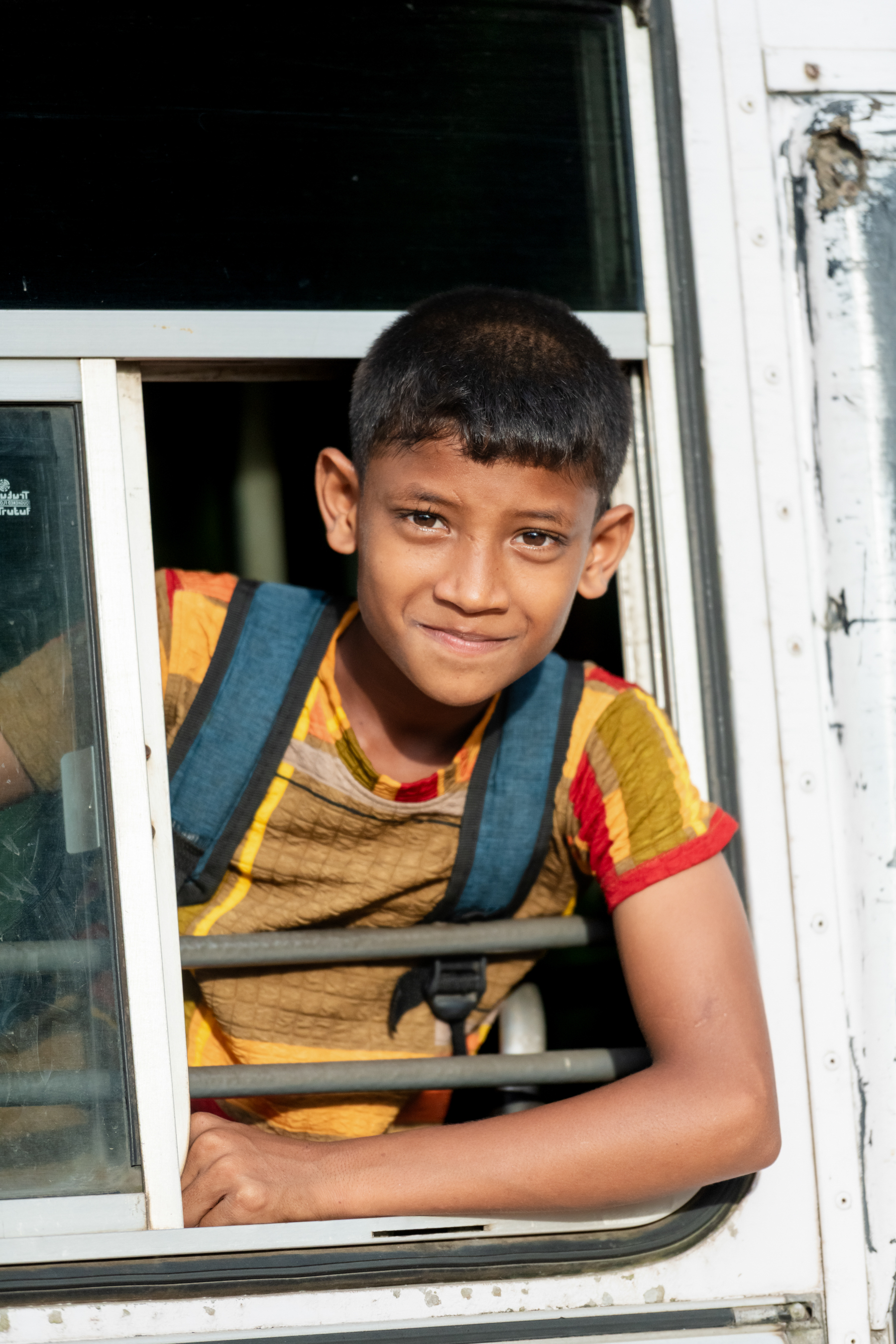
There was something powerful about watching them wait for the bus, climb in, ride together toward the center, step down, and walk toward class. It made the idea of access visible. Education was not simply waiting for them to arrive. In Batticaloa, education went out to meet them.
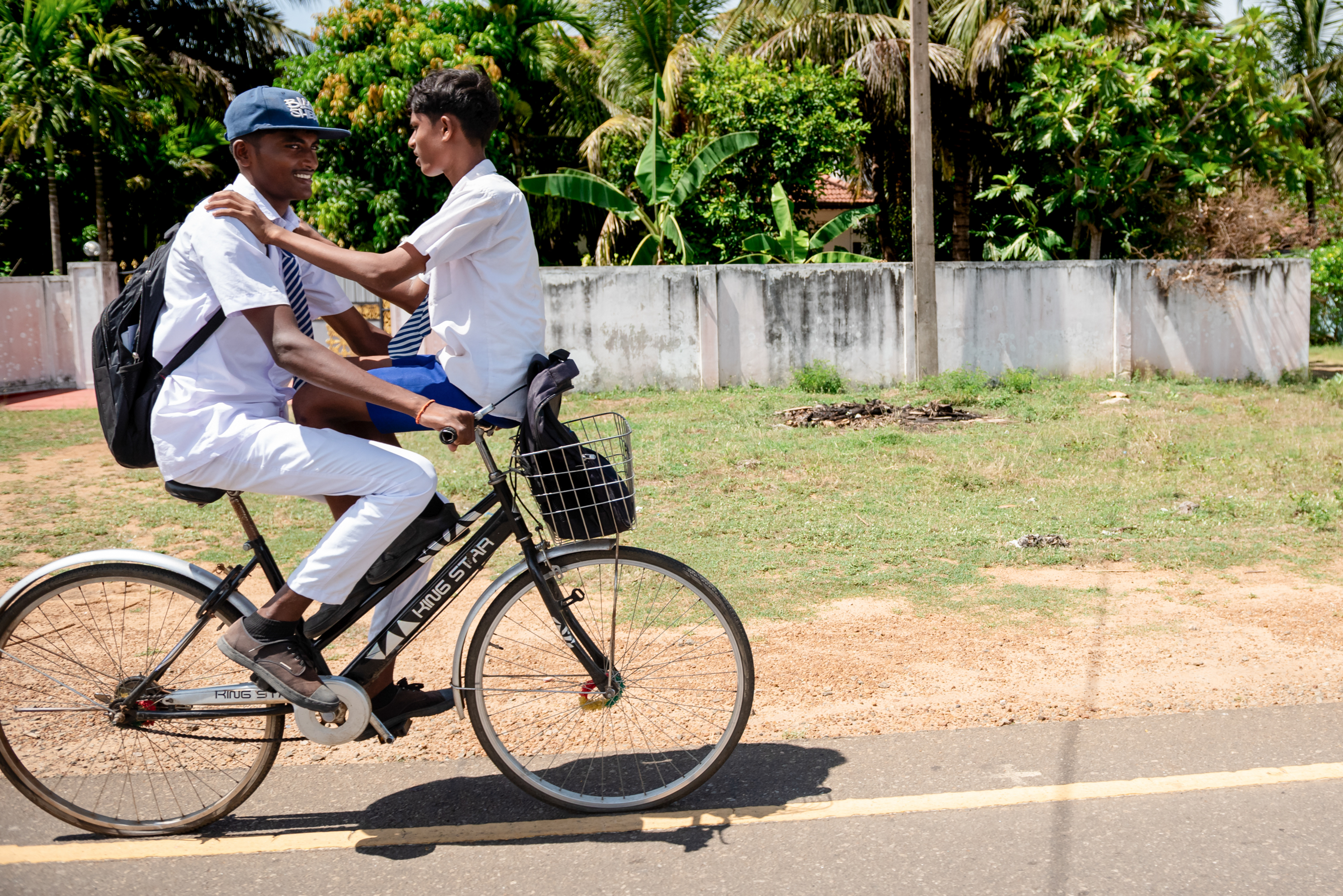
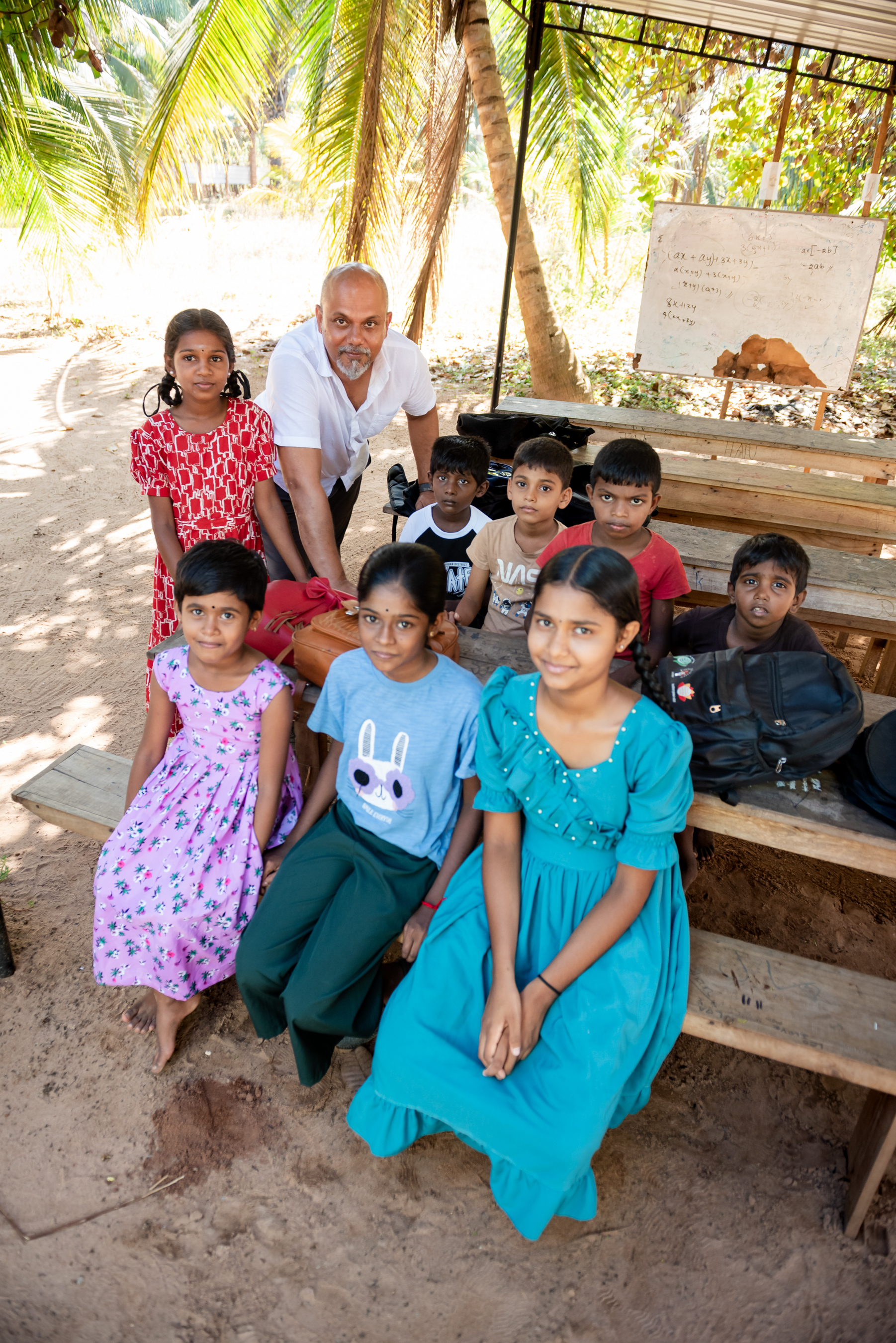
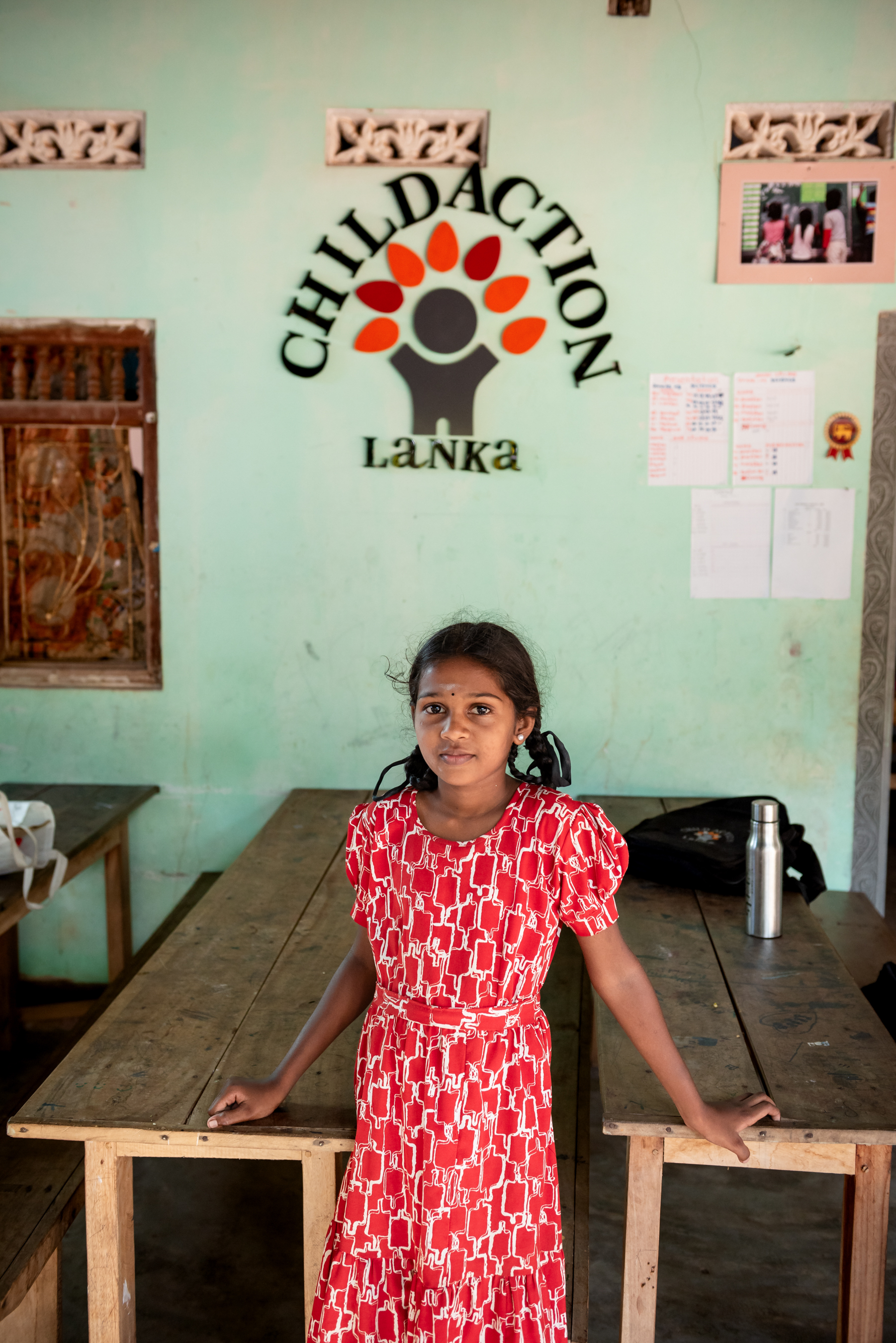
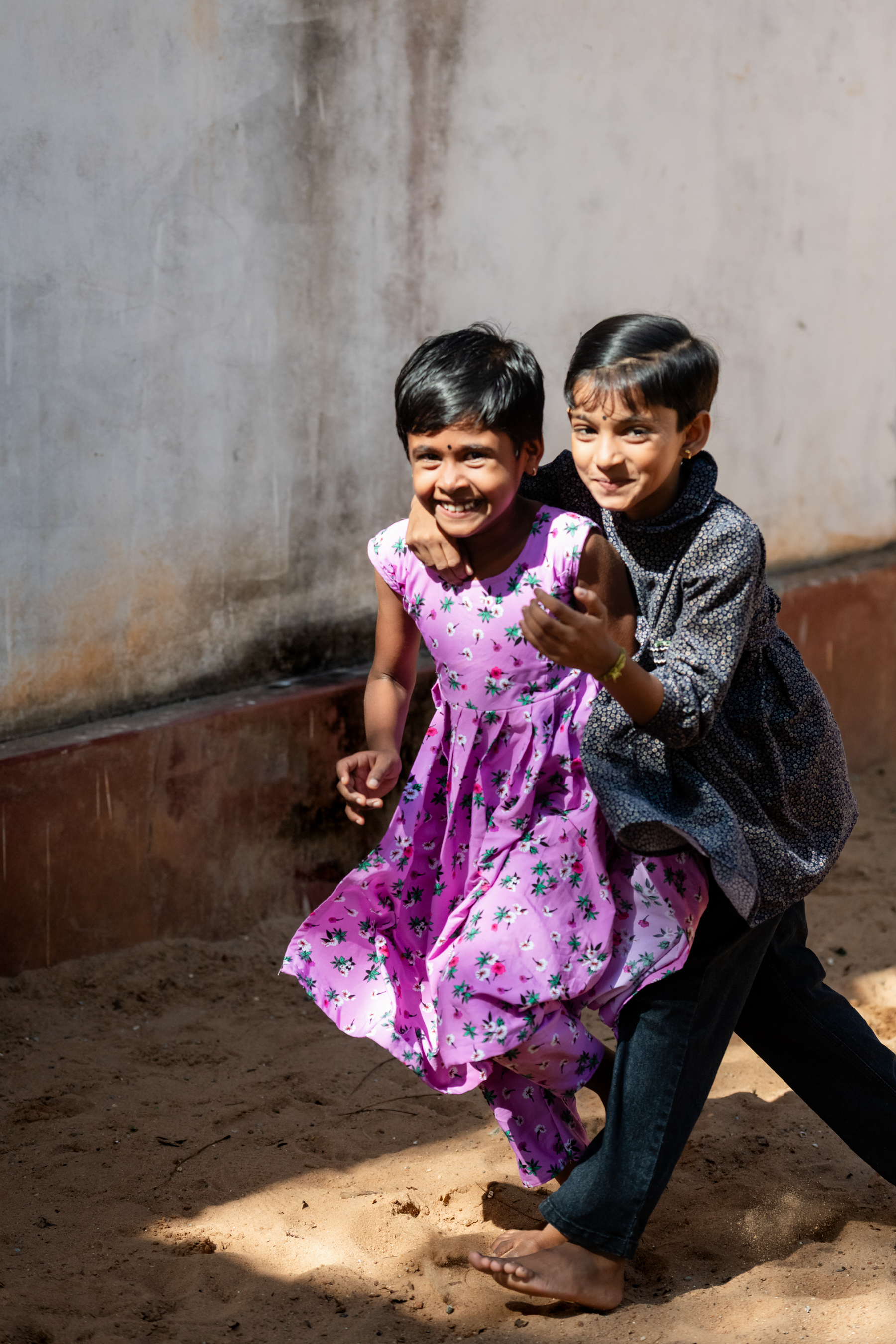
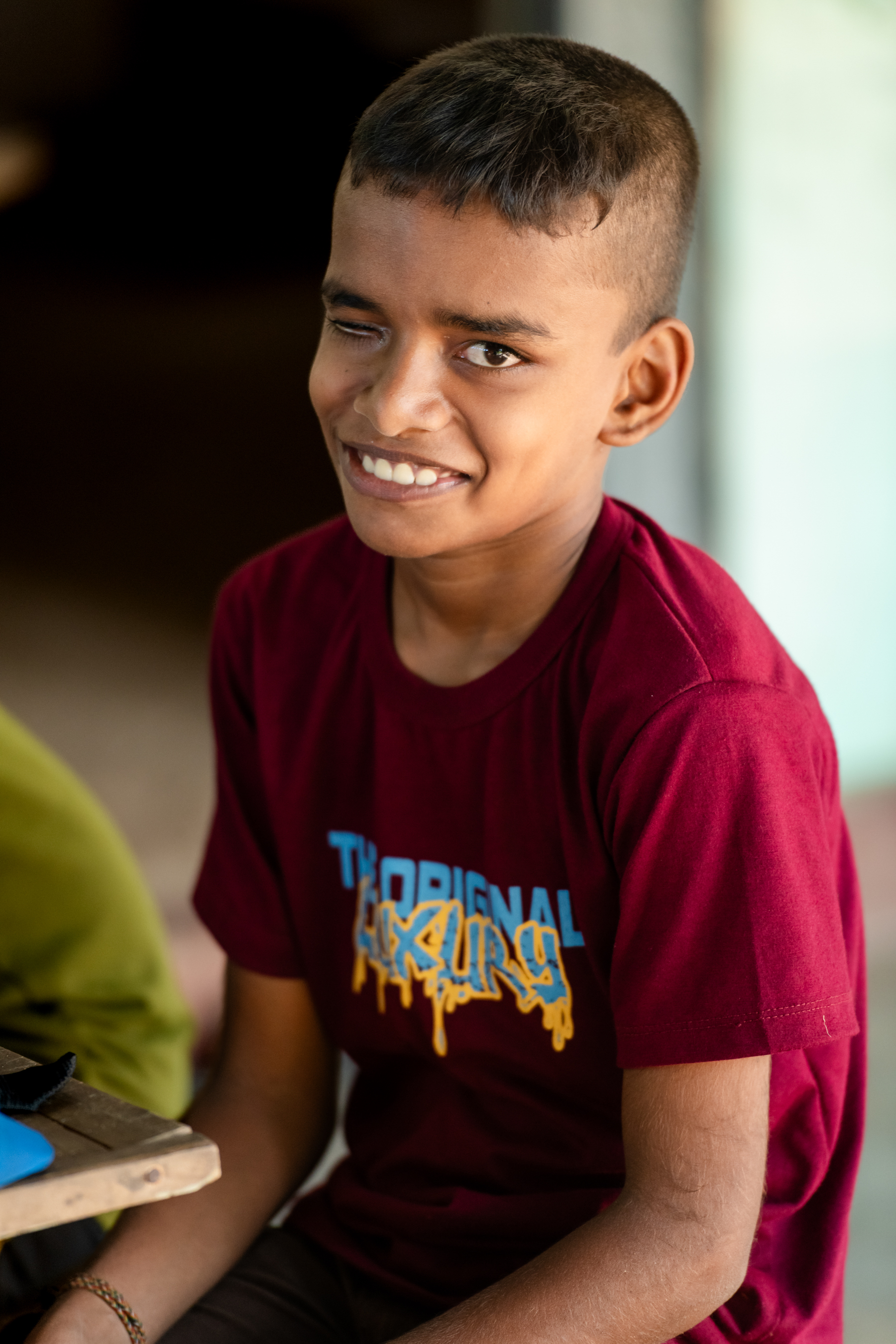
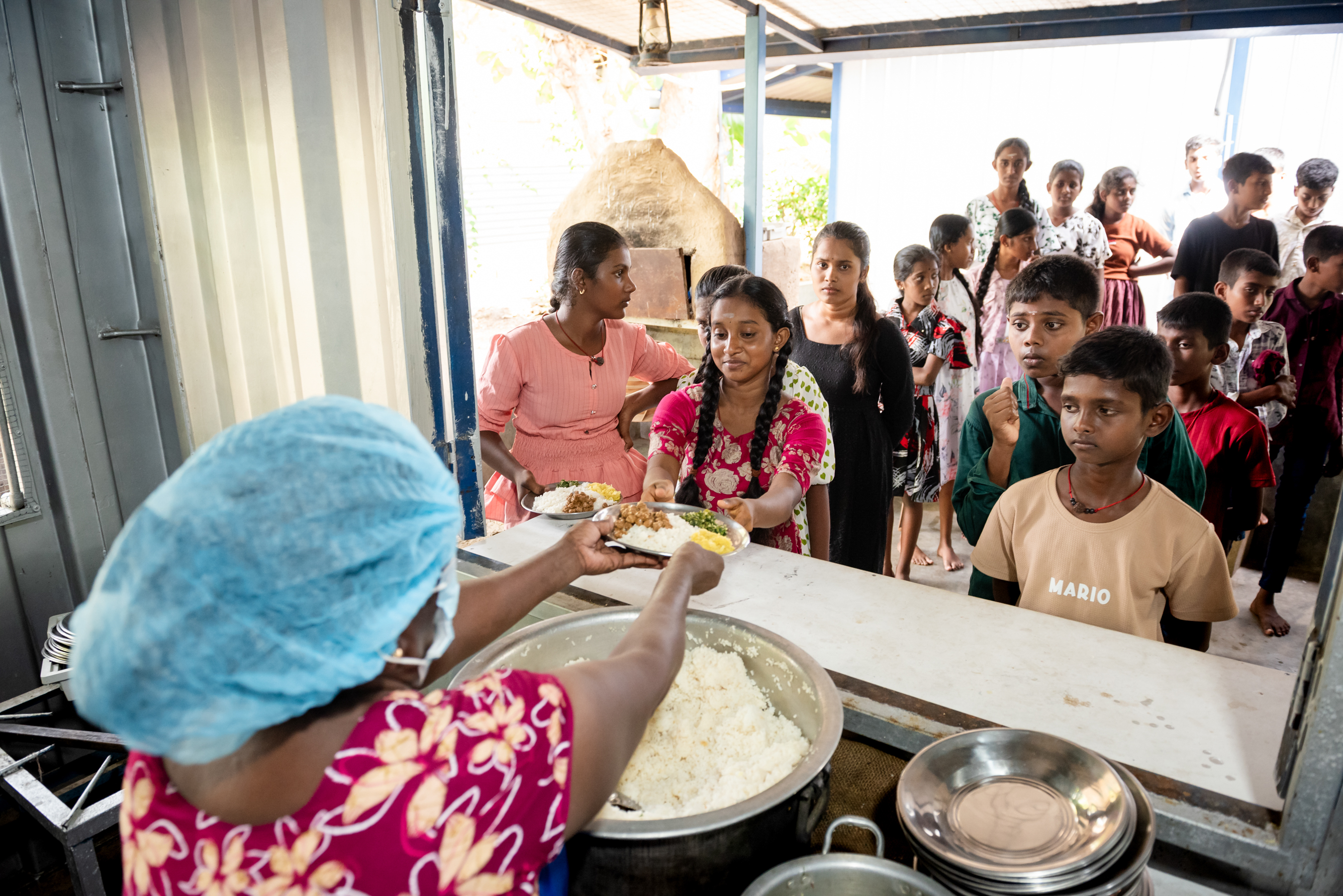
The journey itself became part of the care: the rural roads, the waiting, the boarding, the ride back, the arrival, the meals being prepared, the food being served, the clean water project, the teachers leaning in. This is how a program becomes real. Not in slogans, but in logistics. In distance crossed. In repetition. In people showing up again and again.
After Batticaloa, the journey shifted toward the hill country. Nuwara Eliya felt like another Sri Lanka entirely: cooler air, different light, tea country, mountain roads. After the heat of the coast and east, the change in temperature felt almost shocking.
One country, many climates. One organization, many forms of care.
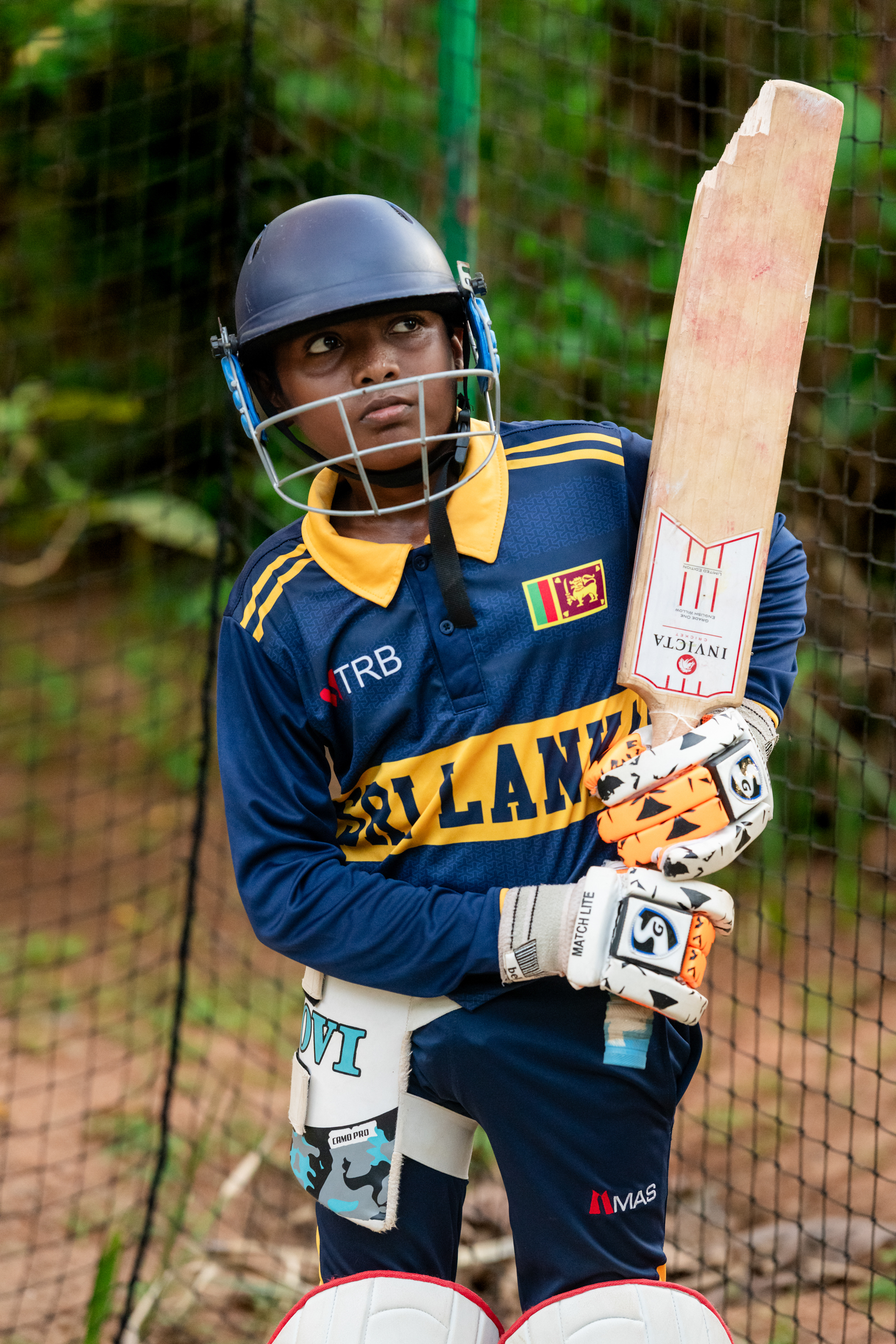
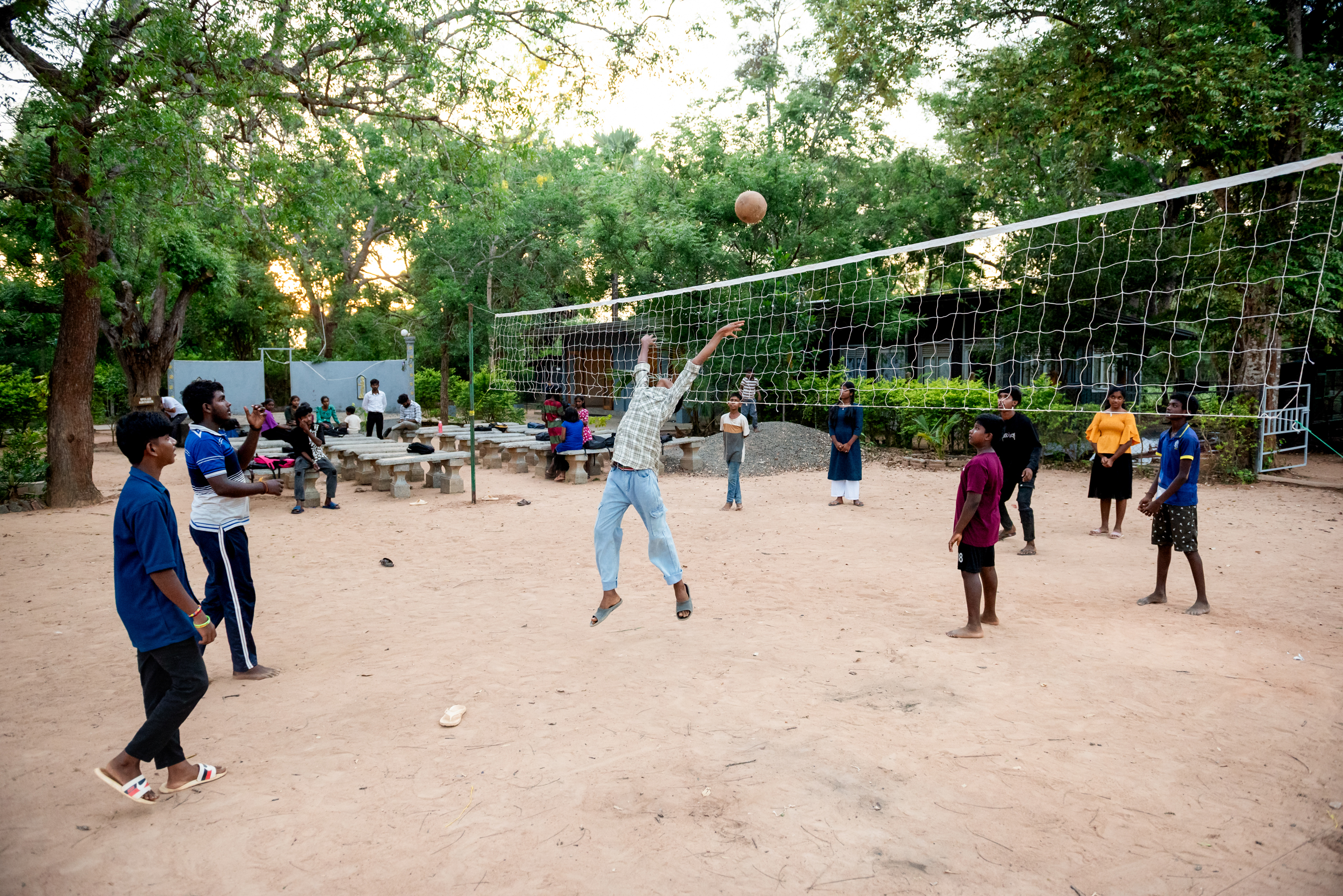
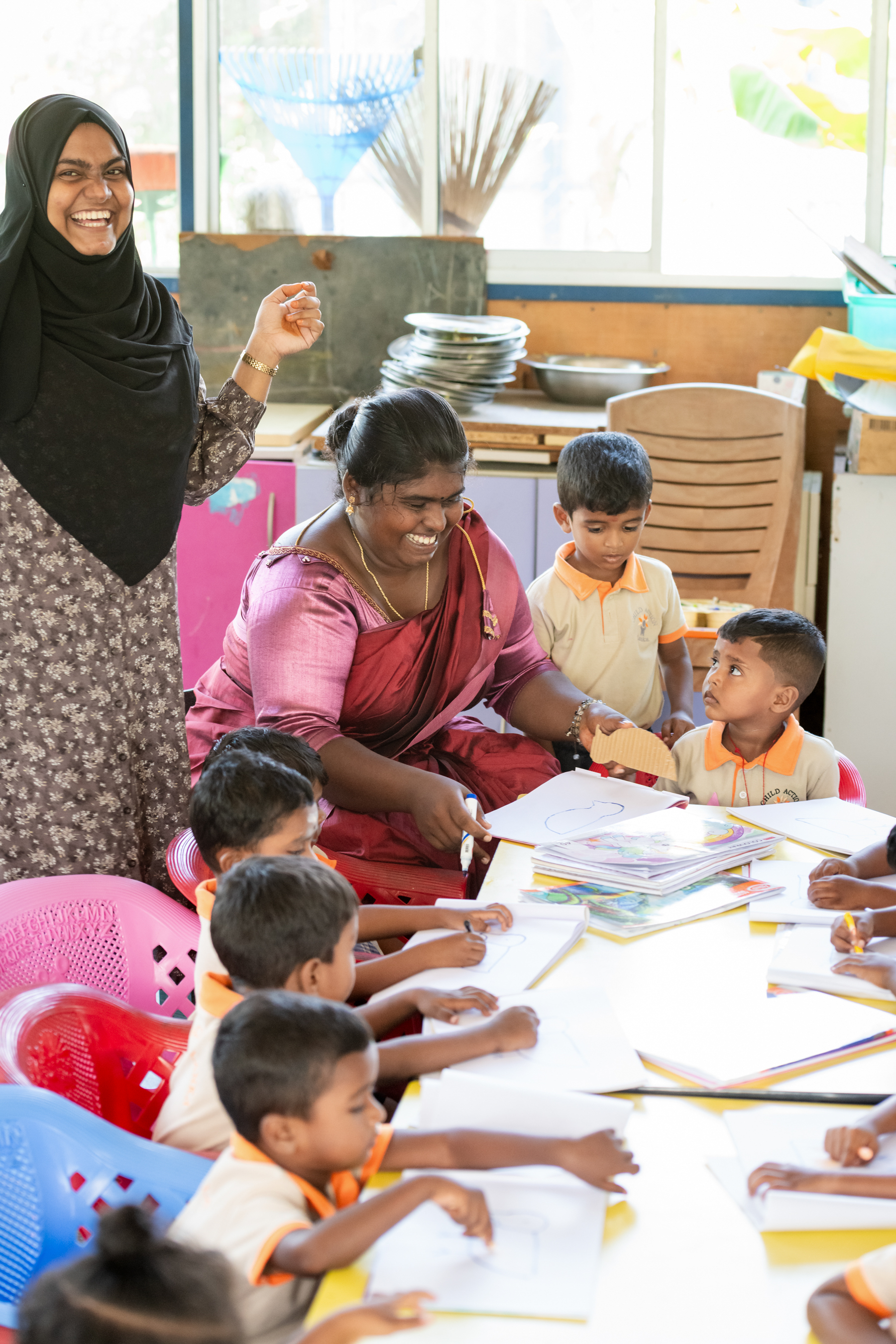
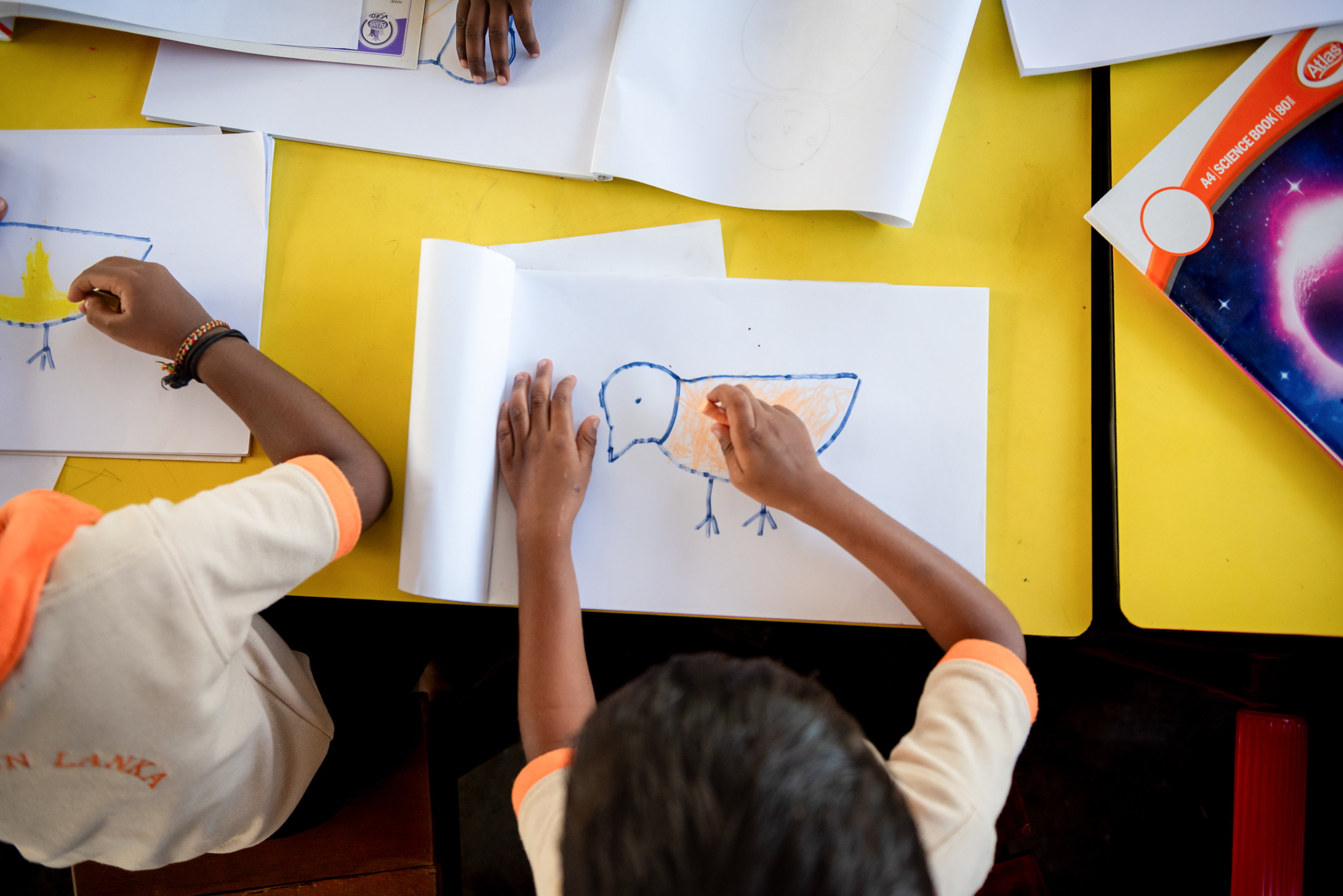
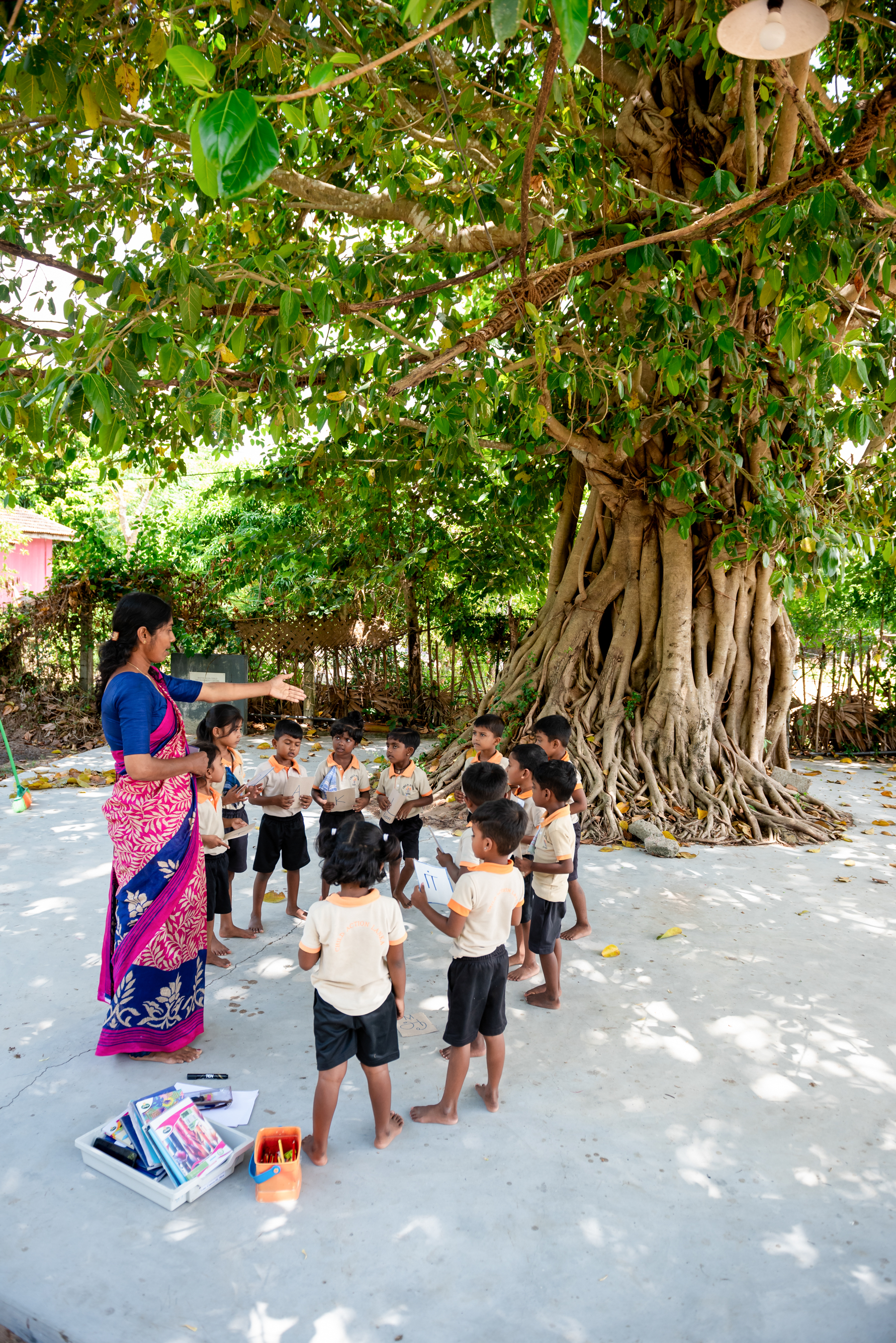
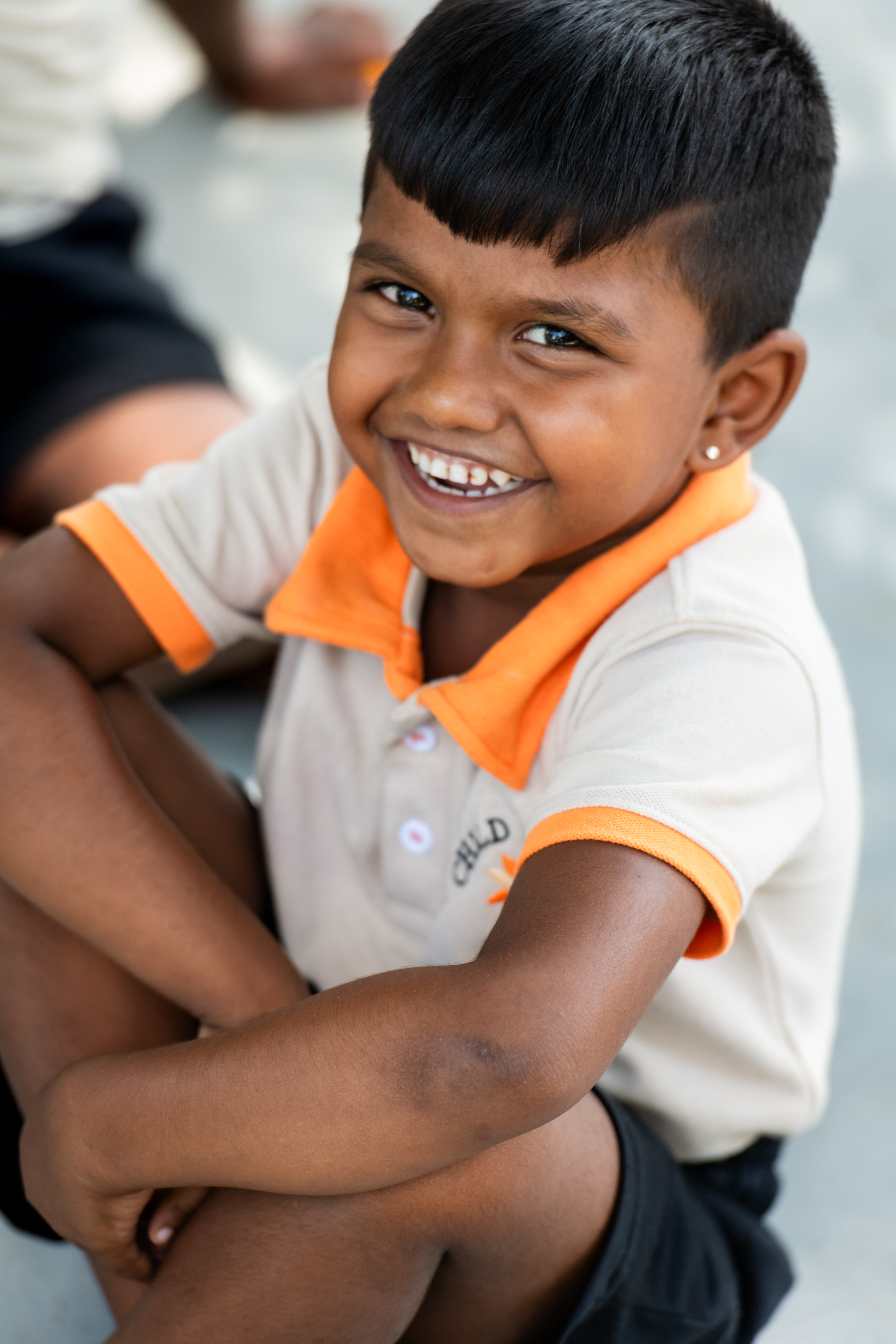
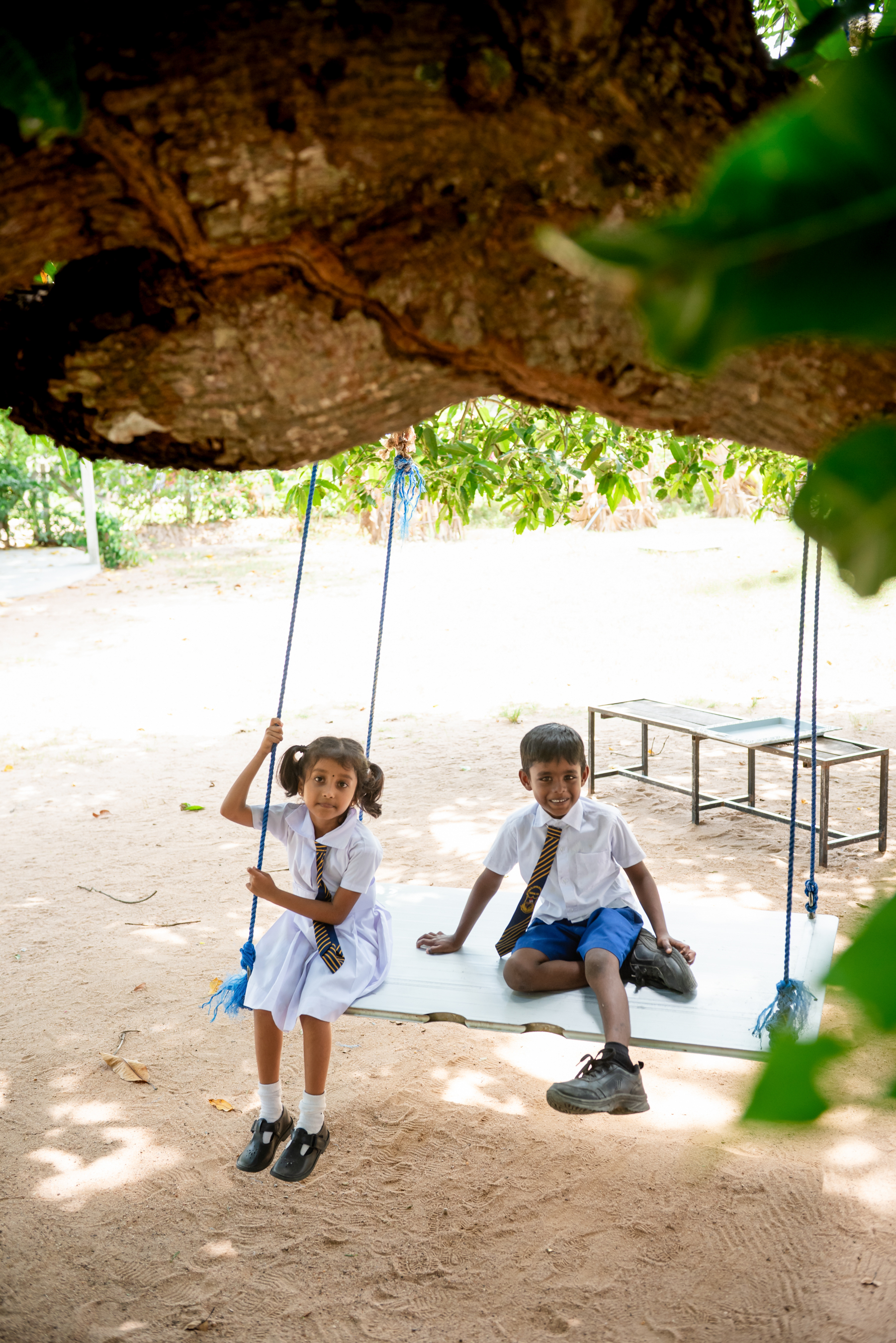
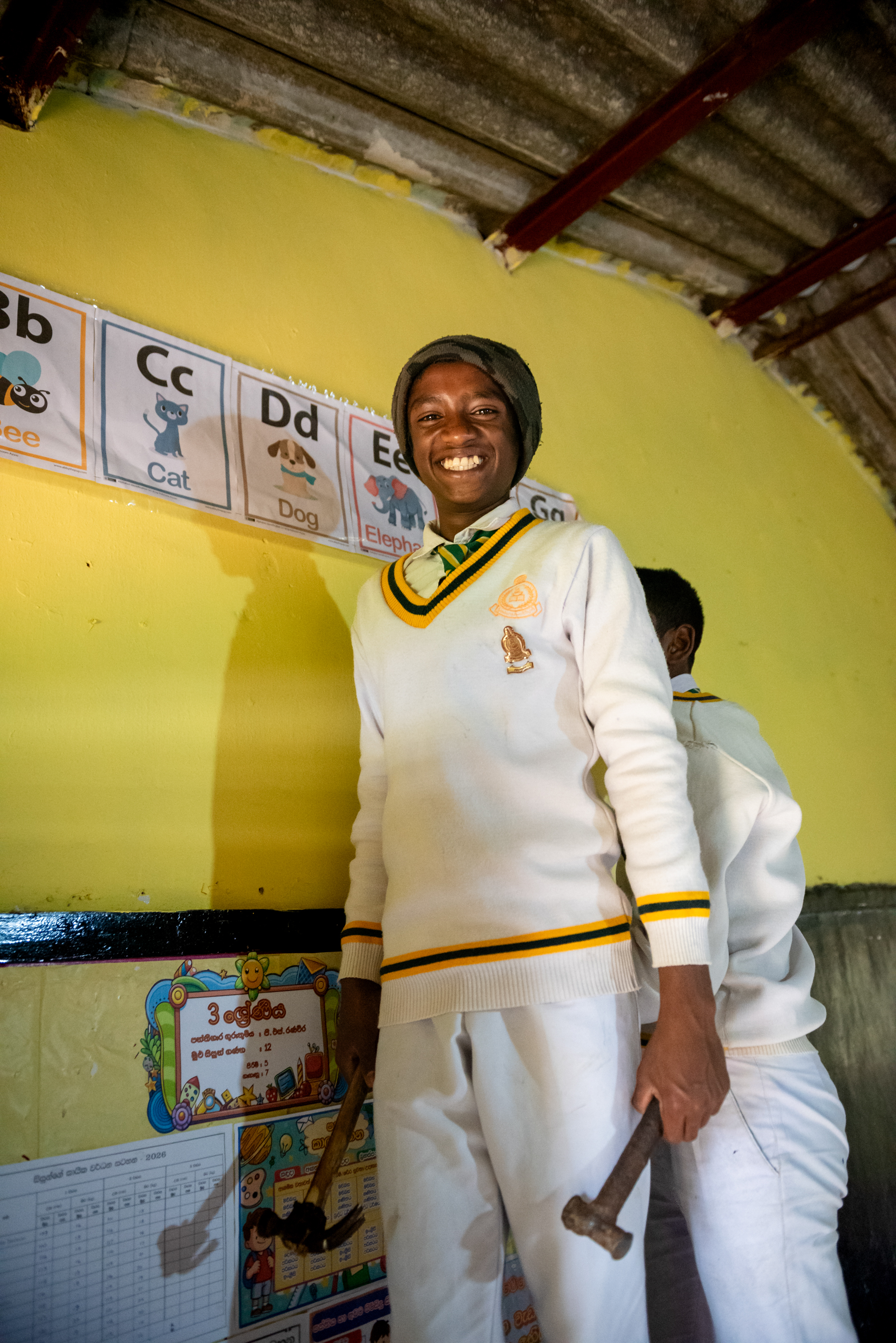
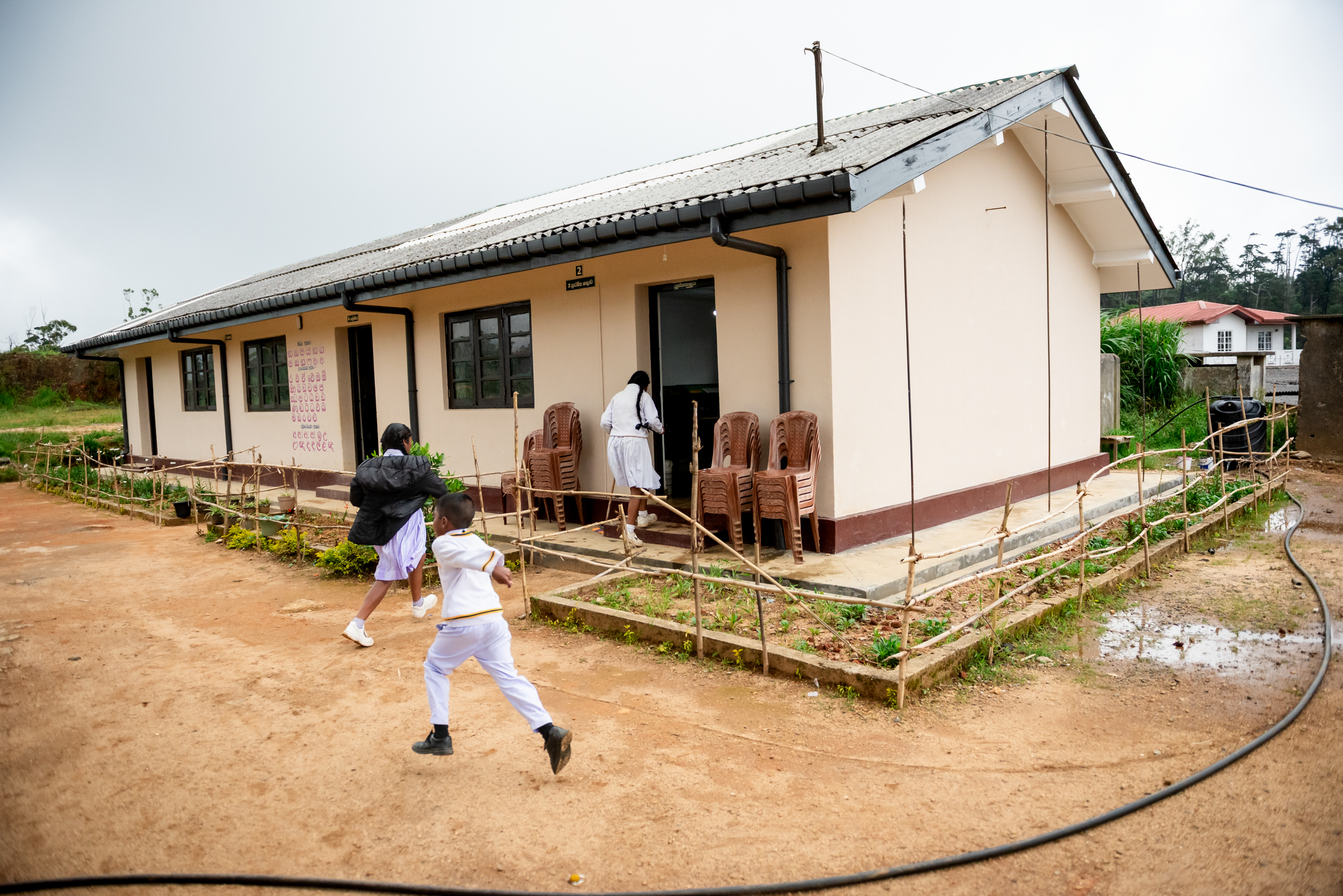
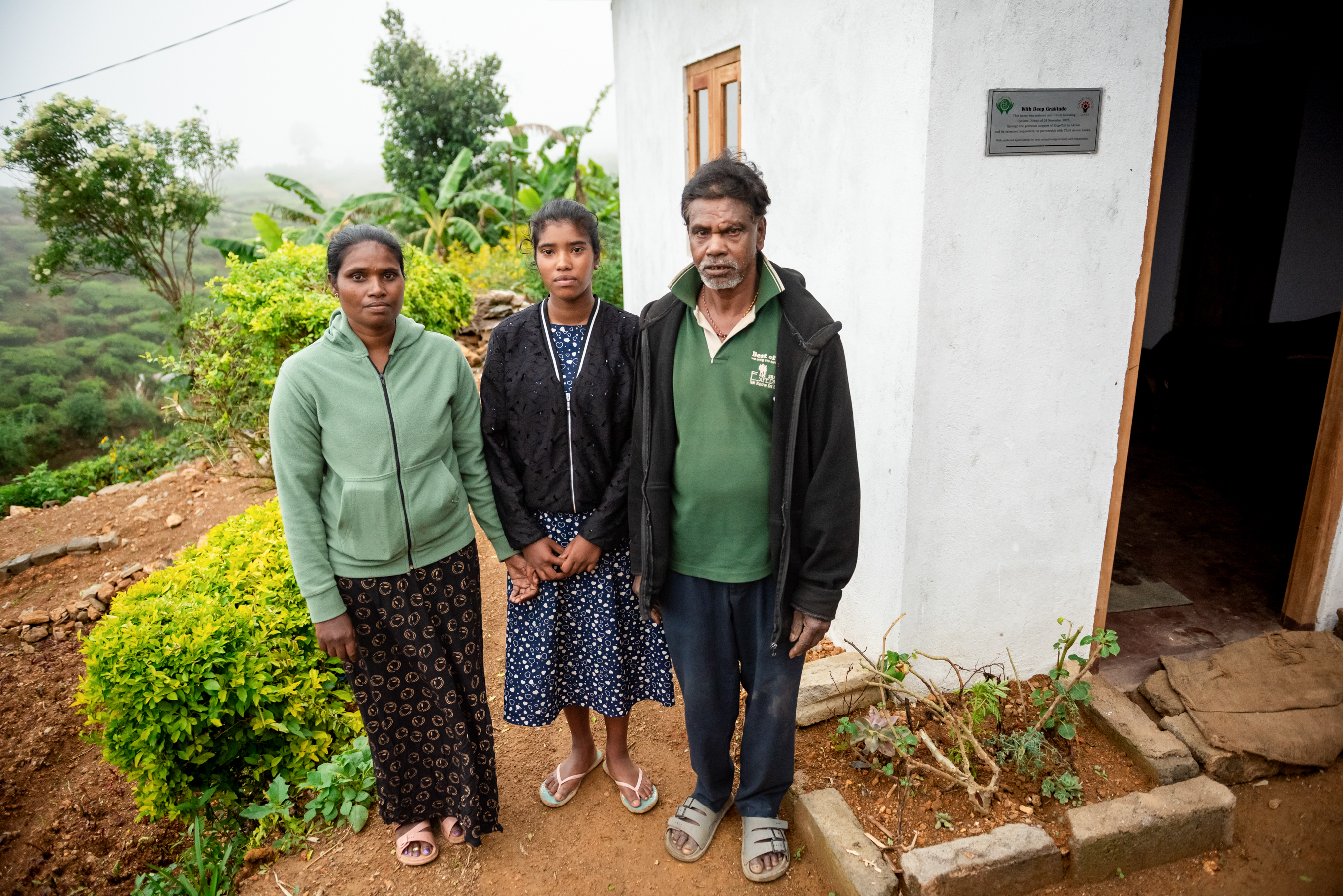
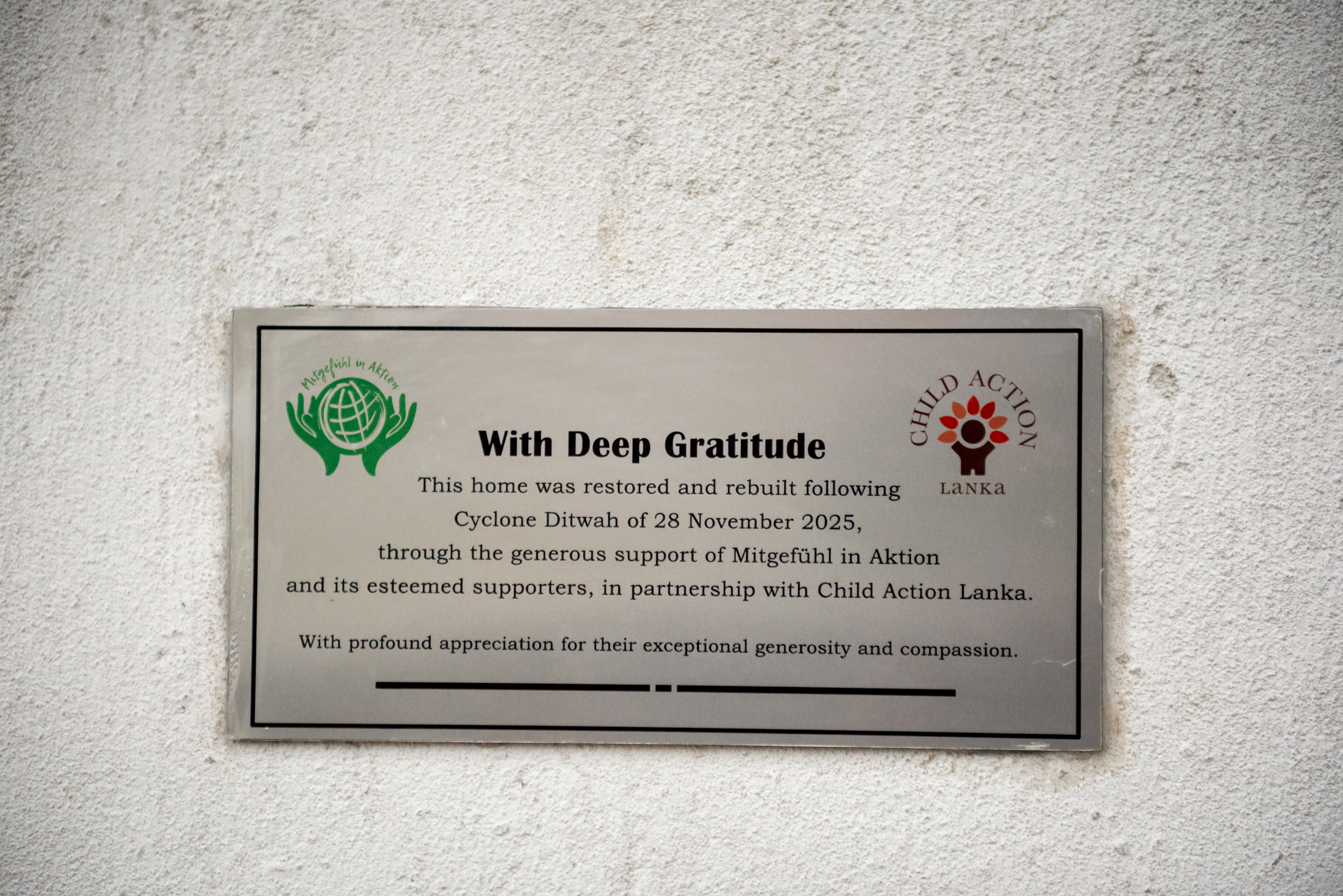
At the Nuwara Eliya center, there was classroom learning, teacher engagement, health and nutrition work, and a story connected to a house built by CAL after hardship and damage, a reminder that the organization’s work sometimes reaches beyond the classroom and into the physical structure of family life.
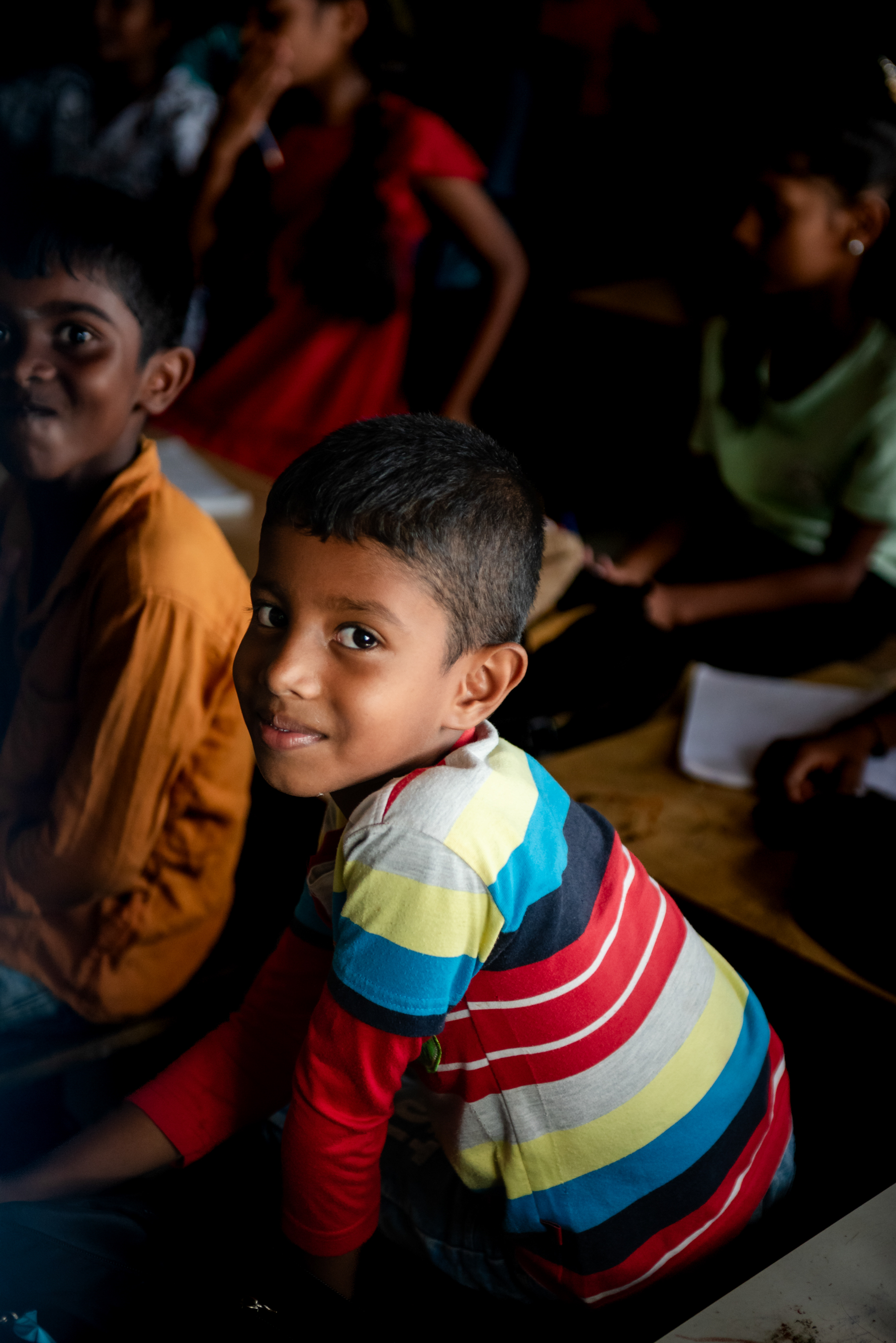
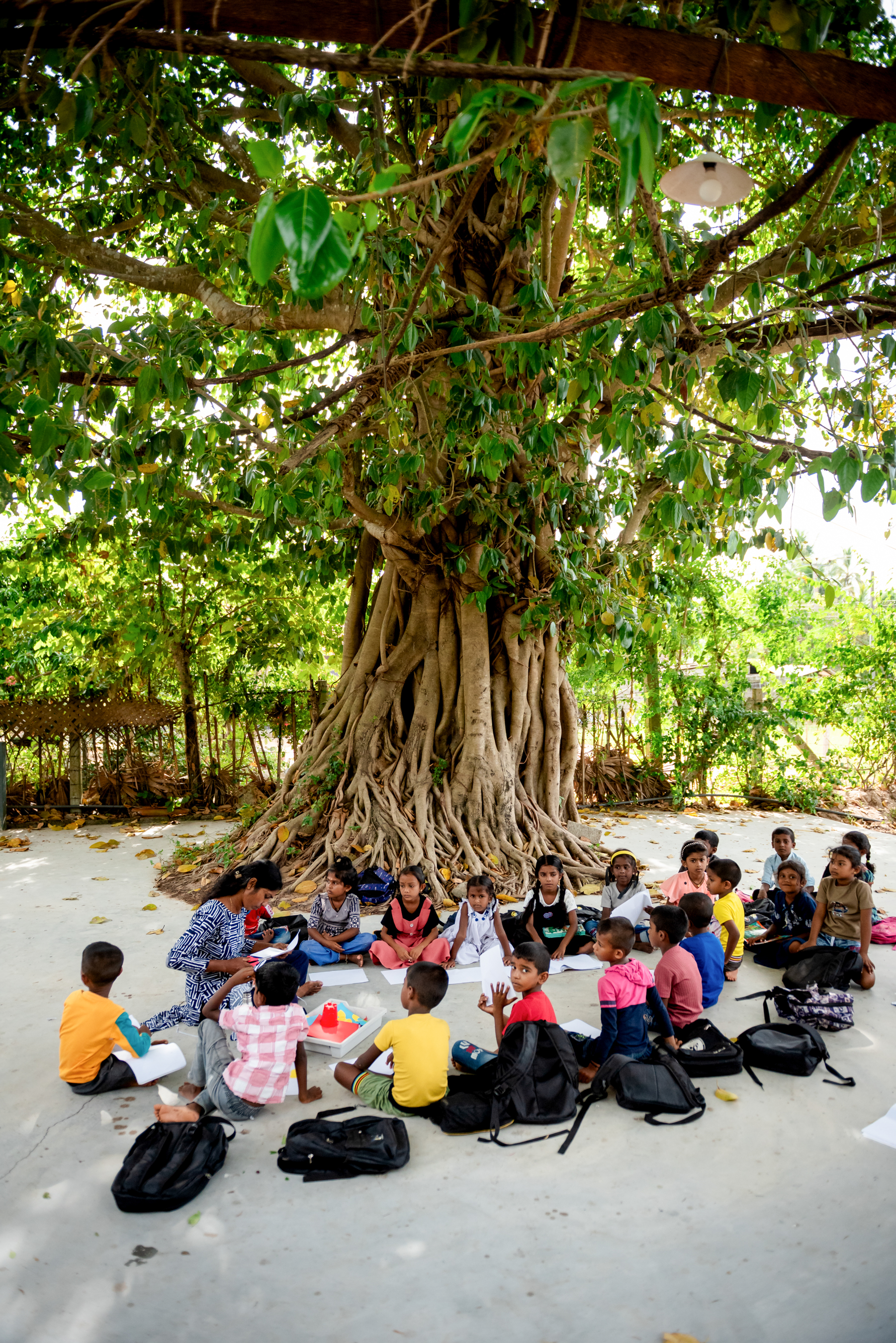
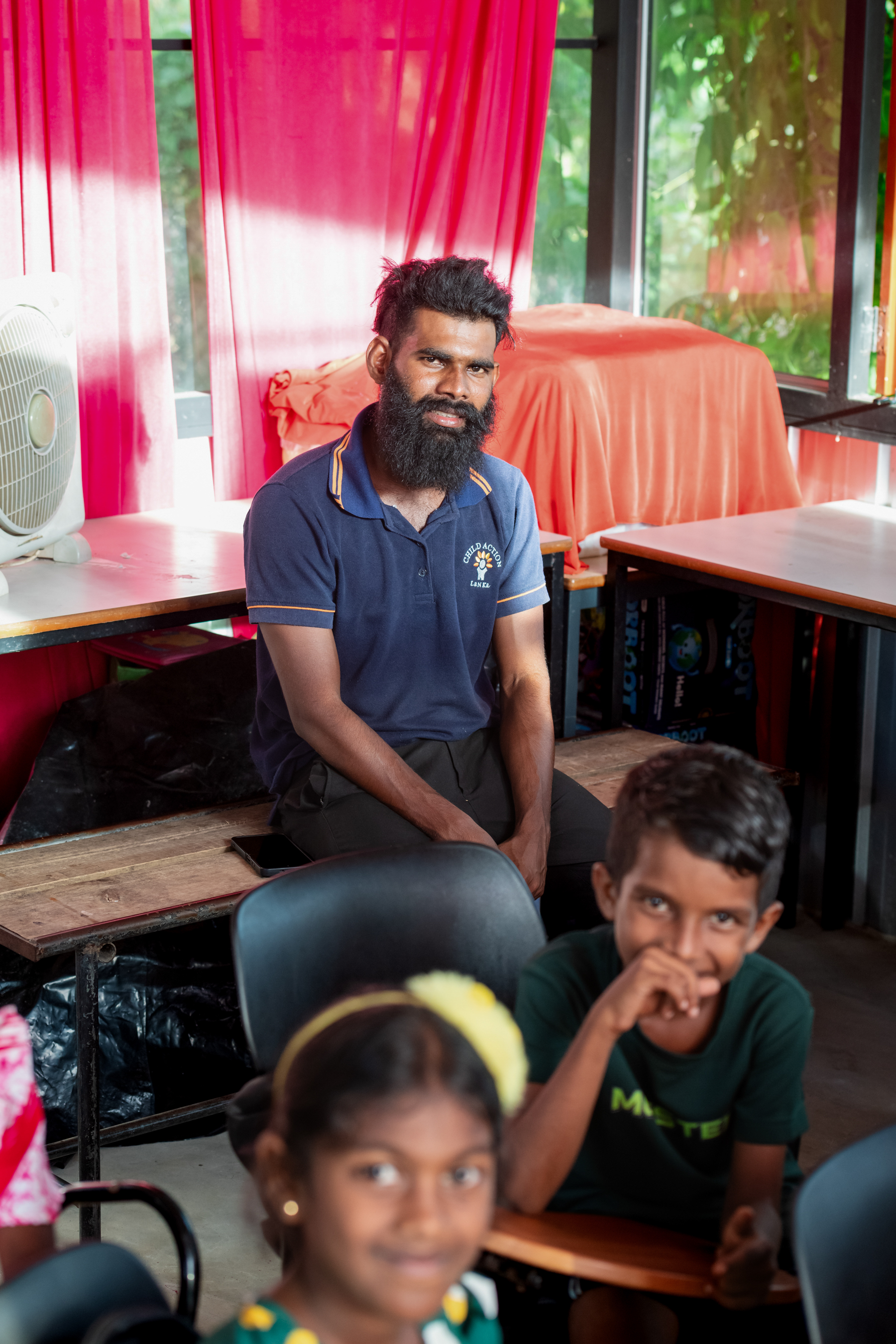
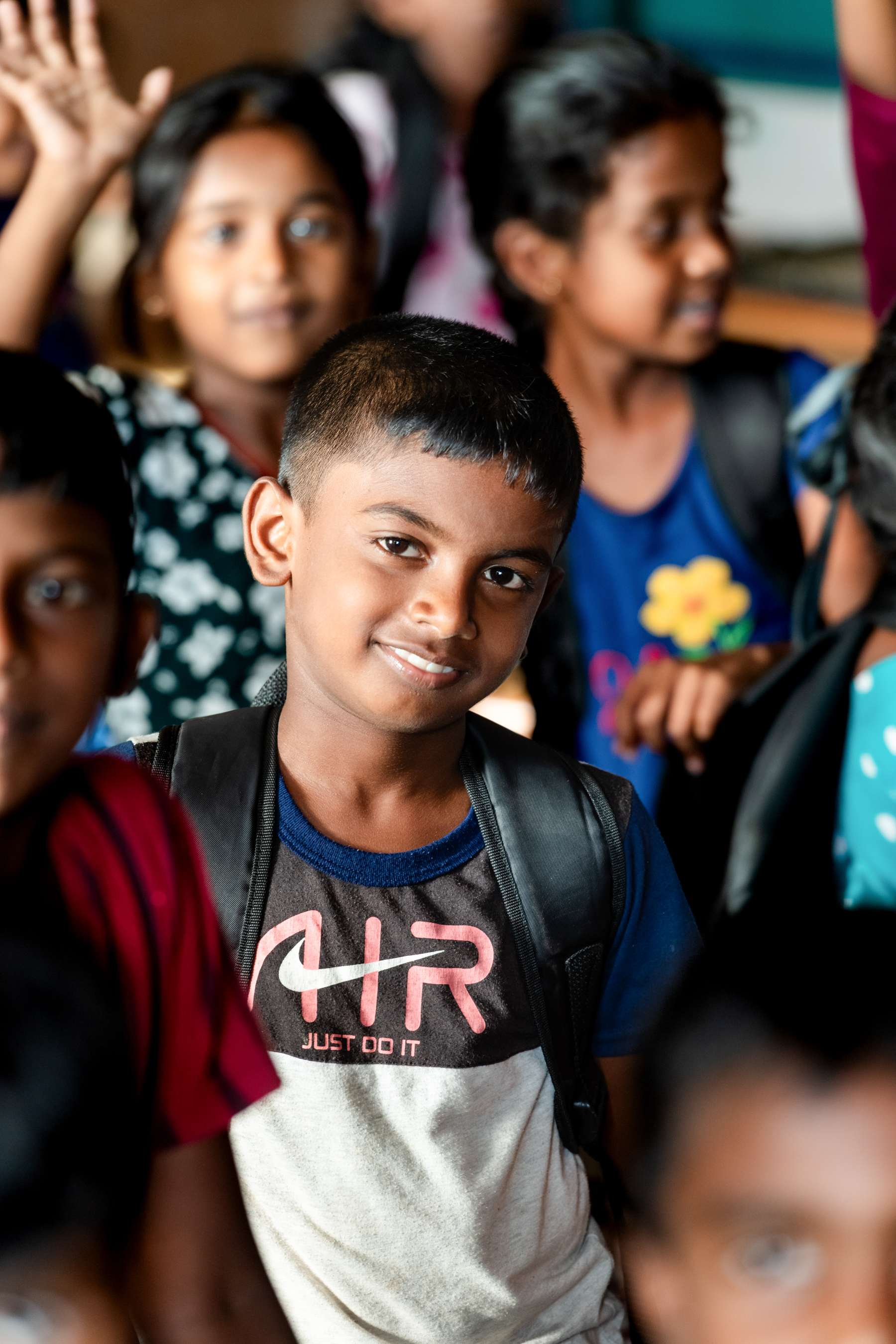
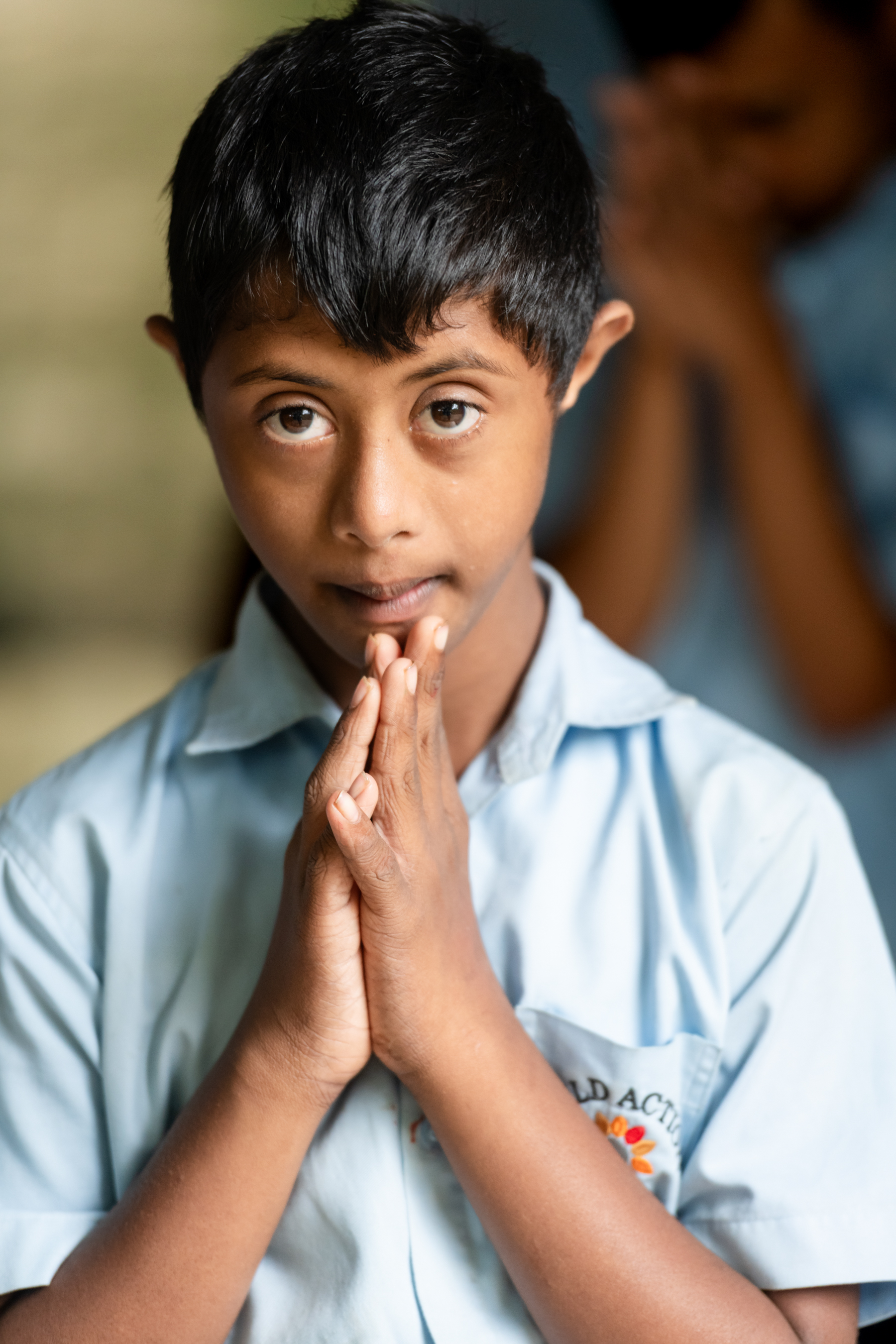
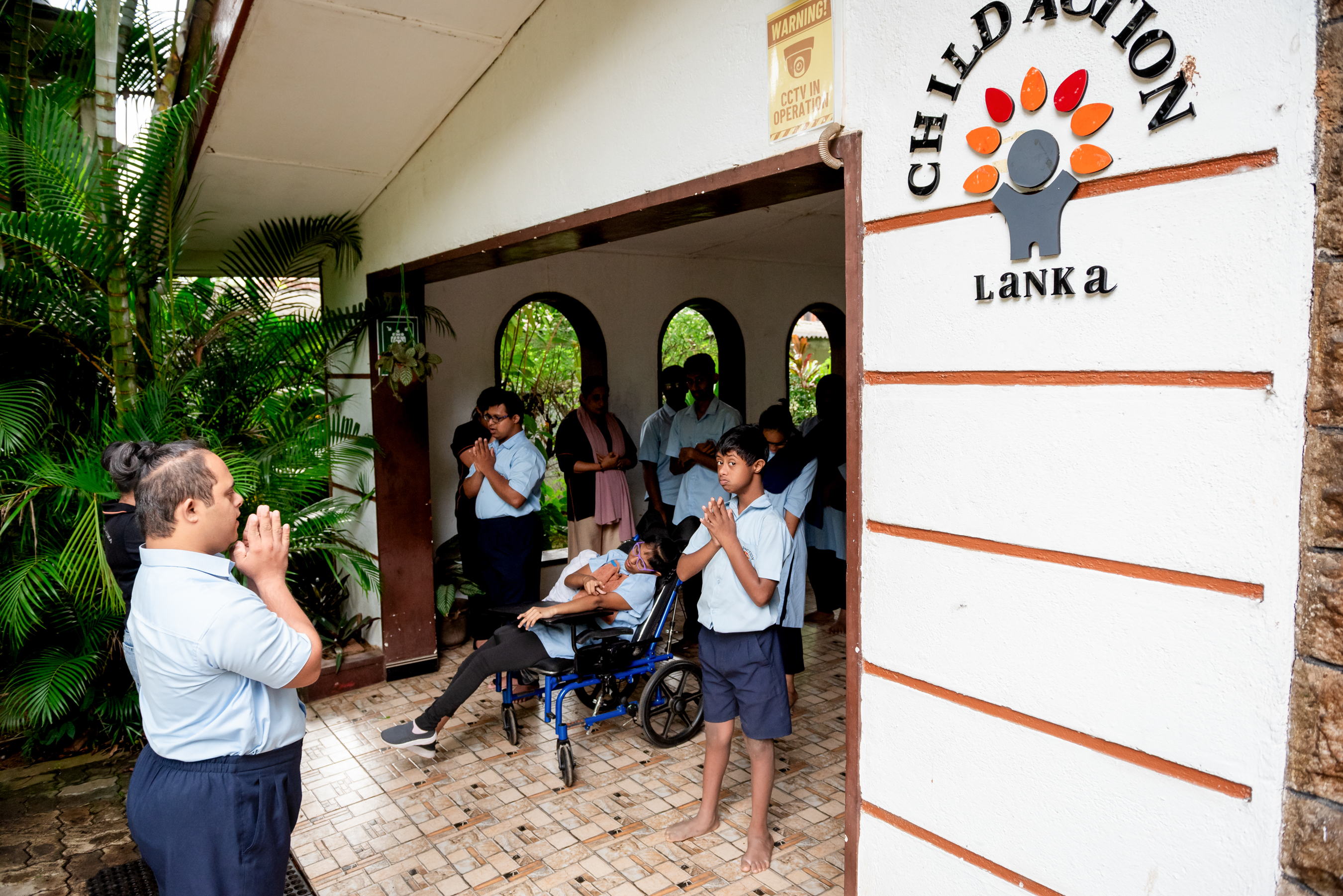
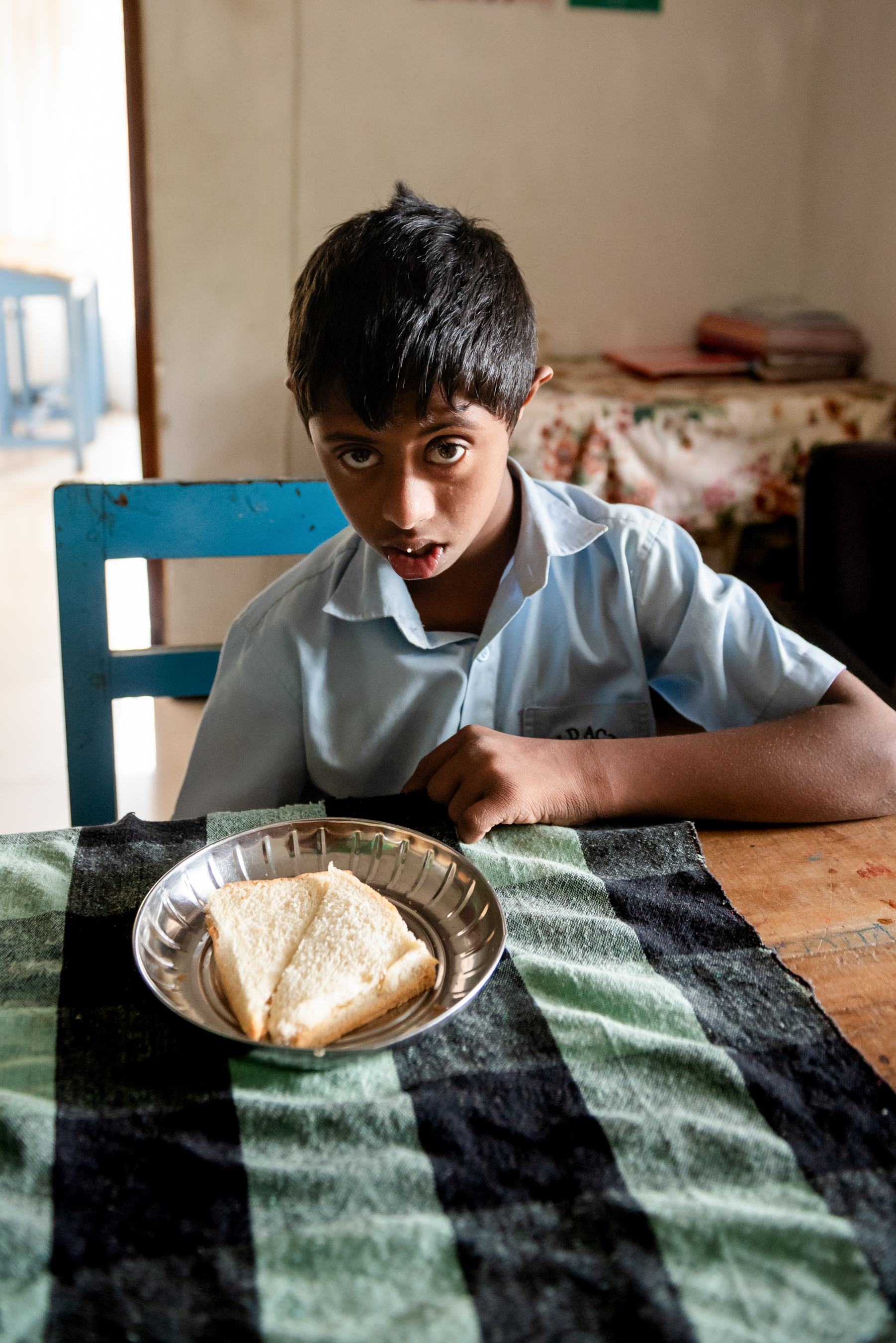
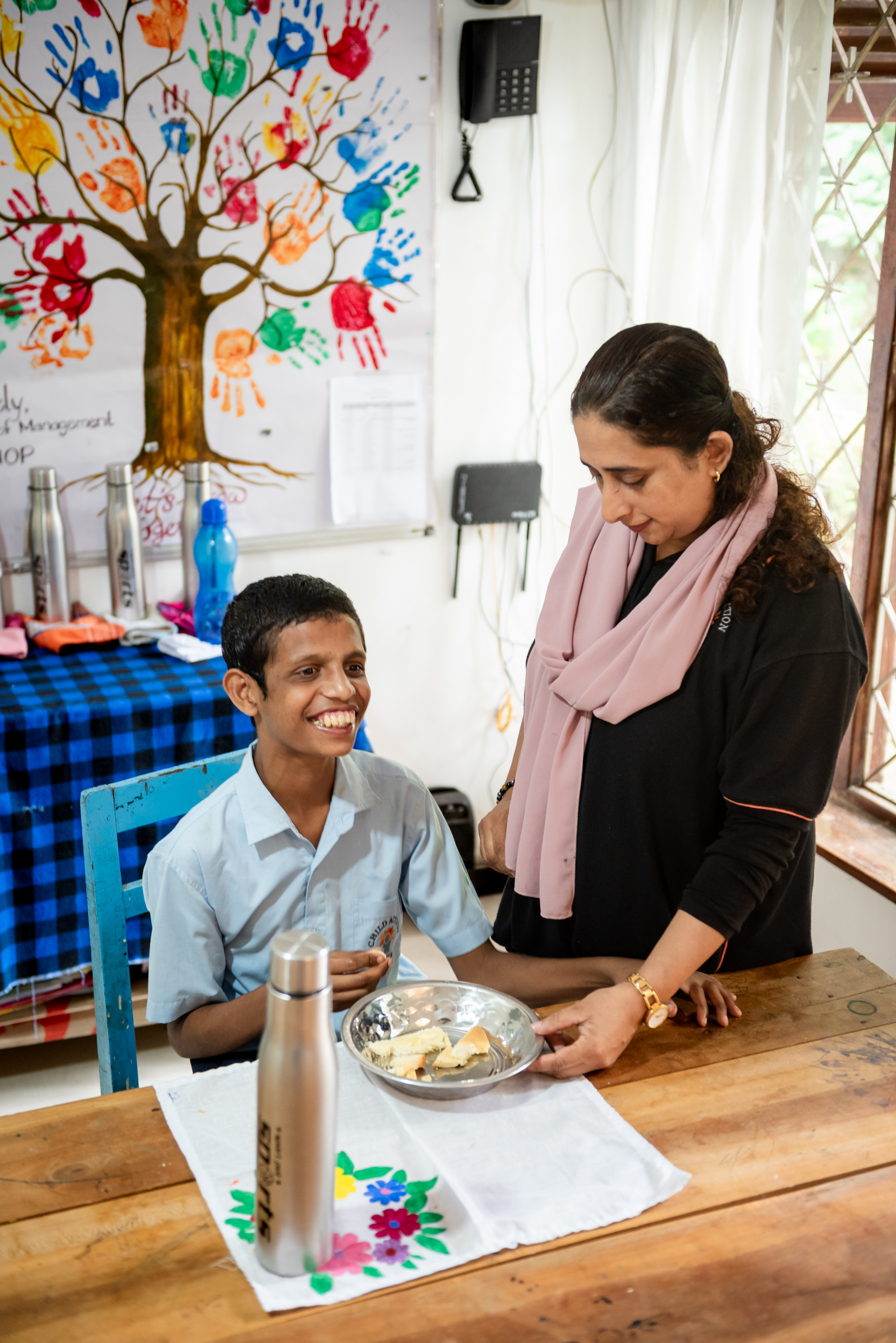
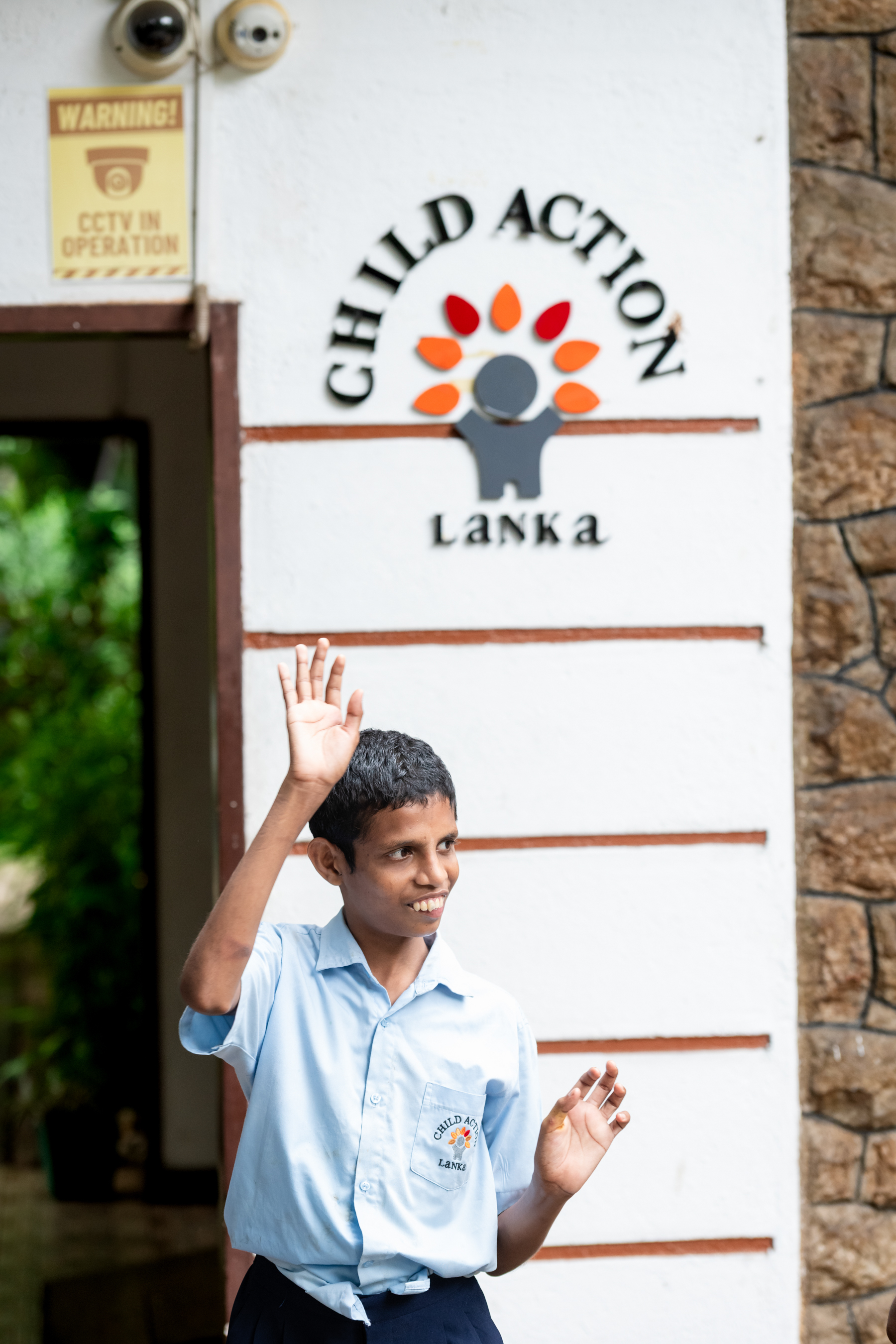
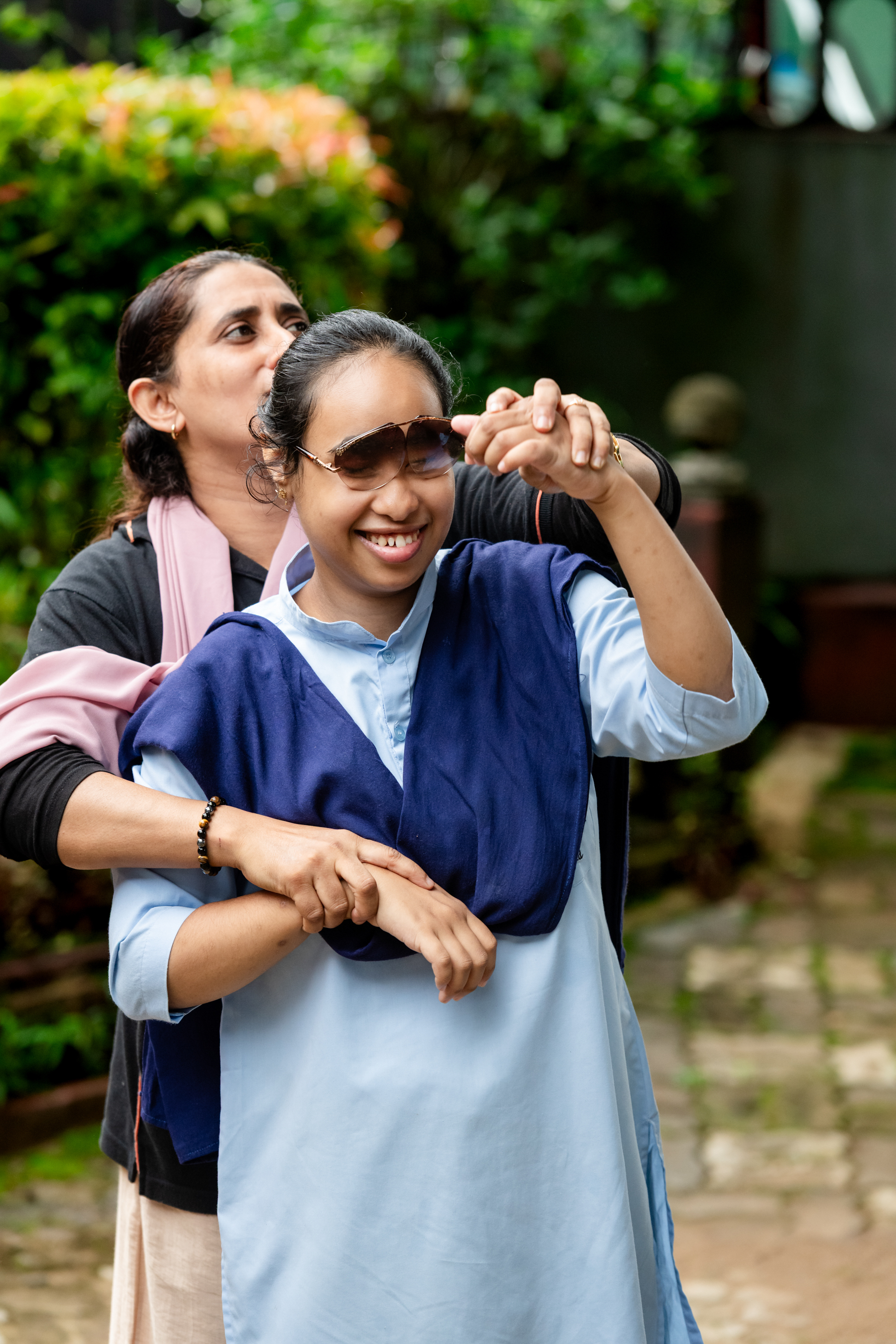
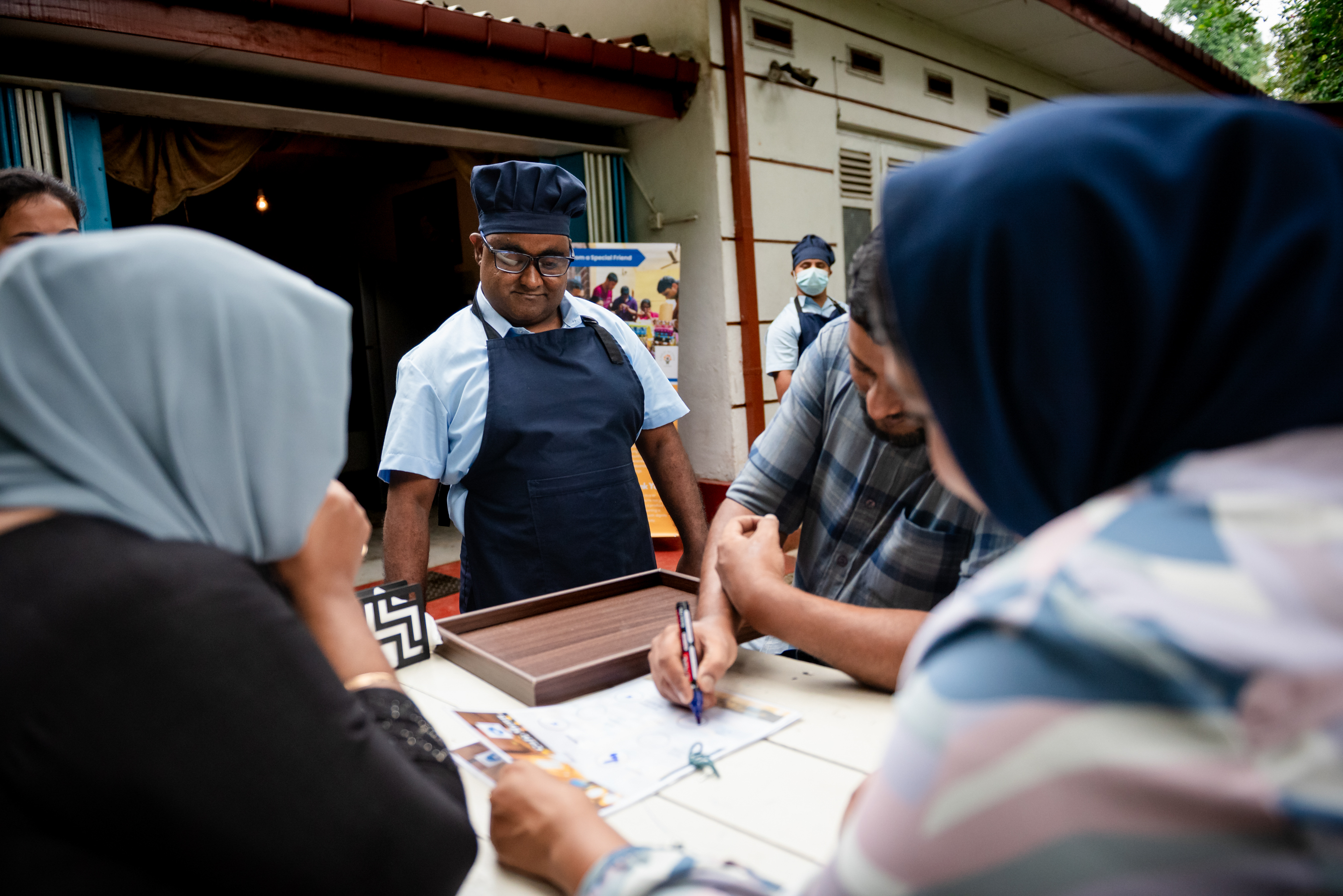
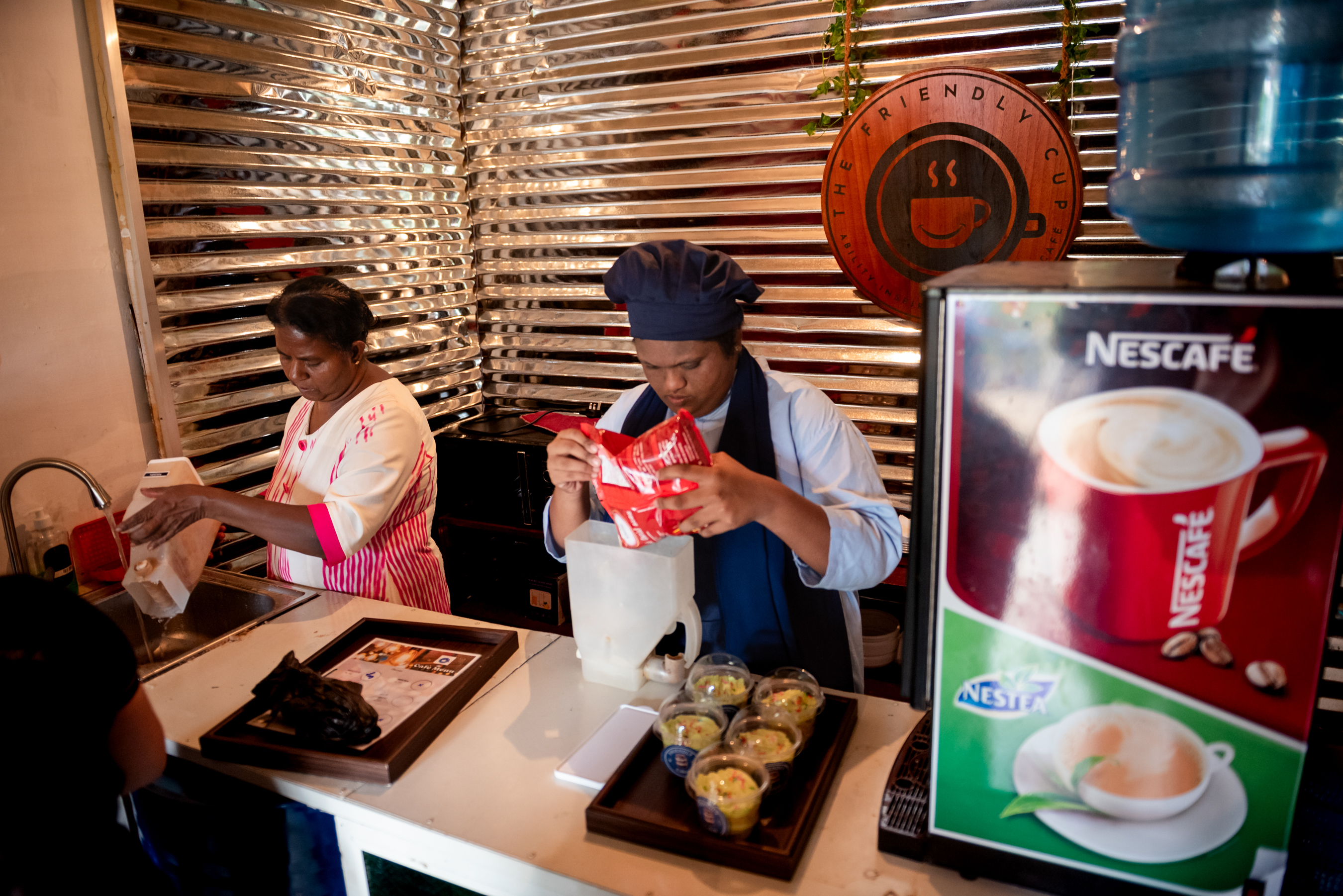
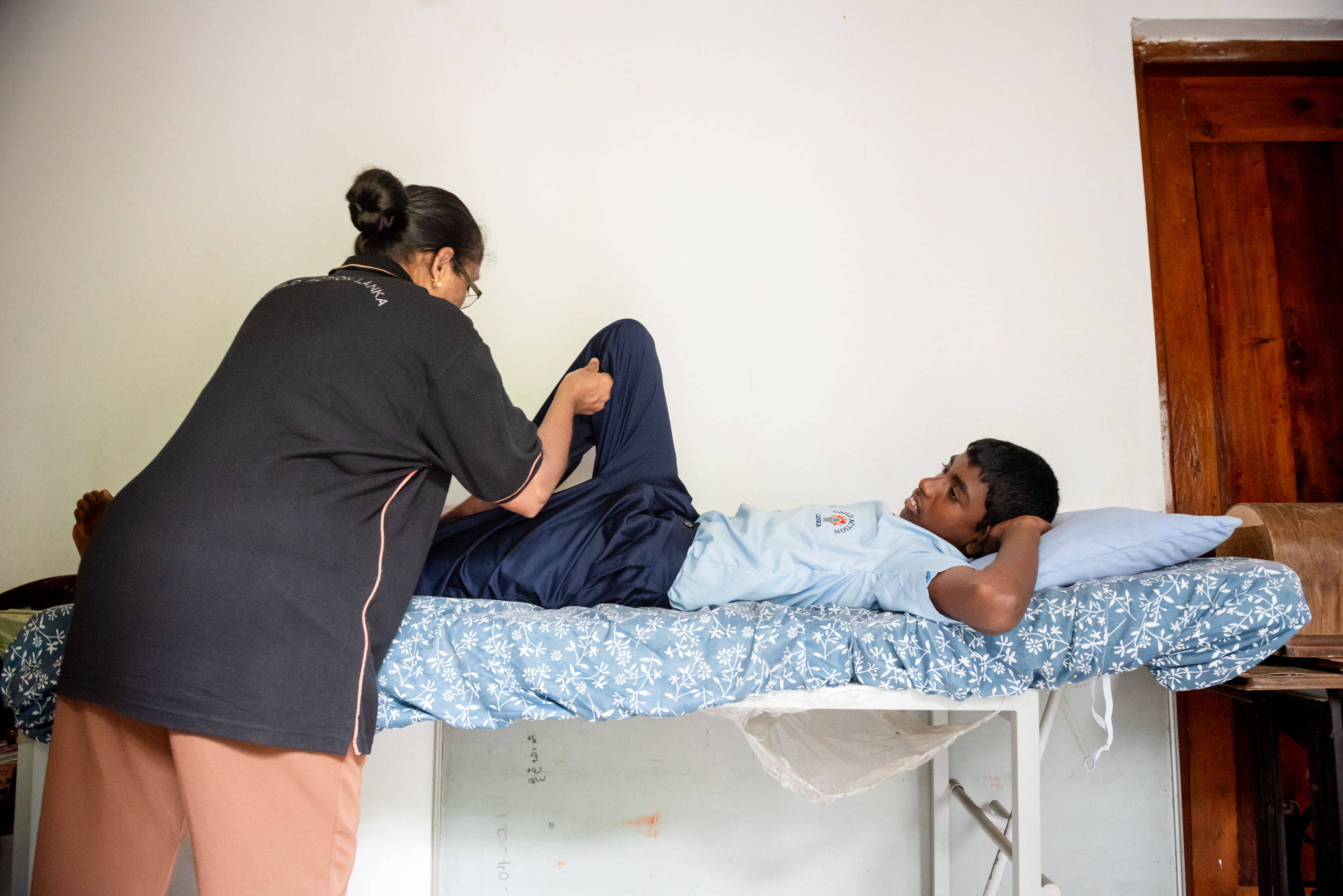
From there, I went to Gampola, where CAL’s work opened another window through skill-based training and support for young people with special needs. This kind of care asks for patience, tenderness, and a different understanding of progress. It is often quiet, repetitive, relational, and deeply human. There was food being served, skills being practiced, progress happening at its own pace. In Gampola, I was reminded that dignity is not one-size-fits-all. It has to be shaped around the person receiving it.
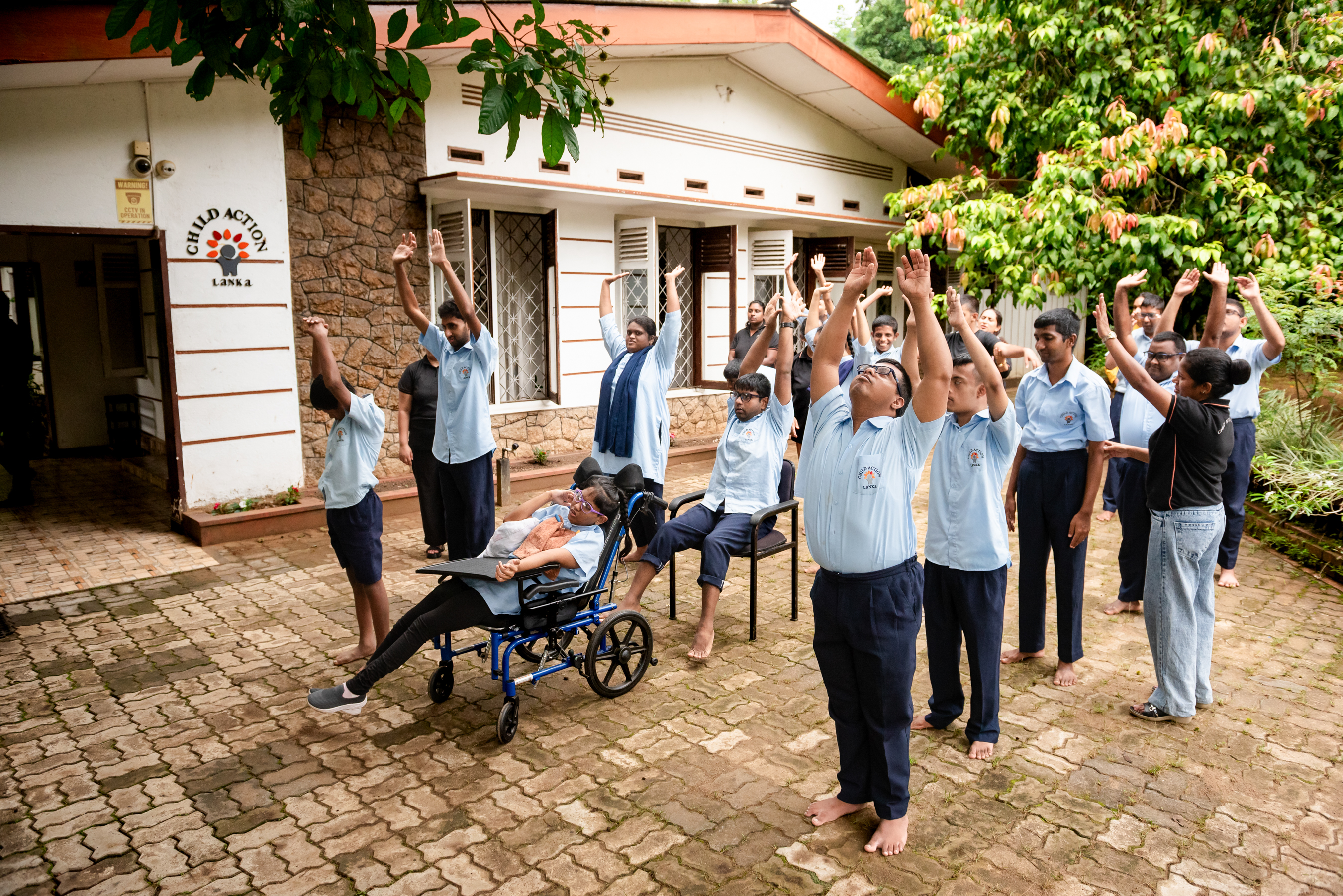
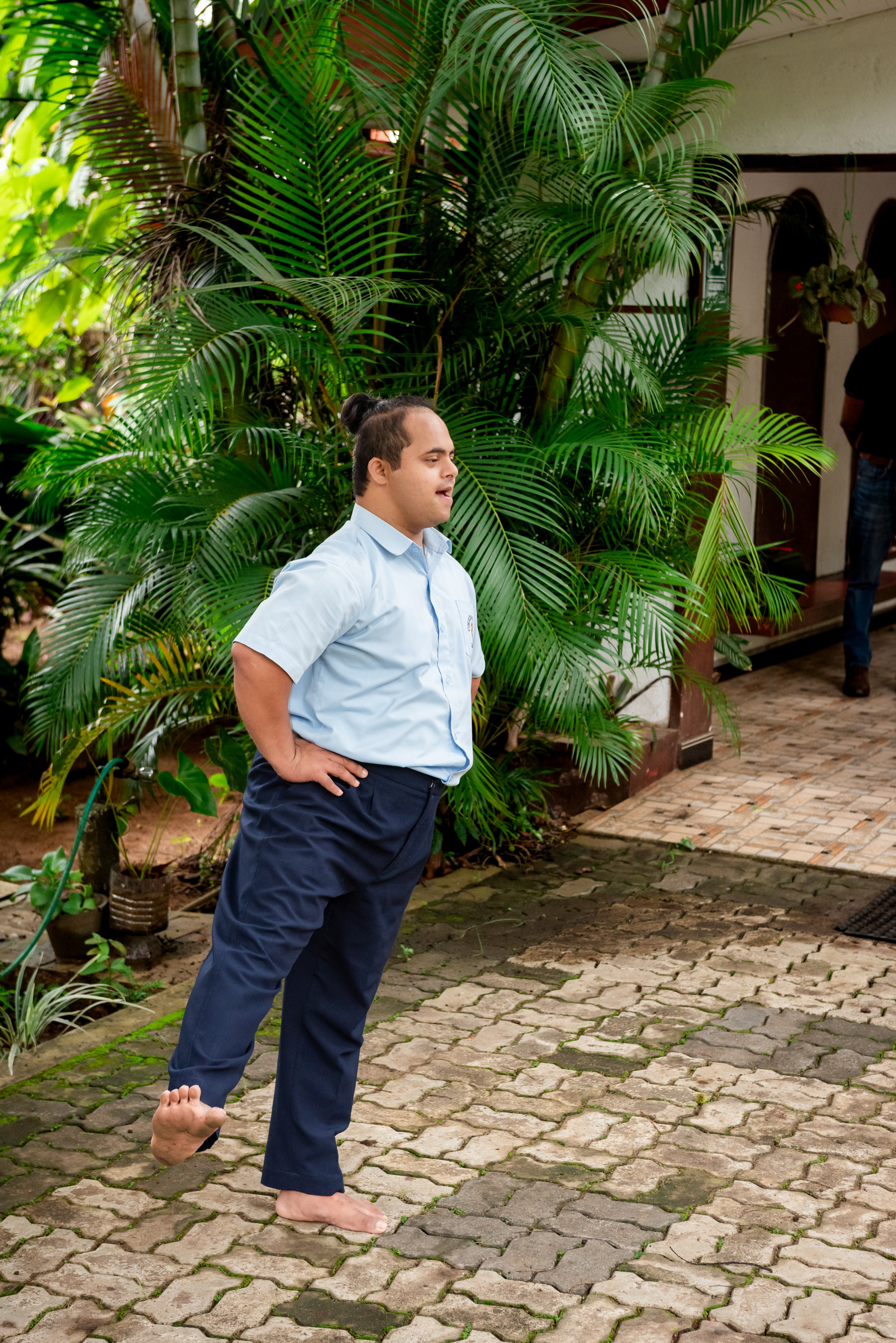
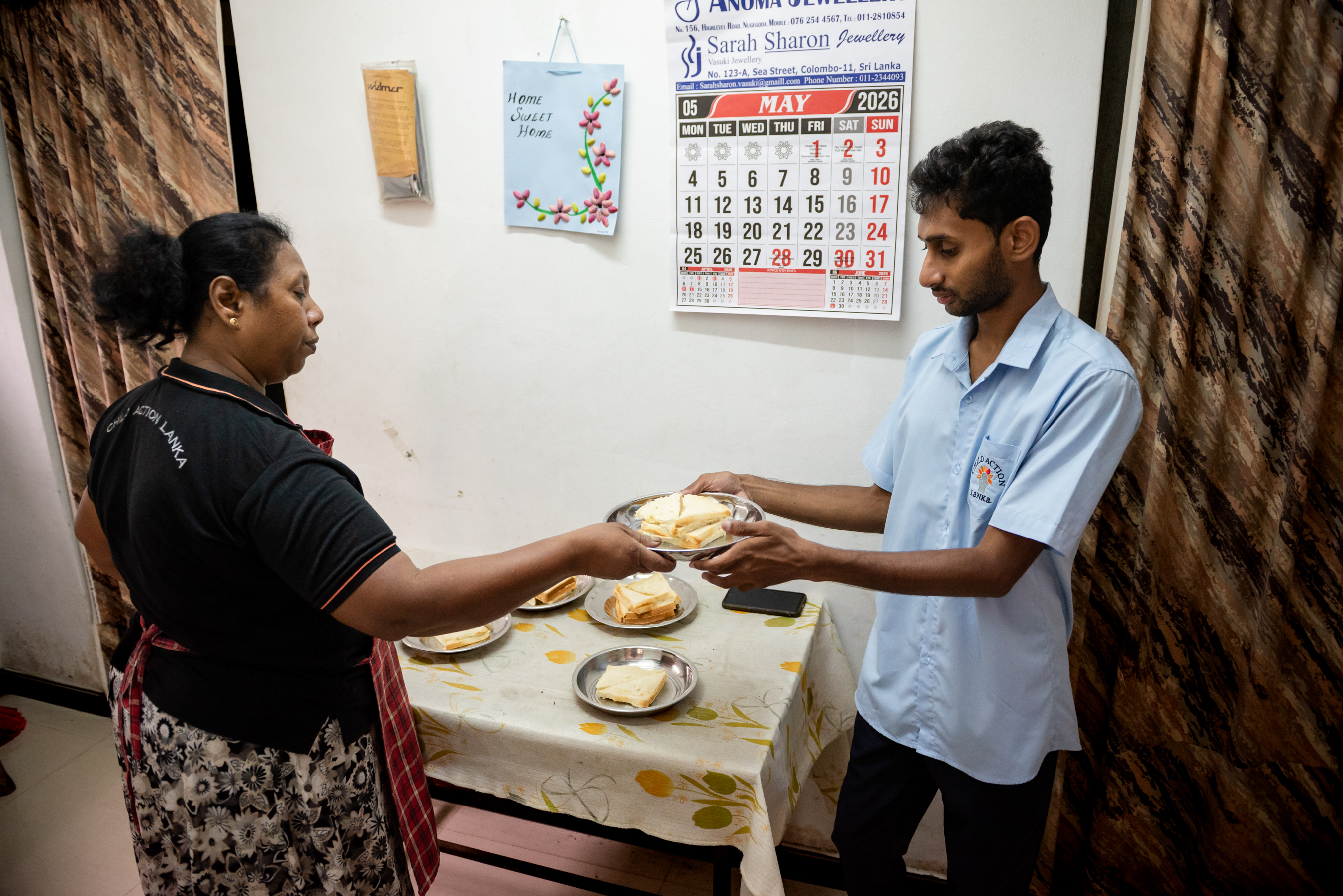
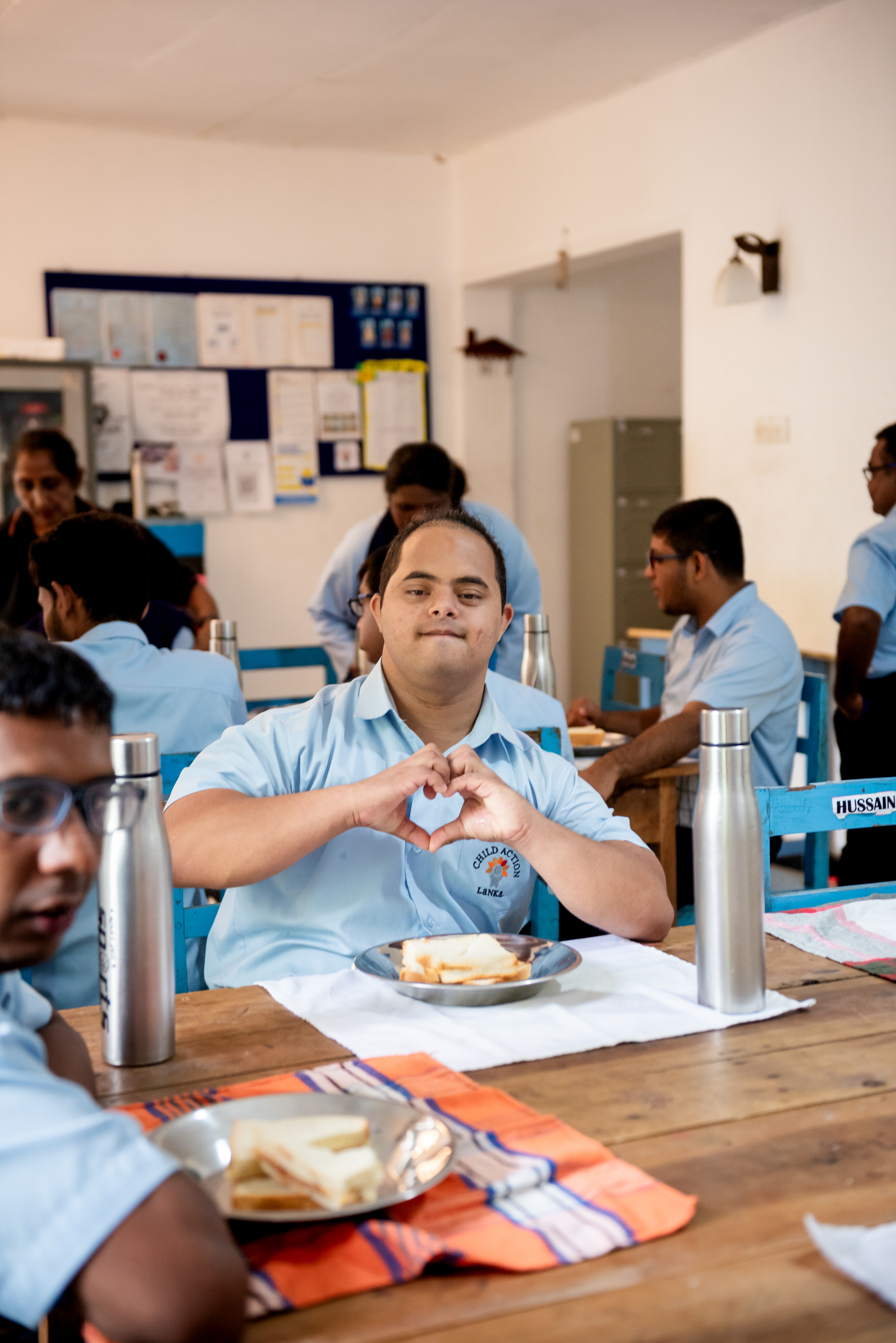
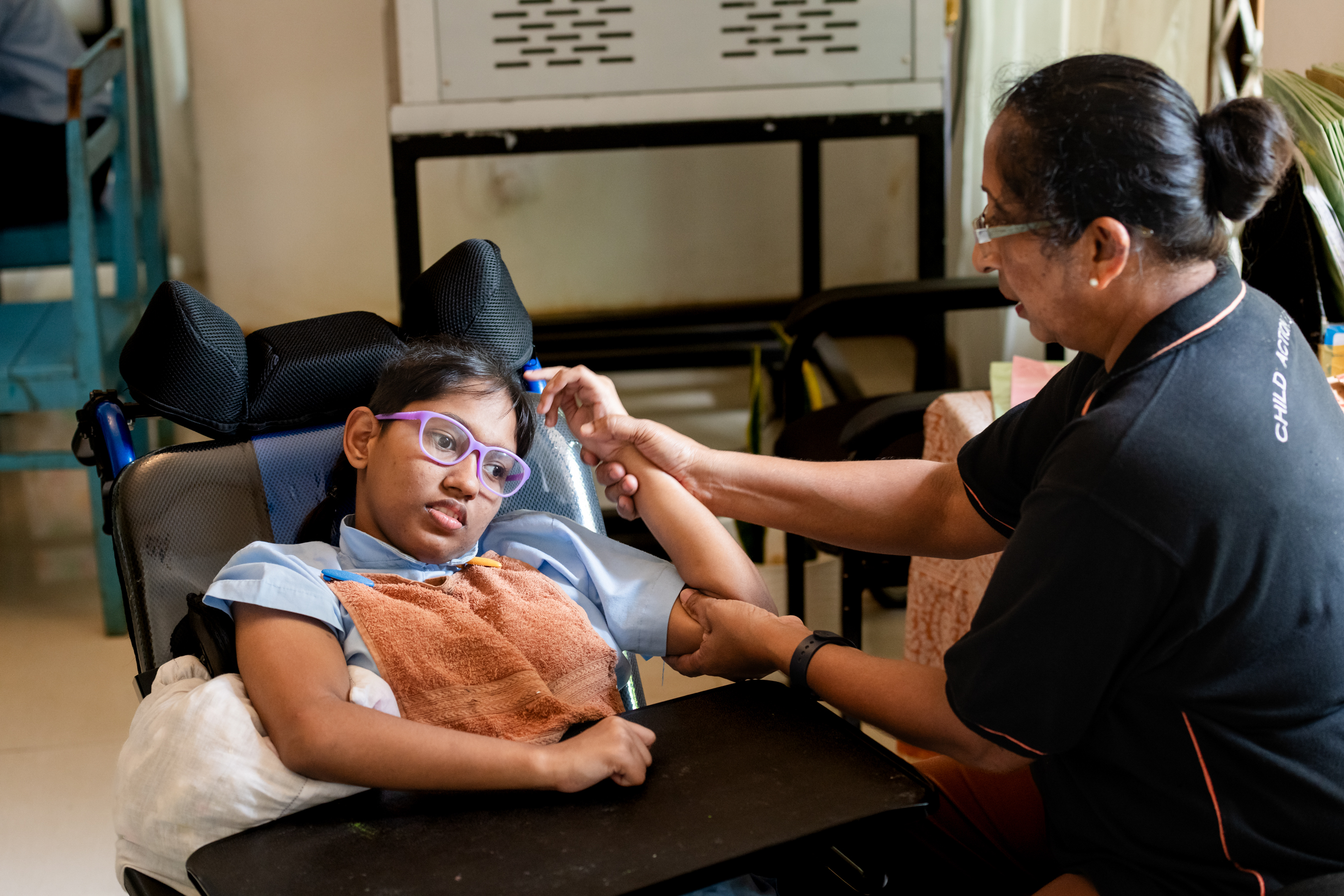
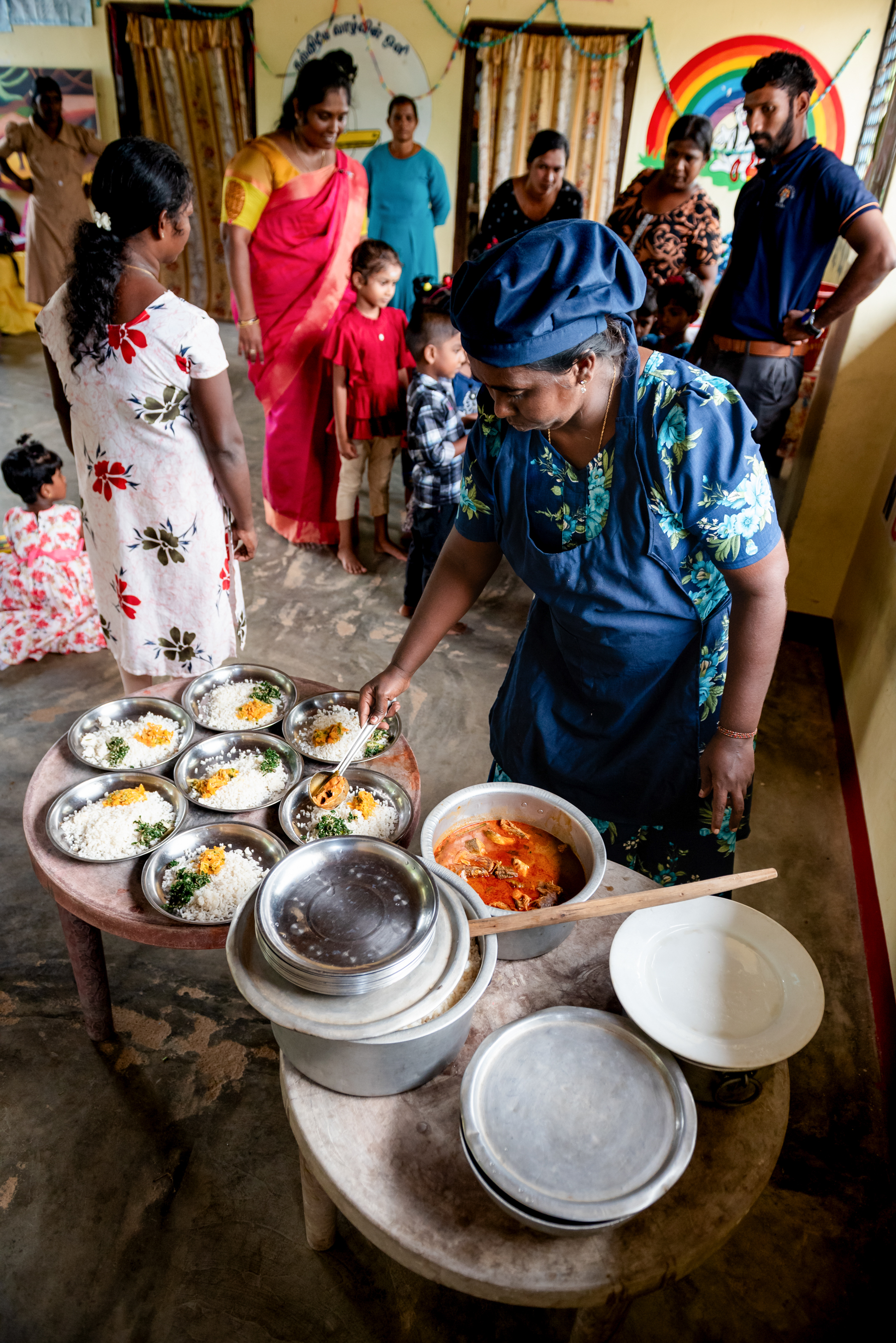
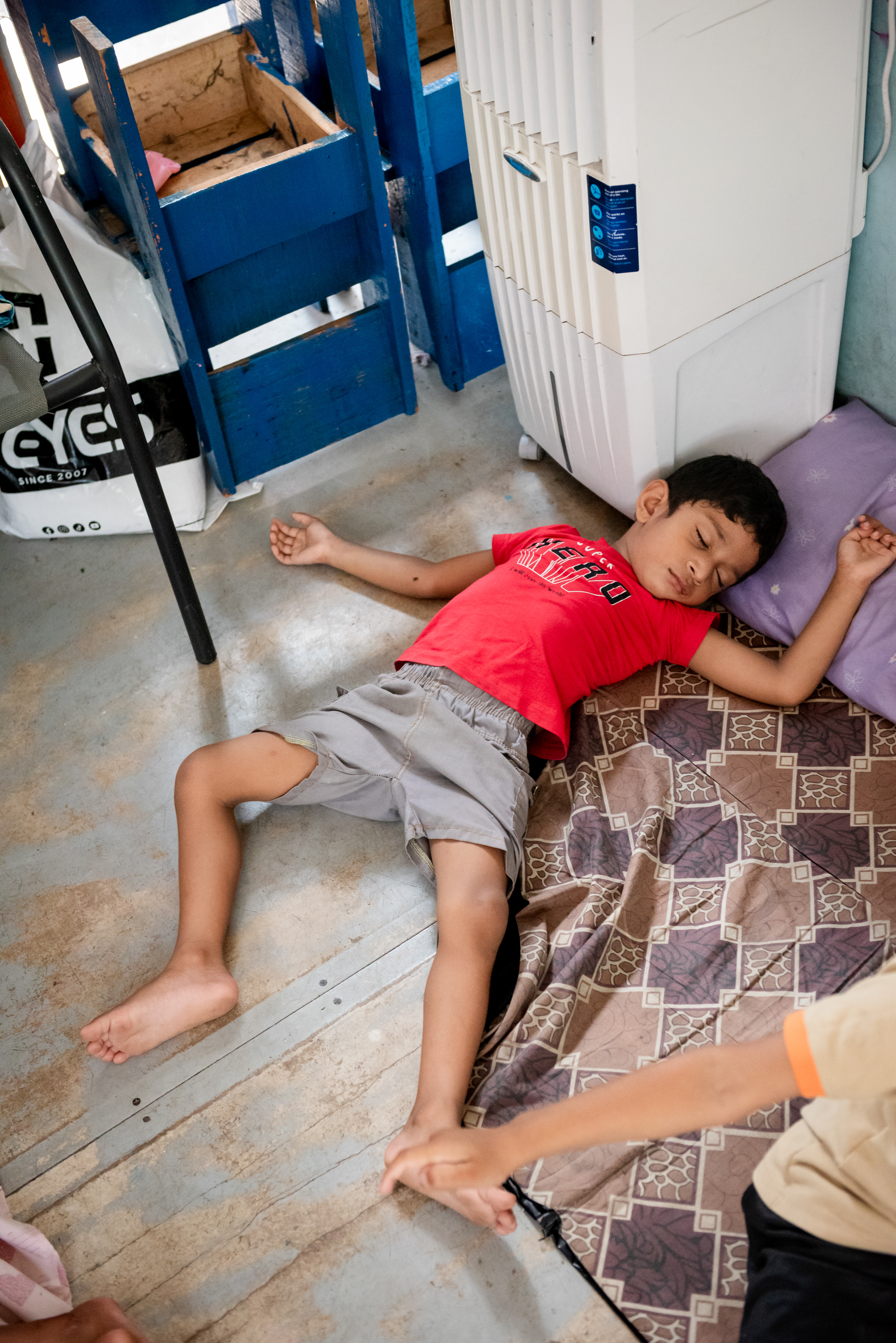
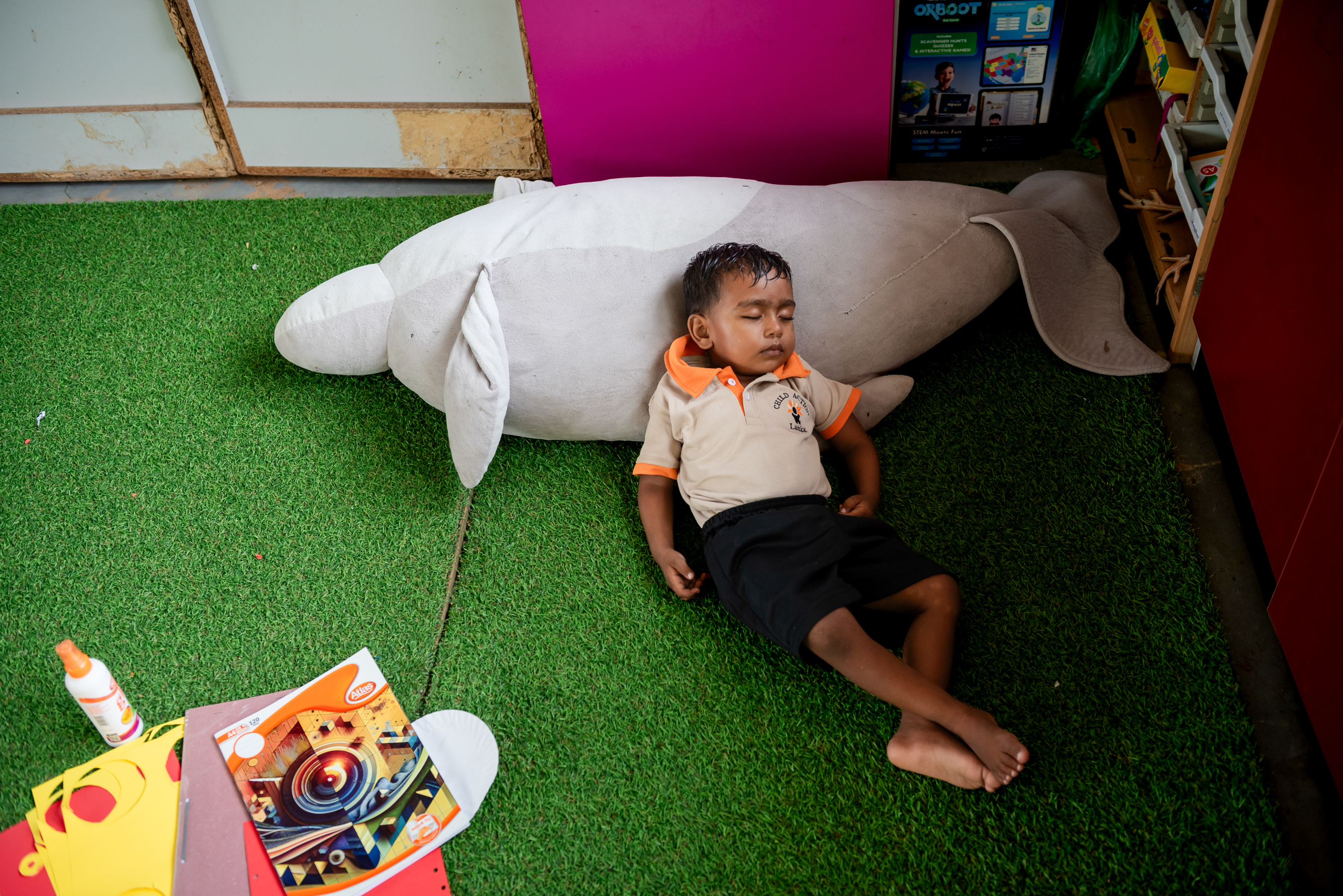
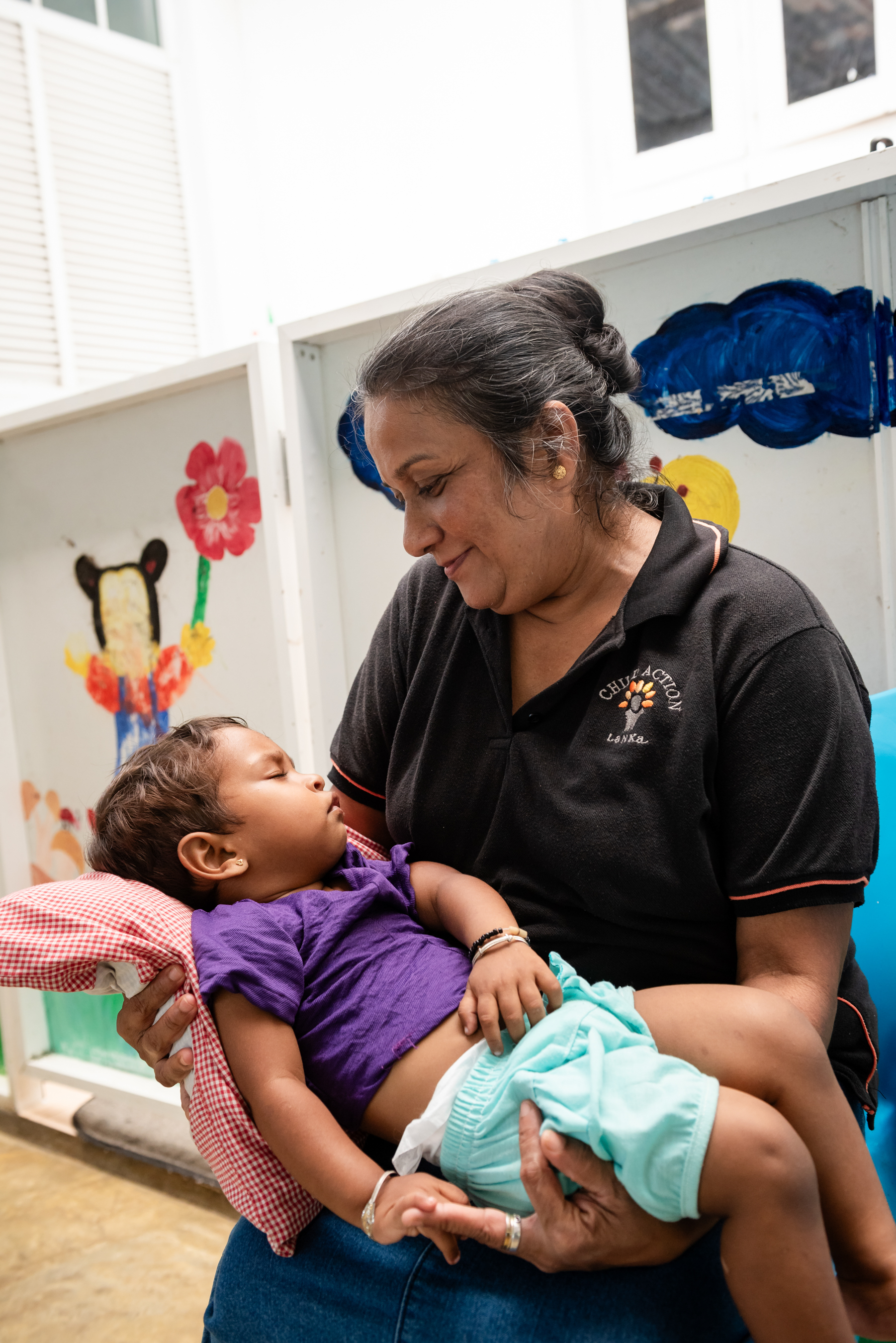
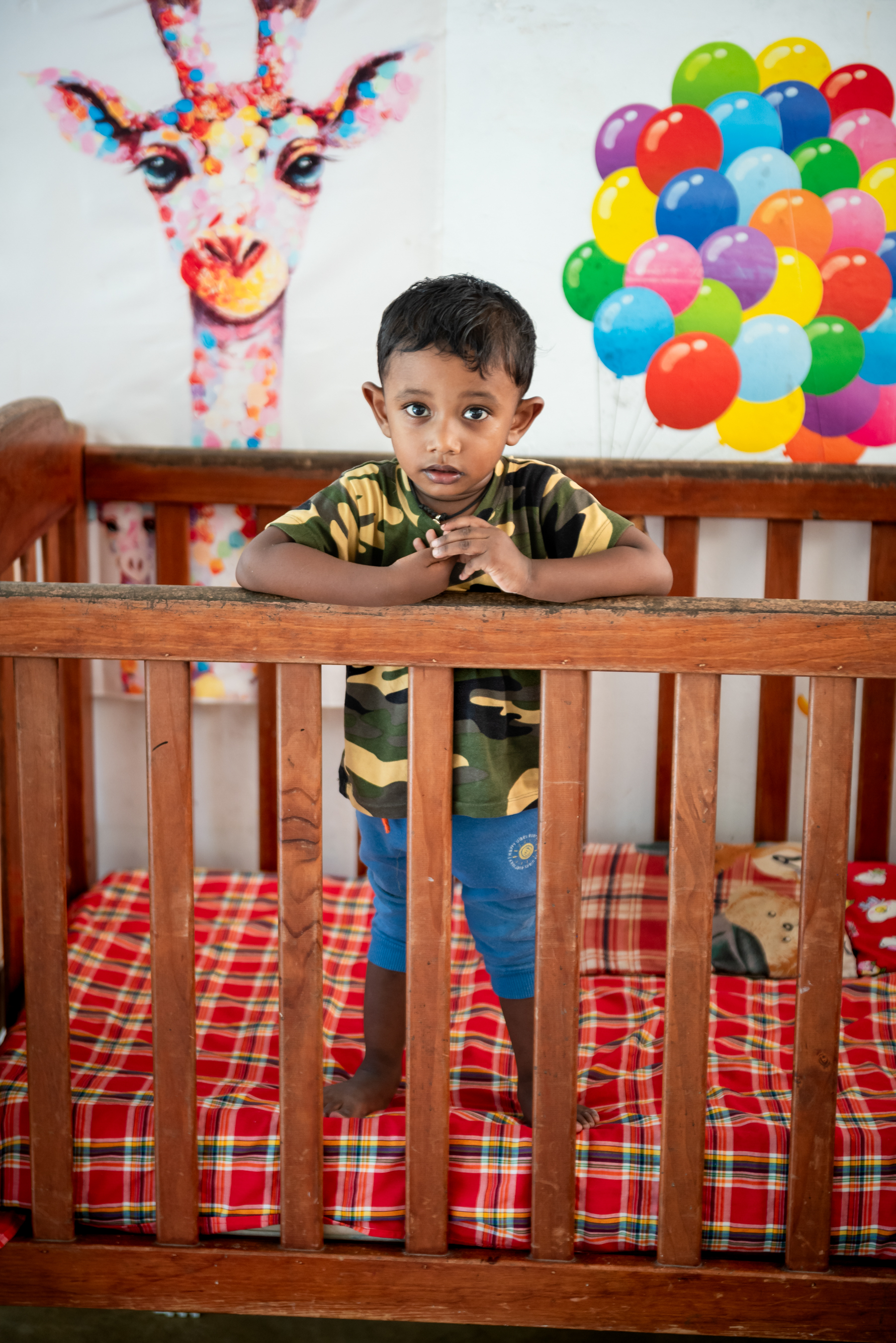
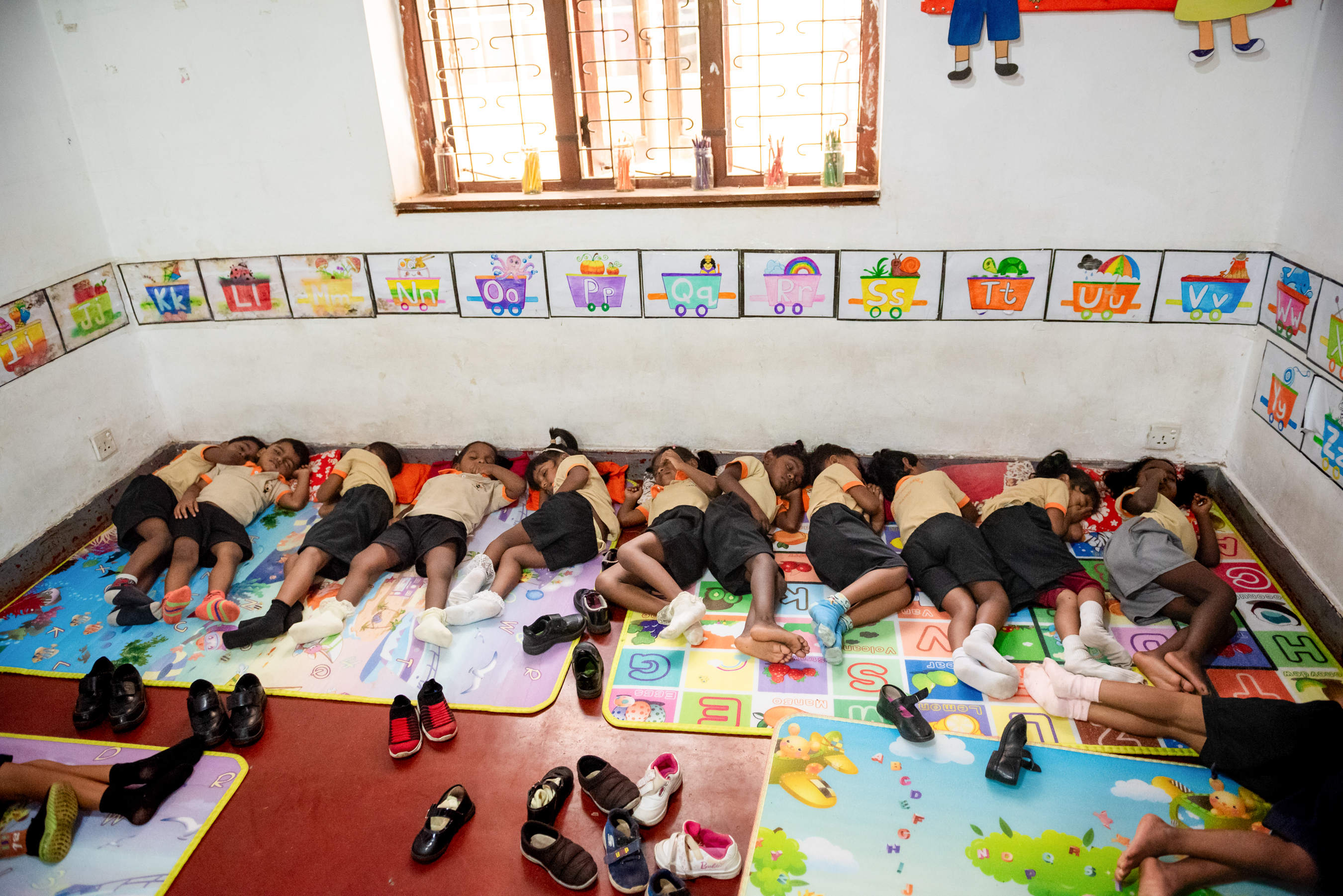
Then came Kandy, where Child Action Lanka began. By the time I arrived there, I had seen enough to understand that each center had its own personality, but Kandy felt like a root system. There were parents dropping off little ones in the morning, staff welcoming them, play, meals, naps, songs, learning materials, kitchen staff preparing food, after-school homework support, arts, crafts, sports, reading, quiet study, and the environment of the center itself.
Kandy helped me understand something essential. Education does not begin with the lesson. It begins with trust. It begins when a parent feels safe leaving a child in someone else’s care. It begins when there is food, rhythm, safety, and someone steady in the room. It begins when a name is remembered, an absence is noticed, a plate is served, a pencil is offered, or a song is encouraged.
That is the quiet architecture of care.
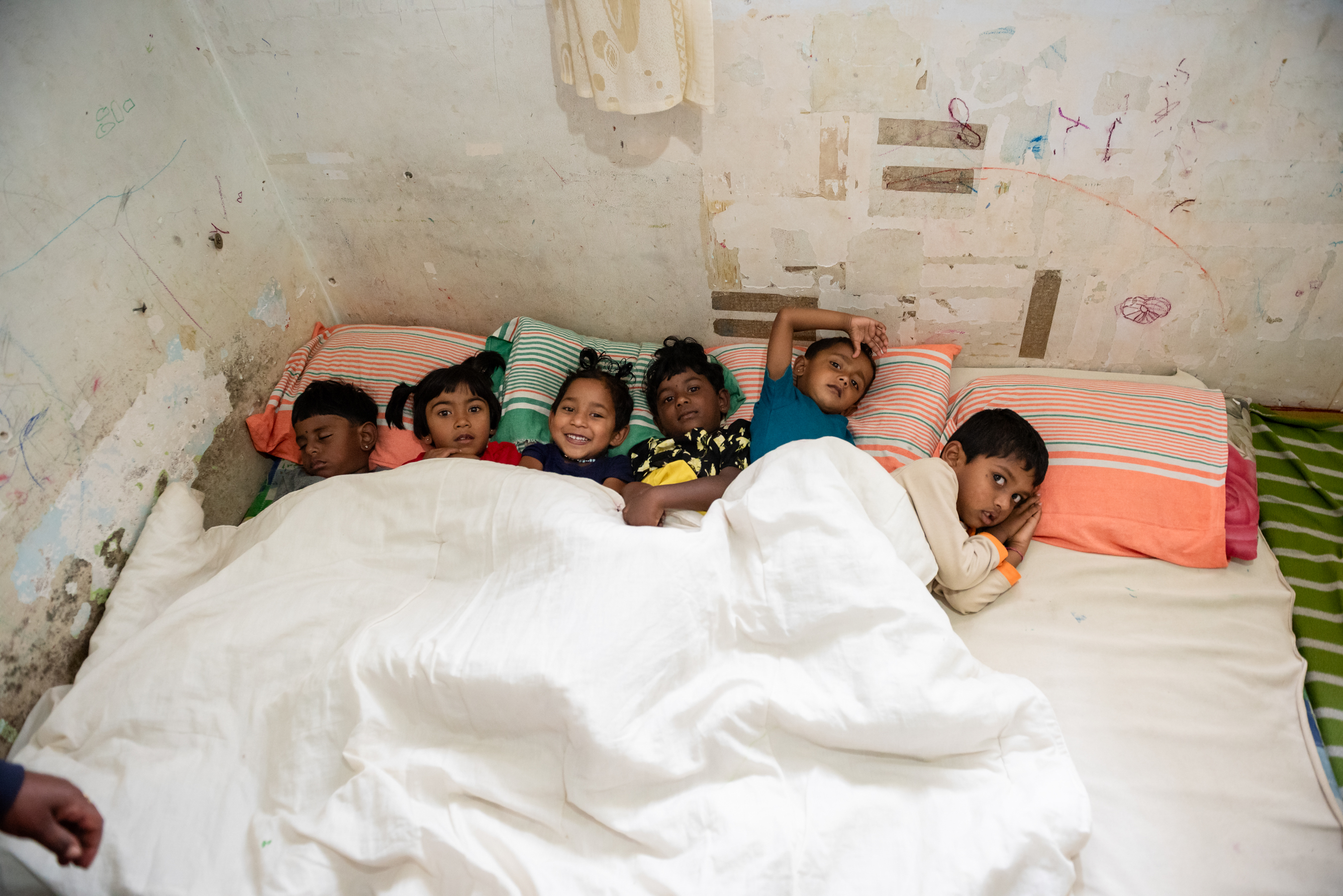
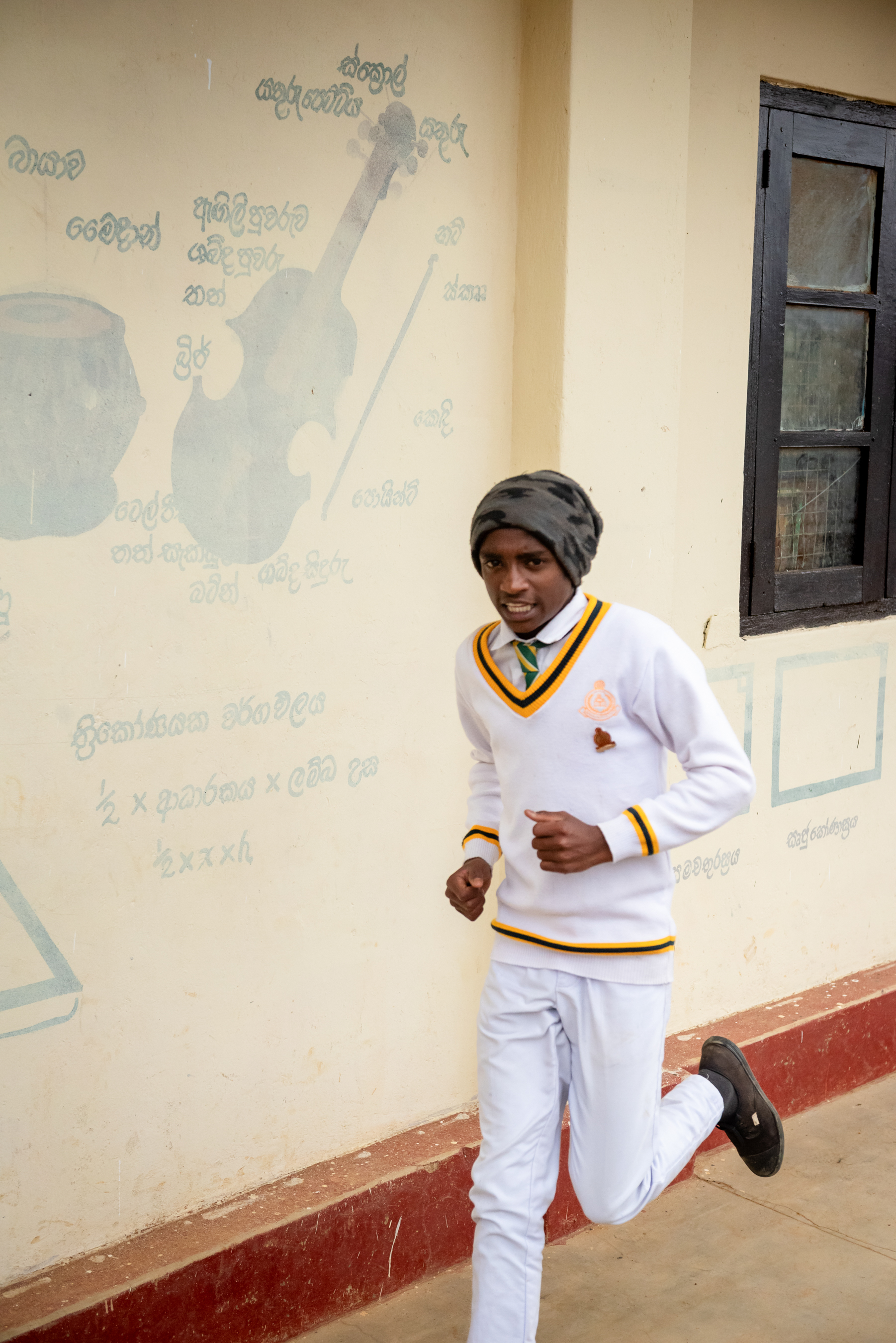
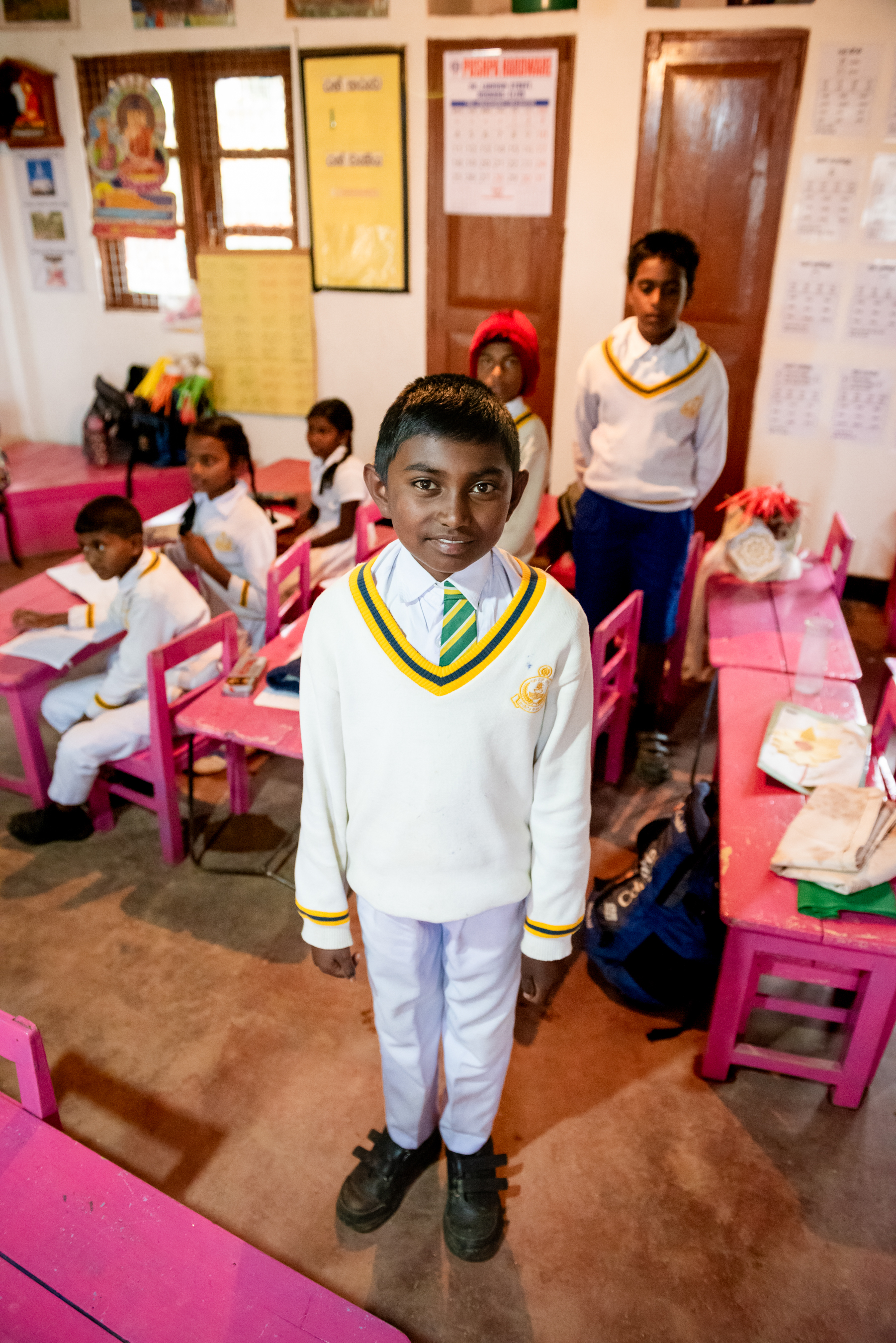
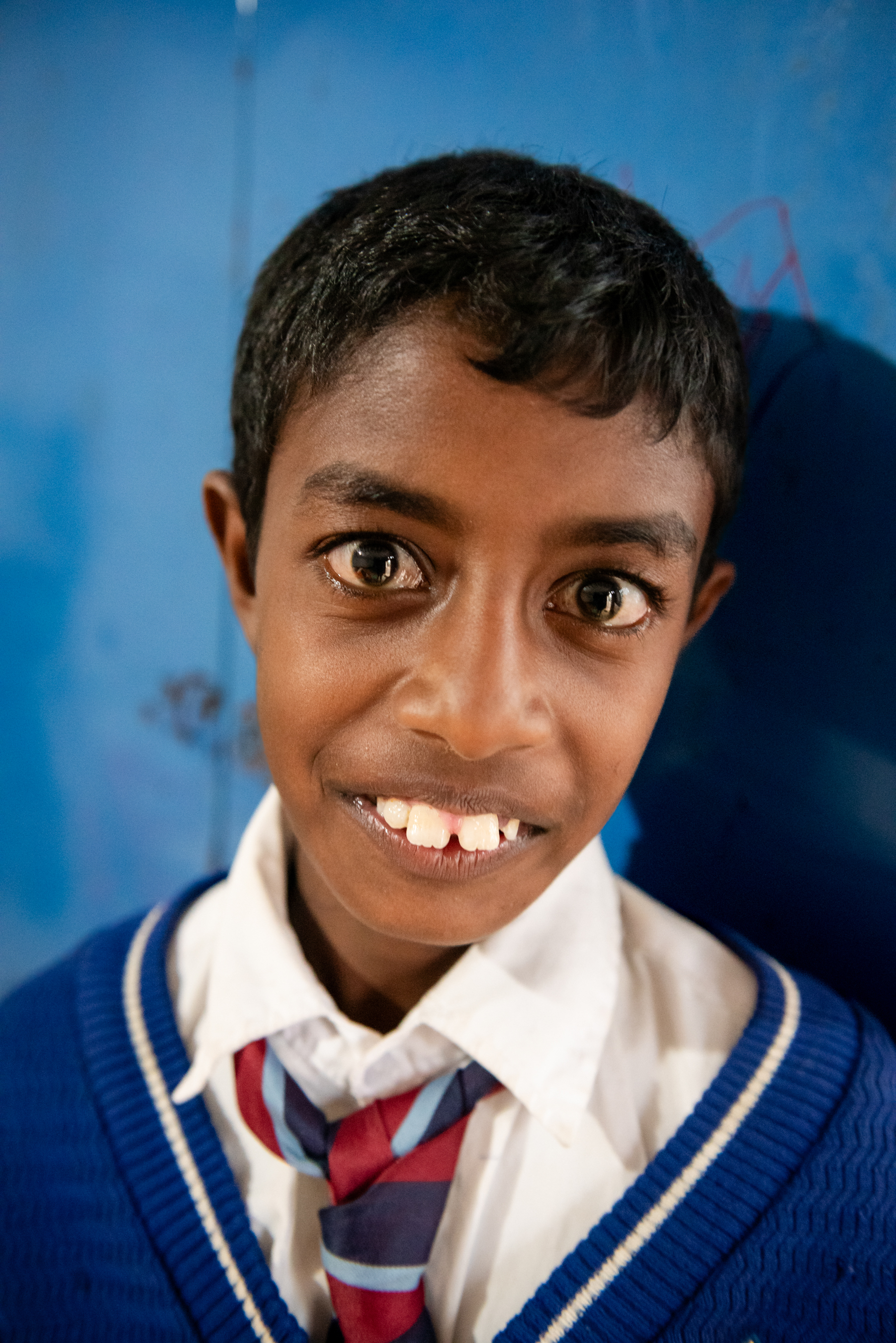
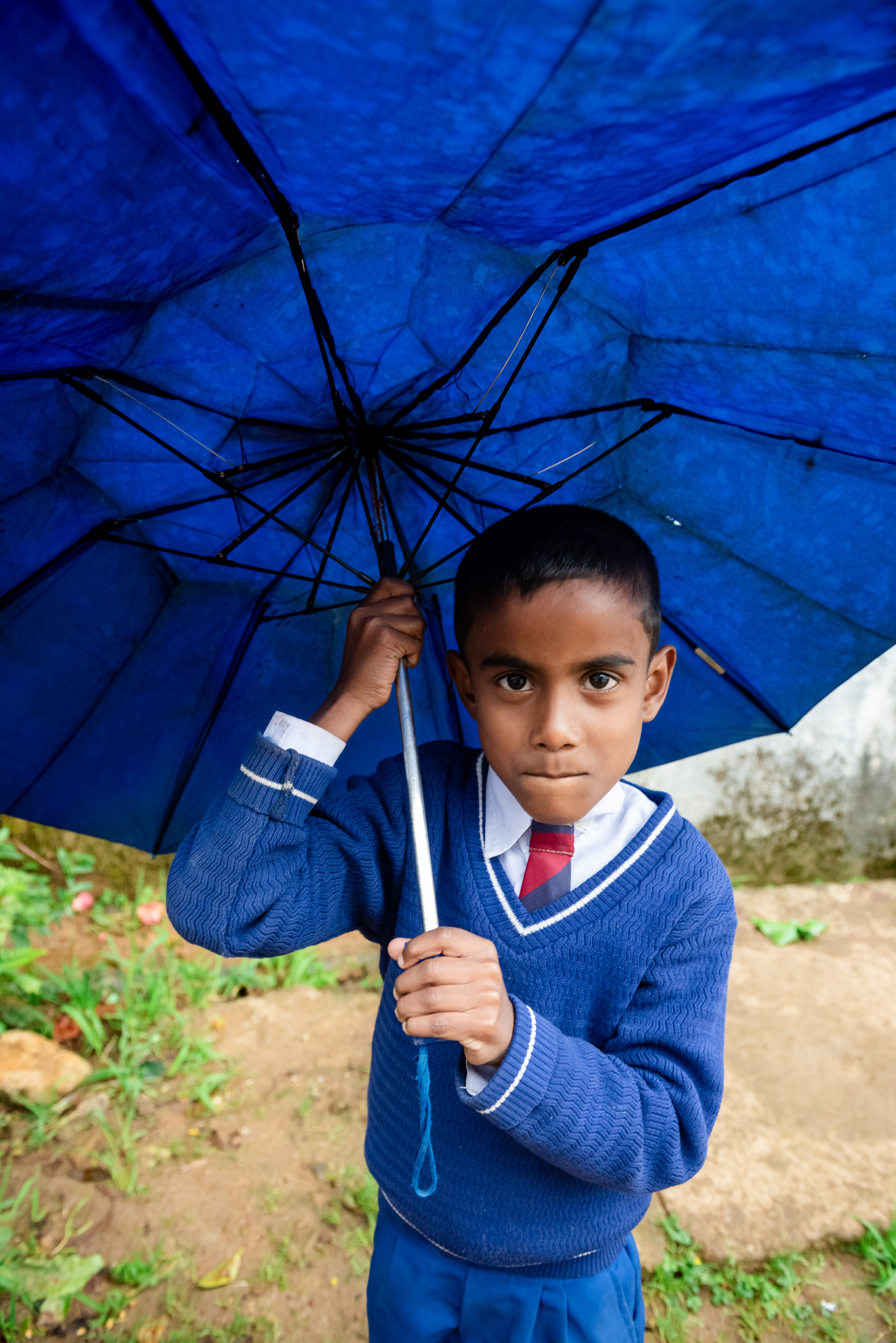
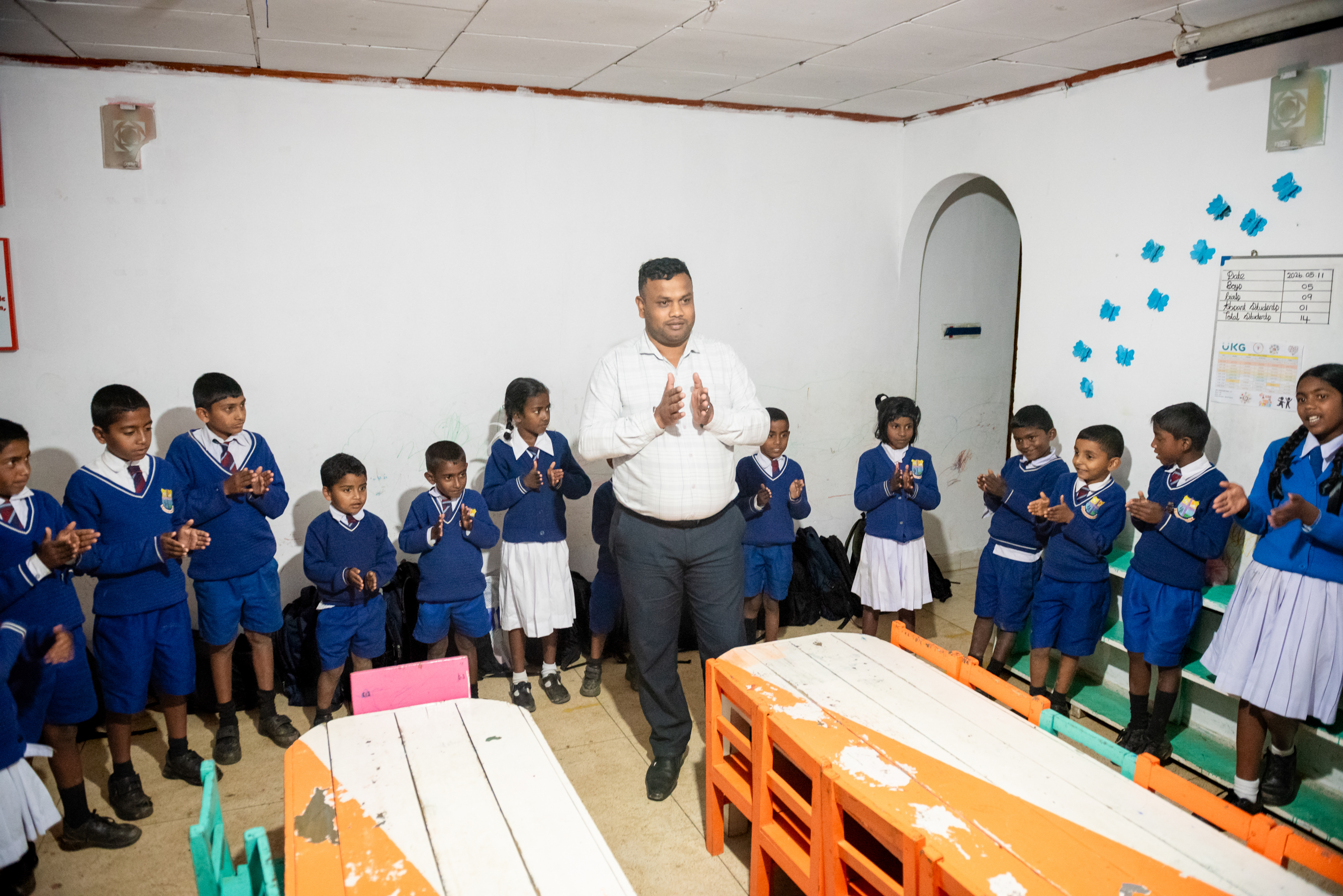
Across Sri Lanka, CAL’s work changes shape depending on the community in front of it. Urban Colombo is not coastal Galle. The north is not the hill country. Batticaloa is not Kandy. Care has to meet each place on its own terms.
Some communities are shaped by urban poverty. Some by tourism and its hidden vulnerabilities. Some by rural isolation. Some by plantation labor. Some by war and the long road of recovery. I only saw pieces of those larger histories, so I tried to move carefully: listening to people who knew far more than I did, reading, asking questions, and carrying the story with humility.
What stayed with me was not one program or one location, but the way CAL responds to many realities with care shaped to each place. The organization’s approach is holistic, but I do not mean that as a soft word. I mean the work goes beneath the surface. A meal exists inside a larger story of poverty, family stability, health, safety, and opportunity. Tutoring exists inside a larger story of confidence, attendance, transportation, language, and support at home. Protection is not only a policy. It is a person, a room, a system, a relationship, a community that refuses to look away.
That is what Child Action Lanka helped me see: care is not one grand gesture. It is a structure built slowly, locally, and repeatedly.
It is the people who show up: the teachers, the cooks, the drivers, the coordinators, the founders, the volunteers, the parents, the staff who prepare meals, run classes, clean rooms, organize transport, teach songs, help with reading and writing, protect privacy, and hold the fragile daily structure that lets young lives grow.
And behind many of those daily rhythms were people whose names became part of the journey itself. It would be impossible to name everyone who opened gates, organized meals, gathered children, translated context, answered questions, and helped each place reveal itself honestly. But a few names stay close to the surface: Ramesh, Mewan, Rukshika, Reji, Kasun, Afra, Thanushan, Rajeeka, Kisho, Sam, and especially Jeremie, the volunteer coordinator, who I now call a friend and who kept me on track throughout this journey. I will always remember not only the centers, but the people who carried them.
Debbie and Dilshan Edirisinghe are central to that story. Debbie, the founding director of Child Action Lanka, has been recognized for her service to disadvantaged communities and has built a life around leadership, advocacy, and care. Dilshan has been part of CAL’s pioneering team from the beginning, bringing ministry, business experience, construction knowledge, practical leadership, and deep commitment to the organization’s work.
But what matters most is not a resume. It is what their lives have helped make possible: breakfast served, a bus reaching a rural road, a student standing on a chair with a microphone while the room cheers.
Before I left for Sri Lanka, the mission of this project was clear in my mind: I document resilience and education around the world, creating human stories that help audiences care, act, and give.
That sentence became a kind of compass.
This was never just “go to Sri Lanka and photograph Child Action Lanka.” It was part of a larger commitment to use photography and storytelling to help people see, care, and understand.
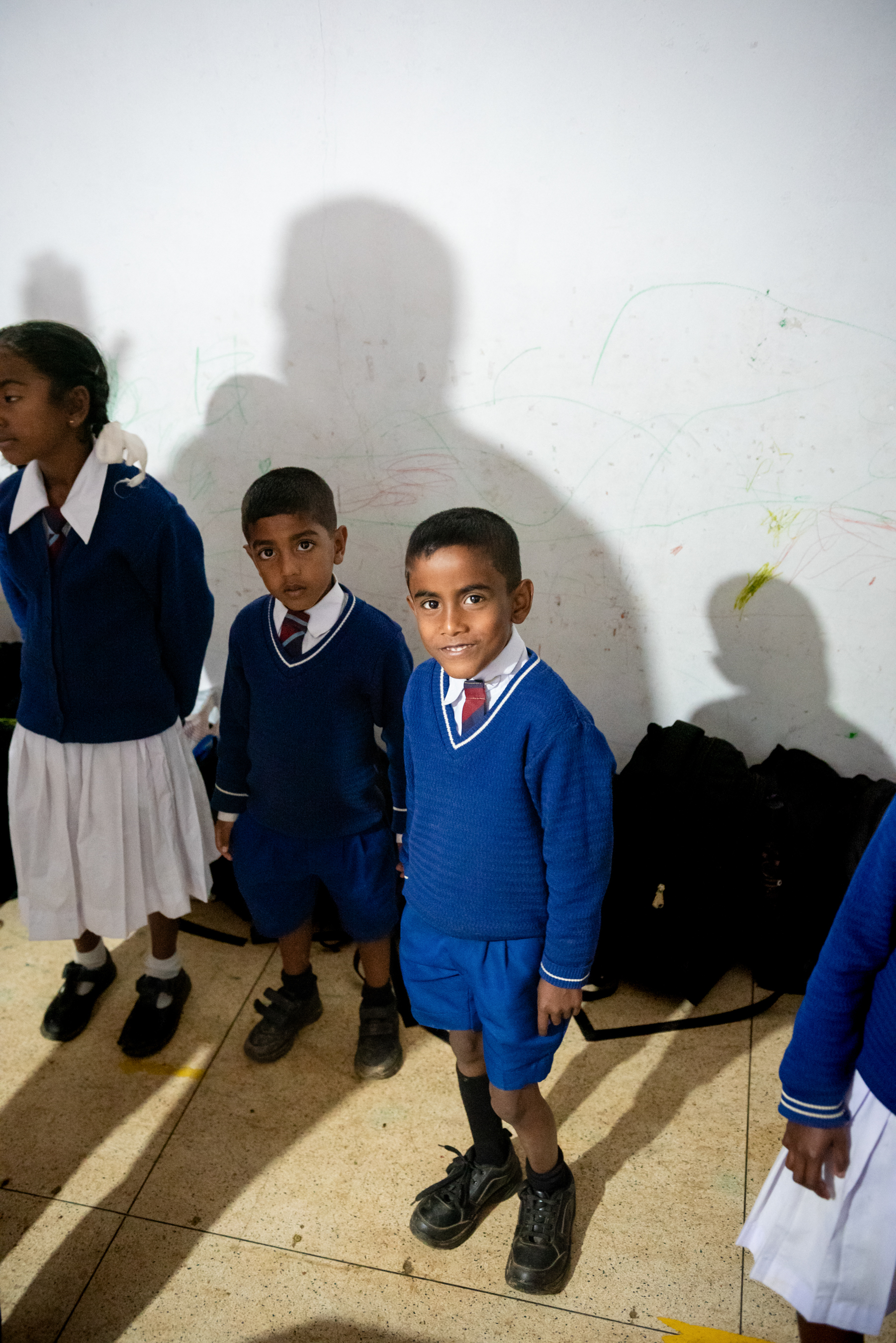
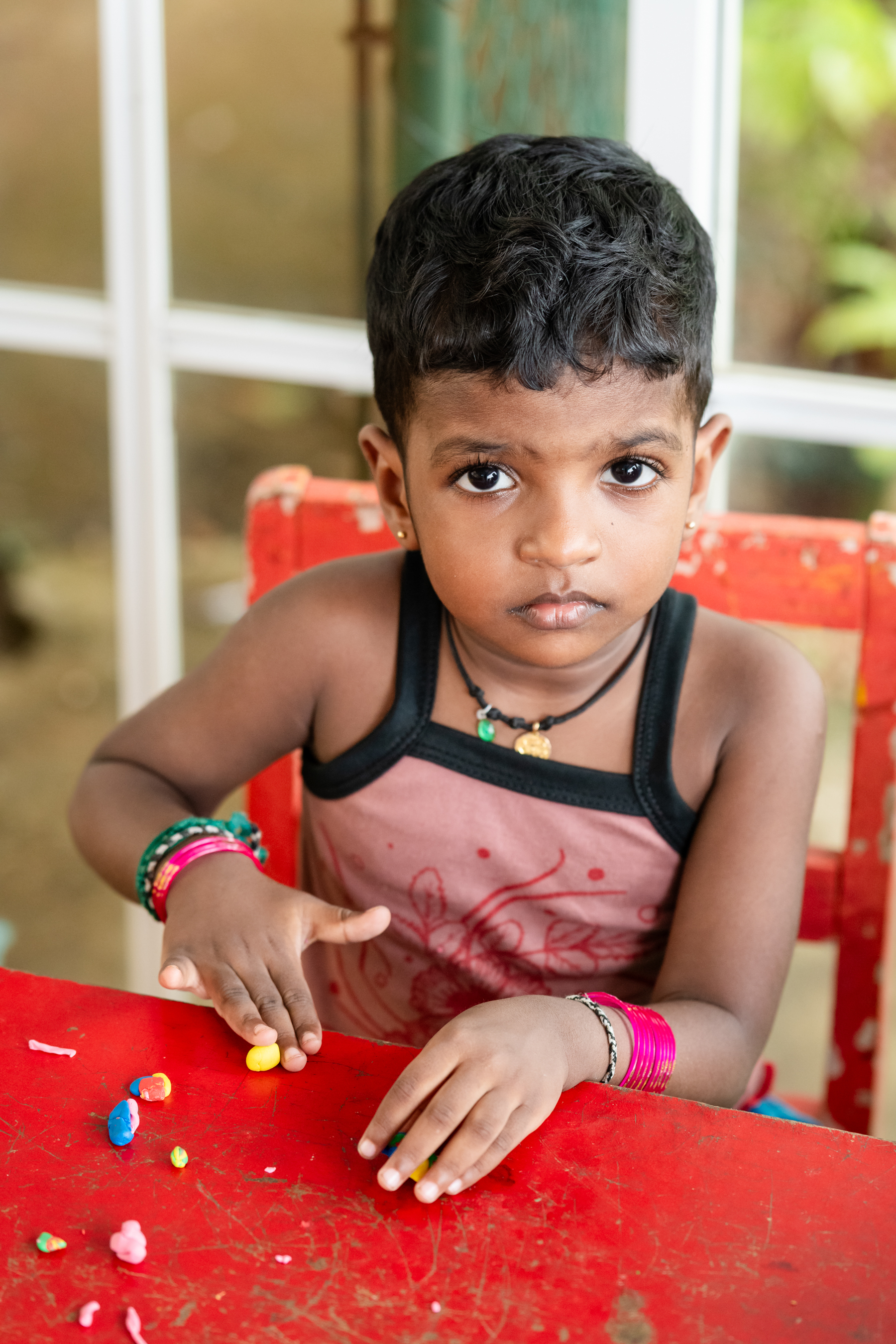
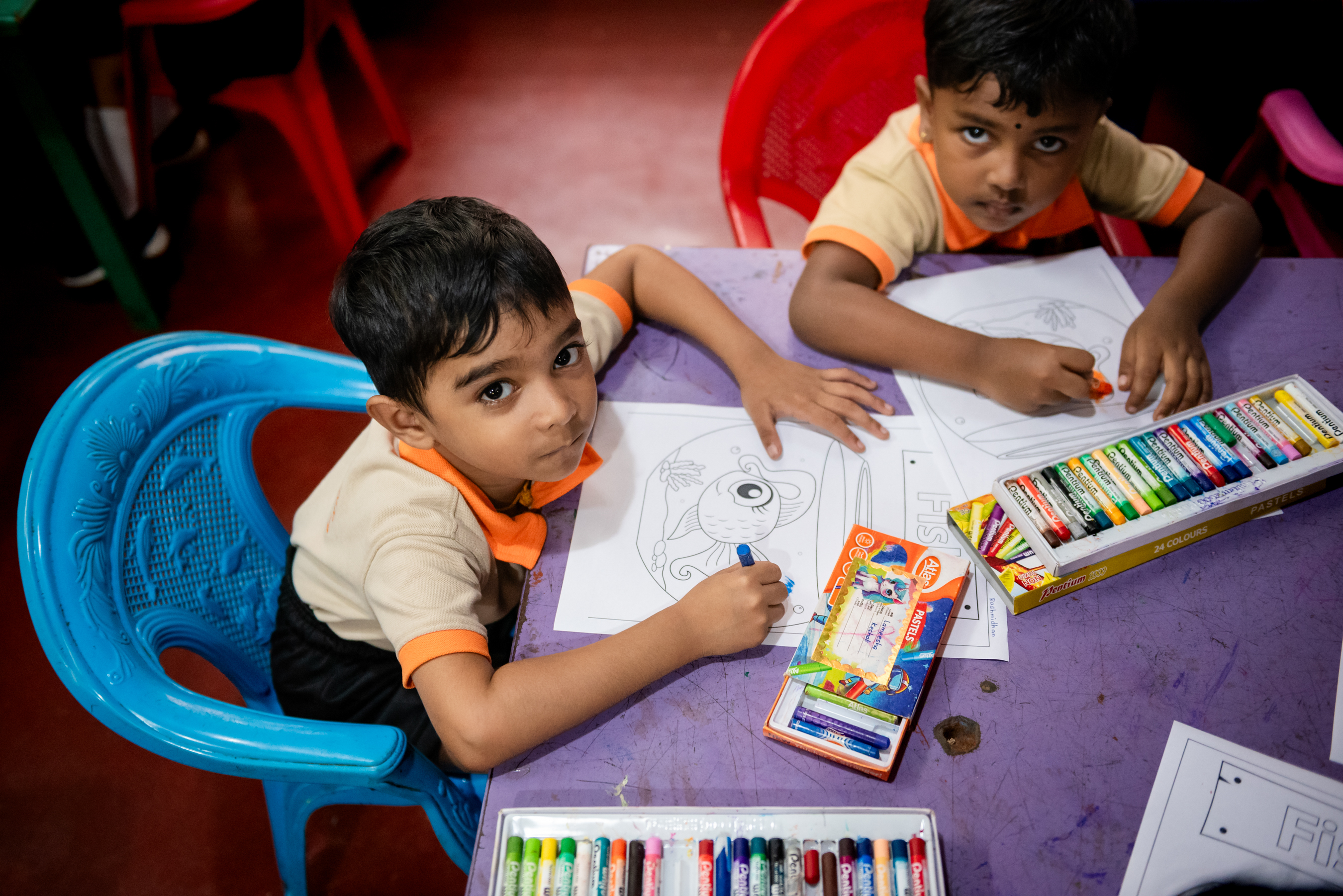
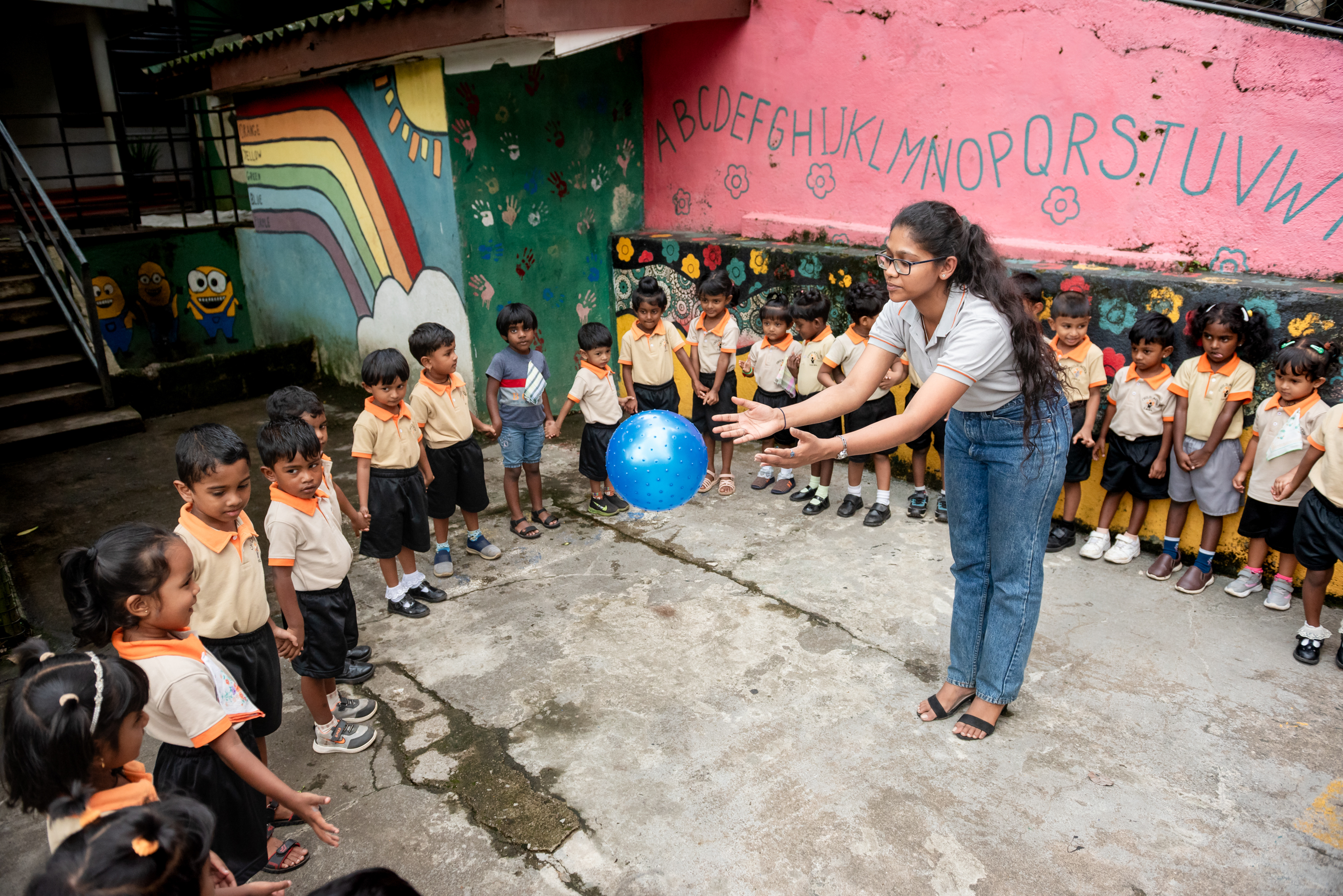
There is also a deeper line running through my life’s work. In Sarajevo in 1996, while working on assignment as a photojournalist, I saw children playing in a bombed-out schoolyard. That image never left me. Ever since, my eye has returned to the charged intersection of innocence and hardship held in the same frame. Sri Lanka sits directly on that axis.
But the standard has to be clear. The people in the photographs should not lose dignity in order for the audience to gain feeling.
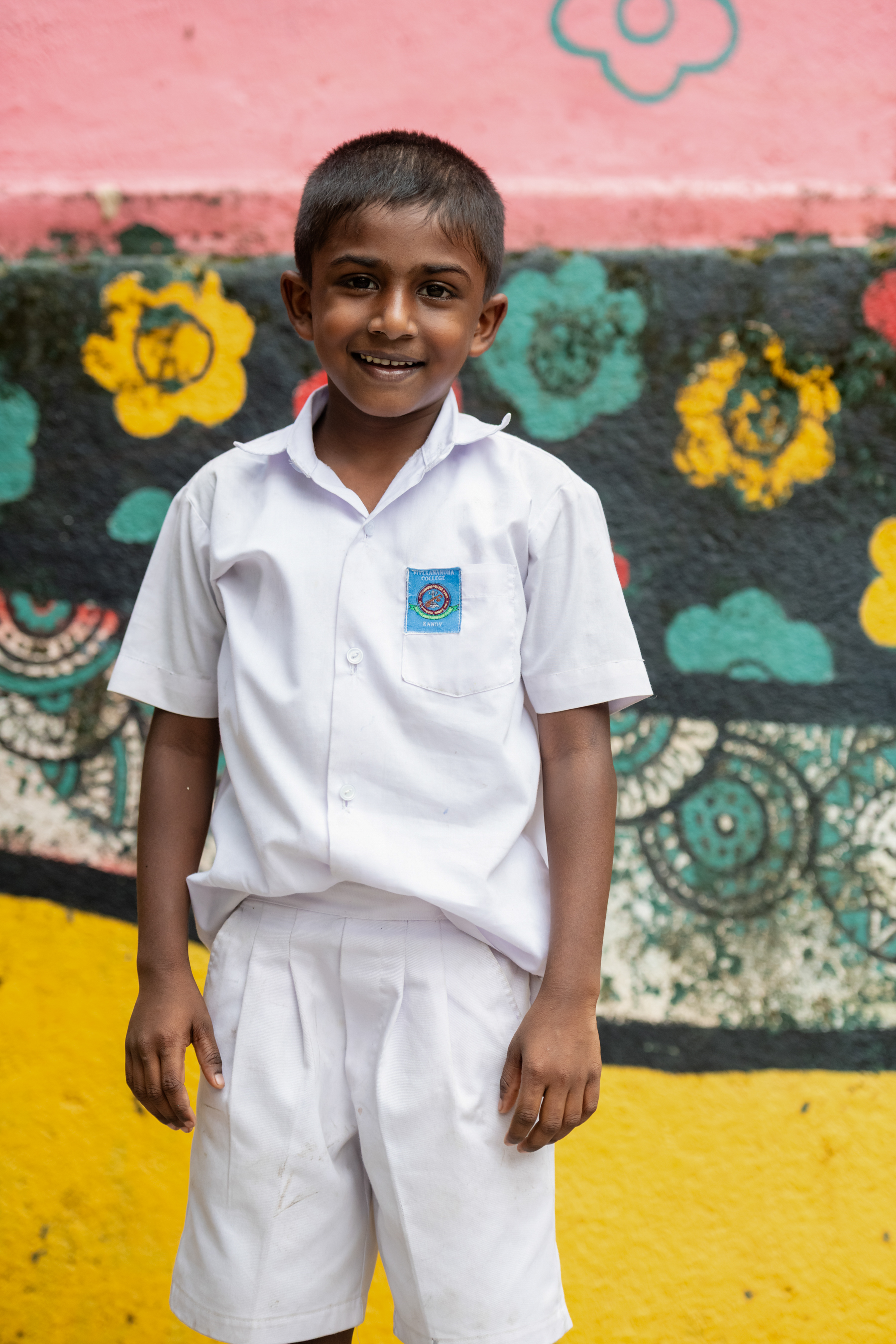
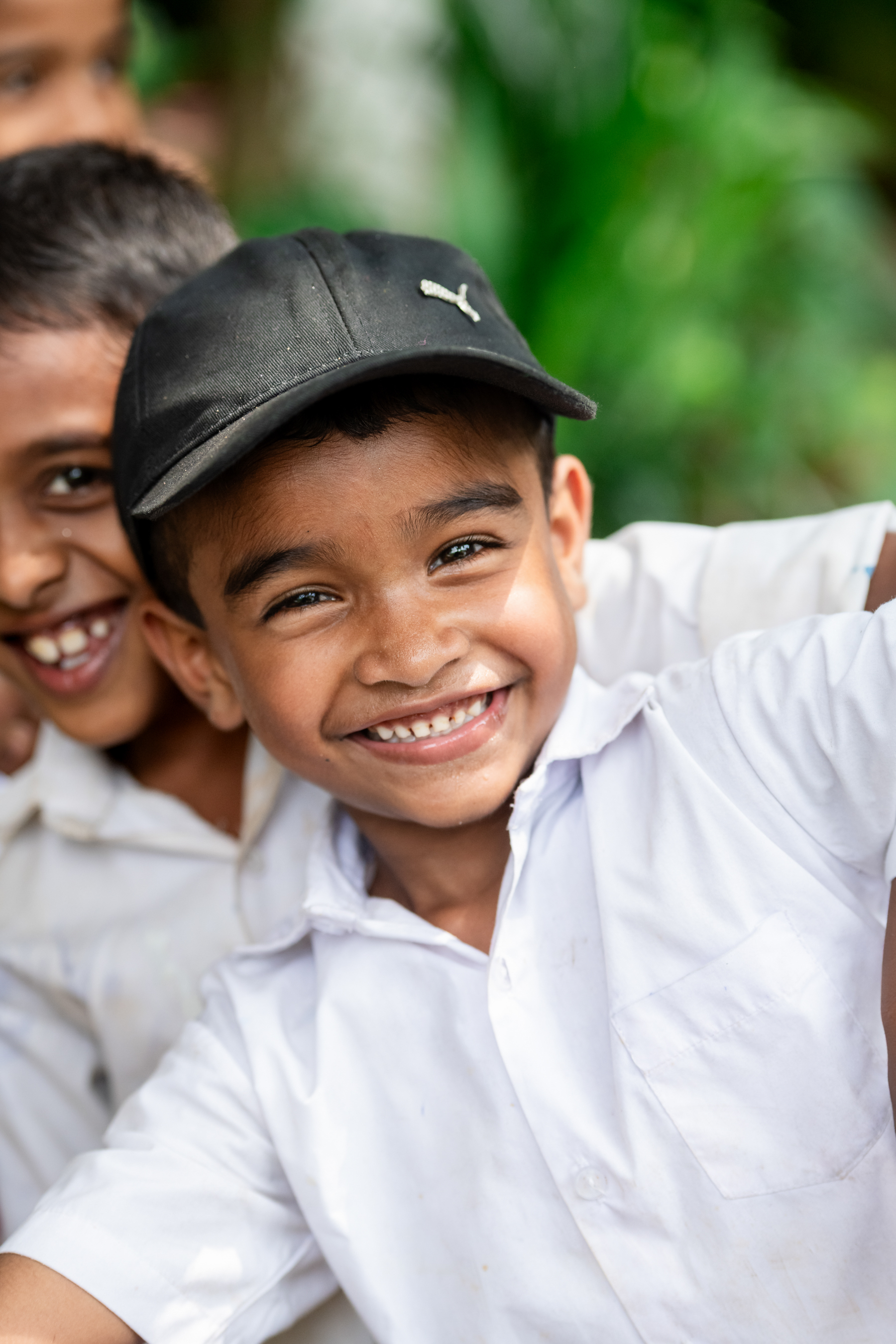
That is why I kept returning to the idea of dignity before drama. I was not there to make poverty beautiful. I was not there to turn hardship into inspiration. I was there to witness, to listen, to serve the organization with useful images, and to help build a bridge between the communities I met and the people who might one day care enough to support them.
Empathy over sympathy. Proximity over spectacle. Trust over extraction.
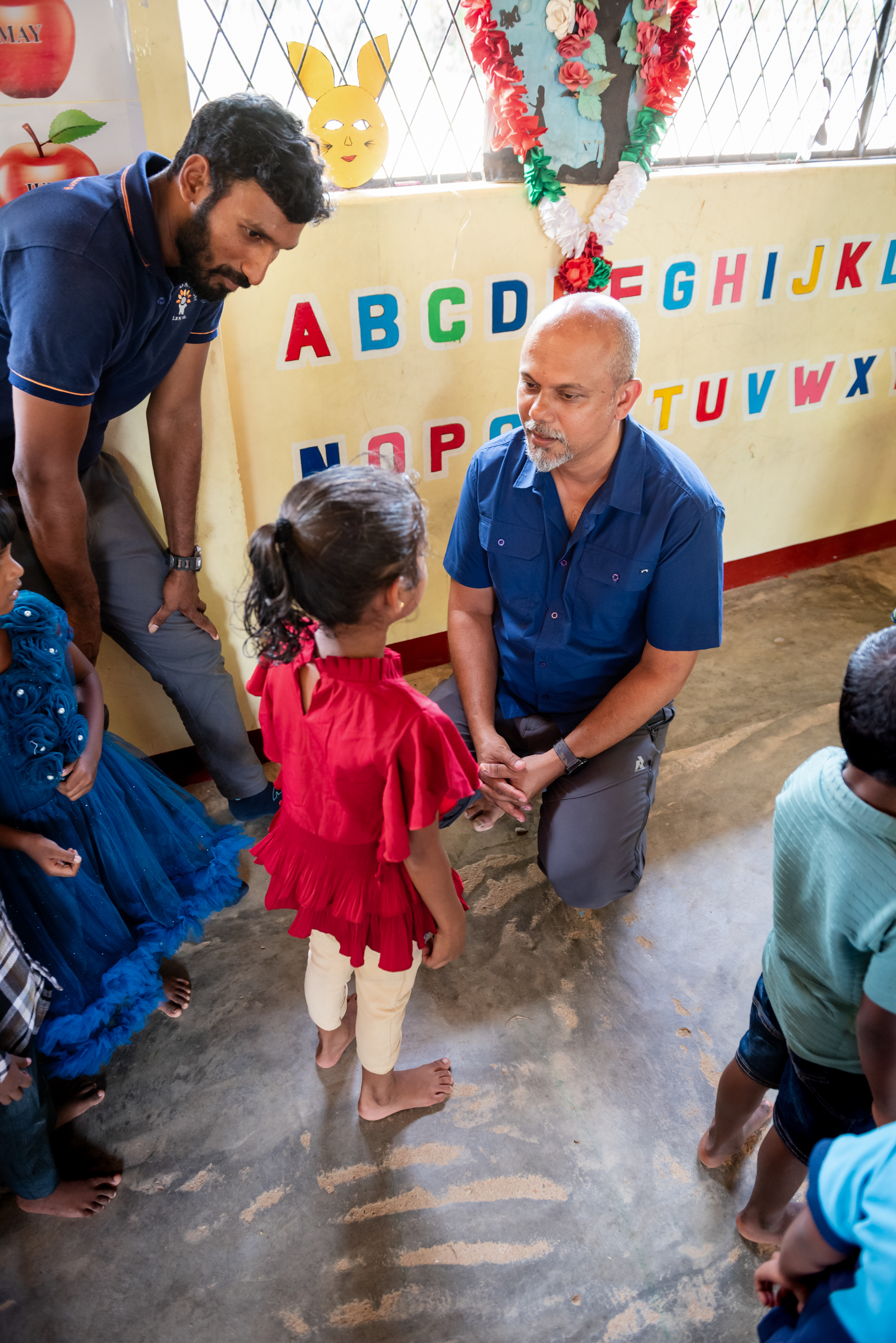
At several centers, I was welcomed with garlands and flowers. At home, I photograph many South Asian weddings, and I know that the exchange of garlands carries meaning. So to be welcomed in Sri Lanka this way, again and again, often with a soft “good morning sir,” carried a weight I did not expect.
At times, I could feel the responsibility of being welcomed so openly. A visitor is never just passing through when people are offering trust and letting you close enough to photograph their lives. It made me want to represent well. Not perfectly, because no visitor can fully understand a country in a single trip. But carefully. Honestly. With humility. With gratitude.
And while the heart of this journey was CAL, the country around the work deserves its own reverence.
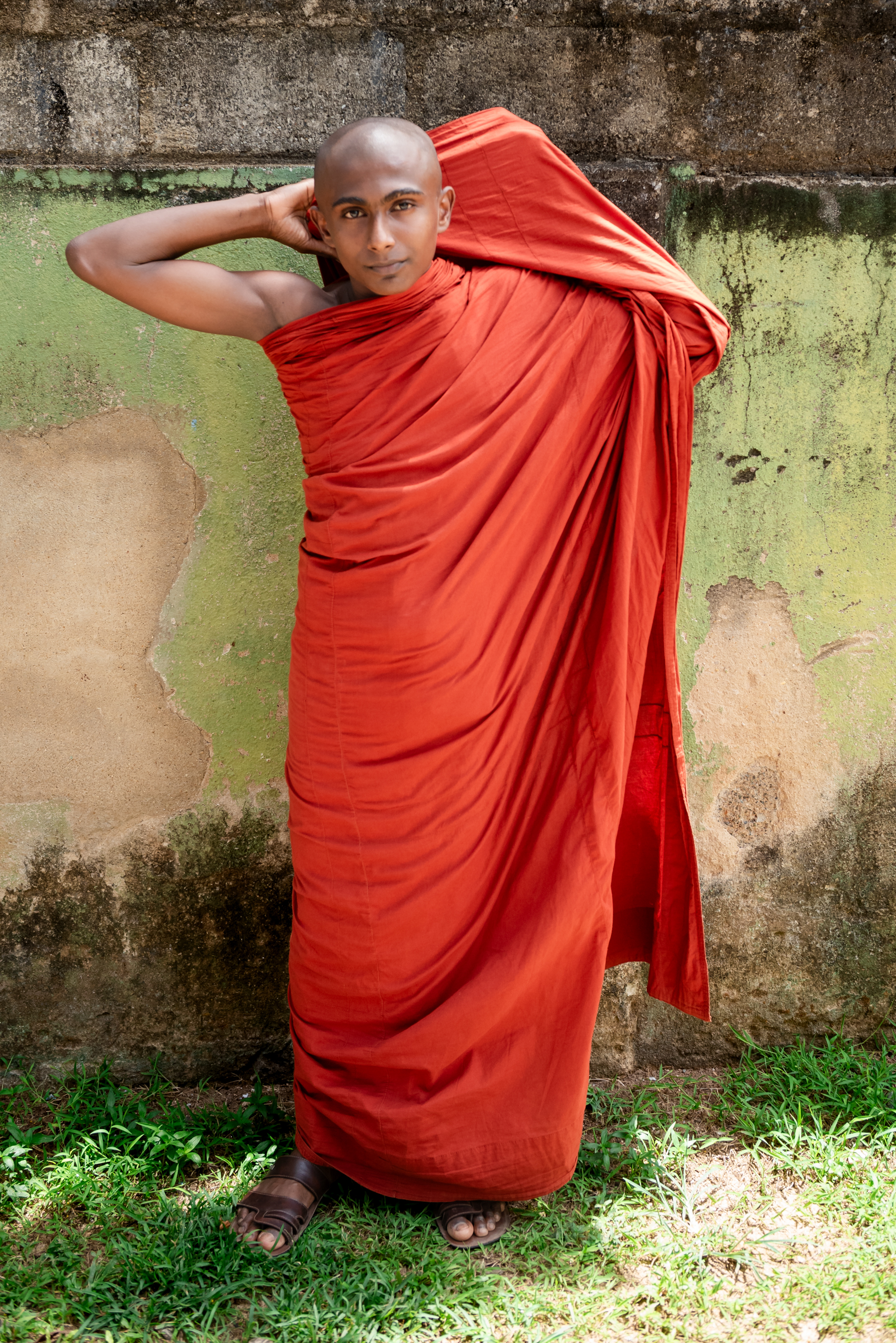
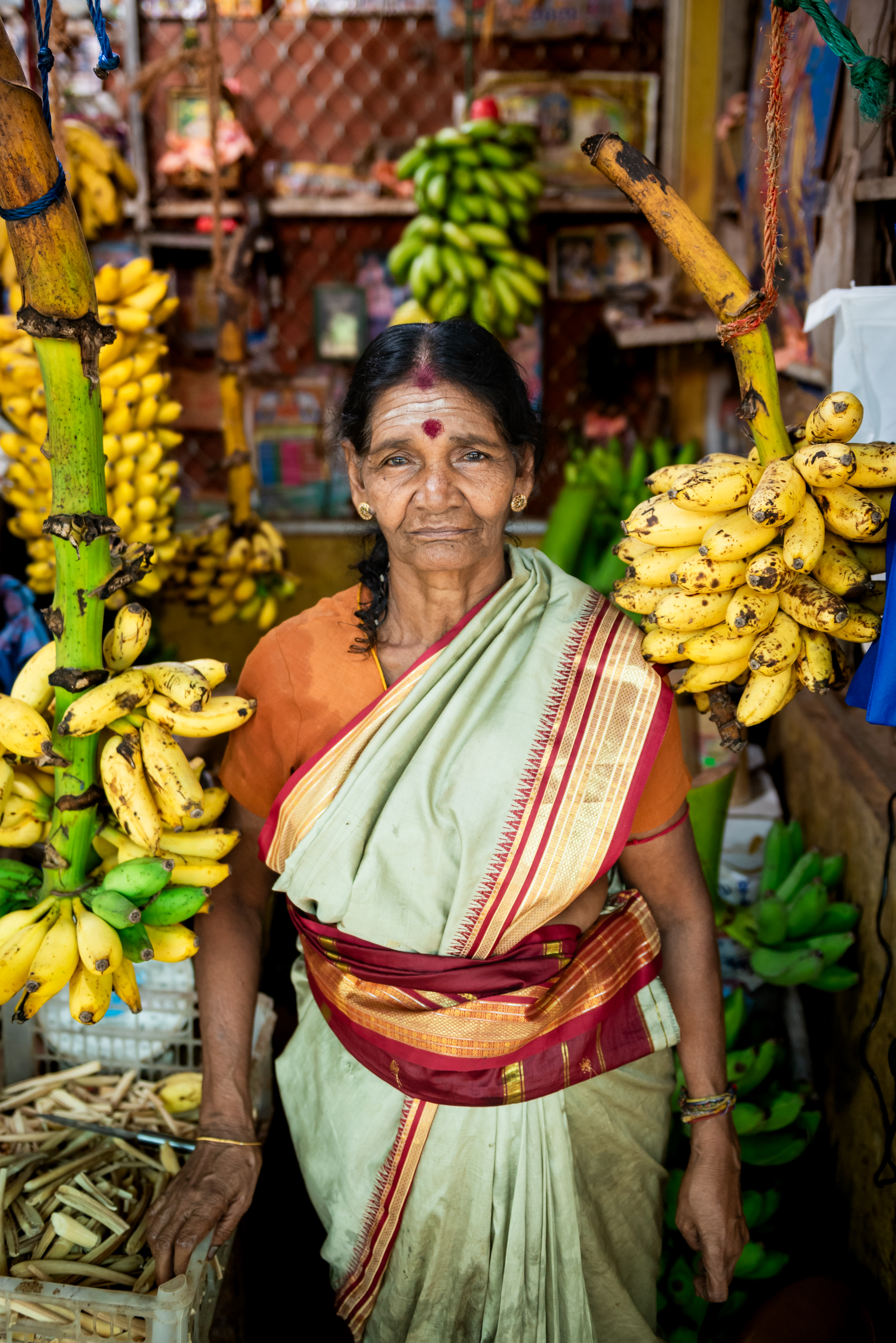
Between centers and long drives, I also photographed ordinary Sri Lankan life as it moved around me: fruit sellers framed by bananas and apples, women in market stalls, fish laid across tiled counters, vegetables stacked in color, seamstresses working over bright fabric, monks in saffron robes, and faces that held the rhythm of daily work. These were not separate from the story. They were the country breathing around it.
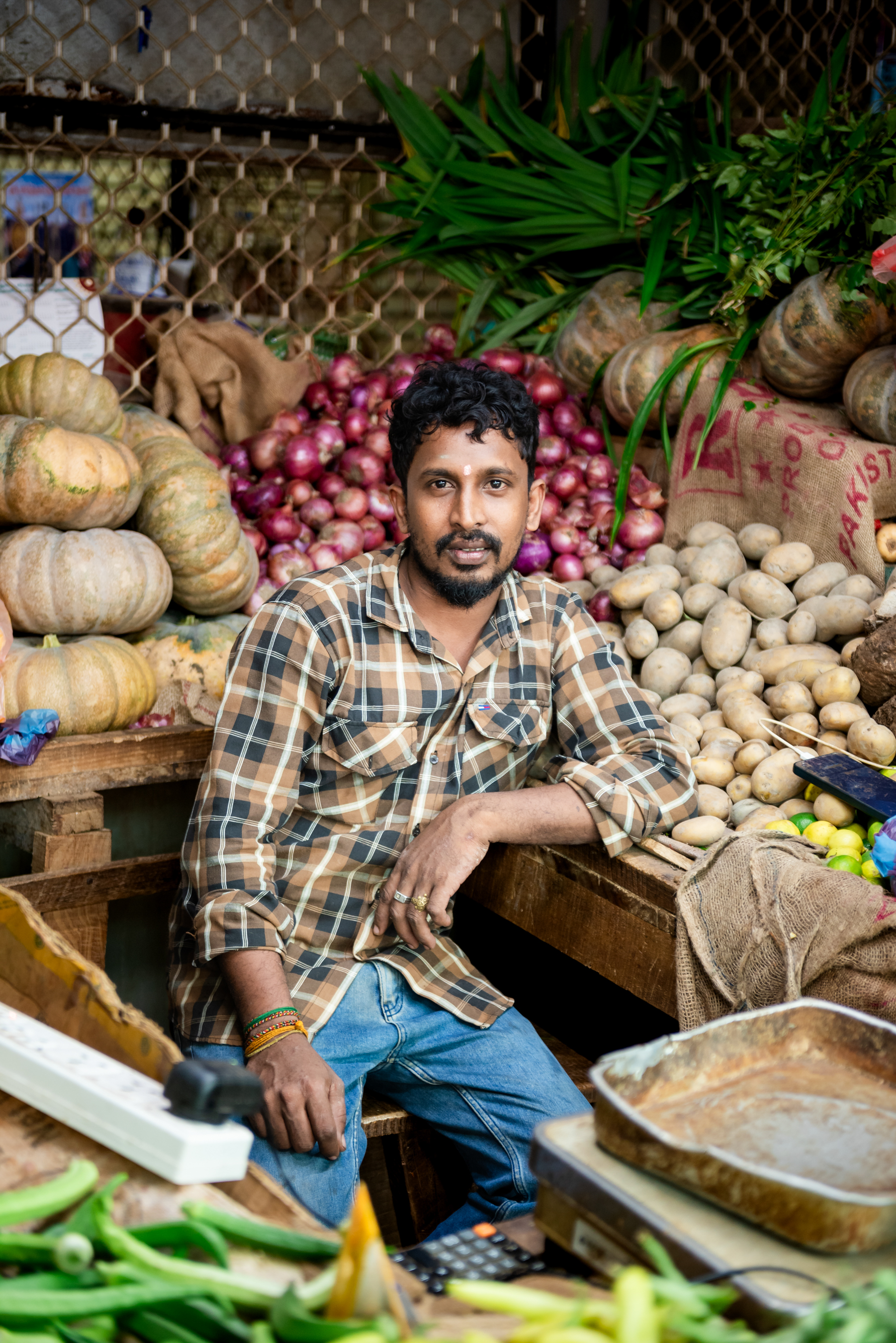
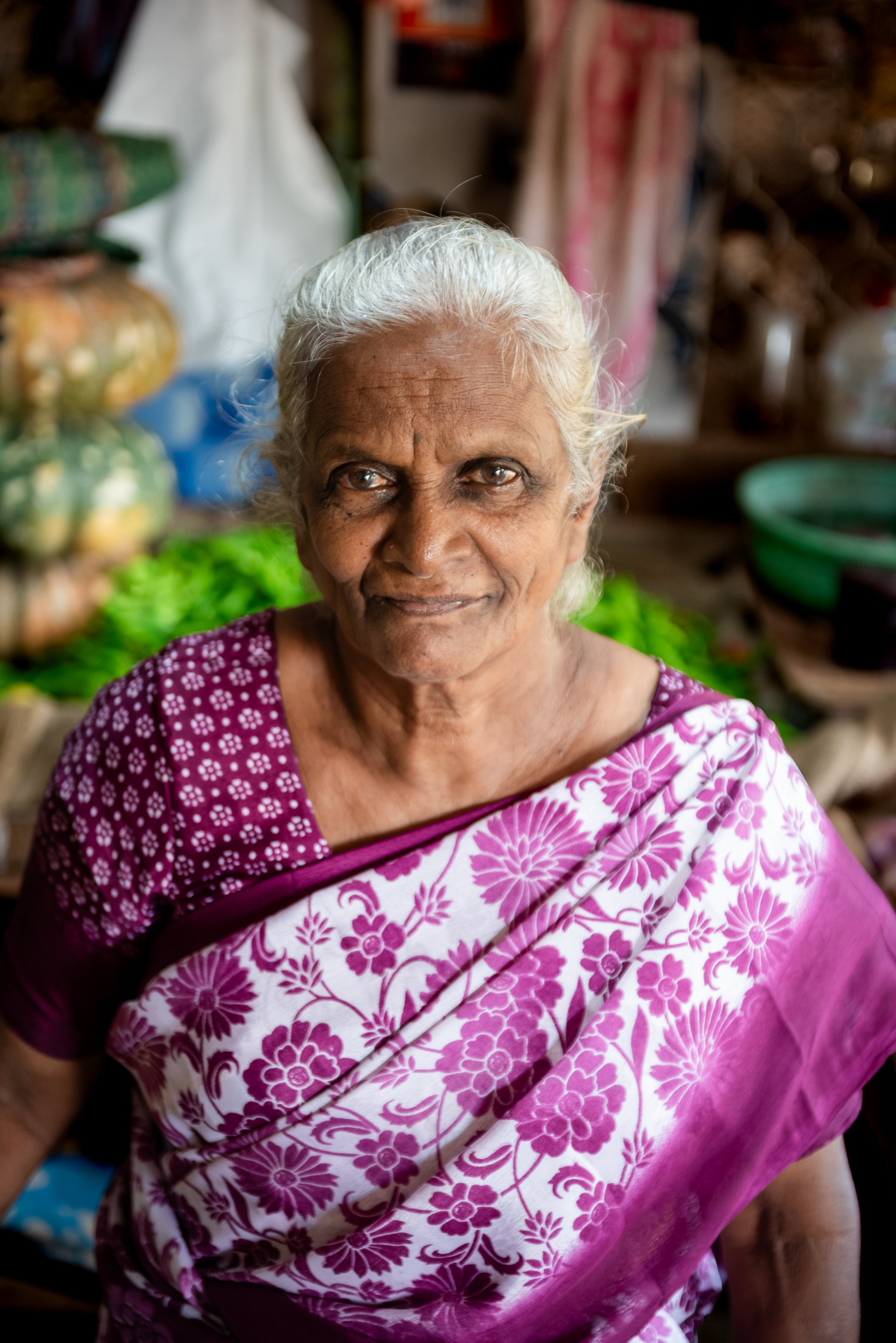
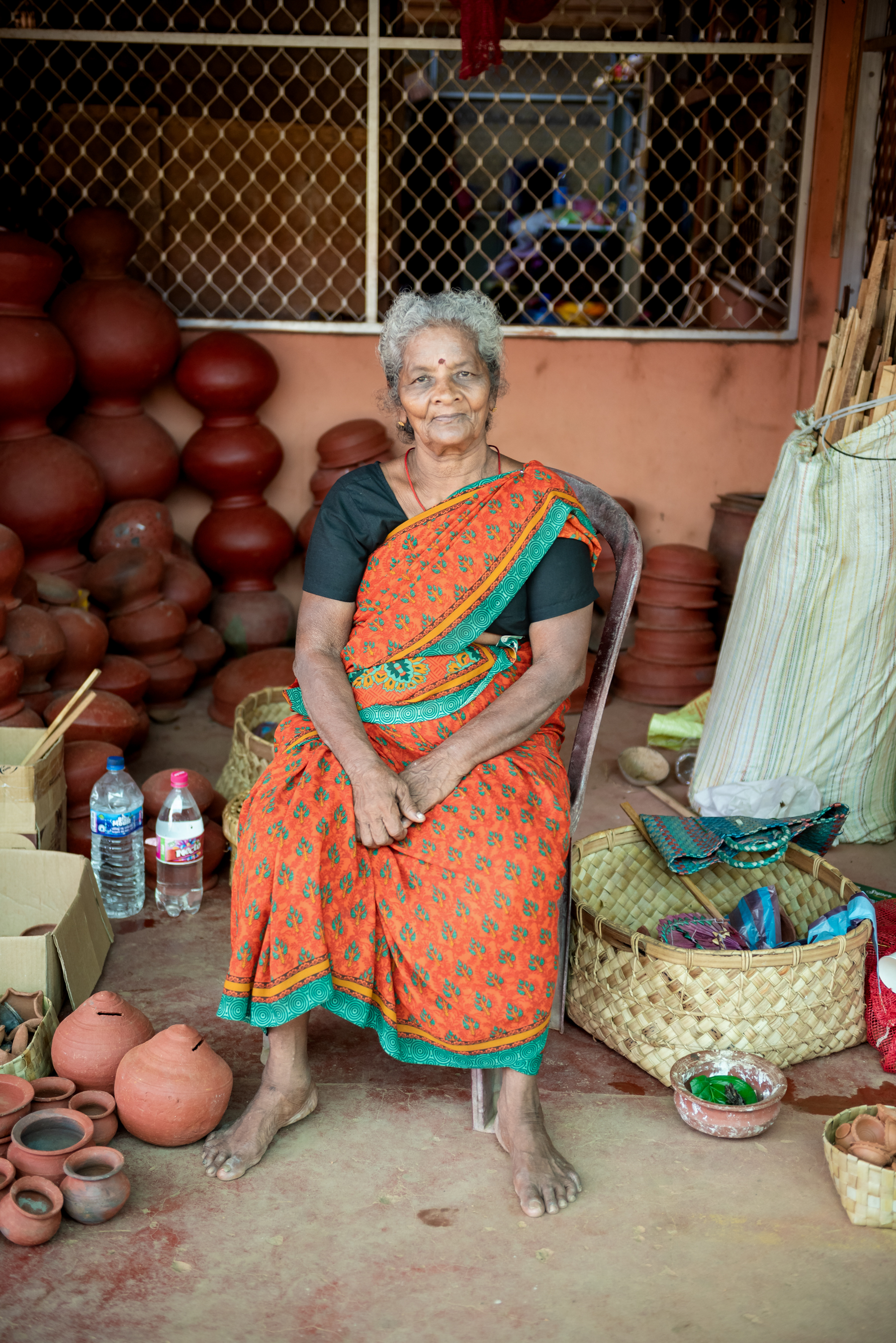
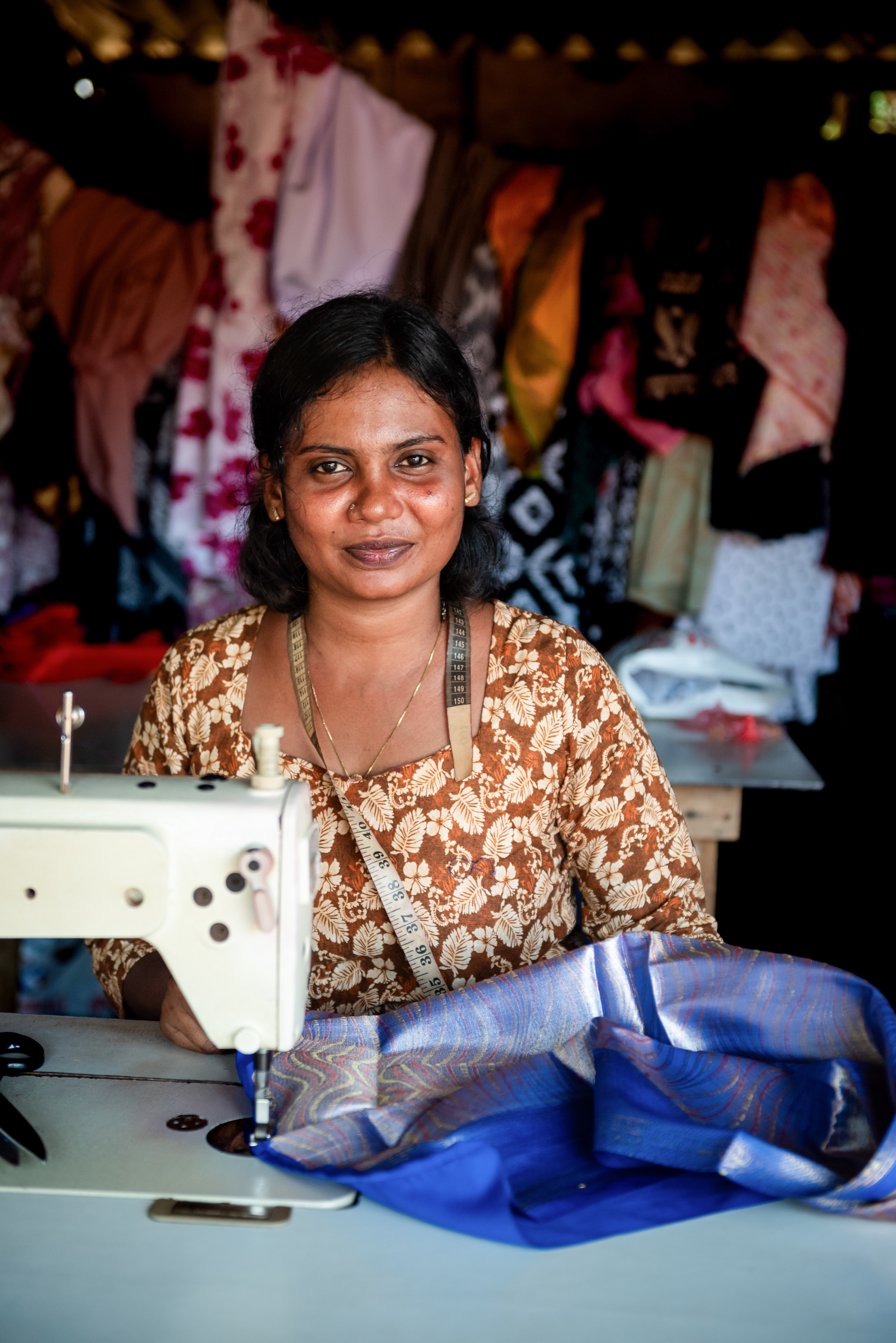
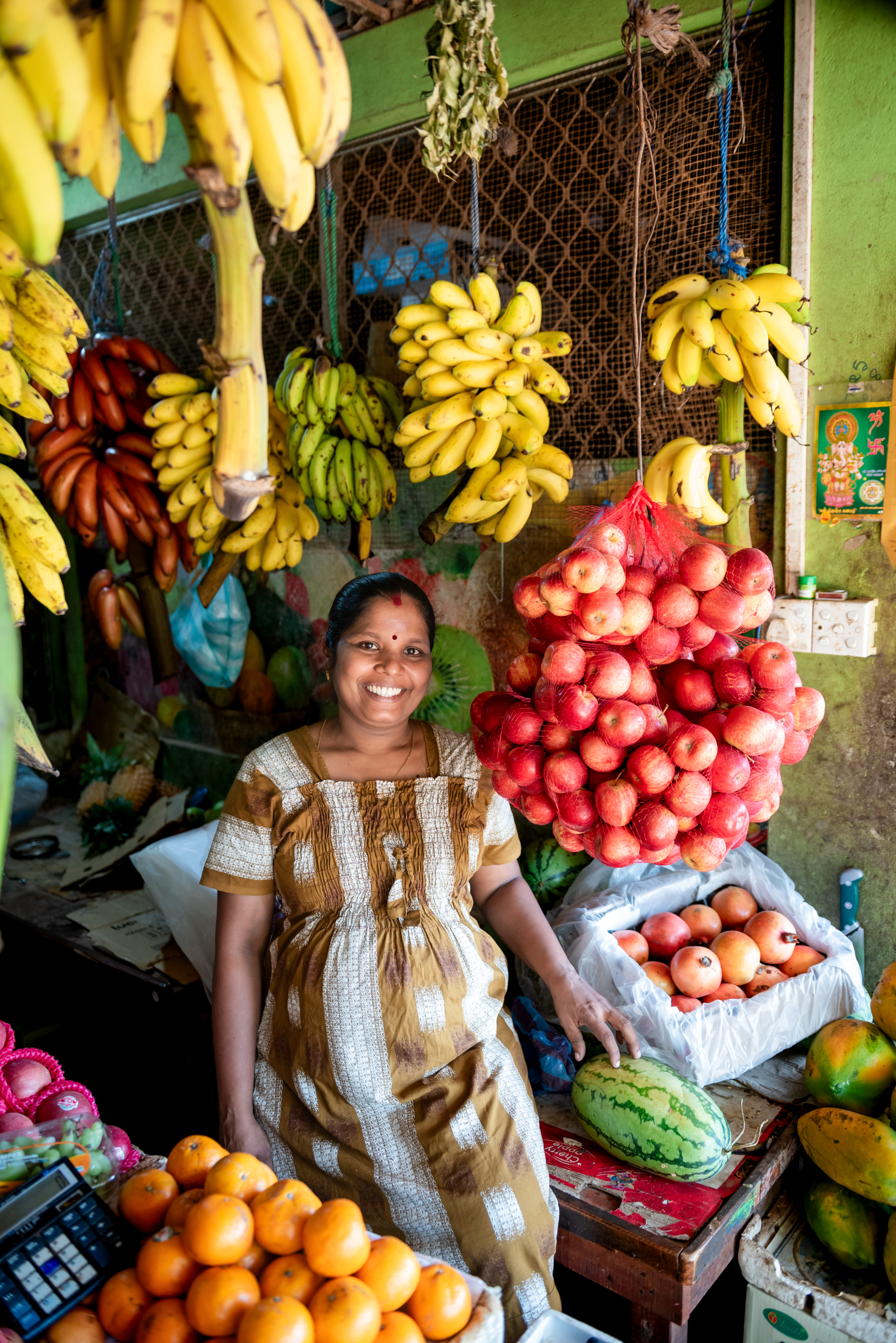
Sri Lanka deserves to be seen and experienced. The beaches are extraordinary. The east coast has its own rhythm and light. Kandy brings cooler air and a different emotional center. The hill country shifts the temperature, the color, the pace. The north carries history differently. The coastlines, temples, roads, storms, tuk-tuks, markets, sunsets, and people all belong to the story.
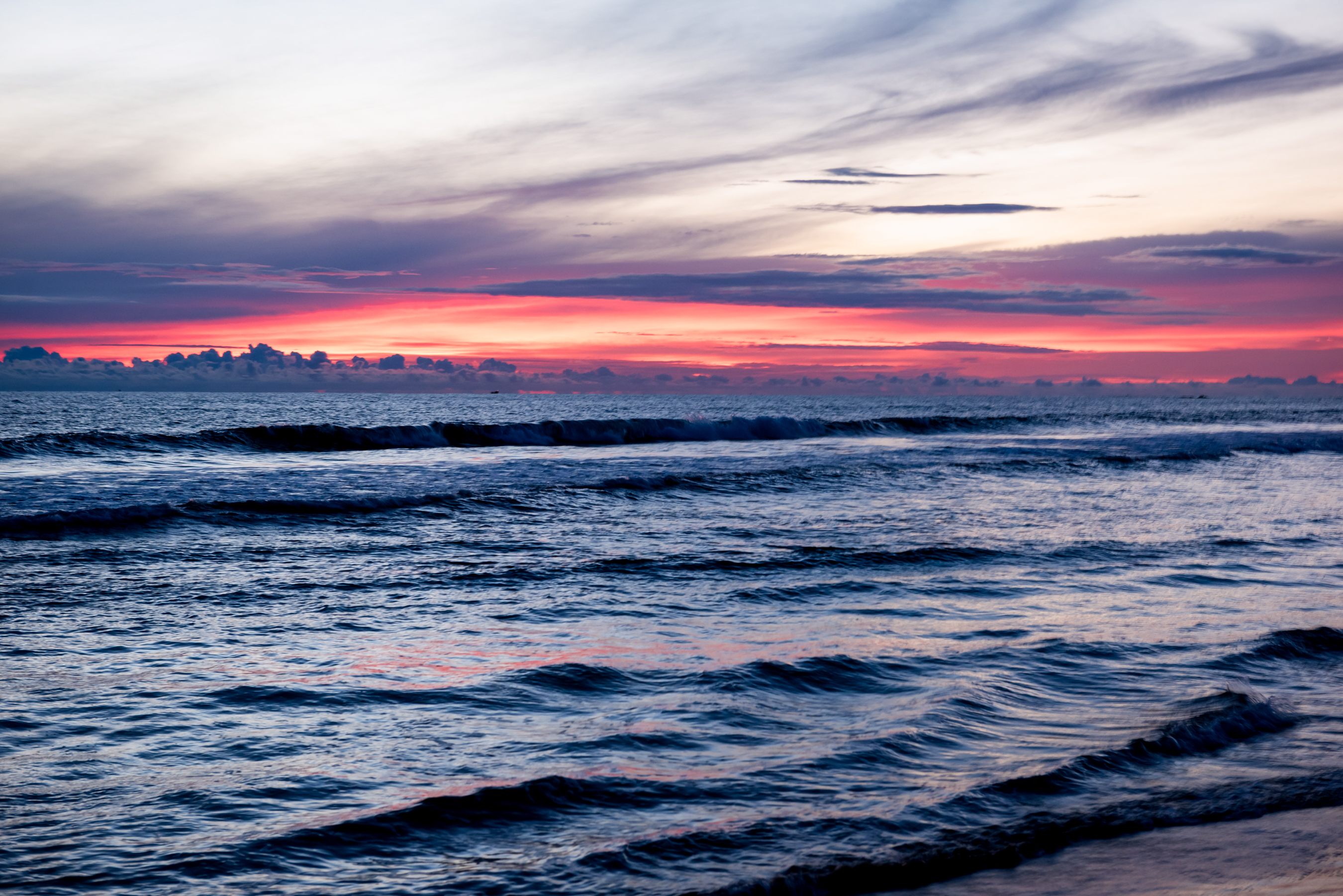
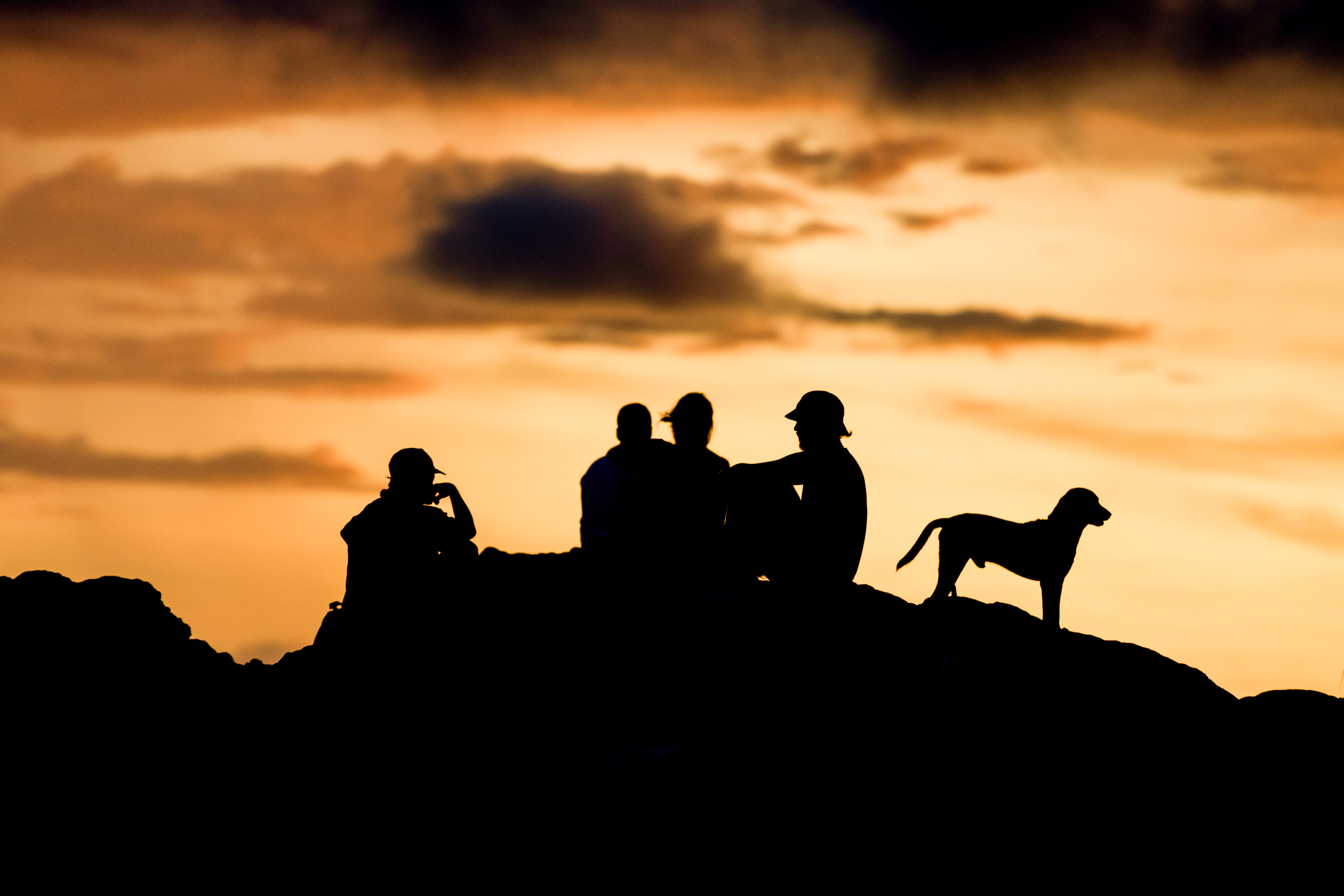
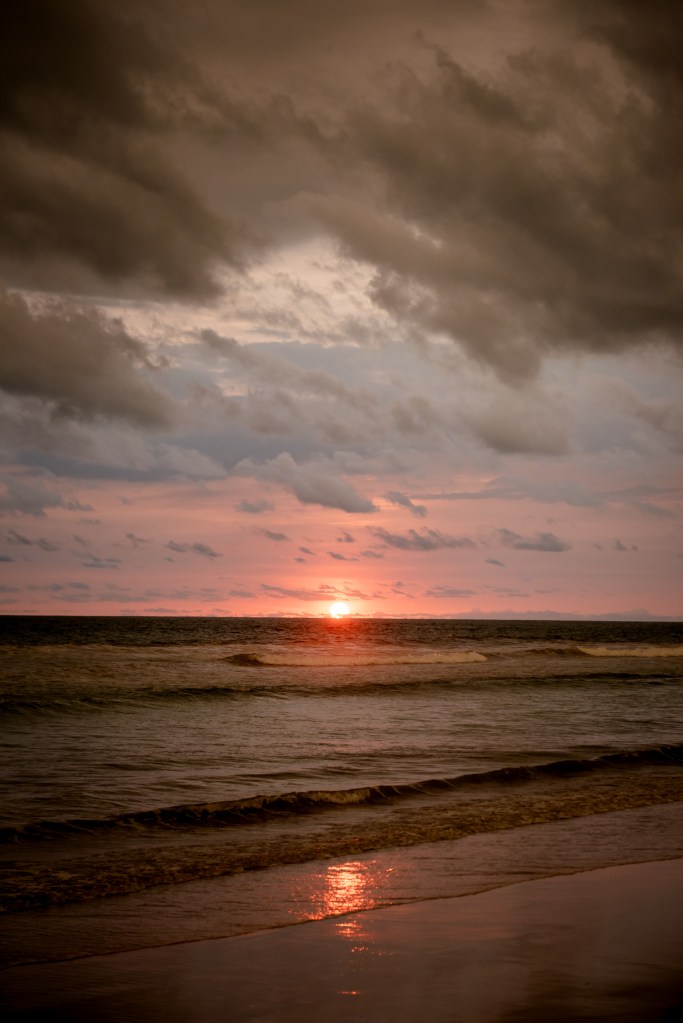
The sunrises opened the days, but the sunsets seemed to set the sky on fire. Every shade of red, orange, and yellow burned across the evening, as if the island was not finished speaking.
Movement became part of how I understood Sri Lanka. A motorbike, a tuk-tuk, a small car, or a larger van was almost always nearby, rattling through traffic, weaving through heat, carrying me between coast roads, city streets, and learning centers. PickMe, the rideshare app, made all of it surprisingly easy, often for what felt like only cents. Through those rides, the country felt more accessible, more immediate, as if each road was carrying me from one part of the story to another.
I want people to know Sri Lanka is beautiful. I also want them to know that beauty is not the whole story.
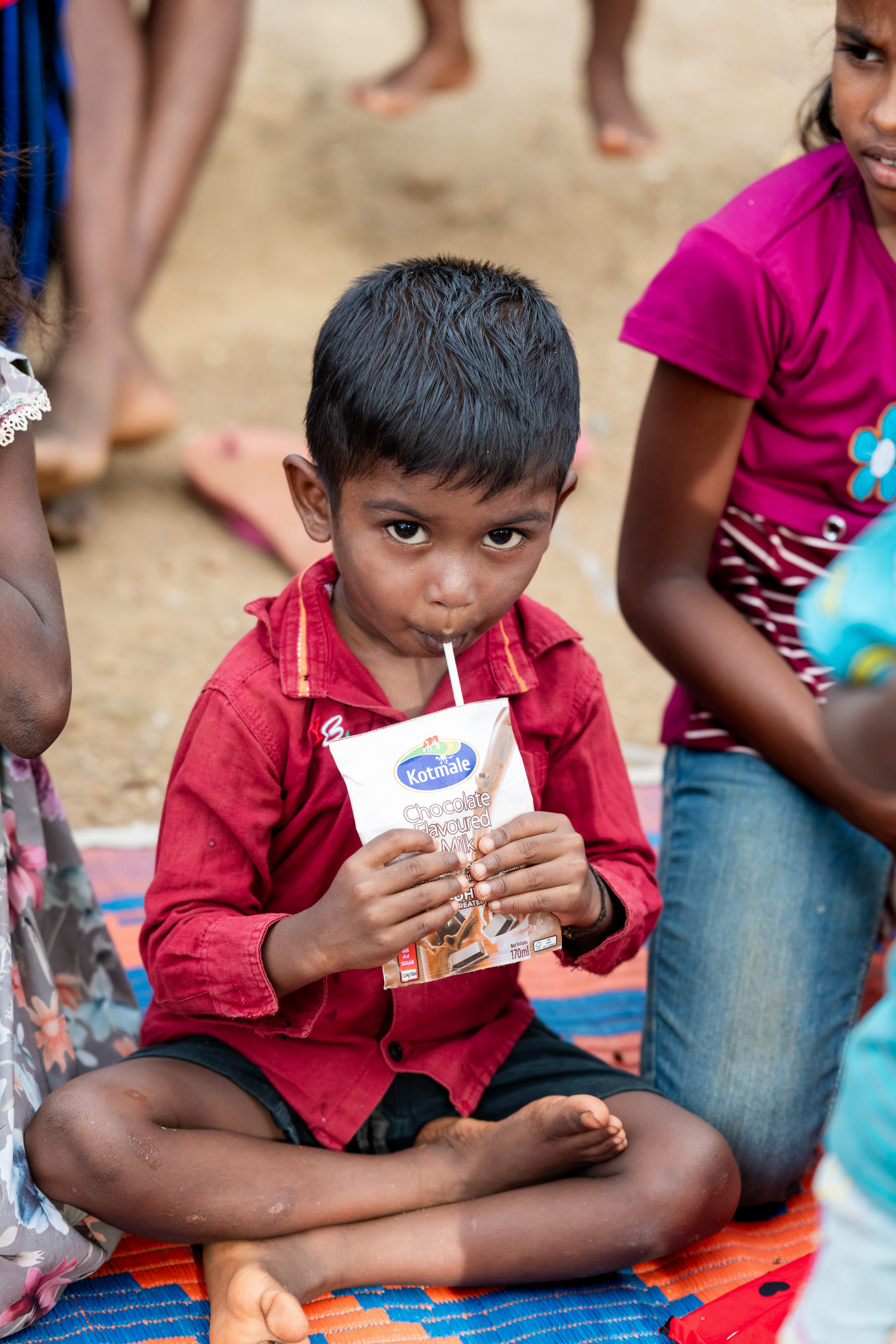
There is work happening there that deserves attention. There are communities being served with patience and structure. There are lives being changed not by grand gestures, but by daily care: a meal, a lesson, a ride to the center, a safe place, a teacher, a song, a glass of milk, a uniform, a notebook, a hand on a shoulder, a community that says, keep going.
That is the part I keep coming back to.
Care, when it becomes structure. Love, when it becomes logistics. Hope, when it arrives in a bus.
And maybe that is why this story still feels unfinished in the best possible way. I can imagine returning to Sri Lanka not only to photograph, but to bring others with me: people who want to learn how to see more deeply, photograph more thoughtfully, and understand the work of Child Action Lanka from the ground. Not as tourists passing through, but as witnesses, students, and supporters.
For now, that is only a seed of an idea.
But Sri Lanka is that kind of place. It plants things.
There are moments in life when I recognize myself more clearly. Not because everything is easy, but because I am doing the kind of work that makes me feel useful, grateful, and fully awake.
Sri Lanka reminded me of that.

